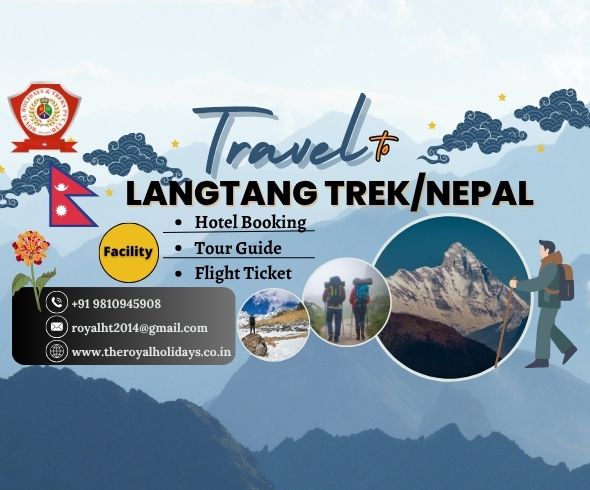
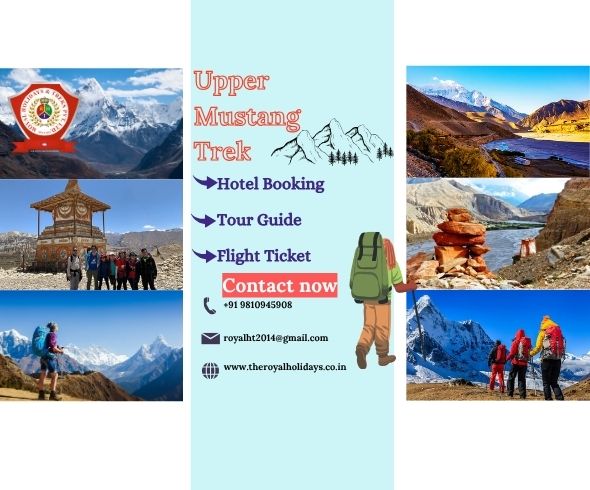
Upper Mustang Trek is an outstanding adventure in the remote western Himalayan region of Nepal. This incredible trek package from Nepal Eco Adventure provides trekkers an opportunity to explore the unexplored beauty. This region is geographically different from other parts of Nepal.
It is a Trans Himalayan region and is widely considered to be an ancient seabed. One remarkable aspect about Upper Mustang is that it is a rain shadow area that remains dry throughout the year. The desert-like barren landscapes of the regions are pretty similar to the Ngari region in Tibet.
Thakalis, Gurung, and Tibetan are the majority ethnic groups in Mustang. Besides that, you can also find Bhotiya, Tamang, Limbu, and people of other ethnicities. Tibetan Buddhism is the primary religion, and thus, you can find many Gompas, chortens, mani walls, and other Buddhist landmarks.
The Mustang region provides you majestic views of mountains, green pastures, grand canyons, local settlements, and other landscapes. The people live their traditional life without the interference of modern lifestyles. The traditional heritage of the region and lifestyle will surely make you fall in love with the destination.
Overview
Travel is the movement of people between relatively distant geographical locations, and can involve travel by foot, bicycle, automobile, train, boat, bus, airplane, or other means, with or without luggage, and can be one way or round trip. Travel can also include relatively short stays between successive movements.
The origin of the word “travel” is most likely lost to history. The term “travel” may originate from the Old French word travail, which means ‘work’. According to the Merriam Webster dictionary, the first known use of the word travel was in the 14th century.
It also states that the word comes from Middle English travailen, travelen (which means to torment, labor, strive, journey) and earlier from Old French travailler (which means to work strenuously, toil). In English we still occasionally use the words “travail”, which means struggle. According to Simon Winchester in his book The Best Travelers’ Tales (2004), the words “travel” and “travail” both share an even more ancient root: a Roman instrument of torture called the tripalium (in Latin it means “three stakes”, as in to impale).