The Langtang Valley Trek is a captivating high-altitude trek situated within Langtang National Park, making it one of Nepal’s most accessible yet often-underrated trekking regions. Often referred to as the “Valley of Glaciers,” the route begins at Syabrubesi—located a scenic drive away from Kathmandu—and winds along the banks of the Langtang Khola River, traversing a diverse range of ecosystems: from lush bamboo and rhododendron forests—home to rare wildlife such as the red panda—to vast, barren alpine meadows.
Trekkers experience the rich culture of the Tamang people, particularly in the reconstructed Langtang Village, which stands as a poignant symbol of resilience following its devastation during the 2015 earthquake. The trek ultimately reaches Kyanjin Gompa, situated at an altitude of 3,870 meters; this spiritual hub houses an ancient monastery and a local cheese factory. It serves as a base for ascents to peaks such as Tsergo Ri (4,984 meters), offering panoramic vistas of Langtang Lirung and other majestic Himalayan summits.
The Langtang Trek is considered a very safe journey, provided that standard Himalayan trekking precautions are observed.
Most Famous And Attractive Tourist Places In Langtang Trek :
1. Kyanjin Ri (4,773m)
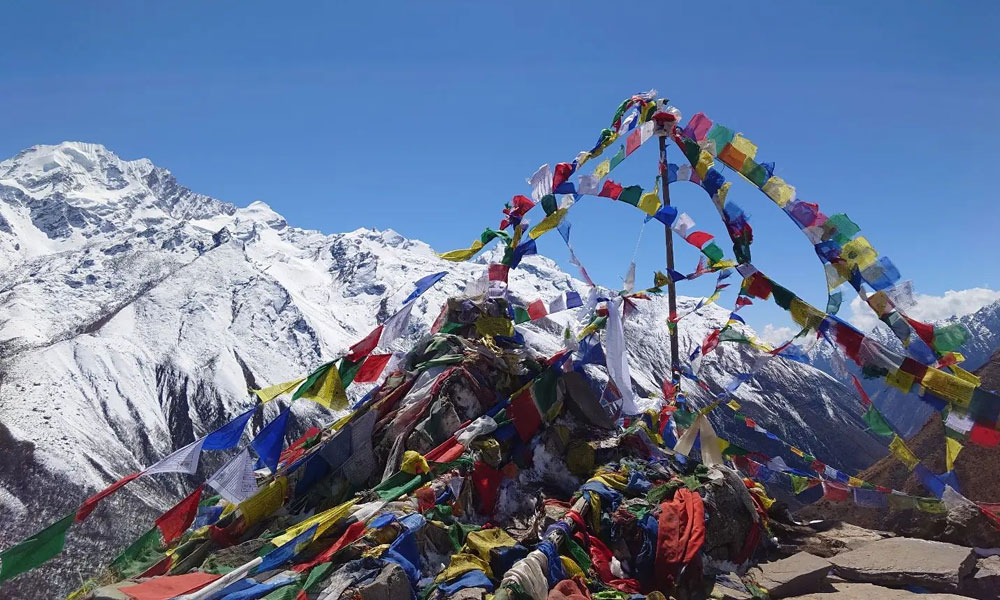
Kyanjin Ri, standing at an impressive 4,773 metres (15,659 feet), is widely considered the ultimate viewpoint of the Langtang Trek and a must-climb for anyone staying in Kyanjin Gompa. This peak serves as a “natural balcony” that offers a breathtaking 360-degree panorama of the Langtang Himalaya, including the massive south face of Langtang Lirung, the jagged peaks of Kimshung and Yansa Tsenji, and the sprawling Langtang Glacier snaking through the valley floor below. Unlike the much longer and more taxing hike to Tsergo Ri, the ascent to Kyanjin Ri is a steep but manageable climb that usually takes about 2 to 3 hours from the village, making it an ideal choice for acclimatization before pushing higher or heading back down. Many trekkers aim to reach the summit for sunrise, where the prayer flags fluttering in the wind provide a spiritual backdrop to the sight of the first light hitting the surrounding icefalls and snow-capped summits.
2. Lama Hotel (2,480m)

Lama Hotel, situated at an elevation of 2,480 metres (8,136 feet), is a vital trekking hub and a popular overnight stop that marks the transition from the lower river valley into the high Himalayas. Tucked away in a clearing deep within the lush Langtang National Park, the settlement is not actually a single hotel but a collection of several stone teahouses nestled beside the rushing Langtang Khola river. The area is surrounded by dense, enchanting forests of rhododendron, oak, and bamboo, which create a cool, shaded atmosphere and serve as a primary habitat for the elusive Red Panda and various species of Himalayan monkeys. While it lacks the wide-open mountain vistas found further up the trail, Lama Hotel offers a tranquil, intimate mountain experience where the sound of the river provides a constant soundtrack, and it serves as a critical point for physical adjustment as trekkers begin their steady climb toward the alpine meadows.
3. Tsergo Ri (4,984m)
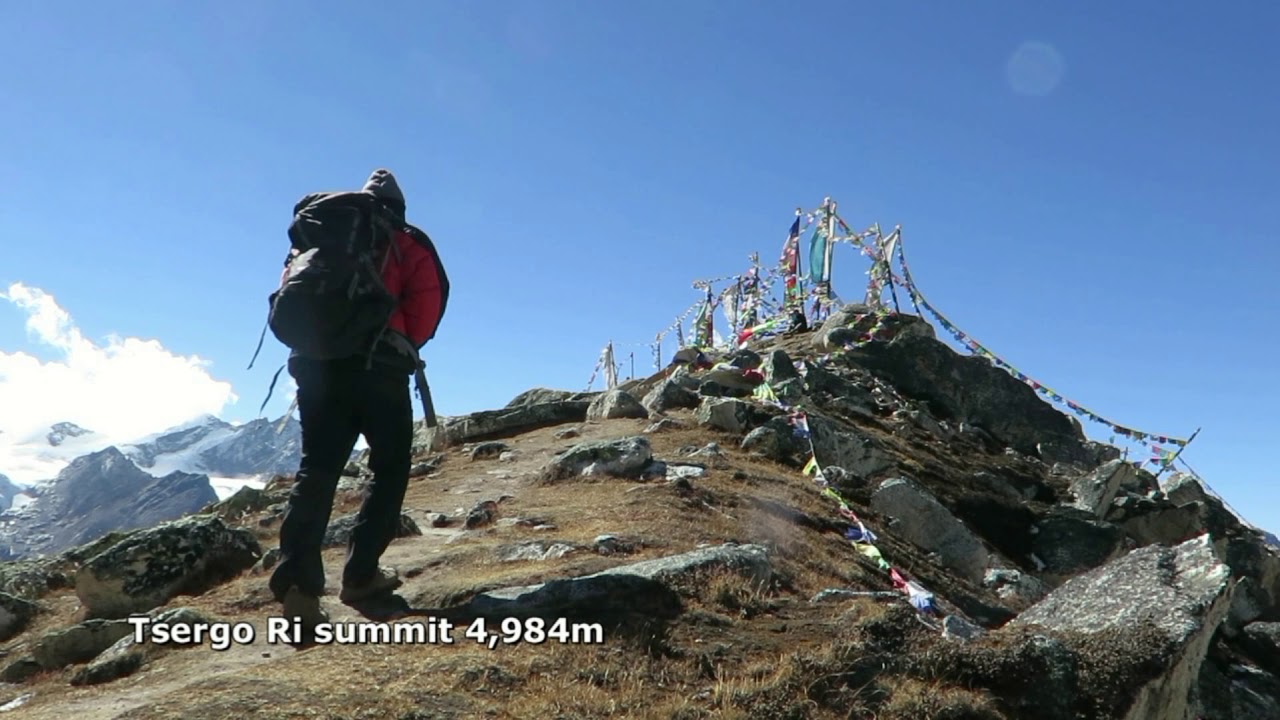
Tsergo Ri, standing at a formidable 4,984 metres (16,352 feet), is the highest point reachable for most trekkers in the Langtang Valley and offers one of the most spectacular mountain vistas in all of Nepal. Reaching the summit is a challenging day-long endeavor from Kyanjin Gompa, involving a steep and often rocky ascent that tests a hiker’s endurance and lung capacity as the air thins. Once at the top, which is marked by a massive mound of stones and colorful Buddhist prayer flags, you are rewarded with an unparalleled, “eye-level” view of Langtang Lirung (7,227m) and a sea of white peaks extending into Tibet, including Shishapangma, one of the world’s fourteen 8,000-metre mountains. Because of its height and the dramatic perspective it provides of the frozen Langtang Glacier and the Yala Peak, Tsergo Ri is considered the ultimate physical and visual highlight of the trek, though it requires a high level of fitness and proper acclimatization to conquer safely.
4. Syabrubesi (1,550m)
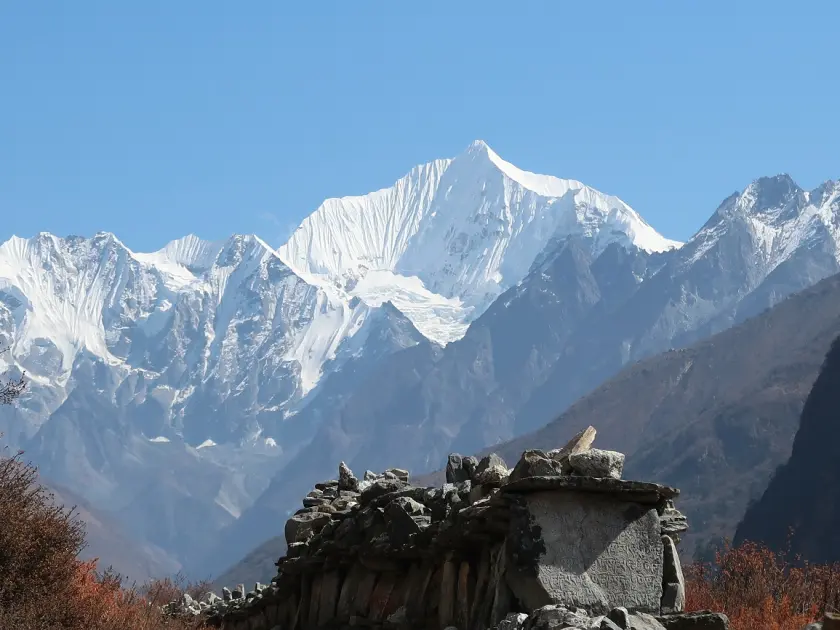
Syabrubesi, located at an elevation of 1,550 metres (5,085 feet), serves as the bustling gateway and the official starting point for the Langtang Valley Trek. Situated approximately 122 kilometres from Kathmandu, this vibrant mountain town is perched at the confluence of the Bhote Koshi and Langtang Khola rivers, offering a mix of modern convenience and traditional Himalayan charm. The town is divided into an “old” and “new” section; while the newer part provides essential services like trekking permit offices, gear shops, and lodges with Wi-Fi, the older part retains its traditional Tamang culture with stone houses and narrow alleys. Beyond being a logistical hub, Syabrubesi is known for its nearby natural hot springs (Tatopani), where trekkers often soak their muscles before or after their journey. As the trailhead for both the Langtang and Tamang Heritage circuits, it is the last place to enjoy a wide variety of comforts before the trail ascends into the remote wilderness of the national park.
5. Langtang Village (3,430m)
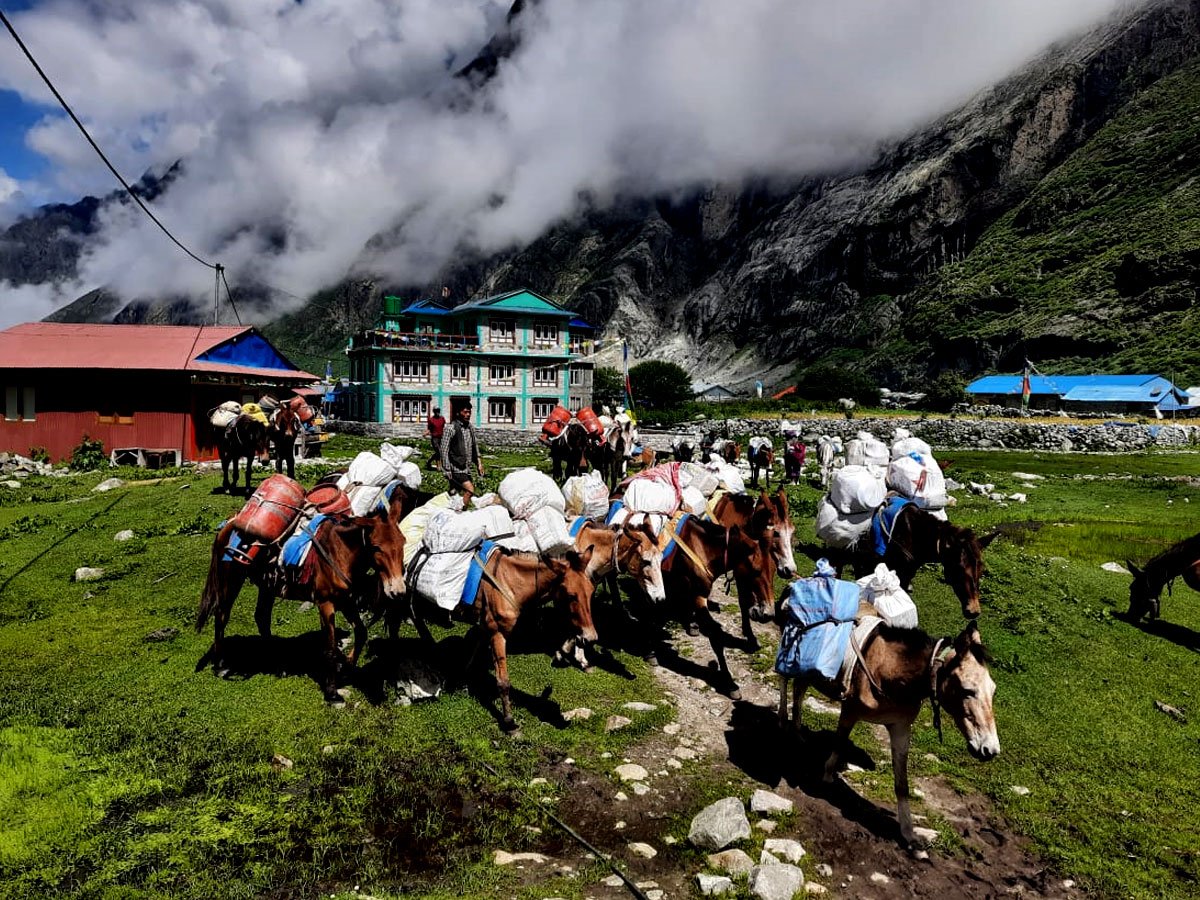
Langtang Village, situated at 3,430 metres (11,253 feet), is the cultural heart of the valley and a powerful symbol of Himalayan resilience. Historically a major settlement of the Tamang people, the original village was tragically completely destroyed by a massive rockfall and pressure wave triggered by the 2015 earthquake. Today, a new village has been meticulously rebuilt a short distance from the old site, featuring modern stone teahouses and lodges designed with improved safety standards. Walking through the area is a moving experience; trekkers pass by a large memorial wall engraved with the names of those lost, alongside ancient mani walls (prayer stones) and fluttering flags that signify the community’s spiritual strength. Surrounded by towering snow-capped peaks and yak pastures, the village offers a deep look into traditional mountain life, where the locals continue to herd livestock and welcome travelers with incredible hospitality despite the hardships they have faced.
Overview
Travel is the movement of people between relatively distant geographical locations, and can involve travel by foot, bicycle, automobile, train, boat, bus, airplane, or other means, with or without luggage, and can be one way or round trip. Travel can also include relatively short stays between successive movements.
The origin of the word “travel” is most likely lost to history. The term “travel” may originate from the Old French word travail, which means ‘work’. According to the Merriam Webster dictionary, the first known use of the word travel was in the 14th century.
It also states that the word comes from Middle English travailen, travelen (which means to torment, labor, strive, journey) and earlier from Old French travailler (which means to work strenuously, toil). In English we still occasionally use the words “travail”, which means struggle. According to Simon Winchester in his book The Best Travelers’ Tales (2004), the words “travel” and “travail” both share an even more ancient root: a Roman instrument of torture called the tripalium (in Latin it means “three stakes”, as in to impale).