
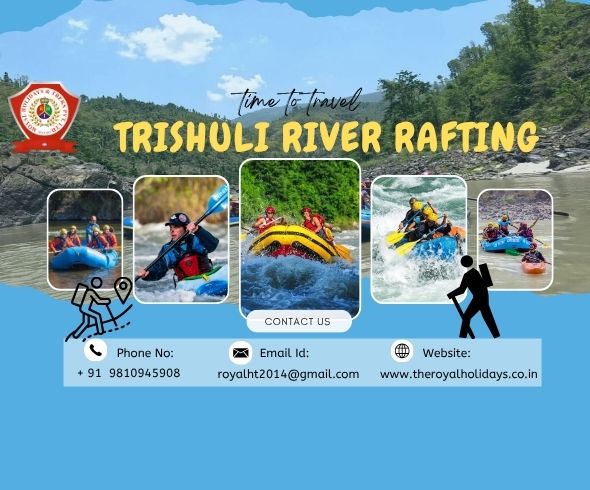
Trishuli River Rafting is Nepal’s most popular whitewater destination. It is renowned for its thrilling yet easily navigable rapids, making it perfect for both novice and experienced rafters alike. Originating from the high Himalayas in the Langtang region, the river winds its way through magnificent gorges and lush valleys. Here, you encounter a blend of exciting “Class III” rapids—such as the famous “Ladies Delight” and “Upset”—and tranquil stretches that are ideal for swimming and cliff jumping. Its location is a major draw, as it flows parallel to the Prithvi Highway. Consequently, it serves as an excellent option for a one or two-day adventure trip for those traveling between Kathmandu, Pokhara, and Chitwan. Beyond the thrill of the rapids, a rafting journey on the Trishuli River offers a unique glimpse into the rural beauty of Nepal. During the trip, you pass by small riverside villages, terraced fields, and suspension bridges. The journey often concludes at riverside campsites, where travelers can gather around a bonfire and enjoy the starry night sky.
Trishuli River Rafting is extremely safe and stands as the best choice for beginners or families looking to experience an adventure. While the water is lively and full of waves, it lacks any dangerous drops or treacherous gorges. As a result, it feels more like a fun, “bumpy ride” than a frightening ordeal. Before embarking on the rafting trip, you are provided with a life jacket and a helmet. Furthermore, a trained expert accompanies you on your boat, providing proper guidance and instructing you on exactly what to do. Even if you do not know how to swim, you can still participate, as safety gear helps you float comfortably in the water. Moreover, since this river is located quite close to the main road, assistance is always readily available nearby should the need arise. This is precisely why it stands as one of the safest and most accessible destinations in Nepal for enjoying water-based adventures.
Most Famous And Attractive Tourist Places In Trishuli River Rafting :
1. Kathmandu Valley (The Cultural Heart)
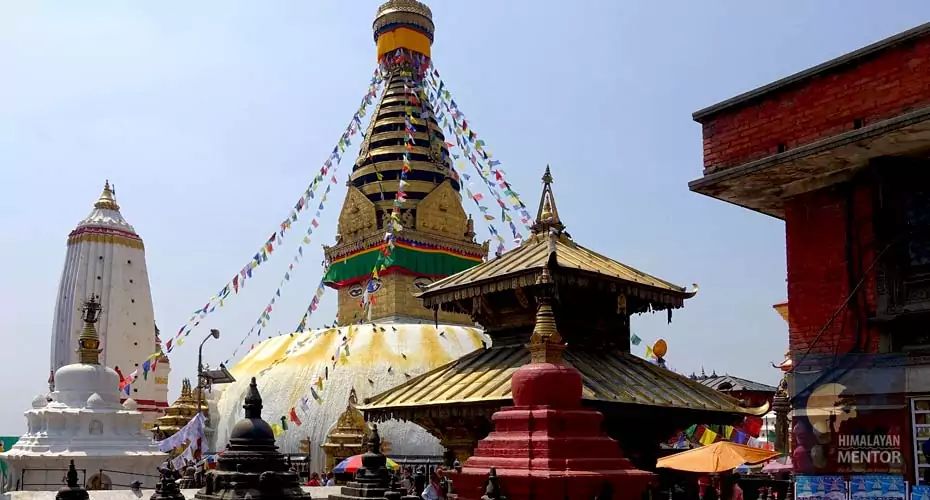
The Kathmandu Valley is the historic and cultural soul of Nepal, a high-altitude basin that served as a crossroads for ancient trade routes between India and Tibet. It is home to three legendary cities—Kathmandu, Patan, and Bhaktapur—each boasting its own Durbar Square filled with intricate wood carvings, towering pagodas, and red-brick palaces that showcase the pinnacle of Newari craftsmanship. The valley is uniquely dense with spirituality, containing seven UNESCO World Heritage Sites, including the massive dome of Boudhanath Stupa, the hilltop “Monkey Temple” of Swayambhunath, and the sacred Hindu complex of Pashupatinath on the banks of the Bagmati River. Beyond the ancient monuments, the valley is a vibrant living museum where colorful festivals, street markets, and hidden courtyards blend seamlessly with modern life, offering a sensory journey through Nepal’s deep religious and royal history.
2. Chitwan National Park (The Wildlife Safari)
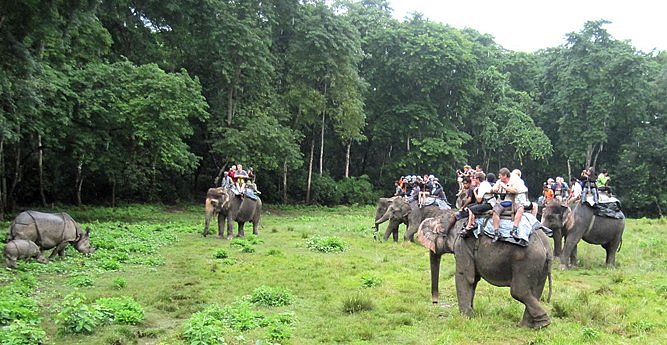
Chitwan National Park, a UNESCO World Heritage site located in the subtropical inner Terai lowlands, is Nepal’s first national park and a premier destination for wildlife enthusiasts. Spanning over 950 square kilometres, it is world-renowned for its successful conservation of the one-horned rhinoceros and the elusive Bengal tiger, offering one of the best opportunities in Asia to see these animals in the wild. The park’s diverse ecosystem includes dense Sal forests, sprawling grasslands, and the Rapti and Narayani rivers, where visitors can take traditional dugout canoe rides to spot Gharial and Mugger crocodiles. Beyond jeep and jungle walking safaris, the park provides a rich cultural experience through the Tharu community, whose traditional dances and unique mud-walled villages offer a glimpse into the indigenous lifestyle of the southern plains.
3. Pokhara (The Adventure Capital)
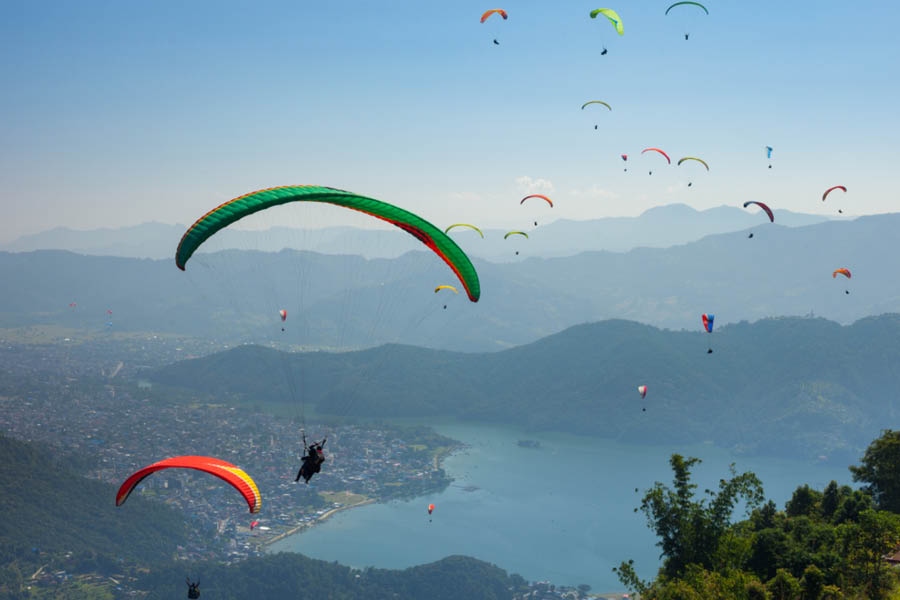
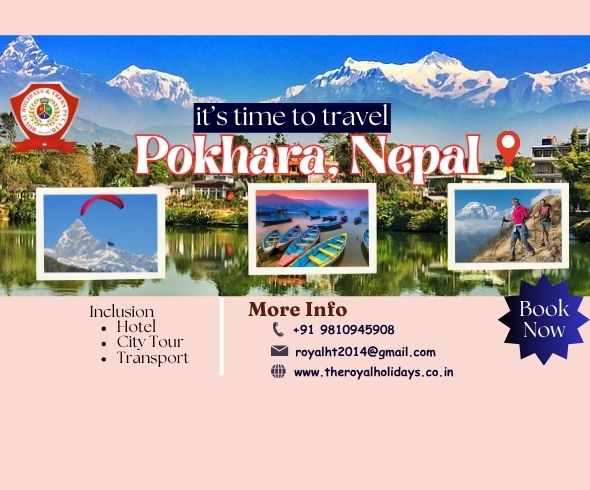
Pokhara is celebrated as the “Adventure Capital of Nepal” due to its unique combination of breathtaking natural beauty and its status as a hub for extreme sports. Nestled at the foothills of the Annapurna range, the city is famous for its stunning lakeside setting along Phewa Lake, where the iconic “Fishtail” peak of Machapuchare is perfectly reflected in the calm waters. It serves as the primary gateway for world-class treks, but it is equally famous for being one of the top paragliding destinations on Earth, offering flights that soar over the valley with views of three different 8,000-metre peaks. Visitors can also experience the adrenaline of the world’s steepest zipline, go bungee jumping, or explore mysterious sites like the Davis Falls and the Mahendra Cave. With its relaxed atmosphere, vibrant “Lakeside” tourist district, and cool mountain air, Pokhara offers the perfect balance of high-octane adventure and peaceful Himalayan retreat.
4. Everest Base Camp (The Roof of the World)
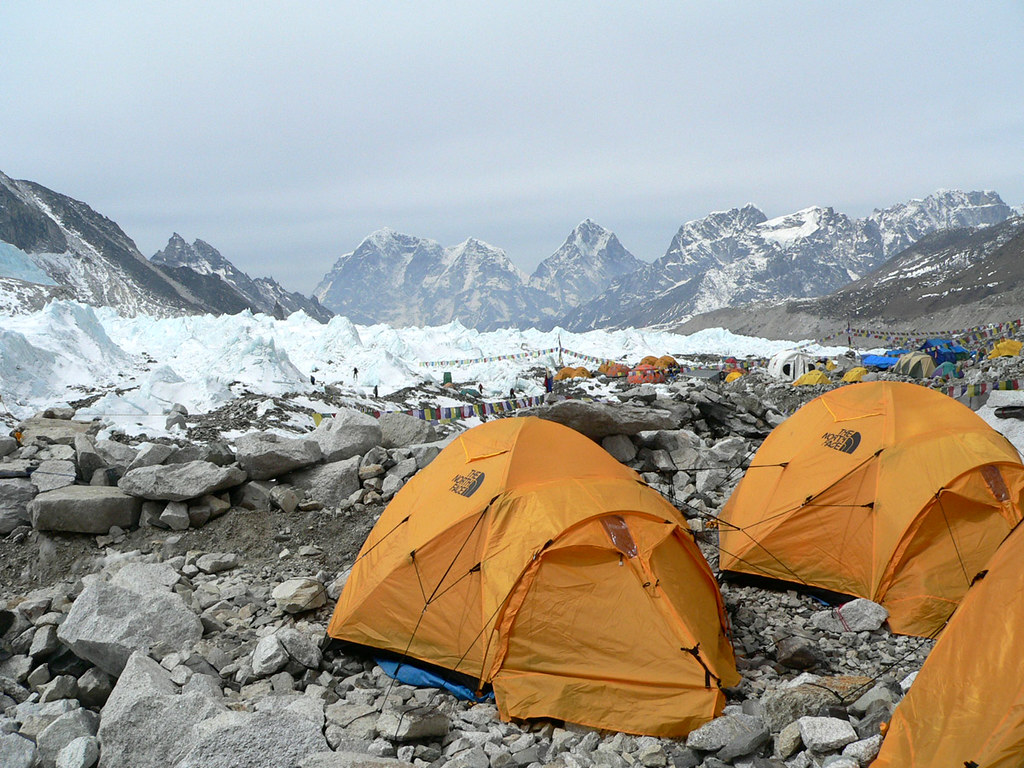
Everest Base Camp (EBC) is the most legendary trekking destination on Earth, situated at an altitude of 5,364 metres (17,598 feet) at the foot of the world’s highest peak, Mount Everest. The journey begins with a thrilling flight into Lukla, followed by a trek through the heart of the Khumbu region, passing through the vibrant Sherpa capital of Namche Bazaar and ancient monasteries like Tengboche. The trail offers an up-close look at the world’s most iconic giants, including Lhotse, Nuptse, and Ama Dablam, while navigating through the dramatic landscapes of the Sagarmatha National Park. Reaching the base camp allows trekkers to stand on the edge of the massive Khumbu Icefall and experience the same ground where elite climbers prepare for their summit attempts. While the trek is physically demanding due to the thin air and cold temperatures, it is considered a “bucket list” achievement for its unparalleled mountain scenery and the deep cultural connection to the resilient Sherpa people.
5. Lumbini (The Birthplace of Buddha)

Lumbini is one of the world’s most significant spiritual sites, officially recognized as the birthplace of Siddhartha Gautama, who later became the Lord Buddha. Located in the flat plains of southern Nepal, the center of this UNESCO World Heritage site is the Mayadevi Temple, which protects the exact spot of Buddha’s birth and the ancient stone marker discovered by archaeologists. Surrounding the temple is the Sacred Garden, featuring the Puskarni Pond, where Queen Mayadevi is said to have bathed before giving birth, and the Ashoka Pillar, erected by the Indian Emperor Ashoka in 249 BC to commemorate his pilgrimage. The wider Lumbini Monastic Zone is a peaceful park where various Buddhist nations—including Thailand, China, Germany, and Japan—have built stunning monasteries and stupas in their unique national styles, creating a global center for peace, meditation, and historical study.
Overview
Travel is the movement of people between relatively distant geographical locations, and can involve travel by foot, bicycle, automobile, train, boat, bus, airplane, or other means, with or without luggage, and can be one way or round trip. Travel can also include relatively short stays between successive movements.
The origin of the word “travel” is most likely lost to history. The term “travel” may originate from the Old French word travail, which means ‘work’. According to the Merriam Webster dictionary, the first known use of the word travel was in the 14th century.
It also states that the word comes from Middle English travailen, travelen (which means to torment, labor, strive, journey) and earlier from Old French travailler (which means to work strenuously, toil). In English we still occasionally use the words “travail”, which means struggle. According to Simon Winchester in his book The Best Travelers’ Tales (2004), the words “travel” and “travail” both share an even more ancient root: a Roman instrument of torture called the tripalium (in Latin it means “three stakes”, as in to impale).