

Trishuli River Rafting is Nepal’s most popular white-water adventure. It offers an excellent opportunity for thrill-seekers—both beginners and the experienced—to get acquainted with the country’s river systems. Originating in the high Himalayas, this river is filled with numerous exciting rapids ranging from Grade II to III+. These include famous names such as “Ladies Delight,” “Upset,” and “Surprise,” which provide an exhilarating experience without being overly dangerous. The journey is visually stunning, as the river winds through deep geological gorges, lush green valleys, and small traditional villages. This allows rafters to witness a side of rural Nepal that remains hidden from the main highway. Since the river flows parallel to the highway connecting Kathmandu, Pokhara, and Chitwan, it is extremely easy to access. It also serves as a popular “one-day adventure break” for those traveling between these major cities. Whether you are tackling the powerful currents during the monsoon season or enjoying the clear, turquoise waters in winter, rafting on the Trishuli River offers a unique blend of physical challenge and natural beauty.
It is a top choice for first-time rafters, families, and student groups. While all adventure sports inherently carry some degree of risk, rafting on the Trishuli River is exceptionally well-organized and remains completely safe and accessible for beginners.
Most Famous And Attractive Tourist Places In Trishuli Rafting :
1. Charaudi (The Starting Point)
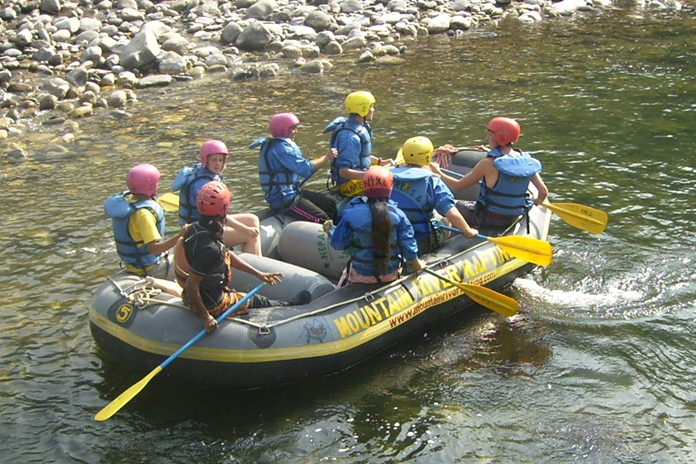
Charaudi is the most popular starting point, or “put-in” spot, for white-water rafting on the Trishuli River, located approximately 85 kilometres west of Kathmandu. Situated right along the Prithvi Highway, it serves as a bustling adventure hub where the transition from a road trip to a river expedition begins. Upon arrival, rafters typically gather on the sandy riverbanks to receive comprehensive safety briefings, fit their life jackets and helmets, and practice paddling techniques under the guidance of professional river guides. The area around Charaudi is characterized by its accessible terrain and relatively calm waters near the shore, making it an ideal place for beginners to gain confidence before hitting the first major rapids just downstream. Its strategic location makes it the perfect stop for those traveling between Kathmandu, Pokhara, or Chitwan who want to add a day of adrenaline to their journey.
2. Kurintar

Kurintar is a vibrant riverside town located approximately 100 kilometers from Kathmandu, serving as the primary hospitality and adventure hub for the Trishuli River region. It is most famous for being the base station of the Manakamana Cable Car, which transports thousands of pilgrims and tourists up to the sacred Manakamana Temple. For rafters and adventure seekers, Kurintar is the preferred “take-out” point or overnight stop, as the riverbanks here are lined with numerous deluxe riverside resorts and well-equipped campsites. These resorts offer a unique “beach” atmosphere in the middle of the hills, featuring swimming pools, lush gardens, and evening campfires where travelers can relax after a day on the rapids. Its strategic location directly on the Prithvi Highway makes it an essential midpoint for those traveling between the capital and the popular destinations of Pokhara or Chitwan National Park, offering a perfect blend of spiritual significance and modern recreational facilities.
3. Manakamana Temple

The Manakamana Temple is one of Nepal’s most revered Hindu pilgrimage sites, dedicated to the powerful Goddess Bhagwati, an incarnation of Parvati. The name “Manakamana” is derived from two Nepali words: Mana (heart) and Kamana (wish), leading to the deep-seated belief that the Goddess fulfills the heartfelt wishes of those who make the pilgrimage to her shrine. Perched on a prominent ridge 1,302 metres above sea level in the Gorkha district, the temple is architecturally stunning, featuring a traditional four-tiered pagoda style with intricate wood carvings. Historically, reaching the temple required a strenuous uphill trek, but since 1998, it has become famous for the Manakamana Cable Car, a 10-minute aerial journey that offers breathtaking views of the deep Trishuli River valley and the majestic peaks of the Annapurna and Manaslu ranges. Visitors are often struck by the vibrant atmosphere of the temple complex, where the ringing of bells, the scent of incense, and the devotion of thousands of pilgrims create a profound spiritual energy.
4. Mugling
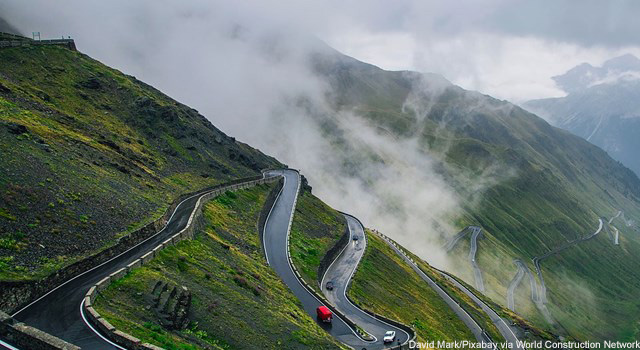
Mugling is the busiest and most strategic highway junction in Nepal, serving as the vital “gateway” that connects the capital city of Kathmandu with the popular tourist destinations of Pokhara and Chitwan. Located at the confluence of the Trishuli and Marsyangdi rivers, this bustling town is famous for its lively atmosphere, filled with transit buses, colorful trucks, and travelers from all over the world. For adventurers, Mugling often marks the exhilarating ending point for many one-day rafting trips on the Trishuli River, where rafters pull their boats onto the shore and enjoy a final riverside meal before catching their onward transport. The town is also well-known for its numerous roadside eateries (Bhattis) that serve fresh, authentic Nepali Dal Bhat and local fish specialties, making it the most popular pit stop for a quick meal during the long mountain drive. Its iconic suspension bridge and the constant hum of activity make Mugling a memorable landmark that represents the true spirit of Nepali road travel.
5. Fishling
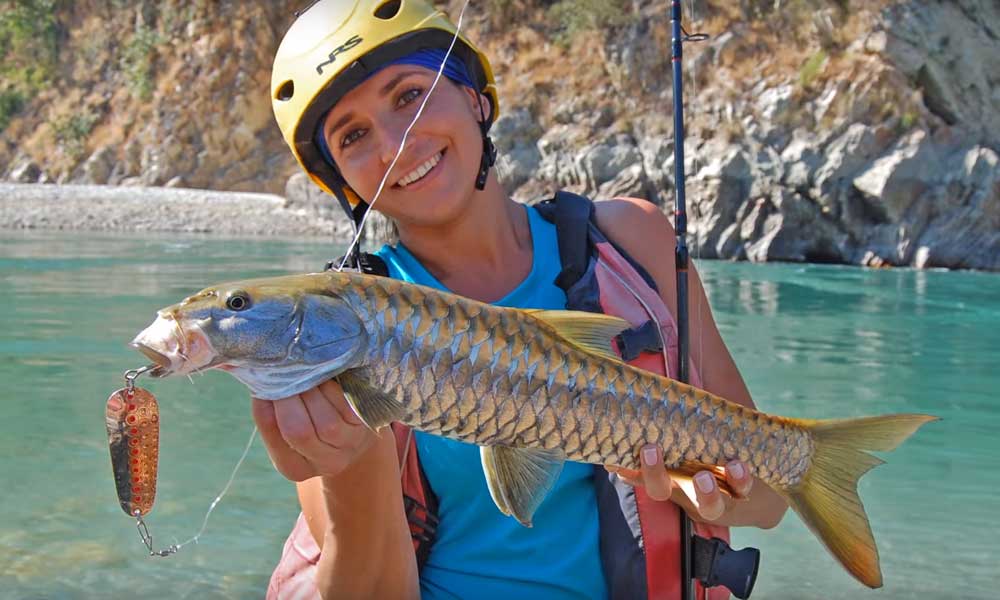
Fishling is a scenic riverside settlement located along the Prithvi Highway, serving as a key intermediate point for rafting expeditions on the Trishuli River. It is often used as an alternative starting point or a popular lunch stop for rafters who began their journey further upstream at Charaudi. The area is named after the local fishing culture, and it is characterized by its wide, sandy beaches and beautiful rock formations that create a picturesque backdrop for adventure. For those on two-day rafting trips, Fishling frequently serves as a campsite location, where travelers can enjoy a night of “beach camping” under the stars, falling asleep to the soothing sound of the river. The rapids around Fishling are generally moderate, making it a great spot for swimmers to jump in and float through the calmer stretches of the river while soaking in the views of the surrounding green hills and terraced farms.
Overview
Travel is the movement of people between relatively distant geographical locations, and can involve travel by foot, bicycle, automobile, train, boat, bus, airplane, or other means, with or without luggage, and can be one way or round trip. Travel can also include relatively short stays between successive movements.
The origin of the word “travel” is most likely lost to history. The term “travel” may originate from the Old French word travail, which means ‘work’. According to the Merriam Webster dictionary, the first known use of the word travel was in the 14th century.
It also states that the word comes from Middle English travailen, travelen (which means to torment, labor, strive, journey) and earlier from Old French travailler (which means to work strenuously, toil). In English we still occasionally use the words “travail”, which means struggle. According to Simon Winchester in his book The Best Travelers’ Tales (2004), the words “travel” and “travail” both share an even more ancient root: a Roman instrument of torture called the tripalium (in Latin it means “three stakes”, as in to impale).