
The Poon Hill Trek, often called the Ghorepani Ghandruk Circuit, is widely considered the ultimate “short and sweet” Himalayan adventure, perfect for those who want iconic views without weeks of high-altitude exertion. The journey typically begins with a drive from Pokhara to Nayapul, where the trail winds through lush rhododendron forests, terraced farmland, and bustling Gurung and Magar villages like Ulleri and Ghorepani. The physical peak of the trek is the pre-dawn climb to the summit of Poon Hill (3,210m), where you are rewarded with a legendary sunrise that paints the Dhaulagiri and Annapurna ranges in hues of gold and orange.
Following the sunrise, the trek usually loops back through the forest to Tadapani and eventually the famous stone village of Ghandruk, offering a deep dive into local culture and mountain hospitality before descending back to the valley. It is a moderate-level trek that beautifully balances natural majesty with authentic Nepalese heritage, making it accessible for families and solo travelers alike.
Most Famous And Attractive Tourist Places In Poon Hill Trek :
1. Deurali Pass
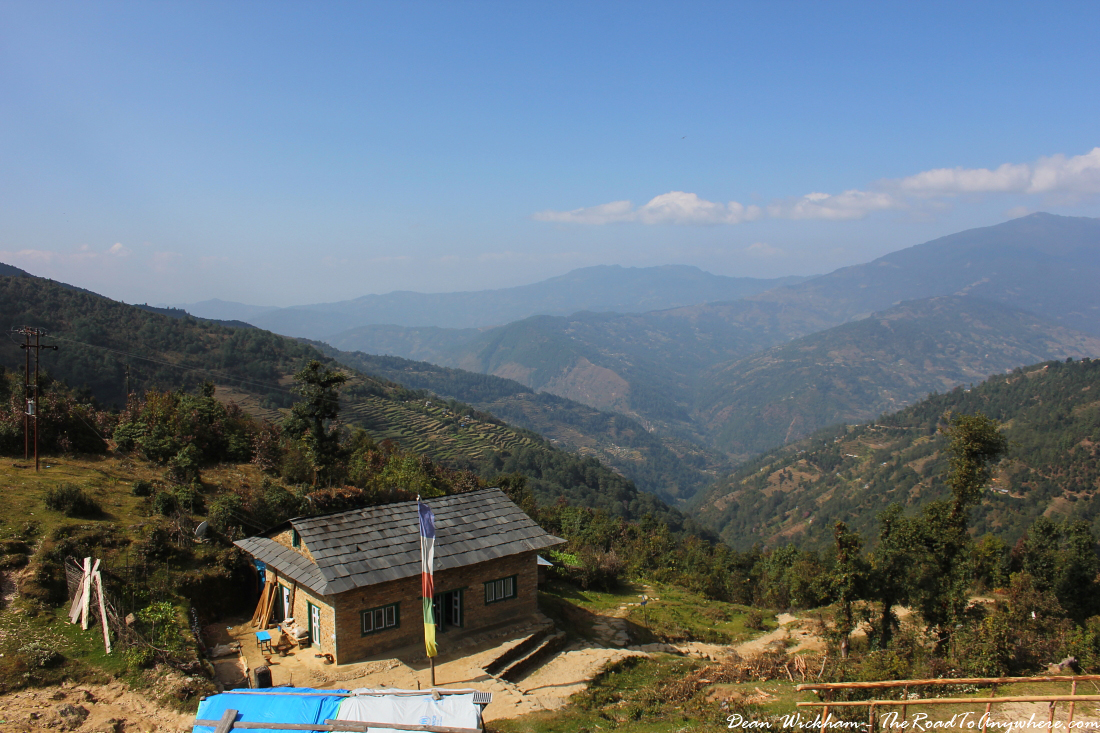
Deurali Pass (situated at approximately 3,090m) is a critical and scenic high point on the trail between Ghorepani and Tadapani, acting as a bridge between two major sections of the Poon Hill circuit. Unlike the wide-open views of the villages, the pass offers a mystical, high-altitude atmosphere characterized by dense rhododendron and oak forests that are often draped in mist and hanging moss, giving the trail a “fairytale” aesthetic. As you reach the ridge of the pass, the terrain opens up to provide dramatic, close-up glimpses of Annapurna South and the jagged peak of Machhapuchhre (Fishtail) appearing through the treeline. The area is also famous for its deep gorges and small waterfalls that freeze during the winter months, making it a favorite spot for photographers looking for rugged, forest-bound landscapes rather than just panoramic vistas.
2. Birethanti & The Modi River
.webp)
Birethanti is a bustling, picturesque riverside town situated at an altitude of 1,025m, serving as the primary gateway and checkpoint for the Annapurna trekking region. It sits at the dramatic confluence of the Bhurungdi Khola and the powerful Modi Khola river, which originates from the melting glaciers of the Annapurna Sanctuary. The village is characterized by its vibrant atmosphere, filled with trekkers, local traders, and mule trains crossing its iconic suspension and stone bridges. The Modi River itself is the lifeblood of the valley, carving out deep, lush gorges and providing a constant, soothing soundtrack of rushing water to those staying in the nearby teahouses. For most travelers, Birethanti represents both the beginning of the climb and the final celebration at the end of the trek, where the humid subtropical air and the sight of the turquoise river signify a return to the lower valleys of Nepal.
3. Ulleri & The “3,000 Steps”

Ulleri is a large and vibrant Magar village perched at an altitude of approximately 1,960m, but it is most famous among trekkers for the daunting physical challenge known as the “3,000 Steps.” This legendary ascent consists of thousands of steep, stone-carved stairs that climb sharply from the valley floor at Tikhedhunga up to the village entrance. While the climb is a true test of leg endurance and lung capacity, the trail is lined with small teahouses and waterfalls that provide much-needed resting points. Once you reach the top of the village, the reward is immediate: the first clear, stunning views of Annapurna South and Hiunchuli begin to peek over the horizon. The village itself is full of life, with colorful guesthouses and local schools, offering a classic example of how high-altitude communities thrive on the steep mountain slopes of the Himalayas.
4. Tadapani

Tadapani is a breathtaking village perched at an elevation of 2,630 metres, serving as one of the most vital junctions in the Annapurna region. It acts as a central hub where trails from Ghorepani, Ghandruk, and the Annapurna Base Camp meet, making it a lively melting pot of trekkers from all over the world. What sets Tadapani apart is its unique “eye-level” perspective of the mountains; unlike other villages where you look up at the peaks, here you feel as though you are standing right in front of Annapurna South, Hiunchuli, and the iconic Machhapuchhre (Fishtail). The sunrise from this ridge is particularly famous, as the first light hits the jagged peaks with incredible clarity, often without the massive crowds found at Poon Hill. Beyond the views, the village is entirely enveloped by a massive, ancient rhododendron forest, the largest in the world. This forest transforms into a sea of red, pink, and white blooms during the spring months, creating a magical atmosphere for those walking the trails. Even in other seasons, the woods remain mystical, with moss-draped trees and occasional sightings of Langur monkeys swinging through the branches. Because it is surrounded by such dense wilderness, Tadapani offers a crisp, cool climate and a sense of being deep within the Himalayan wilds. The village itself consists of a close-knit cluster of traditional teahouses, providing a cozy and intimate setting to enjoy a warm meal while watching the clouds roll across the massive Himalayan faces.
5. Ghandruk (The Stone Village)
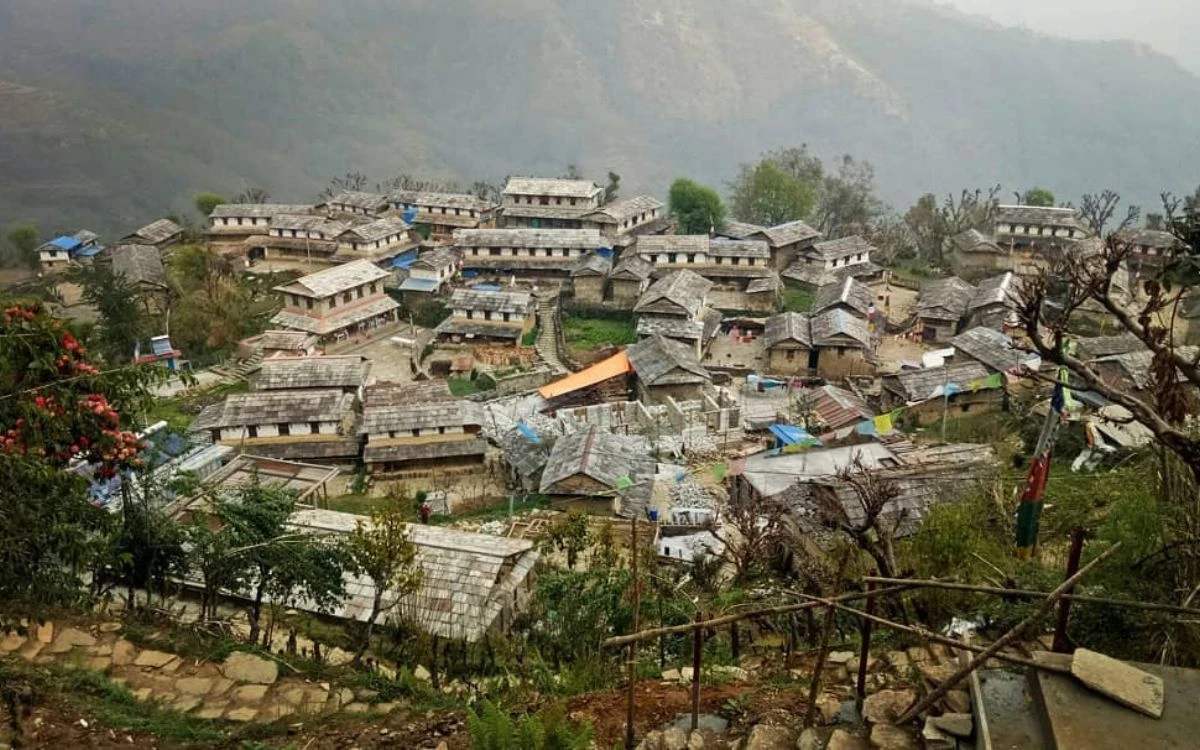
Ghandruk, famously known as the “Stone Village,” is one of the most picturesque and culturally significant settlements in the Annapurna region, sitting at an altitude of approximately 2,010m. This large Gurung village is a masterpiece of traditional architecture, where the houses are meticulously built from local stone and topped with iconic slate roofs, while narrow, stone-paved alleys wind through the community. Beyond its aesthetic charm, Ghandruk is a gateway to the history of the legendary Gorkha soldiers, and visitors can explore the Old Gurung Museum to see artifacts that showcase their rich heritage and mountain lifestyle. The village is perfectly positioned to offer a stunning, close-up panoramic view of Annapurna South, Hiunchuli, and Machhapuchhre (Fishtail), which seem to loom directly over the terraced fields. Because of its accessibility, authentic hospitality, and breathtaking scenery, it remains the most popular cultural stop for anyone trekking through the foothills of Nepal.
Overview
Travel is the movement of people between relatively distant geographical locations, and can involve travel by foot, bicycle, automobile, train, boat, bus, airplane, or other means, with or without luggage, and can be one way or round trip. Travel can also include relatively short stays between successive movements.
The origin of the word “travel” is most likely lost to history. The term “travel” may originate from the Old French word travail, which means ‘work’. According to the Merriam Webster dictionary, the first known use of the word travel was in the 14th century.
It also states that the word comes from Middle English travailen, travelen (which means to torment, labor, strive, journey) and earlier from Old French travailler (which means to work strenuously, toil). In English we still occasionally use the words “travail”, which means struggle. According to Simon Winchester in his book The Best Travelers’ Tales (2004), the words “travel” and “travail” both share an even more ancient root: a Roman instrument of torture called the tripalium (in Latin it means “three stakes”, as in to impale).