

Places to Visit in Vietnam includes Halong Bay, My Son Sanctuary, Cu Chi Tunnels, Phong Nha Ke Bang National Park, Mekong Delta, Lan Ha Bay, Cat Ba Island, Dau Be Island, Ti Top Island, Hoang Lien National Park, Ba Be National Park, Ban Gioc Waterfall, Sapa Countryside, Imperial Citadel Of Thang Long, Ho Chi Minh’s Mausoleum & many more.
With a long list of places to visit in Vietnam, the country offers a complete package of fun, thrills, and indulgence. Vietnam is an incredibly beautiful country in Asia and offers a unique collection of majestic mountains, lush valleys, dunes, stunning beaches, creeks, grand ancient places and marvelous modern structures. Each tourist destination in the country is unique in itself and leaves the visitors with everlasting memories.
1. Da Nang
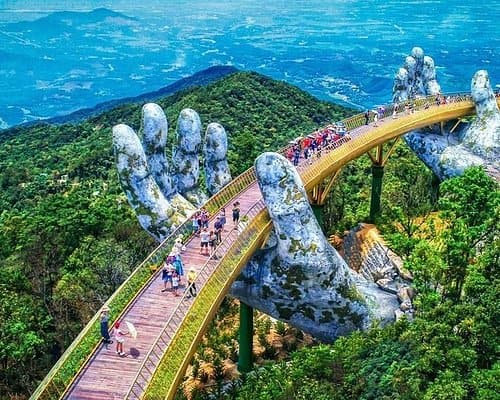
However, it is also a popular starting point for exploration of the Bà Nà hills which lie on the city’s western reaches. From there, the spectacular Hải Vân Pass showcases incredible views of Da Nang Bay. Moreover, it conveys the Marble Mountains, five imperious limestone outcrops crowned with ornate pagodas and yield caves containing lavish Buddhist shrines.
Da Nang boasts impressive landmarks like the iconic Dragon Bridge, world-class golf courses, and a modern skyline dotted with luxury resorts and upscale shopping centers. The city is also home to many cultural experiences, including the Da Nang Museum of Cham Sculpture and Da Nang Fine Arts Museum.
2. Ha Giang Loop
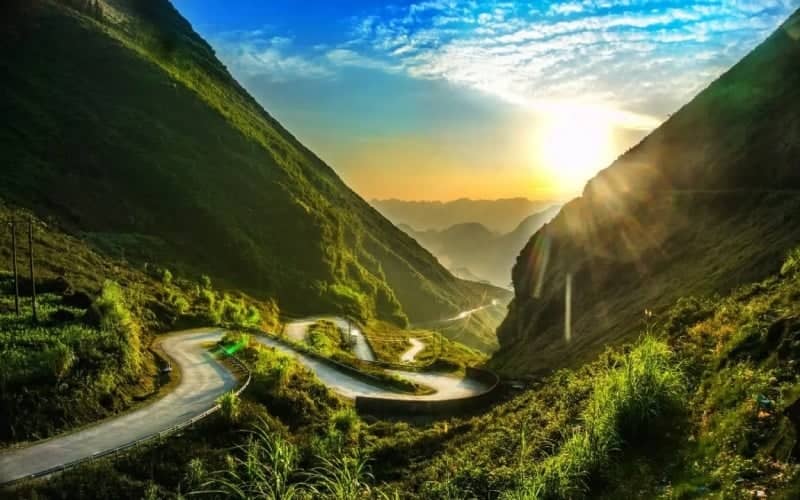
The journey provides an immersive experience, allowing you to connect with the authentic culture of the ethnic minority communities that call this region home. Along the way, you’ll encounter traditional villages, where locals showcase their rich heritage, colorful attire, and warm hospitality.
The loop offers stunning viewpoints such as Ma Pi Leng Pass, with its jaw-dropping vistas of the Nho Que River snaking through the mountains. You can also visit attractions like the Dong Van Karst Plateau, a UNESCO Geopark, and the fairy-tale-like Lung Cu Flag Tower. Typically, this journey takes three to four days to complete. Its rugged beauty and remote nature are perfect for those seeking an off-the-beaten-path experience.
3. Bai Tu Long Bay
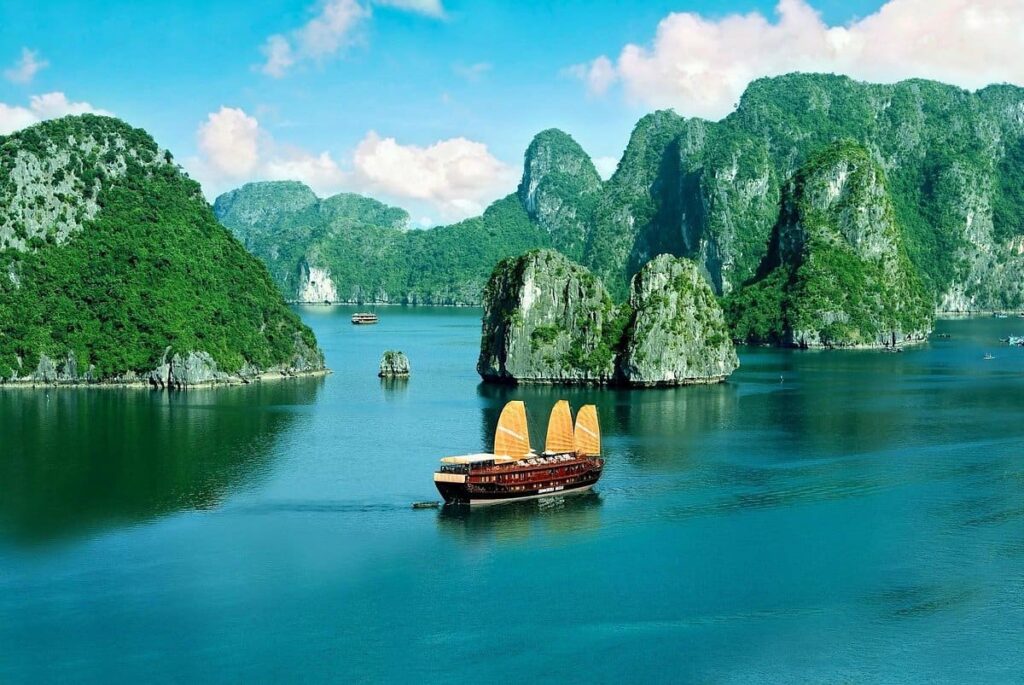
If you can’t get to or don’t fancy visiting Halong Bay, Bai Tu Long Bay is an excellent alternative.
Situated in the northeastern part of Vietnam, it has all the pristine beauty and untouched landscapes of its more illustrious neighbor, only with greater tranquility and fewer crowds.
The picturesque bay is characterized by its emerald waters, towering limestone islands, and lush vegetation. Cruising through it provides fabulous opportunities for kayaking, swimming and visiting remote fishing villages. The bay is also home to a diverse ecosystem accommodating rare wildlife, colorful coral reefs and hidden caves waiting for you to discover them.
A tour of the area allows for a more intimate connection with nature and a chance to experience the serenity of the surroundings. Whilst there, be sure to visit the incredible Thien Canh Son Cave. One of 59 discovered caves in the area, it will wow you with its unique stalactite formations.
4. Tam Coc
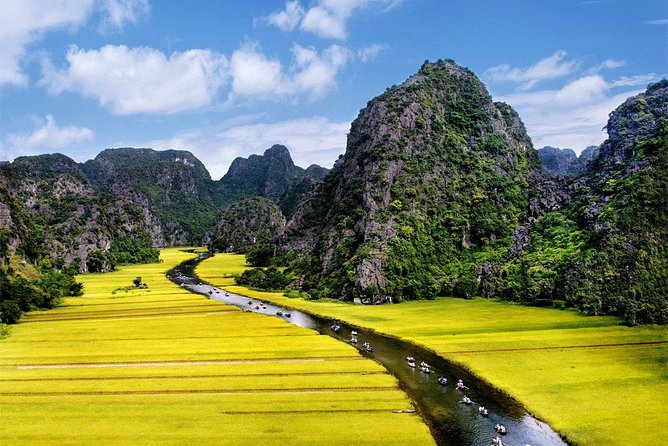
The main attraction in Tam Coc is a scenic boat ride along the Ngo Dong River, where local rowers skillfully navigate through a series of caves and limestone formations. As you glide along the tranquil waterways, you’ll be mesmerized by the picturesque scenery and the harmonious blend of nature and verdant rice paddies.
Tam Coc is also home to ancient temples and pagodas, such as Bich Dong Pagoda, which is perched atop a hill and offers panoramic views of the surrounding countryside. If you are into cycling, you can also explore the area in more detail on two wheels.
5. Mui Né
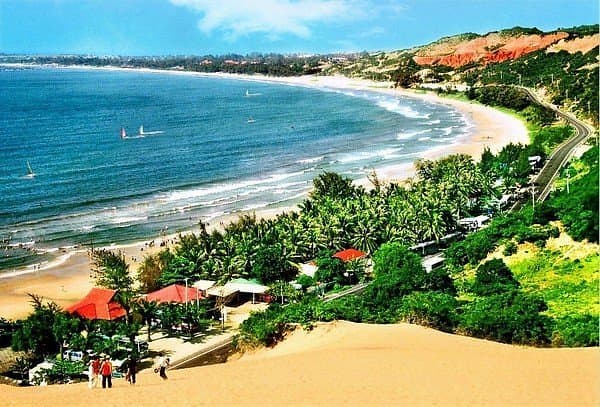
The highlight of Mui Né is undoubtedly its captivating dunes. The iconic White Sand Dunes and Red Sand Dunes offer a surreal landscape that resembles a desert oasis. On our last visit, we explored the dunes on an ATV ride and sand-boarded down the slopes. Both were a lot of fun!
Beyond the beaches and dunes, Mui Né offers opportunities to explore nearby fishing villages, taste delicious seafood, and indulge in rejuvenating spa treatments. Close by, The Fairy Stream, with its gently flowing water and unique rock formations, is a popular spot for a refreshing dip on a stiflingly hot day.
6. Dalat
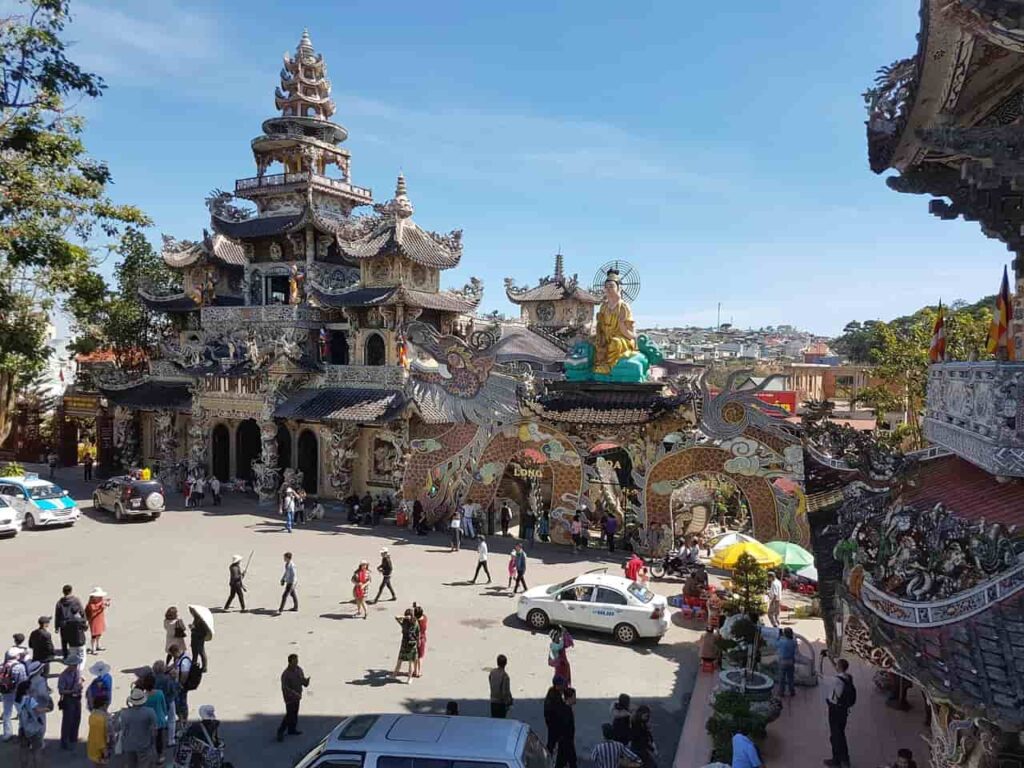
Year-round cool weather and idyllic scenery of misty valleys, lush pine trees and colorful flowers are some of the reasons that Dalat was once used by Vietnamese emperors and French colonials as a summer retreat. Today, this charming town in the South Central Highlands of Vietnam is a popular destination for honeymooners, weekend getaways and for those looking for relief from the heat.
A walkable city, Dalat is a beautiful scene of French colonial architecture and villas set amid picturesque landscapes. The city is well known for its royal palaces that were owned by the last emperor of Vietnam. These lovely palaces are open for tours as is the Hang Nga Guesthouse, the city’s most bizarre attraction. Informally called the “Crazy House,” this structure is a fantastical construction with caves, spider webs and shapes of animals and mushrooms.
7. My Son
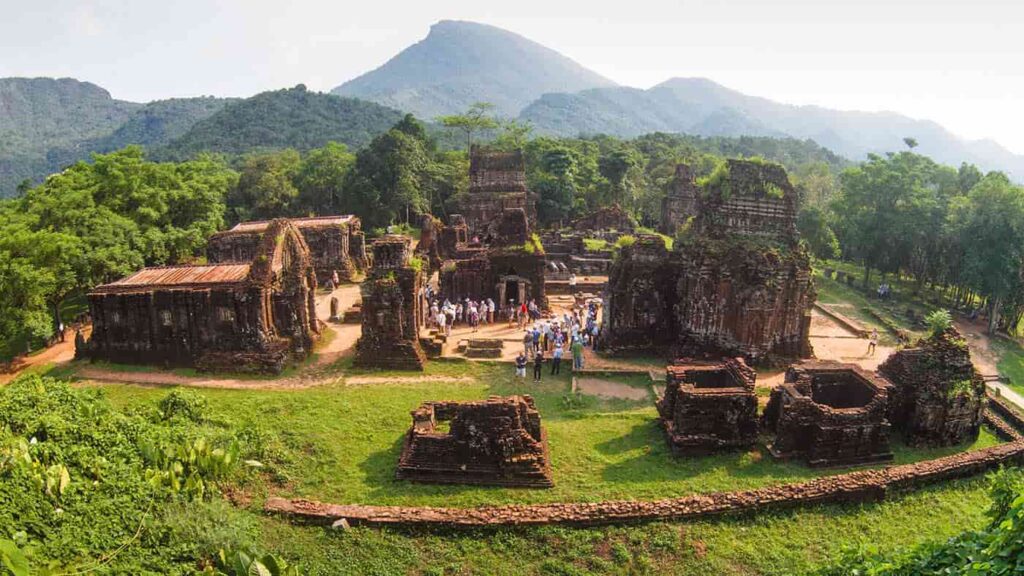
Located on the central coast of Vietnam near the Duy Phú village is the important archaeological site known as My Son. One of Southeast Asia’s most notable heritage sites, My Son was once a significant center of religious Hindu ceremonies where the kings of the Champa Kingdom built numerous temples devoted to the worship of the god, Shiva, between the 4th and 14th centuries. My Son is often reached by organized tour groups from Hoi An. However, visitors can also arrive at My Son by motorbike rentals.
8. Phu Quoc
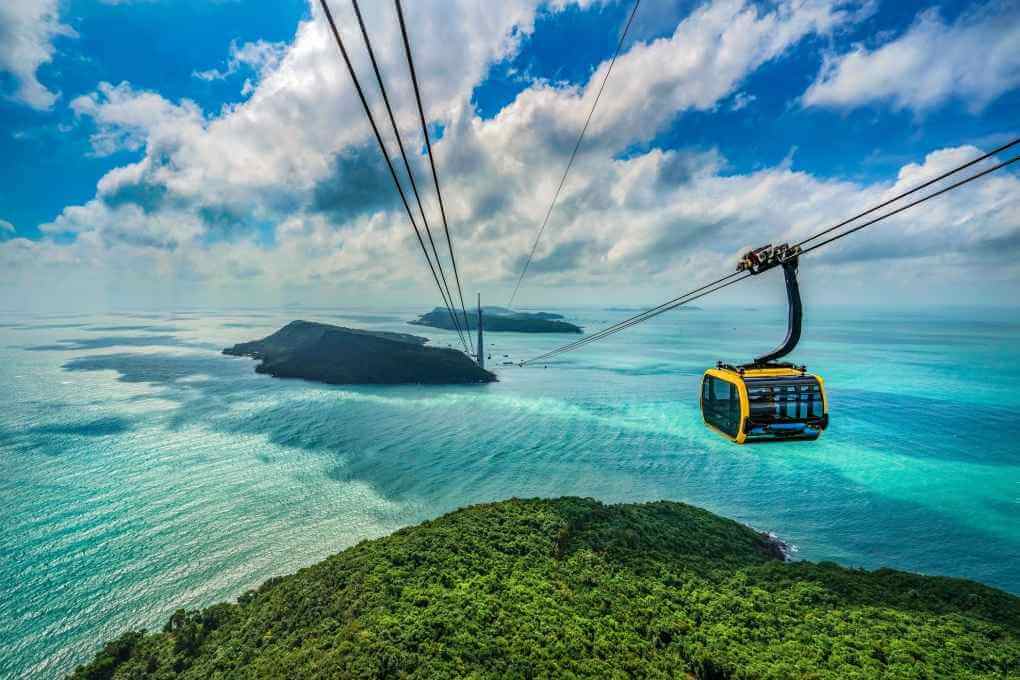
Phu Quoc is a scenic island in the Gulf of Thailand. While it officially forms part of Vietnam, it is closer geographically to Cambodia. Today, it’s characterized by dense tropical jungles, soft sandy beaches, and undulating hills. But the island has a fascinating history, having served first as a French missionary base and then as a French colonial wartime prison – a gloomy reformatory that you can visit today.
History aside, the island is most tempting for its alluring tropical nature. Days in Phu Quoc are spent sunbathing on sandy beaches, scootering around fishing villages, visiting pearl and pepper farms, and, if you’re up for it, trekking to waterfalls.
9. Phong Nha-Ke Bang National Park
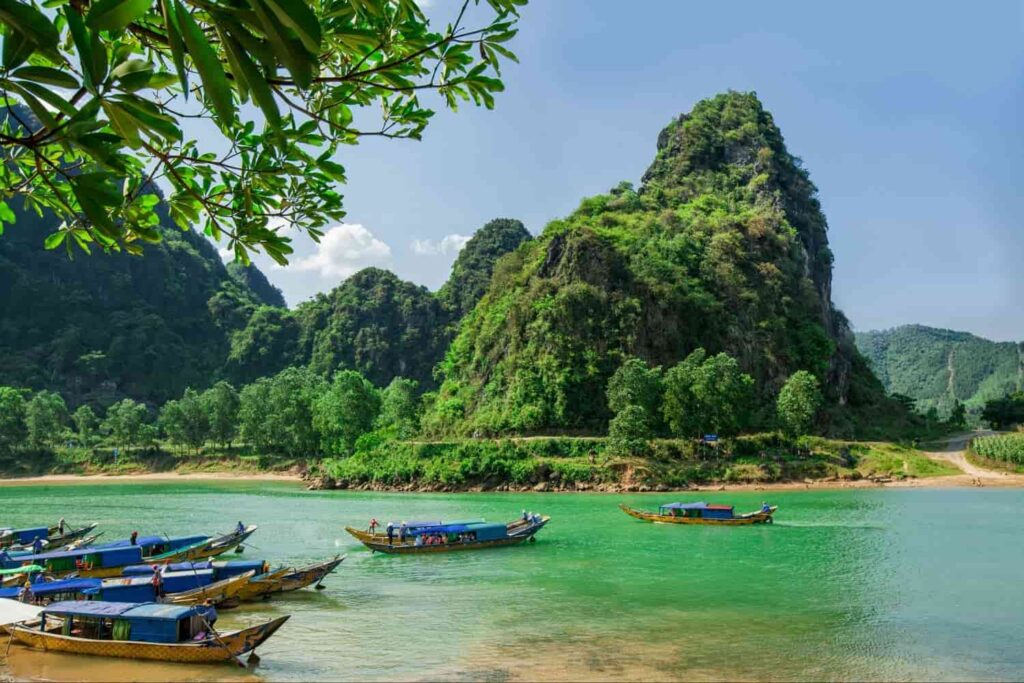
Tucked away in the Quang Binh Province in Vietnam’s Central Coast region, Phong Nha-Ke Bang National Park is one of the most picturesque parts of the country. With a steadfast reputation as a filming location for 2017 Kong: Skull Island, and with a nearby international airport, the national park is more popular than ever before.
Due to its location near the Laos border, access to the park is strictly controlled, and visitors can expect to find a strong military presence here. This is mainly due to its war history – the park has some of the world’s highest numbers of undetonated bombs, which is why visitors can only visit this place with a licensed tour guide.
10. Ho Chi Minh City
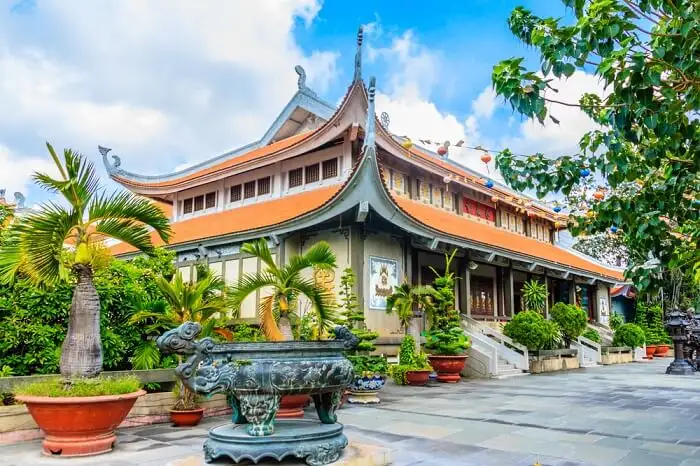
Ho Chi Minh, formerly known as Saigon, is the biggest city in all of Vietnam. It’s also the old capital of the Republic of Vietnam. When Saigon fell to the north in 1975, it was renamed to HCMC, yet its former name is still used today, particularly when describing the beating heart of the city.
The Five stories of Reunification Palace – also known as the Independence Palace – is also a fascinating place to go. It’s a famous spot in Vietnam’s history as it captures the time when Saigon fell as a tank broke through the gates of the palace. A replica of this same tank can be seen on the grass outside the palace. If you’re curious to learn more about the war, you’ll enjoy a visit to the War Remnants Museum or the Museum of Vietnamese History.
11. Mekong Delta
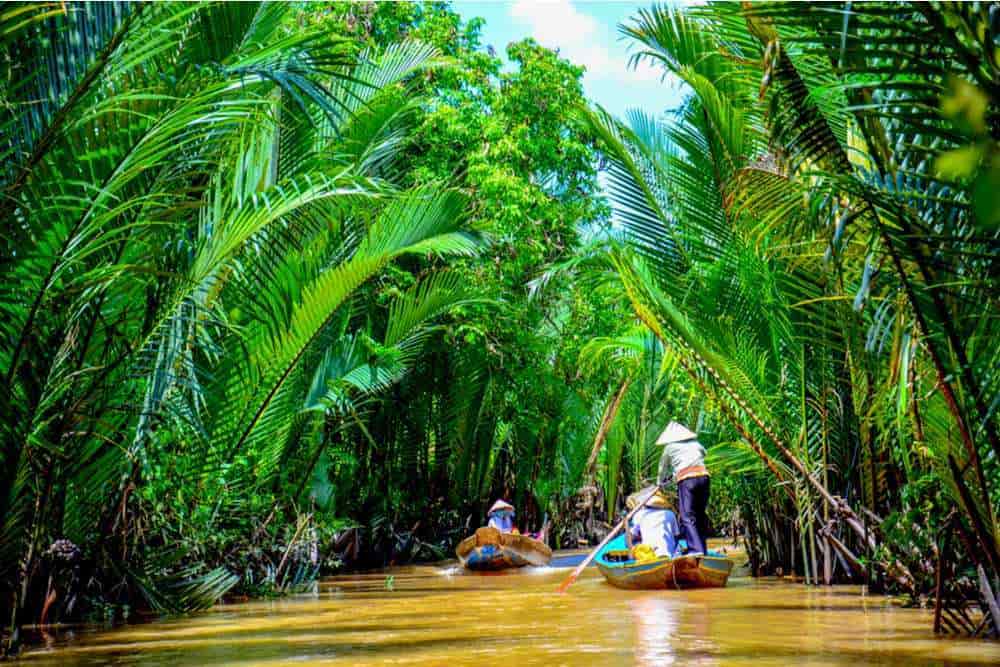
This impressive stretch of river frontage is the most biodiverse in the world if you don’t count the Amazon. Taking up much of the south of Vietnam, the Mekong Delta is an extraordinary place filled with lily pad waterways, rice paddies, mangroves, and enchanting wildlife.
With plenty of bus connections and motorbikes, tourists can explore the Mekong Delta and its towns like Tra Vinh, which is considered one of the prettiest villages of the delta. A boat trip down the tranquil tributaries and mangroves of the Mekong is an unforgettable experience.
12. Nha Trang
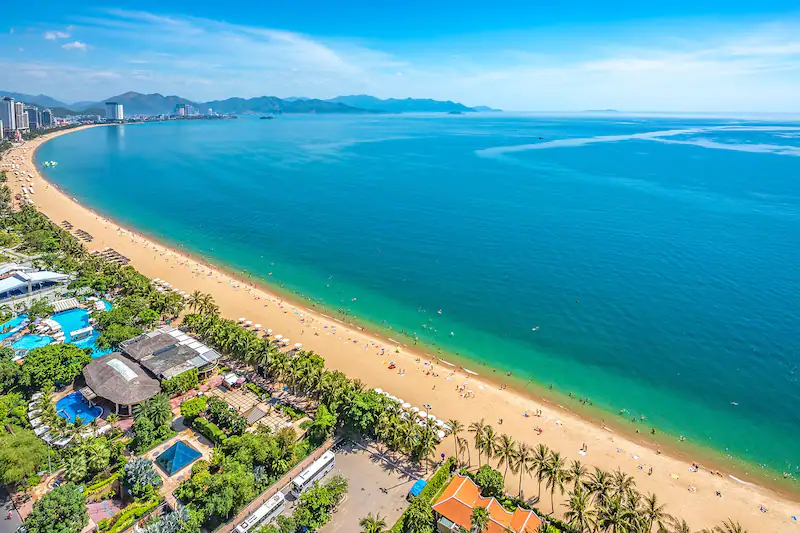
The promenade that encircles the beachfront is always a hive of activity, filled with parks and sculptures that make a stroll here interesting. As with most beach resorts, most of the activity gets going when the sun goes down, and Nha Trang is no different. You’ll find a host of vibey bars and restaurants near the beachfront.
There’s much more to Nha Trang than sunbathing and strolls, though. Go for a soak in the Thap Ba Mud Bath or take a ride on the longest cross-sea cable car in the world. The sacred Po Nagar Cham towers, dating back to the 7th to 12th centuries, offer a taste of the city’s history – they’re an active religious site for Cham, Chinese, and Buddhists even today.
13. Sapa
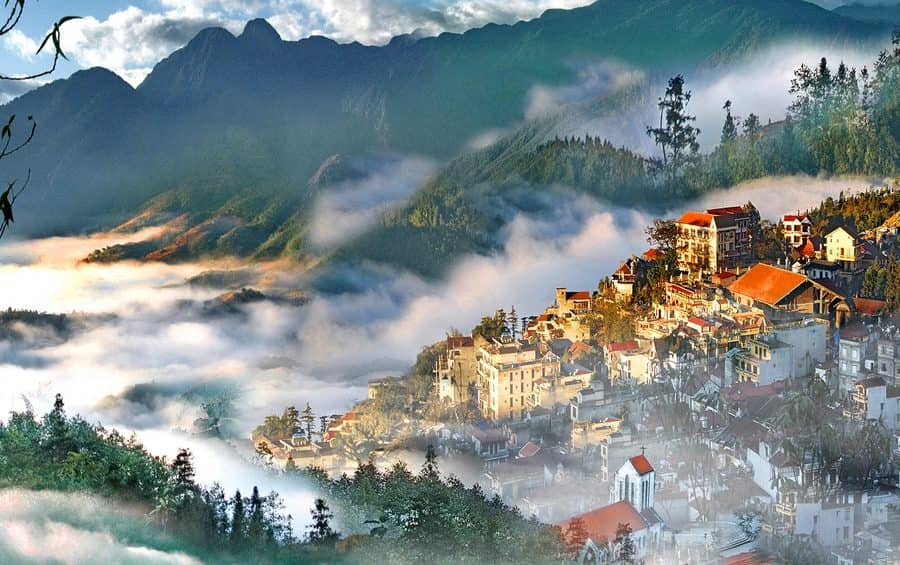
Tracing the border with China, Sapa is a captivating remote town in the Hoang Lien Son mountains of northern Vietnam. Its elevation of 1,500 meters above sea level is nothing to scoff at when you’re trekking the terraced hills and slopes around this high-altitude mountain town. While there’s plenty of natural beauty to tempt you to this far-reached corner of the country, much of Sapa’s appeal lies in its raw and authentic culture.
In the town of Sapa itself, there are attractive French colonial sites worth visiting such as the Gothic church, the town square and city hall. Sapa is a major market town where the various ethnic tribes in the area often gather to sell their handicrafts, which make excellent souvenirs. At the Sapa Culture Museum, visitors can learn all about the history and cultures of these ethnic groups.
14. Hue
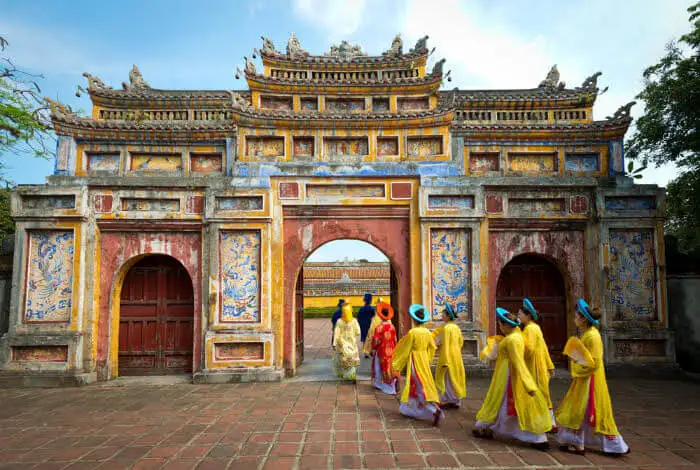
Hue – formerly known as the Panduranga of Cham Kingdom – was once the imperial capital of Vietnam. Located in the central region, Hue had a huge role to play in the Vietnam War. Captured by the Viet Cong for a total of 24 days, thousands of people were killed here if they were thought to be sympathizers of the South.
Of the city’s monuments, the Citadel is the most famous. Once the seat of the Nguyen emperors, the Citadel is a sprawling complex of grand palaces, ornate temples, walls and gates. Prime attractions within the Citadel are the Forbidden Purple City, Thai Hoa Palace, and the Ngo Mon Gate. Another important landmark on the river is the city’s official symbol, the Thien Mu Pagoda.
A stroll along the promenade is also recommended, through the statue-abundant parks and onwards by scooter or boat cruise to the Tombs of the Emperors on the outskirts of the city. Dating back to the 19th and 20th centuries, the Tomb of Tu Doc, with its striking Buddhist architecture is the cherry on top.
15. Hoi An
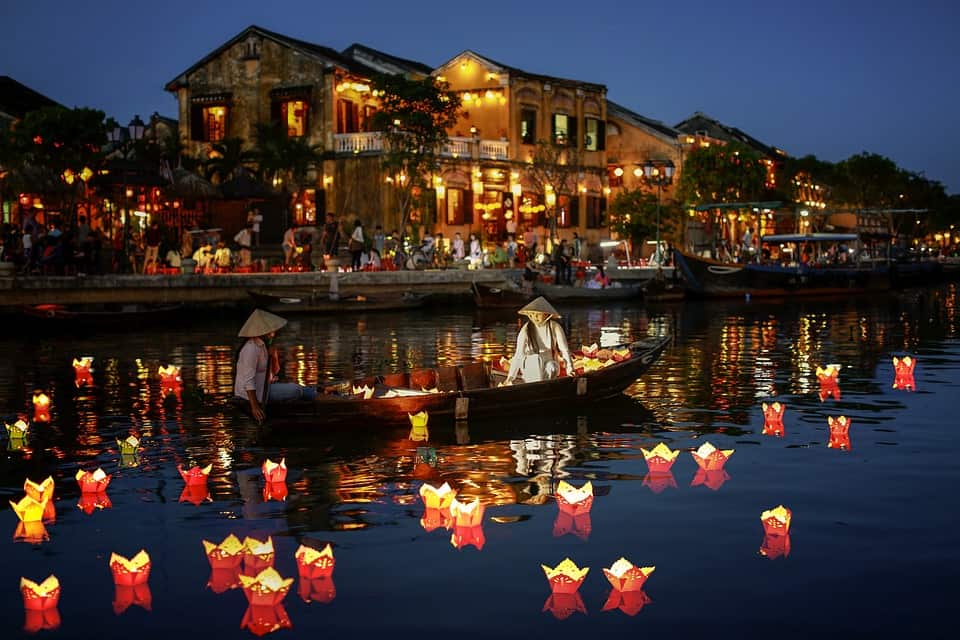
Laidback and charismatic with a charm all of its own, Hoi An is the highlight of any Vietnam itinerary. Located south of Da Nang within cycling distance of some excellent warm-water beaches along the central coast, this atmospheric old town is a feast of color, where bright and cheerful lanterns adorn every building.
The narrow, winding lanes of the old town are lined with beautiful historic buildings, Chinese temples and wooden-fronted shops with excellent opportunities for retail therapy. The bustling night market and lantern-lit streets are also great places for shopping and people-watching.
16. Hanoi
Hanoi, the capital of Vietnam, is truly chaotic, but that’s all part of its charm. An interesting mix of French and Sino-Vietnamese influences, it’s one of the most rapidly growing cities in Southeast Asia.
Those visiting this energetic capital should be prepared. It’s a hive of activity at the best of times, utter chaos at the worst – a city where crossing the road could be taking your life into your own hands with cars, motorbikes, and tuk-tuks vying for right of way in a city without road rules.
17. Ha Long Bay
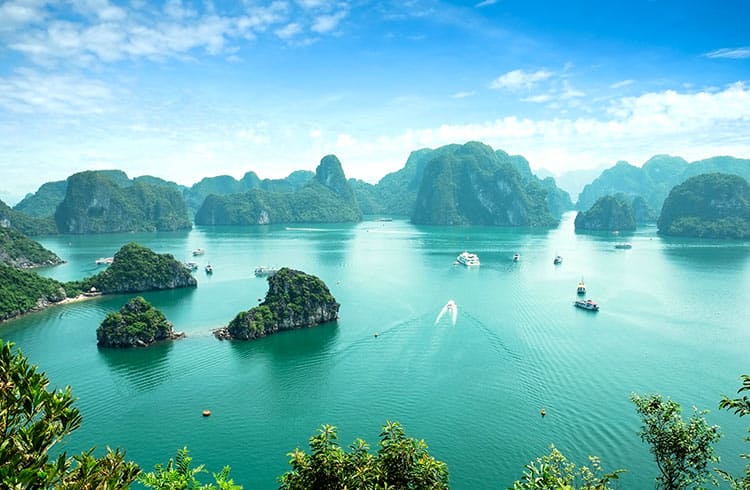
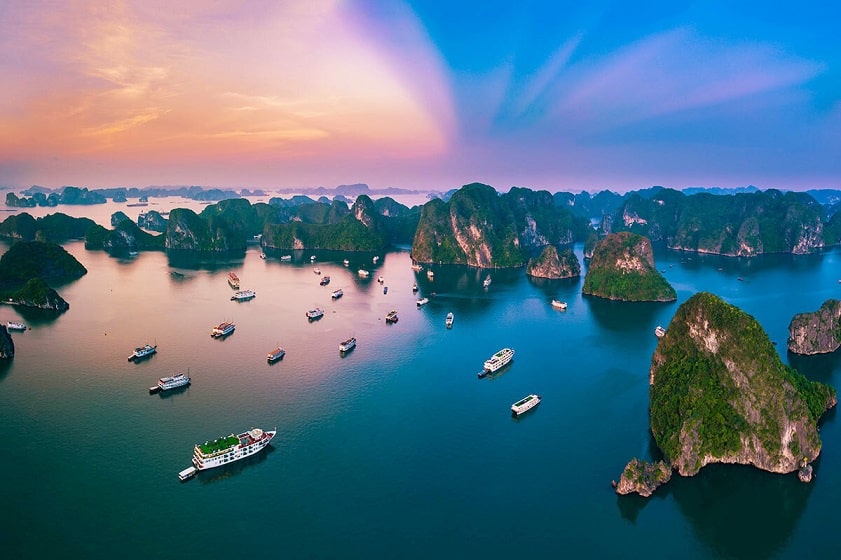
Located about 130 km (80 miles) east of Hanoi in northern Vietnam, Halong Bay is celebrated for its gorgeous emerald-hue waters, thousands of spectacular limestone karsts, astonishing waterside caves, and beautiful tree-topped islands.
It’s a popular location for adventure – scuba diving, kayaking, hiking, and rock climbing can all be enjoyed in and around Cat Ba National Park. For those who wish to simply relax and enjoy the views, there are numerous Halong Bay cruises to choose from, from basic to top-level luxury.
The thousands of islands scattered about the bay are a real mixture, ranging from isolated landmasses home to free-roaming monkeys and antelope to bigger inhabited islands with some fantastic beaches. Boat cruises are the best way to experience the natural wonder of Ha Long Bay.