
Srinagar is the summer capital of the Indian Union Territory of Jammu and Kashmir, situated along the banks of the Jhelum River in the heart of the Kashmir Valley. Srinagar was founded by Emperor Ashoka in the 3rd century BCE, while the modern city was established later, in the 6th century, by King Pravarasena II. Situated on the banks of the Jhelum, the city flourished as a center of Hindu and Buddhist culture before coming under Sultanate rule in the 14th century; this was followed by the Mughal era, during which the region’s famous gardens were constructed. Following Sikh rule, the Dogra dynasty assumed control in 1846, incorporating the city into the princely state of Jammu and Kashmir—a status it retained until becoming part of India in 1947.
Renowned globally as “Paradise on Earth” for its magnificent natural splendor, the city captivates tourists with its famous Dal Lake, houseboats, enchanting scenic beauty, and tranquil waters. While the majority of visitors are Indian nationals, Srinagar also attracts a significant number of international tourists from countries such as the UK, Thailand, Bangladesh, and Malaysia.
Srinagar is considered a highly safe destination for tourists; it features robust security arrangements, an exceptionally friendly local population, and a thriving tourism industry. It is regarded as a secure travel destination for visitors—whether traveling with family or exploring solo—who frequently enjoy visiting attractions such as Dal Lake and the Mughal Gardens.
Here are the top attractions and experiences that make Srinagar famous :
1. Dal Lake
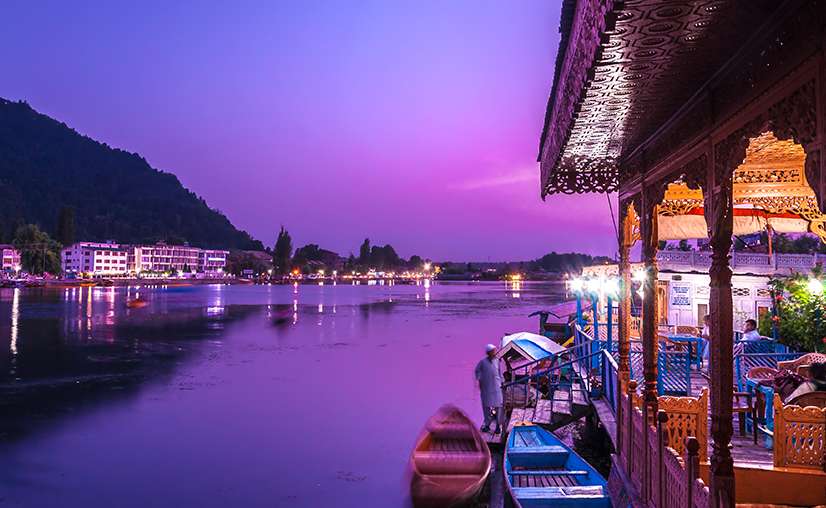
Dal Lake, often referred to as the “Jewel in the Crown of Kashmir,” is an exquisitely beautiful urban lake situated in Srinagar, Jammu and Kashmir. It is renowned for its scenic beauty and tranquil ambiance. It serves as a central hub for local tourism, featuring famous houseboats and traditional wooden boats known as “Shikaras”—often dubbed the “Gondolas of Kashmir”. The lake is encircled by beautiful Mughal-era gardens and is also home to unique floating gardens, where lotus flowers bloom. Beyond tourism, the lake constitutes a vibrant and bustling ecosystem, hosting floating markets and providing a source of livelihood for the local population.
2. Indira Gandhi Memorial Tulip Garden

Located in Srinagar, Jammu and Kashmir, the Indira Gandhi Memorial Tulip Garden is renowned as Asia’s largest tulip garden. Spanning approximately 74 acres at the foothills of the Zabarwan Range, the garden is designed in the form of seven beautiful terraces, offering a magnificent view of the famous Dal Lake. It was opened in 2007 with the aim of promoting tourism and floriculture in the region. Every spring—typically between late March and April—the garden transforms into a colorful paradise as over 1.5 million tulips, comprising more than 70 varieties, bloom simultaneously. During this period, the annual Tulip Festival is organized, drawing thousands of visitors who come to admire the blooming flowers, enjoy local Kashmiri music, and explore stalls featuring traditional handicrafts and culinary delights.
3. Shankaracharya Temple
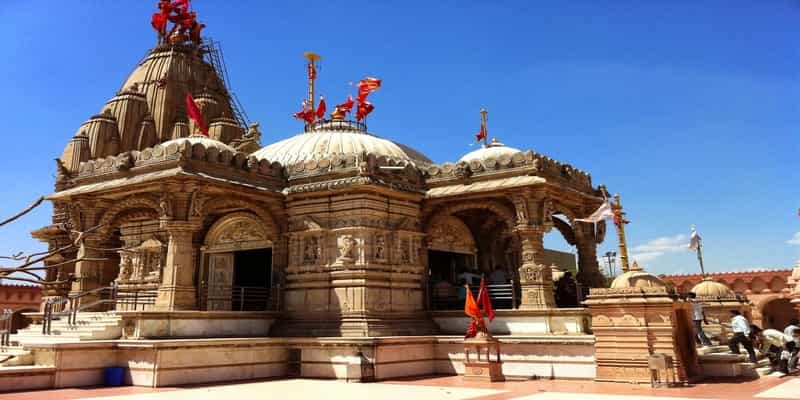
The Shankaracharya Temple, also known as the Jyeshteshwara Temple, is a renowned Hindu pilgrimage site situated atop Shankaracharya Hill in Srinagar, Jammu and Kashmir. Dedicated to Lord Shiva, it is considered one of the oldest temples in the Kashmir Valley; its origins are believed to date back as far as 200 BCE. The temple is perched at an elevation of approximately 1,000 feet above the valley floor, offering captivating panoramic views of the city and the serene Dal Lake. It is named after the great philosopher Adi Shankaracharya, who is said to have visited this site in the 9th century and meditated here. To reach the main temple, visitors must ascend a flight of approximately 243 stone steps; the temple’s architecture is also unique, featuring an octagonal base that supports a square structure constructed from massive blocks of stone.
4. Nishat Bagh

Nishat Bagh, commonly referred to as the “Garden of Joy” or the “Garden of Delight,” is a magnificent terraced Mughal garden situated on the eastern banks of Dal Lake in Srinagar, Jammu and Kashmir. Built in 1633 by Asaf Khan, the brother of Empress Nur Jahan, it is the second-largest Mughal garden in the Kashmir Valley. The garden is renowned for its 12 splendid terraces, which are said to represent the 12 signs of the zodiac; these terraces rise gracefully from the lakeshore towards the Zabarwan Mountains. A central water channel, adorned with shimmering fountains, flows through the heart of the garden, flanked by towering, centuries-old Chinar trees and colorful beds of lilies, roses, and tulips. Tourists frequently visit Nishat Bagh to revel in the captivating vistas of Dal Lake and the snow-capped Pir Panjal mountain range, making it a serene and tranquil haven for nature lovers and photographers alike.
5. Shikara Ride
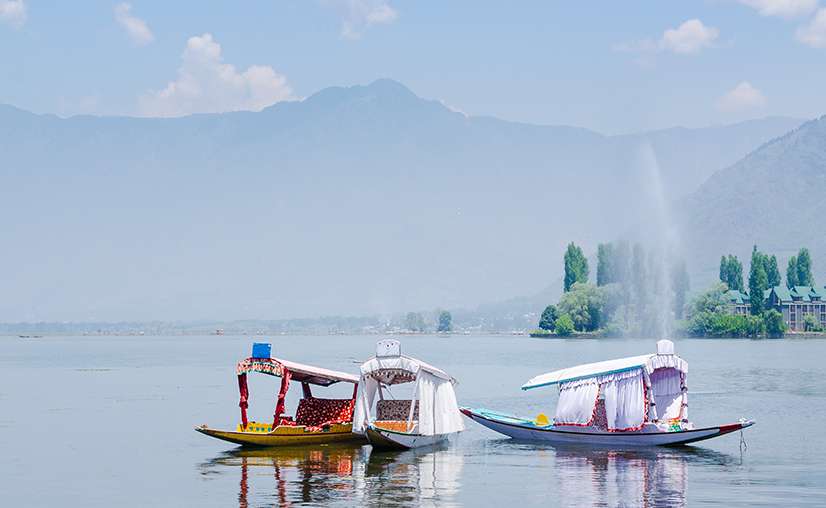
A Shikara ride is a serene and tranquil journey undertaken in a traditional wooden boat, primarily enjoyed on the famous Dal Lake in Srinagar, Jammu and Kashmir. Often referred to as the “Gondola of the East,” these long, hand-carved boats are adorned with colorful cushions and canopies, offering an incredibly comfortable way to experience “Paradise on Earth.” During this ride, a boatman steers you past majestic snow-capped mountains, vibrant floating vegetable markets, and unique wooden houseboats. It is far more than just a tourist attraction; it serves as a lifeline for the local inhabitants, who utilize Shikaras for daily commuting, fishing, and even for selling goods—such as flowers and handicrafts—directly to other boats. Whether you take a ride at sunrise to witness the bustling markets or in the evening to savor the romantic scenery at sunset, this experience is considered a “must-do” for anyone wishing to truly feel the authentic soul of Kashmiri culture.
6. Shalimar Bagh Mughal Garden

Shalimar Bagh, popularly known as the “Crown of Srinagar,” is the largest and most celebrated Mughal garden in the Kashmir Valley, built in 1619 by Emperor Jahangir as a royal summer retreat for his wife, Empress Nur Jahan. Spanning approximately 31 acres along the northeast shore of Dal Lake, the garden is a masterpiece of Mughal horticulture and an adaptation of the Persian Charbagh layout, designed to represent an earthly paradise. It is organized into three distinct terraces, each serving a unique historical purpose: the lowest was for the public (Diwan-i-Aam), the middle for the Emperor (Diwan-i-Khas), and the highest was the private zenana reserved for the royal ladies. The garden is renowned for its central water channel, the Shah Nahar, which flows through cascading fountains and pools, as well as its iconic Chinar trees, which turn vibrant shades of orange and red during autumn. Architectural highlights include the Chini Khanas—arched niches behind waterfalls that were historically lit with oil lamps to create a fairy-tale effect—and elegant black marble pavilions. Today, this historic site is a public park and remains on the UNESCO World Heritage tentative list, continuing to attract visitors with its blend of natural beauty and imperial grandeur.
7. Floating Vegetable Market
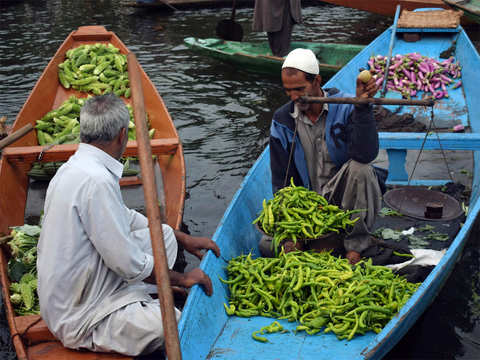
A floating vegetable market is a unique type of marketplace where vendors and buyers trade fresh vegetables directly from wooden boats on a river or lake. Instead of permanent shops or pushcarts, vendors navigate their boats—often referred to as ‘Shikaras’ in regions like Kashmir—to a designated location. In these boats, they transport vegetables such as lotus stems, cucumbers, and turnips, which are often cultivated in nearby floating gardens. These markets typically convene very early in the morning, at dawn, and operate for only a few hours. They serve as vital hubs for local commerce and have become quite popular among tourists due to their vibrant colors and the glimpse they offer into a traditional way of life.
8. Chashme Shahi
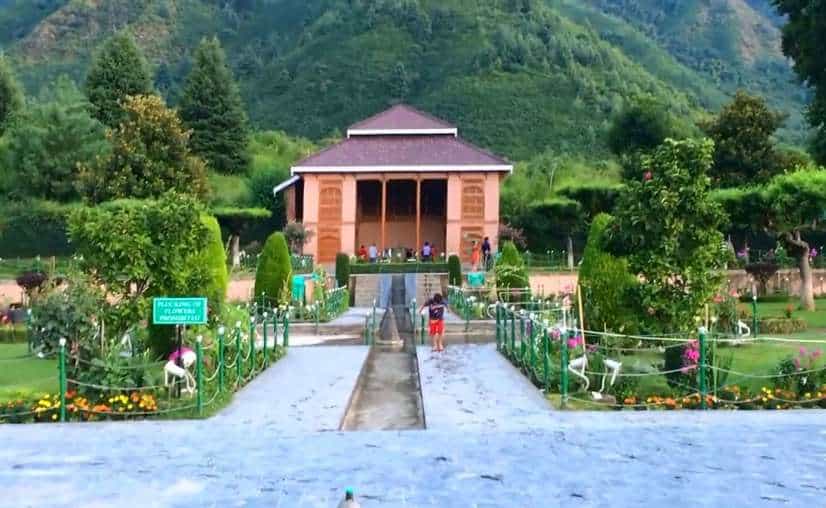
Chashma Shahi, meaning “Royal Spring,” is a beautiful Mughal garden located in Srinagar, Jammu and Kashmir. It was commissioned in 1632 AD by Ali Mardan Khan, the governor of the Mughal Emperor Shah Jahan, as a gift for the Emperor’s eldest son, Dara Shikoh. The garden is renowned for its natural freshwater spring; the water from this spring is believed to possess medicinal properties and, at one time, supplied water to India’s first Prime Minister, Jawaharlal Nehru. Despite being the smallest of the city’s three major Mughal gardens, it is highly acclaimed for its terraced layout, exquisite fountains, and magnificent views of Dal Lake and the Zabarwan Range.
9. Stay in a Houseboat
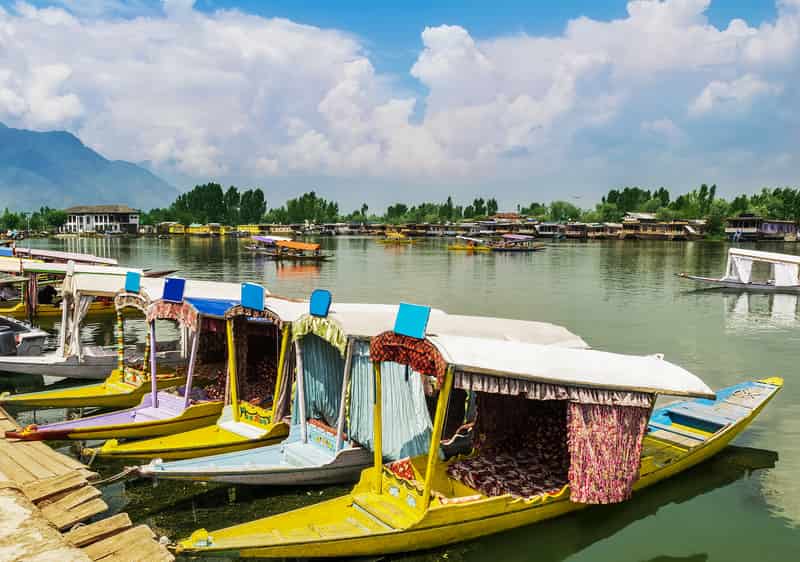
Staying in a houseboat is akin to living in a floating home that glides gently across the water. It is a unique experience where you can sleep in a cozy bedroom, dine in the dining room, and relax on the deck—all while remaining aboard a boat. You can delight in the beautiful scenery of lakes or rivers and witness magnificent sunrises and sunsets right from your window. Most houseboats feature a private cook who prepares fresh and delicious local cuisine for you to savor while cruising along. It is a truly peaceful and exciting way to spend a vacation in close proximity to nature.
10. Char Chinar
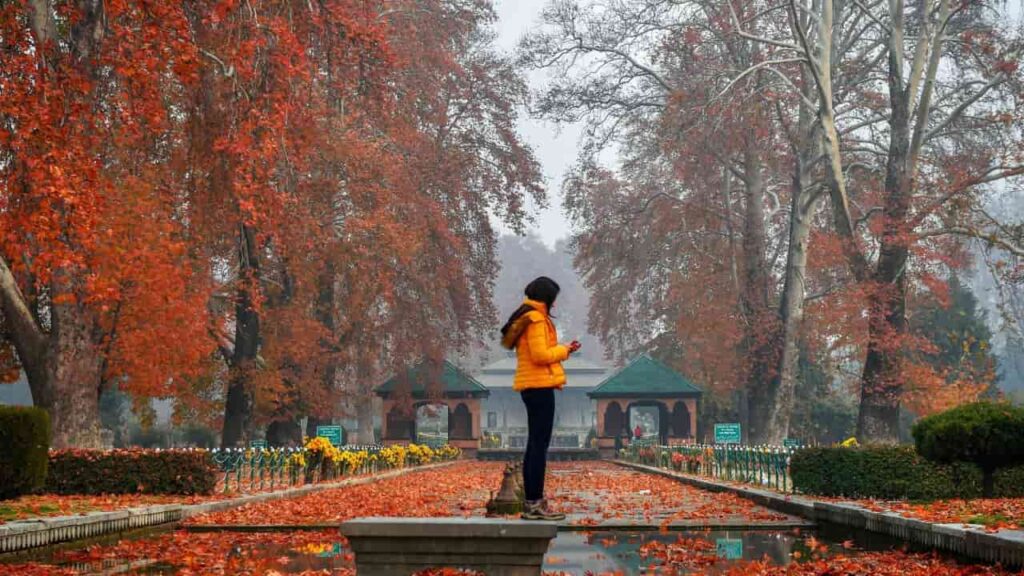
Char Chinar is a small and beautiful island situated right in the middle of Dal Lake in Srinagar, Jammu and Kashmir. It is also known as ‘Rupa Lank’ it derives this name from the four massive Chinar trees planted at its four corners. The island was originally built by Murad Bakhsh, the brother of the Mughal Emperor Aurangzeb, and it continues to stand today as a symbol of Mughal heritage and natural beauty. Tourists typically reach the island by taking a ride in a traditional ‘Shikara,’ which offers them enchanting views of the surrounding mountains and the shimmering waters of the lake. It is a popular spot for photography, particularly during the autumn season, when the Chinar leaves display a vibrant spectrum of red and golden hues.
11. Salim Ali National Park
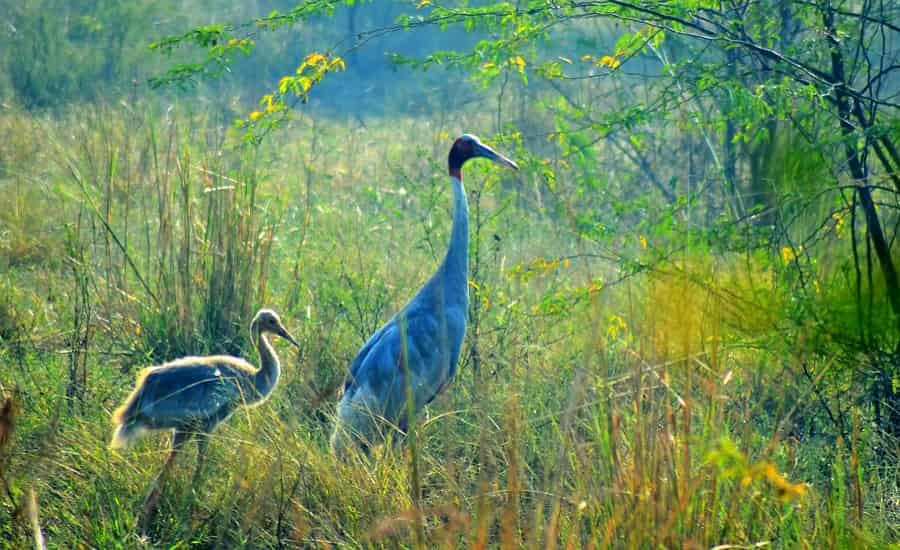
Situated in Srinagar, Jammu and Kashmir, the Salim Ali National Park is a protected area spanning 9.07 square kilometers. Established in 1986 for the conservation of local flora and fauna, it is named after India’s renowned “Birdman,” Dr. Salim Ali. The park features lush greenery, wetlands, and grasslands, serving as a habitat for various birds—such as kingfishers—and endangered animals like the Himalayan black bear. Although it was converted into a golf course between 1998 and 2001, the site remains a significant natural area located in close proximity to the city.
12. Amarnath Cave

The Amarnath Cave is a renowned Hindu pilgrimage site situated amidst the Himalayan mountains in Jammu and Kashmir, India, at an altitude of approximately 3,888 meters. It is primarily famous for a naturally formed ice Shivling, which waxes and wanes in accordance with the phases of the moon. According to Hindu mythology, this is the sacred site where Lord Shiva imparted the secret of immortality known as the ‘Amar Katha’ to his consort, Goddess Parvati. Since the cave remains covered in snow for most of the year, it is accessible only for a brief period during the summer months. Every year, millions of devotees undertake an arduous journey known as the ‘Amarnath Yatra’ to offer their prayers.
13. Lal Chowk
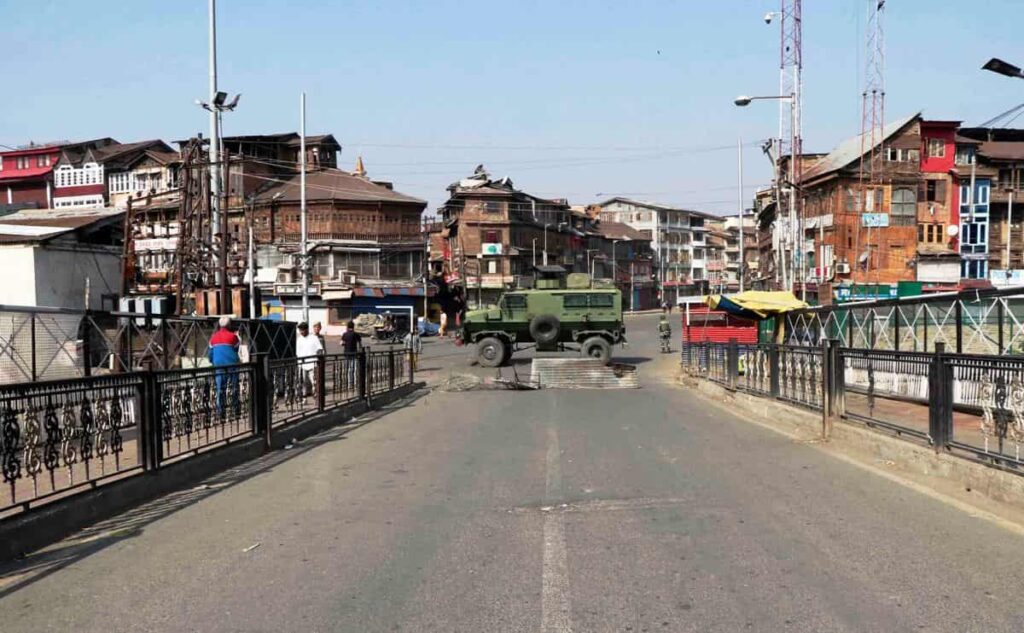
Lal Chowk is the city’s most renowned square, situated in the very heart of Jammu and Kashmir. It is recognized as the city’s primary commercial hub and a symbolic center for political activities. Its most iconic landmark is the ‘Ghanta Ghar’ (Clock Tower), constructed in 1980; it has served as the focal point for numerous historical moments, including the hoisting of the Indian National Flag by various leaders over the decades. Historically, it was named by activists who were inspired by the Russian Revolution. Today, it is a bustling hub where locals and tourists alike come to shop for traditional Kashmiri items such as Pashmina shawls, dry fruits, and handicrafts.
Recent renovations undertaken as part of the ‘Smart City’ project have transformed it into a modern and serene precinct featuring fountains and pedestrian-friendly spaces, thereby establishing it as a vibrant center of daily life in Srinagar.
14. Nehru Garden Srinagar
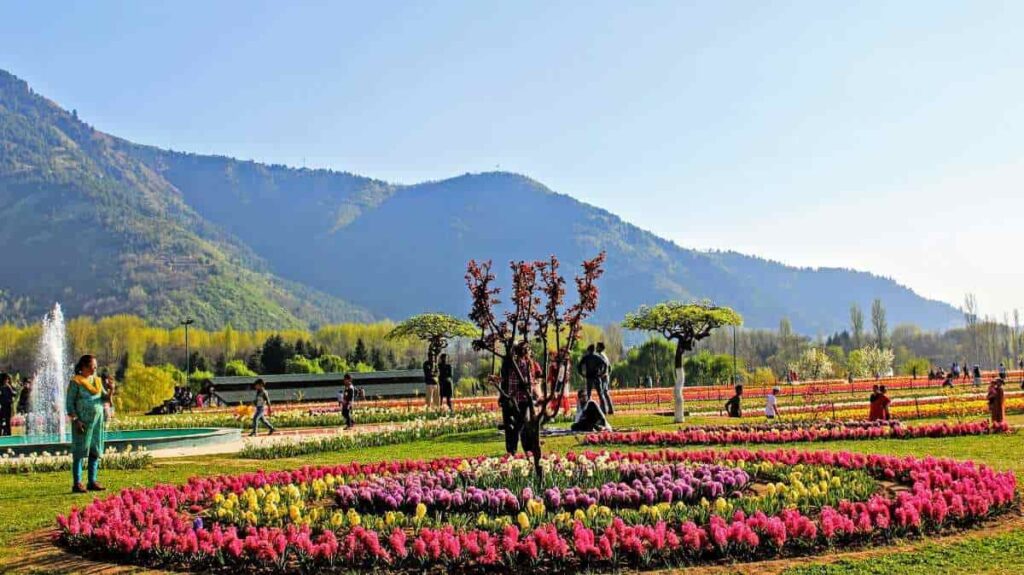
Located in Srinagar, the Jawaharlal Nehru Memorial Botanical Garden is a serene park spanning 80 hectares, established in 1969 in honor of India’s first Prime Minister. Situated at the foothills of the Zabarwan Range near Dal Lake, this park offers a tranquil and peaceful alternative to the bustling Mughal Gardens. The garden is renowned for its collection of over 150,000 ornamental plants, dense oak forests, and a beautiful lake covering 17 hectares, where visitors can enjoy paddle boating. It is divided into four main sections: the Research Section, the Botanical Garden, the Recreational Garden, and the Plant Introduction Centre. It features over 150,000 ornamental plants, colorful flowers, dense oak forests, and a serene lake with boating facilities. This is a major attraction in the Kashmir Valley, where over 1.116 million tourists were welcomed.
15. Hazratbal Shrine

The Hazratbal Dargah, also known as ‘Dargah Sharif,’ is considered the most sacred religious site for Muslims in Kashmir. Situated on the northern banks of Srinagar’s beautiful Dal Lake, this site historically began in 1623 as a Mughal pleasure pavilion named Ishrat Mahal, which was subsequently converted into a prayer hall by Emperor Shah Jahan in 1634. The current marble structure, completed in 1979, is unique in that it is the only domed mosque in Srinagar, standing out distinctly against the backdrop of the surrounding Zabarwan Mountains. The holy relic is not visible at all times; it is displayed to the general public only on special Islamic occasions—such as the birthday of Prophet Muhammad—drawing thousands of devotees from across the country to catch a glimpse of it. During major events such as Jumt-ul-Vida (the last Friday of Ramadan) and Eid-Milad-un-Nabi, the number of devotees visiting this place often exceeds 100,000.
16. Pari Mahal
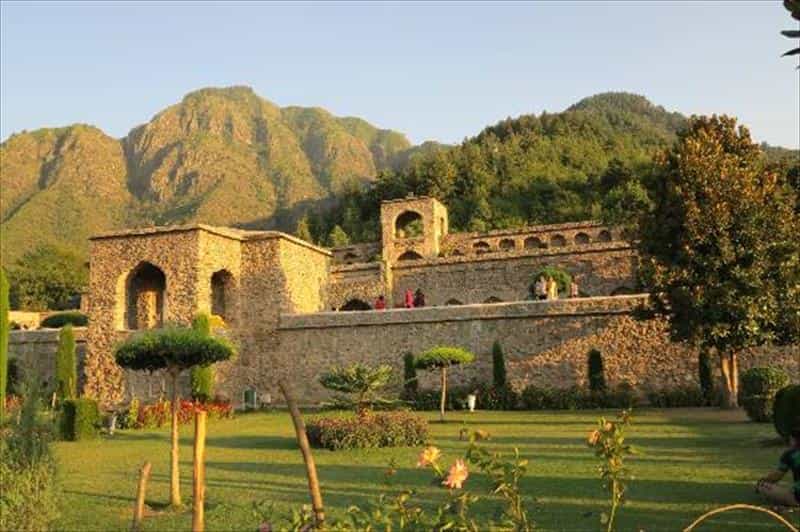
Pari Mahal also known as the “Palace of Fairies” or the “Abode of Angels”—is a magnificent historical monument and seven-terraced garden situated atop the Zabarwan mountain range in Srinagar. Constructed in the mid-1600s by Dara Shikoh, the eldest son of the Mughal Emperor Shah Jahan, it originally served as a residence, a library, and a center for the study of subjects such as astrology and astronomy. The site is renowned for its unique Islamic architecture, which features towering gateways, intricate water channels, and beautifully manicured lawns adorned with exotic fruit trees and vibrant flowers. Owing to its elevated location, it offers some of the most captivating panoramic views of the city and Dal Lake, making it a favorite destination for tourists and photographers seeking tranquility and natural beauty. Ranked among the top 15 attractions in Srinagar, this site serves as a major stopover for the more than 3 million tourists visiting Kashmir annually, offering mesmerizing views of Dal Lake.
17. Hari Parbat
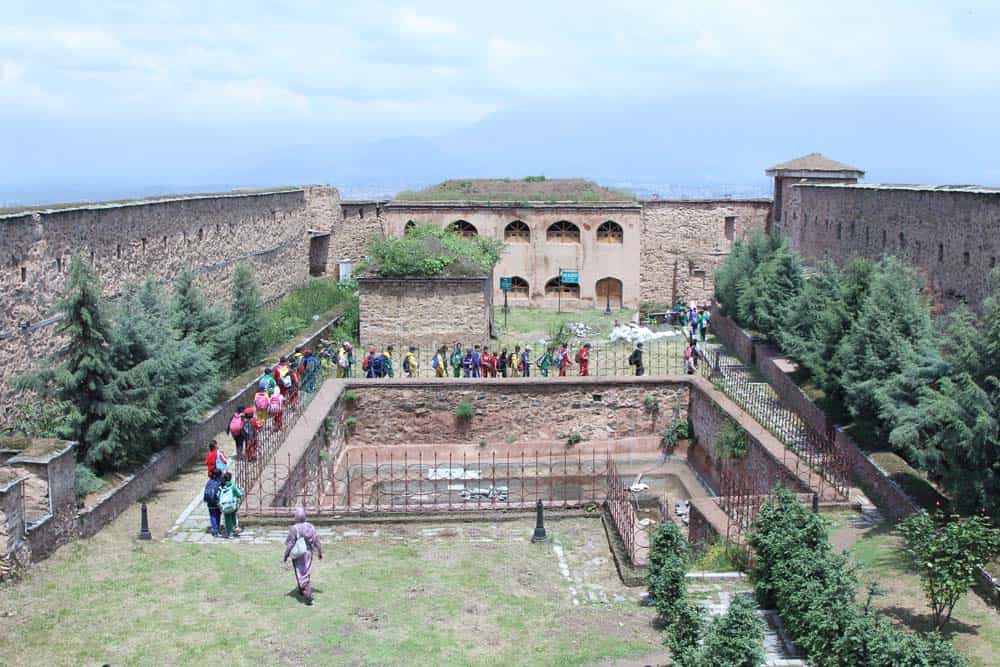
Hari Parbat is a renowned hill situated right in the heart of Srinagar, the capital city of Jammu and Kashmir, offering panoramic views of the beautiful Dal Lake. This hill is primarily known for the Hari Parbat Fort, which stands atop its summit. Construction of this fort was originally initiated by the Mughal Emperor Akbar in 1590 and was subsequently completed by Afghan rulers in the early 19th century. The hill serves as a significant symbol of peace and inter-religious harmony, as it houses sacred sites belonging to three distinct faiths: the Sharika Devi Temple for Hindus, the Dargah of Makhdoom Sahib for Muslims, and the Gurudwara Chathi Patshahi for Sikhs. From the hilltop, visitors can enjoy magnificent vistas of the entire city and the surrounding mountains. A moderate to heavy number of tourists visit there, especially during the spring and summer seasons (April to October).
18. Nigeen Lake
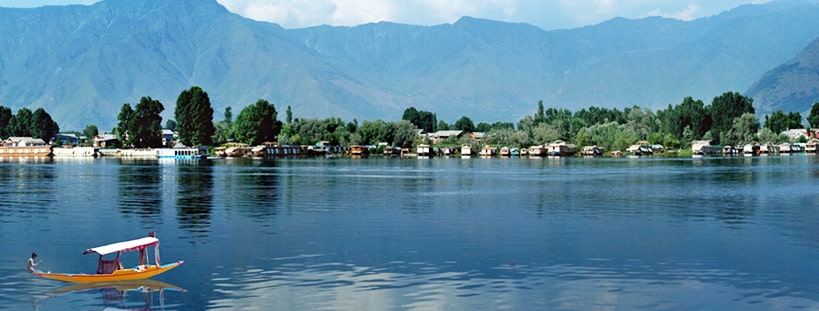
Located in Srinagar, Jammu and Kashmir, Nagin Lake is often referred to as the “Jewel in the Ring,” as it is encircled by beautiful willow and Chinar trees. Technically, it forms a part of the much more famous Dal Lake; however, it is far quieter, cleaner, and less crowded—making it a favorite destination for those seeking tranquility. The lake is renowned for its houseboats, where visitors can spend the night, and also offers traditional Shikara (wooden boat) rides that provide magnificent views of the surrounding Zabarwan Mountains. Since its waters are deeper and clearer than those of Dal Lake, it is also a popular spot for swimming and water sports such as kayaking or water skiing. Between March and October, this place remains heavily crowded with people enjoying Shikara rides, houseboats, and water sports.
19. Sinthan Top
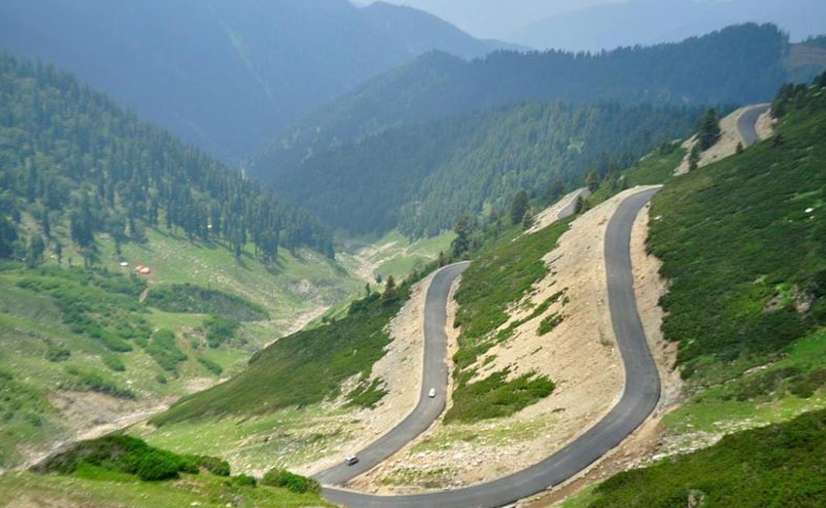
Sinthan Top is a high-altitude mountain pass situated in the Pir Panjal Range of Jammu and Kashmir, at an elevation of approximately 12,500 feet. It serves as a natural bridge connecting the Anantnag district of the Kashmir Valley with the Kishtwar district of the Jammu region. Often referred to as a “hidden gem,” this destination is renowned for offering a 360-degree panoramic view encompassing both the Jammu and Kashmir divisions.
Visitors are drawn here throughout the year by the presence of snow, lush green meadows, and the adventurous journey along the winding National Highway 244. There has been a tremendous surge in the popularity of Sinthan Top; over 205,000 tourists visited the site, with more than 160,000 visitors arriving in the month of June alone.
20. Yusmarg

Yusmarg often referred to as “Jesus’s Meadow”—is a hidden gem nestled in the Budgam district of Kashmir, renowned for its pristine natural beauty and tranquil atmosphere. Situated approximately 47 kilometers from Srinagar, this alpine valley is celebrated for its vast, lush green meadows. These meadows are flanked by dense pine and fir forests, with the snow-capped peaks of the Pir Panjal Range standing majestically in the background. Unlike bustling tourist hotspots such as Gulmarg, Yusmarg offers a serene retreat where you can take leisurely strolls, relax by the milky-white waters of the Doodh Ganga River, or embark on a scenic trek to the azure Nilnag Lake. Whether you are visiting for a day trip to enjoy a picnic or simply wish to spend a few moments in solitude, Yusmarg offers the perfect “digital detox” amidst wildflowers and the crisp mountain air. This makes it an ideal destination for nature lovers and those seeking seclusion.
21. Paragliding in Srinagar

Paragliding in Srinagar is a thrilling adventure that allows you to soar like a bird and witness a magnificent panoramic view of the entire valley from above. The primary location for this activity is Astanmarg Top, a beautiful mountain peak situated approximately 15–20 kilometers from the city center. From an altitude of approximately 7,400 feet, you take flight on a ‘tandem flight’ accompanied by a trained pilot; you simply sit back, relax, and enjoy the ride. As you glide through the air for about 10 to 15 minutes, you will be treated to captivating vistas of the shimmering Dal Lake, the lush Mughal Gardens, and the majestic, snow-capped peaks of the Zabarwan Range. This experience is extremely safe, as experts provide you with comprehensive safety briefings and all the necessary equipment before the activity begins.
Srinagar is a major hub for adventure tourism, attracting hundreds of thousands of visitors every year. Paragliding has emerged as one of the most popular aero sports in this region—particularly in places like Astanmarg—where tourists flock in large numbers to enjoy panoramic views of Dal Lake and the Zabarwan Mountains.
22. Badamwari Garden

Badamwari Garden, also known as Badam Ver, is a historic and beautiful park situated at the foothills of Hari Parbat in Srinagar. It is best known for its thousands of almond trees, which burst into a magnificent bloom of white flowers at the onset of spring—a spectacle that signals the end of winter in the Kashmir Valley. In addition, the garden features peaceful walking paths, fountains, and colorful flowerbeds. Although its exact origins remain a mystery, historians believe that it dates back to a period even prior to the 14th century; recently, the Jammu and Kashmir Bank undertook a renovation project to restore the garden to its former glory. It is a favorite spot among locals for picnicking, enjoying traditional music, and photography—a place where they can spend time in tranquility, away from the larger and more crowded tourist gardens.
Approximately 5,000 people visited daily. Famous for its more than 1,000 almond trees, this historic garden serves as a major tourist attraction during the spring season, while also being a favorite spot for locals to celebrate the season.
23. Challi Point

Challi Point is a popular and trendy open-air street-food spot located right on the banks of Dal Lake in Srinagar, situated along the bustling Boulevard Road. It serves as a lively gathering place for both locals and tourists looking to spend a relaxed, affordable evening amidst scenic surroundings. It is particularly renowned for its street food, where vendors serve roasted corn (bhutta), local naan, and delicious, smoky kebabs cooked over an open charcoal fire. Visitors often flock here in the evenings to grab a snack, enjoy the scenic views, or book a Shikara boat ride to explore the lake.
24. Burzhama Ruins

Located approximately 16 km from Srinagar in Kashmir, the ruins of Burzahom constitute a significant archaeological site that offers insights into human life dating back from 3000 BCE to 1000 BCE. This site is unique as it provides a distinct glimpse into both the Neolithic and Megalithic periods, illustrating the transition of ancient inhabitants from living in subterranean pit-dwellings to residing in houses constructed from mud bricks. Excavations have yielded 4,500-year-old artifacts—including tools made of stone and bone, pottery, and burial sites—where individuals were occasionally interred alongside their pets.
25. Tarsar Marsar Trek
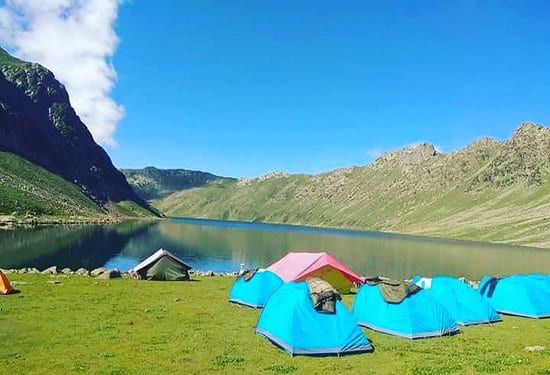
The Tarsar Marsar Trek in Kashmir is considered one of India’s most beautiful high-altitude journeys; it reaches a maximum elevation of approximately 13,500 feet (4,115 meters) at an overhang situated above Marsar Lake. The highest point of this route is typically regarded as the Tarsar Pass—or the specific peaks—from where the two twin alpine lakes—Tarsar and Marsar—come into view; these two lakes are separated from each other by a massive mountain. Upon reaching these high vantage points, one is treated to a magnificent and panoramic view of Tarsar Lake’s almond-shaped, turquoise waters, as well as the mysterious Marsar Lake situated below—often shrouded in clouds. However, reaching its summit entails traversing rocky paths and crossing a high-altitude pass; this arduous ascent rewards trekkers with captivating vistas of the surrounding Kolahoi mountain range and lush, flower-strewn meadows.
26. Apple Orchards in Srinagar
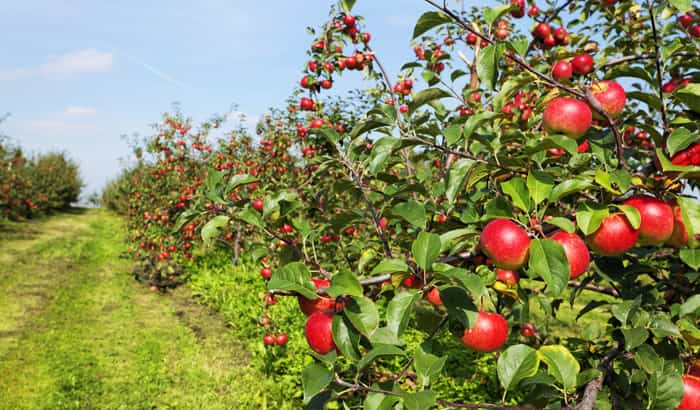
The apple orchards situated in and around Srinagar and the Kashmir Valley are exquisitely beautiful and are renowned for yielding delicious apples between August and November. Encompassing popular locations near districts such as Srinagar and Baramulla, these lush orchards offer tourists the opportunity to stroll amidst rows of trees, pluck fresh fruit, and revel in the picturesque mountain scenery. This region produces a diverse variety of apples, which constitute a significant part of Kashmir’s identity as the “Land of Apple Harvests.” The best time to visit is during the autumn harvest season, when many tourists opt to stay in local homestays to experience the charm of rural agrarian life. Apple orchards constitute the backbone of the economy of Srinagar and the entire Kashmir Valley; they contribute approximately 6–9% to the Gross State Domestic Product and serve as the source of livelihood for over 3.5 million people. More than 75% of India’s total apple production originates in Kashmir alone.
27. Dachigam National Park

Dachigam National Park is a beautiful protected area located in Jammu and Kashmir, approximately 22 kilometers from Srinagar. Established in the early 20th century, the park required the relocation of settlements to facilitate its creation. Spanning an area of approximately 141 square kilometers, the park was originally established in 1910 to ensure a reliable supply of clean drinking water for Srinagar; it was subsequently declared a National Park in 1981.
The park is primarily renowned as the last remaining habitat of the ‘Hangul’ or ‘Kashmir Stag’—a critically endangered species found nowhere else in the world. Its diverse landscape ranges from deep valleys and rocky slopes to lush alpine meadows, and it is broadly divided into two sections: Lower and Upper Dachigam. Visitors to the park can observe a variety of wildlife, including the Himalayan Black Bear, the Musk Deer, and unique avian species such as the Monal Pheasant. As the seasons change, the park’s scenery also transforms beautifully.
28. Tulip Festival in Srinagar
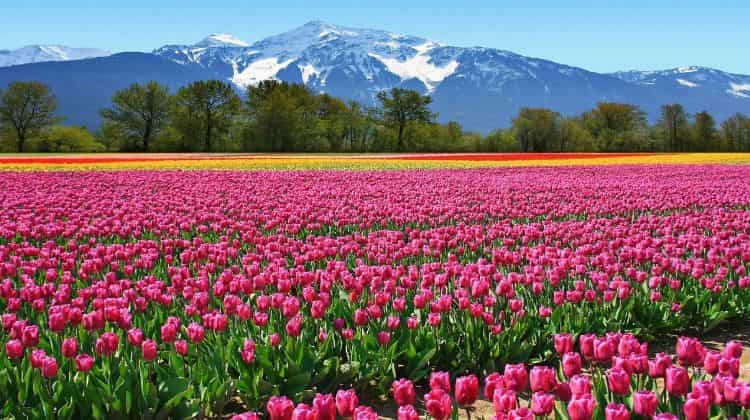
The Tulip Festival in Srinagar is celebrated annually during the spring season at the Indira Gandhi Memorial Tulip Garden, which is considered to be Asia’s largest tulip garden. Nestled at the foothills of the Zabarwan Range and overlooking the famous Dal Lake, this festival typically runs from late March to mid-April. Visitors here can witness the magnificent spectacle of over 1.5 million tulip blooms across more than 70 colorful varieties, arranged across seven beautiful terraced sections. Beyond these enchanting carpets of flowers, the festival also showcases Kashmiri heritage through traditional music, folk dances such as ‘Rouf’, and stalls featuring local handicrafts and traditional delicacies like ‘Kahwa’. During the season, approximately 3.82 lakh to 4 lakh visitors visited the site. This premier spring event, which showcases over 70 varieties of tulips, has further strengthened its position as a key hub for promoting tourism.
29. Wular Lake
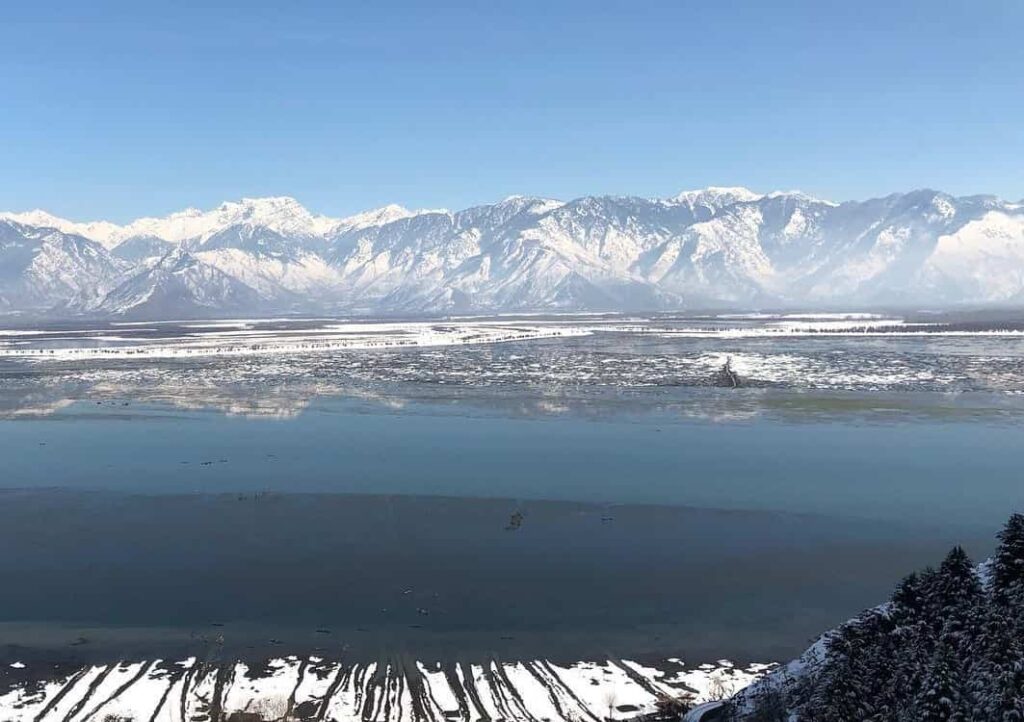
Wular Lake is India’s largest freshwater lake and ranks among the largest lakes in Asia. Situated in the Bandipora district of Jammu and Kashmir, this lake is renowned for its natural beauty and is encircled by snow-capped mountains. The lake was formed as a result of tectonic activity and is primarily fed by the Jhelum River. It plays a pivotal role in the local economy, as thousands of fishermen depend on it for their livelihood, and a significant portion of the region’s fish supply originates from here. Located in the center of the lake is a small artificial island named ‘Zaina Lank,’ which was constructed in the 15th century by King Zain-ul-Abidin. Due to its significance as a habitat for migratory birds and various aquatic species, it has received international recognition as a ‘Ramsar Wetland.’ Located in Bandipora, Kashmir, this lake is a significant and scenic destination for nature lovers, birdwatchers, and those seeking to experience local life—particularly for those who visit in the afternoon to witness its enchanting vistas.
30. Baramulla
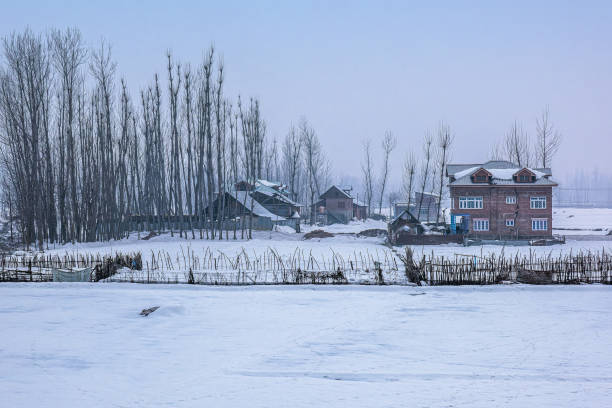
Baramulla is a historic and beautiful city situated in the northern part of Jammu and Kashmir, India, nestled along the banks of the Jhelum River. It is widely regarded as the “Gateway of Kashmir,” as for centuries, it served as the primary entry point into the valley for traders and travelers. With a history spanning over 4,000 years, it is a place that showcases a rich cultural confluence, having served as a meeting point for Hindu, Buddhist, Muslim, and Sikh traditions. It is surrounded by picturesque apple orchards and is located just a short distance from the renowned skiing destination of Gulmarg. A large number of tourists visit here.
31. Zero Bridge
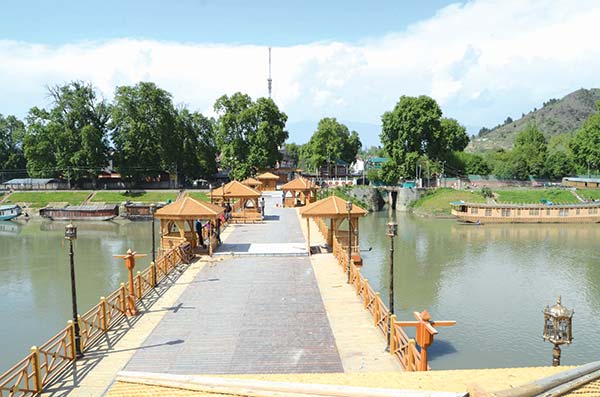
Zero Bridge is a tourist attraction in the southeastern part of Srinagar city. It is a bridge over the Jhelum river that holds aesthetic and cultural value, hence its place as a crucial tourist spot. It is a popular place to hang out, take good photographs, and mingle with locals or other tourists. The central location of the bridge even places you in the Church Lane area, from where you can travel to settlements on either side of the river.
32. Anchar Lake
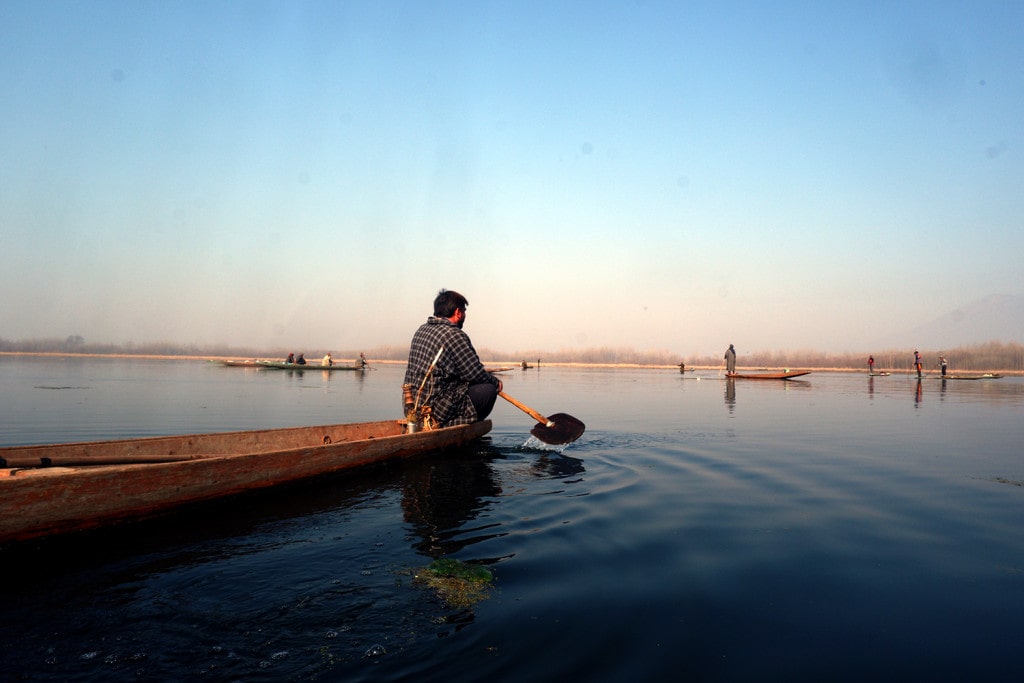
Anchar Lake is a natural lake situated north of Srinagar city in Jammu & Kashmir. Due to its natural beauty and remarkable views, you must visit the location as soon as possible. It is the most beautiful around the winter months due to the many bird species that come here.