
Situated in the Kutch district of Gujarat, the Rann of Kutch is a vast seasonal saline wetland and one of the largest salt deserts in the world, spanning an area of approximately 30,000 square kilometers. Geographically, it is divided into two parts: the ‘Great Rann’ in the north—known for its expansive white salt flats stretching to the horizon—and the ‘Little Rann’ in the southeast, renowned for its saline wetlands and as the last sanctuary for the endangered ‘Indian Wild Ass’ (Khur). The region’s unique “white desert” appearance is a natural phenomenon driven by the seasonal cycle: during the monsoon, the area becomes submerged under shallow water; subsequently, as this water evaporates during the dry winter months, it leaves behind a thick, glistening layer of crystallized salt. Beyond tourism, the local economy receives a significant boost from large-scale salt production, which accounts for approximately 75% of India’s total salt output; additionally, the discovery of ancient historical sites—such as Dholavira—also contributes to the economy. Dholavira is a UNESCO World Heritage Site representing the Indus Valley Civilization.
The Rann of Kutch is considered extremely safe for tourists and ranks as one of India’s most peaceful travel destinations. Due to its proximity to the international border, the region maintains a heavy presence of the Army and the BSF (Border Security Force), ensuring a high level of security and order throughout the area. The local Kutchi people are renowned for their warm hospitality and honest nature, making this region particularly safe for families and solo female travelers. The crime rate here is exceptionally low, and the primary hub of tourism—the “Tent City” located in Dhordo—is a secure and well-monitored complex featuring round-the-clock security arrangements.
Most Famous And Attractive Tourist Places In Rann Of Kutch :
1.Kalo Dungar
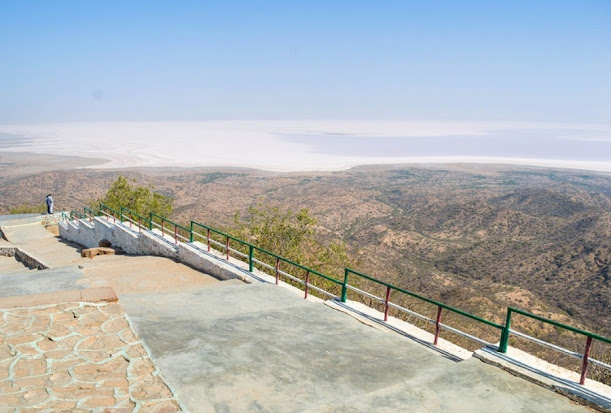
Kalo Dungar, or the “Black Hill,” is the highest point in the Kutch district of Gujarat, standing at an elevation of 462 metres (1,516 ft). It offers a peerless panoramic view of the Great Rann of Kutch, where the blanched salt desert meets the horizon, appearing like an endless inland sea. The hill is most famous for the 400-year-old Dattatreya Temple, dedicated to the three-headed incarnation of Brahma, Vishnu, and Shiva. A unique and enduring ritual at this temple involves the priest feeding cooked rice to wild jackals after the evening aarti, a tradition rooted in a legend where Lord Dattatreya offered his own regenerating body to starving animals. Additionally, the road leading to the hill features a mysterious “Magnetic Hill” phenomenon—an optical illusion where vehicles in neutral gear appear to roll uphill, defying gravity. Given its proximity to the Pakistan border, the site also serves as a strategic point where visitors can see the India Bridge and distant military outposts through binoculars.
2.Kandla Port
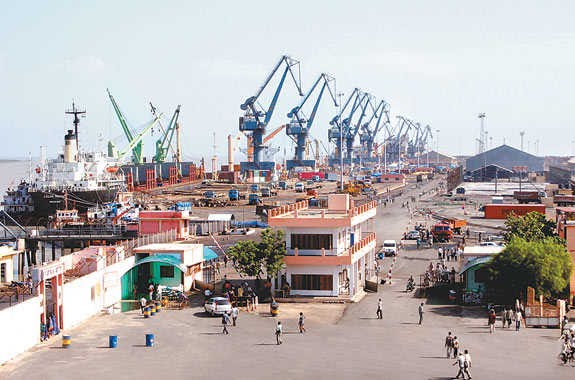
Kandla Port, officially renamed Deendayal Port, is one of India’s largest and busiest major ports, located on the Gulf of Kutch in Gujarat. Established in the 1950s as a replacement for the Port of Karachi after the partition of India, it serves as the primary maritime gateway for the northern and western hinterlands of the country. It is a natural deep-water port and was the first in India to be designated as a Special Economic Zone (SEZ), playing a critical role in international trade. The port is a major hub for handling crude oil, petroleum products, chemicals, and dry cargo like food grains, salt, and textiles. Its strategic location near the mouth of the Gulf of Kutch makes it a vital artery for India’s energy security and industrial growth. While it is primarily a commercial and industrial zone with restricted access, the surrounding township of Gandhidham was specifically developed to house the port’s workforce and refugees, becoming a thriving economic centre in the Kutch region.
3.Mandvi Beach

Mandvi Beach, located at the southernmost tip of Kutch, Gujarat, is a serene stretch of golden-brown sand along the Arabian Sea, renowned for its tranquil atmosphere and clean blue waters. Historically a major port founded by the Maharao of Kutch in the late 16th century, the town is still famous for its 400-year-old traditional shipbuilding yard, where skilled artisans craft massive wooden vessels by hand. The beach is unique for housing Asia’s first coastal wind farm, featuring rows of majestic windmills that create a striking silhouette against the horizon—especially during the breathtaking sunsets. Visitors can enjoy a wide array of activities, from camel and horse rides along the shoreline to thrilling water sports like jet skiing, parasailing, and banana boat rides. For a taste of local culture, the food stalls near the beach serve the famous Kutchi Dabeli, which was originally invented in Mandvi.
4.Siyot Caves
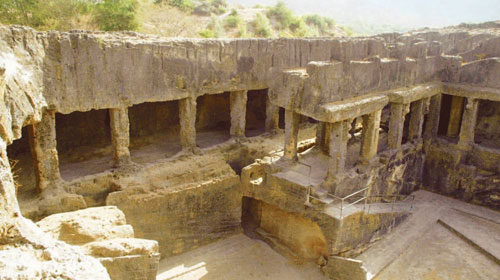
The Siyot Caves, also known as the Kateshwar Buddhist Caves, are an ancient rock-cut complex located near Siyot village in the Lakhpat Taluka of Kutch, Gujarat. Dating back to the 1st and 2nd century AD, these five caves were originally Buddhist monasteries, as evidenced by archaeological excavations that unearthed clay seals depicting the Buddha and Brahmi inscriptions. The main cave features an East-facing sanctum and an ambulatory path, showcasing architectural styles similar to other Buddhist rock-cut structures in India. Historical accounts by the Chinese traveller Hiuen Tsang in the 7th century suggest that there were hundreds of such monasteries in the region at the time. Interestingly, after the decline of Buddhism, the site was adapted by Shaivites, and it currently features carvings of local folklore and religious symbols. Located in a remote, rugged landscape, the caves offer a silent glimpse into the deep-rooted religious history and the maritime trade routes that once connected Kutch to the wider world.
5.Aaina Mahal

The Aaina Mahal, or the “Palace of Mirrors,” is a magnificent 18th-century royal residence located within the Darbargadh walled complex in Bhuj. Built around 1750 by Maharao Lakhpatji, the palace is a unique fusion of Indian and European styles, a testament to the skill of its master craftsman, Ram Singh Malam. Malam, who spent 17 years in the Netherlands mastering European arts, decorated the interiors with a staggering display of Venetian glass, mirrors, and gilded ornaments. The most famous feature is the Fuvara Mahal (Hall of Fountains), where water once flowed around the king as he sat on a platform watching music and dance performances. Although the palace suffered significant damage during the 2001 Gujarat earthquake, the lower floor has been meticulously restored and now serves as a museum, showcasing royal artefacts, a solid gold-legged bed, and historical manuscripts.
6.Marine National Park
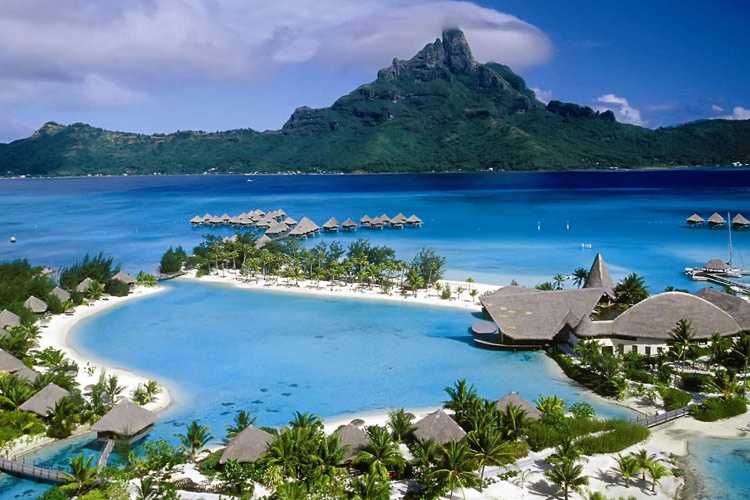
The Marine National Park, situated on the southern shore of the Gulf of Kutch in Jamnagar, Gujarat, is India’s first marine conservatory, established in 1982 to protect a fragile and diverse underwater ecosystem. Spanning an archipelago of 42 islands, the park is world-renowned for its “coral walks,” where visitors can walk directly on the seabed during low tide to observe marine life in shallow tide pools without the need for diving. This unique habitat supports an incredible variety of biodiversity, including over 40 species of hard and soft corals, 70 species of sponges, and exotic creatures like octopuses, pufferfish, sea cucumbers, starfish, and sea anemones. The park also serves as a critical sanctuary for endangered species such as green sea turtles, dugongs (sea cows), and various types of dolphins, while its dense mangrove forests provide vital nesting grounds for over 170 species of resident and migratory birds.
7.Vijay Vilas Palace
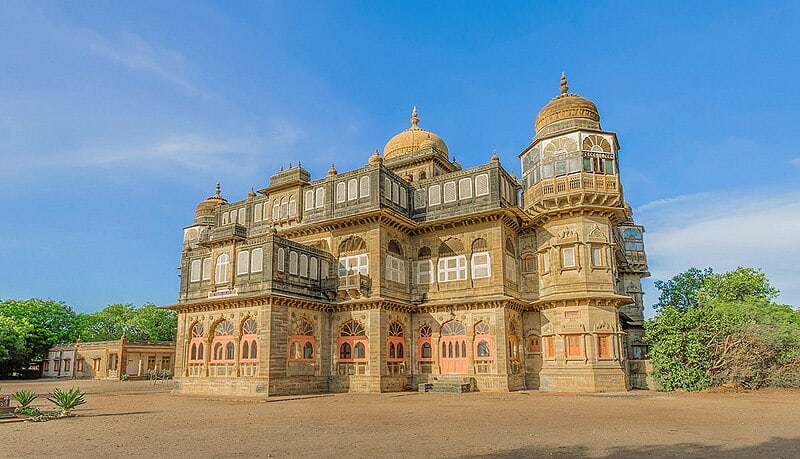
The Vijay Vilas Palace is a stunning red sandstone royal retreat located along the coast of Mandvi in the Kutch district of Gujarat. Built between 1920 and 1929 during the reign of Maharao Shri Khengarji III as a summer resort for his son, Yuvraj Shri Vijayaraji, the palace is a magnificent example of Indo-Saracenic architecture. Its design seamlessly blends Rajput elegance with Mughal domes, Victorian Gothic arches, and colonial columns, featuring intricate stone carvings, coloured glass windows, and ornate jalis. Set within 450 acres of lush greenery and manicured gardens, the palace also boasts a 2 km-long private beach where visitors can stay in luxury AC tents. Beyond its royal history, the palace has gained modern fame as a popular Bollywood filming location, notably appearing in major films like Lagaan and Hum Dil De Chuke Sanam.
8.Narayan Sarovar
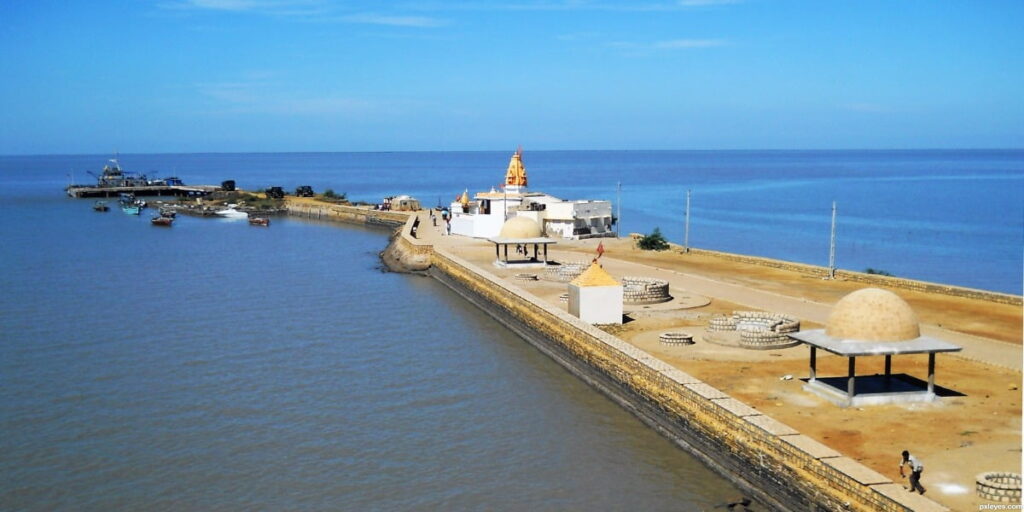
Narayan Sarovar, located in the Lakhpat taluka of Kutch, Gujarat, is one of the most sacred pilgrimage sites for Hindus, recognized as one of the Panch Sarovars (five holy lakes) mentioned in ancient scriptures like the Shrimad Bhagavata Purana. The lake is believed to have been created by Lord Vishnu, who struck the earth with his toe to end a severe drought in the region. The spiritual complex by the lake features seven prominent stone temples built in a style similar to the Dwarkadhish Temple, with the main shrine dedicated to Shri Trikamraiji. Beyond its religious significance, the area is home to the Narayan Sarovar Wildlife Sanctuary, a 444 sq. km arid ecosystem that protects rare species like the Chinkara (Indian Gazelle), desert fox, and caracal. The site offers a unique blend of divine tranquility and rugged natural beauty, especially during the annual fair held in November or December.
9.Lakhpat Fort
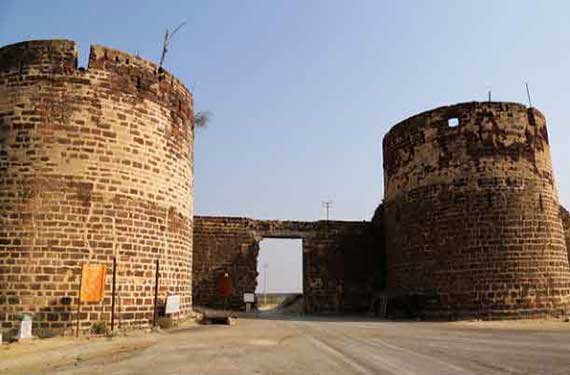
Lakhpat Fort, located in the far northwest corner of the Kutch district in Gujarat, India, is a remarkable, largely abandoned 18th-century fortification that stands as a silent testament to a prosperous maritime past. Constructed in 1801 by Jamadar Fateh Muhammed to protect the frontier and secure the flourishing trade routes, the fort features impressive, near-intact stone walls that extend roughly 7 kilometers in circumference, punctuating the landscape with twenty-four watchtowers and four main gates. Historically, Lakhpat was a thriving port city and commercial hub—its name implying a city of millionaires—connected to the Indus River and the Kori Creek, facilitating trade with Sindh and the Arabian Sea. However, the devastating earthquake of 1819 altered the course of the Indus River, causing the port to lose its significance and leading to a significant decline in its population. Today, it is regarded as a “ghost town,” offering a serene yet desolate atmosphere with ruins scattered inside the massive ramparts. Within the fort walls, the site remains spiritually significant, holding the 16th-century Lakhpat Gurudwara—reputed to have been visited by Guru Nanak during his Udasis (missionary journeys) and preserving his relics—along with the tomb of the Sufi saint Pir Ghaus Muhammad, known for its intricate carvings. The fort now serves as a scenic, off-beat tourist destination on the edge of the Rann of Kutch, where visitors can walk the ramparts for spectacular views of the sunset, the sea, and the nearby Pakistan border, which is just 30 kilometers away.
10. Dholavira
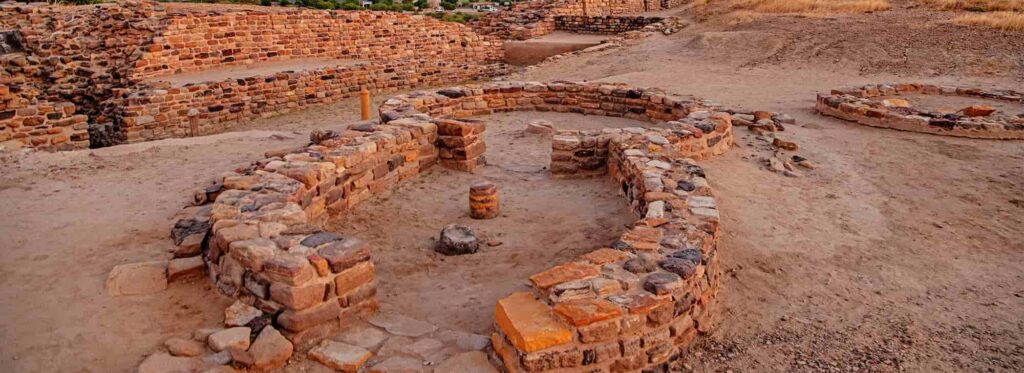
Dholavira, located on the isolated Khadir Bet island in the Great Rann of Kutch, is one of the most remarkable and well-preserved urban settlements of the ancient Indus Valley Civilisation (Harappan culture). Declared a UNESCO World Heritage Site in 2021, it is the fifth-largest metropolis of its kind, flourishing between 3000 BCE and 1500 BCE. Unlike other Harappan sites that primarily used brick, Dholavira is unique for its extensive use of stone masonry. The city is famously divided into three distinct sections—the Citadel (castle and bailey), the Middle Town, and the Lower Town—reflecting a highly stratified and organized social order. It is globally renowned for its pioneering water management system, featuring a cascading series of 16 massive rock-cut reservoirs and a sophisticated network of drains to harness every drop of scarce rainwater. Among its most significant discoveries is the “Dholavira Signboard,” which contains ten large-sized characters of the yet-to-be-deciphered Indus script, representing one of the world’s earliest forms of public communication.