

Pushkar is a sacred and vibrant city in Rajasthan, renowned globally for housing one of the very few temples in the world dedicated to Lord Brahma (the Creator). Nestled around the holy Pushkar Lake, this city serves as a major pilgrimage site where devotees gather to take ritual baths at its 52 ghats—particularly during the spiritual evening Aarti, when thousands of lamps illuminate the waters. Beyond its religious roots, Pushkar is also globally recognized for its annual ‘Pushkar Camel Fair’—a massive cultural extravaganza that transforms the desert landscape with livestock trading, folk music, and colorful bazaars. The city possesses a unique and distinctly ‘hippie-chic’ atmosphere, where ancient traditions blend seamlessly with a bustling marketplace filled with silver jewelry, vibrant textiles, and bohemian-style rooftop cafes. Surrounded by the Aravalli Hills and featuring scenic trekking spots like the Savitri Temple, Pushkar offers a serene yet lively experience that perfectly encapsulates the spiritual and rural soul of Rajasthan.
Pushkar boasts a robust and unique economy, driven primarily by tourism, rose cultivation, and handicrafts. As one of India’s most sacred sites, the city attracts hundreds of thousands of pilgrims annually to visit the Brahma Temple and the holy lake, thereby ensuring a steady stream of revenue for local hotels, shops, and restaurants. The city is also celebrated for its rose cultivation; roses are grown here in such abundance that it has earned the moniker ‘The Rose Garden of Rajasthan,’ with rose water and perfumes produced here being exported across the globe.
Pushkar is an exceptionally safe and peaceful city, catering to all types of travelers—whether they are visiting with family or exploring as solo adventurers. As a sacred site, the atmosphere here is generally serene and dignified, and the locals are accustomed to welcoming guests from all over the world. Since the city is small in size, most places can be reached on foot; furthermore, the main markets remain illuminated with lights until evening and are bustling with activity.
Places to Visit in Pushkar :
1.Pushkar Lake
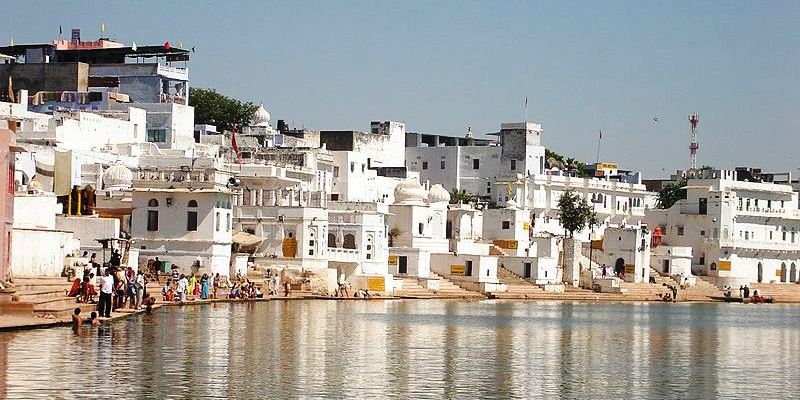
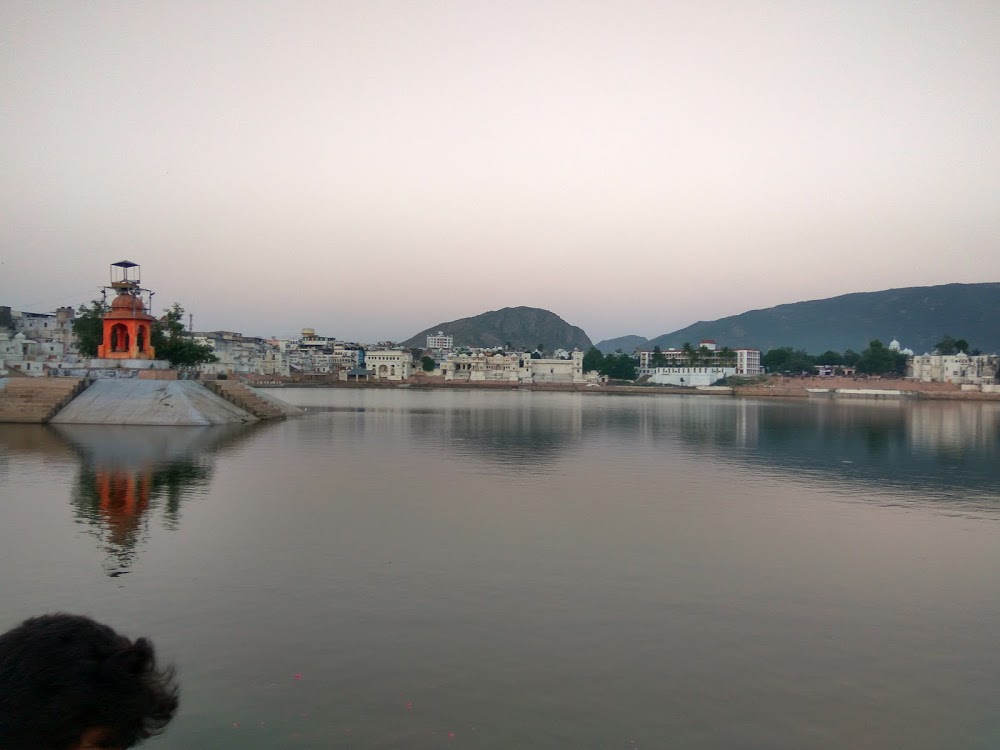
Pushkar Lake is a sacred water body located in the heart of the holy town of Pushkar, near Ajmer, and is considered one of the five most important pilgrimage sites for Hindus in India. According to mythology, the lake was created when a lotus flower fell from the hand of Lord Brahma, the creator of the universe. The lake is semi-circular in shape and is surrounded by 52 historic ghats (steps leading to the water), where devotees gather to take a holy dip, especially during the auspicious Kartik Purnima festival, believing it washes away sins. The shoreline is dotted with over 500 white-colored temples, and the air is often filled with the sound of evening chants and temple bells. It is world-famous for its serene beauty and the magical evening Aarti ceremony, where hundreds of earthen lamps are floated on the water, creating a glowing reflection against the desert sky.
2.Rose Garden
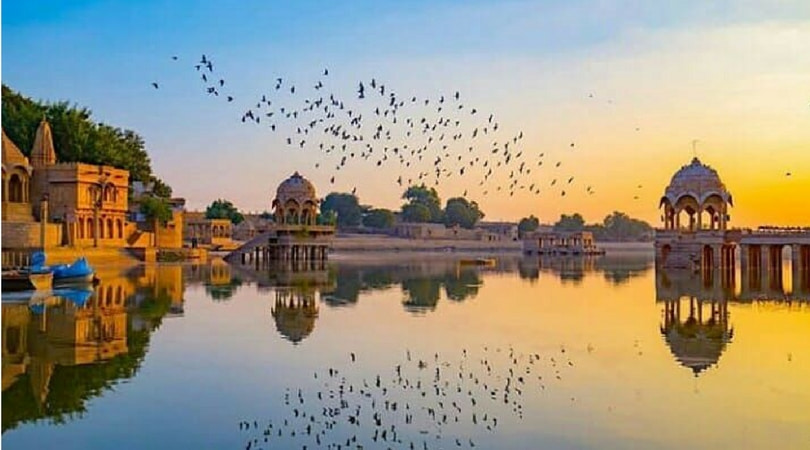
The Rose Garden in Pushkar, often called the “Rose Garden of Rajasthan,” is a vast and fragrant expanse of land where the world-famous Pushkar Roses are grown. Unlike a typical landscaped city park, this is a collection of commercial farms that produce various types of roses, particularly the highly scented pink Damascus rose used to make perfumes, rose water, and “Gulkand” (a sweet rose petal preserve). Walking through these fields during the blooming season is a sensory delight, as the air is thick with a natural floral perfume and the landscape is dotted with vibrant pink hues. These roses are not only exported globally but are also a vital part of the local economy and spiritual life, as they are used daily for offerings at the Brahma Temple and the sacred Pushkar Lake. Visiting early in the morning allows you to see local farmers skillfully harvesting the delicate petals by hand before the desert sun gets too hot.
3.Doctor Café
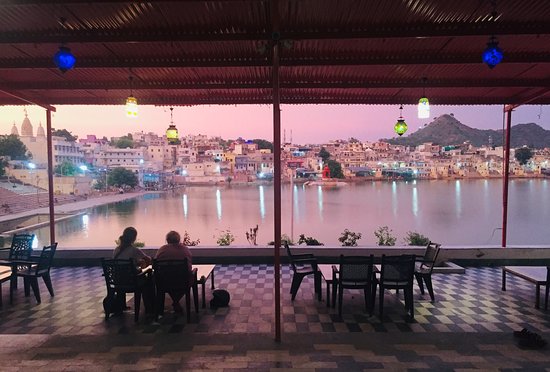
Doctor Café is a popular and quirky dining spot in Pushkar, well-known among travelers for its laid-back atmosphere and healthy food options. Located in the narrow, vibrant lanes near the Pushkar Lake, the café is famous for its organic menu, featuring fresh juices, smoothie bowls, and a wide variety of vegetarian and vegan dishes that cater to international tastes. The “doctor” theme is reflected in its name and relaxed vibe, as it is often seen as a place to “heal” and recharge after a day of exploring the desert heat. With its cozy seating, colorful decor, and friendly service, it has become a favorite hangout for backpackers and digital nomads looking for a quiet spot to enjoy a nutritious meal, a good cup of coffee, or even a game of chess while soaking in the spiritual energy of the town.
4.Shiv Shakti Art and Handicraft
Shiv Shakti Art and Handicraft is a renowned boutique in Pushkar that serves as a treasure trove for authentic Rajasthani craftsmanship and traditional textiles. Located in the vibrant main market near the Brahma Temple, this shop is particularly famous for its high-quality hand-embroidered fabrics, vintage wall hangings, and colourful “kantha” quilts. Visitors are often drawn to their unique collection of ethnic wear, including silver jewellery, pashmina shawls, and leather goods that showcase the intricate skills of local desert artisans. Unlike larger commercial stores, it offers a more personal shopping experience where you can find one-of-a-kind antique pieces and home decor items that reflect the rich cultural heritage of the Marwar region. It is a must-visit for travellers looking to take home a piece of Rajasthan’s artistic soul, known for its fair pricing and the helpful nature of the local owners who often share the stories behind the crafts.
5.Budha Pushkar Lake
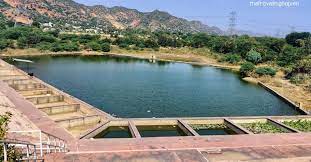
Budha Pushkar Lake, also known as Old Pushkar or Kanistha Pushkar, is a deeply revered freshwater lake located approximately 6 kilometres from the main Pushkar town in Rajasthan. According to Hindu mythology, it is the oldest of the three lakes created when petals from Lord Brahma’s lotus fell to earth, and it is famously cited as the place where Lord Ram performed the last rites (Pitru Tarpan) for his father, King Dashrath. The lake’s healing properties were historically recognised in the 9th century when King Nahar Rao Parikar was reportedly cured of a skin ailment after touching its waters, leading to its subsequent restoration. Geographically, the lake is situated in a tranquil valley between parallel hill ranges of the Aravallis, offering a much more peaceful and meditative environment compared to the bustling main lake. Over time, Budha Pushkar has faced challenges from desertification and shifting sand dunes, but extensive government conservation efforts, including the construction of a feeder system, have been implemented to maintain its water levels and preserve its sacred ghats. Today, it remains a vital stop for pilgrims completing the “Tri-Pushkar” spiritual circuit, which connects Jyeshta (main), Madhya (middle), and Budha (old) Pushkar.
6.The Laughing Buddha Cafe Pushkar
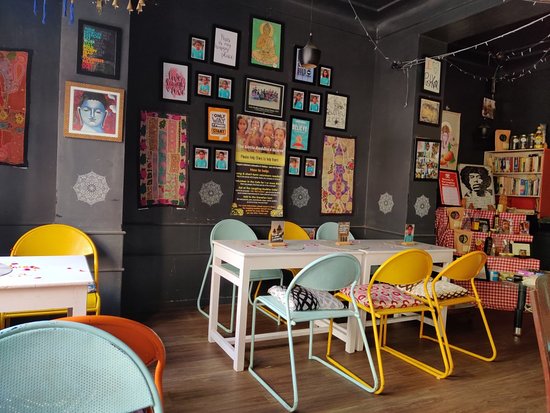
The Laughing Buddha Cafe is a charming and iconic rooftop eatery in Pushkar, famous for its vibrant, bohemian atmosphere and its balcony seating that overlooks the bustling main market street. It is a favorite spot for travelers and backpackers who come to enjoy a wide range of vegetarian and vegan-friendly dishes, including fresh salads, homemade pastas, and their popular “Lassi” and fruit bowls. The cafe is known for its “slow food” philosophy, where everything is prepared fresh, making it a perfect place to relax, read a book, or watch the daily life of the holy town from above. With its colorful wall art, friendly staff, and peaceful music, it offers a cozy escape from the desert heat while providing a great view of the local culture and the nearby Brahma Temple area.
7.Pushkar Bazaar
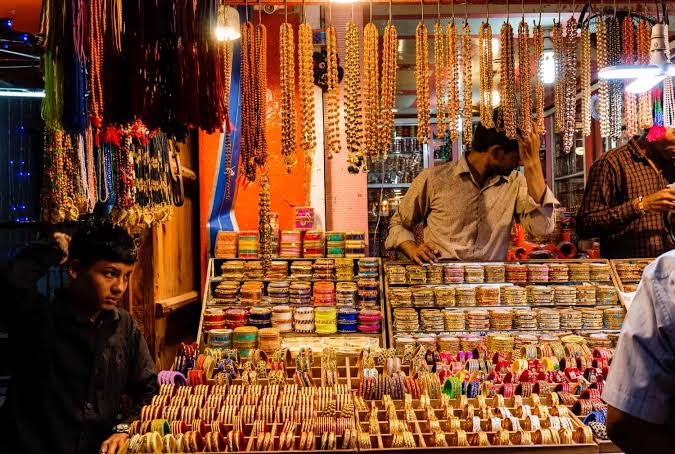
Pushkar Bazaar is the vibrant heart of the holy town, stretching through narrow, winding lanes that connect the sacred lake to the famous Brahma Temple. It is world-renowned as a shopper’s paradise for Rajasthani handicrafts, where you can find everything from intricately carved silver jewellery and hand-stitched leather bags to colourful “Bandhani” textiles and bohemian-style clothing. The air in the bazaar is a unique mix of the scent of fresh Pushkar Roses, incense, and the aroma of local street food like the famous Malpua and Kachoris. Beyond shopping, the market offers a deep look into the local culture, with its old sandstone buildings, wandering holy men, and shops selling spiritual items like beads and brass idols. Whether you are looking for a unique souvenir or just want to soak in the lively, spiritual energy of the desert, a walk through this bazaar is an essential Pushkar experience.
8.Man Mahal
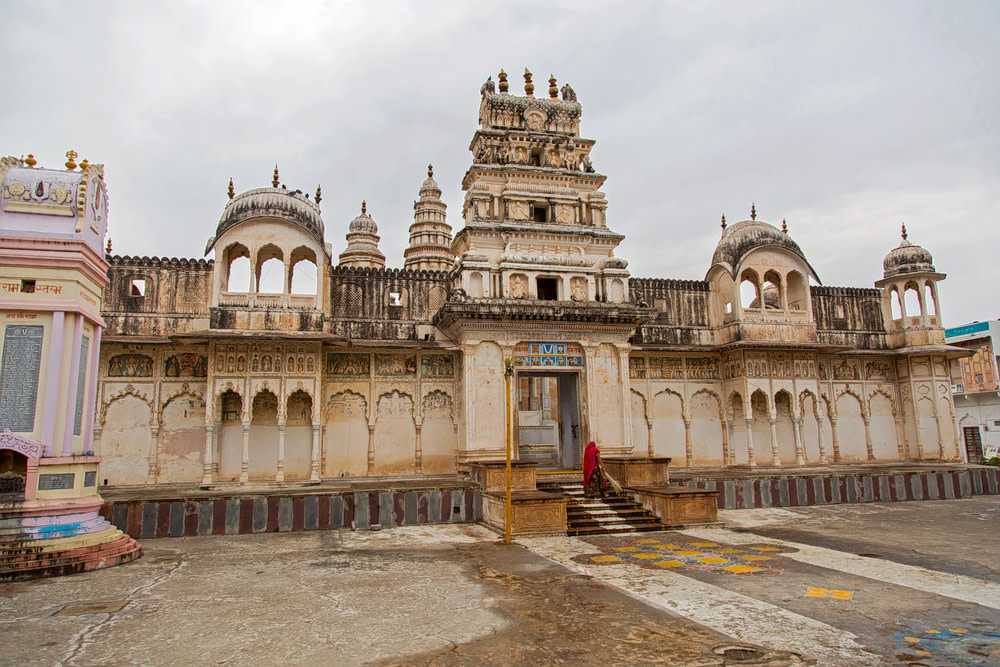
Man Mahal is a stunning 17th-century palace located on the banks of the sacred Pushkar Lake, originally built as a royal guest house by Raja Man Singh I of Amber (Jaipur). It is famous for its grand Rajasthani architecture, featuring majestic domes, arched windows, and intricate stone carvings that reflect the royal heritage of the Mughal and Rajput eras. Positioned as the largest and most magnificent residence in Pushkar, it offers one of the best panoramic views of the lake’s 52 ghats and the surrounding temples. Today, the palace has been converted into a heritage hotel maintained by the Rajasthan Tourism Development Corporation (RTDC), allowing visitors to experience royal hospitality in a setting that feels like a castle. It remains a popular spot for travelers who want to enjoy a peaceful sunset or explore the nearby Brahma Temple while soaking in the elegance of ancient royalty.
9.Gau Ghat
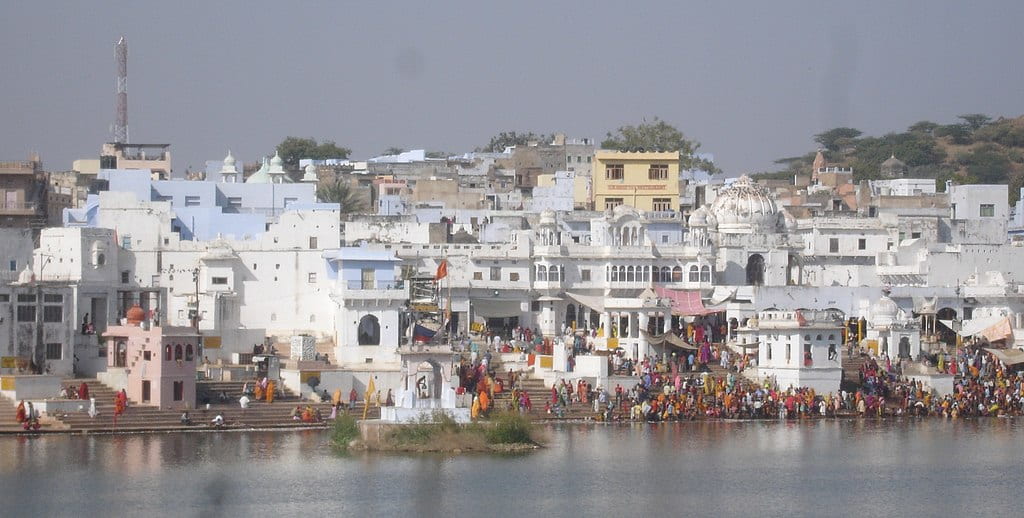
Gau Ghat is one of the largest and most significant of the 52 ghats surrounding the sacred Pushkar Lake, holding immense spiritual importance for pilgrims. It is famously known as the place where the ashes of Mahatma Gandhi, Jawaharlal Nehru, and Lal Bahadur Shastri were immersed, leading to its second name, Gandhi Ghat. Devotees flock to this ghat to perform “Pinda Daan” (rituals for ancestors) and to take a holy dip in the water, believing it brings peace to the departed souls. The ghat offers a wide, open view of the lake and is a central spot for the spectacular evening Aarti, where the reflection of hundreds of lamps creates a magical atmosphere. Its clean, stone-stepped banks and the constant sound of temple bells make it a perfect place for those looking to experience the deep-rooted religious traditions and tranquil beauty of Pushkar.
10.Varaha Ghat
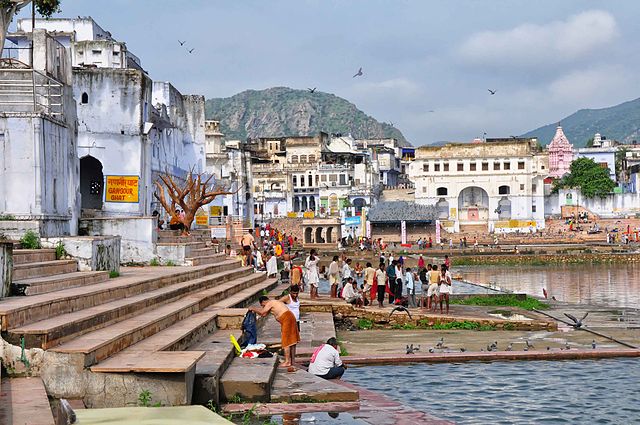
Varaha Ghat is one of the most spiritually significant and oldest ghats in Pushkar, named after the Varaha Avatar (the boar incarnation) of Lord Vishnu. According to mythology, it is believed that Lord Vishnu appeared at this very spot in his Varaha form to kill a demon, making it a highly revered place for devotees to take a holy dip. This ghat is particularly famous for its daily Evening Aarti, where the air is filled with the sound of bells and chants as hundreds of lamps are lit and floated on the lake, creating a breathtaking golden reflection. Beyond its religious importance, Varaha Ghat is known for its cleanliness and beautifully carved stone steps, providing a peaceful vantage point to watch the sunset over the water. It is a must-visit for travelers who want to witness the deep spiritual culture of Pushkar in a serene and authentic setting.
11.Gayatri Mata Temple
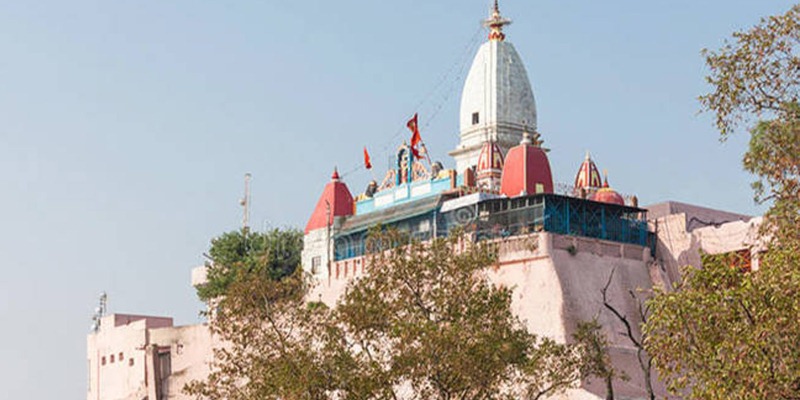
The Gayatri Mata Temple, also known as the Pap Mochani Temple (meaning “Destroyer of Sins”), is a revered hilltop shrine located on the Nilgiri Hill in the northern part of Pushkar. It is dedicated to Goddess Gayatri, the second consort of Lord Brahma, and is deeply linked to the town’s founding legend: when Brahma’s first wife, Savitri, was delayed for a grand ritual (yagna), Brahma married Gayatri to proceed. The temple is a fine example of Rajput architectural style, featuring a small but elegant sanctum that offers a peaceful, meditative atmosphere far from the bustle of the main town. Visitors usually reach the temple via a relatively easy 15-to-30-minute hike up a stone-carved pathway, which rewards them with panoramic views of the Pushkar Lake, the entire valley, and the surrounding desert. It is a particularly popular spot for watching the sunrise and sunset, and according to local tradition, the first aarti of the day is performed here after the one at the Savitri Temple.
12.Gurudwara Sahib Pushkar
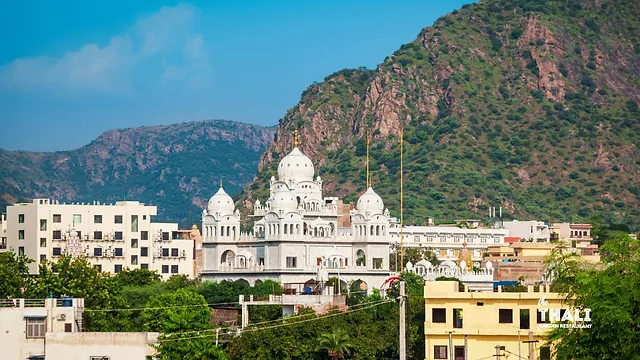
Gurudwara Sahib Pushkar, also known as Gurudwara Singh Sabha, is a magnificent white-marble shrine that commemorates the historic visits of two Great Sikh Gurus to the holy town. Located near the Marwar Bus Stand, it marks the spot where Guru Nanak Dev Ji stayed during his travels in the 16th century and where Guru Gobind Singh Ji spent several months in 1705. The Gurudwara features a beautiful four-story building with a grand central dome and a peaceful courtyard that offers a spiritual sanctuary away from the town’s busy markets. A special section known as Gobind Ghat (now renamed Gandhi Ghat) on the Pushkar Lake is where the Guru used to sit and read the Guru Granth Sahib, and a stone slab with his signature is still preserved there. Today, it is a vital pilgrimage site for Sikhs worldwide, known for its warm hospitality, the 24-hour Langar (free community kitchen) that serves delicious meals to all visitors, and its serene atmosphere that perfectly blends with the spiritual energy of Pushkar.
13.Rangji Temple

The Rangji Temple in Pushkar is a famous and beautiful place built in 1823 for Lord Vishnu. It is special because it looks different from other temples in North India—it has a very tall, colorful gateway called a “Gopuram,” which is a style usually found in South India. The temple also mixes in Rajasthani and Mughal designs, making it look like a grand palace with golden pillars and beautiful carvings. People love to visit because it is very peaceful inside, and it is one of the few places in the area where you can see South Indian traditions being followed. Because it is a sacred place, it is very clean and quiet, providing a wonderful break from the busy market nearby.
14.Savitri Temple
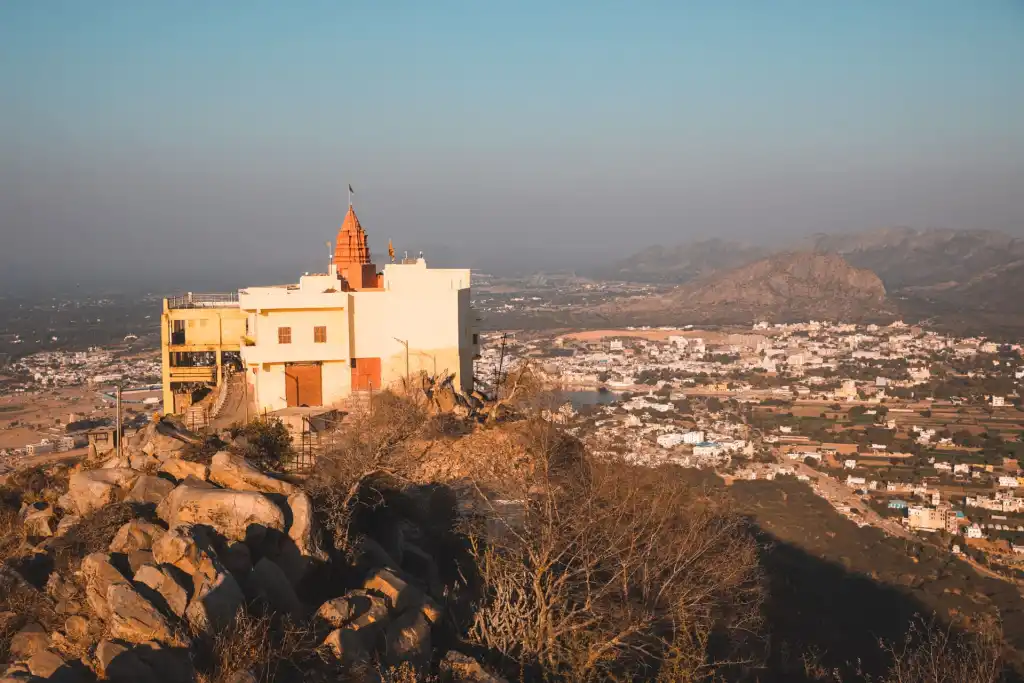
The Savitri Temple is a highly revered Hindu shrine perched atop the Ratnagiri Hill in Pushkar, dedicated to Goddess Savitri, the first wife of Lord Brahma. According to local legend, Savitri chose this hilltop as her home after being infuriated by Brahma marrying another goddess, Gayatri, to complete a sacred ritual in her absence; consequently, she cursed Brahma and retreated to the hill. The temple is a significant pilgrimage site where, traditionally, the first aarti of the day is performed before any other temple in Pushkar. Visitors can reach the summit by climbing a challenging path of approximately 650 to 970 stone steps or by taking a modern ropeway (cable car) that offers a 6-minute ride with breathtaking bird’s-eye views of the sacred Pushkar Lake and the surrounding Thar Desert. Open daily from early morning until night, the temple is most famous for its stunning sunrise and sunset views, providing a peaceful spiritual retreat and a perfect spot for photography.
15.Varaha Temple

The Varaha Temple is one of the oldest and most historically significant temples in Pushkar, dedicated to the Varaha Avatar (the third incarnation of Lord Vishnu as a boar). Originally built in the 12th century by King Anaji Chauhan, the temple was partially destroyed by Emperor Aurangzeb and later restored in the 18th century by Raja Jai Singh II of Jaipur. It is famous for its unique architecture, featuring thick walls and a fortified structure that resembles a mini-fort, designed to protect the sacred idol from invaders. Inside, the temple houses a magnificent white image of Lord Varaha and showcases intricate carvings of celestial beings, pillars, and domes that highlight the rich craftsmanship of ancient Rajasthan. Despite its age, the temple remains a powerful spiritual center, especially for those seeking the protection and strength associated with Lord Vishnu’s boar incarnation.
16.Pushkar Camel Fair
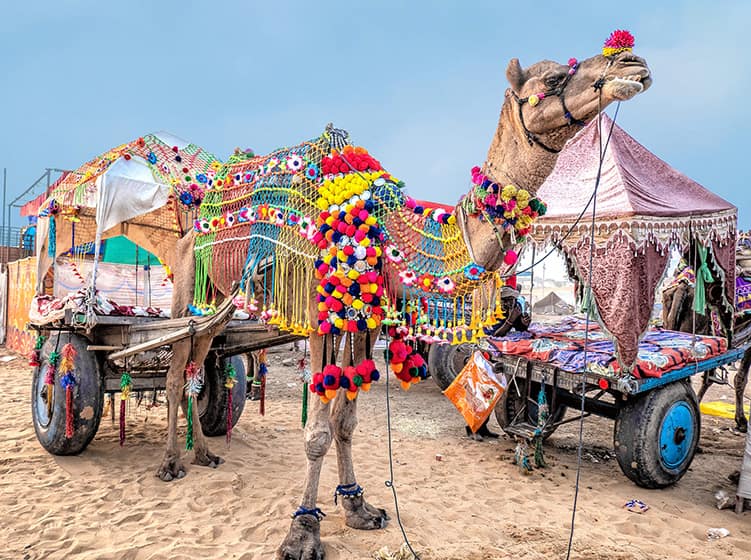
The Pushkar Camel Fair, or Pushkar Mela, is one of the world’s largest and most vibrant livestock festivals, held annually in the sacred town of Pushkar. While it originated as a massive trading hub for camels, horses, and cattle, it has evolved into a spectacular cultural carnival that attracts over 200,000 visitors from across the globe. For 2026, the fair is scheduled to take place from November 17 to November 25, coinciding with the auspicious full moon of Kartik Purnima. The event is a sensory explosion of color and tradition, featuring famous competitions like the Camel Beauty Contest, where animals are adorned in jewels and vibrant fabrics, as well as lighthearted contests for the longest moustache and turban tying. Beyond the trading on the golden sands, the fairground buzzes with folk music, Kalbelia dances, and artisan markets. The festival reaches its spiritual peak on the final day, when thousands of pilgrims gather at Pushkar Lake for a holy dip, followed by a mesmerizing evening Aarti with floating lamps.
17. Savitri Mata Ropeway
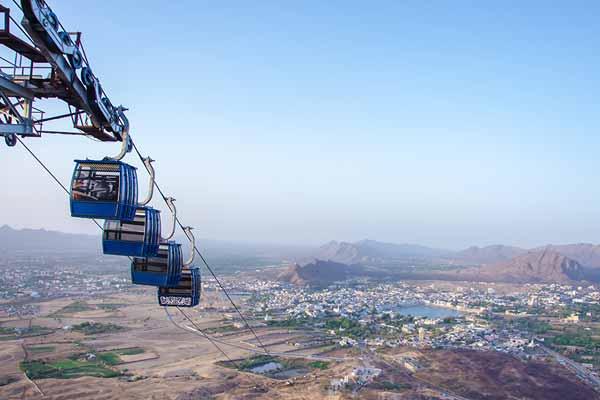
The Savitri Mata Ropeway is a modern and popular cable car system in Pushkar that provides a quick and scenic way to reach the Savitri Temple at the top of Ratnagiri Hill. Launched to help pilgrims and tourists avoid the strenuous climb of nearly 1,000 stone steps, the ropeway covers the height in just about 6 to 7 minutes, offering a comfortable ride in enclosed cabins. As you ascend, you get a spectacular bird’s-eye view of the entire holy town, the sacred Pushkar Lake, and the vast expanse of the surrounding Thar Desert. It is especially popular during sunrise and sunset when the desert landscape is bathed in golden light, making it a favorite for photographers and elderly travelers. The service usually operates from early morning until evening, with tickets available at the base station located near the Brahma Temple.
18. Pap Mochani Temple
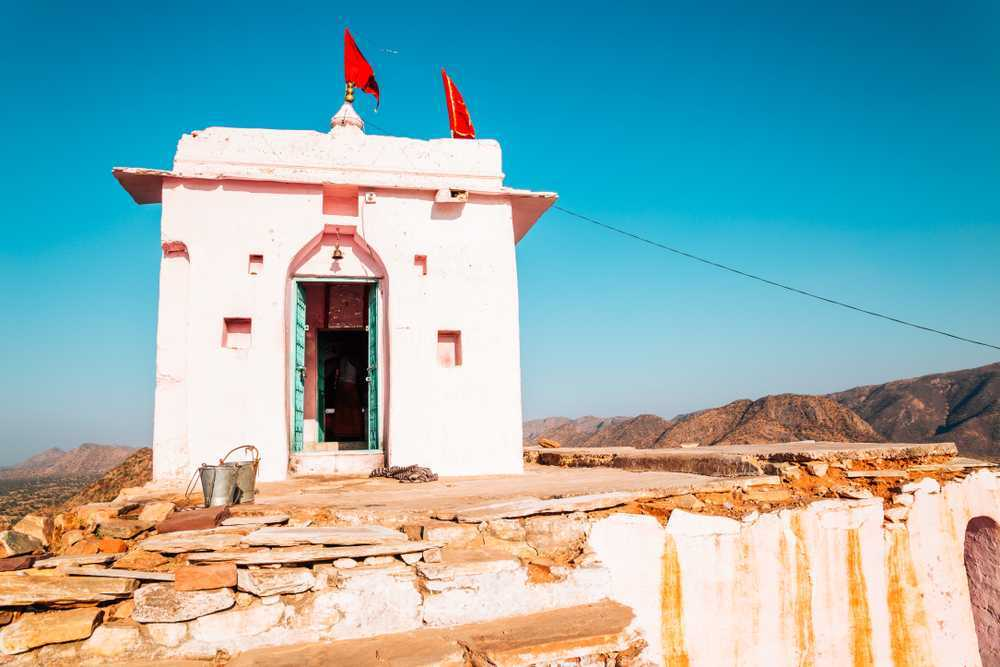
Pap Mochani Temple, also known as the Gayatri Mata Temple, is a revered hilltop shrine in Pushkar that literally translates to the “temple that relieves sins.” Perched on the Nilgiri Hill behind the Marwar Bus Stand, it is dedicated to Goddess Gayatri, the second consort of Lord Brahma. According to Hindu mythology, this site is where the goddess is believed to absolve devotees of their misdeeds, and it is even linked to the Mahabharata, where Ashwatthama is said to have visited seeking salvation from his sins. The temple features traditional Rajput-style architecture and is reached by a pleasant 20-to-30-minute trek up a stone-carved path. Visitors are drawn here not only for its spiritual power but also for the spectacular panoramic views of Pushkar Lake and the town below, especially during the quiet hours of sunrise and sunset.
19. Xcapade Adventures / Desert Safari
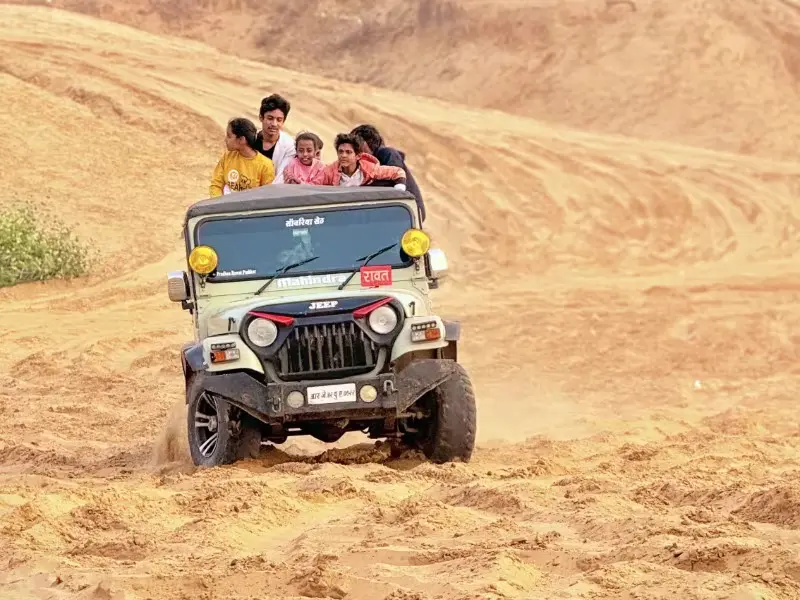
Xcapade Adventures is a premier outdoor adventure hub in Pushkar that offers a thrilling alternative to traditional temple tours by focusing on the rugged beauty of the Thar Desert. It is famous for its high-energy Jeep Safaris and Quad Biking sessions, where visitors can race across the golden sand dunes and navigate through rocky desert terrain. Beyond motorized fun, they provide a range of activities including camel treks, archery, and desert camping, making it a favorite spot for adrenaline seekers and groups of friends. The experience often peaks at sunset, where the adventure ends with a panoramic view of the desert horizon, followed by traditional Rajasthani hospitality. Whether you want to drive a 4×4 vehicle through the sand or enjoy a peaceful camel ride, this center provides a professionally managed way to explore the wilder side of Pushkar’s landscape.
20. Sunset Cafe Area
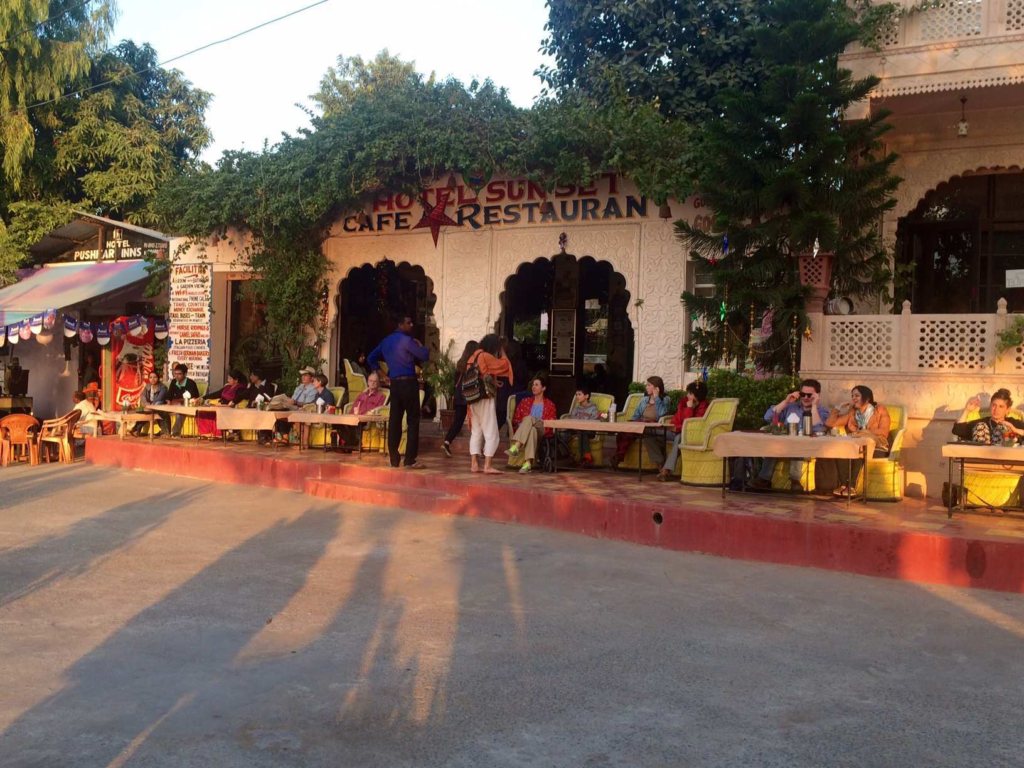
The Sunset Cafe Area, located primarily at the Jaipur Ghat (also known as the Kishangarh Ghat) on the eastern edge of Pushkar Lake, is the town’s most famous spot for evening relaxation and community gatherings. This vibrant lakeside zone is centered around the iconic Sunset Cafe, where visitors lounge on traditional Rajasthani chairs to watch the sun dip behind the Aravalli hills and the holy lake. As evening approaches, the area transforms into a cultural spectacle, often filled with the sounds of live drumming, folk music, and devotees preparing for the Evening Aarti. Beyond its legendary views, the cafe area is a popular hub for travelers to meet, offering a diverse menu that includes authentic Rajasthani thalis, wood-fired pizzas, and refreshing lassis. Whether you are there to meditate in the golden light or enjoy the lively “hippie” vibe of the town, it is widely considered the best place to experience the spiritual and social heart of Pushkar at the end of the day.