

The Philippines is a vast archipelago in Southeast Asia, comprising over 7,600 islands. It is broadly divided into three main geographical groups: Luzon, Visayas, and Mindanao. Named after King Philip II of Spain, the country possesses a unique cultural identity, shaped by over 300 years of Spanish colonial rule followed by nearly five decades of American influence. This history has made it one of the few nations in Asia where the majority of the population is Roman Catholic, and it also stands as the world’s third-largest English-speaking country. The landscape here presents a magnificent blend of active volcanoes, lush tropical rainforests, and world-renowned beaches such as those found in Palawan and Boracay. While the capital, Manila, serves as a bustling economic hub, the country’s true allure lies in its legendary hospitality, vibrant “fiesta” culture, and its status as a global biodiversity hotspot.
The Philippine economy is one of the most dynamic and rapidly growing in Southeast Asia, driven primarily by a robust service sector and strong domestic consumption. A key pillar of its economic stability is the remittances sent by approximately 10 million Overseas Filipino Workers (OFWs); these contributions account for roughly 10% of the country’s GDP and fuel local spending. Another significant factor is the Business Process Outsourcing (BPO) industry, in which the Philippines is a global leader. This sector contributes billions of dollars to the economy and provides millions of jobs to a young, English-speaking workforce.
The Philippines is generally considered a safe and welcoming destination for travelers, provided that visitors remain within established tourist hubs and adhere to standard safety precautions. Popular destinations such as Palawan, Boracay, Cebu, and Bohol have good security arrangements and are accustomed to handling international travelers.
Most Famous And Attractive Tourist Places In Philippines :
1. Boracay
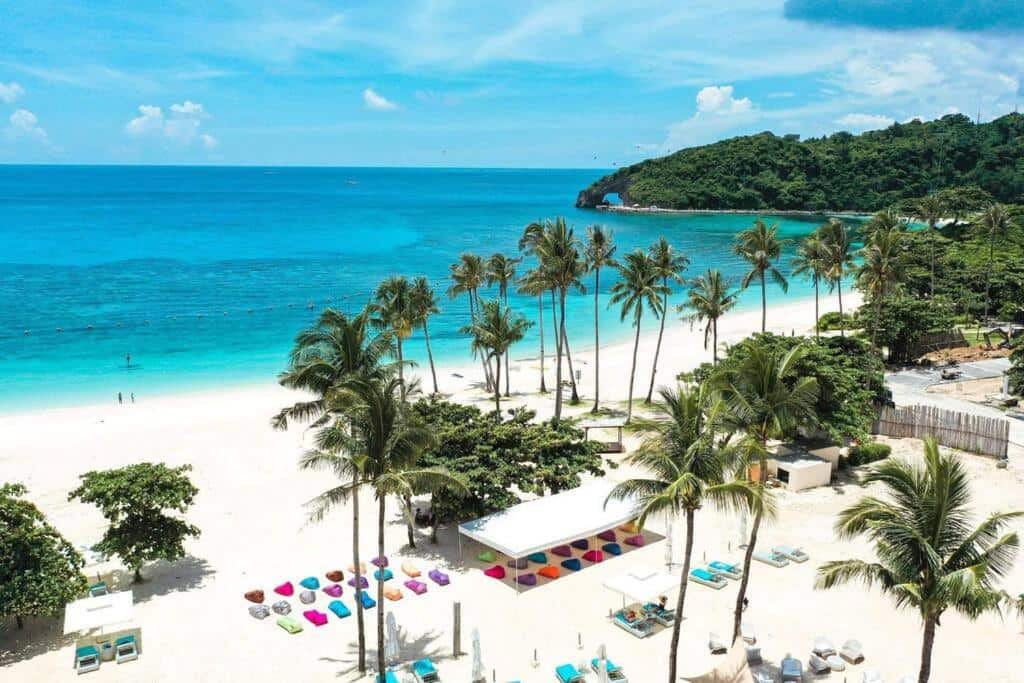
Boracay is a small, dog-bone-shaped island in the central Philippines, world-renowned for its award-winning White Beach, which stretches for four kilometres with sand so fine it is often compared to baby powder or sugar. Following a significant six-month environmental rehabilitation in 2018, the island has transformed into a leading model for sustainable tourism, implementing strict rules such as a ban on smoking and drinking on the beachfront to preserve its natural beauty. The island is geographically divided into two distinct sides: the westward-facing White Beach, home to the vibrant nightlife, shopping at D’Mall, and legendary sunsets of Stations 1, 2, and 3; and the eastward-facing Bulabog Beach, which serves as Asia’s premier hub for kiteboarding and windsurfing due to its steady seasonal winds. Beyond the shores, Boracay offers a rich diversity of experiences, from quiet escapes at Puka Shell Beach and sunset sails on traditional paraw boats to eco-adventures like exploring the Bakhawan Mangrove Forest or cliff diving at Ariel’s Point. With over 2.1 million visitors in 2025 and a growing focus on protecting its marine life, including sea turtles and flying foxes, Boracay remains a “must-visit” tropical paradise that balances high-energy island life with a deep commitment to ecological preservation.
2. Bohol
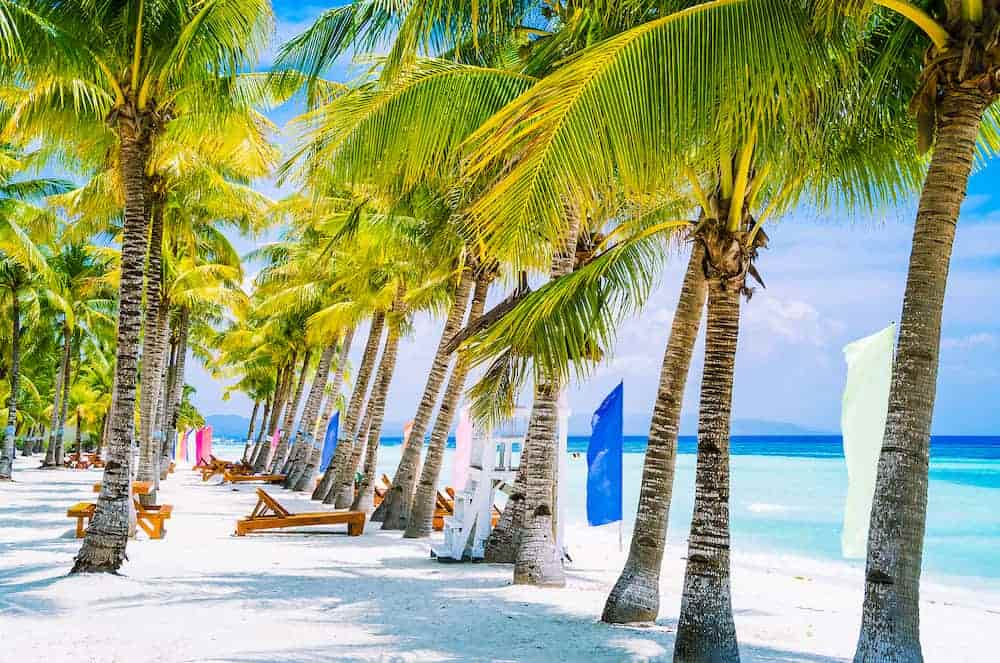
Bohol is a captivating island province in the Central Visayas region of the Philippines, celebrated as the country’s first UNESCO Global Geopark due to its unique geological heritage and diverse ecosystems. The island is most famous for the Chocolate Hills, a surreal landscape of over 1,200 symmetrical, cone-shaped limestone mounds that turn chocolate-brown during the dry season. Beyond its geology, Bohol is a critical sanctuary for the Philippine Tarsier, one of the world’s smallest primates, which can be observed in protected forest habitats. Adventure seekers often head to Panglao Island for world-class diving at Balicasag and Alona Beach, or enjoy a scenic Loboc River cruise, where floating restaurants serve local Creole-influenced buffet lunches accompanied by traditional music. With its blend of historic Spanish-colonial stone churches, lush man-made mahogany forests, and vibrant marine life, Bohol offers a perfectly balanced “eco-cultural” experience that showcases the “Jewel of the Philippines” in all its natural glory.
3. Cebu
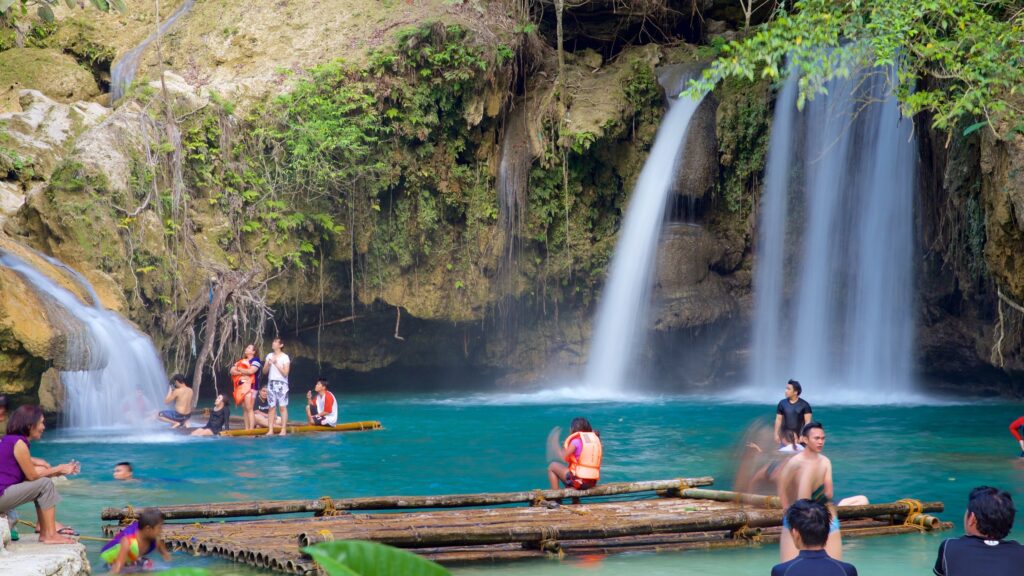
Cebu is the vibrant “Queen City of the South” and the historic heart of the Philippines, serving as a dynamic gateway where metropolitan energy meets rugged natural wonders. As the site where Portuguese explorer Ferdinand Magellan first arrived in 1521, it is steeped in colonial history, anchored by landmarks like Magellan’s Cross, the Basilica del Santo Niño, and the 18th-century Fort San Pedro. Beyond the urban sprawl of Cebu City, the province transforms into an adrenaline-junkie’s playground; the southern town of Badian is world-famous for Kawasan Falls canyoneering, where travelers jump off turquoise cliffs into jungle pools. The island’s marine biodiversity is equally legendary, offering unique encounters such as the year-round sardine run in Moalboal and the chance to swim with whale sharks in Oslob. From the white sand bars of Bantayan Island in the north to the sleek shopping malls and world-class “lechon” (roasted pig) in the city center, Cebu offers a diverse, high-energy experience that captures the multifaceted soul of the Filipino archipelago.
4. Banaue
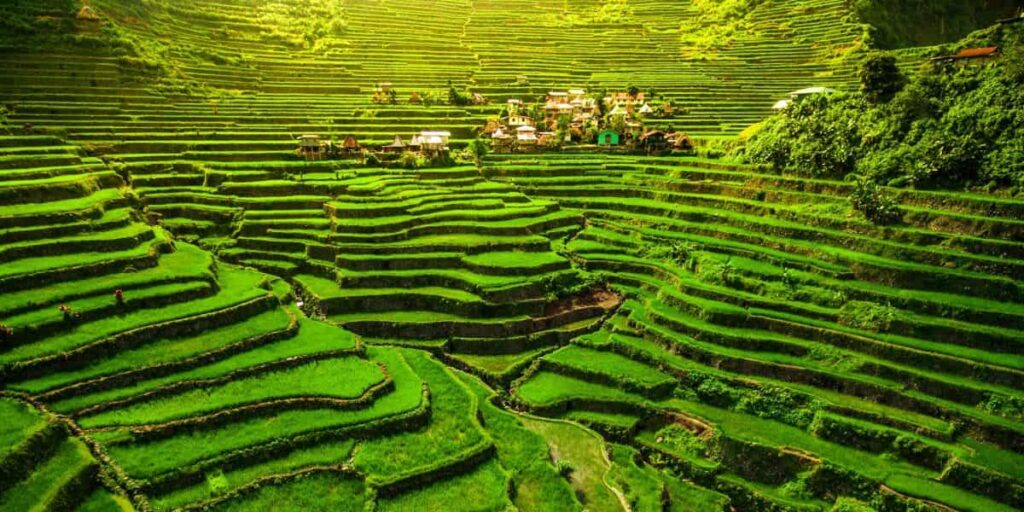
Banaue is a highland municipality in the Ifugao province of the Philippines, world-famous for its ancient Rice Terraces that are often referred to as the “Eighth Wonder of the World.” Carved into the mountainsides over 2,000 years ago by the indigenous Ifugao people using only basic hand tools, these mud-walled steps represent a remarkable feat of engineering and community cooperation. The terraces rely on an intricate irrigation system that channels water from the rainforests high above, creating a sustainable ecosystem that is still used for farming today. Beyond the main viewpoint, the area features stunning amphitheater-like structures in nearby Batad and the traditional village of Bangaan, both of which are listed as UNESCO World Heritage sites. Visiting Banaue offers more than just scenery; it provides a deep dive into the resilient culture of the Ifugao people, known for their woodcarving, weaving, and preservation of ancestral traditions amidst the misty, emerald-green peaks of the Cordillera mountain range.
5. Vigan
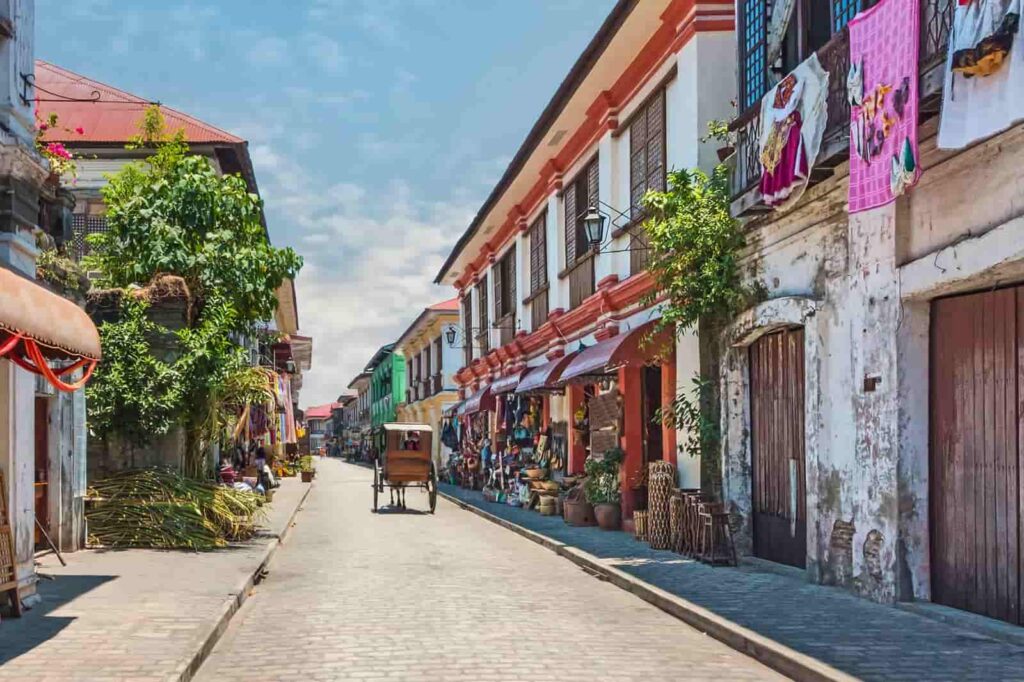
Vigan, located in the province of Ilocos Sur, is a UNESCO World Heritage City and one of the best-preserved examples of a planned Spanish colonial town in Asia. Established in the 16th century, its unique character comes from a fusion of Spanish, Chinese, and Filipino architectural styles, most famously showcased along Calle Crisologo. This cobblestone street is lined with historic Bahay na Bato (stone houses) featuring red-tiled roofs, massive wooden doors, and capiz-shell windows, where the sound of horse-drawn carriages (kalesas) echoing against the walls transports visitors back in time. Beyond the aesthetics, Vigan is a bastion of traditional craftsmanship, home to the Burnay pottery studios and the centuries-old Abel weaving industry. At night, the city transforms with a spectacular fountain light show at Plaza Salcedo, while the daytime offers a culinary adventure through local delicacies like the crispy Vigan Empanada and the garlicky Longganisa. It is a city that doesn’t just display history but lives it, offering a nostalgic and atmospheric journey into the Philippines’ colonial heart.
6. Manila
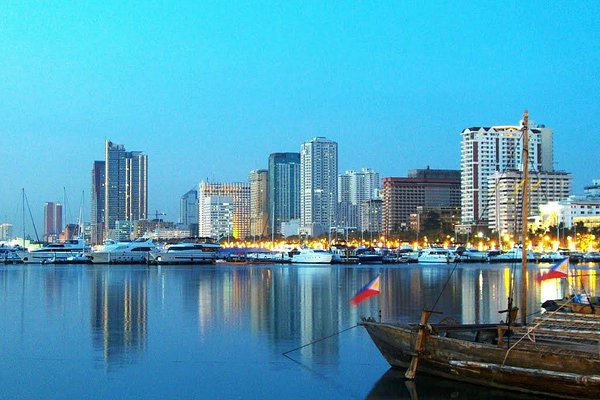
Manila is the high-energy, sprawling capital of the Philippines, a “Mega-City” where ancient colonial history and glass-tower modernity collide along the shores of Manila Bay. At its historical core lies Intramuros, the “Walled City” built by the Spanish in the 1500s, where you can walk through the stone gates of Fort Santiago, visit the ornate San Agustin Church, and ride a kalesa through cobblestone streets that survived World War II. This heritage contrasts sharply with the sleek, cosmopolitan districts of Makati and Bonifacio Global City (BGC), which serve as the country’s financial hubs filled with world-class shopping malls, rooftop bars, and a sophisticated dining scene. Manila is also a premier destination for food lovers, offering everything from the legendary “street food” and oldest Chinatown (Binondo) in the world to the luxurious seafood markets of Macapagal Boulevard. While famous for its chaotic traffic and colorful Jeepneys, the city rewards those who dive in with spectacular sunsets over the bay, a vibrant arts and museum culture, and a resilient, hospitable spirit that acts as the rhythmic heartbeat of the entire nation.
7. Davao City
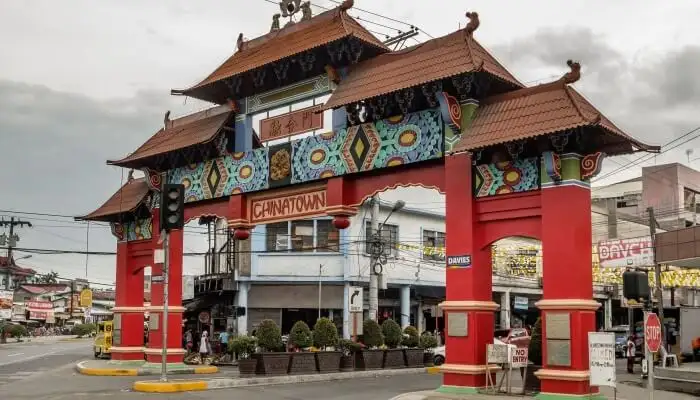
Davao City, located on the southern island of Mindanao, is the largest city in the Philippines by land area and is widely regarded as one of the country’s most liveable and safest urban centres. Known as the “Durian Capital of the Philippines,” the city is a sensory delight where the pungent aroma of its famous fruit mingles with the fresh air of the nearby Mount Apo, the highest peak in the country. Davao offers a unique blend of urban sophistication and raw nature; you can spend your morning visiting the Philippine Eagle Center, a critical sanctuary for the world’s largest and rarest eagle, and your afternoon lounging on the white sands of Samal Island, just a short ferry ride away. The city is also a bastion of discipline and environmental pride, famous for its strict smoking bans and clean streets. From the vibrant Roxas Night Market, where you can feast on affordable grilled seafood and charcoal-fired street food, to the lush greenery of People’s Park, Davao City serves as a grand, adventurous gateway to the rich indigenous culture and untamed wilderness of the southern Philippines.
8. Sagada
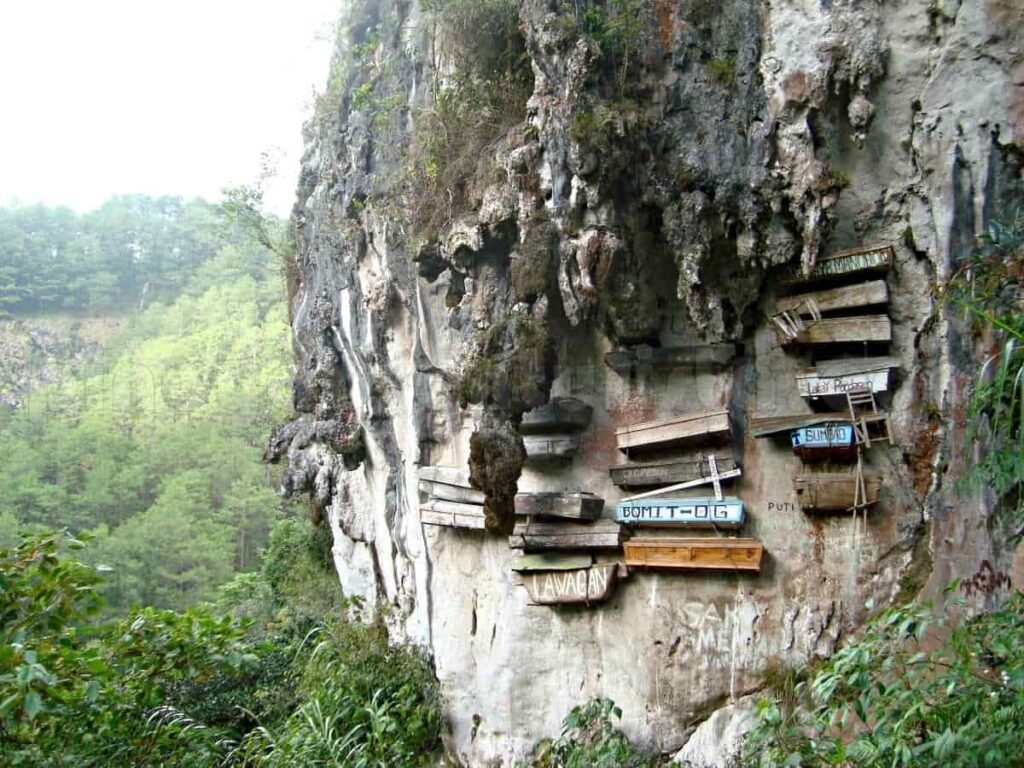
Sagada is a serene, high-altitude town nestled in the mist-covered Cordillera Mountains of Northern Luzon, offering a spiritual and adventurous retreat far removed from the tropical heat of the lowlands. It is most famous for the ancient funerary customs of the Igorot people, specifically the Hanging Coffins of Echo Valley, where wooden caskets are perched high on limestone cliffs to bring the deceased closer to heaven. The town’s rugged geography creates a playground for explorers, featuring the massive Sumaguing Cave—known as the “Big Cave”—where visitors can navigate through soaring chambers and intricate limestone formations. Above ground, the landscape is defined by the emerald green Kapay-aw Rice Terraces and the breathtaking Kiltepan Viewpoint, where crowds gather before dawn to witness a “sea of clouds” illuminated by the rising sun. With its cool pine-scented air, thriving Sagada coffee culture, and a profound respect for indigenous traditions, this quiet mountain village offers a mystical, soul-stirring experience for those seeking peace and adventure in the clouds.
9. Coron Island
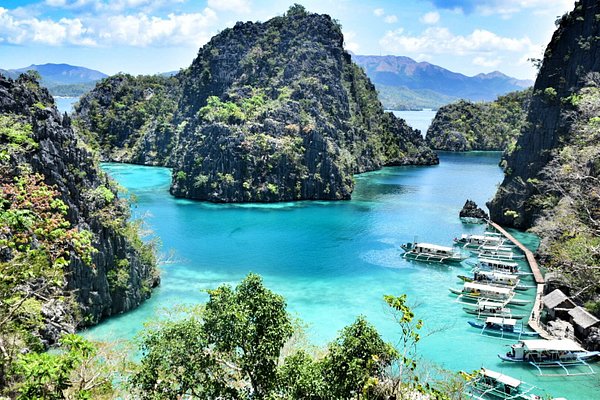
Coron Island, located in the northern part of Palawan, is a world-class destination defined by its dramatic limestone karsts, hidden lagoons, and crystal-clear freshwater lakes. Unlike the town of Coron on the nearby Busuanga Island, the actual Coron Island is an ancestral domain of the indigenous Tagbanua people, who act as stewards of its pristine environment. The island’s most iconic landmark is Kayangan Lake, often called the cleanest lake in Asia, where a short climb rewards visitors with a famous panoramic view of the turquoise bay before they dip into the emerald waters. Adventure here is twofold: above water, you can swim through the narrow crevices of the Twin Lagoons, where salt and fresh water meet in a shimmering “thermocline”; below water, the area is legendary for its World War II Japanese shipwrecks, which have transformed into vibrant artificial reefs. With its jagged black cliffs rising sharply from the sea and its sacred, mystical atmosphere, Coron remains a breathtaking “last frontier” that offers some of the most surreal natural scenery in the Philippines.
10. Baguio
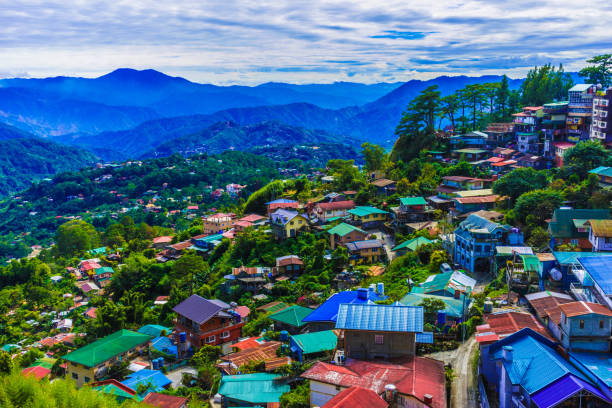
Baguio City, known as the “Summer Capital of the Philippines,” is a scenic mountain retreat perched 1,500 metres above sea level in the Cordillera Central range. Established as a hill station by Americans in 1900, it is beloved for its crisp, pine-scented air and cool temperatures that offer a refreshing escape from the tropical heat of the lowlands. The city’s landscape is a blend of lush parks like Burnham Park and Wright Park, and historic landmarks such as The Mansion and Camp John Hay, which still retains its classic “Old Baguio” charm with log cabins and rolling hills. Beyond its nostalgic atmosphere, Baguio is a thriving UNESCO Creative City for Crafts and Folk Art, celebrated for its vibrant artisan community, silver craft, and the indigenous weaving found at the Easter Weaving Room. From picking fresh strawberries at the nearby La Trinidad Strawberry Farm to exploring the colorful, eccentric art at the Tam-awan Village, Baguio remains a soulful destination that combines mountain adventure with a rich, multifaceted cultural heritage.
11. Puerto Princesa
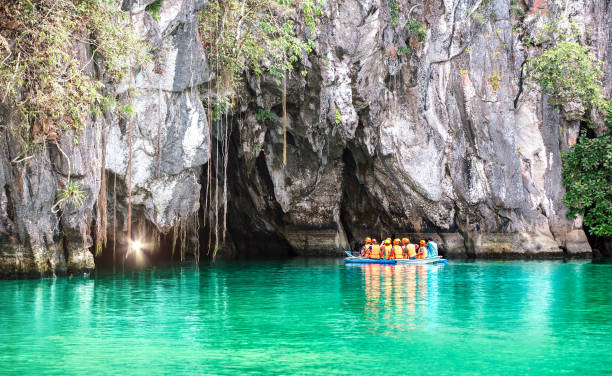
Puerto Princesa, the sprawling capital of Palawan, is widely celebrated as the “City in a Forest” and serves as the primary gateway to the Philippines’ last ecological frontier. Its crowning jewel is the Puerto Princesa Subterranean River National Park, a UNESCO World Heritage Site and one of the New 7 Wonders of Nature, where visitors board small paddle boats to navigate an 8.2-kilometre navigable underground river through spectacular limestone caverns and cathedral-like chambers. Beyond the river, the city offers a diverse array of eco-adventures, from island-hopping in the turquoise waters of Honda Bay to the magical evening experience of firefly watching along the Iwahig River. Puerto Princesa is a model for environmental conservation in the Philippines, maintaining a pristine balance between urban development and raw nature; travelers can explore the Palawan Wildlife Rescue and Conservation Center, relax on the uncrowded sands of Nagtabon Beach, or enjoy a “culinary safari” featuring exotic local delicacies like tamilok (woodworm). With its laid-back atmosphere, friendly locals, and a commitment to preserving its rich biodiversity, the city provides a perfectly rounded introduction to the wild beauty of Palawan.
12. Samal
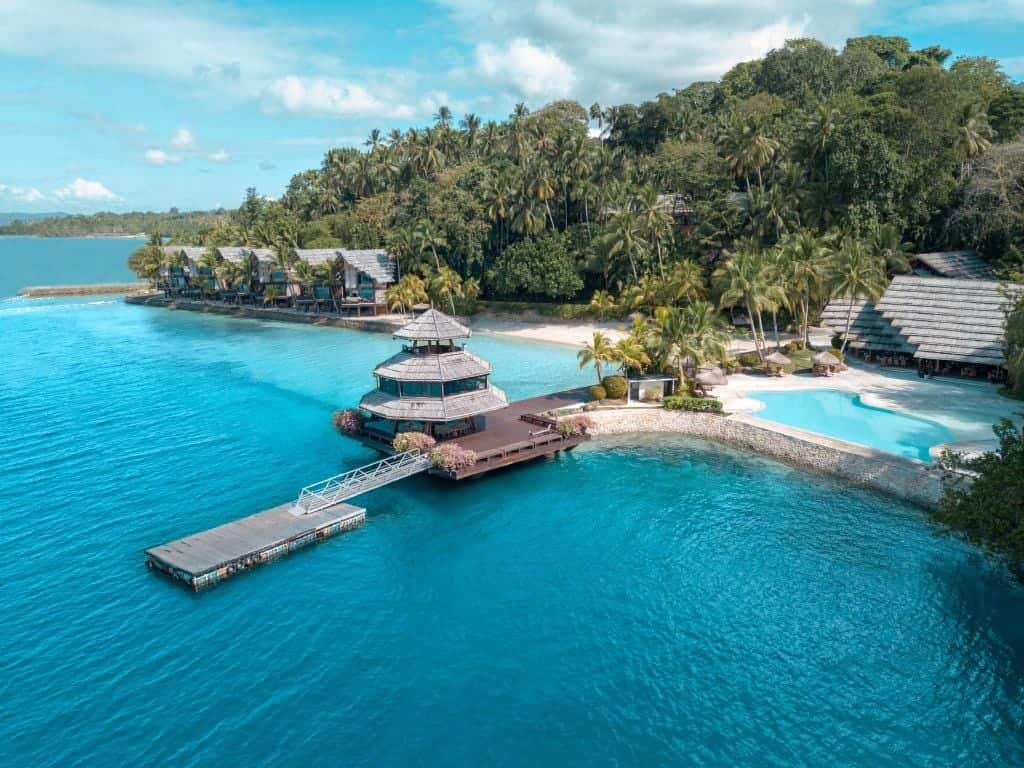
Samal Island, officially known as the Island Garden City of Samal (IGaCoS), is a premier tropical getaway located in the Davao Gulf of the Philippines, celebrated for its pristine white-sand beaches and diverse natural attractions. Often called the “Beach Capital of Davao,” the island offers a vast range of experiences from luxury resorts like Pearl Farm to secluded, budget-friendly coves. Beyond its shoreline, Samal is home to the world-famous Monfort Bat Sanctuary, which holds a Guinness World Record for the largest colony of Geoffrey’s Rousette fruit bats. Nature lovers can also explore the refreshing Hagimit Falls, a series of cascading natural pools surrounded by lush greenery, or hike to the summit of Mount Puting Bato for a panoramic view of the gulf. Its combination of clear turquoise waters, rich marine life for snorkeling, and unique inland wonders makes Samal a comprehensive destination for both relaxation and adventure.
13. Apo Island
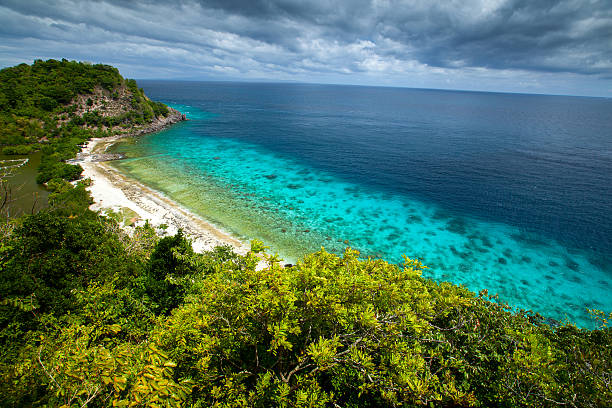
Apo Island is a small volcanic island located off the southeastern tip of Negros Island in the Philippines, widely recognized as a global model for community-based marine conservation. Spanning approximately 74 hectares, the island is surrounded by a lush marine habitat that was declared a protected marine sanctuary in the 1980s through the collaborative efforts of local fishers and Siliman University. This initiative successfully restored the island’s coral reefs and fish populations, making it one of the world’s best-known dive destinations. Today, the island is most famous for its resident population of green sea turtles and hawksbill turtles, which visitors can often see while snorkeling in the shallow waters just off the main beach. Despite its popularity with tourists, the island remains a humble fishing community where sustainability is prioritized, featuring limited electricity and a rugged, natural landscape that includes rock formations, white sandy patches, and diverse hiking trails.
14. El Nido
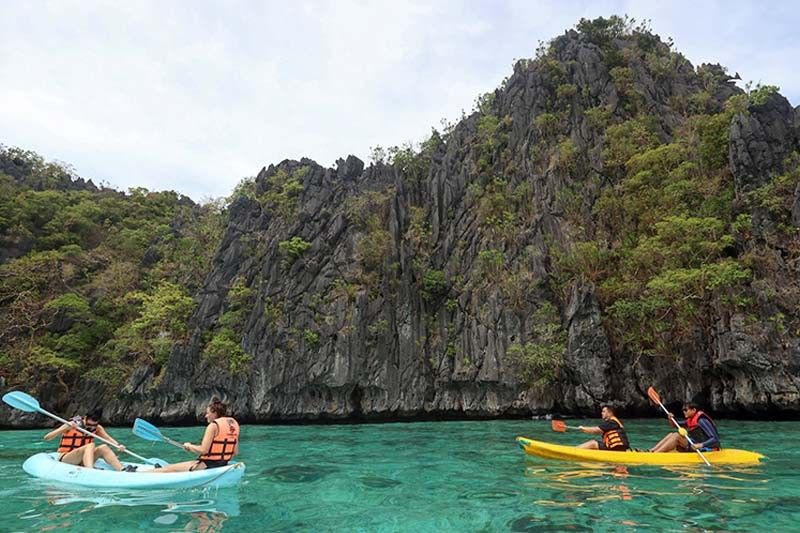
El Nido is a stunning coastal town located at the northern tip of Palawan in the Philippines, widely considered one of the most beautiful beach destinations in the world. Its name, which means “the nest” in Spanish, refers to the edible nests of swiftlets found in the area’s dramatic limestone cliffs. As the gateway to the Bacuit Archipelago, it features 45 islands and islets known for their powdery white-sand beaches, hidden lagoons, and turquoise waters. Visitors typically engage in island-hopping tours to explore world-class attractions like the Big and Small Lagoons, Secret Beach, and various snorkeling spots teeming with diverse marine life. Beyond its natural beauty, El Nido has a rich history with archaeological evidence of human habitation dating back thousands of years. Today, it remains a vital hub for tourism and conservation, balancing its popularity with efforts to maintain its status as the Philippines’ “last frontier”.
15. Siargao
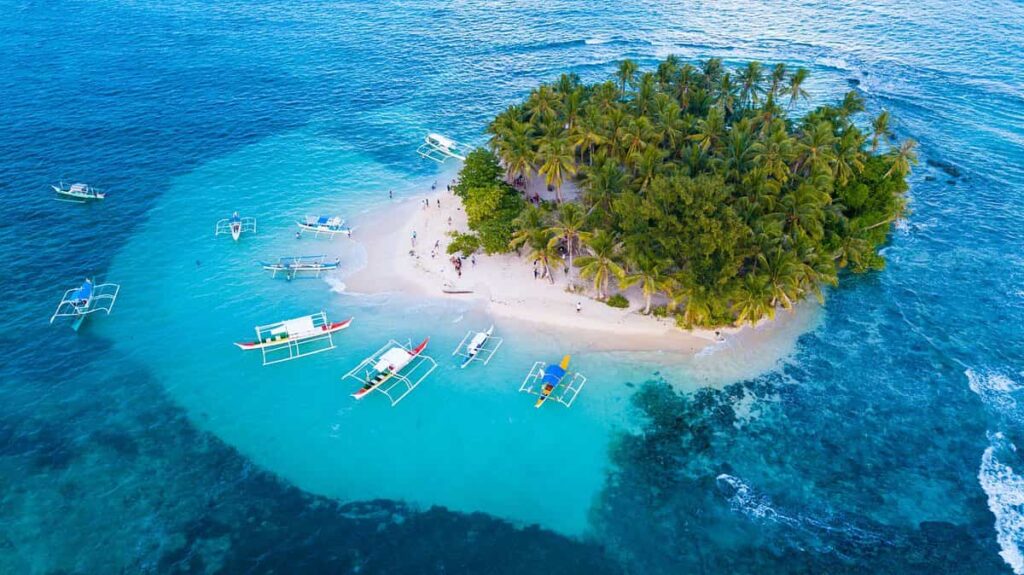
Siargao is a teardrop-shaped island in the Philippine Sea, widely acclaimed as the “Surfing Capital of the Philippines”. Located in the province of Surigao del Norte, it is world-renowned for its powerful reef breaks, most notably the iconic Cloud 9 in General Luna, which attracts international surfers with its perfect barrels. Beyond its surf culture, Siargao is a haven of natural wonders, featuring the country’s largest mangrove forest reserves in Del Carmen and the mesmerizing turquoise waters of Sugba Lagoon. Visitors often explore its unique topography through activities like cliff jumping at the Magpupungko Rock Pools, island hopping to the nearby Naked, Daku, and Guyam islands, or driving through vast, scenic coconut palm forests. The island is celebrated for its laid-back, “island vibe” and warm local hospitality, making it a top destination for both adventure seekers and those looking for a serene tropical escape.