
Paris, the capital of France, is a world-renowned global hub for art, fashion, gastronomy, and culture. It is often referred to as the “City of Light,” a moniker attributed to its historical role during the Age of Enlightenment and its pioneering adoption of street lighting systems. The city is situated in the north-central part of the country, along the banks of the Seine River. The city’s current layout owes much to the 19th-century Haussmann renovations, which replaced the narrow, medieval-era alleys with grand, wide boulevards and uniform Neoclassical stone buildings. Paris’s economy is generally regarded as robust and resilient; it serves as France’s primary economic engine and stands as a leading global hub for business. This holds true whether one interprets “Paris’s economy” in terms of its financial standing or, more literally, in terms of traveling in “economy class.”
Paris is globally celebrated as a multifaceted capital; it is best known for its iconic architecture, illustrious history, and its cultural prestige in the realms of fashion and gastronomy. This reputation is woven from its streets—reminiscent of those depicted in cinema, shimmering under the rain—from the romantic promenades lining the Seine, and from a historical legacy of art and literature that celebrates themes of love and passion. Paris is generally considered a safe destination for tourists, and millions of visitors flock to the city each year to explore it without incident.
In the international tourism market, the United States consistently remains the country with the highest volume of visitors to Paris. In 2024, American travelers accounted for approximately 15% of all foreign visitors, resulting in a total of roughly 2.7 million arrivals recorded across the Paris region. This distinction establishes the U.S. as the city’s largest “long-haul” market—a status driven primarily by a deep cultural affinity for the “City of Light,” coupled with a strong exchange rate that enhances visitors’ purchasing power.
Most Famous And Attractive Tourist Places In Paris :
1. Eiffel Tower
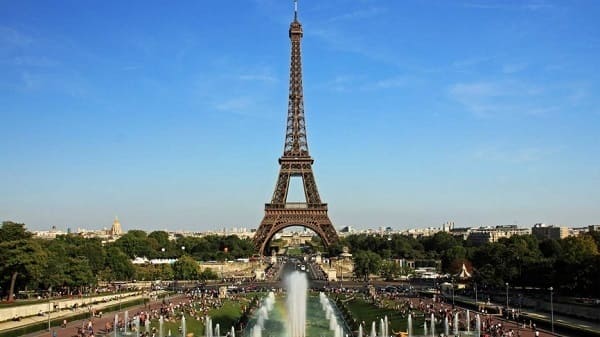
The Eiffel Tower is one of the most popular places to go in Paris. Named after engineer Gustave Eiffel, Eiffel Tower is a lattice tower made of wrought iron and is considered to be the most important places to see in Paris. It is not only one of the top most tourist attractions in the city but also one of the most beautiful place in the whole world.
The recently renovated Eiffel Tower Gardens surrounding the esplanade feature romantic landscaping in the Belle Epoque style. Leafy trees shade pedestrian pathways, which wind through the gardens and lead to ponds, a grotto, and belvederes with viewpoints of the Iron Lady.
2. Louvre Museum
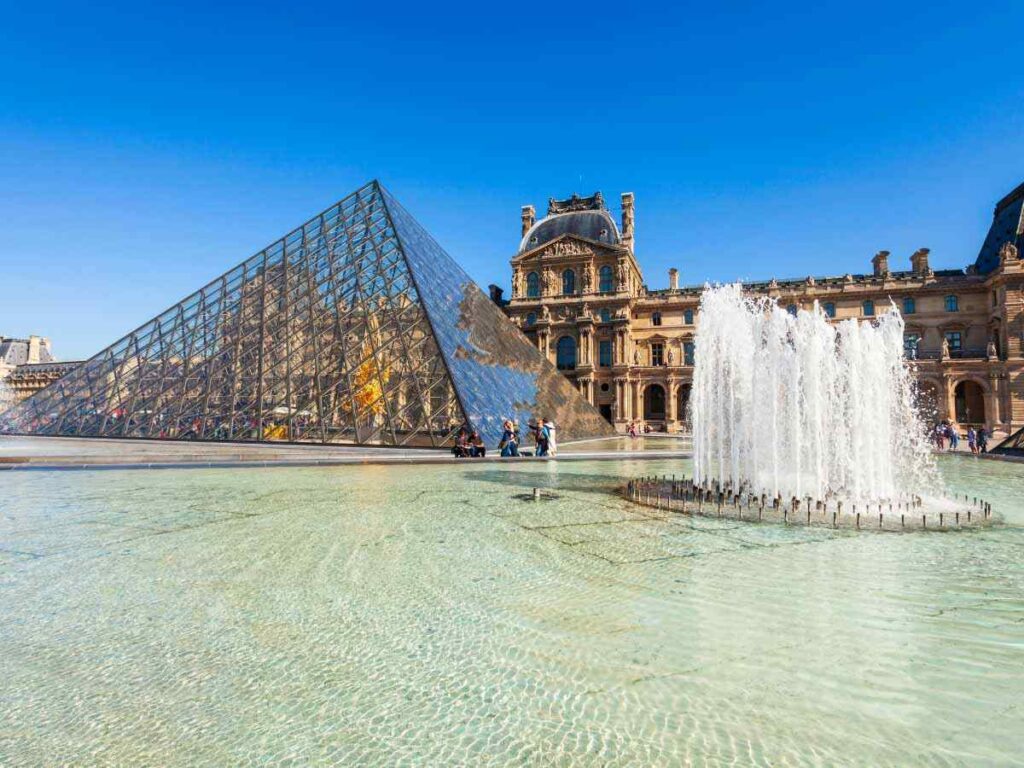
This baroque-styled building holds as many as 35,000 works of various artists, antiques, historically important archeological items and much more. The most renowned of all the works presented at the museum are the painting Mona Lisa by Leonardo da Vinci, Samothrace’s Winged Victory, Michelangelo’s Dying Slave, Venus de Milo etc. The collection at the Louvre presents European art from all the different periods as well as the personal collections of the kings of jeweler and other valuable items. The Egyptian antiques collected by Napoleon Bonaparte in the late 19th century are of particular notice. The museum is located in the center of the city of Paris and is covered by a range of attractions like Place Colette, Place de la Concorde and Eiffel Tower, in close vicinity.
3. Notre Dame Cathedral
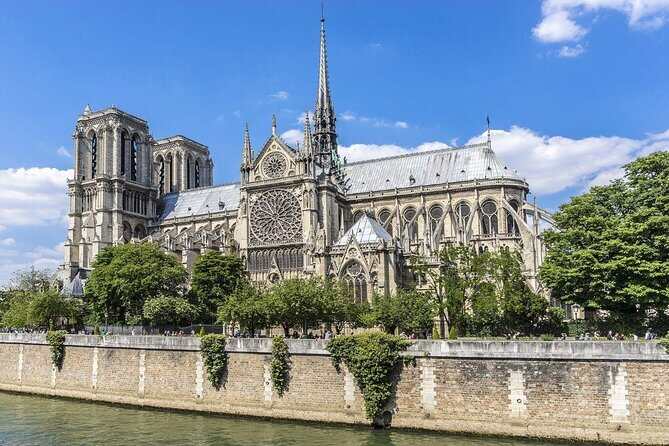
Notre-Dame de Paris, meaning “Our Lady of Paris,” is a masterpiece of French Gothic architecture located on the Île de la Cité, an island in the heart of the Seine River. Construction began in 1163 under Bishop Maurice de Sully and took nearly 200 years to complete, resulting in iconic features such as its towering twin western towers, massive rose windows, and innovative flying buttresses that allow for its high, thin walls. The cathedral is not only a religious site but also a symbol of French history; it was where Napoleon Bonaparte was crowned Emperor in 1804 and was immortalised by Victor Hugo in his 1831 novel, The Hunchback of Notre-Dame. Among its most precious relics is the purported Crown of Thorns, safely housed in its treasury.
In April 2019, a devastating fire destroyed the cathedral’s wooden roof and its iconic 19th-century spire, leading to a massive global restoration project. Despite the damage, the main structure, the famous bell towers, and the three 13th-century stained-glass rose windows were preserved. The cathedral is currently undergoing intensive rebuilding using traditional medieval techniques and is scheduled to reopen to the public in December 2024. Visitors can currently explore the “Notre-Dame de Paris” exhibition in the plaza in front of the cathedral, which details the reconstruction progress and the heroic efforts of the firefighters.
4. Versailles Palace
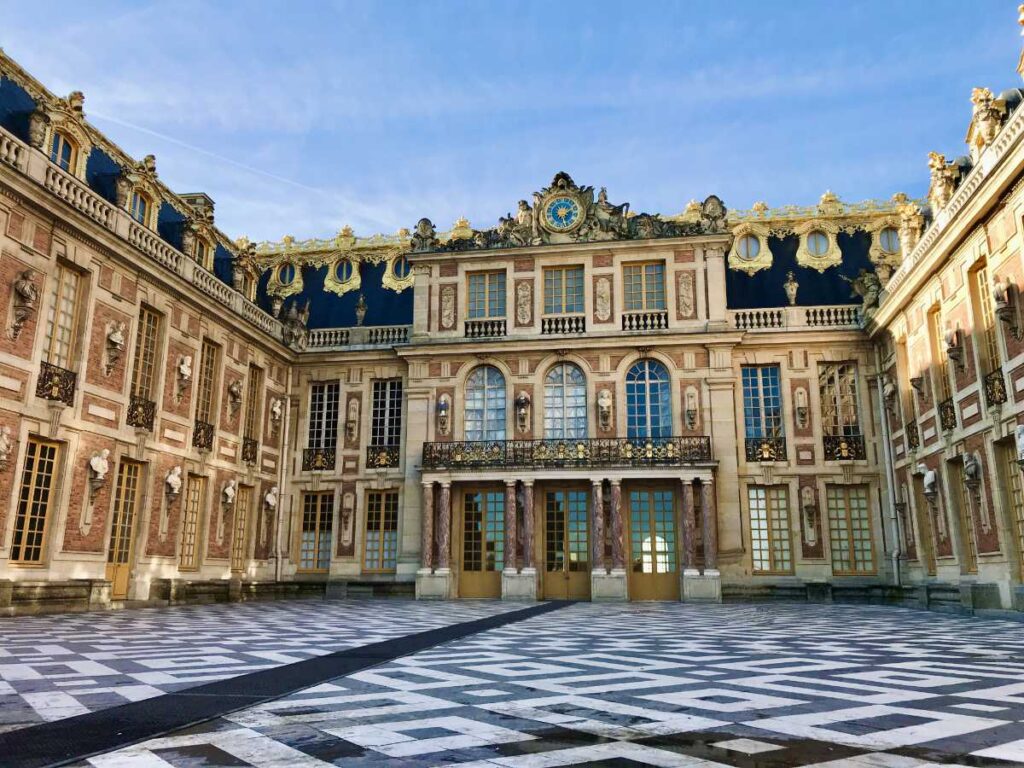
With more than 700 rooms, Versailles Palace is one of the largest in the world. Famous for its royal occupants from King Louis XIV to Marie-Antoinette, the glittering Hall of Mirrors, lavishly decorated rooms, and priceless art, the royal garden ornamented with statues and flowery plants, and the royal chapel that was a torchbearer of many European church designs. Versailles Palace gives you an unforgettable glimpse of royal life when you visit. This gigantic and awesome structure boasts landscaped gardens, exotic décor, an amazing terrace and a charming display of artwork of the Renaissance era.
5. Montmartre
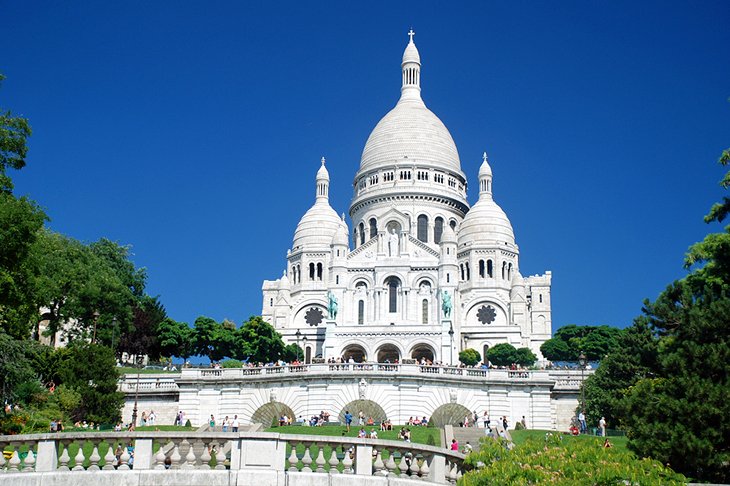
Montmartre is a hillock located north of Paris. Known for the white-domed Basilica and the bustling Square of Tarter, this highland attracts a plethora of tourists, thus qualifying as one of the best places to visit in Paris. This cross road always has painters and sculptors creating fascinating creations inspired by their surroundings. Montmartre has been an inspiration to many eminent artists like Claude Monet, Pablo Picasso, Vincent van Gogh and Amadeo Modigliani in the past. This is truly a paradise for all the art lovers out there. Montmartre exudes old-fashioned charm along with an avant-garde edge. Winding cobblestone streets and pedestrian staircases lead to small locally owned boutiques and restaurants, art galleries that evoke the quarter’s bohemian past, and quiet squares filled with outdoor cafés.
6. Disneyland
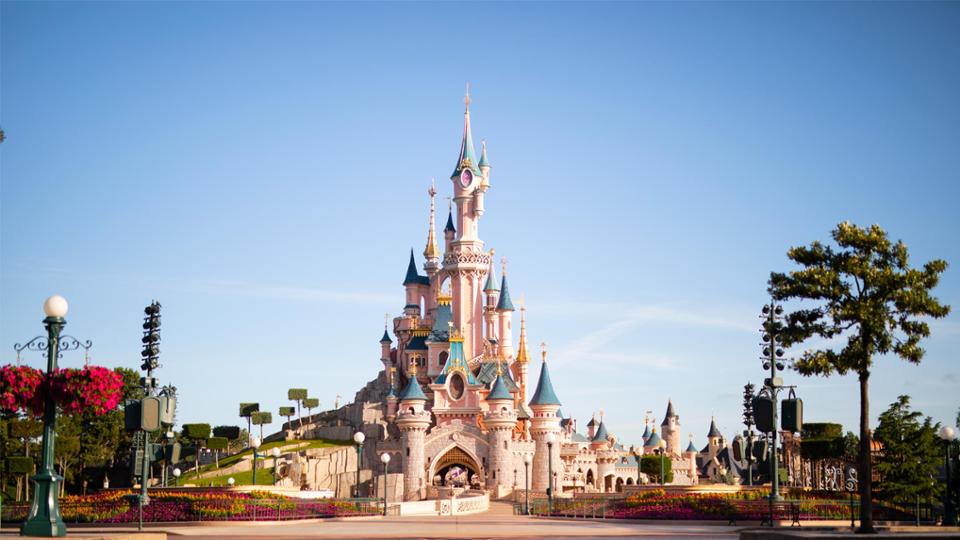
A vibrant, colorful, cheerful and always bustling amusement park – Disneyland is one of the immensely popular tourist destinations and the best places to visit in Paris. Disneyland in Paris is not only popular among kids but also among adults. Originally known as Euro Disney Resort, this is one of the most famous places to visit in Paris is known for super fun rides, shows, animation movies, rallies and exciting moments of meeting your favorite characters. From exploring the Disney arcade, roaming in horse – drawn street vehicles, discovering ‘the little word’ to visiting the princess pavilion or clicking with favorite characters like Mickey or Pooh- the list has it all. If you are looking forward to spending a fun-filled day with your kids in Paris then this is the place to be.
7. Place des Vosges
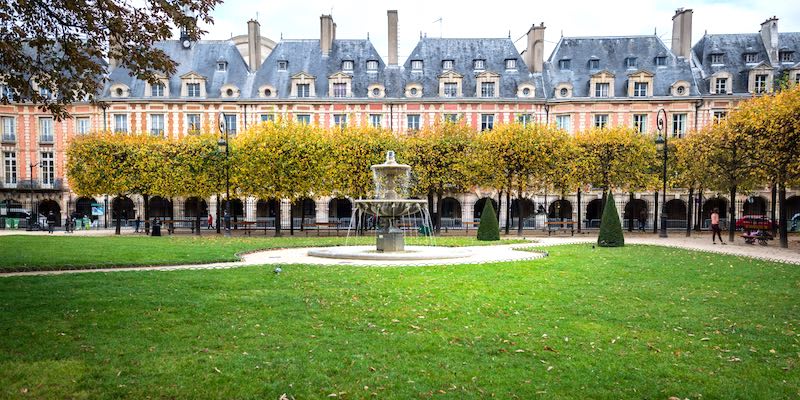
In the charming Marais district, the Place des Vosges is Paris’ oldest public square, spaciously laid out in harmoniously uniform style. This elegant square provided a model for other squares such as Place Vendome and Place de la Concorde. Le Marais has become a trendy quarter full of fashion boutiques, cute cafés, and unique shops. The area brims with youthful energy and is a fun place to visit for a stroll or stop for a coffee break. Visitors stroll under the arches or along the paths of the central garden, taking time to admire the beautiful facades of red brick. Shops, open on Sundays contribute to the liveliness of the spot.
8. Pantheon
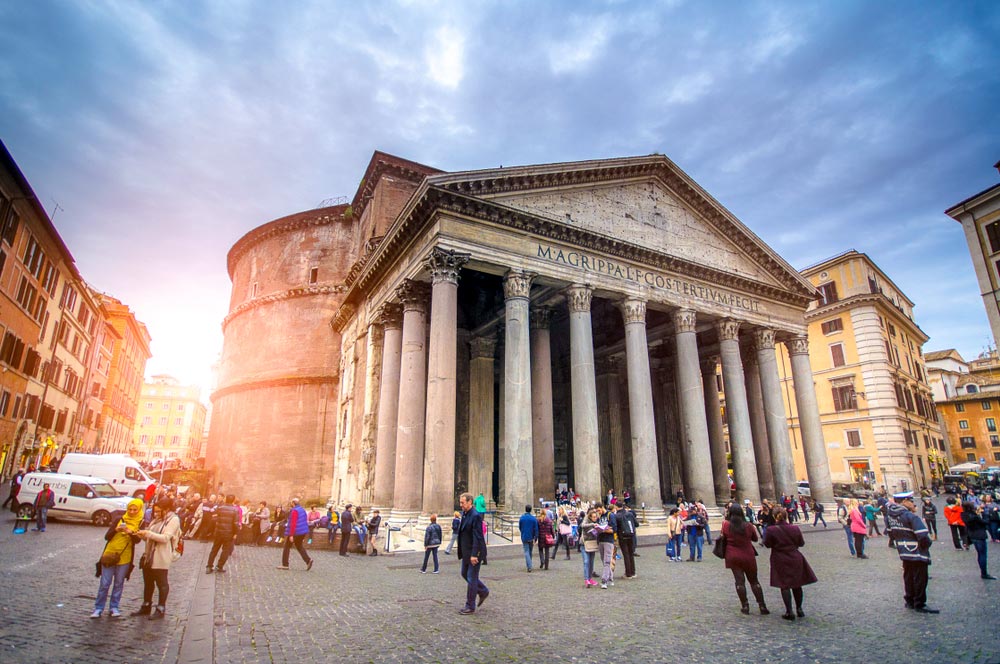
The Pantheon (Rome) is one of the most interesting historical and architectural sites in the center of Rome. It still testifies to the greatness of the Roman Empire and is one of the best preserved buildings of antiquity anywhere in the world. The Dome, interior, exterior, the oculus and opening time.
Located in the dynamic Latin Quarter houses is a crypt that contains the tombs of famous French figures. Tombs of Victor Hugo, Marie Curie and Voltaire are contained at this place. This is one of the most important places to visit in Paris. By visiting this place you also get to explore the surroundings of the Latin Quarter. Latin Quarter is a lively student neighborhood that mainly known for bookstores, bistros and cheerful cafes. You can explore all of these by visiting this place.
9. The Latin Quarter
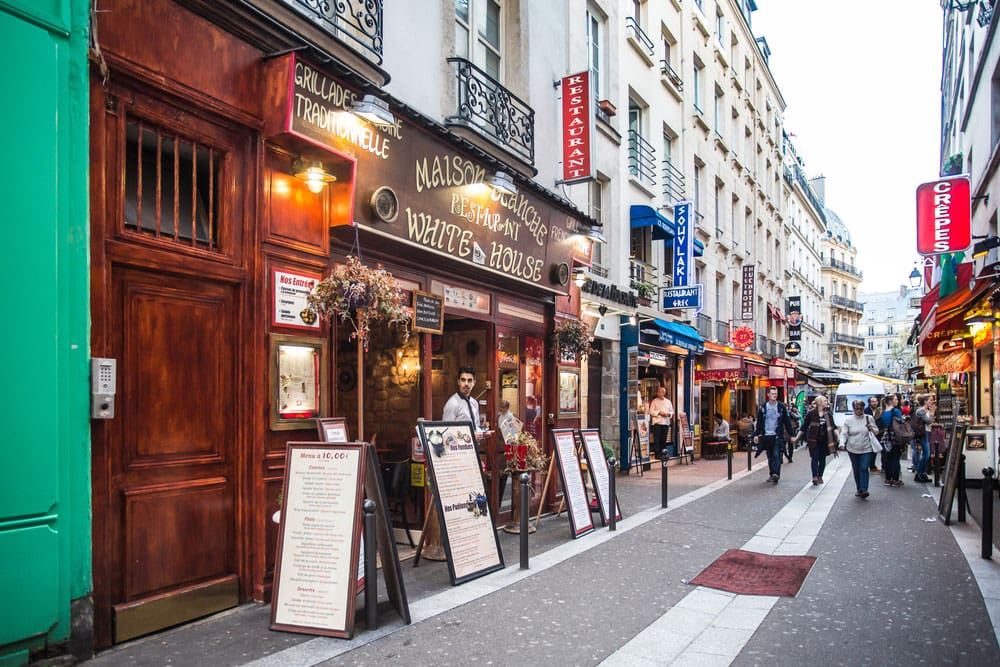
The Latin Quarter of Paris is located on the left bank of the Seine, around the Sorbonne. Known for its student life, lively atmosphere and bistros, the Latin Quarter is the home to many higher education institutions, such as the Ecole Normale Superieure, the Ecole des Mines de Paris or the Ecole Polytechnique. The Luxembourg Park is a private garden open to the public created in 1612 at the request of Marie de Medici to accompany the Luxembourg Palace. The garden surrounds the Palais du Luxembourg, where the Senate seats. Redesigned by André Le Notre, it is very pleasant to walk around; you will also find an orchard, several varieties of apples, an apiary and a greenhouse with the orchid collection. There are 106 statues, a bronze reduction of the Statue of Liberty and 3 beautiful fountains.
10. Centre Pompidou
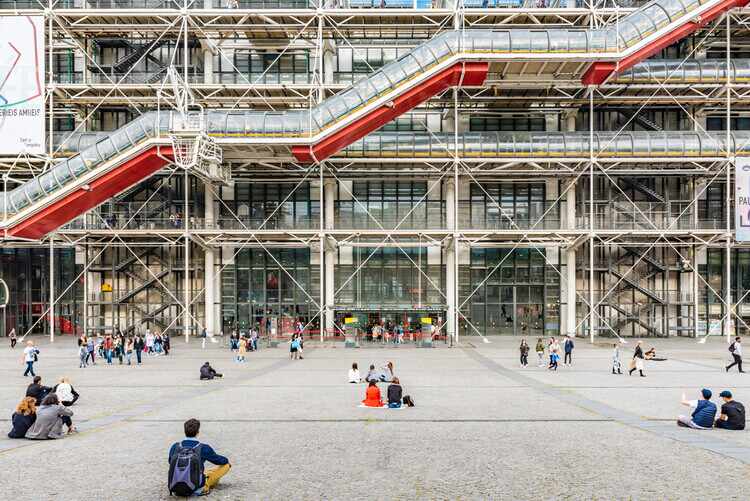
The Centre Pompidou, also known as Beaubourg, is a radical high-tech architectural landmark located in the 4th arrondissement of Paris. Opened in 1977 and named after French President Georges Pompidou, it was designed by architects Renzo Piano and Richard Rogers to be an “evolving spatial diagram” rather than a traditional monument. The building is world-famous for its revolutionary “inside-out” design, where its structural and functional systems—pipes, vents, and escalators—are exposed on the exterior to maximize the column-free interior space. These systems are strikingly color-coded: blue for air conditioning, yellow for electricity, green for water, and red for circulation, including the iconic “caterpillar” escalator that snakes up the facade and offers spectacular panoramic views of the Paris skyline.
11. Musee De L’Orangerie
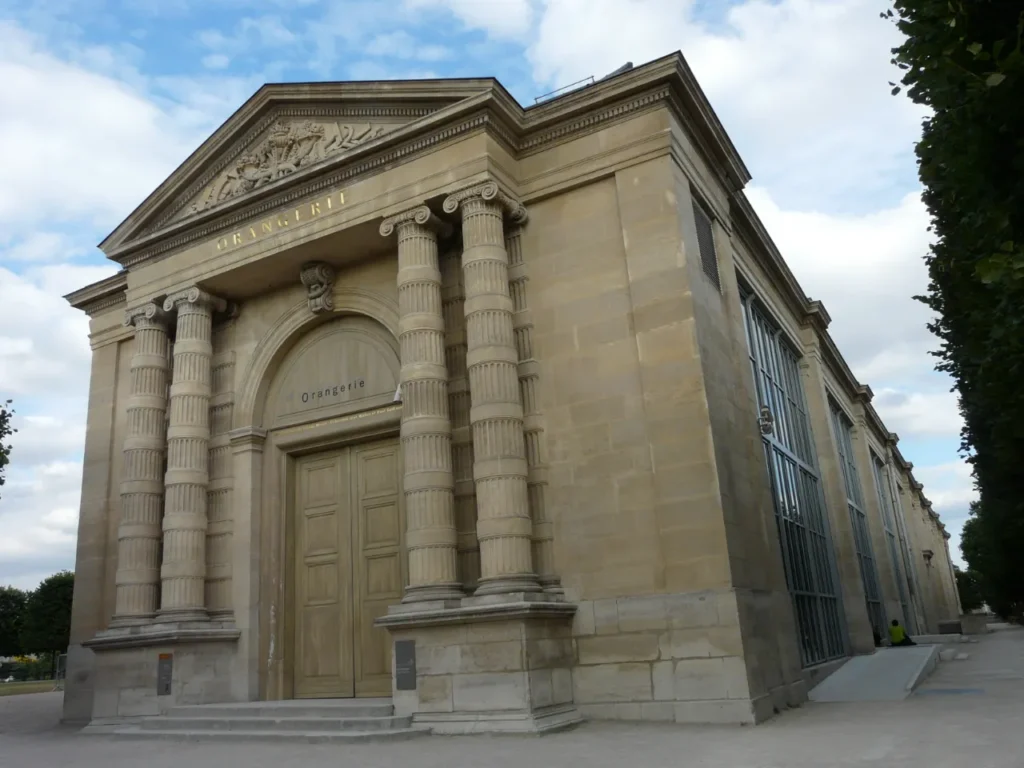
The Musée de l’Orangerie is a world-renowned art gallery of Impressionist and Post-Impressionist paintings located in the west corner of the Tuileries Garden, adjacent to the Place de la Concorde in Paris. Originally built in 1852 to shelter the garden’s orange trees during the winter—which gives the museum its name—the building was later repurposed into a museum in 1927 to serve as the permanent home for Claude Monet’s Water Lilies (Nymphéas). Monet himself designed the two massive elliptical rooms on the upper floor, intended as a sanctuary for meditation where visitors could be fully immersed in his “illusion of an endless whole”. These eight monumental murals, measuring a total of 91 metres in length, were gifted to the French state following the Armistice of 1918 as a symbol of peace and have been described by artist André Masson as the “Sistine Chapel of Impressionism”.
Beyond the spectacular Monet galleries, the museum’s lower level houses the prestigious Jean Walter and Paul Guillaume Collection, which was acquired by the French state in the 1960s. This collection showcases the artistic vitality of early 20th-century Paris, featuring nearly 150 masterpieces by legendary artists such as Pierre-Auguste Renoir, Paul Cézanne, Henri Matisse, Pablo Picasso, Amedeo Modigliani, and Chaïm Soutine. The museum’s intimate scale offers a tranquil alternative to larger Parisian institutions like the Louvre, allowing for a more personal connection with the art. Because of its focused collection, it is one of the easier museums to navigate in a single visit, often paired with a walk through the surrounding historic gardens or a visit to the nearby Musée d’Orsay.
12. Moulin Rouge
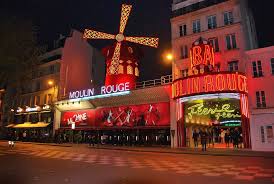
The Moulin Rouge is a world-famous cabaret located in the Pigalle district at the foot of the Montmartre hill in Paris. Co-founded in 1889 by Charles Zidler and Joseph Oller, it was opened during the Belle Époque, a period of cultural and artistic flourishing in France, and was notably the first building in the city to have electric lights. It is best known as the birthplace of the modern can-can dance, a high-energy performance once considered scandalous for its provocative kicks and frilled skirts. The venue became an emblem of bohemian nightlife, immortalised in the vibrant posters and paintings of artist Henri de Toulouse-Lautrec, who was a frequent guest. Although the original building was destroyed by fire in 1915, it was rebuilt and reopened in 1921, maintaining its signature red windmill and romantic decor. Today, the Moulin Rouge remains a premier tourist attraction, welcoming roughly 600,000 visitors annually for its spectacular “Féerie” revue. This current show features a troupe of 80 performers, including 60 “Doriss Girls,” wearing 1,000 elaborate hand-crafted costumes adorned with feathers, rhinestones, and sequins. Performances are held twice nightly and often include dinner-show packages that feature traditional French cuisine and champagne. Beyond the stage, the venue has inspired numerous works of art, most notably Baz Luhrmann’s 2001 film Moulin Rouge!, which was later adapted into a hit Broadway musical. Whether attending for its historical prestige or its glittery theatricality, it continues to serve as the ultimate symbol of Parisian revelry and cabaret culture.
13. Champs Elysées / Arc of Triumph
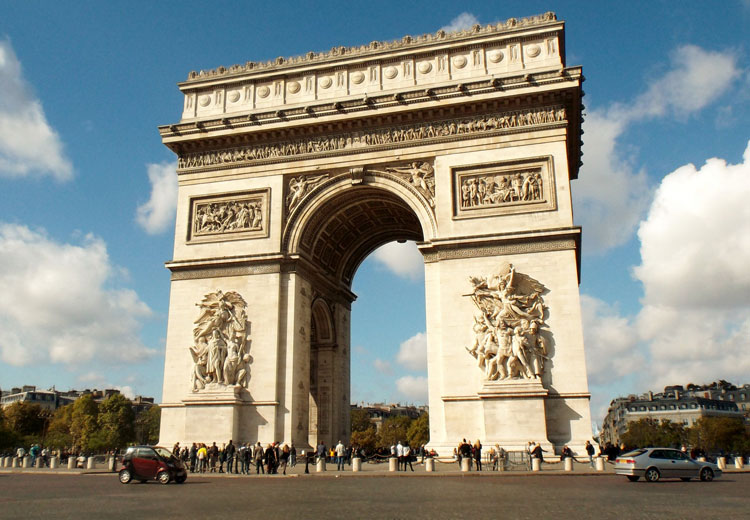
The Champs-Élysées and the Arc de Triomphe together form one of the most iconic urban landscapes in the world, representing the grandeur of French history and modern Parisian luxury. Stretching nearly 2 kilometres through the 8th arrondissement, the Avenue des Champs-Élysées is often called “the most beautiful avenue in the world”. Its name, French for “Elysian Fields,” refers to the paradise for heroes in Greek mythology. The avenue is divided into two parts: a lower section filled with lush gardens and historic exhibition halls like the Grand Palais and Petit Palais, and an upper section world-famous for its high-end shopping, featuring flagship stores for Louis Vuitton, Dior, and Sephora. At the western end of the avenue stands the Arc de Triomphe, a massive Neoclassical monument commissioned by Napoleon Bonaparte in 1806 to celebrate the victories of the French Grande Armée. Completed in 1836, the arch is 50 metres high and sits at the centre of Place Charles de Gaulle (formerly Place de l’Étoile), where twelve major avenues radiate outward in a star-shaped pattern. The monument is adorned with intricate sculptures, most notably François Rude’s La Marseillaise, and engraved with the names of 660 generals and 128 battles. Beneath the arch lies the Tomb of the Unknown Soldier, where an eternal flame has been rekindled every evening at 6:30 PM since 1923 to honour those lost in both World Wars. Visitors can take an underground passage to reach the monument and climb 284 steps to a rooftop terrace for panoramic views of Paris.
14. Grand Palais
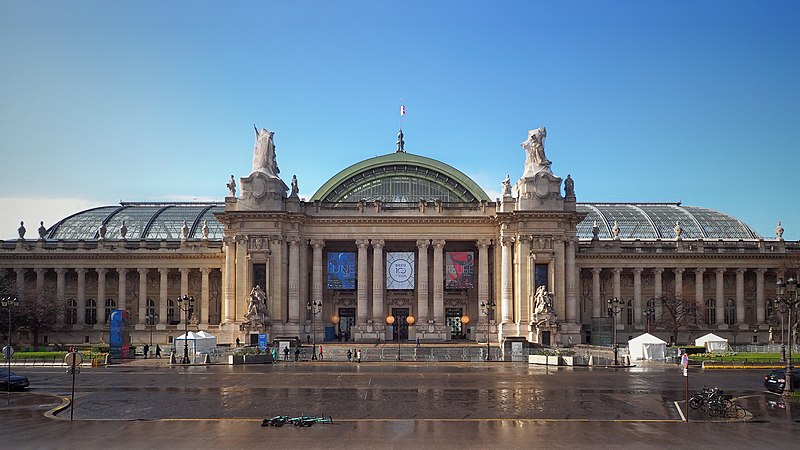
The Grand Palais is a majestic historical monument and exhibition hall located in the 8th arrondissement of Paris, famously known for its enormous glass-and-steel roof—the largest of its kind in Europe. Built for the Universal Exposition of 1900, it was designed in the Beaux-Arts style to be a “monument dedicated by the Republic to the glory of French art,” featuring an ornate stone façade blended with innovative iron and light steel framing. Its most iconic space is the massive Nave, which spans 13,500 square metres and hosts prestigious global events, including art fairs like Art Basel, equestrian competitions such as the Saut Hermès, and legendary Chanel fashion shows. Following a massive €466 million restoration that began in 2021, the Grand Palais has been transformed into a modern “culture machine” while preserving its historic soul. The restoration, led by Chatillon Architectes, reopened original sightlines and added 40 elevators to improve accessibility, making the entire 77,000-square-metre building fully accessible to the public as of June 2025. While the building does not have a permanent collection, it houses the Palais de la Découverte science museum in its west wing and serves as a temporary home for Centre Pompidou exhibitions during its own renovation. Today, visitors can enjoy new freely accessible spaces, including a central plaza, restaurants, and a bookstore, all beneath the stunningly restored “reseda green” ironwork.
15. Sainte-Chapelle

Sainte-Chapelle is a royal medieval gothic chapel located on the Île de la Cité in Paris, widely considered one of the greatest architectural masterpieces of the Western world. Commissioned by King Louis IX in the 1240s, it was built as a monumental “reliquary” to house his collection of sacred relics, including the Crown of Thorns and a fragment of the True Cross. The chapel is unique for its two-story design: the darker Lower Chapel, which served as a place of worship for palace staff, and the breathtaking Upper Chapel, which was reserved for the King and the royal family. This upper level is world-famous for its “walls of glass,” consisting of 15 massive stained-glass windows that soar 15 metres high and depict over 1,113 scenes from the Bible. The experience of standing in the Upper Chapel is often described as being inside a giant jewel box, as the 670 square metres of ancient glass bathe the interior in deep blues and reds. Despite suffering damage during the French Revolution, when it was used as an archive and its spire was removed, the chapel underwent a meticulous 19th-century restoration that returned it to its original glory. Today, while the original relics are housed in the Louvre Museum, the Sainte-Chapelle remains a must-visit site for its ethereal light and historical significance. It is also a popular venue for evening classical music concerts, where the acoustics and the glow of the windows create a truly mystical atmosphere.
16. Musee Picasso
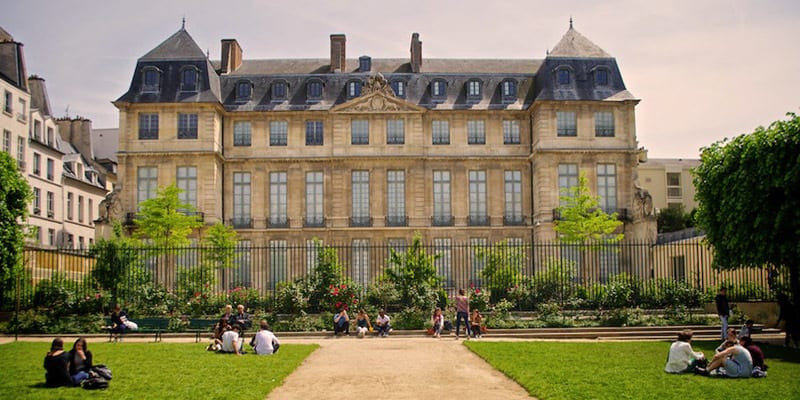
Musee Picasso or the Picasso Museum is one of the most visited museums in Paris. The main attraction of the museum lies in the fact that it houses more than 5000 works along with tens of thousands of archive pieces. All of these pieces are known to demonstrate the creative process of the Spanish cubist master Pablo Picasso. If you are an art lover and have always been admiring the work of Picasso then this is a must-visit place for you. You can also explore the different artworks of the artist. Starting from drawing to sculpture to engraving, you can view it all here. The museum is known to have a unique collection of works of the great artist. If you wish to see the whole works of Pablo Picasso then this is the place to be. By visiting this place you also get to learn a lot about the artist as well.
17. Galeries Lafayette
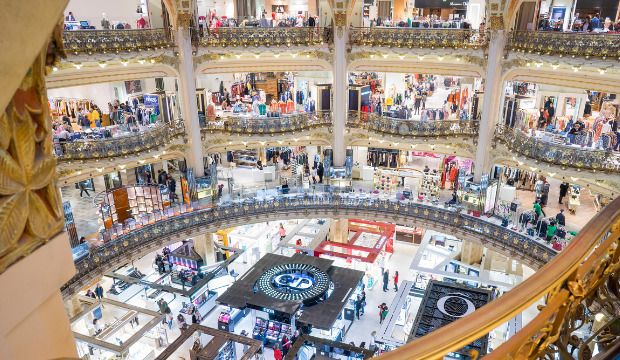
Galeries Lafayette Haussmann is more than just a department store; it is a historic landmark and a masterpiece of French Art Nouveau architecture located in the heart of Paris. Its most famous feature is the breathtaking Neo-Byzantine glass dome, which soars 43 metres above the ground floor, bathing the luxury cosmetics and fashion aisles in colourful light from its intricate stained glass. Since its opening in 1912, the flagship store on Boulevard Haussmann has become a global destination for high-end shopping, housing over 3,500 brands ranging from legendary designers like Chanel and Louis Vuitton to trendy contemporary labels. The store is divided into three main buildings: the Coupole for women’s fashion and beauty, a dedicated Men’s store, and the Lafayette Maison & Gourmet, a paradise for foodies offering the finest French truffles, cheeses, and pastries.
Beyond shopping, Galeries Lafayette offers unique experiences that make it a must-visit for tourists. One of the best-kept secrets is the panoramic rooftop terrace on the 8th floor, which provides a free 360-degree view of the Paris skyline, including clear sights of the Eiffel Tower and the neighboring Opéra Garnier. For those looking for thrills, the “Glasswalk” is a suspended transparent walkway that lets you stand directly under the dome for a bird’s-eye view of the grand balconies. The store is also world-famous for its spectacular Christmas displays, featuring a massive, uniquely themed tree that hangs from the center of the dome every December.
18. Musee Jacquemart-André
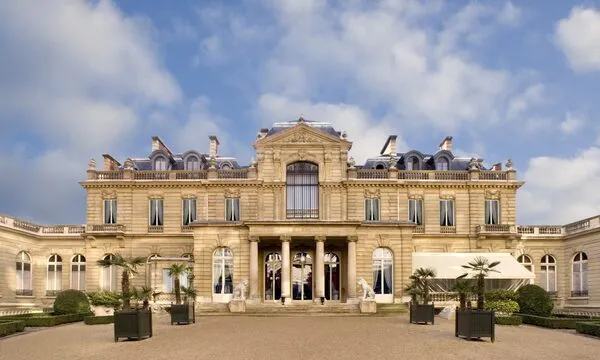
This museum, under the wing of the Institute de France, privately-curated in the 8th arrondissement of Paris. The museum has 5 parts and was designed by the famous French architect, Henri Parent. Before being turned into a museum, it was the residence of Édouard André and his wife, a famous society painter, Nellie Jacquemart. They collected famous art pieces their entire lives and put them up here for the world to see. Paintings by Sandro Botticelli, Jean-Baptiste-Siméon Chardin Neri di Bicci, Rembrandt, Pietro Perugino and many more.
19. Le Manoir De Paris
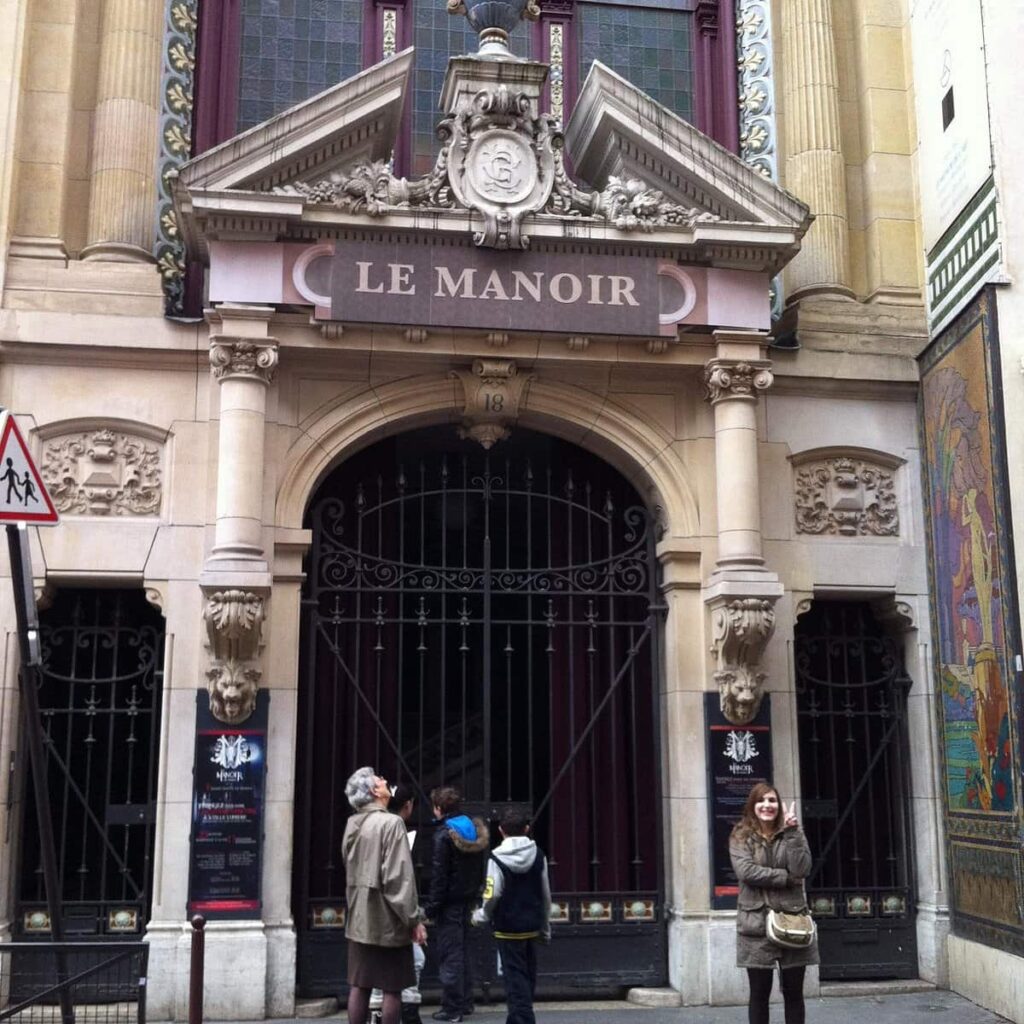
You will love Le Manoir de Paris, it is one best places to visit in Paris at night. The 30 artists who work here bring 14 Parisian legends to life – most of which are based on facts. The 23 rooms offer stories of horror told in 5 levels of fearfulness that visitors can choose from. There are 3 animatronics, a rabid dog and a garish gargoyle added to the fleet of “horror” objects. Don’t miss the night which is held on Halloween, Valentine’s Day, Christmas and every Friday 13th.
20. e Crazy Horse Paris
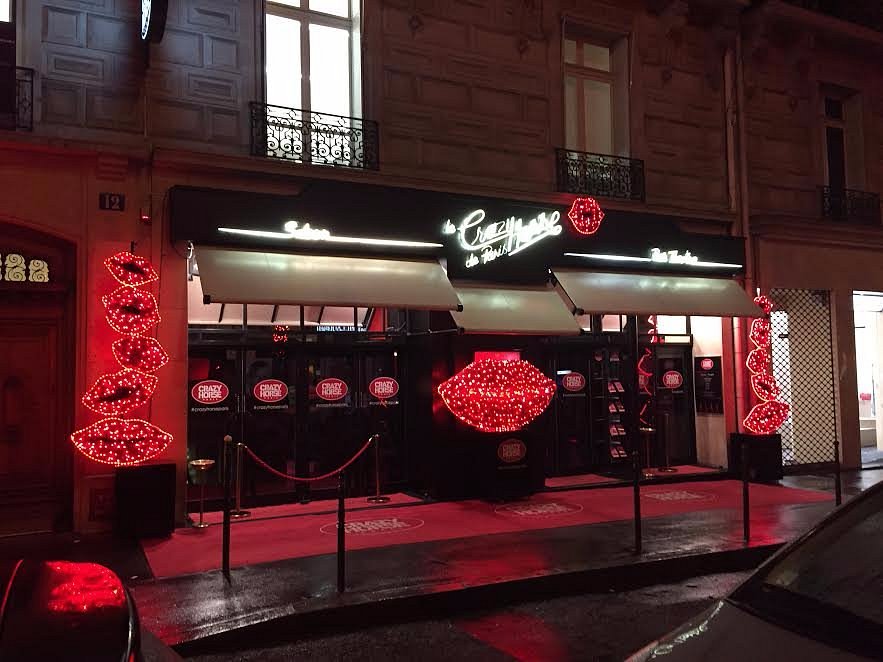
Le Crazy Horse is a dazzling show wherein you can enjoy the iconic acts of the Parisian cabaret formulated by the legendary creators who have revolutionized the Parisian stage over the years. Enjoy one of the best Parisian cabarets and a selection of magnificent acts created by Christian Louboutin, Philippe Decouflé, Chantal Thomas, and more. Let yourself be amazed by the graphic wardrobe, subtle light effects, and the original score of the festive and creative show. Take a seat in the theater and get ready for a dazzling spectacle of dance, drama, and music. The moment the curtain opens, the legendary Crazy Horse dancers perform the British Royal Guard march in uniforms. The dancers are draped in colorful light that varies with every mood change, making you marvel at them. Soak up an atmosphere filled with fabulous costumes, pulsating music, and can-can dancers. The show has incredible artistry, world-renowned Crazy Horse talents, and beautiful aesthetics.
21. Musee de l’Homme Paris
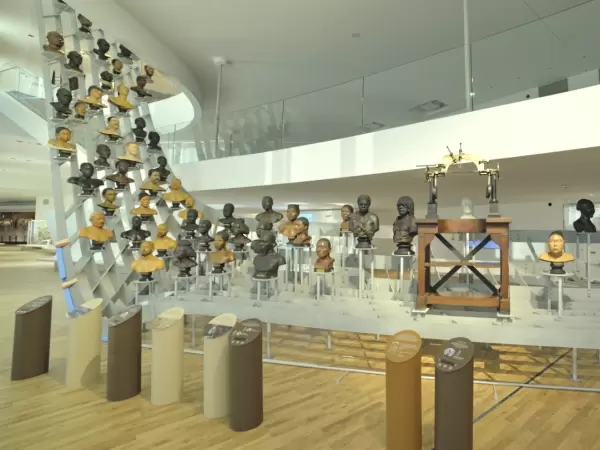
Musee de l’Homme is an anthropology museum in the city of Paris offering a unique perspective of the evolution of mankind. The artifacts in the museum represent Europe, Asia, America, Africa, Oceania, and many more regions from all across the world. The 19th-century collections for art and science are displayed under the name of “evolve des busters’. The collection will make you understand the evolution and the unity of Homo Sapiens sharing 99% of DNA. Paul Rivet’s vision was based on the idea of one humanity, leading to the display of the evolution of human societies through the collection. The gallery features a variety of skulls belonging to different human races and people existing in prehistoric times.
22. Pont Neuf
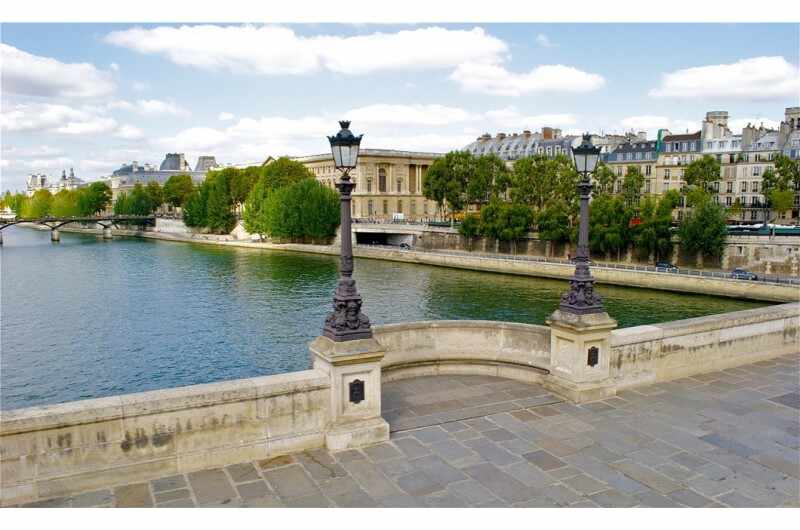
Pont Neuf is the third longest and the oldest standing bridge in Paris. Situated on the banks of the river Seine, the historical bridge is ornate with 381 stone sculptures of macarons, magnificent arches and the remarkable bronze statue of Henry IV.
The architectural beauty of the bridge is unique with five of the arches linking the Ile de la Cite to the left bank of the River Seine and the remaining arches linking the natural island to the right bank of the river. Pont Neuf has been listed in UNESCO’s World Heritage Sites. The bridge is phenomenal in hosting several Hollywood films. It is also considered as one of the most luxurious and romantic locations in Paris. Due to its historical significance and artistic beauty, Pont Neuf is a photographer’s delight.
23. Palais De La Porte Dorée
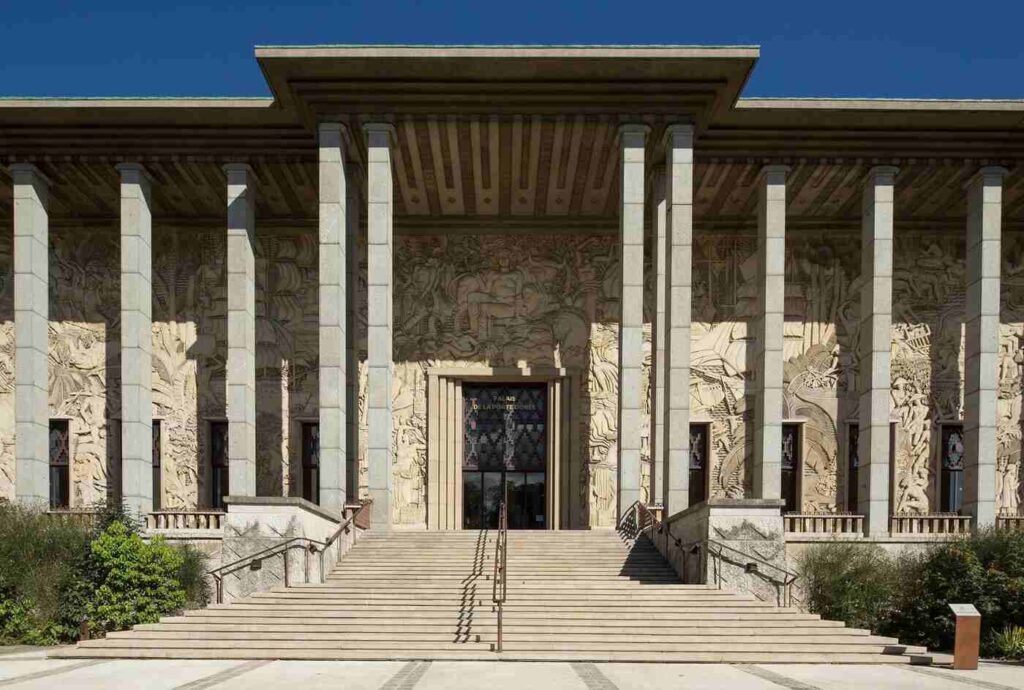
An attraction off the beaten path in the city of Paris, the Palais De La Porte Dorée is one of the most significant museums in the city, where you can find architecture, relics of human history as well as aquatic animals, all in one place. More than just a mere exhibition hall, Palais De La Porte Dorée is most popular as an Art Deco architectural masterpiece, where you can catch sight of, and learn about the unique and rich history of immigration in France. It is also in this very building’s cellar.
It is also famous for being a three-in-one attraction, with the Tropical Aquarium, Musee National De L’histoire de Immigration or the National Museum of the History of Immigration, and the Palais De La Porte Dorée or the Porte Dorée Palace.
24. Paris Flea Market
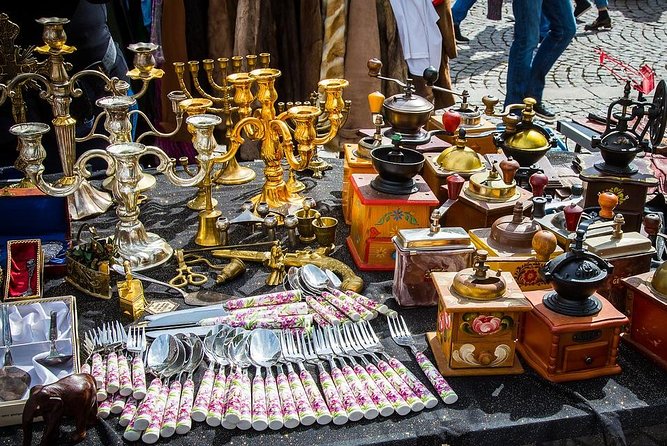
Paris Flea Market or Les Puces de Saint-Quen is the largest antique market in the entire world. This market offers a variety of vintage and antique treasures in different shops, ranging from vintage clothing, accessories, footwear, gadgets, and ornaments. The neighborhood and the Paris Flea Market are so vibrant that you will enjoy seeing the assortment of stall keepers with different personalities and products on sale. You can either sip a cup of coffee in the Café Creme or wander along the streets through interesting shops selling Art Deco furniture, mirrors, and fireplaces. You will also discover a long market for textiles, paintings, linens, toys, and decorative objects.
25. Montparnasse Tower
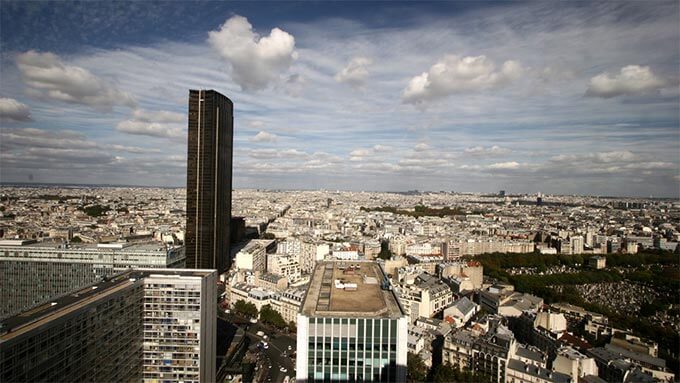
It offers a spectacular 360-degree view of the entire city of Paris. Especially, the 56th and 59th observation floors of the Montparnasse Tower offer a stunning view in almost all directions. The tower has got its name after the Greek mountain – Mount Parnassus and is currently known as the gigantic skyscraper of Paris. The observatory on the 59th floor of this gigantic tower is much more enjoyable. And why not? Standing 210 meters from the streets, this 59th-floor observatory offers more pristine and breathtaking views of the city. Apart from this, the newly opened panoramic rooftop terrace features a phenomenal window to give you a lustrous Parisian panorama.
26. Canal Saint-Martin
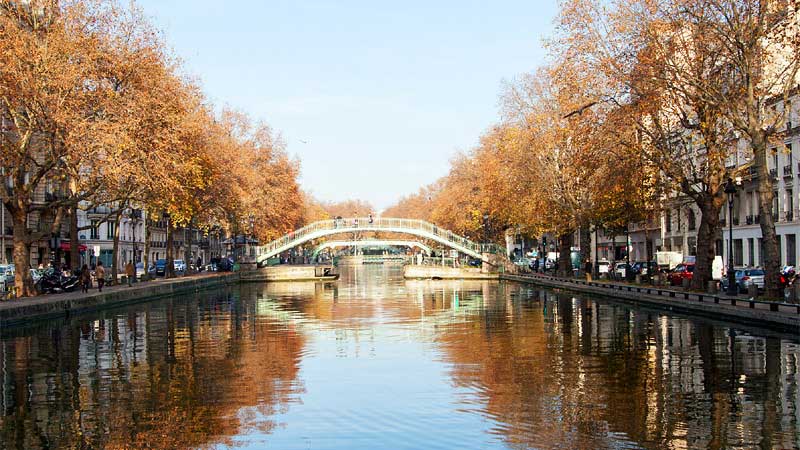
Canal Saint-Martin is a 4.6 kilometers long stretch of waterway that connects the Seine River to the Canal de l’Ourcq. At Canal Saint-Martin, you can come in droves to have a picnic with your friends and family, bask in the lazy long evenings while gazing at the photogenic scenery, and strum guitars on the waterside. You can also take a walk along the scenic canal, where you will find numerous tiny houses and attractive storefronts. You can either take a break at one of the several café tables and savor the taste of fine wine or go on a riverboat journey along with your beloved for a romantic date. Canal Saint-Martin also consists of several shopping areas in Paris, which makes it a favorable place for travelers to spend their late afternoons.
27. Parc Des Buttes Chaumont
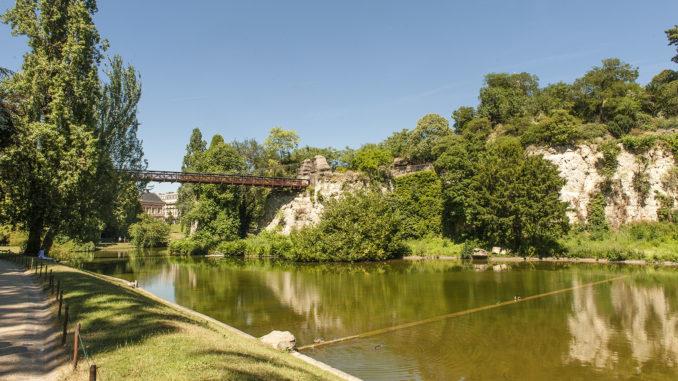
Parc Des Buttes Chaumont is one of the largest parks in Paris, France. Built in the 19th century, this park consists of a beautiful artificial lake and an island called Île de la Belvédère. The island comprises a Roman temple – The Temple de la Sibylle alongside the grotto, waterfalls and suspension bridges. You can enjoy the beauty of nature and its serenity while strolling through the park which is open 24 hours, every day of the year. People usually visit this park for jogging and having a peaceful stroll on the paved pathways, enjoying family picnics on the grass and mostly to enjoy the greenery this place has to offer. There are also play areas and activities for the kids to enjoy and have a great time.
28. Aquarium de Paris
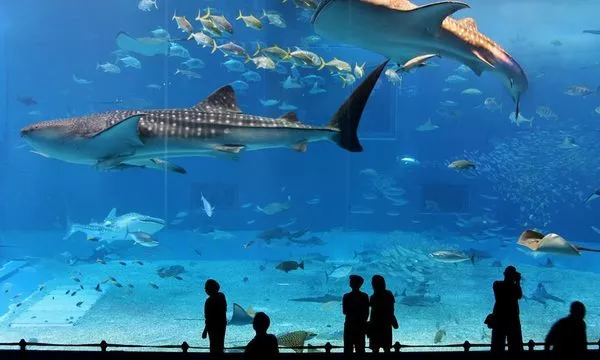
This family-friendly attraction houses over 13,000 different fish and invertebrates collected from around the world’s seas. From ferocious sharks to magical jellyfish, there are plenty of things to see and learn about at this famous tourist attraction. Besides watching the inhabitants of the aquatic world swimming across the large pools, you can also interact with friendly species such as goldfish and Koi carp at the caress pool. Medusarium, Europe’s largest jellyfish exhibit, is a must-see attraction of this amazing aquarium. Moreover, throughout the year, Aquarium de Paris provides a variety of live shows, workshops, and exhibits to entertain and educate its visitors.
29. Pont Alexandre III Bridge
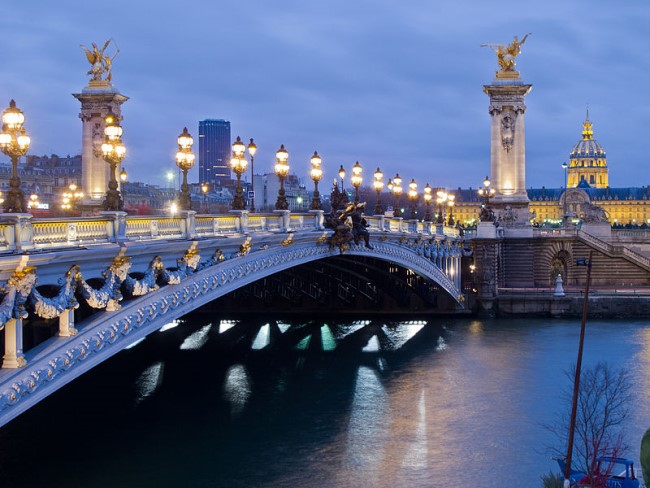
Touted as one of the most beautiful bridges in the entire world. It connects Champs-Élysées and Les Invalides and its foundation stone was laid in 1896. It was built for the 1900 Exposition Universally, the fair that saw the introduction of radio, escalators, talking films, and the world’s most powerful microscope. Named after the Russian Tsar Alexander III, it commemorates the alliance of Russia and France in 1892. The Tzar was quite loved in France since he could speak French as fluently as a native.
30. Louis Vuitton Foundation
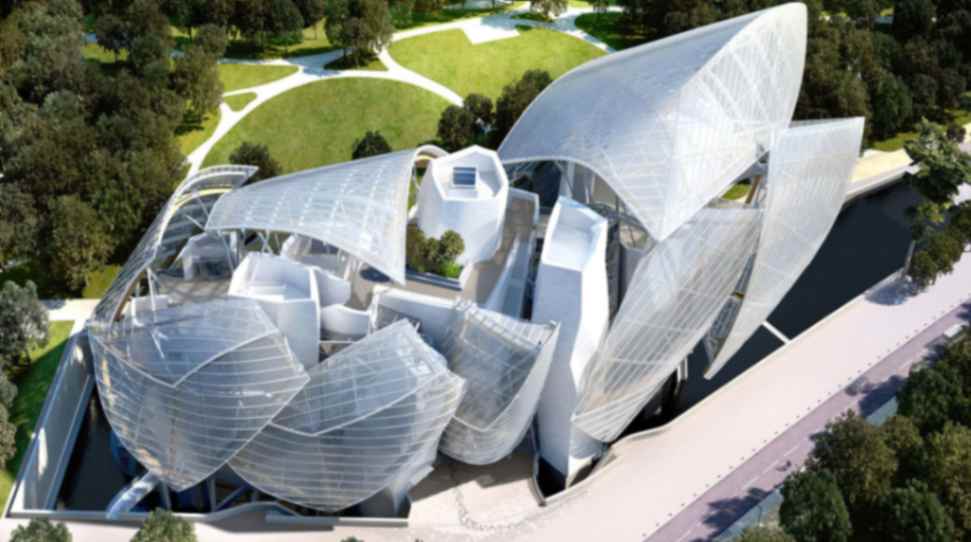
Owned by the LVMH group, the main aim of the Louis Vuitton Foundation is to promote art and culture. It is one of the places you have to visit in Paris, not only because of the fancy label but because of its incredible design as well. Situated on Mahatma Gandhi Avenue in Paris, it is one of the places you should not miss out on when in Paris.