


It is renowned as one of the wettest and most ecologically diverse regions in the world. Established in 1972, this state is primarily home to three major indigenous tribes—the Khasi, Jaintia, and Garo. These tribes adhere to a unique matrilineal system, wherein lineage and inheritance are traced through the mother. Geographically, Meghalaya is an elevated plateau, distinguished by its spectacular landscapes—ranging from Cherrapunji’s world-famous “living root bridges” to the crystal-clear waters of the Umngot River in Dawki. The state is a globally recognized destination for caving, housing some of Asia’s longest and deepest caves. Furthermore, it is home to magnificent waterfalls such as Nohkalikai and the secluded Rainbow Falls. Its capital, Shillong, is often referred to as the “Scotland of the East” due to its rolling hills and the enduring charm of its colonial-era heritage. With its lush pine forests, sacred groves, and vibrant festivals like Wangala, Meghalaya offers a perfect blend of ancient tribal traditions and pristine natural beauty.
Meghalaya’s economy rests primarily on three pillars: agriculture, tourism, and mining. As a predominantly agrarian state, approximately 70–80% of its population relies on farming for their livelihood. These communities focus on staple crops such as rice, as well as high-value produce like Lakadong turmeric, ginger, and pineapples. The tourism sector is a rapidly growing and vital component, often described as a major “engine” of the economy. It generates thousands of jobs through initiatives such as the “Meghalaya Tourism Homestay Scheme.” This scheme helps local families earn income by hosting guests in eco-friendly homes. Meghalaya is considered one of the safest states in India for tourists. A spirit of respect and hospitality—particularly towards women—is deeply ingrained in the local culture here. This can be attributed to the state’s traditional matrilineal social structure, in which women hold a respected position within both the family and society.
Most Famous And Attractive Tourist Places In Meghalaya :
1 Elephant Falls
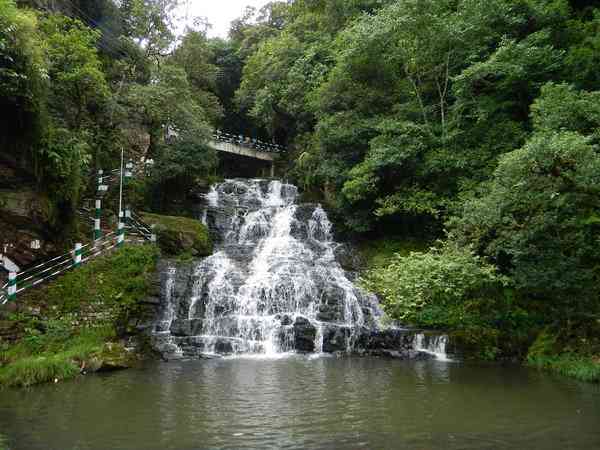
Elephant Falls, located approximately 12 km from the city centre in Upper Shillong, is one of Meghalaya’s most famous and scenic natural attractions. Locally known by the Khasi name “Ka Kshaid Lai Pateng Khohsiew” (meaning “Three-Step Waterfall”), it consists of three distinct cascading levels set amidst lush, fern-covered greenery. The modern name originated during the British era when colonial officers spotted a massive rock near the falls that resembled an elephant; however, this iconic rock was destroyed during the great earthquake of 1897. Today, visitors can explore all three tiers via a well-maintained network of railed walkways and roughly 120 stone steps that lead down the forested slope. The first tier is broad and tucked away in thick trees, the second is smaller and more scattered, and the third is the most spectacular, featuring a tall, milky-white stream that plunges over sharp dark rocks into a tranquil pool below. The site is a paradise for photographers and nature lovers, offering amenities like viewing platforms, rest benches, and local stalls where visitors can even rent traditional Khasi attire for photographs.
2. Cherrapunjee
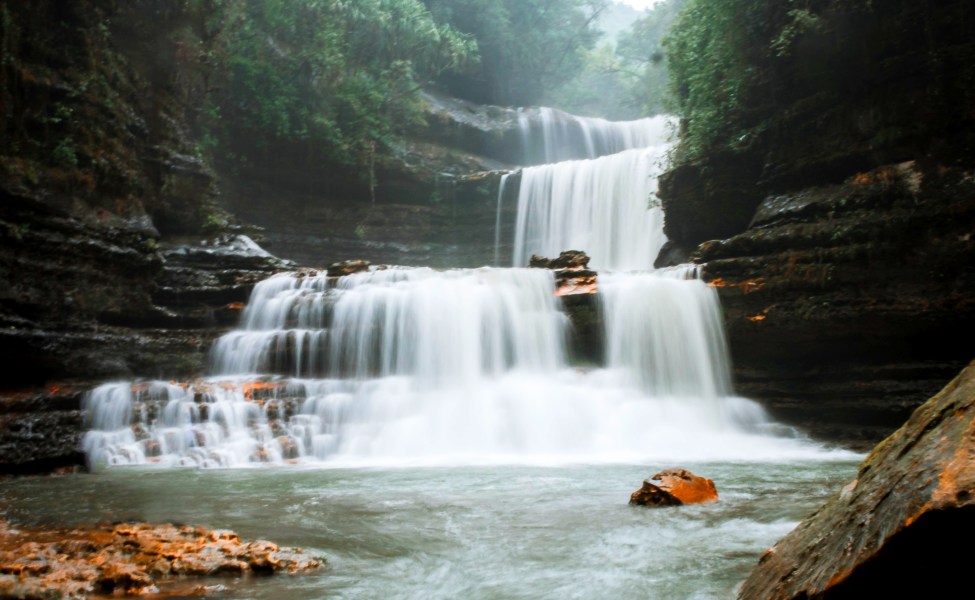
Cherrapunjee, officially known by its traditional name Sohra, is a high-altitude town in the East Khasi Hills of Meghalaya, world-renowned for being one of the wettest places on Earth. Historically, it served as the traditional capital of the Khasi tribal chieftainship and is deeply rooted in the matrilineal culture of the indigenous Khasi people. The town holds multiple Guinness World Records, including the highest rainfall recorded in a single year (26,471 mm in 1860–1861) and in a single month (9,300 mm in July 1861). Despite its legendary rainfall, the region paradoxically faces water shortages during the dry months because the heavy precipitation quickly drains off the plateau into the plains of Bangladesh. Today, it is a premier tourism destination famous for its unique “bio-engineered” Living Root Bridges, such as the iconic Double Decker Root Bridge, grown by local tribes over centuries using the roots of rubber trees. Visitors are also drawn to spectacular sights like Nohkalikai Falls—India’s tallest plunge waterfall—the multi-tiered Seven Sisters Falls, and the prehistoric limestone formations of Mawsmai Cave.
3. Siju Cave
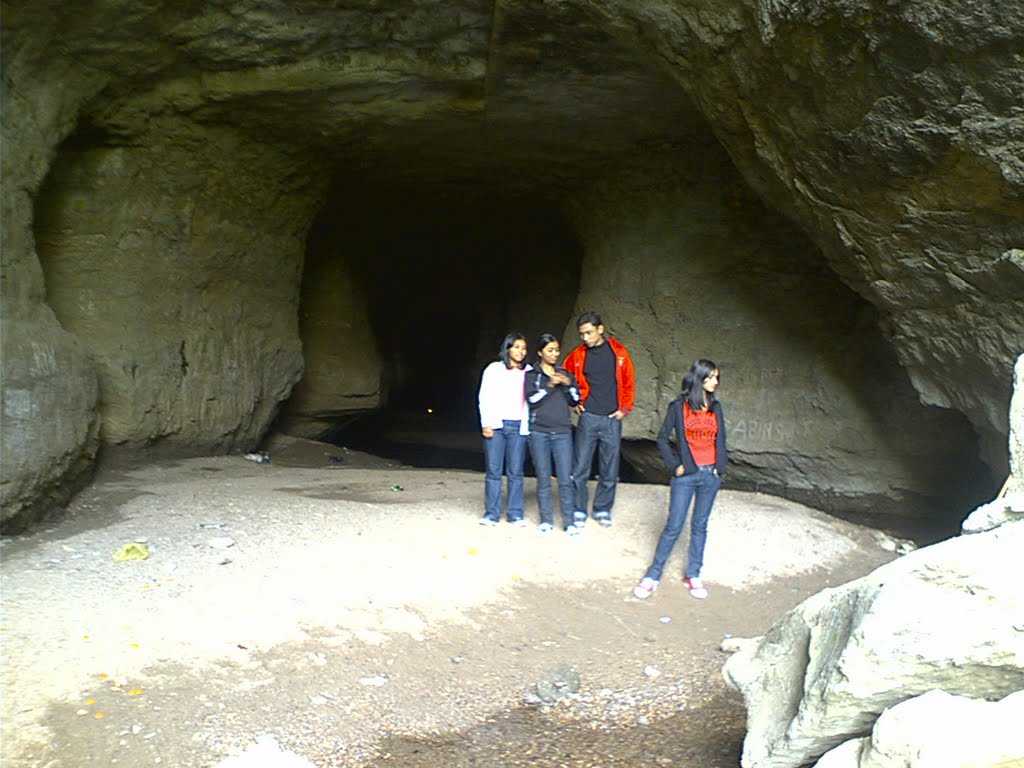
Siju Cave, locally known as Dobakkol or the “Bat Cave,” is one of the longest and most thoroughly researched limestone cave systems in India, located in the South Garo Hills of Meghalaya near the Simsang River. Spanning over 4.7 kilometres, the cave is world-renowned for housing one of Asia’s largest colonies of bats, creating a unique and thriving subterranean ecosystem that attracts scientists and biospeleology researchers globally. As an adventurous underground labyrinth, it features spectacular natural formations of stalactites and stalagmites, as well as several impressive river passages formed by tributaries of the Simsang. Key highlights within the cave include the Princess Di’s Chamber, a vast hall decorated with shimmering calcite formations, and the jagged, tooth-like rock structures of the Tooth Passage. Exploring Siju often involves wading through knee-to-chest-deep water and navigating dark, narrow chambers, making a local guide and waterproof gear essential for a safe visit.
4. Lalong Park
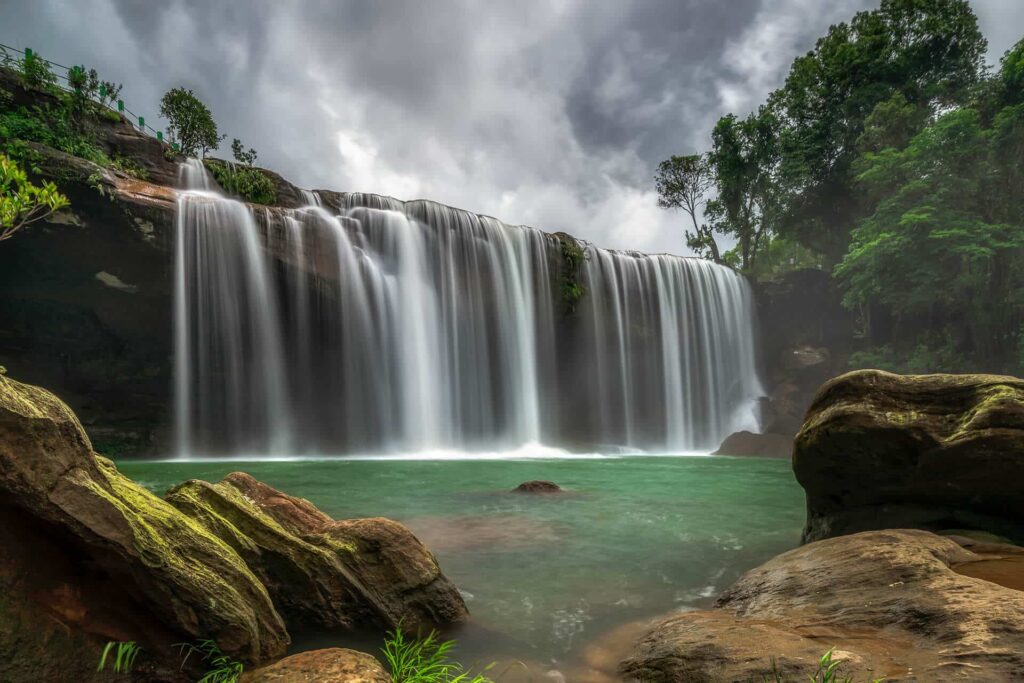
Lalong Park, situated about 7 km from Jowai in the West Jaintia Hills of Meghalaya, is a scenic ecological park renowned for its breathtaking views of the Myntdu River and the surrounding emerald valleys. The park is a part of the “Sacred Groves” tradition of the state, serving as a sanctuary for diverse flora and fauna, including rare orchids and a variety of bird species. One of its primary attractions is the series of well-maintained viewing decks that offer a bird’s-eye perspective of the Pynthorwah paddy fields, which are particularly stunning during the harvest season when they turn a golden hue. The park is designed with tranquil walking trails, stone-paved paths, and cozy sitting areas, making it a favorite spot for picnics and nature photography. Recently, the park has been developed into an eco-tourism hub, featuring a water park and local food stalls that serve authentic Jaintia delicacies, providing a perfect blend of natural beauty and recreational comfort.
5. Balpakram National Park

Balpakram National Park, often referred to as the “Land of Perpetual Winds,” is a majestic high-altitude wildlife sanctuary located in the South Garo Hills of Meghalaya, near the international border with Bangladesh. Spanning over 220 square kilometres at an elevation of about 3,000 feet, the park is famous for its deep limestone gorges and “Canyon” like formations that draw comparisons to the Grand Canyon. It holds immense spiritual significance for the local Garo tribe, who believe it to be the sacred resting place for the souls of the departed. The park is a global biodiversity hotspot, home to rare and endangered species including the Red Panda, the Asian Golden Cat, and the Marbled Cat, along with a significant population of wild elephants and tigers. Beyond its fauna, Balpakram is a botanical paradise, hosting unique insectivorous plants like the Pitcher Plant (Nepenthes khasiana) and various rare medicinal herbs. Its rugged terrain, mysterious caves, and the sheer cliff of “Schalkhol” make it a premier destination for serious nature enthusiasts and trekkers seeking an untouched wilderness experience.
6. Mawthadraishan Peak
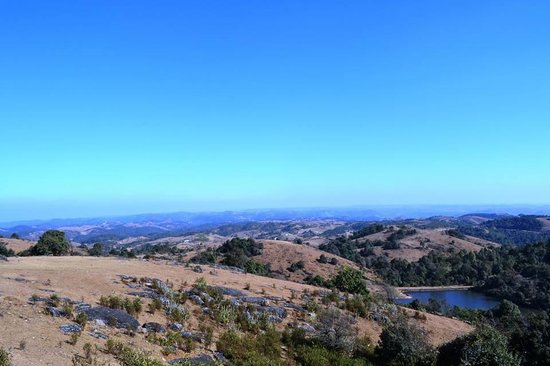
Mawthadraishan Peak is the highest point in the West Khasi Hills of Meghalaya, offering one of the most expansive and breathtaking 360-degree panoramic views in Northeast India. On a clear day, the peak provides a staggering vantage point from which visitors can see the distant Himalayan peaks to the north, the plains of Bangladesh to the south, and the rolling hills of the Khasi, Jaintia, and Garo ranges in between. The landscape is characterized by vast, undulating green meadows and several small, tranquil ponds scattered across the hilltop, creating a setting that many travelers compare to the countryside of Switzerland. The trek to the summit is relatively easy and pleasant, making it accessible for families and casual hikers who want to enjoy the fresh mountain air and the sight of local livestock grazing in the high-altitude pastures. Despite its stunning natural beauty, it remains one of the state’s best-kept secrets, offering a peaceful, crowd-free experience for those looking to escape the more commercialized tourist spots of Meghalaya.
7. Nartiang Monolith
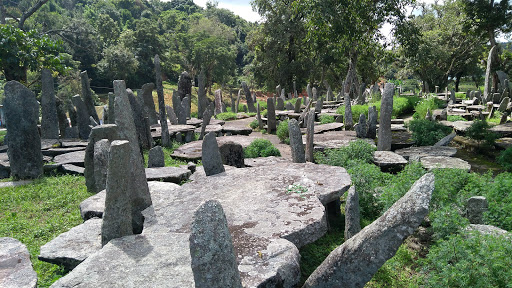
The Nartiang Monoliths, located in the West Jaintia Hills of Meghalaya, comprise the largest collection of megalithic stones in a single area in the world. Erected primarily between 1500 AD and 1835 AD, these massive sandstone structures served as the summer capital of the Jaintia Kingdom and were raised to commemorate royal victories, tribal leaders, and ancestors. The site is uniquely divided into two types of stones: the Menhirs (Moo Shynrang), which are tall upright pillars representing male ancestors, and the Dolmens (Moo Kynthai), which are flat horizontal slabs supported by smaller stones representing female ancestors. The most striking feature of the garden is the Moo Iong Syiem, the tallest monolith in the world of its kind, standing at approximately 8 metres (26 feet) high. Legend attributes its erection to U Mar Phalyngki, a legendary giant and lieutenant of the Jaintia King, who supposedly used the massive stone as an umbrella during a rainstorm before permanently planting it at the site. Today, the garden is a protected monument of national importance, reflecting the sophisticated ancient engineering and deep-rooted matrilineal traditions of the Jaintia people.
8. Mawkdok Dympep Valley
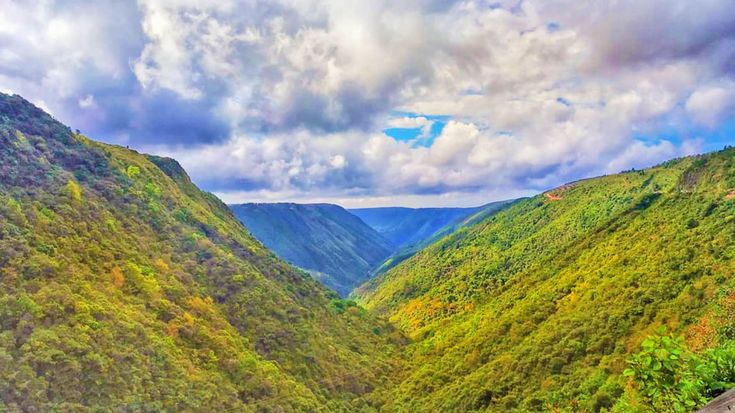
Mawkdok Dympep Valley, located at the beginning of the Sohra (Cherrapunjee) circuit in Meghalaya, is one of the most iconic and frequently visited viewpoints in the East Khasi Hills. The valley is famous for its deep, V-shaped gorge that is often filled with dramatic, swirling clouds, offering a breathtaking perspective of the lush green Sahyadri-like ridges. To provide tourists with the best vantage point, the state government constructed the Duwan Sing Syiem Bridge, which features a dedicated viewing gallery that provides a panoramic 360-degree look at the vast, undulating landscape. Beyond the views, the valley has become a popular hub for adventure seekers, as it hosts one of the longest zip-lining circuits in the region, allowing visitors to glide over the deep canyon for an adrenaline-pumping experience. Many travelers stop here to rest and enjoy local snacks at the small eateries while taking in the fresh mountain air, making it a perfect introduction to the natural grandeur of the Sohra plateau.
9. Rainbow Falls
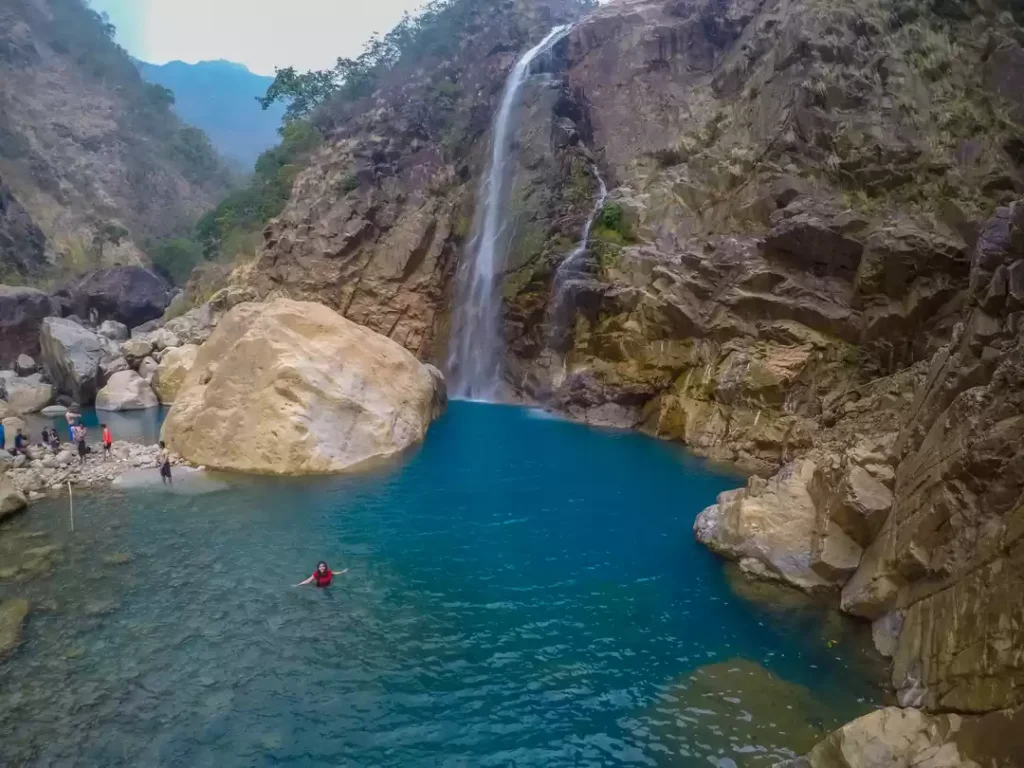
Rainbow Falls, located deep in the dense forests of Meghalaya near the village of Nongriat, is a spectacular natural wonder named for the vibrant rainbows that frequently appear in its mist when sunlight hits the water at the right angle. Reaching this hidden gem requires a demanding trek that begins with the famous 3,500-step descent to the Double Decker Living Root Bridge, followed by an additional 60-to-90-minute hike through steep, rocky terrain and bamboo bridges. The waterfall is renowned for its sheer power and the striking contrast between the frothy white water plunging into a deep, turquoise-blue natural pool and the massive dark boulders that surround it. Unlike many other falls in the region that dry up, Rainbow Falls maintains a strong flow for much of the year, making the arduous trek highly rewarding for adventure seekers. Due to the slippery paths and the physical intensity of the hike, it is highly recommended to start early in the morning and carry sufficient water and sturdy trekking shoes.
10. Garo hills
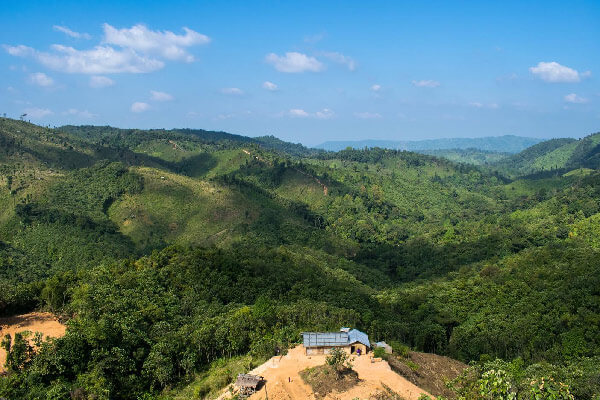
The Garo Hills, forming the western part of Meghalaya, are a stunning expanse of subtropical forests and undulating hills that serve as the ancestral home of the indigenous Garo tribe, who call themselves Achiks. This region is globally recognized for its immense biodiversity and is home to the Nokrek Biosphere Reserve, a UNESCO-protected site that preserves the mother germplasm of citrus fruits like the Citrus indica (wild orange). Geographically, the hills are divided into three districts—East, West, and South Garo Hills—offering a landscape rich in hidden limestone caves like Siju, majestic waterfalls, and dense national parks like Balpakram. The culture here is deeply rooted in matrilineal traditions, where lineage and inheritance are passed through the mother, and the vibrant Wangala Festival (the 100-drum festival) is celebrated annually to thank the sun god for a bountiful harvest. Unlike the more commercialised eastern parts of the state, the Garo Hills offer an untouched wilderness experience, making it a paradise for eco-tourists and researchers seeking rare species like the Red Panda and the Hoolock Gibbon.
11. Double Decker Living Root Bridge
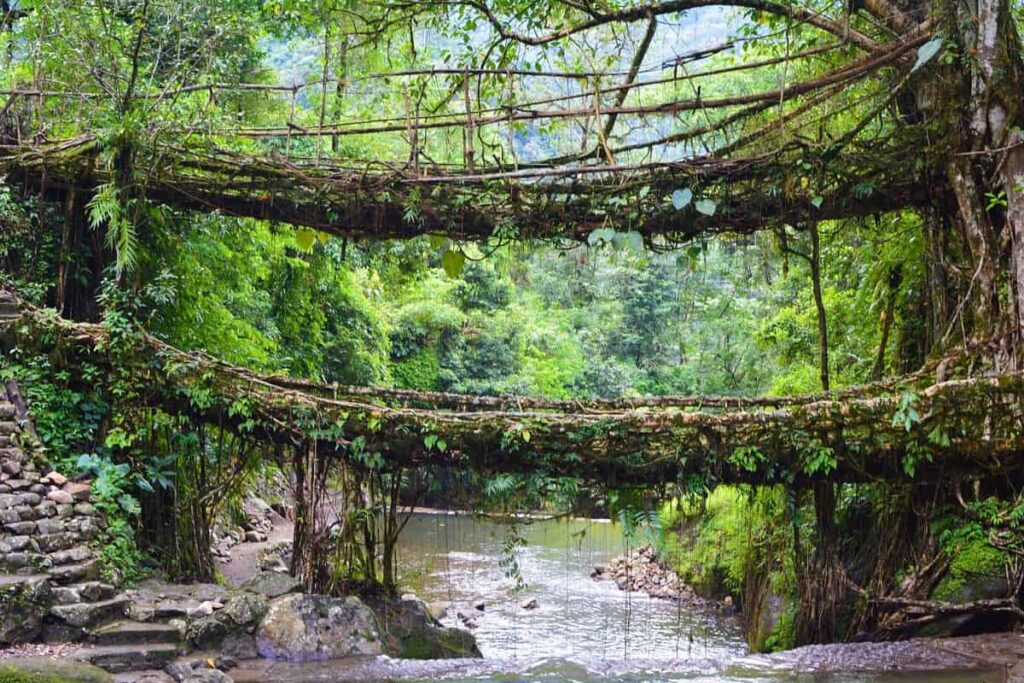
The Double Decker Living Root Bridge, located in the village of Nongriat near Cherrapunjee, is a world-renowned masterpiece of indigenous bio-engineering and a symbol of Meghalaya’s harmony with nature. Spanning across the Umshiang River, this unique structure was grown by the local Khasi tribe over several decades by guiding the aerial roots of the Ficus elastica (rubber tree) through hollowed-out betel nut trunks. Unlike wooden or steel bridges that decay in the region’s extreme humidity, these living bridges become stronger over time as the roots thicken and entwine. The bridge consists of two tiers of functional walkways, with the upper deck added when the lower one became submerged during particularly heavy monsoon floods. Reaching this site is a feat of endurance, requiring a trek of approximately 3,500 stone steps down a steep mountain ridge, crossing wire suspension bridges along the way. Today, it stands as a testament to the foresight of ancestral tribes and remains a top destination for eco-tourists and trekkers worldwide.
12. Mawlynnong
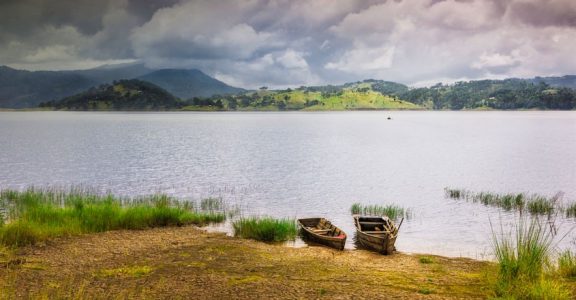
Mawlynnong, a small village in the East Khasi Hills of Meghalaya, is world-famous for its title as the “Cleanest Village in Asia,” first awarded by Discover India magazine in 2003. Often referred to as “God’s Own Garden,” the village is a model for community-based eco-tourism, where cleanliness is a deeply ingrained way of life. Every resident, from children to elders, participates in daily cleaning activities, using handwoven bamboo dustbins placed at every street corner to collect waste that is later converted into organic manure. The village boasts a 100% literacy rate and follows the traditional matrilineal system of the Khasi tribe, where property and lineage are passed through the mother. Popular attractions include the Nohwet Living Root Bridge (located nearby in Riwai), the Balancing Rock—a natural phenomenon where a massive boulder rests on a tiny stone base—and the Sky View Point, an 85-foot-tall bamboo tower offering panoramic views that stretch into the plains of Bangladesh.
13. Wakaba Fall
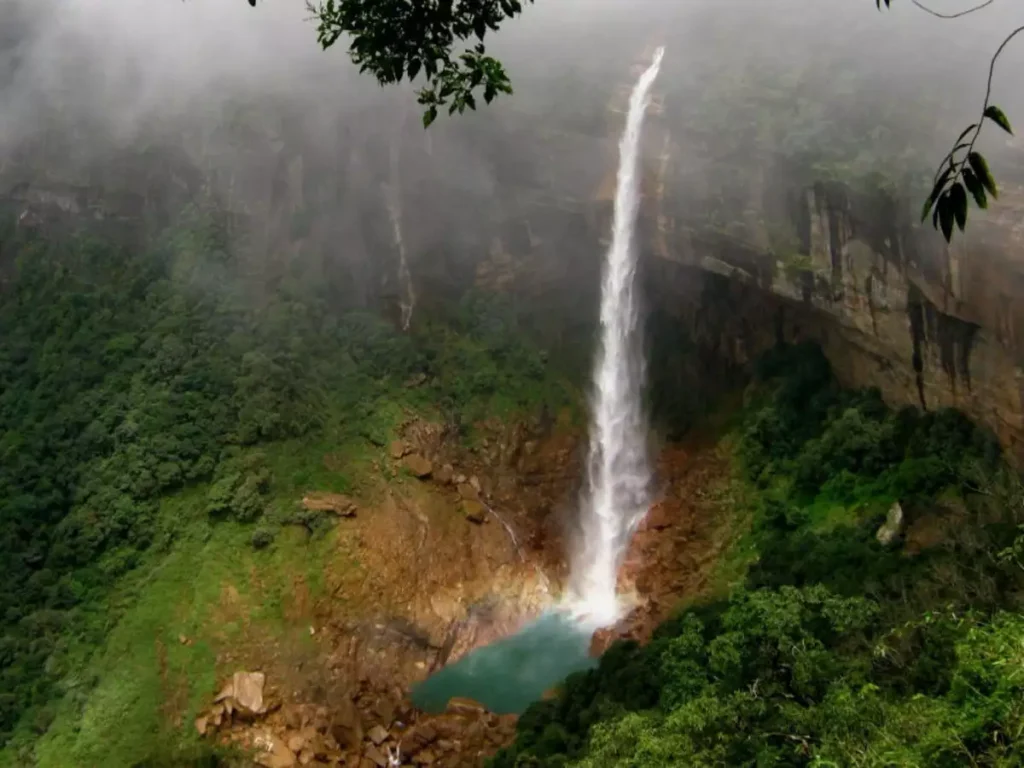
Wah Kaba Falls (often spelled as Wakaba Fall) is a spectacular two-tiered seasonal waterfall located approximately 15 km before Cherrapunji (Sohra) on the Shillong-Sohra highway. Perched atop a hill, the water cascades from a steep rocky cliff and plunges approximately 170–190 metres (600 feet) into a deep, verdant gorge, creating a dramatic visual and a “musical roar” that can be heard from a distance. One of its most unique features is the accessibility of its crest; visitors can walk along a well-laid path of roughly 300 to 400 stone steps to stand right at the edge of the plunge and look down into the canyon. Steeped in local folklore, a popular legend suggests that two fairies reside at the falls, adding an air of mystique to its natural beauty.
14. Krem Phyllut
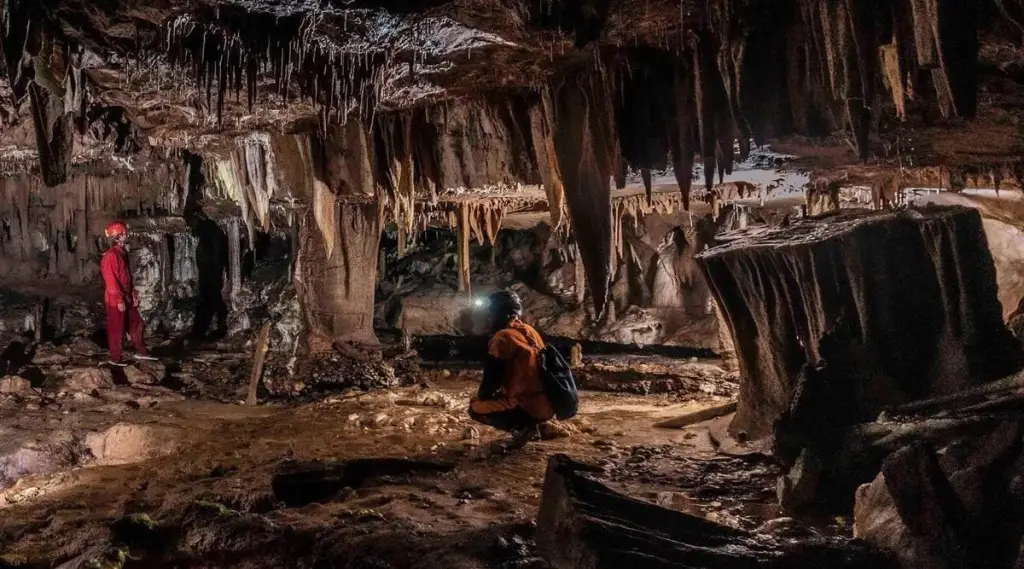
Krem Phyllut is a fascinating and relatively accessible cave system located in the Sohra (Cherrapunjee) region of Meghalaya, specifically situated toward the south of the Mawsmai area. Unlike some of the more rugged or vertical caves in the state, Krem Phyllut is known for its horizontal layout and multiple entry points, with three main entrances leading into its dark, limestone chambers. The cave is particularly noted for its scenic environment, featuring a tranquil stream that flows through its passages, which can create knee-deep water levels during the rainy season. Inside, visitors can witness impressive natural formations of stalactites and stalagmites, although it is generally considered a “dead cave” in certain sections because many of its formations have ceased to grow. Because it lacks the commercial lighting found in the nearby Mawsmai Cave, it offers a more authentic and adventurous experience for explorers who must rely on their own torches to navigate the shadows.
15. Nohkalikai Falls
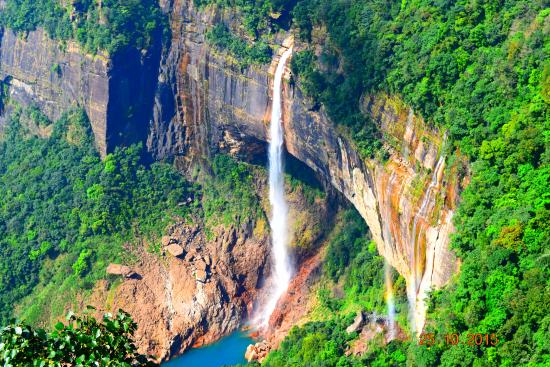
Nohkalikai Falls is the tallest plunge waterfall in India, cascading from a height of 340 metres (1,115 feet) near Cherrapunjee. It is a dramatic sight, featuring a massive stream of water that falls off a lush green plateau into a deep, turquoise-colored plunge pool. The falls are steeped in a tragic Khasi legend from which they get their name—”Nohkalikai” literally translates to “Jump of Ka Likai.” According to the folklore, a woman named Ka Likai jumped from the cliff after discovering that her second husband, in a fit of jealousy, had murdered her infant daughter and cooked her into a meal while she was away at work. Today, visitors view the falls from a well-maintained observation deck that offers a panoramic view of the vast gorge. The water remains a vibrant blue even in the dry season, but the falls are at their most powerful and thunderous during the monsoon months when heavy rains feed the plateau.
16. Dawki
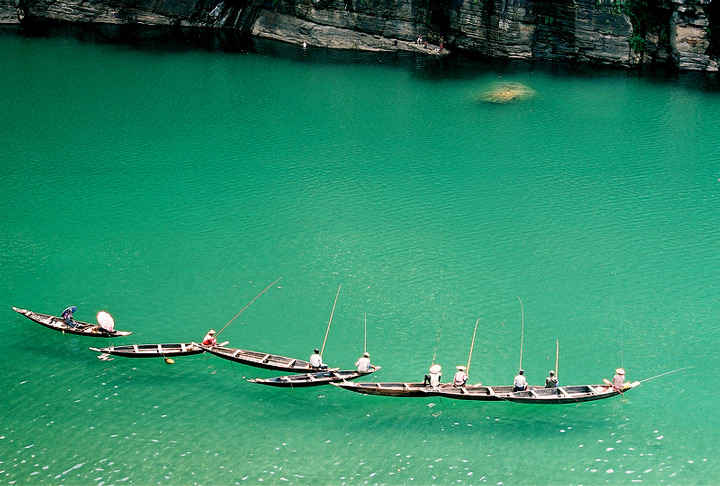
Dawki is a small but world-famous border town in the West Jaintia Hills of Meghalaya, best known for the breathtaking Umngot River, often cited as having the cleanest water in India. The river is so remarkably transparent that, during the sunnier months, country boats appear to be floating in mid-air over the riverbed. Dawki serves as a vital trade hub between India and Bangladesh via the Dawki Integrated Check Post, and it is architecturally marked by the historic Dawki Suspension Bridge, a British-era iron structure built in 1932 that connects the Khasi and Jaintia Hills. Visitors flock here primarily for boating, cliff jumping, and camping on the rocky riverbanks of Shnongpdeng, a nearby village that offers a more tranquil experience than the main town. Its location on the international border also allows tourists to stand just meters away from the “no-man’s land” at the Tamabil border crossing, making it a unique blend of natural beauty and geopolitical significance.
17. Thangkharang Park
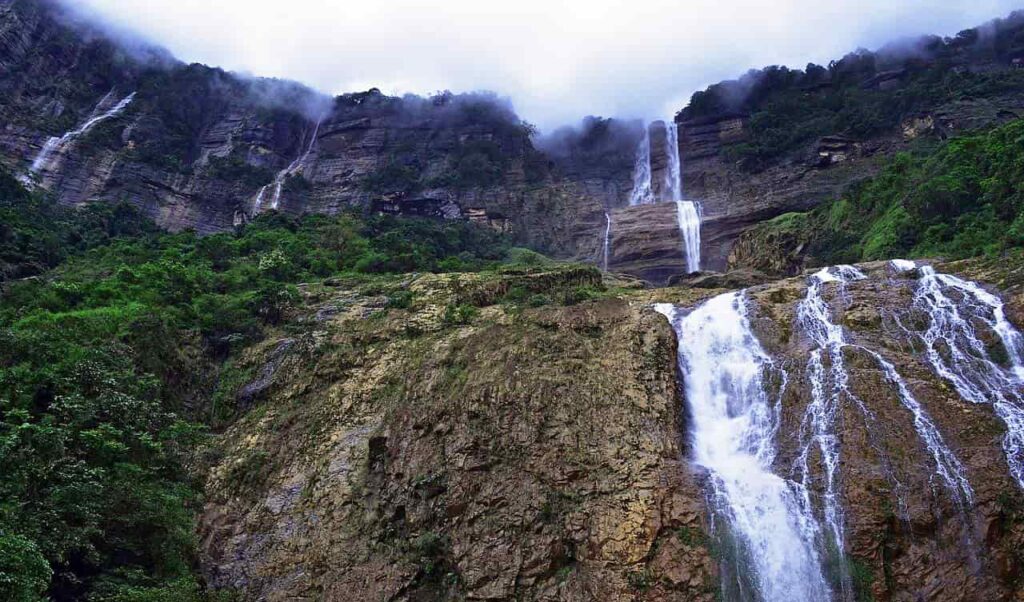
Thangkharang Park, managed by the State Forest Department, is a beautifully maintained park located about 12 km from Cherrapunji (Sohra). Perched on the edge of a high cliff, it offers one of the most spectacular views of the Kynrem Falls, which cascades down in three stages. The park’s primary highlight is the panoramic view of the Bangladesh plains and the winding rivers far below, which are especially clear on sunny days. Another unique feature inside the park is the Khoh Ramhah rock (also known as the Pillar Rock or Giant Basket), a massive natural stone formation shaped like a traditional Khasi basket. Visitors can wander through a small greenhouse of exotic orchids, walk along paved paths surrounded by seasonal blooms, and enjoy the peaceful atmosphere of its well-placed sitting areas. Because it sits at a high elevation, it is a perfect spot for photography and birdwatching, often feeling as if you are standing right among the clouds.
18. Khoh Ramhah
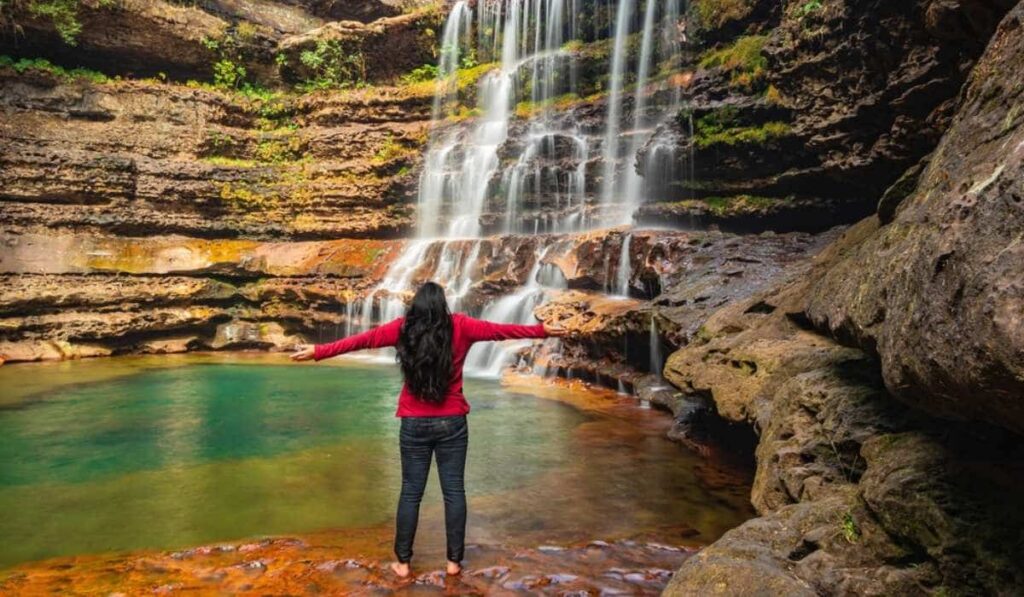
Khoh Ramhah, also popularly known as Pillar Rock or Mothorp, is a massive natural stone formation located near Cherrapunjee, right next to Thangkharang Park. This unique monolith is shaped like an inverted Khasi basket (known as a Khoh), standing tall against the backdrop of the deep, verdant valleys of Meghalaya. According to fascinating local Khasi folklore, the rock is actually the fossilised basket of an evil giant who used to trouble the nearby villagers; the villagers eventually tricked him into eating a meal filled with sharp iron nails, leading to his demise and leaving his basket behind to turn into stone. On a clear day, the site offers a stunning panoramic view of the sprawling plains of Bangladesh and the winding rivers below. During the monsoon season, the beauty of the rock is enhanced by two small waterfalls that flow gracefully behind it, creating a picturesque scene often enveloped in mysterious mountain mists. Visitors can climb to a viewpoint at the top of the formation via a small bridge, making it a favorite spot for photographers and nature lovers.
19. Ramakrishna Mission Ashrama
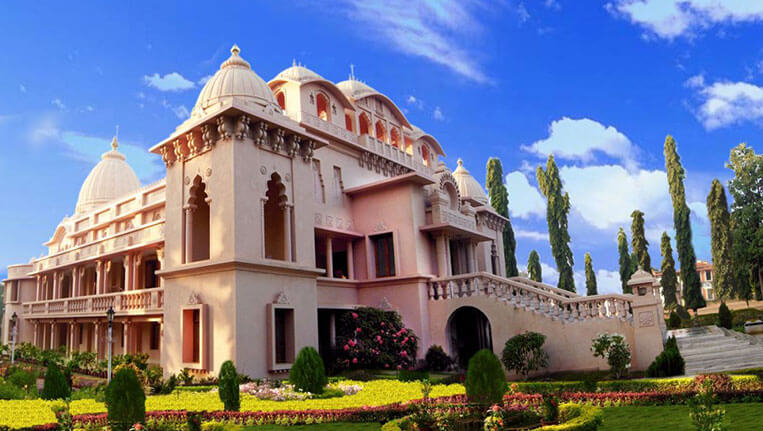
The Ramakrishna Mission Ashrama in Cherrapunjee (Sohra) is a premier educational and spiritual institution established in 1924 by Swami Prabhananda. Perched on a scenic hilltop, it was founded with the mission to provide quality education and healthcare to the indigenous tribal communities of the Khasi and Jaintia Hills. The Ashrama is architecturally significant for its beautiful temple, which blends traditional Indian styles with local influences, and it houses a unique anthropological museum that showcases the rich cultural heritage, traditional attire, and lifestyle of the Northeast Indian tribes. Beyond its spiritual activities, the mission operates a large network of schools and a prominent Higher Secondary school, playing a pivotal role in the high literacy rates of the region. Visitors often visit to experience the tranquil atmosphere of the temple, browse the well-stocked library, and purchase local handicrafts and publications from the mission’s bookstore.
20. Laitlum Canyons
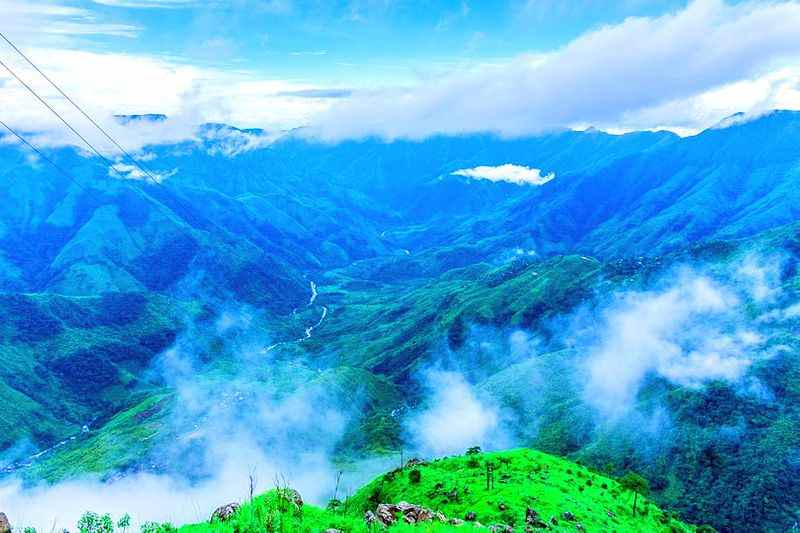
Laitlum Canyons, situated in the East Khasi Hills about 45 minutes from Shillong, is one of Meghalaya’s most breathtaking natural landscapes, aptly named “Laitlum,” which translates to “End of Hills.” This vast, yawning chasm offers a dizzying panoramic view of deep, verdant gorges and steep ridges that seem to drop off into infinity, often compared to the Scottish Highlands due to its rolling green meadows and misty atmosphere. Historically, the canyon served as a vital link for the remote village of Rasong, located at the very bottom of the valley; for decades, villagers used a rustic pulley system to transport food and supplies across the steep 3,000-step climb. The site gained mainstream fame after being featured in the Bollywood film Rock On 2, but it remains a peaceful retreat for trekkers and nature lovers who enjoy walking along the precarious rim of the cliffs. On clear days, you can spot thin, silver waterfalls cascading down the distant canyon walls and catch a glimpse of the plains of Bangladesh stretching out on the horizon.