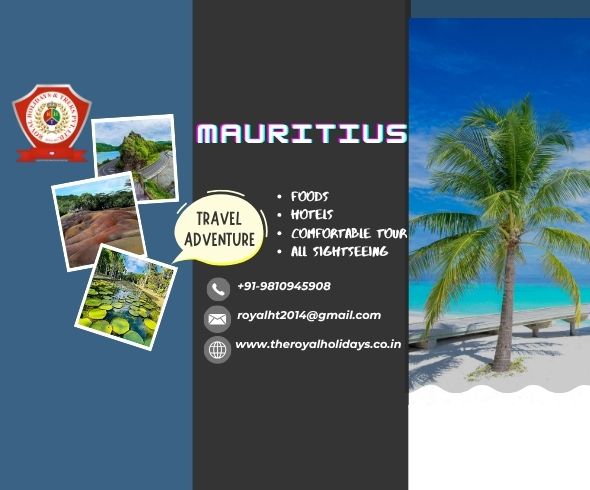
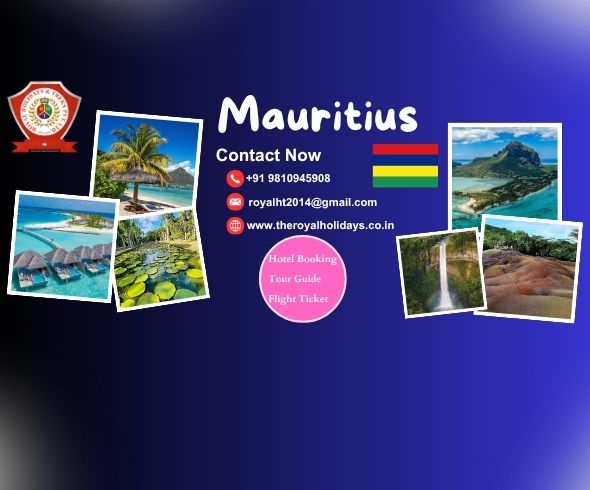
Mauritius is an exceptionally beautiful island nation situated in the Indian Ocean. Located to the east of Madagascar, it is renowned for its unique blend of natural beauty, diverse cultures, and economic success. It is often referred to as the “Star and Key of the Indian Ocean.” The island is famous for its magnificent volcanic mountains, pristine white-sand beaches, and the unique optical illusion of an “underwater waterfall” visible off the coast of Le Morne Brabant. Unlike many other tropical destinations, Mauritius is truly a melting pot of cultures, where people of Indian, African, Chinese, and European descent coexist harmoniously.
This diversity is most vividly reflected in the island’s vibrant Creole cuisine. Furthermore, the majority of its citizens are multilingual, speaking English, French, and Mauritian Creole. Beyond its luxurious resorts, the island stands as a leading example of stability within the African region. At one time, the now-extinct Dodo bird was found exclusively on this island. Today, Mauritius has evolved from a sugar-dependent economy into a modern hub for finance, technology, and high-end tourism. Consequently, it is regarded as one of the most prosperous and peaceful nations in the region.
Mauritius’s economy is often cited as one of Africa’s greatest success stories. It has successfully transformed itself from a poor, sugar-dependent nation into a diversified, high-income economy. Today, its economic resilience rests upon several key pillars: tourism, financial services, the textile industry, and information technology (IT).
Mauritius is widely considered to be one of the safest countries in Africa. It also serves as a very secure destination for international travelers. Thanks to its long-standing political stability and low rates of violent crime, the country consistently ranks high on the Global Peace Index. Most tourists enjoy their stay here without any trouble, whether they are relaxing in luxurious resorts or exploring local towns.
Most Famous And Attractive Tourist Places In Mauritius :
1. Mauritius National Botanical Garden – Witness The Huge Variety Of Plants

The Mauritius National Botanical Garden, formally known as the Sir Seewoosagur Ramgoolam Botanical Garden, is the oldest botanical garden in the Southern Hemisphere and a crown jewel of the island’s natural heritage. Located in Pamplemousses, this sprawling 37-hectare sanctuary is world-renowned for its huge variety of plants, featuring over 650 species, including the iconic Giant Amazon Water Lilies (Victoria amazonica) whose massive leaves can grow large enough to support a small child. The garden is also famous for its collection of 85 different varieties of palm trees brought from all corners of the globe, most notably the rare Talipot Palm, which blooms only once every 30 to 80 years and then dies. Beyond the flora, the garden offers a glimpse into history with its colonial-era “Chateau de Mon Plaisir” and an old sugar mill, all set amongst spice gardens of nutmeg and cinnamon that fill the air with a fragrant tropical aroma.
2. La Vallee Des Couleurs Nature Park – For A Great Exploration Experience
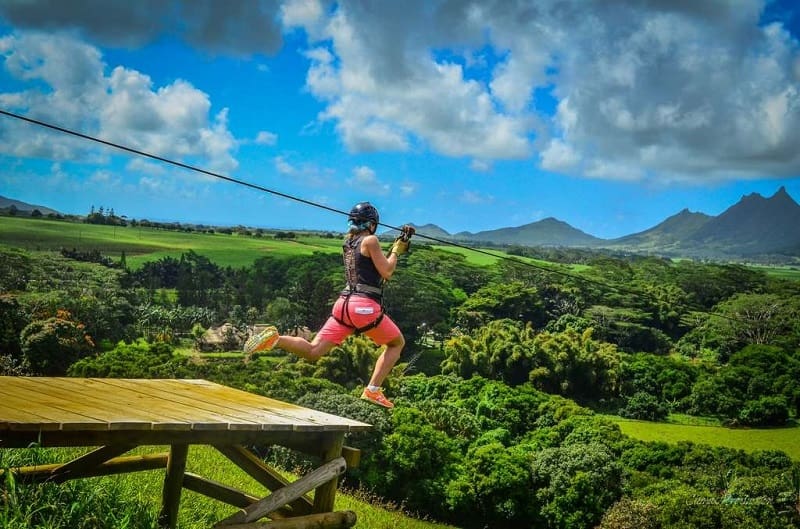
La Vallée des Couleurs Nature Park, located in the southern Chamouny region, is a premier destination for those seeking a great exploration experience that combines unique geological wonders with high-adrenaline adventure. The park is most famous for its stunning 23 Coloured Earth, a natural phenomenon where volcanic ash has formed a multi-hued landscape of vibrant reds, purples, and yellows. Unlike other parks, La Vallée des Couleurs offers a highly interactive way to explore its vast 450-acre terrain; visitors can trek to four majestic natural waterfalls, discover lush fern gardens, and witness the diverse local flora and fauna. For the more adventurous, the park features the longest zip line in the Indian Ocean, as well as mountain luge karting and quad bike tours that allow you to navigate the rugged volcanic plateaus and panoramic viewpoints overlooking the southern coastline.
3. La Vanille Crocodile Park – Witness The Breathtaking Creatures
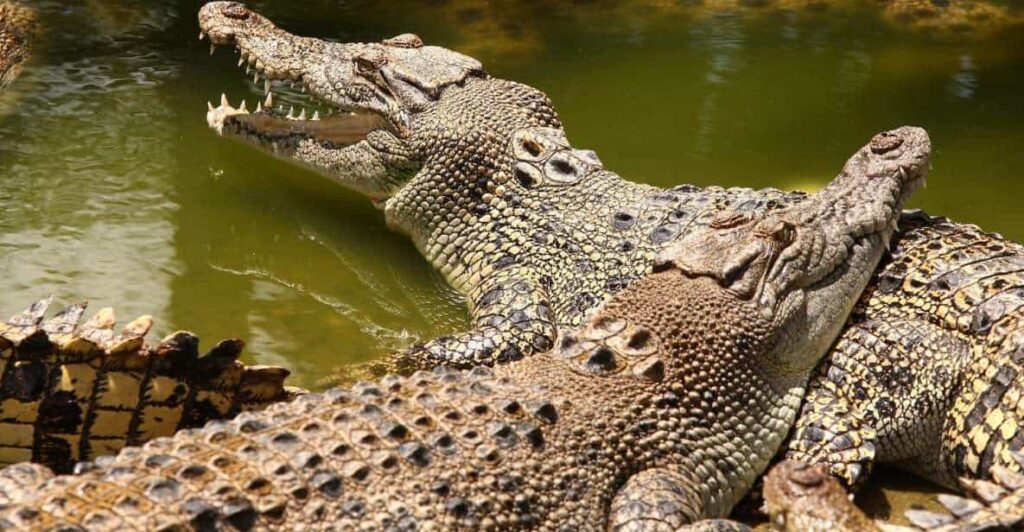
La Vanille Crocodile Park, located in the wild southern district of Rivière des Anguilles, is a lush tropical sanctuary that offers a unique opportunity to witness breathtaking creatures in a setting reminiscent of a prehistoric jungle. While the park is named for its thousands of Nile crocodiles, its most beloved residents are the hundreds of Giant Aldabra tortoises, some of which are over a century old and roam freely in a dedicated enclosure where visitors can interact with them. The park also houses an incredible Insectarium, one of the world’s largest private collections, featuring over 23,000 species of brightly coloured butterflies and rare beetles. Walking through the shaded paths of bamboo and palm trees, you can also spot monkeys, iguanas, and deer, making it a comprehensive wildlife experience that highlights the incredible biodiversity of the Indian Ocean region.
4. Casela Nature Park Segway – A Great Fauna Toura

Casela Nature Park, situated on the west coast of Mauritius, offers a truly unique fauna tour through its 4,500-hectare Yemen Reserve, especially when explored via Segway. This eco-friendly, two-wheeled adventure allows you to glide silently through the African-style savannah, getting much closer to the animals than a traditional noisy vehicle would permit. During the tour, you can witness a breathtaking array of wildlife in their natural habitat, including zebras, ostriches, African antelopes, and Java deer, all while framed by the stunning backdrop of the Rempart Mountain. The Segway’s maneuverability makes it an ideal way to navigate the park’s rugged terrain and hidden paths, providing an immersive “safari” feeling that combines the thrill of modern technology with the raw beauty of the Mauritian wilderness.
5. Chamarel Waterfalls – Largest Waterfall
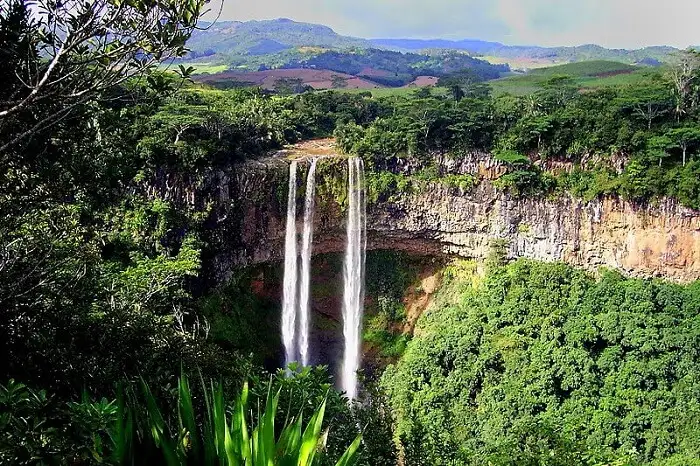
The Chamarel Waterfall is the tallest single-drop waterfall in Mauritius, plunging a staggering 100 metres (about 328 feet) down a sheer basalt cliff into an oval pool below. Fed by three distinct streams that join into the Saint Denis River, the waterfall is surrounded by the lush, primeval forests of the Black River Gorges. The site offers two main perspectives: a convenient upper observation deck that provides a panoramic view of the falls silhouetted against the turquoise Indian Ocean in the distance, and a more adventurous trekking trail that leads down to the base, where you can feel the powerful mist and swim in the natural pool. Its dramatic height and the vibrant green volcanic landscape make it one of the most iconic “postcard” locations on the island, symbolizing the raw, untamed beauty of the Mauritian interior.
6. Blue Bay Marine Park – Behold The Underwater World

Blue Bay Marine Park, located on the southeast coast of Mauritius near Mahebourg, is a premier destination for those who wish to behold the underwater world in its most pristine and accessible form. Designated as a protected marine sanctuary, the park is world-renowned for its exceptional water clarity and a massive coral garden that begins just a few metres from the shore. It houses more than 50 species of corals, including the rare 1000-year-old brain coral, and teems with a kaleidoscopic array of tropical fish such as parrotfish, trumpet fish, and butterflyfish. The shallow depth of the lagoon—ranging from 5 to 10 metres—makes it an ideal spot for snorkeling and glass-bottom boat tours, allowing even non-swimmers to witness the vibrant “underwater forest” and the bustling marine life that thrives in these crystalline turquoise waters.
7. Le Pouce – Ideal Place For Nature Lovers And Adventurers
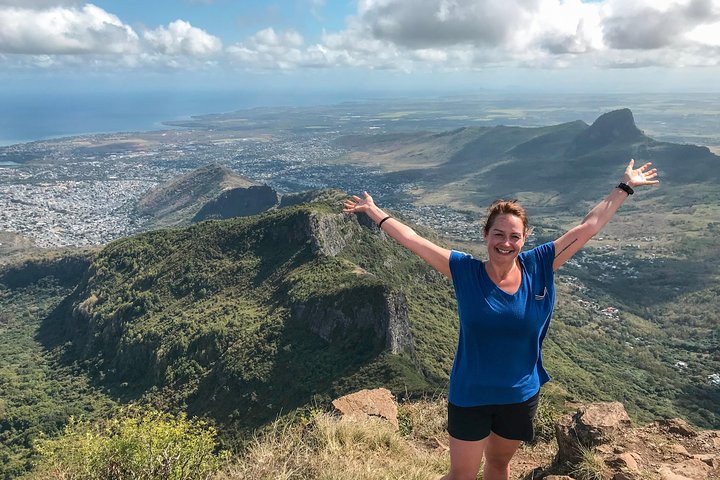
Le Pouce, the third-highest mountain in Mauritius at 812 metres, is widely considered an ideal place for nature lovers and adventurers due to its unique “thumb-shaped” peak and the rewarding 360-degree views it offers. Located in the Moka Range, the mountain earned its name (“The Thumb”) from its distinct basaltic pinnacle that stands out against the horizon. The trek is a favorite for adventurers because it transitions from a relatively easy walk through lush tropical forests and high-altitude grasslands to a more challenging, steep scramble near the very top. For nature lovers, the trail is a sanctuary for endemic flora, including rare mountain plants that are found nowhere else on the island. Once you reach the summit, you are rewarded with an unparalleled panoramic vista that includes the bustling capital of Port Louis, the northern islands, and the vast, emerald-green sugar cane plains of the interior.
8. Eureka House – Greenery And More
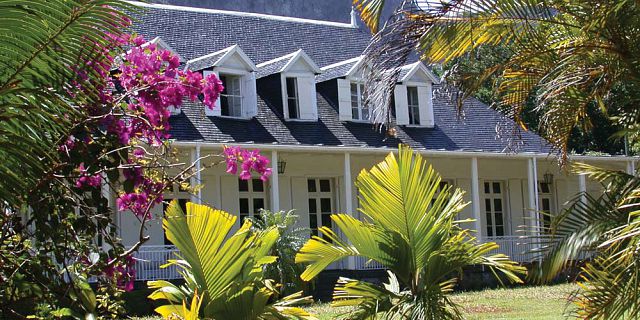
Eureka House, located in Moka, is a magnificent 19th-century creole mansion that offers a perfect blend of lush greenery and historical grandeur. Originally built in 1830, this architectural gem is famously known for having 109 doors and windows, designed to keep the interior cool in the tropical heat. The “more” in its description refers to its sprawling private estate, which features a spectacular botanical garden filled with endemic plants, mango trees, and palms, all set against the backdrop of the Moka River. A short walk through the verdant gardens leads visitors to hidden waterfalls and refreshing natural pools, making it a peaceful sanctuary that feels worlds away from modern life. Today, the house serves as a museum where you can explore antique furniture, old maps, and a dedicated music room, providing a vivid glimpse into the colonial lifestyle of the Mauritian aristocracy.
9. Sugar Museum – A Great Learning Experience

The Sugar Museum, known as L’Aventure du Sucre, is located in an enormous, converted old sugar factory in Pamplemousses and offers a great learning experience that is fundamental to understanding the identity of Mauritius. More than just a factory tour, the museum uses high-tech interactive displays and historical artifacts to narrate how sugar was the “gold” of the island for centuries, driving its economy, its diverse population, and its cultural evolution. Visitors walk through the original industrial machinery—massive vats, pipes, and centrifuges—while learning about the grueling history of slavery and indentured labour that built the industry. The tour concludes at the Boutique du Village, where the learning becomes sensory through a specialized tasting of 12 unrefined brown sugars and the island’s famous house-made rums, making it a comprehensive educational journey that connects the island’s bittersweet past to its modern-day flavours.
10. Blue Penny Museum – Learn The Historicity
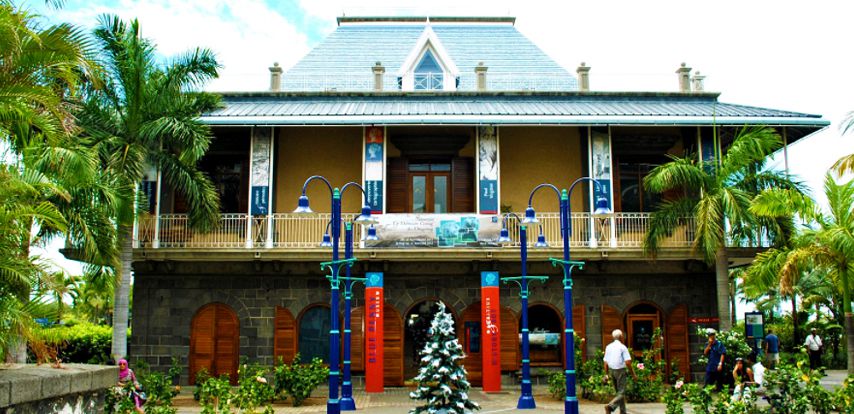
The Blue Penny Museum, located in the Caudan Waterfront of Port Louis, is a world-class cultural institution where visitors can learn the historicity of Mauritius through a curated collection of art, cartography, and rare philately. The museum is most famous for housing two of the world’s most precious stamps: the Red Penny and the Blue Penny, issued in 1847. These stamps are among the rarest in existence and symbolize the island’s historical status as a major node in the global British postal network. Beyond stamps, the museum serves as a chronological vault, guiding visitors through the various eras of the island—from its initial discovery and the Dutch, French, and British colonial periods to its modern independence. The galleries feature antique maritime maps, intricate navigational instruments, and the original legendary statue of Paul and Virginie, providing a deeply atmospheric look at the myths and realities that shaped the Mauritian identity.
11. Light House Of Albion – One Of The Best Attractions
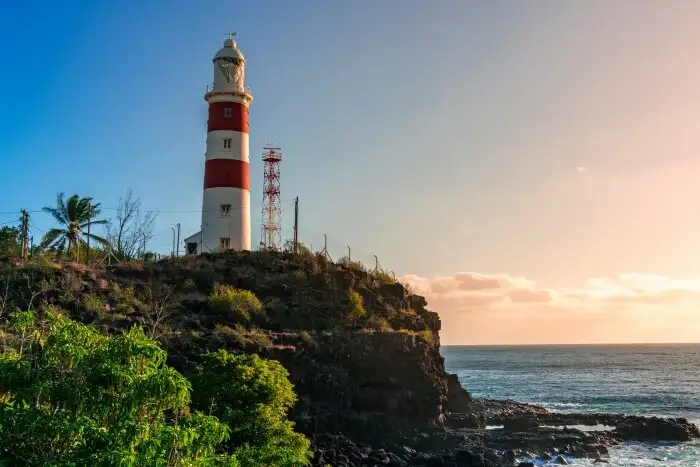
The Albion Lighthouse, also known as the Pointe aux Caves Lighthouse, is one of the most iconic and visually striking landmarks on the west coast of Mauritius, standing as one of the best attractions for those who appreciate maritime history and dramatic coastal scenery. Perched atop rugged, dark volcanic cliffs that drop sharply into the churning turquoise waters of the Indian Ocean, the lighthouse is famous for its classic red and white striped architecture, which has guided ships safely since its inauguration in 1910. Beyond its functional role, the site is a photographer’s paradise, offering a stunning contrast between the man-made tower, the golden savannah grass, and the deep blue sea. It is particularly renowned as a premier sunset viewpoint, where the sky transforms into a fiery canvas, casting a romantic glow over the entire headland. While the interior is often closed to the public, the sheer beauty of its exterior and the surrounding coastal paths make it a must-visit destination for a peaceful and scenic escape.
12. Mahebourg – For Food And Architecture

Mahebourg, the former capital of Mauritius, is a vibrant coastal town that serves as a living museum of the island’s rich food and architecture. Its streets are lined with a charming mix of colonial-style houses and traditional stone buildings, reflecting the Dutch, French, and British eras that shaped its history. The town’s architectural character is best seen in its historic churches, the National History Museum housed in a grand 18th-century mansion, and the famous biscuiterie Rault, where manioc biscuits have been made using the same traditional methods since 1870. For food lovers, Mahebourg is a culinary paradise, especially on Mondays when the local market (Bazaar) is in full swing. Here, you can sample authentic Mauritian street food like Dholl Puri, chili cakes (gateaux piment), and fresh seafood caught daily by the local fishermen, all while enjoying the scenic beauty of the waterfront and the historic Mahebourg Waterfront promenade.
13. Grand Bassin – For A Religious Experience
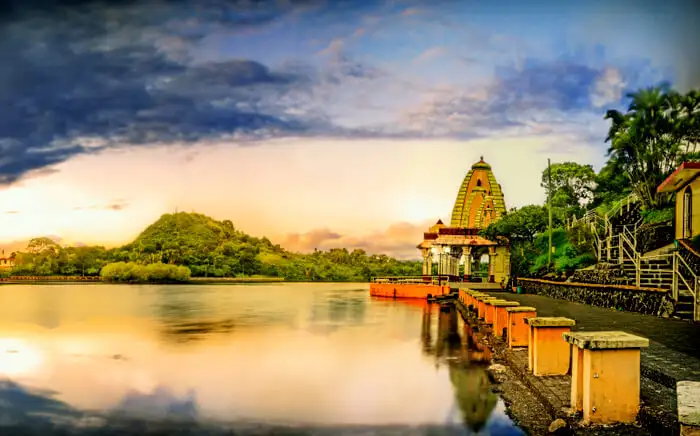
Grand Bassin, also known as Ganga Talao, is a sacred crater lake tucked away in the mountainous heights of the Savanne district and serves as the most important Hindu pilgrimage site in Mauritius. To visit is to immerse yourself in a profound religious experience; the air is often thick with the scent of incense and the sound of devotional hymns reflecting off the mist-covered water. According to local belief, the lake is spiritually connected to the holy River Ganges in India. The landscape is dominated by the colossal Mangal Mahadev and Durga Maa statues—the tallest on the island—which stand as majestic sentinels over the lake. Visitors can witness devotees offering fruits and flowers at various colourful shrines dedicated to Lord Shiva, Hanuman, and Lakshmi, or receive a blessing from a priest in the ornate temples. Whether you are there during the vibrant Maha Shivaratri festival, when hundreds of thousands of pilgrims walk to the lake, or on a quiet, misty morning, Grand Bassin offers a unique aura of peace and spiritual devotion.
14. Mauritius Photography Museum – Learn The History Of The Island
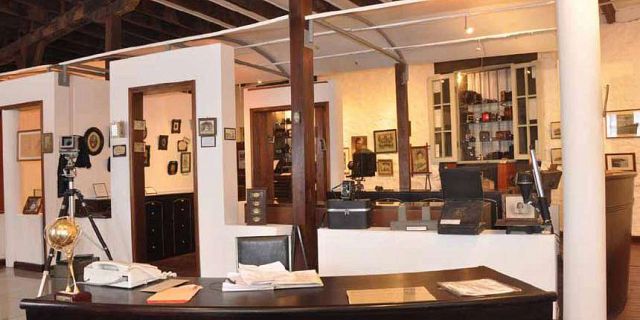
The Mauritius Photography Museum, tucked away in a charming 18th-century stone building in the heart of Port Louis, is a hidden gem that allows visitors to learn the history of the island through a rare and intimate visual lens. Founded by the passionate photographer Tristan Bréville, the museum houses one of the largest collections of photographic equipment and historical images in the Southern Hemisphere. Its galleries display the evolution of the island from the mid-1800s to the modern era, featuring the very first Daguerreotypes taken in Mauritius, which are among the earliest in the world. By browsing through thousands of meticulously preserved photographs, visitors can witness the changing faces of Port Louis, the old steam trains that once crisscrossed the island, and the vanished landscapes of the colonial sugar estates. It is a nostalgic journey that provides a profound “eye-witness” account of the social and cultural transformation of the Mauritian people.
15. Rodrigues – For A Recreational Time
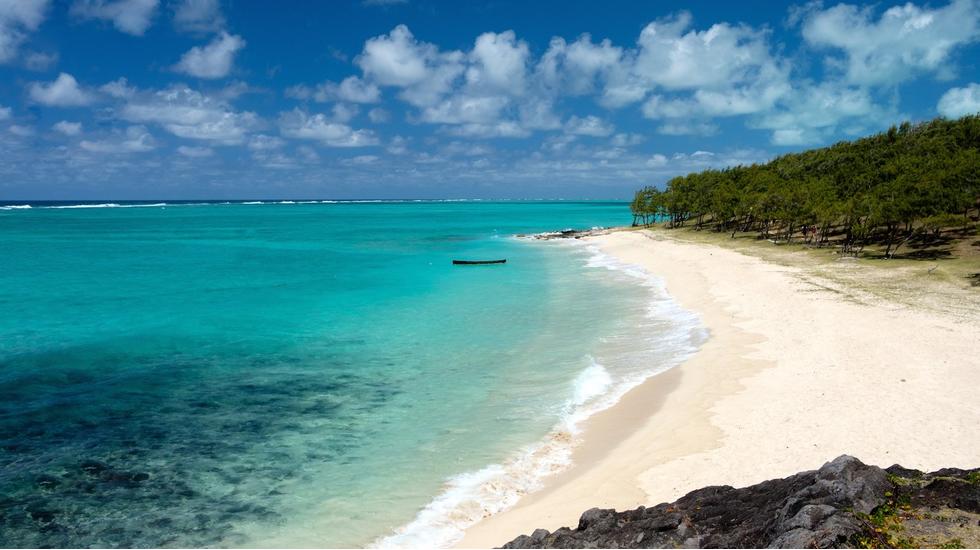
Rodrigues Island, a volcanic gem located about 560 kilometres east of mainland Mauritius, is the ultimate destination for a recreational time defined by slow-paced living and outdoor adventure. Often called the “Cinderella of the Mascarenes,” this autonomous island remains untouched by mass tourism, offering a raw and authentic landscape of rugged hills, hidden coves, and a massive, crystal-clear lagoon that is twice the size of the island itself. It is a playground for recreational activities such as world-class kitesurfing, windsurfing, and deep-sea fishing. For those who prefer land-based leisure, the island features scenic coastal trekking paths that lead to secluded beaches like Trou d’Argent, and the fascinating François Leguat Giant Tortoise and Cave Reserve. Whether you are exploring the bustling Saturday market in Port Mathurin or zip-lining across lush canyons, Rodrigues provides a refreshing “digital detox” where the primary recreation is connecting with nature and the warm, rhythmic culture of the local Creole community.
16. Aapravasi Ghat – A UNESCO World Heritage Site
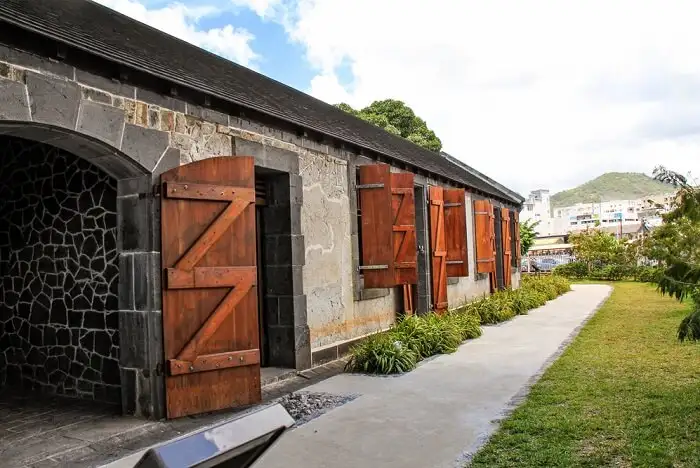
Aapravasi Ghat, located on the bay of Port Louis, is a profoundly significant UNESCO World Heritage Site that serves as a powerful memorial to a major turning point in global history. This 19th-century immigration depot is the site where the British colonial government first implemented the “Great Experiment”—the large-scale use of indentured labour to replace enslaved people after the abolition of slavery in 1834. Between 1849 and 1923, nearly half a million labourers, primarily from India, arrived at these stone steps to be processed before being sent to sugar estates across the island and beyond. Today, the ruins of the hospital, kitchens, and the iconic 14 stone steps remain as a symbol of the struggle, resilience, and cultural heritage of the ancestors of the modern Mauritian population. It is a site of deep reflection, documenting the birth of a multicultural nation and the global shift from slavery to a new system of contract labour.
17. Chateau de Labourdonnais – Reflection Of Victorian Era
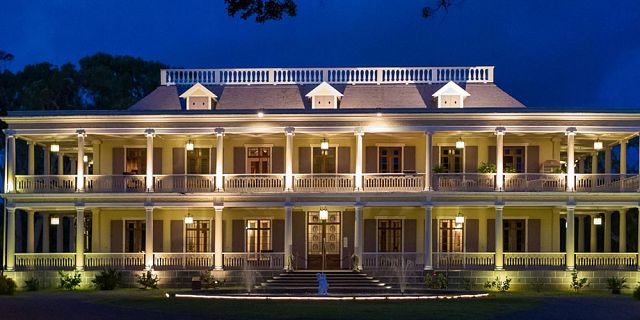
The Château de Labourdonnais, located in the heart of a lush estate in Mapou, is a magnificent colonial mansion that serves as a living reflection of the Victorian era in Mauritius. Restored to its former glory in 2006, the château is a masterpiece of neoclassical architecture, featuring a grand double-colonnaded veranda and symmetrical design that epitomised the high-society lifestyle of the 19th-century sugar barons. Inside, visitors can explore beautifully preserved rooms furnished with authentic Victorian-style pieces, intricate woodwork, and vintage wallpapers that transport you back to a time of opulent garden parties and colonial elegance. The estate surrounding the house is equally impressive, boasting centenarian orchards and a “garden of tastes” where endemic plants and fruit trees thrive. Beyond its architectural beauty, the château is also a hub for sensory experiences, housing a distillery that produces award-winning rums and a gourmet restaurant, seamlessly blending the island’s historical heritage with modern-day luxury.
18. L’Adventure du Sucre – Historicity Of Sugar Production
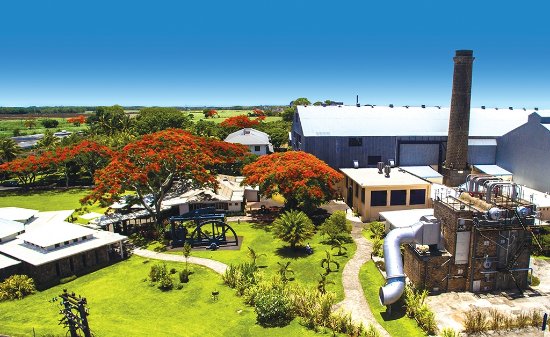
L’Aventure du Sucre, situated in a massive, decommissioned sugar factory in Pamplemousses, is an award-winning museum that masterfully chronicles the historicity of sugar production in Mauritius. For centuries, sugar was the “gold” of the island, and this museum takes visitors on a chronological journey from the initial discovery of the island to the modern era, explaining how the sugarcane industry dictated the country’s economy, its diverse population, and its very landscape. You walk through the original industrial heart of the factory, surrounded by gargantuan machinery, rusted pipes, and towering vats that once hummed with activity. The exhibits do not shy away from the bittersweet reality of the industry, detailing the arduous lives of the enslaved people and indentured labourers who built the nation’s wealth. The experience concludes with a sensory exploration at the Boutique du Village, where you can engage in a professional tasting of 12 unrefined sugars and local rums, connecting the historical industrial process directly to the unique flavours of Mauritius.
19. Champ de Mars Racecourse – Experience The Adrenaline Rush
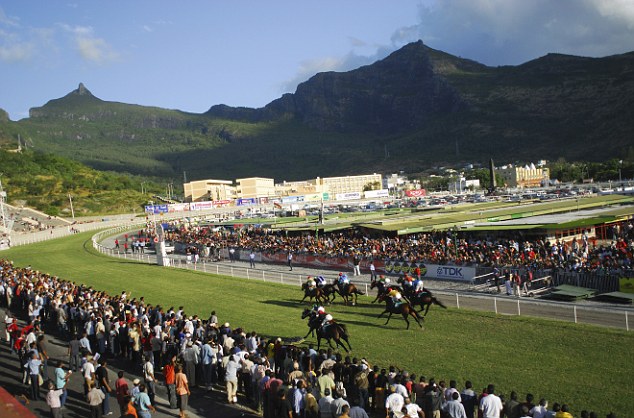
The Champ de Mars Racecourse, located in Port Louis, is the oldest horse-racing track in the Southern Hemisphere and the second oldest in the world, offering a unique opportunity to experience the adrenaline rush of Mauritian “turf” culture. Established in 1812 by the British, this historic oval track is the beating heart of local sporting life, especially on weekends during the racing season. The atmosphere is electric as thousands of passionate fans gather to cheer on their favourites, with the air filled with the thundering sound of hooves and the vibrant shouts of the crowd as horses sprint toward the finish line against the backdrop of the majestic Moka Mountains. Whether you are placing a small bet in the bustling betting rings or enjoying a cocktail in the elegant VIP suites, the racecourse provides a high-energy spectacle that blends colonial tradition with a raw, modern-day excitement that is unmatched anywhere else on the island.
20. Grand Baie Bazaar – Endless Variety
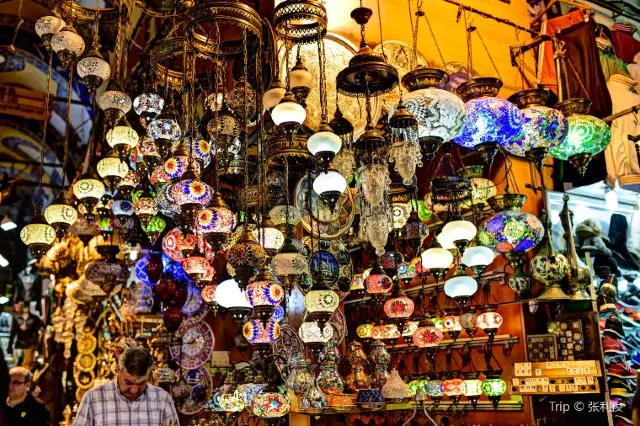
Grand Baie Bazaar, located in the heart of the island’s most popular coastal village, is a vibrant and bustling marketplace renowned for offering an endless variety of goods that cater to both locals and tourists. Unlike the high-end boutiques found in the nearby luxury malls, the bazaar provides a more traditional and energetic shopping experience where you can find everything from colourful beachwear and hand-crafted souvenirs to intricate model ships and local spices. The narrow alleys are lined with stalls overflowing with textiles, embroidered linens, and pashminas, alongside a massive collection of “look-alike” designer accessories and artisanal Mauritian handicrafts made from straw or wood. Part of the allure is the lively atmosphere of haggling, where a friendly negotiation can land you unique treasures at a fraction of the price. Whether you are looking for a last-minute swimsuit or a sentimental gift to take home, the bazaar’s sheer diversity makes it a treasure hunter’s paradise.
21. Port Louis Market – From Dining To Shopping
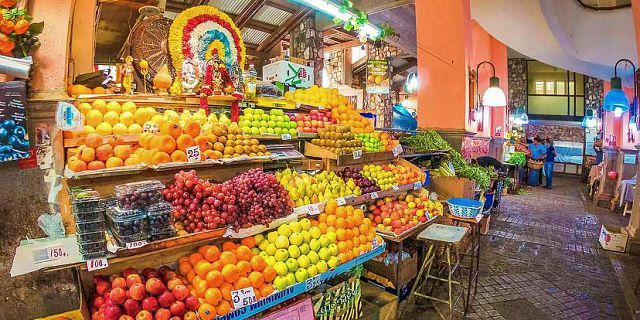
The Port Louis Market, also known as the Central Market, is the historic soul of the capital city and a vibrant destination that takes you from dining to shopping in one sensory-filled location. Established during the Victorian era, the market is divided into several distinct sections, each offering a different slice of Mauritian life. On the ground floor, you can experience authentic local dining at the food stalls, where locals queue for the island’s best Dholl Puri, chili cakes, and the refreshing pink milk drink known as Alouda. As you move further in, the shopping experience becomes an “endless variety” of exotic fruits, medicinal herbs, and hand-crafted wicker baskets. The upper floor is a treasure trove for souvenir hunters, overflowing with colourful textiles, traditional pareos, and handcrafted wooden dodo birds. With its bustling atmosphere and the sweet scent of herbal teas mixing with the aroma of street food, the market is the ultimate place to experience the authentic “melting pot” culture of Mauritius.
22. Moka – For A Fun Lifestyle Shopping
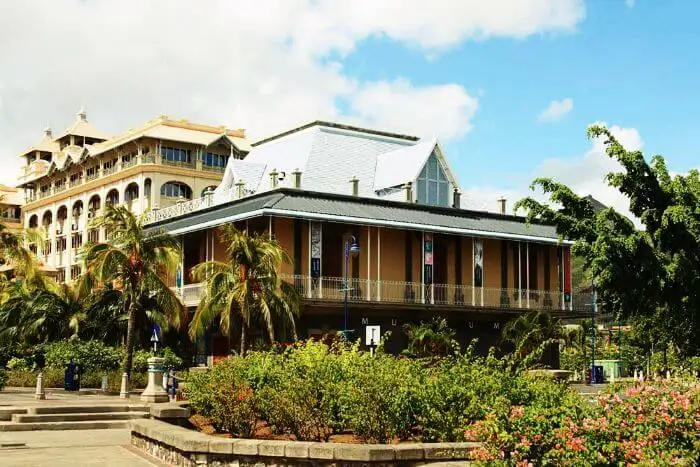
Moka, often referred to as the “Heart of Mauritius,” has evolved into the island’s premier destination for a fun lifestyle shopping experience, seamlessly blending modern retail with a scenic mountain backdrop. The centerpiece of this lifestyle is the Bagatelle Mall, the island’s most popular shopping destination, which houses over 150 stores ranging from global fashion brands to local designer boutiques. Unlike traditional markets, shopping in Moka is designed as a full-day leisure activity; the area features wide, pedestrian-friendly boulevards, vibrant food courts, and the “Bagatelle Market,” which mimics a high-end traditional bazaar. The atmosphere is energetic and cosmopolitan, offering a “fun” mix of high-street shopping, artisanal home decor, and entertainment options like cinemas and play areas. With its cool, upland climate and organized urban layout, Moka provides a sophisticated yet relaxed environment where shopping feels less like a chore and more like a social, lifestyle event.
23. Mahebourg Market – For A Great Flea Market Experience

The Mahebourg Market, also known as the Mahebourg Bazaar, offers a great flea market experience that is widely considered the most authentic and traditional on the island. While a small version of the market operates daily, it truly comes to life every Monday, when it transforms into a sprawling, high-energy event where vendors from across the country gather to sell an “endless variety” of goods. Walking through the colorful stalls, you’ll find everything from hand-woven baskets and traditional Mauritian textiles to affordable clothing, local electronics, and unique antiques. The atmosphere is vibrant and quintessentially local, characterized by the rhythmic calls of vendors and the lively art of haggling. Because it is situated right on the scenic waterfront, you can alternate between hunting for “flea market” treasures and enjoying the cool sea breeze, making it a perfect blend of shopping and coastal sightseeing.
24. Le Craft Market – For All The Crafty Stuff

Le Craft Market, situated in the vibrant Caudan Waterfront of Port Louis, is a dedicated two-story sanctuary for anyone looking for all the crafty stuff that defines Mauritian heritage. Unlike the general bustling bazaars, this market focuses specifically on high-quality, handmade artisanal products created by local craftsmen from across the island. The air here is often filled with the sweet scent of tropical hardwoods and essential oils as you browse through stalls overflowing with intricate ship models, hand-painted pareos, and delicate embroidery. It is the premier destination for finding “crafty” treasures like coconut-shell jewellery, colourful glassware, and the island’s signature hand-woven baskets made from vacoas or raffia leaves. Because the environment is more relaxed and upscale than the central market, it allows for a peaceful shopping experience where you can appreciate the fine details of the craftsmanship and often meet the artists behind the work.
25. Quatre Bornes Market – Numerous Options
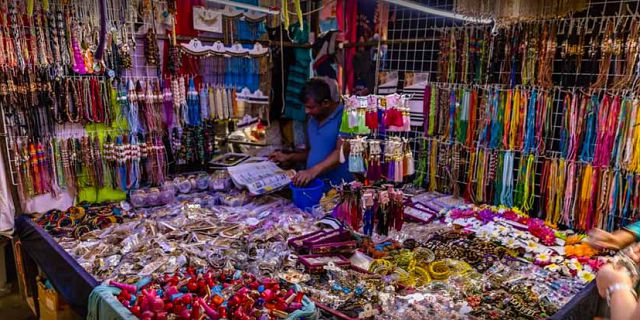
Quatre Bornes Market, located in the heart of the central plateau, is a legendary shopping destination in Mauritius, famous for providing numerous options particularly in textiles and clothing. While the market is open every day, it truly transforms on Thursdays and Sundays into a massive, high-energy textile bazaar that attracts locals from across the island. The labyrinthine aisles are packed with an incredible variety of goods, ranging from trendy high-street fashion and traditional Indian wear like sarees and kurtas to high-quality kitchen linens, embroidered fabrics, and colorful pashminas. Beyond clothing, you can find numerous options for home decor, carpets, and locally made handicrafts. The atmosphere is bustling and lively, offering a authentic “bargain hunter’s” experience where the sheer volume of choices and the rhythmic calls of the vendors make it one of the most exciting commercial hubs on the island.
26. Flacq Market – For Clothes And Food
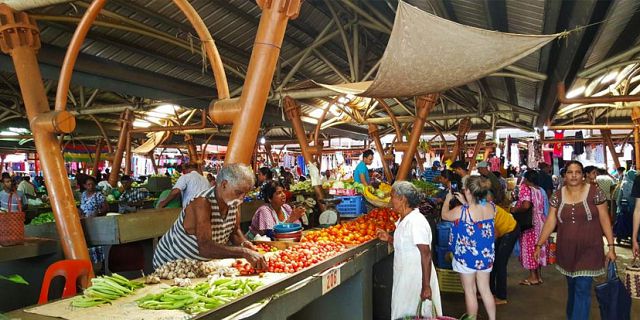
Flacq Market, located in the eastern village of Centre de Flacq, is the largest outdoor market in Mauritius and a vibrant destination for clothes and food enthusiasts. This sprawling market is most famous for its Sunday sessions, where it transforms into a high-energy hub where locals and tourists alike mingle among hundreds of colorful stalls. The clothing section offers an “endless variety” of affordable textiles, ranging from trendy casual wear and traditional Indian attire to high-quality linens and handcrafted accessories. Simultaneously, the market is a sensory paradise for food lovers; the air is filled with the aroma of fresh spices, sun-ripened tropical fruits like mangoes and pineapples, and the savory scent of authentic Mauritian street food. Here, you can watch vendors expertly prepare hot Dholl Puri and Gateaux Piment right before your eyes, making it a comprehensive cultural experience where you can shop for a new wardrobe and dine like a local in a single visit.
27. Bagatelle Mall – One-Stop Shopping Place
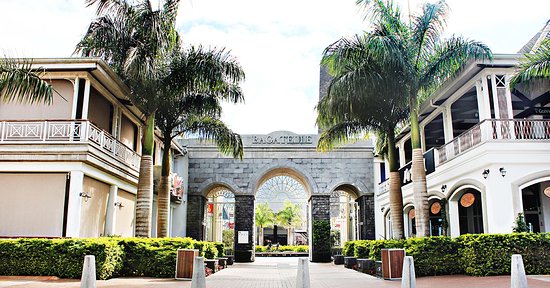
Bagatelle Mall, located in the Moka region, is the premier one-stop shopping place in Mauritius, offering a sophisticated and comprehensive retail experience that rivals international standards. Spanning a massive area with over 150 stores, the mall serves as a centralized hub where you can find everything from global high-street fashion brands like H&M and Mango to high-end local designer boutiques and electronics. Its “one-stop” nature extends beyond just retail; it houses a massive hypermarket, a state-of-the-art cinema complex, and a diverse range of banking and telecommunication services, making it possible to complete all your errands in a single visit. The mall’s architectural design is modern and spacious, featuring wide, air-conditioned boulevards that provide a comfortable escape from the tropical heat, while its scenic location at the foot of the Moka Mountains adds a touch of natural beauty to the shopping experience.
28. Tamarin Beach – Impeccable Beauty
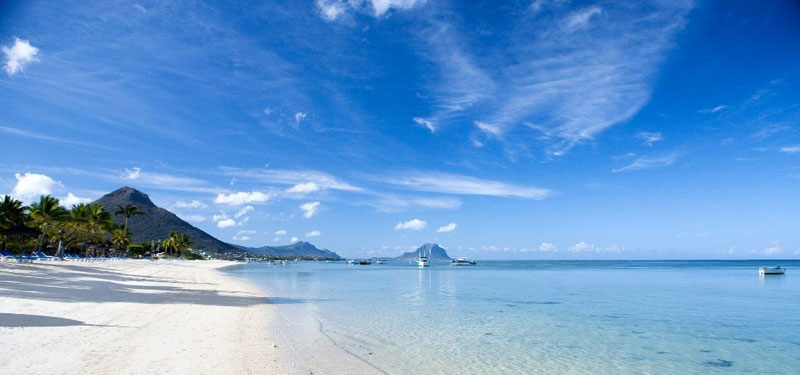
Tamarin Beach, located on the scenic west coast of Mauritius at the foot of the majestic Black River mountain range, is celebrated for its impeccable beauty and raw, untamed character. Unlike the calm, turquoise lagoons found elsewhere on the island, Tamarin is famous for its unique dark volcanic sand and the powerful waves of the Indian Ocean that roll directly onto the shore through a break in the coral reef. This “black sand” beach offers a dramatic visual contrast against the deep blue sea and the emerald-green peaks of Rempart Mountain, creating a landscape that looks like a masterpiece of nature. It is particularly renowned as a haven for wild dolphins, who can often be seen frolicking in the bay during the early morning hours. As the sun sets, the beach is bathed in a golden, ethereal light, making it a premier destination for those who appreciate a rugged, authentic, and “impeccable” tropical vista away from the manicured resort crowds.
29. Le Plate Island – Leisurely Escape

Île Plate, also known as Flat Island, is an expansive, uninhabited islet located off the northern coast of Mauritius, offering a true leisurely escape for those looking to flee the mainland’s bustle. True to its name, the island is mostly flat, but it is dominated by a historic, scenic lighthouse perched on a singular hill, which provides a striking silhouette against the horizon. The island is surrounded by a vast, shallow lagoon with waters so clear they appear white over the sandy floor, making it a dream destination for relaxed swimming and snorkeling among colorful reef fish. Because it is only accessible via a scenic catamaran cruise from Grand Baie, the journey itself is part of the “leisurely” experience, often involving a barbecue lunch on deck, local sega music, and hours of sunbathing as you zip across the deep blue of the Indian Ocean.
30. Le Souffleur – For Mythical Sight

Le Souffleur, located on the rugged southern coast of Mauritius near the village of L’Escalier, offers a truly mythical sight that showcases the raw and untamed power of the Indian Ocean. This natural wonder is a spectacular “blowhole” formed by a half-open grotto in the volcanic rock; when large waves crash into the cliff with immense force, the water is compressed and geysers up through a chimney-like hole, creating a thundering spray that can reach heights of nearly 20 metres. The sight is often described as mythical because the sound of the air being sucked out before each eruption resembles a great “whistle” or a giant breathing, which has inspired numerous local legends. Surrounded by jagged black basalt cliffs and the wild, foaming sea, the entire area feels like a prehistoric landscape, offering a dramatic and awe-inspiring contrast to the calm, white-sand beaches found in the north.