


Kullu, known as the “Valley of the Gods” or Dev Bhumi, is a vast open valley situated in Himachal Pradesh. It is located along the banks of the Beas River, at an altitude of approximately 1,230 meters. Renowned for its expansive pine and deodar forests, extensive apple orchards, and snow-capped Himalayan peaks, Kullu serves as a major hub for both spiritual seekers and adventure enthusiasts. Its economy relies primarily on tourism, horticulture, and a thriving handloom industry that produces world-famous items such as Kullu shawls, caps, and scarves.
Kullu’s economy is primarily sustained by three pillars: tourism, agriculture (specifically fruit orchards), and hand-woven textiles. Given its designation as the “Valley of the Gods,” millions of tourists visit annually to admire its mountains and rivers. This influx generates employment for thousands of locals, working in hotels, restaurants, and as adventure guides for activities such as rafting and paragliding.
Another significant component of the economy is apple cultivation; Kullu is celebrated for its sweet apples, as well as other fruits like plums and pears, which are marketed across India. Finally, the town is globally renowned for its weaving industry, where local artisans craft exquisite Kullu shawls and caps. Kullu is considered a safe destination for travelers. The local community is hospitable, and the state of Himachal Pradesh is known for its peaceful character, boasting a crime rate significantly lower than that of many other parts of India.
Most Famous And Attractive Tourist Places In Kullu :
1. Great Himalayan National Park
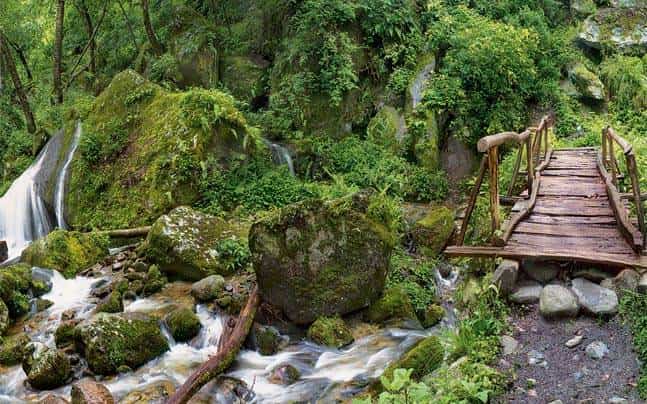
The Great Himalayan National Park (GHNP), a UNESCO World Heritage Site located in the Kullu region, is one of India’s most significant biodiversity hotspots, spanning an area of approximately 1,171 square kilometres. Situated at the junction of the Indomalayan and Palearctic realms, the park’s altitude ranges from 1,500 to 6,000 metres, creating a diverse landscape of alpine peaks, lush meadows, and dense riverine forests. It is a vital sanctuary for several endangered species, most notably the elusive Snow Leopard, the Himalayan Brown Bear, and the Western Tragopan, a rare pheasant that serves as the state bird of Himachal Pradesh. Unlike many other parks, GHNP is strictly protected and does not have motorable roads; access is primarily through multi-day trekking trails, such as those in the Tirthan and Sainj valleys. This lack of commercial infrastructure has preserved its pristine ecosystem, making it a premier destination for eco-tourists, serious trekkers, and researchers who wish to experience the raw, untouched beauty of the high Himalayas.
2. Raghunath Temple
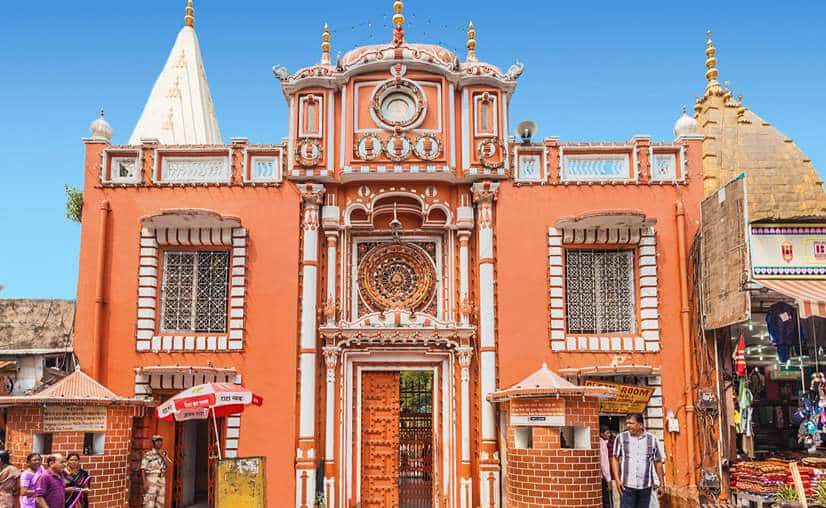
The Raghunath Temple is the most significant religious landmark in Kullu, dedicated to Lord Raghunath (an incarnation of Lord Rama), who is considered the presiding deity and “King” of the entire Kullu Valley. Built in the 17th century (around 1660 AD) by Raja Jagat Singh, the temple features a unique blend of Pyramidal and Indo-Aryan architectural styles. According to legend, the Raja brought the idol of Lord Rama from Ayodhya as an act of penance to seek forgiveness for a grave mistake. Today, the temple serves as the spiritual heart of the region, especially during the world-famous Kullu Dussehra festival, where all local village deities are brought to the Dhalpur Maidan to pay their respects to Lord Raghunath. The temple complex, located within the Sultanpur Palace area, offers a peaceful atmosphere and provides a deep insight into the rich cultural and royal heritage of the Kullu Valley.
3. Hot Springs At Manikaran
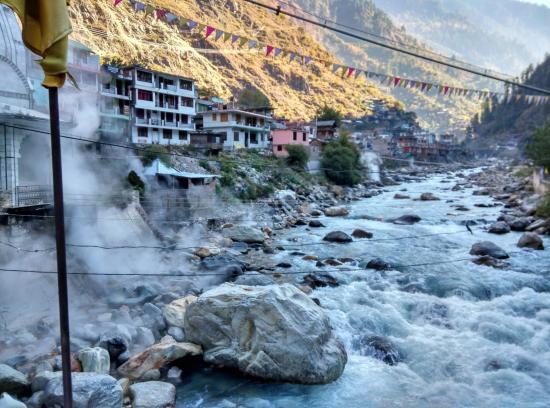
The Manikaran Hot Springs are famous natural pools located in the Parvati Valley of Himachal Pradesh, right next to the Parvati River. These springs are unique because the water is extremely hot—often near boiling—due to natural heat coming from deep inside the earth. The water is so hot that the local Gurudwara actually uses it to cook rice and lentils for pilgrims! People from all over the world visit Manikaran because the water is rich in minerals like sulfur, which many believe can heal skin problems and joint pain. For visitors, there are special bathing tanks where the water is cooled down to a comfortable temperature so you can soak and relax. Whether you visit for religious reasons or just to see the steam rising from the riverbank, it’s a fascinating place where nature’s “stove” is always running.
4. Friendship Peak
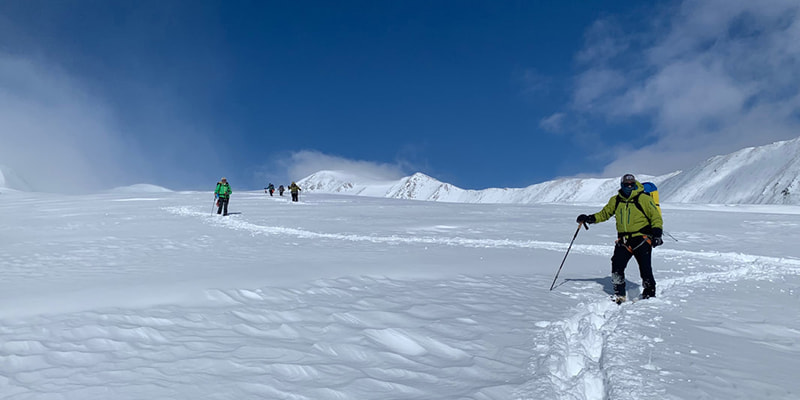
Friendship Peak is a popular trekking peak standing at an elevation of 5,289 metres (17,352 feet) in the Beas Kund region of the Pir Panjal Range, near Manali. It is highly sought after by adventure enthusiasts because it is one of the few peaks in the Indian Himalayas that does not require formal mountaineering training or a climbing permit, though it still offers a genuine summit experience. The climb transitions from lush green meadows and alpine forests at Solang Valley to rugged moraines and eventually glaciated snow slopes that require the use of crampons and ice axes. From the summit, climbers are rewarded with breathtaking 360-degree views of prominent peaks like Hanuman Tibba, Shitikhar, and the Seven Sisters. While it is technically accessible for fit beginners, the final push involves steep snow climbing and navigating crevasses, making it a thrilling “bridge” between high-altitude trekking and serious mountaineering.
5. Chanderkhani Pass
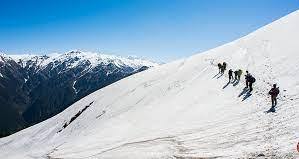
Chanderkhani Pass is a stunning mountain pass located at an elevation of approximately 3,660 metres (12,000 feet) in the Kullu District, acting as a natural bridge between the Kullu Valley and the hidden village of Malana. It is famous for its breathtaking panoramic views, offering a front-row seat to the majestic Deo Tibba, Indrasan, and the Pir Panjal mountain ranges. The trek to the pass usually begins from the village of Naggar and winds through thick forests of oak, pine, and deodar, eventually opening up into vast alpine meadows filled with wildflowers. Culturally, the pass holds great religious significance for locals, as it is believed to be the meditation site of Saptarishi Jamadagni, who, according to legend, once scattered a basket of local deities from here, populating the valley with its many gods. The trek is considered moderately easy, making it a favorite for those who want to experience high-altitude beauty without extreme technical difficulty.
6. Bhrigu Lake
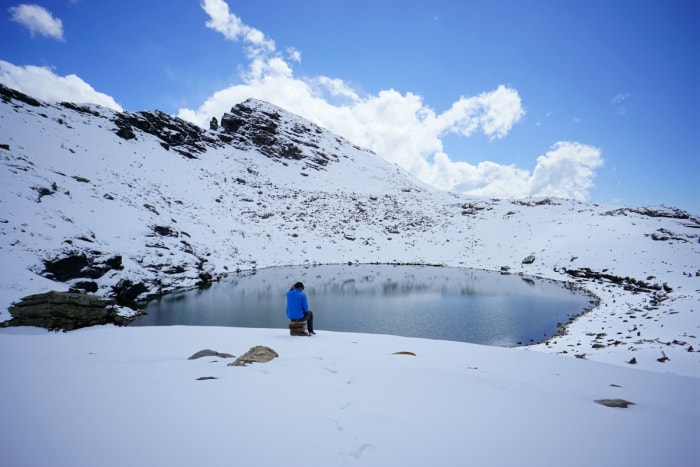
Bhrigu Lake is a high-altitude glacial lake situated at about 4,270 metres (14,100 feet) in the Kullu district, located east of the Rohtang Pass. It is named after the ancient Maharishi Bhrigu, who is said to have meditated by its shores, leading locals to believe that the lake never completely freezes even in extreme winter. The trek to the lake is famous for its “ever-changing scenery,” starting from the village of Gulaba and passing through dense virgin forests before opening into vast, rolling alpine meadows that resemble the lush green landscapes of Switzerland. Because of its height, the lake offers a spectacular view of the snow-capped peaks of the Dhauladhar and Pir Panjal ranges. It is a popular choice for trekkers because it allows you to reach a significant altitude and see a “holy” blue-water lake in just a few days of hiking.
7. Beas Kund
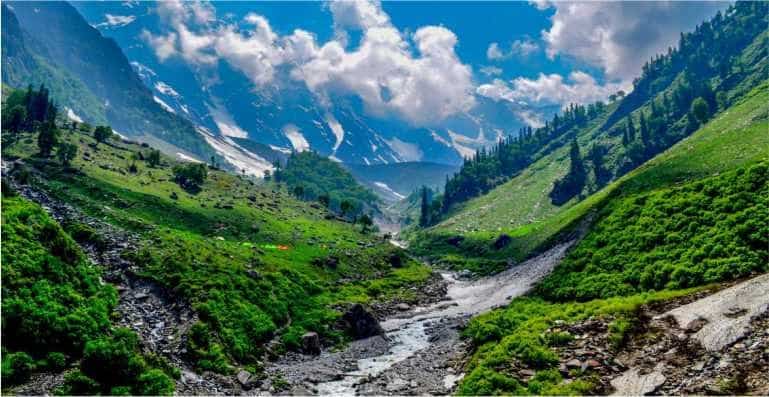
Beas Kund is a sacred, high-altitude glacial lake situated at an elevation of approximately 3,700 metres (12,139 feet) in the heart of the Dhauladhar Range. It is the designated source of the Beas River, where the water emerges from a small emerald-green pond fed by melting glaciers. Culturally, the site is deeply revered as it is believed to be the spot where Rishi Vyas, the author of the Mahabharata, took his daily ritual baths. The trek to Beas Kund is one of the most popular in the Manali region, starting from Solang Valley and passing through the beautiful meadows of Bakarthach, offering trekkers incredibly close-up views of massive peaks like Hanuman Tibba and the Seven Sisters. Because the trail is relatively short and ends at the base of these towering mountains, it is considered an ideal adventure for beginners looking to experience the raw beauty of a Himalayan glacier.
8. Bara Banghal
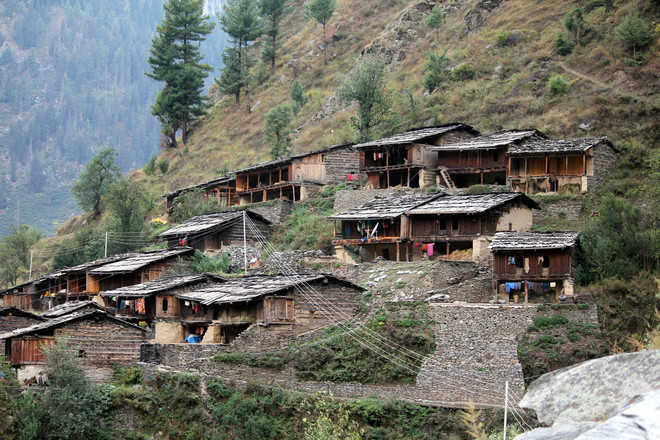
Bara Bhangal is one of the most remote and isolated villages in Himachal Pradesh, tucked away deep in the Dhauladhar and Pir Panjal ranges of the Kangra district. Accessible only by crossing high-mountain passes like Thamsar Pass or Kalihani Pass, this ancient settlement remains cut off from modern roads and mobile networks, making it a “hidden world” for trekkers. The village is home to the Gaddi shepherds, who have maintained a traditional way of life for centuries, living in stone-and-wood houses and relying on sheep herding and agriculture. The trek to Bara Bhangal is considered one of the hardest and most technical in the region, involving long days of walking through rocky terrain, glaciers, and steep ridges. It is often called the “Shepherd’s Trail” and is prized by experienced adventurers for its raw, untouched wilderness and the unique opportunity to see a village that time forgot.
9. Jana Waterfall
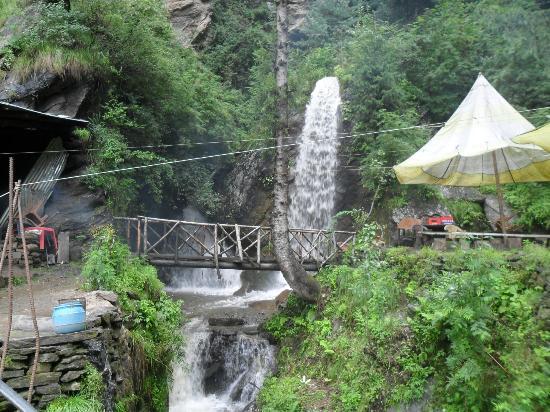
Jana Waterfall is a beautiful natural attraction located in the sleepy village of Jana, about 35 kilometres from Kullu and 12 kilometres from Naggar. Unlike massive, towering falls, this is a charming, multi-tiered waterfall that flows over large clusters of rocks and is surrounded by thick forests of pine, cedar, and apple orchards. To reach the base, visitors take a short, easy walk across a scenic wooden bridge that offers a perfect spot for photography. The location is especially famous for its local food stalls, where you can enjoy traditional Himachali dishes like Siddu, red rice, and jaggery chutney while sitting right next to the flowing water. It is a popular day-trip destination for families and travelers looking for a peaceful escape from the crowded parts of Manali, offering a perfect blend of natural beauty and authentic mountain culture.
10. Pin Parvati Valley trek
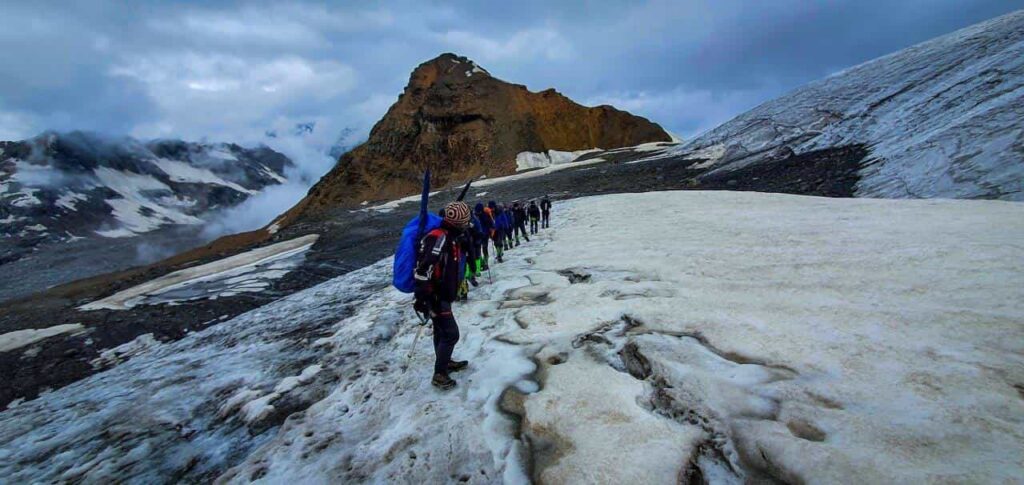
The Pin Parvati Valley Trek is known as one of the most thrilling and difficult treks in India because it connects two completely different worlds. It starts in the lush, green Parvati Valley (Kullu), full of forests and flowers, and crosses over a high mountain pass to end in the dry, rocky “cold desert” of Spiti Valley. The highest point is the Pin Parvati Pass, which stands at a massive height of about 17,450 feet. This trek is only for experienced hikers because it takes about 11 to 12 days and involves walking over glaciers, slippery snow, and high-altitude rocks. Along the way, you see amazing sights like the Mantalai Lake and the Pin Valley National Park, which is home to the rare snow leopard. It is a true adventure because you get to experience the dramatic change from a tropical green landscape to a stark, beautiful mountain desert all in one trip.
11. Prashar Lake
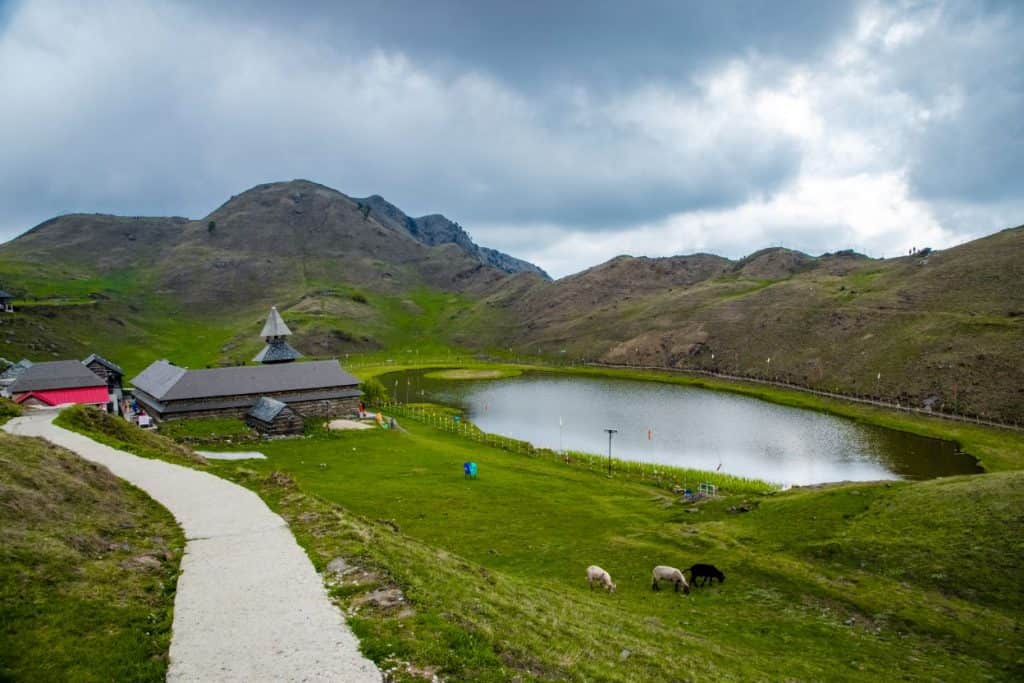
Prashar Lake is a mystical high-altitude lake located at about 2,730 metres (8,956 feet) in the Mandi district of Himachal Pradesh. It is world-famous for its unique floating island, a small piece of land within the lake that moves positions throughout the year. Beside the deep blue water stands a stunning three-storied pagoda-style temple dedicated to the sage Prashar, which was built in the 14th century and features intricate wood carvings. The lake is surrounded by emerald-green meadows and offers a spectacular 180-degree view of the Dhauladhar, Pir Panjal, and Kinnaur mountain ranges. Because the trek to the lake is relatively easy and accessible even in winter when it is covered in thick snow, it is a top choice for beginners and photographers looking for a peaceful spiritual retreat.
12. Sunrise point (Hawa Ghar)
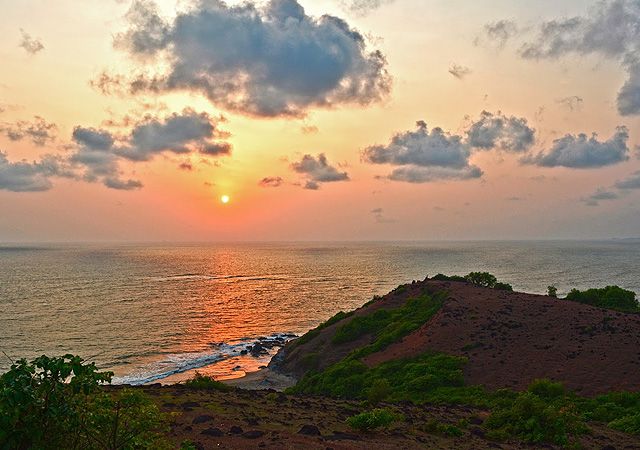
Sunrise Point, commonly known as Hawa Ghar, is a popular viewpoint located in the hills near Kullu and Manali, offering one of the most spectacular aerial views of the valley. The name “Hawa Ghar” literally translates to “House of Winds,” a fitting title given the cool, refreshing breezes that constantly blow through this elevated gazebo-like structure. It is strategically positioned to provide a 360-degree panoramic view of the surrounding snow-capped peaks and the winding Beas River below. As the name suggests, it is the premier spot for early morning visitors to watch the sun rise over the mighty Himalayan ranges, painting the sky in shades of orange and gold. The site is highly favored by photographers and nature lovers for its peaceful atmosphere and the clear, unobstructed sightline of the Dhauladhar and Pir Panjal ranges.
13. Parvati Valley
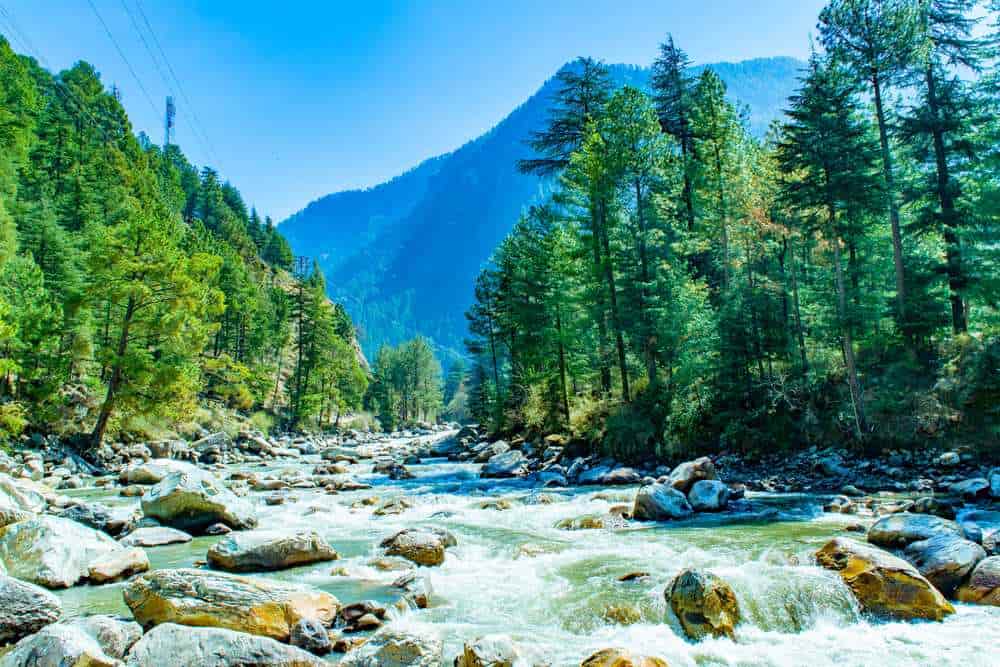
Parvati Valley is one of the most beautiful and iconic regions in Himachal Pradesh, stretching from the confluence of the Parvati and Beas Rivers up into the high Himalayas. Known for its laid-back atmosphere and stunning scenery, the valley is characterized by thick pine forests, roaring waterfalls, and steep, rocky mountains. It is a major hub for backpackers and trekkers, serving as the gateway to famous spots like Kasol (often called ‘Little Israel’), the holy hot springs of Manikaran, and the spiritual trekking destination of Kheerganga. Beyond its natural beauty, the valley is culturally unique, home to the ancient, isolated village of Malana and a vibrant cafe culture. Whether you are looking for a challenging high-altitude trek like the Pin Parvati Pass or simply want to relax by the turquoise river, Parvati Valley offers a perfect mix of adventure, spirituality, and peace.
14. Khirganga National Park
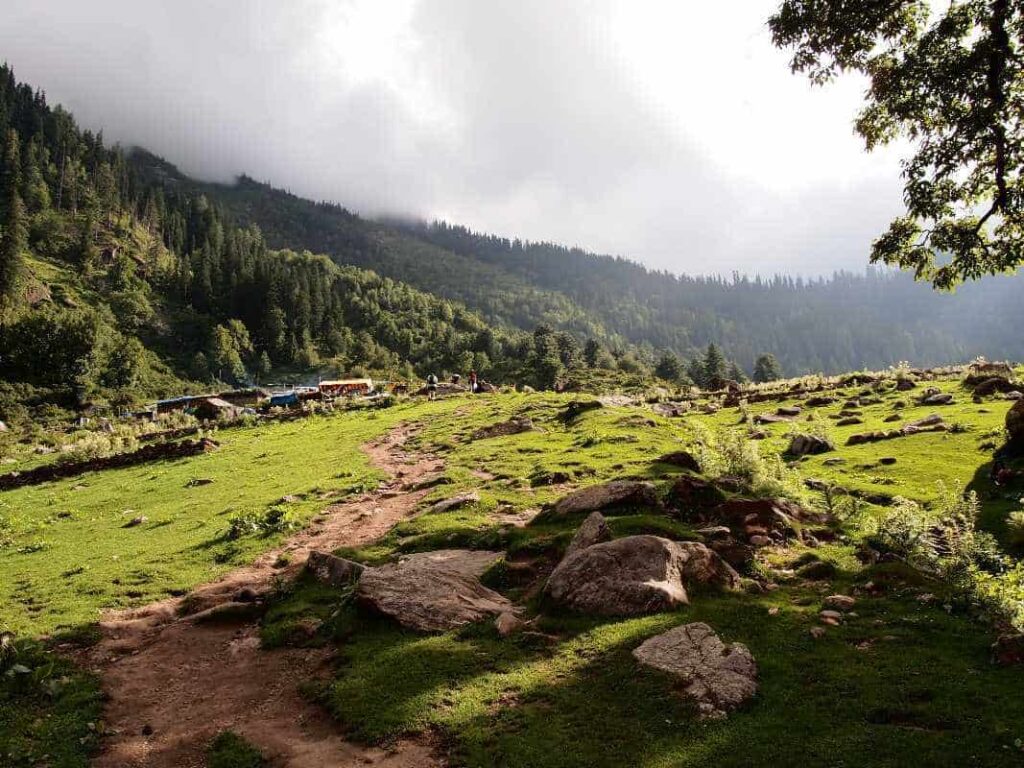
Khirganga National Park, established in 2010, is a stunning protected area in the Kullu district that covers approximately 710 square kilometres and borders the Great Himalayan National Park. It is world-famous for the Kheerganga trek, which leads visitors through dense wild forests and past cascading waterfalls to reach a high-altitude meadow. The park is most celebrated for its natural hot water springs at the summit, where pilgrims and trekkers bathe while surrounded by snow-capped peaks. Rich in biodiversity, the park serves as a vital habitat for rare wildlife like the snow leopard, Himalayan brown bear, and various species of tragopan birds. Its unique combination of spiritual significance, medicinal thermal springs, and raw Himalayan wilderness makes it one of the most visited national parks in Himachal Pradesh.
15. Paragliding in Kullu
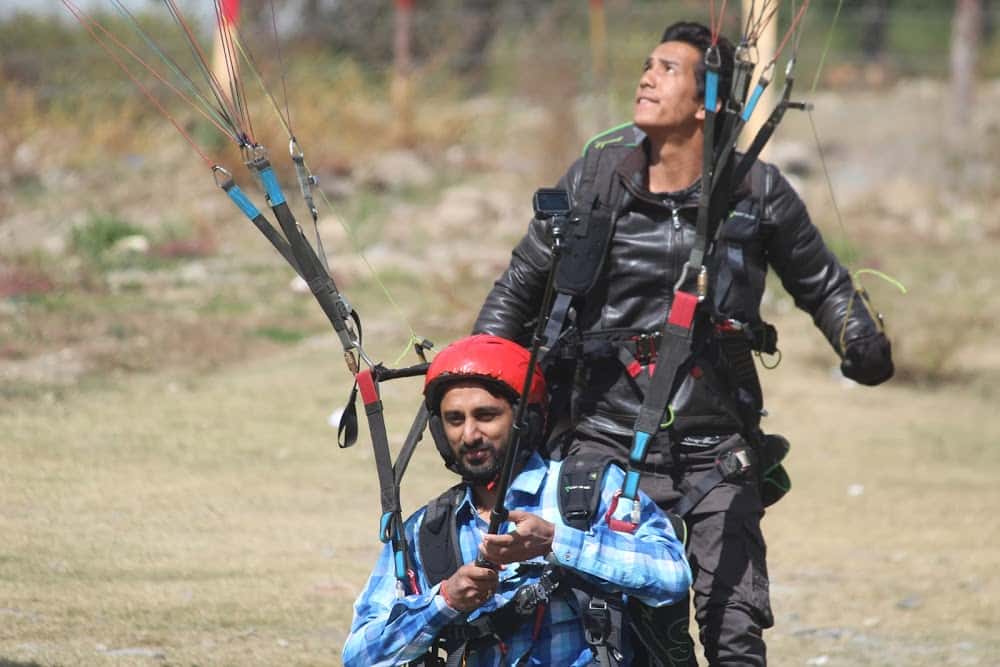
Paragliding in Kullu is one of the most thrilling adventure activities in Himachal Pradesh, offering a bird’s-eye view of the majestic Himalayan ranges and the flowing Beas River. Most paragliding sessions take place in the Solang Valley or from the high slopes of Dobhi and Garsa, where the wide-open valley and favorable wind conditions make for a perfect flight. Participants usually fly tandem, meaning they are safely strapped to a professional pilot who handles the steering, allowing the passenger to simply enjoy the breathtaking scenery. Depending on the weather, a flight can last anywhere from 5 to 15 minutes, soaring over lush green pine forests and apple orchards with a backdrop of snow-capped peaks. It is a bucket-list experience for many tourists because it combines an intense adrenaline rush with some of the most beautiful aerial landscapes in India.
16. Fishing in Kullu
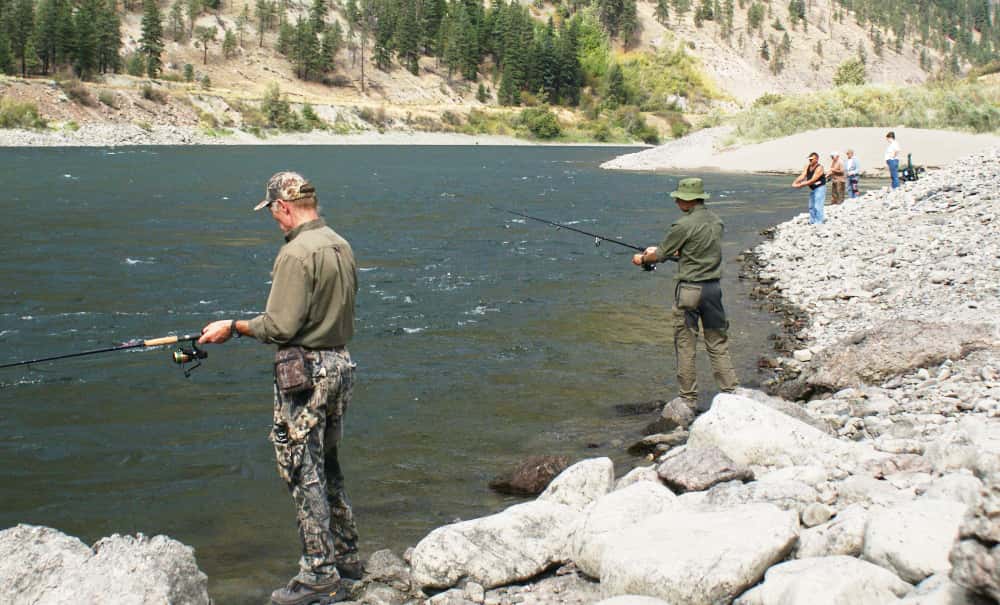
Fishing in Kullu is a world-class activity, primarily famous for Trout fishing in the cold, crystal-clear waters of the Beas River and its tributaries like the Tirthan and Sainj. Introduced by the British, both Brown and Rainbow Trout thrive here due to the oxygen-rich mountain water. The most popular spots are near Katrain, Patlikuhl, and the Tirthan Valley, which is often called a “paradise for anglers.” To keep the activity sustainable, it is regulated by the local fisheries department, meaning you must obtain a fishing permit for a small fee. Fishing here is mostly done using the “catch and release” style or with specific limits, making it a peaceful and rewarding way to experience the quiet beauty of the riverbanks while testing your skills against these fast-moving mountain fish.
17. Camping
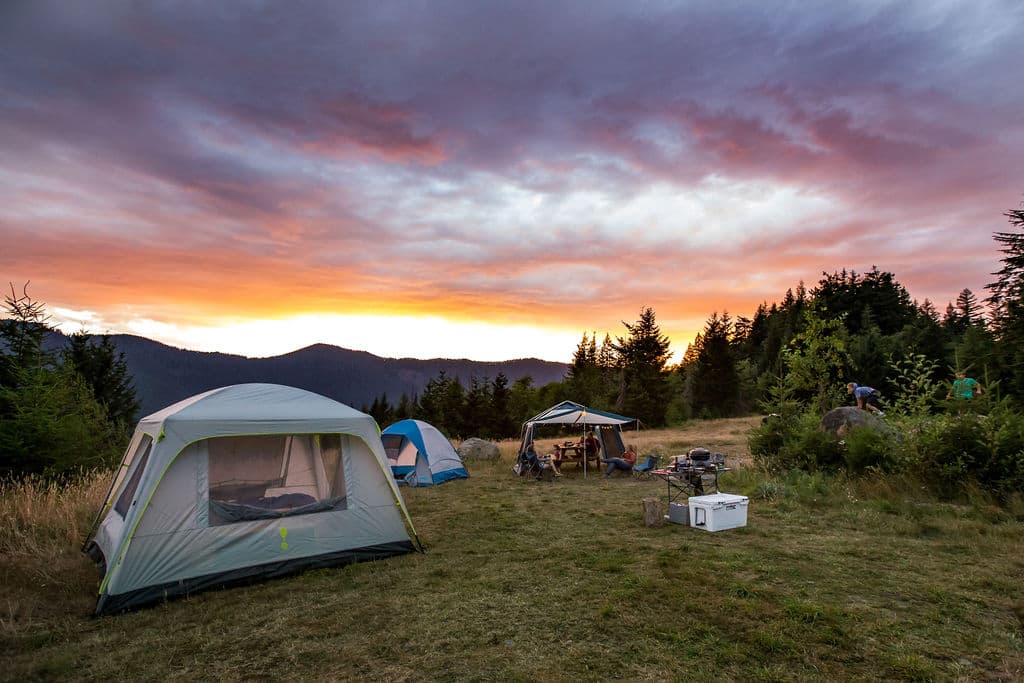
Camping in Kullu is one of the best ways to experience the raw beauty of the Himalayas, allowing you to sleep under a star-filled sky surrounded by towering pine trees and snow-capped peaks. There are two main styles: riverside camping along the banks of the Beas or Parvati rivers, where you can relax to the sound of flowing water, and high-altitude camping in meadows like Bakarthach or Bijli Mahadev. Many campsites offer “glamping” options with comfortable beds and attached meals, while more adventurous trekkers carry their own tents to remote spots. Whether you are sitting around a crackling bonfire in the chilly mountain air or waking up to a golden sunrise over the ridges, camping here provides a peaceful escape from city life and a direct connection to nature.
18. Raison – River Rafting
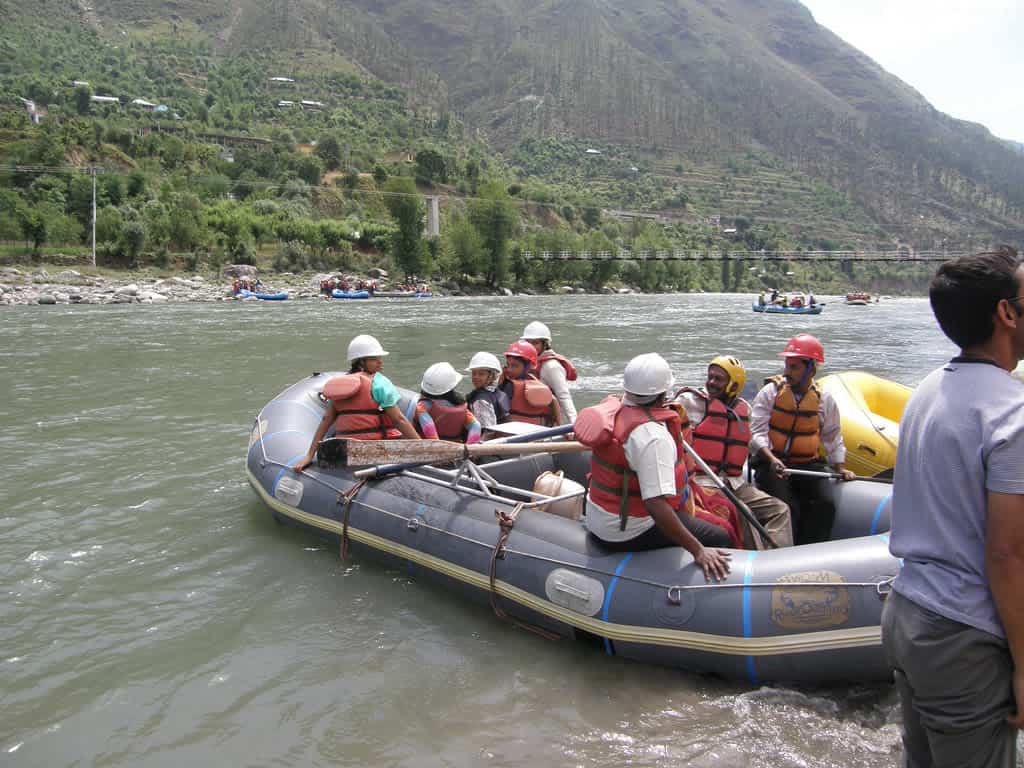
Raison is the primary hub for River Rafting in the Kullu Valley, located on the banks of the Beas River about 15 kilometres from Kullu town. This stretch of the river is ideal for rafting because it offers a mix of Grade II and Grade III rapids, providing a thrilling “bumpy” ride that is exciting for beginners and families while still being safe. The rafting stretch usually covers a distance of about 7 to 14 kilometres, taking you through cold, turquoise waters with stunning views of the surrounding pine forests and apple orchards. Before starting, professional guides provide safety gear like life jackets and helmets, and they steer the raft while you help paddle through the splashing waves. It is one of the most popular adventure activities in the region, especially during the summer months when the water level is perfect for a high-energy river adventure.
19. Chandra Tal
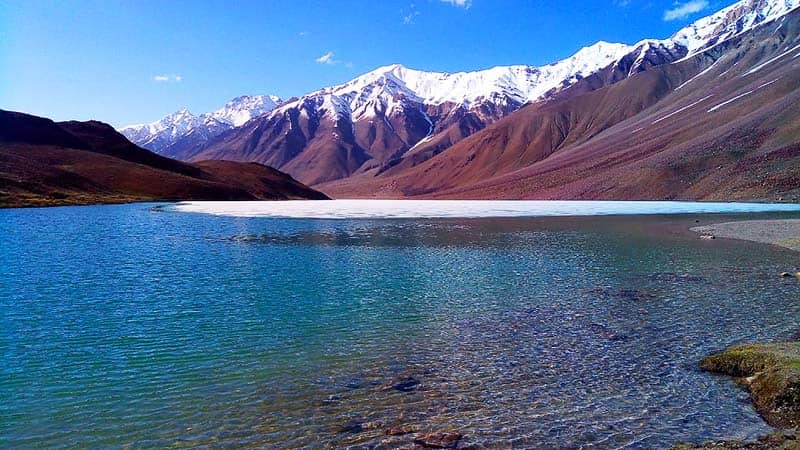
Chandra Tal, which translates to “Lake of the Moon,” is a breathtaking high-altitude lake located at an elevation of about 4,300 metres (14,100 feet) in the Spiti Valley. It gets its name from its unique crescent shape, which resembles a moon when viewed from above. Situated on the Samudra Tapu plateau, the lake is famous for its stunning turquoise-blue water that changes shades throughout the day—from deep blue to sea green—depending on the angle of the sun. It is a sacred site for locals and a dream destination for photographers and campers, as it is surrounded by vast, treeless meadows and the majestic peaks of the Moulkila and Chandrabhaga ranges. Accessible mainly during the summer months via the Kunzum Pass, Chandra Tal offers a surreal, mirror-like reflection of the sky, making it one of the most beautiful and peaceful landscapes in the entire Himalayan region.
20. Tirthan Valley
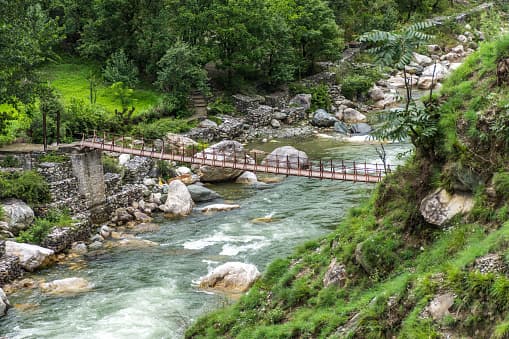
Tirthan Valley is a hidden gem in the Kullu district, often called Himachal Pradesh’s “best-kept secret” because of its untouched natural beauty and peaceful atmosphere. Located at an altitude of about 1,600 metres, the valley gets its name from the pristine Tirthan River, which flows through it and is famous for being a top spot for trout fishing. It serves as the gateway to the Great Himalayan National Park, a UNESCO World Heritage site, making it a paradise for birdwatchers, hikers, and nature lovers who want to escape the crowded tourist spots of Manali. The valley is dotted with charming wooden guesthouses, apple orchards, and small traditional villages like Gushaini and Jibhi. Whether you are trekking to the mysterious Serolsar Lake, visiting the towering Choi waterfall, or simply relaxing by the riverbank, Tirthan Valley offers a slow-paced, eco-friendly mountain experience that feels like stepping into a fairytale.