


Kullu and Manali are two of India’s most renowned hill stations, situated in the Kullu district of Himachal Pradesh and connected by the swiftly flowing Beas River. Kullu, often referred to as the “Valley of the Gods,” is situated at an altitude of 1,200 meters and is recognized as a cultural hub; it is famous for its vast apple orchards and the International Kullu Dussehra festival celebrated at the Dhalpur Maidan. Located approximately 40–45 km north of Kullu, Manali serves as the high-altitude gateway to the Lahaul and Spiti districts; here, one encounters a beautiful blend of religious sites—such as the 16th-century Hidimba Devi Temple—and adventure destinations like Solang Valley and Rohtang Pass. Together, these two destinations present a diverse panorama of snow-capped peaks, cedar forests, and ancient stone architecture, making the region an ideal destination for honeymooners, trekkers, and those seeking spiritual tranquility alike.
The economy of Kullu and Manali rests primarily on three pillars: tourism, apples, and hand-woven textiles. Tourism serves as the primary source of revenue here, as thousands of visitors flock to the region annually to enjoy the snowfall, trekking opportunities, and sightseeing attractions, thereby providing employment to hotel staff, mountain guides, and taxi drivers.
Kullu and Manali are generally regarded as extremely safe destinations for all types of travelers—including families and solo female travelers—owing to the hospitable nature of the locals and the region’s excellent tourism infrastructure. Nestled amidst the mountains, the area remains a peaceful and serene retreat where incidents of crime against tourists are exceedingly rare.
Most Famous And Attractive Tourist Places In Kullu Manali :
1.Hadimba Temple
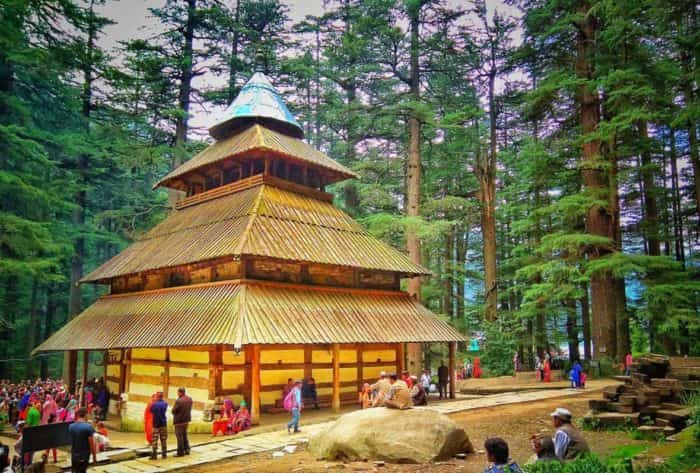
The Hadimba Devi Temple, also known as the Dhungari Temple, is a historic Hindu shrine located in Manali, Himachal Pradesh, approximately 1.5 to 3 kilometres from the main Mall Road. Built in 1553 by Maharaja Bahadur Singh, it is an ancient cave temple dedicated to Goddess Hadimba, the wife of Bhima from the epic Mahabharata and mother of the warrior Ghatotkacha. The temple is famous for its unique pagoda-style architecture, featuring a four-tiered wooden structure that stands about 24 metres tall amidst a dense cedar forest called Dhungiri Van Vihar. Unlike most temples, there is no traditional idol inside; instead, devotees worship a sacred rock covering the cave where the goddess is said to have meditated to attain divinity. The temple is a major cultural landmark where the Dhungri Mela is celebrated every May to mark the goddess’s birthday.
2.Manikaran Sahib
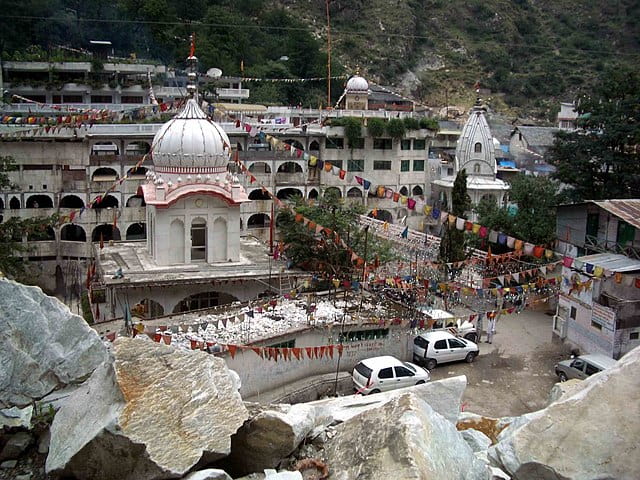
Manikaran Sahib is a renowned pilgrimage centre nestled in the Parvati Valley of Himachal Pradesh, significant to both Sikhs and Hindus. Located on the banks of the Parvati River, it is famous for its natural boiling hot springs, which are believed to have therapeutic and healing properties. For Sikhs, the Sri Guru Nanak Devji Gurudwara marks the site where the founder of Sikhism, Guru Nanak Dev Ji, is believed to have performed a miracle. According to tradition, when his disciple Bhai Mardana could not find fire to cook food, the Guru lifted a stone and a hot spring erupted; today, the Langar (community meal) is still uniquely prepared by dipping bags of rice and dal directly into these boiling waters. For Hindus, the town is associated with Lord Shiva and Goddess Parvati, who supposedly spent 1,100 years here. Legend says Parvati lost a precious jewel (Mani) in the waters, and Shiva’s anger (or the efforts of the serpent god Sheshnag) caused the earth to release the hot springs to retrieve it, giving the town its name, Manikaran (meaning “ear jewel”).
3. Solang Valley
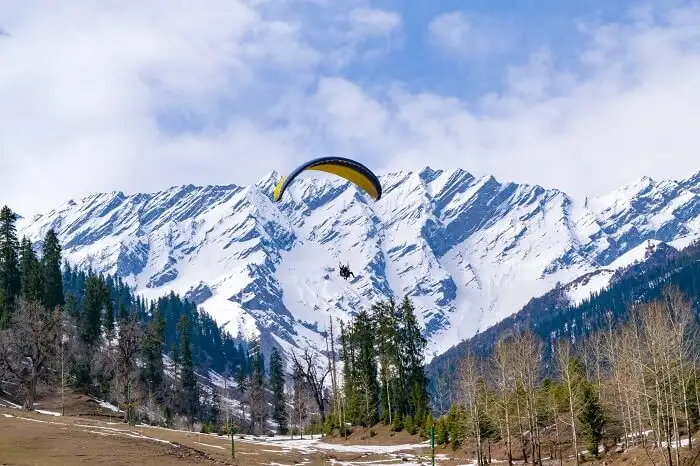
Solang Valley, often called the “Adventure Capital of Manali,” is a stunning side valley located about 13–14 kilometres northwest of Manali on the way to Rohtang Pass. Situated at an altitude of approximately 8,400 feet, it derives its name from the combination of “Solang” (a nearby village) and “Nallah” (meaning water stream). The valley is world-renowned for its year-round appeal; in winter (December to February), it transforms into a ski resort covered in a thick blanket of snow, hosting annual winter skiing festivals. During the summer months, as the snow melts to reveal lush green meadows, it becomes a hub for vibrant activities like paragliding, zorbing, ATV rides, and trekking. Its breathtaking views of snow-capped Himalayan peaks, such as Mount Hanuman Tibba, and its proximity to the Beas River make it a must-visit destination for families, couples, and thrill-seekers alike.
4. Hampta Pass
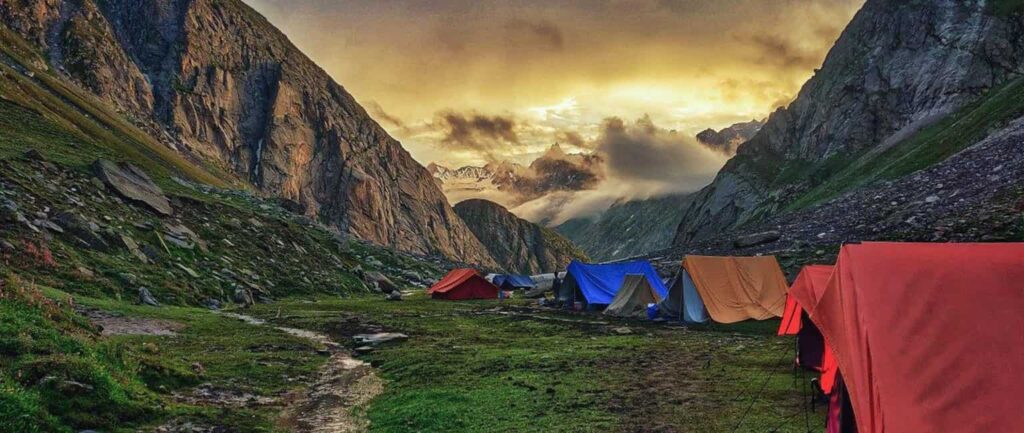
Hampta Pass is a spectacular high-altitude crossover trek in the Pir Panjal Range of Himachal Pradesh, reaching an elevation of approximately 14,100 feet (4,270 metres). Starting from Jobra near Manali, the trek is world-renowned for its dramatic shift in landscapes; it acts as a natural bridge between the lush, verdant forests and meadows of the Kullu Valley and the stark, arid, cold desert of the Lahaul Valley. Over a span of 4 to 5 days, trekkers navigate diverse terrains including thick deodar forests, vibrant alpine meadows like Jwara, and challenging river crossings of glacier-fed streams. The journey often culminates with a breathtaking drive to the crescent-shaped Chandratal Lake, making it one of the most fulfilling experiences for both beginners and seasoned hikers.
5. Parvati Valley
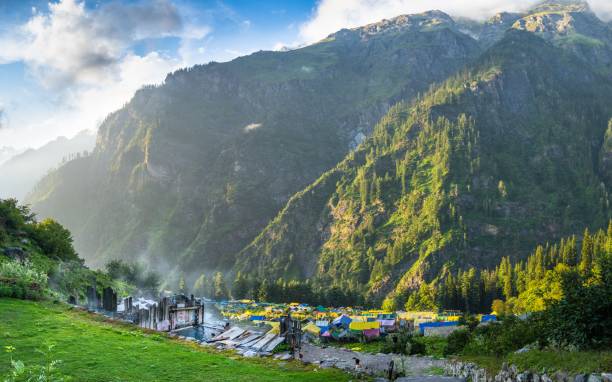
Parvati Valley, situated in the Kullu district of Himachal Pradesh, is one of the most scenic and culturally vibrant regions in the Indian Himalayas. Carved by the rushing Parvati River, the valley starts at the confluence of the Parvati and Beas rivers and stretches upwards toward the high-altitude Pin Parvati Pass. It is globally famous for its “hippie trail” vibe, attracting backpackers and soul-seekers to its charming mountain villages like Kasol, Tosh, and Chalal. The valley offers a diverse mix of experiences—from the spiritual significance of the hot springs at Manikaran Sahib to the legendary serenity of Malana, a village known for its unique social structure and ancient taboos. Its landscape is defined by towering pine forests, terraced fields, and snow-capped peaks, making it a premier destination for trekkers heading to spots like Kheerganga, where one can soak in natural hot springs at the summit.
6. Bhrigu Lake
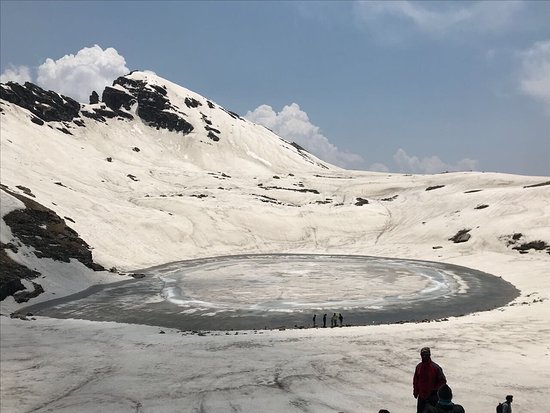
Bhrigu Lake is a sacred, high-altitude glacial lake situated at an elevation of approximately 14,100 feet in the Kullu district of Himachal Pradesh. Named after the ancient sage Maharishi Bhrigu, who is believed to have meditated by its shores, the lake is highly revered by locals and is said to never freeze completely, even in the harshest winters. The trek to the lake is uniquely famous for its vast, rolling alpine meadows that begin within the first hour of hiking—a rare feature in the Himalayas, where such grasslands usually take days to reach. Depending on the season, the lake’s water shifts in color from emerald green to deep blue, and it offers stunning 360-degree panoramic views of towering peaks like Hanuman Tibba, Deo Tibba, and the Pir Panjal Range.
7.Malana Village

Malana is an ancient, isolated village in the Kullu Valley, often referred to as one of the oldest democracies in the world. Perched at an altitude of about 8,700 feet, it is famous for its unique social structure and the strict worship of its local deity, Lord Jamlu Rishi. The villagers consider themselves descendants of Alexander the Great’s army, though this remains a matter of local legend. Malana is perhaps most globally known for “Malana Cream,” a high-quality strain of cannabis that grows naturally in the region. However, the village is strictly governed by its own set of ancient laws and a dual-council system; visitors are strictly forbidden from touching the inhabitants or their temples, and any violation of these rules can result in heavy fines. Despite its modern notoriety, Malana remains a place of deep spiritual mystery, surrounded by the towering peaks of Chandrakhani and Deo Tibba.
8. Kasol
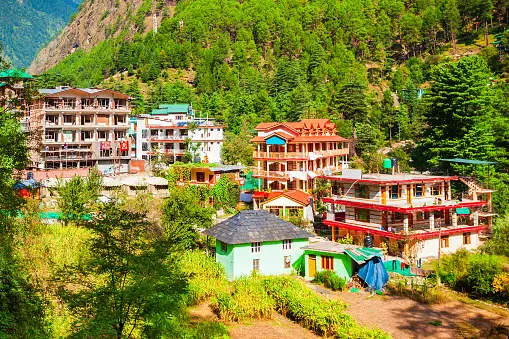
Kasol is a picturesque hamlet situated on the banks of the Parvati River in the Kullu district of Himachal Pradesh, often affectionately called the “Mini Israel of India.” At an altitude of about 5,180 feet, it serves as the primary hub for backpackers, trekkers, and nature lovers exploring the Parvati Valley. The town is famous for its vibrant “hippie” culture, characterized by cozy riverside cafes serving authentic Israeli and Italian cuisine, colorful local markets selling psychedelic art and woolens, and a relaxed, slow-paced atmosphere. Beyond its bohemian charm, Kasol is the gateway to several famous trekking trails, including the path to the spiritual hot springs of Kheerganga, the ancient village of Malana, and the scenic heights of Tosh. Whether you are looking to sit by the turquoise waters of the river, enjoy a quiet walk through dense pine forests to the nearby village of Chalal, or use it as a base for high-altitude adventures, Kasol offers a unique blend of natural beauty and international culture.
9. Old Manali
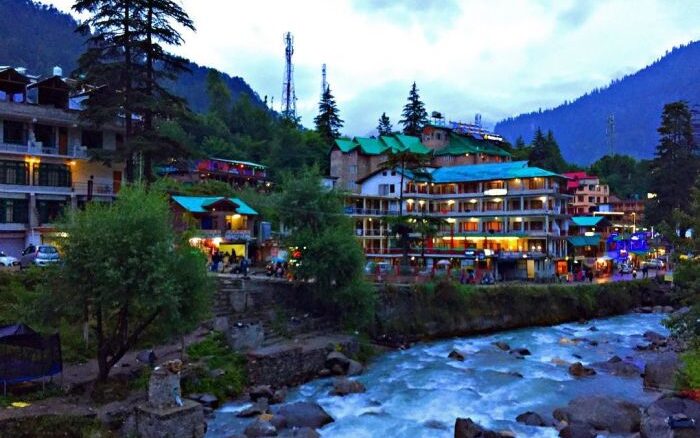
Old Manali is a charming, bohemian part of the town located about 3 kilometres uphill from the main Manali Mall Road, separated by the Manalsu River. Known for its rustic, old-world vibe, it features traditional Himachali wooden houses, narrow winding lanes, and a laid-back atmosphere that stands in stark contrast to the busy commercial centre. It is the cultural heart of the region, housing the famous Hadimba Devi Temple and the Manu Temple, the latter being the only temple in India dedicated to Sage Manu, from whom the town gets its name. Old Manali is especially popular among backpackers and solo travellers for its vibrant riverside cafes, eclectic boutiques selling silver jewellery and hemp products, and its lively nightlife. Surrounded by lush apple orchards and cedar forests, it offers a peaceful retreat where the sound of the gushing river and the scent of pine needles create a perfect mountain escape.
10. Jogini Waterfalls
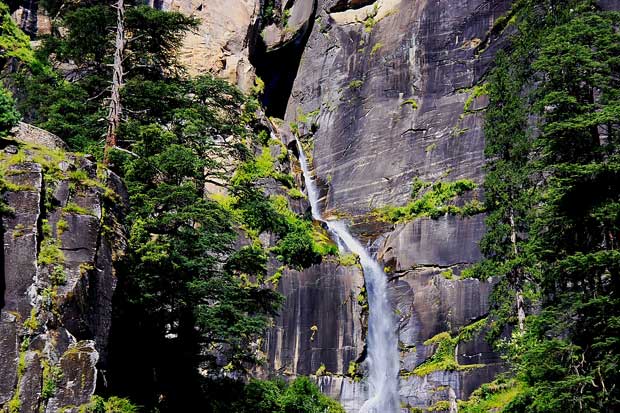
Jogini Waterfalls is a breathtaking natural wonder located near Vashisht Village, about 3–4 kilometres from the main town of Manali. The waterfall cascades down from a height of approximately 150 feet, creating a stunning series of pools before joining the Beas River below. It is considered a sacred site by the local villagers, named after the daughter of Lord Indra, Jogini, and there are small shrines dedicated to her at the base of the falls. The trek to the waterfall is as famous as the destination itself; it is a gentle, scenic 45-minute to 1-hour walk that takes you through lush green apple orchards, towering pine forests, and past small mountain streams. As you reach the falls, you are rewarded with spectacular views of the snow-capped Pir Panjal peaks and the entire Beas River valley. It is a favorite spot for nature lovers and those seeking a peaceful escape from the crowded Mall Road.
11. Beas River
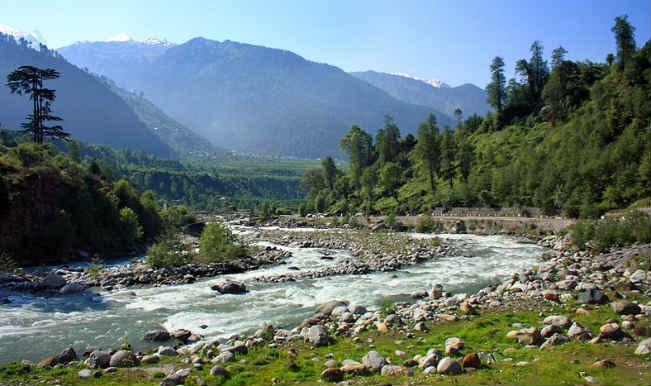
The Beas River is a major Himalayan river and a lifeline for the people of Himachal Pradesh, flowing through the heart of the Kullu Valley. It originates at a high-altitude pass called Beas Kund (at 14,308 feet) near the Rohtang Pass and travels approximately 470 kilometres before merging with the Sutlej River in Punjab. In Manali, the river is known for its clear, cold, and fast-flowing turquoise waters, often rushing over massive boulders. It holds immense historical and spiritual significance; it is named after Sage Vyas, the author of the Mahabharata, who is said to have meditated in its waters. For travelers, the river is a hub for adventure and relaxation—offering thrilling opportunities for river rafting and river crossing in areas like Pirdi and Raison, while its peaceful banks are perfect for picnicking and photography.
12. Vashisht Hot Water Spring & Temple
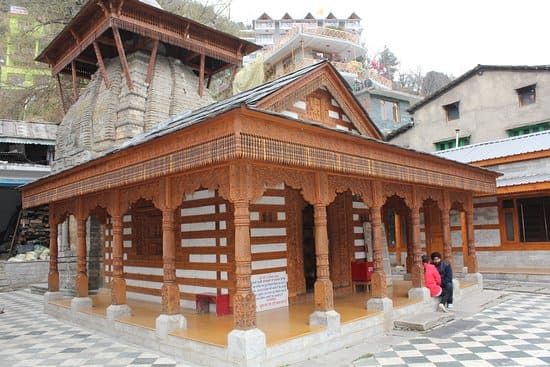
The Vashisht Hot Water Springs and Temple are located about 3 kilometres from Manali in the village of Vashisht, which is perched on the banks of the Beas River. The temple is dedicated to Sage Vashisht, the Guru of Lord Ram, and is believed to be over 4,000 years old, featuring traditional stone and wood carvings. It is most famous for its natural sulphur springs, which are piped into separate public Turkish-style baths for men and women. These springs are considered sacred and are scientifically known to have medicinal properties that can cure skin diseases and joint pains. Many visitors stop here to take a holy dip in the warm, healing waters before continuing their journey to nearby attractions like the Jogini Waterfalls. The area is also known for its local market, which offers a variety of woollens and traditional handicrafts.
13.Great Himalayan National Park

The Great Himalayan National Park (GHNP), located in the Kullu region of Himachal Pradesh, is a UNESCO World Heritage Site and one of India’s most significant conservation areas. Established in 1984, it spans over 1,171 square kilometres and is a sanctuary for a vast array of flora and fauna, including endangered species like the Snow Leopard, the Himalayan Brown Bear, and the rare Western Tragopan pheasant. The park is unique because it protects a massive range of altitudes, from 1,500 to 6,000 metres, resulting in diverse ecosystems that include lush alpine meadows, dense coniferous forests, and high-altitude glaciers. Unlike many national parks, there are no motorable roads inside; the only way to explore its pristine wilderness is through trekking and camping. It serves as a vital source of water for the region, as it contains the headwaters of the Tirthan, Sainj, Jiwa Nal, and Parvati rivers.
14. Rohtang Pass
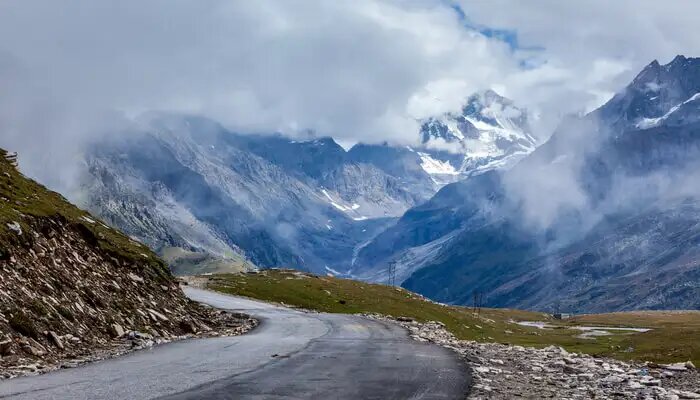
Rohtang Pass is a legendary high-altitude mountain pass situated at an elevation of approximately 13,050 feet (3,978 metres) in the Pir Panjal Range of the Himalayas. Located about 51 kilometres from Manali, it serves as the spectacular gateway connecting the lush, green Kullu Valley to the stark, high-altitude deserts of Lahaul and Spiti. Interestingly, the name “Rohtang” literally translates to “pile of corpses” in the local Ladakhi language, a grim reminder of the many travellers who historically lost their lives attempting to cross its treacherous terrain in unpredictable weather. Today, it is one of India’s most popular tourist destinations, famous for its year-round snow, breathtaking panoramic views of glaciers and peaks, and thrilling adventure sports like skiing, snowboarding, and snow scooter rides.
15.Museum Of Himachal Culture And Folk Art
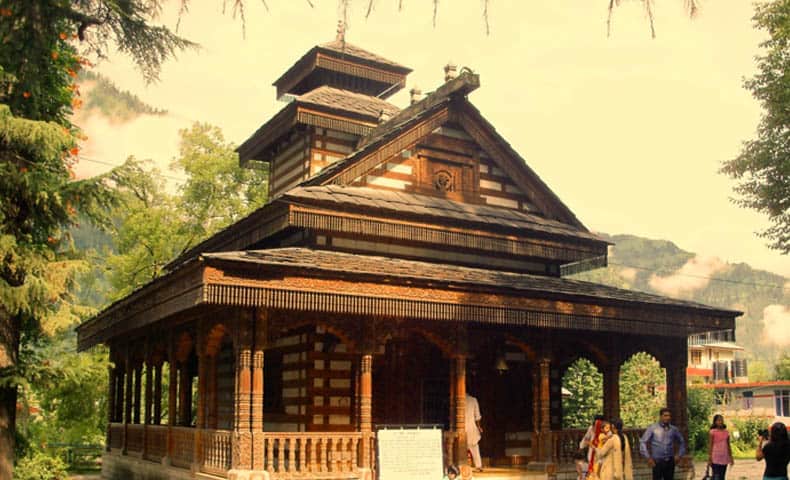
The Museum of Himachal Culture and Folk Art, established in 1998, is a unique cultural treasure located in Manali, right across from the famous Hadimba Devi Temple. It serves as a dedicated space for preserving the rich heritage and traditional lifestyle of the people of Himachal Pradesh. The museum houses an extensive collection of rare and ancient artifacts, including traditional Himachali costumes, hand-woven carpets, intricate wood carvings, and antique jewelry. Visitors can also explore a fascinating display of traditional household items, ancient weapons, and scale models of iconic temples and forts from across the state. By showcasing the evolution of local art and craftsmanship, the museum offers travelers a deep and meaningful insight into the diverse tribal cultures and long-standing traditions that define the “Land of the Gods.”
16. Gulaba
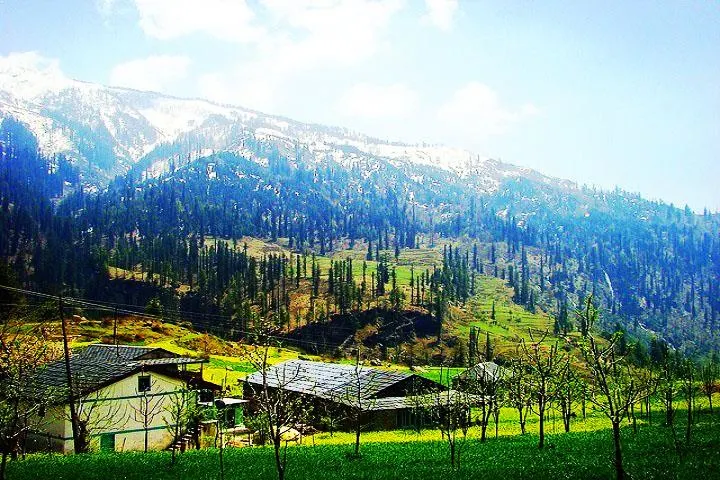
Gulaba is a picturesque village and popular tourist spot located about 20 to 27 kilometres from Manali on the Leh-Manali Highway. Situated at an altitude of approximately 4,000 metres (roughly 13,000 feet), it is named after Raja Gulab Singh of Kashmir, who is believed to have camped here during his 19th-century travels. Gulaba is primarily famous as the “Snow Point” of Manali; when the Rohtang Pass is closed during winter due to heavy snowfall, Gulaba becomes the highest accessible point for travelers to enjoy snow activities like skiing, snowboarding, and snow scooter rides. Beyond its winter appeal, the area is known for its enchanting landscapes of lush green meadows and snow-capped peaks, making it a favorite for nature lovers and the starting point for the famous Bhrigu Lake trek.
17.Arjun Gufa

Arjun Gufa, or Arjuna Cave, is a significant historical and spiritual site located near the village of Prini, about 5 kilometres from Manali. Perched on the left bank of the Beas River, this natural cave holds deep roots in the Indian epic, the Mahabharata. According to local legend, it is the sacred spot where the Pandava prince Arjuna performed intense meditation (tapasya) to please Lord Shiva. His devotion was rewarded with the Pashupata Astra, a powerful celestial weapon that played a crucial role in the Kurukshetra war. The cave itself is a narrow, mysterious passage, and while the interior can be dark and damp, the surrounding atmosphere is incredibly peaceful and serene.
18. Rahala Waterfalls
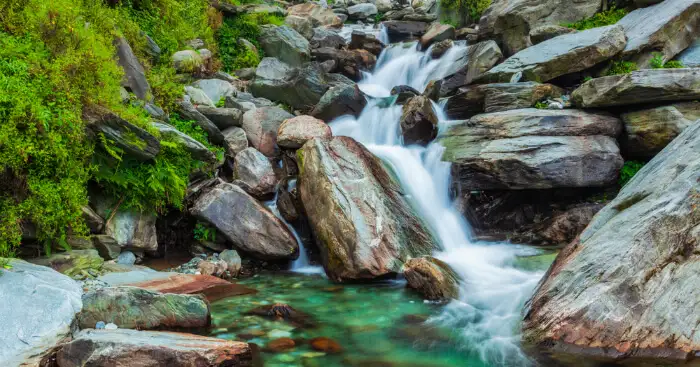
Rahala Waterfalls is a breathtaking natural attraction located about 16 kilometres from Manali on the way to Rohtang Pass. Situated at an altitude of roughly 8,500 feet, the waterfall is formed by the melting of glaciers and cascades down from a considerable height over jagged rocks, creating a refreshing mist and a thunderous sound. Surrounded by dense forests of birch and deodar trees, the area is known for its pristine air and spectacular views of the snow-capped Himalayan peaks. Historically, it is said that the famous sage Vyas chose this serene spot to perform meditation. Today, it serves as a popular pit stop for travellers heading to Rohtang, offering a perfect place for photography, short nature walks, and enjoying the raw beauty of the high-altitude landscape.
19. Chandrakhani Pass

Chandrakhani Pass is a scenic high-altitude mountain pass in the Kullu District of Himachal Pradesh, situated at an elevation of approximately 3,660 metres (12,008 ft). It serves as a historic navigable link between the Beas and Parvati Valleys, traditionally used by shepherds and traders. The trek typically starts from the heritage village of Naggar or the base camp at Rumsu, winding through dense forests of oak, deodar, and pine before opening into expansive alpine meadows like Chaklani. At the summit, trekkers are rewarded with a unique 3 km ridge walk offering panoramic views of the Pir Panjal and Dhauladhar ranges, including iconic peaks like Hanuman Tibba, Friendship Peak, and Deo Tibba.
20. Bhuntar
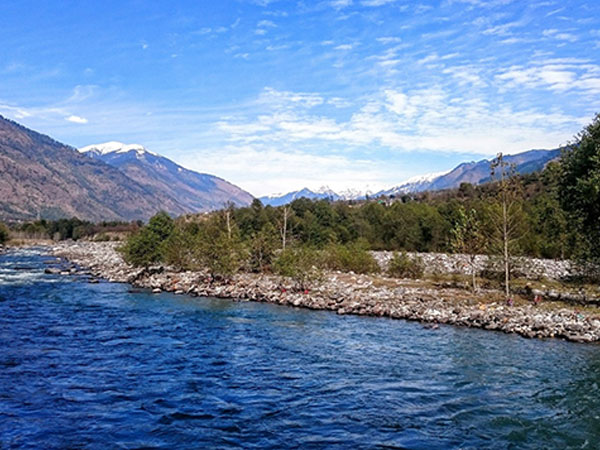
Bhuntar is a strategically important transit town in the Kullu district of Himachal Pradesh, situated at an elevation of approximately 1,089 metres (3,573 ft). It is widely recognised as the gateway to the popular tourist destinations of Kullu (10 km away), Manali (50 km away), and the Parvati Valley, which includes Kasol and Manikaran. Geographically, the town is defined by the spectacular confluence of the Beas and Parvati rivers, where the Parvati flows from the east to join the Beas. This riverside setting makes Bhuntar a notable spot for adventure activities like river rafting and fishing.
21. Kothi Village
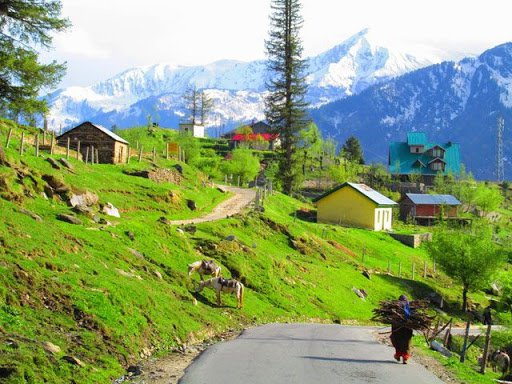
Kothi Village is a serene and picturesque hamlet located at the foothills of the Rohtang Pass, approximately 12 to 15 kilometres from Manali at an elevation of about 2,500 metres (8,200 ft). Historically, the village served as a vital camping ground for traders and explorers journeying toward the Lahaul and Spiti valleys back when the Rohtang Pass had to be crossed on foot. Geographically, it is famous for the Kothi Gorge, a deep and narrow canyon where the Beas River thunders through rock formations, creating a dramatic landscape that has been featured in several Bollywood films. The village is known for its quiet, offbeat charm, offering panoramic views of snow-clad peaks and glaciers, and it remains a popular spot for poets and artists seeking creative inspiration.
22. Tibetan Monastery
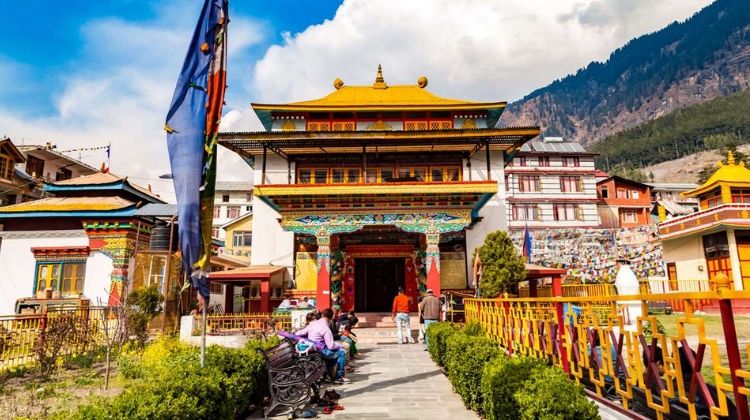
Tibetan Monasteries in Manali, primarily the Gadhan Thekchhokling Gompa and the Himalayan Nyingmapa Buddhist Temple, are vital cultural and spiritual landmarks located near the bustling Mall Road. Established in the 1960s by Tibetan refugees to preserve their heritage, these monasteries serve as tranquil retreats known for their striking Pagoda-style architecture, vibrant yellow roofs, and intricate murals depicting the life of Lord Buddha and the Kalchakra (wheel of life). Inside, visitors are greeted by magnificent gilded statues of Sakyamuni Buddha, often surrounded by the aroma of incense and the rhythmic sound of chanting monks. These sites are not only places of worship but also active cultural hubs that house schools of arts and carpet-weaving centres, where traditional Tibetan handicrafts are crafted and sold to support the local community.
23. Van Vihar National Park
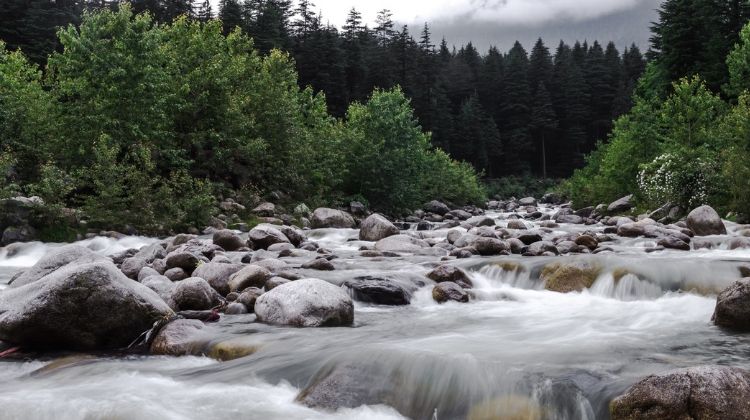
Van Vihar National Park (often simply called Van Vihar) is a serene municipal nature park located in the heart of Manali, situated right on the Mall Road and opposite the Tibetan Market. Spread across approximately 12 to 51 acres, this park is famously known for its towering deodar and pine trees that reach high into the sky, providing a cool, shaded canopy and a quiet escape from the town’s bustling commercial areas. Managed by the municipal corporation and established in the early 1980s, the park is designed to preserve local biodiversity while offering a recreational space for locals and tourists alike. One of its star attractions is a man-made lake nestled within the dense woods, where visitors can enjoy paddle boating. The park’s pathways run alongside the Beas River, offering visitors a chance to hear the thundering water and witness stunning sunsets against a backdrop of majestic mountain peaks.
24. Jana Falls
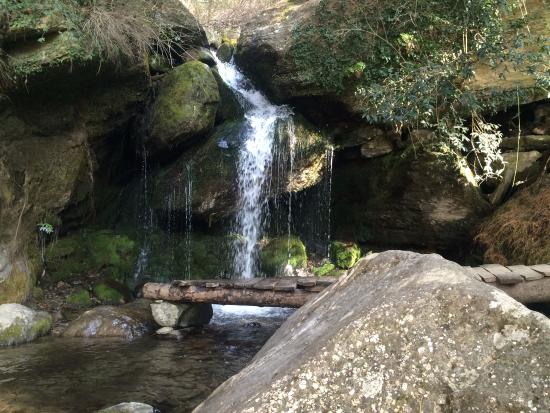
Jana Falls is a hidden natural gem located in the quaint Jana Village, roughly 32 kilometres from Manali and 12 kilometres from the historic town of Naggar. Unlike the more commercialised waterfalls in the region, Jana Falls is a perennial, tiered cascade that flows through a lush landscape of apple orchards, pine forests, and deodar trees. The waterfall is relatively easy to reach, requiring only a short, scenic walk from the nearby road, making it an ideal destination for families and offbeat travellers. Its most distinctive feature is a wooden bridge positioned directly in front of the falls, providing a perfect vantage point for photography and a refreshing mist from the plunging water.
25. Raghunath Temple
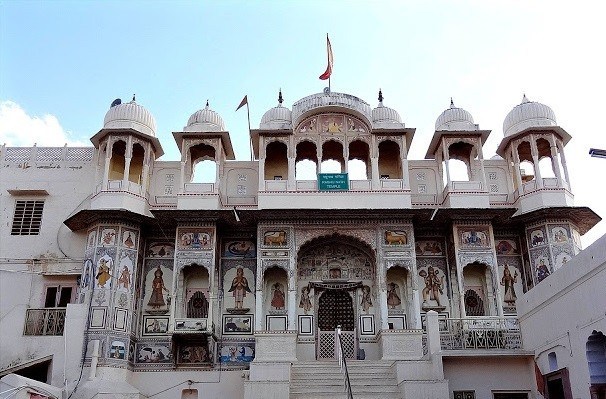
Raghunath Temple is the most prominent and religiously significant shrine in the Kullu Valley, dedicated to Lord Rama, who is locally revered as the presiding deity of the region. Located in the Sultanpur area of Kullu town at an elevation of roughly 1,200 metres, the temple was built in 1660 AD by Raja Jagat Singh, the then ruler of Kullu. According to historical legend, the Raja brought an ancient idol of Lord Rama from Ayodhya as an act of penance to seek forgiveness for a grave sin he had committed. The temple’s architecture is a unique blend of Pyramidal (Shikhara) and Pahari styles, featuring intricate stone carvings and a sanctum that houses the historic idol. It serves as the epicentre of the world-famous Kullu Dussehra festival, where hundreds of local deities from surrounding valleys arrive to pay their respects to Lord Raghunath, marking a week-long celebration of “the victory of good over evil.”