
Kasol is a small, high-altitude village situated in the Kullu district of Himachal Pradesh, nestled right in the heart of the picturesque Parvati Valley at an elevation of approximately 1,580 meters (5,180 feet) above sea level. Perched along the banks of the gently flowing Parvati River, this village has gained worldwide renown as a “Backpacker’s Paradise.” It attracts a large influx of Israeli tourists, and with many local cafes serving authentic Israeli cuisine, it is frequently referred to as “India’s Mini Israel.” The village serves as a pivotal hub for adventure enthusiasts; it acts as a base camp for renowned Himalayan treks such as Kheerganga, Sar Pass, and Pin Parvati Pass, while also serving as a gateway to culturally distinct villages like Malana and Tosh.
Kasol is defined by its vibrant “hippie culture,” bustling markets adorned with hand-woven woolen garments and gemstone jewelry, and a unique “cafe culture” characterized by local favorites like the ‘Evergreen Cafe’ and ‘Moon Dance Cafe.’ Primarily accessible by road via Bhuntar, Kasol offers a unique blend of serene riverside vistas, dense pine forests, and a fantastic social atmosphere—qualities that draw solo travelers, nature lovers, and seekers of spiritual tranquility throughout the year.
Kasol’s economy relies predominantly on tourism, a sector that has transformed the village into a bustling hub for travelers arriving from both within the country and abroad. These tourists often stay for extended periods, thereby sustaining an entire network of small-scale businesses—ranging from family-run homestays and specialty-themed cafes (such as the ‘Moon Dance Cafe’ and ‘Evergreen Cafe’) to trekking services catering to routes like Kheerganga.
Most Famous And Attractive Tourist Places In Kasol :
1. Nature Park Kasol
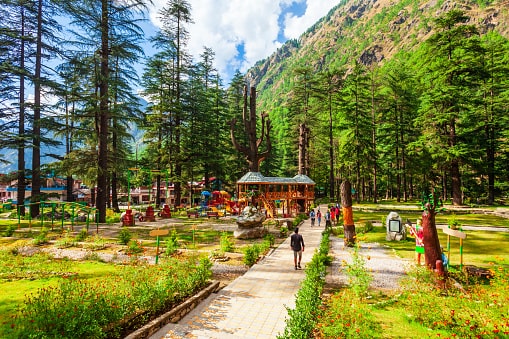
Nature Park Kasol is a serene riverside sanctuary located just 400 meters from the main Kasol market, offering a peaceful retreat from the town’s bustling center. Nestled along the banks of the Parvati River, the park is characterized by its towering pine and deodar forests, winding walking trails, and a unique internal canal crossed by picturesque wooden bridges. It is widely recognized as a family-friendly destination, featuring dedicated children’s play areas with swings and slides, artistic sculptures—including a meditating Gautam Buddha—and a small herb garden showcasing local plant species. Visitors typically spend 1–2 hours here enjoying the riverside views, birdwatching, or relaxing in the shaded picnic spots and gazebos. Open daily from 8:30 AM to 6:30 PM, the park requires a nominal entry fee of approximately ₹30 for adults and ₹20 for children.
2. Parvati River
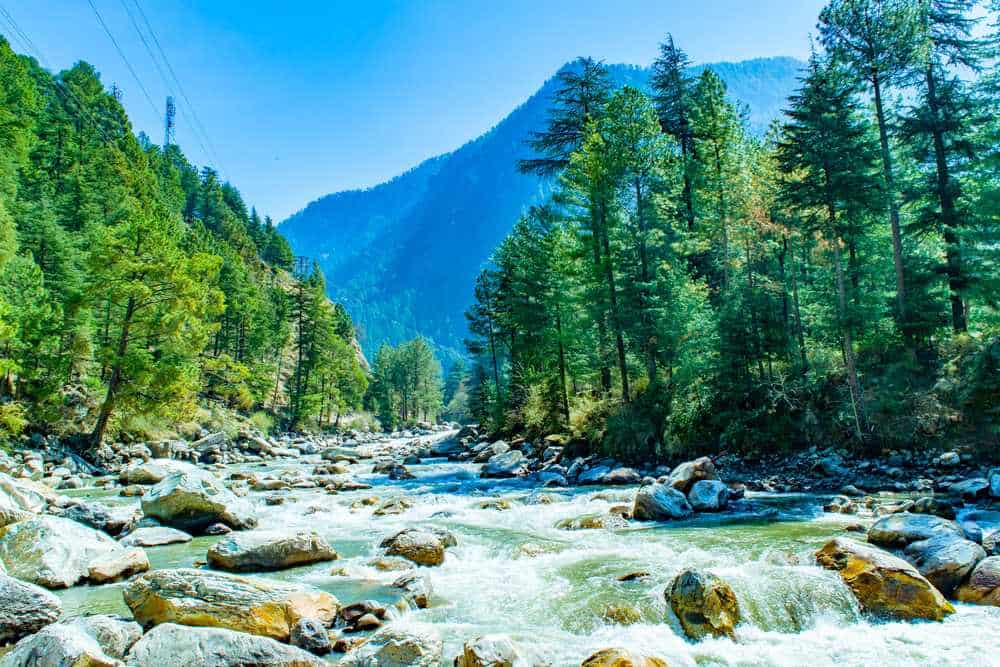
The Parvati River is the scenic lifeline of Kasol, flowing for approximately 150 kilometers through the stunning Parvati Valley. Originating from the Man Talai Glacier near the Pin Parvati Pass, this glacier-fed river is a major tributary of the Beas River, with which it merges at Bhuntar. Characterized by its swift currents and crystal-clear, icy-cold water, the river provides a tranquil yet invigorating backdrop for the entire region. While its beauty attracts many for riverside camping, photography, and picnics on its high boulders, visitors are strictly advised against swimming due to the dangerously strong and unpredictable flow. For adventure enthusiasts, the river offers rafting opportunities (Grade I to V rapids) in specific stretches, though these are typically seasonal and best enjoyed from May to June. Culturally, the river holds deep significance as it passes through the sacred town of Manikaran, where natural geothermal hot springs line its banks, believed by both Hindu and Sikh pilgrims to have healing properties.
3. Kheer Ganga Peak
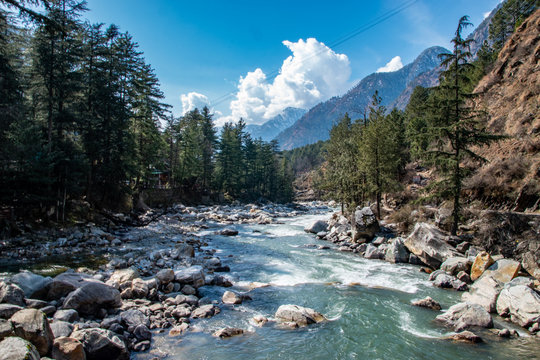
Kheer ganga is a renowned high-altitude meadow situated at approximately 3,000 metres (9,700 feet) above sea level at the extreme end of the Parvati Valley. It is famous for its natural sulfur hot water springs, believed to have therapeutic properties, where trekkers often bathe to relieve fatigue after the ascent. According to Hindu mythology, Kheerganga is a sacred site where Lord Kartikeya, the son of Lord Shiva and Parvati, meditated for thousands of years; the name “Kheerganga” (meaning “river of rice pudding”) originates from the legend that Goddess Parvati cooked kheer in these milky-white waters for her son. The summit offers panoramic views of snow-capped Himalayan peaks, dense deodar forests, and the gushing Parvati River.
4. Tosh Village
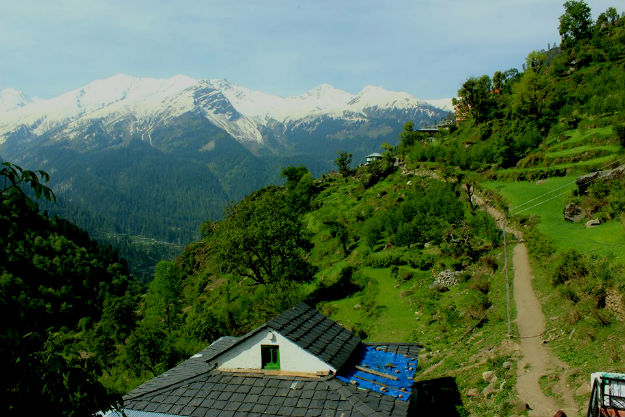
Tosh Village is a scenic mountain hamlet perched at an altitude of approximately 2,400 metres (7,874 feet), located at the far end of the Parvati Valley. Often described as a “hippie’s paradise,” Tosh is famous for its traditional wooden houses, vibrant psychedelic cafe culture, and breathtaking views of the Tosh River and the snow-dusted peaks of the Parvati Valley. Unlike the more commercialised Kasol, Tosh offers a slower pace of life where the main village area is car-free, requiring visitors to walk through narrow, winding cobblestone paths to reach their guesthouses. The village serves as a gateway to several high-altitude treks, most notably the Kheerganga trek which starts from nearby Barshaini. It is particularly popular among backpackers for its unique blend of Israeli-influenced cuisine and local Himachali hospitality.
5. Kasol Adventure Camp
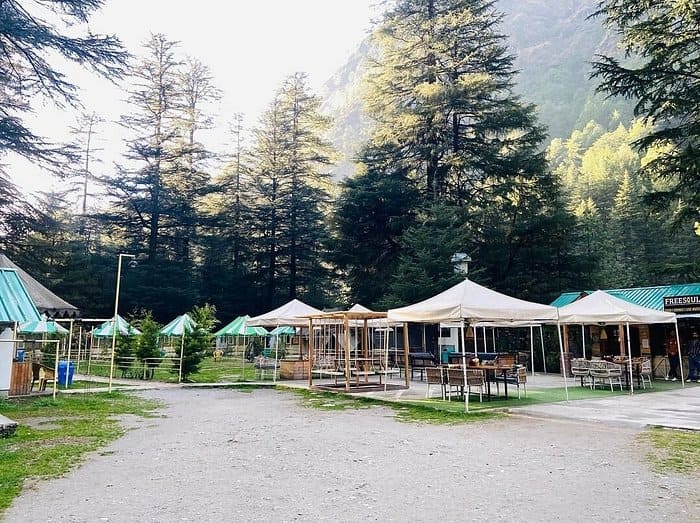
Kasol Adventure Camp is a popular riverside camping site located on Manikaran Road, approximately 6 km from the main Kasol market. Positioned along the banks of the Parvati River, the camp offers a blend of natural serenity and outdoor activities, featuring a mix of 19 Swiss cottage tents with attached bathrooms and 15 alpine tents with common facilities. The campsite includes a dedicated activity ground where guests can participate in adventure sports such as rock climbing, rappelling, and navigating a Burma bridge. Evenings at the camp typically feature social gatherings with a bonfire and DJ music, while the on-house kitchen serves a variety of local and multi-cuisine dishes.
6. Manikaran Hot Springs
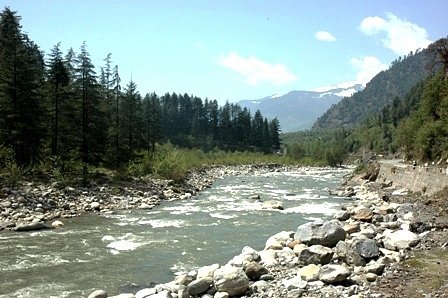
Manikaran Hot Springs, located in the Parvati Valley of Himachal Pradesh’s Kullu District along the banks of the Parvati River, are a renowned natural geothermal phenomenon, attracting thousands of tourists and pilgrims annually. Situated at an altitude of approximately 1,760 meters, these springs are known for their incredibly high temperatures—sometimes exceeding 90°C—which are sufficient to cook rice, pulses, and vegetables directly in the water. These waters are believed to have therapeutic properties, containing minerals like Uranium and other radioactive elements thought to cure diseases, particularly rheumatism, gout, and muscular pains.
7. Tirthan Valley
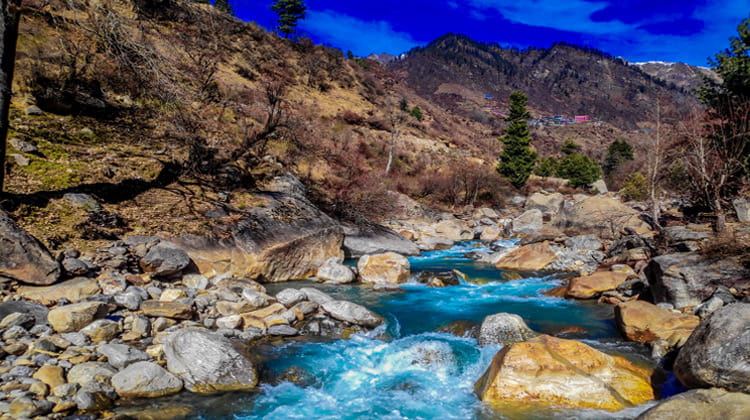
Tirthan Valley, located about 70 km from Kasol in the Kullu district, is often described as Himachal’s best-kept secret and a paradise for nature lovers seeking peace away from commercial crowds. Sitting at an altitude of 1,600 metres, the valley derives its name from the pristine Tirthan River, which originates from the icy cold glacial springs of the Great Himalayan National Park (GHNP), a UNESCO World Heritage site. The valley is famous for being the “Trout Fish Capital” of the state, offering world-class brown and rainbow trout fishing (with a permit). Unlike the vibrant hippie vibe of Kasol, Tirthan is defined by its lush green meadows, dense pine forests, quaint wooden homestays, and hidden waterfalls like the Choie Waterfall.
8. Chalal Village
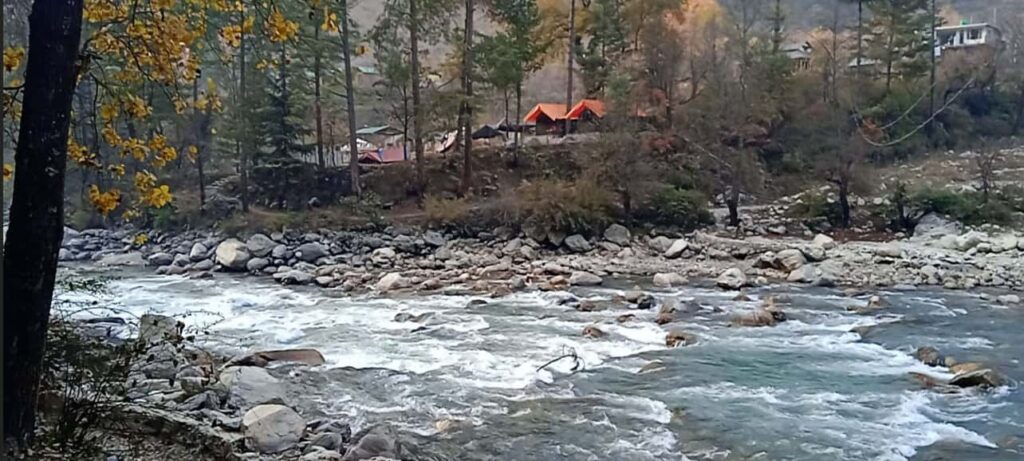
Chalal Village is a small, picturesque hamlet located at an altitude of approximately 1,600 metres, just a 30-minute walk from the main Kasol market. Accessible only by crossing a cable bridge over the roaring Parvati River and following a narrow forest trail, the village serves as a peaceful alternative to the crowded streets of Kasol. Known for its rustic charm and traditional wooden houses, Chalal is surrounded by towering pine trees and lush cannabis plantations, earning it a reputation as a hub for psychedelic parties and “Trance” music during the peak season. Despite its growing popularity among backpackers, the village retains a quiet, old-world feel, with narrow lanes and mountain dogs greeting visitors at every turn.
9. Shiv Mandir Manikaran
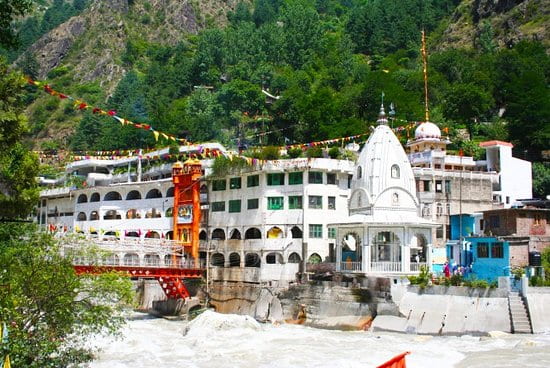
The Shiv Mandir at Manikaran is an ancient and highly revered Hindu temple situated adjacent to the Manikaran Sahib Gurudwara in the Parvati Valley. Dedicated to Lord Shiva, the temple is famous for its unique architecture and its historical resilience, having survived a massive earthquake in 1905, which left the structure slightly tilted. According to local mythology, Lord Shiva and Goddess Parvati spent eleven hundred years in penance at this very spot. The temple complex is deeply connected to the geothermal activity of the region; the natural hot springs surrounding the temple are believed to have originated from the “Mani” (earring) of Goddess Parvati, which was recovered by the serpent god Sheshnag at Shiva’s request.
10. Bhuntar Town
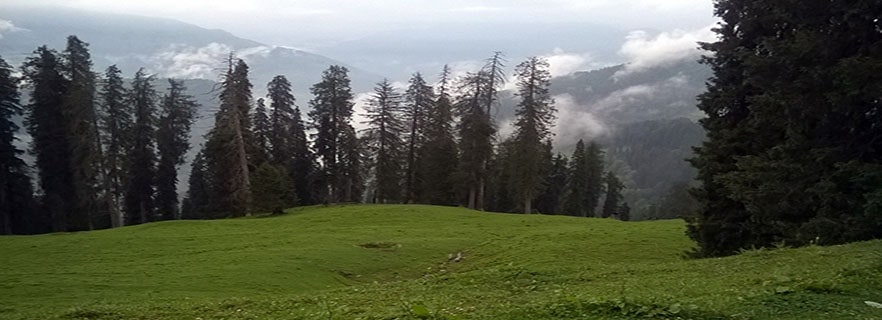
Bhuntar is a strategic transit town and the primary gateway to the Kullu Valley, located at the confluence of the Beas and Parvati Rivers. Situated at an altitude of approximately 1,100 metres, it serves as the critical junction for travelers heading toward Kasol, Manikaran, and the Tirthan Valley to the east, or Kullu and Manali to the north. The town is most famous for housing the Kullu-Manali Airport (KUU), the only airport serving the entire region, making it an essential hub for air travelers. While primarily seen as a commercial and transportation center rather than a secluded retreat, Bhuntar offers a more local, bustling atmosphere compared to the tourist-heavy villages further up the valley.
11. Naggar Village
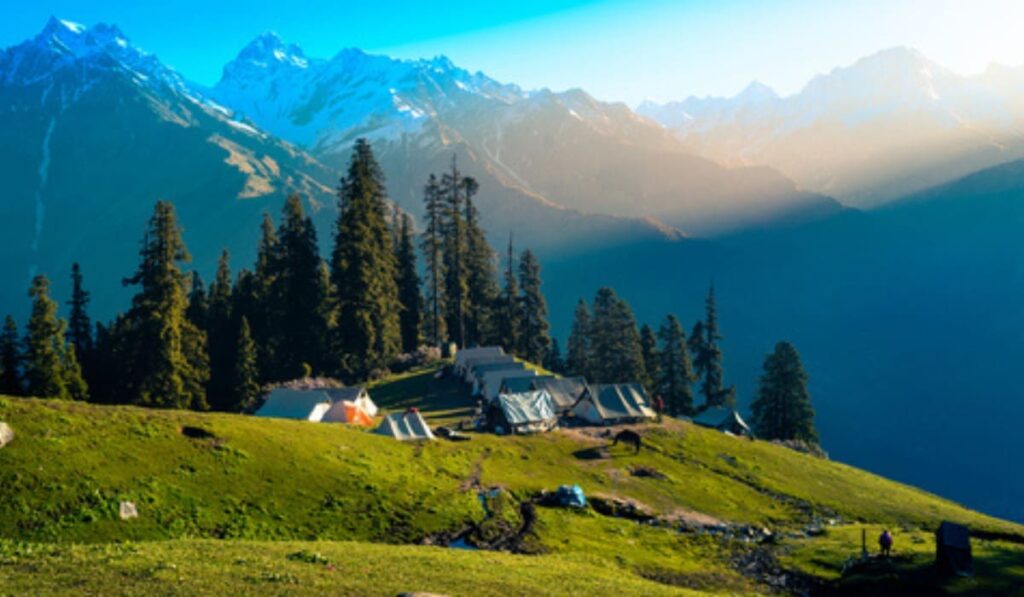
Naggar Village is a historic and culturally rich settlement located on the left bank of the Beas River, roughly 58 km from Kasol and 20 km from Manali. Once the capital of the erstwhile Kullu Rajas for over 1,400 years, the village is perched at an altitude of 1,800 metres, offering a commanding view of the snow-clad mountains and lush apple orchards. Naggar is best known for its unique Kathkuni architecture—a traditional Himalayan building style using alternating layers of wood and stone without mortar—which is perfectly showcased in the majestic Naggar Castle. Unlike the bustling tourist centers nearby, Naggar maintains a sophisticated, quiet atmosphere that has long attracted artists, writers, and history enthusiasts.
12. Moon Dance Cafe
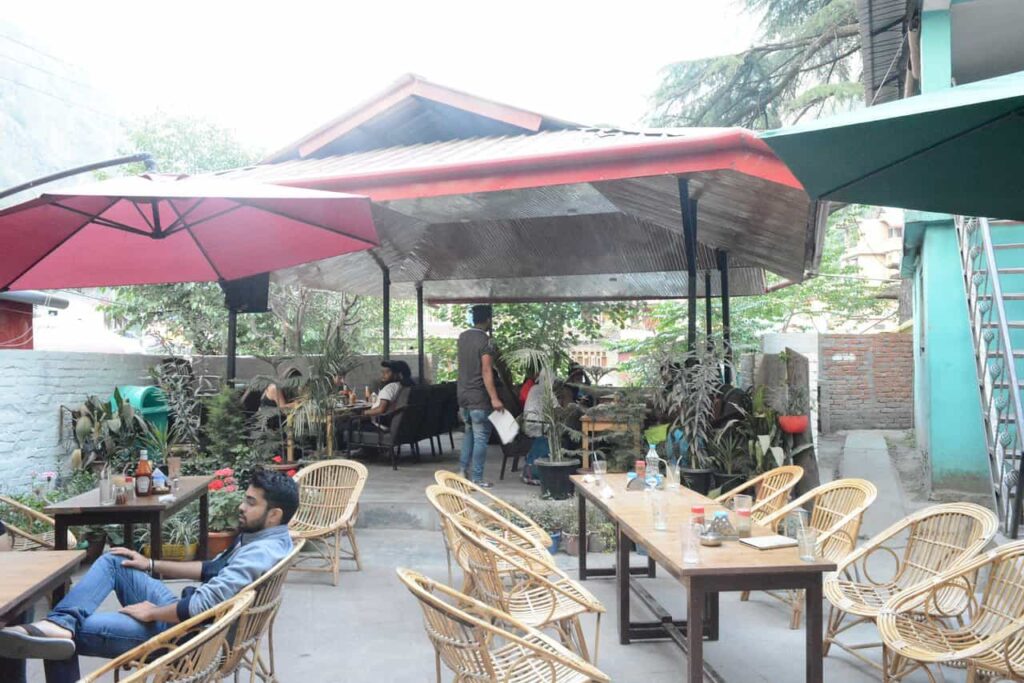
Moon Dance Café is one of Kasol’s most iconic and longest-standing landmarks, located right at the entrance of the main market. Known for its laid-back bohemian atmosphere and artistic decor, it has earned a reputation as the “go-to” spot for backpackers and food enthusiasts. The café is particularly famous for its freshly baked goods, including its signature German bakery items like apple crumbles, croissants, and cinnamon rolls. Its menu is a diverse mix of Israeli, Italian, and Indian cuisines, with the Israeli breakfast platters and wood-fired pizzas being highly recommended by regular visitors.
13. The Evergreen Cafe
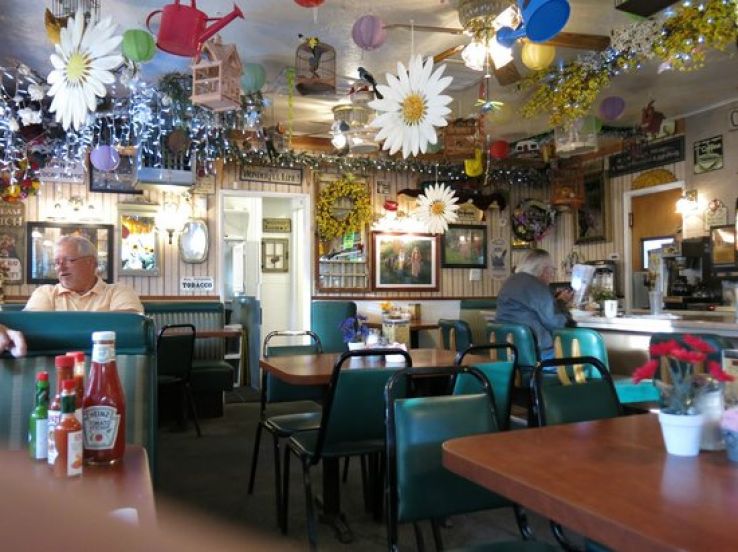
The Evergreen Café is one of Kasol’s most legendary and vibrant culinary landmarks, situated on the main road leading towards Manikaran. Established in the 1990s, it has played a pivotal role in shaping the town’s famous Israeli food culture, offering an extensive menu that features authentic Middle Eastern platters, hummus, falafel, and shakshuka, alongside wood-fired pizzas and local Himalayan trout. The café is renowned for its bohemian-style seating, where guests can choose between standard tables or traditional low-floor seating with cushions, creating a relaxed, communal atmosphere perfect for long conversations. Its outdoor section provides a stunning view of the surrounding pine-covered mountains, making it a favorite spot for both solo backpackers and large groups.
14. Buddha Place
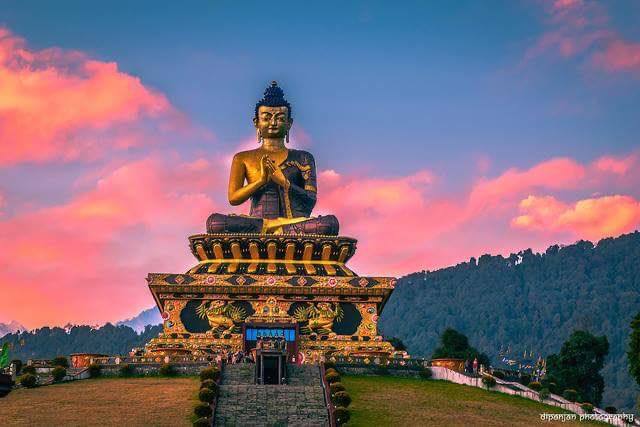
Buddha Place is a cozy, much-loved café in Kasol, famous for its vibrant yellow-and-blue theme and its artistic, laid-back atmosphere. Located right in the heart of the main market, it is relatively small compared to other big cafes, but it is highly sought after for its balcony seating, which offers some of the best views of the Parvati River and the surrounding green mountains. The café is particularly popular for its simple yet delicious comfort food, with their Nutella pancakes, crepes, and ginger-lemon-honey tea being the top favorites for many travelers looking for a quiet morning or a relaxing evening.
15. Jim Morrison Cafe
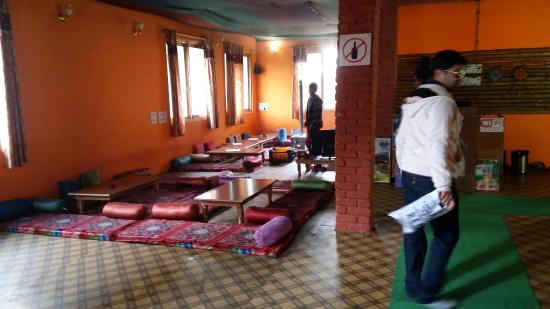
Jim Morrison Café is a legendary, bohemian-themed retreat in Kasol that perfectly embodies the town’s artistic and hippie spirit. To reach this hidden gem, visitors must take a short but steep 15-minute uphill trek through a forest trail starting near the Sandhya Hotel, which keeps the café tucked away from the noise of the main market. True to its namesake, the café is a tribute to the lead singer of The Doors, featuring psychedelic wall murals, a curated playlist of classic rock and trance music, and a relaxed “chill-out” vibe where guests sit on floor cushions and rugs. It is a strictly vegetarian and egg-free café, famous for its high-quality comfort food, including waffles, hummus platters, and finger fries, all served with panoramic views of the Parvati Valley from its large glass windows and outdoor seating.
16. Cafe Sunshine
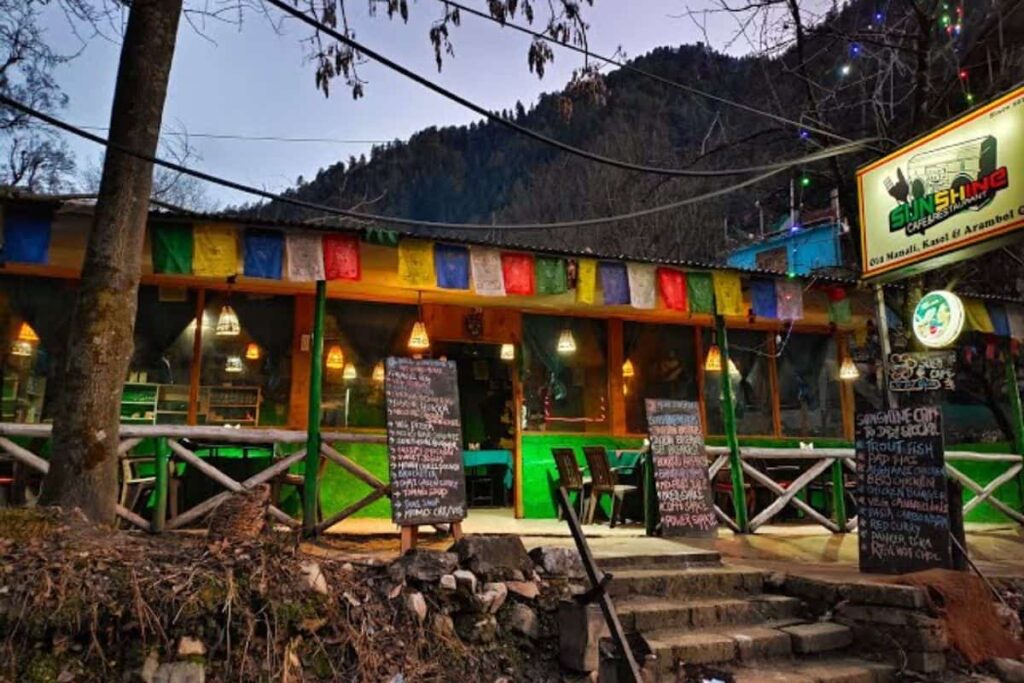
Cafe Sunshine is a cozy, riverside gem located at the far end of the Kasol market, known for its warm hospitality and incredible views of the Parvati River. Unlike the larger, more crowded commercial spots, this cafe offers a more intimate and peaceful environment, making it a favorite for solo travelers and couples. The interior features traditional low-seating arrangements and large glass windows that allow you to watch the gushing river while staying warm inside. It is highly regarded for its Israeli breakfast, trout fish, and authentic Shakshuka, along with a wide variety of herbal teas that are perfect for the chilly mountain weather.
17. River View Cafe
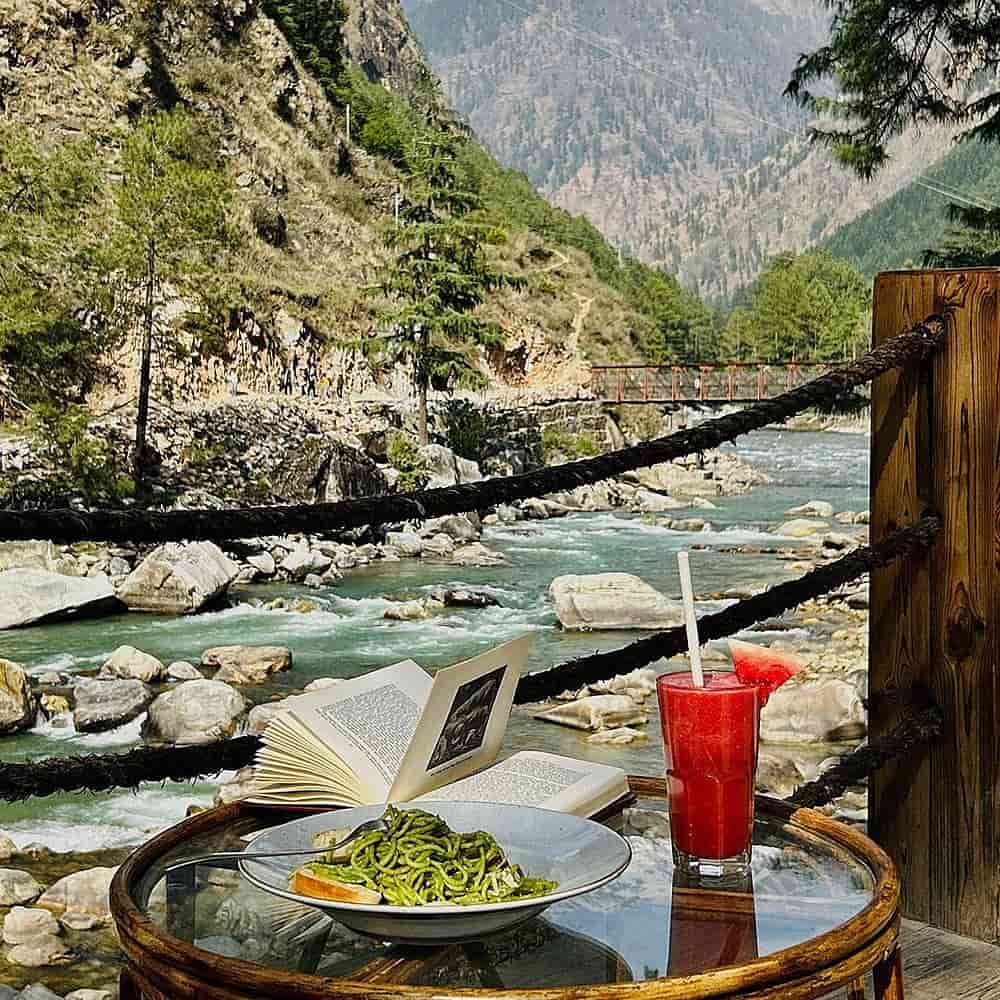
River View Café is a popular riverside dining spot in Kasol, perfectly positioned on the banks of the Parvati River to offer diners an up-close experience with the valley’s natural beauty. Known for its tranquil atmosphere, the café features a mix of indoor and outdoor seating, with the outdoor deck being the most sought-after area for its unobstructed views of the turquoise water and white-capped boulders. The sound of the rushing river provides a constant, soothing soundtrack, making it an ideal place for travelers to unwind after a long trek or a busy day of exploring.
18. Seven Sisters Trek
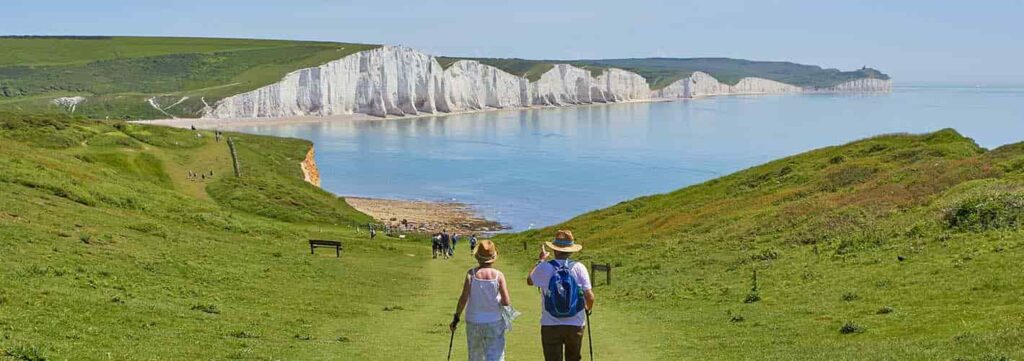
The Seven Sisters Trek is a fascinating high-altitude expedition located in the Beas Kund region near Manali, reaching an elevation of approximately 15,500 feet (4,725 metres). It is named after a series of seven similar-looking mountain peaks that stand together in a row, creating a stunning snow-covered skyline. Unlike the easier forest walks in Kasol, this is a moderate to difficult trek that takes you through diverse landscapes, starting from the lush apple orchards of the Solang Valley and moving upward through alpine meadows (like Bakar Thach) and rugged rocky ridges. The highlight of the trek is the incredible panoramic view of the Dhauladhar and Pir Panjal ranges, which remain visible throughout the journey.
19. Kabila Camps
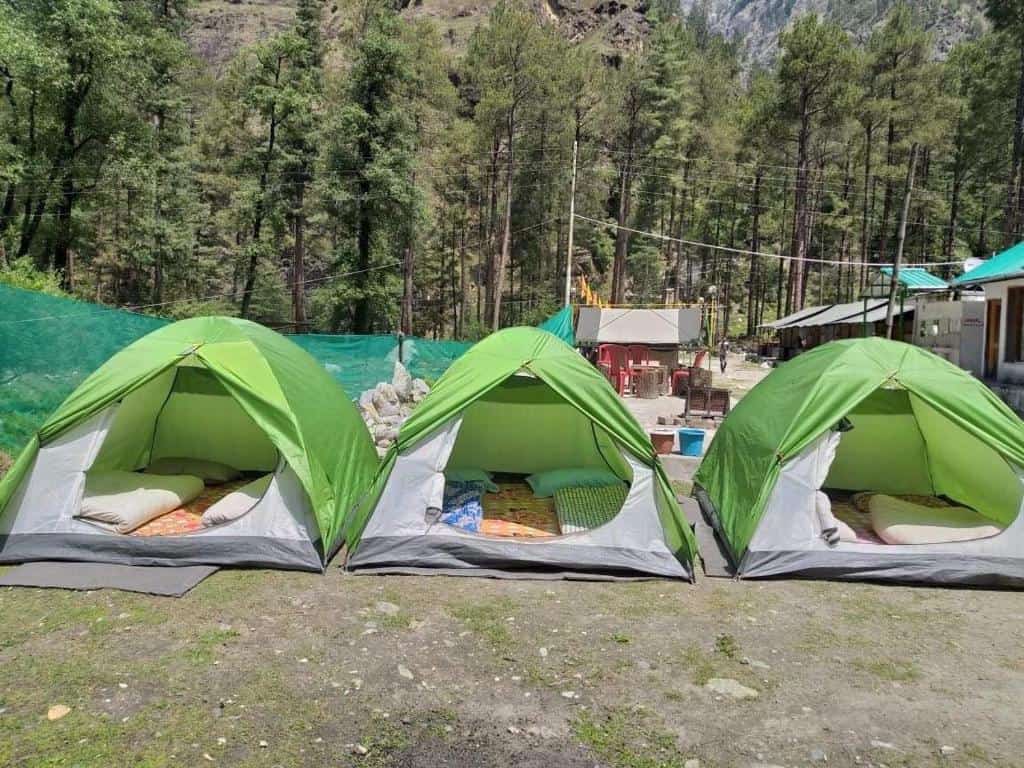
Kabila Camps is a premium riverside camping destination located in the heart of Kasol, right on the banks of the Parvati River. It is widely popular for offering a “glamping” (glamorous camping) experience, where travelers can enjoy the raw beauty of the Himalayas without sacrificing comfort. The property features large, well-spaced luxury tents and wooden cottages equipped with modern amenities like comfortable beds, charging points, and attached washrooms. Its strategic location provides guests with direct access to the river, allowing them to relax on the boulders or enjoy the soothing sound of the water right from their doorstep.
20. Malana Village
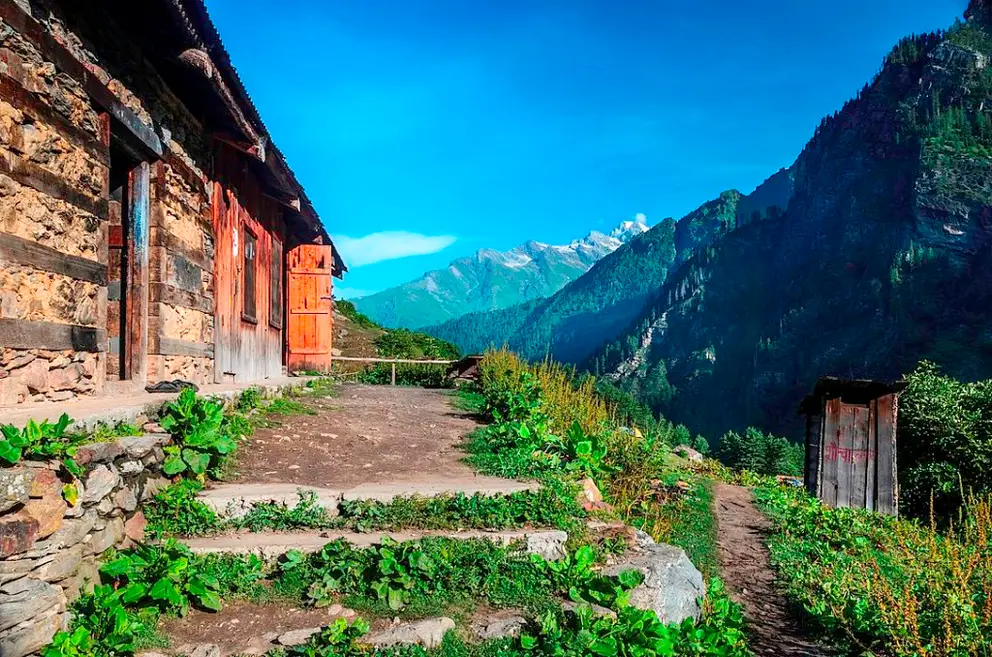
Malana Village is an ancient and isolated hamlet located at an altitude of approximately 2,650 metres (8,700 feet), famous for being one of the world’s oldest standing democracies. Known as the “Little Greece of Himachal,” the villagers believe they are the direct descendants of Alexander the Great’s army. The village is governed by its own unique legal system and its local deity, Lord Jamlu, whose word is considered supreme. Malana is globally renowned for producing “Malana Cream,” a high-quality hand-pressed cannabis resin that has won international awards. However, it is a place of strict taboos; visitors are strictly forbidden from touching the residents, their houses, or their sacred temples (such as the Jamlu Rishi Temple), as outsiders are considered “untouchable” by local customs.