
Japan is a captivating island nation in East Asia, where ancient traditions dating back thousands of years coexist seamlessly with cutting-edge technology and neon-lit urban life. Spanning an archipelago of over 14,000 islands—the four largest of which are Honshu, Hokkaido, Kyushu, and Shikoku—the country is renowned for its rugged, mountainous interior, home to the iconic Mount Fuji. Due to this unique topography, the majority of its 123-million-strong population has settled in vibrant coastal metropolises such as Tokyo—the world’s most populous city—and Osaka, a global culinary hub famously known as “Japan’s Kitchen.” From the high-speed capabilities of the Shinkansen bullet train to the serene beauty of Kyoto’s Zen gardens and the globally adored arts of anime and manga, Japan offers a curated experience that values both the preservation of its Samurai heritage and the relentless pursuit of future innovation.
Japan is a world-class tourist destination, celebrated for its incredible blend of ancient traditions and forward-looking innovation. It is primarily known for its iconic Mount Fuji—the country’s highest peak and a spiritual symbol—and for the breathtaking cherry blossom (Sakura) season, which paints the landscape in shades of pink every spring. Tourists flock to Japan to savor its world-renowned cuisine—including authentic sushi, ramen, and tempura—which is frequently lauded for its freshness and variety. The country is also a global epicenter for anime and manga culture, with districts like Tokyo’s Akihabara dedicated entirely to gaming and animation. Notable examples include Demon Slayer, Jujutsu Kaisen, One Piece, and Naruto. Beyond its vibrant cities, Japan also earns immense credit for its exceptional safety, cleanliness, and punctuality—particularly for its lightning-fast Shinkansen bullet trains, which make inter-island travel incredibly easy and efficient.
Japan is widely recognized as one of the safest countries in the world and consistently ranks high on the Global Peace Index. Violent crime here is extremely rare; it is common to see young children walking to school alone, or people leaving personal belongings—such as wallets or laptops—unattended at café tables while they go to place their orders. Furthermore, police officers are available 24/7 and are easily accessible, ready to assist you with everything from locating lost items to providing directions.
Most Famous And Attractive Tourist Places In Japan :
1. Hakuba – For Adventurous Activities
-1620x1080-min-1024x683.jpg)
Hakuba is a premier adventure destination in the Japanese Alps that offers world-class activities year-round, ranging from its legendary winter powder to high-adrenaline summer sports. In the winter, adventurers flock to its 10 interconnected resorts for elite skiing and snowboarding, with options for extreme backcountry tours and snowmobile excursions through the foothills. As the snow melts, the region transforms into a “green season” playground where you can experience paragliding tandem flights over the valley, canyoning through steep mountain ravines, and whitewater rafting on the Himekawa River. For those seeking unique thrills, Hakuba Iwatake features mountain carts that reach speeds of 50 km/h and the “Yoo-Hoo! Swing” for panoramic mountain views, while Tsugaike WOW! offers a high-wire “sky cycling” course. The rugged terrain also supports extensive mountain biking trails at Iwatake and challenging multi-day alpine treks to peaks like Mt. Shirouma-dake.
2. Kamakura – Where The Buddha Resides
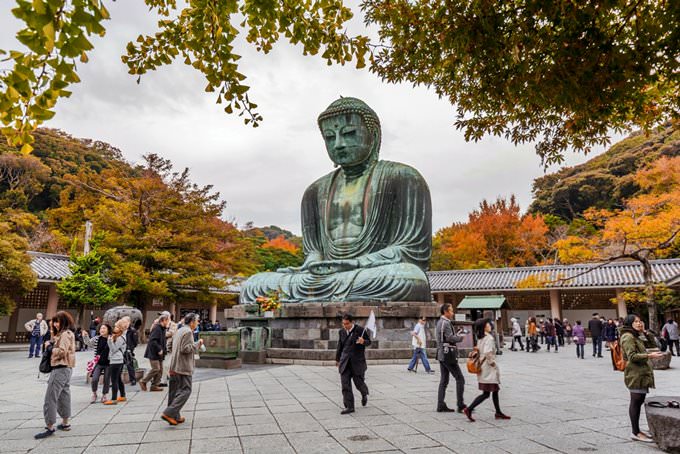
The heart of Kamakura’s spiritual identity is the Great Buddha (Daibutsu), a monumental bronze statue of Amida Buddha that has stood at Kōtoku-in Temple since 1252. Originally housed in a massive wooden hall, the statue became an open-air icon after a series of typhoons and a devastating tsunami in 1498 washed away its protective structure. Standing at approximately 13.35 metres tall and weighing 121 tonnes, it is the second-tallest bronze Buddha in Japan and is designated as a National Treasure. The figure is depicted in a meditative pose with its hands in the Dhyani Mudra, symbolising concentration and tranquility. Unique to this monument is its hollow interior, which visitors can enter for a small fee to see the intricate ancient casting techniques used to build it over 750 years ago.
3. Nagano – Great For Family
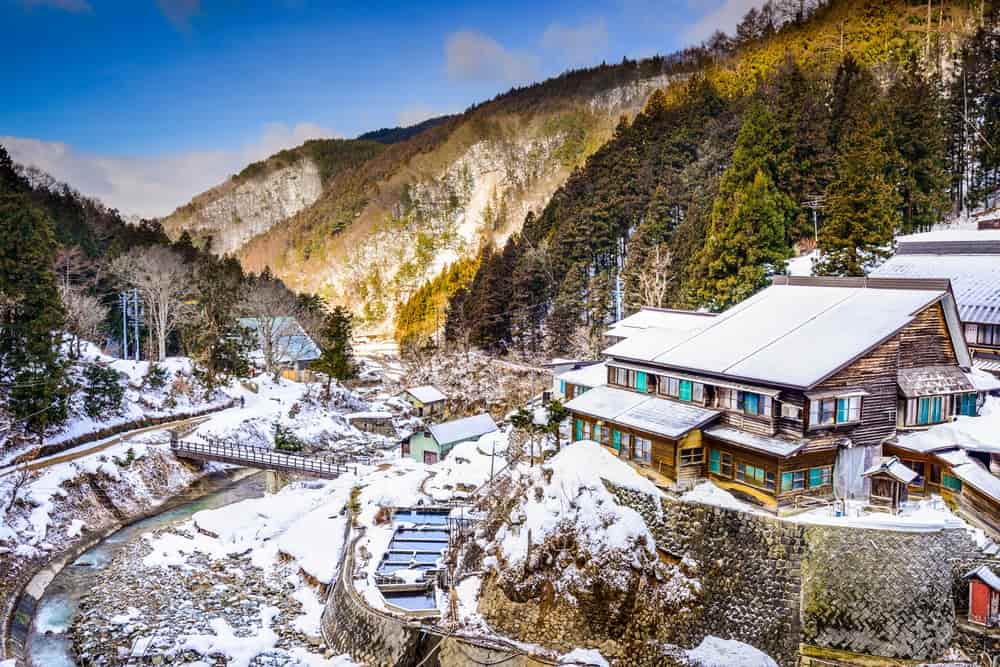
Nagano is an exceptional family destination that seamlessly blends interactive history with wildlife and outdoor play. A highlight for many families is the Jigokudani Monkey Park, where you can watch wild snow monkeys bathing in natural hot springs, an experience that is particularly magical in the winter. For active children, the Togakushi area offers the Kids’ Ninja Village (Chibikko Ninja Mura), where kids can rent costumes and navigate forest obstacle courses, while the nearby Ninja Museum features a fun “trick house” with secret doors and trapdoors. Younger children can enjoy Chausuyama Zoo, famous for its red panda exhibit and the adjacent Dinosaur Park, which features life-sized models that kids can climb on. Educational and hands-on fun continues at Miharashi Farm, where families can participate in year-round fruit picking—ranging from strawberries to apples—and take traditional soba-making classes.
4. Kawaguchi – Beautiful Landscapes
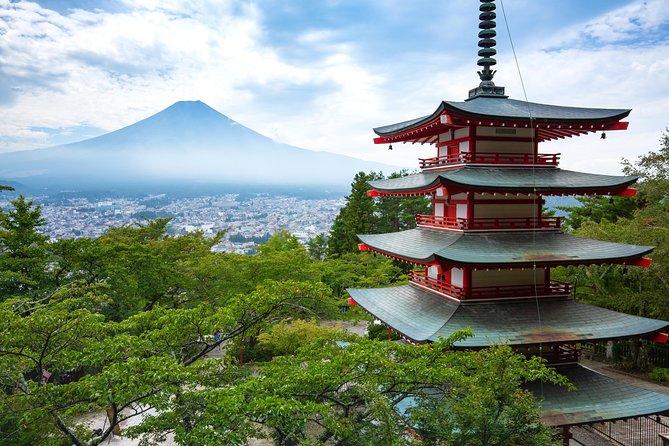
Kawaguchi, specifically the area surrounding Lake Kawaguchiko, is world-renowned for offering some of the most iconic and beautiful landscapes in Japan. As the most accessible of the Fuji Five Lakes, its northern shore provides a near-perfect, symmetrical view of Mount Fuji, which is often reflected in the lake’s still waters to create the famous “inverted Fuji” phenomenon. The scenery undergoes dramatic seasonal transformations: April brings delicate cherry blossoms that frame the snow-capped peak, while summer sees the purple lavender fields of Oishi Park in full bloom. In autumn, the area is set ablaze with color, particularly at the Momiji Corridor, where a tunnel of maple trees turns vibrant shades of red and gold. For a sweeping aerial perspective of these landscapes, visitors can ride the Mt. Fuji Panoramic Ropeway to the observation deck on Mt. Tenjo, which reveals a vast panorama of the lake, the mountain, and the surrounding lush forests.
5. Takayama – Away From City Life
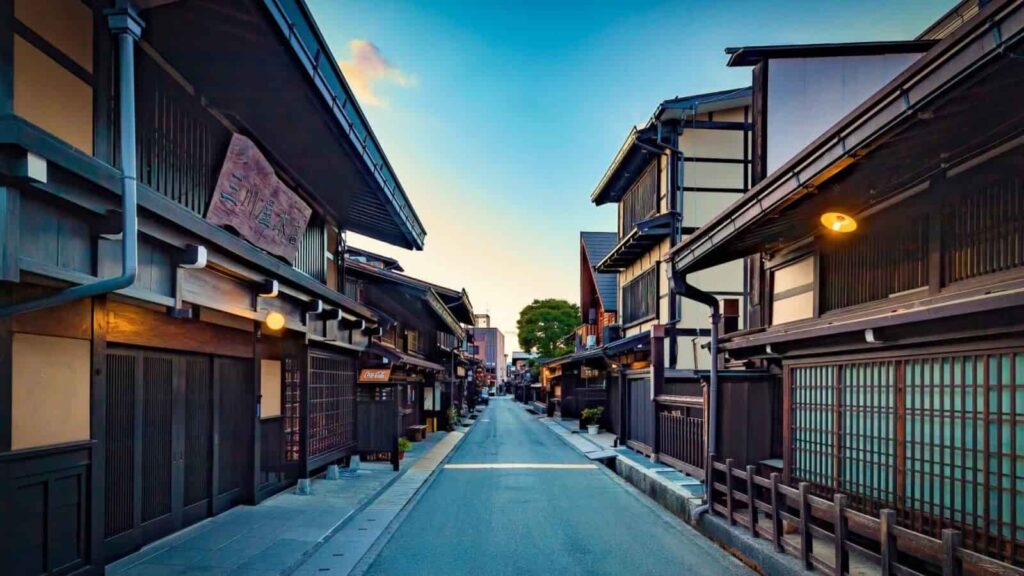
Takayama, often called “Little Kyoto,” offers a serene escape into the heart of the Japanese Alps, where the fast-paced modern world feels like a distant memory. The city’s crown jewel is the Sanmachi Suji Historic District, a beautifully preserved area of three narrow streets lined with dark-wood merchant houses, sake breweries, and traditional craft shops dating back to the Edo Period. For a deeper retreat into rural heritage, the Hida Folk Village (Hida no Sato) is an open-air museum featuring over 30 traditional farmhouses with steep, thatched gassho-zukuri roofs, relocated from the surrounding mountains to preserve the region’s unique “wood culture.” Visitors can start their mornings at the Miyagawa Morning Market, where local farmers have sold fresh produce and handmade crafts along the river for over a century. To truly leave the crowds behind, the Higashiyama Walking Course meanders through a quiet temple district and forested hills, offering a peaceful rhythm of life that defines the “authentic Japan” many travellers seek.
6. Shibuya – A Bustling City

Shibuya serves as the high-octane heartbeat of Tokyo, embodying the quintessential energy of a modern, neon-lit metropolis. It is most famous for the Shibuya Crossing, often called the “world’s busiest intersection,” where hundreds of people surge across the pavement in a choreographed chaos known as the “scramble” every time the lights change. The district is a global hub for youth culture and fashion, anchored by the iconic Shibuya 109 department store and the trendy boutiques of Center-gai. Beyond the street-level frenzy, the area has evolved into a vertical city with soaring skyscrapers like Shibuya Scramble Square, which features the “Shibuya Sky” observation deck offering a dizzying bird’s-eye view of the city sprawl. Despite the technological pulse, Shibuya maintains a sense of community around the Hachiko Statue, a legendary meeting spot dedicated to Japan’s most loyal dog. Whether you are exploring the narrow, record-store-filled alleys of Udagawacho or the luxury shops of Miyashita Park, Shibuya offers an overwhelming and exhilarating sensory experience that never truly sleeps.
7. Naoshima – Lush-Green Island
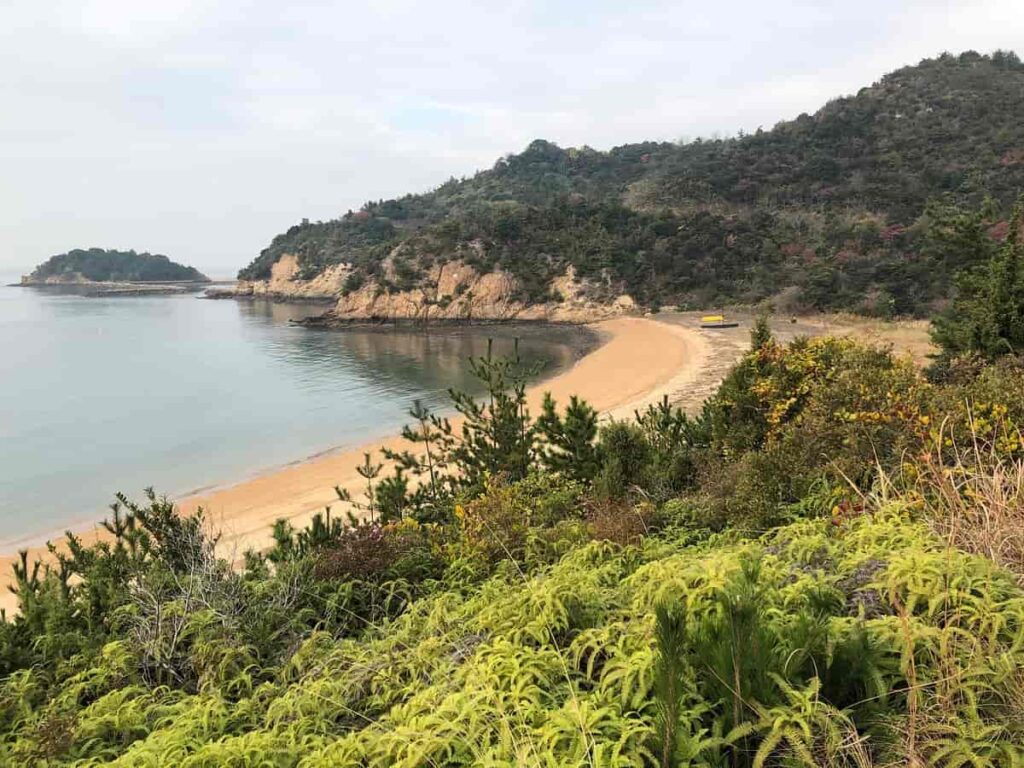
Naoshima is a unique “art island” nestled in the Seto Inland Sea, where lush Mediterranean-style landscapes provide a stunning natural backdrop for world-class contemporary architecture and installations. This verdant island is characterized by its rolling green hills and sparkling blue coastlines, which serve as an open-air gallery for iconic works like Yayoi Kusama’s Yellow Pumpkin. The island’s transformation from a sleepy fishing community to a global cultural hub is defined by the seamless integration of art and nature, most notably at the Chichu Art Museum. Designed by Tadao Ando, this museum is built almost entirely underground to avoid disturbing the natural scenery, using only natural light to illuminate the artworks within. Visitors can explore the island by bicycle, pedaling through quiet coastal paths and pine forests to reach the Benesse House Museum, where indoor galleries flow into outdoor sculptures overlooking the sea. For a more traditional experience, the Art House Project in the Honmura district repurposes historic village homes into creative spaces, blending the island’s lush surroundings with avant-garde expression.
8. Asakusa – For Parties And More
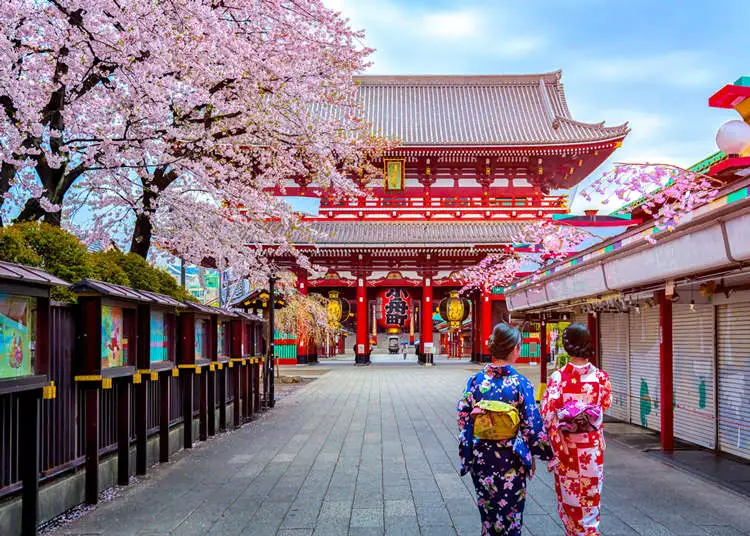
Asakusa is a rare Tokyo neighborhood where the celebratory spirit of the Edo period lives on, blending traditional festivities with a vibrant, modern nightlife. While it is home to the historic Senso-ji Temple, the area truly comes alive as a party destination through its deep-rooted “shitamachi” (old downtown) culture. The heart of the action is Hoppy Street (also known as Nikomi Street), a lively stretch of open-air izakayas where locals and travelers gather to drink “Hoppy”—a classic beer-flavored beverage—and share hearty stews. Asakusa is also the site of major Japanese festivals, most notably the Sanja Matsuri, one of Tokyo’s wildest and largest parties, involving massive processions and energetic chanting that lasts for days. For a more modern vibe, the area surrounding Asakusa Rokku offers a variety of entertainment halls, craft beer bars, and themed pubs. Even the riverside comes into play during the summer, where the Sumida River Fireworks Festival turns the entire district into a massive outdoor celebration. Whether you’re hopping between tiny “standing bars” or enjoying a traditional Geisha performance, Asakusa offers a festive atmosphere that is both rowdy and culturally rich.
9. Akihabara – Perfect City Life
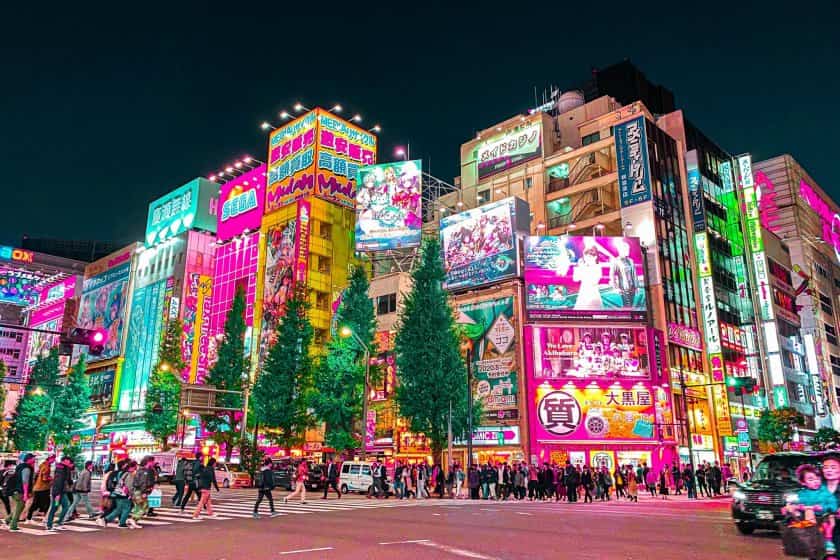
Akihabara, affectionately known as “Electric Town,” represents a specialized and high-energy version of city life that caters to the worlds of technology, gaming, and pop culture. For many, it is the “perfect” urban experience because it condenses everything from massive multi-story electronics department stores like Yodobashi Camera to niche, hidden workshops in its famous radio parts markets. The district’s skyline is a vivid collage of glowing neon signs and massive billboards featuring anime characters, creating a futuristic atmosphere that feels like stepping into a video game. Beyond the tech, Akihabara is the global epicenter of Otaku culture, filled with retro gaming arcades (Game Centers), manga cafes, and “Maid Cafes” that offer a quirky and immersive social experience unique to Tokyo. On Sundays, the main thoroughfare, Chuo-dori, is closed to vehicle traffic, transforming the street into a massive pedestrian plaza where cosplayers and collectors gather, making it a bustling but walkable urban playground. Whether you are hunting for rare collectibles in Mandarake or testing the latest VR technology, Akihabara offers a concentrated dose of modern Tokyo’s creative and technological soul.
10. Odaiba – For A Rejuvenating Experience
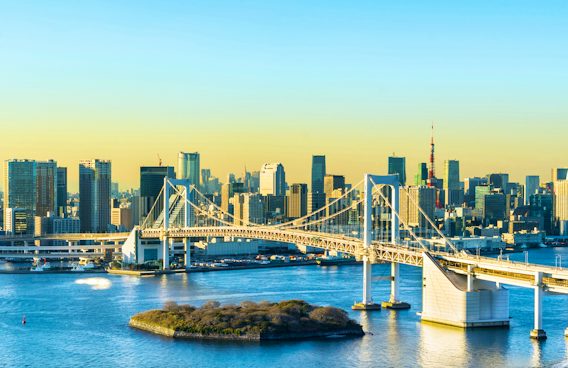
Odaiba is a futuristic, man-made island in Tokyo Bay that offers a refreshing coastal escape from the city’s dense urban center. Designed as a waterfront oasis, it provides a unique sense of space and rejuvenation through its wide pedestrian promenades and panoramic views of the Tokyo skyline and the Rainbow Bridge. For many, the ultimate rejuvenating experience is found at Odaiba Seaside Park, where you can stroll along the sandy beach, enjoy the sea breeze, or witness one of the city’s best sunsets behind a replica of the Statue of Liberty. The island is also a hub for “retail therapy” and relaxation, featuring expansive malls like Aqua City and DiverCity, alongside unique attractions like the teamLab Borderless digital art museum, which offers a meditative, immersive journey through light and color. Whether you are taking a leisurely ride on the Daikanransha Ferris Wheel for a bird’s-eye view of the bay or enjoying a quiet moment at a waterfront café, Odaiba provides a calm, spacious atmosphere that recharges both locals and travelers alike.
11. Kabukicho – Nightclubs And More
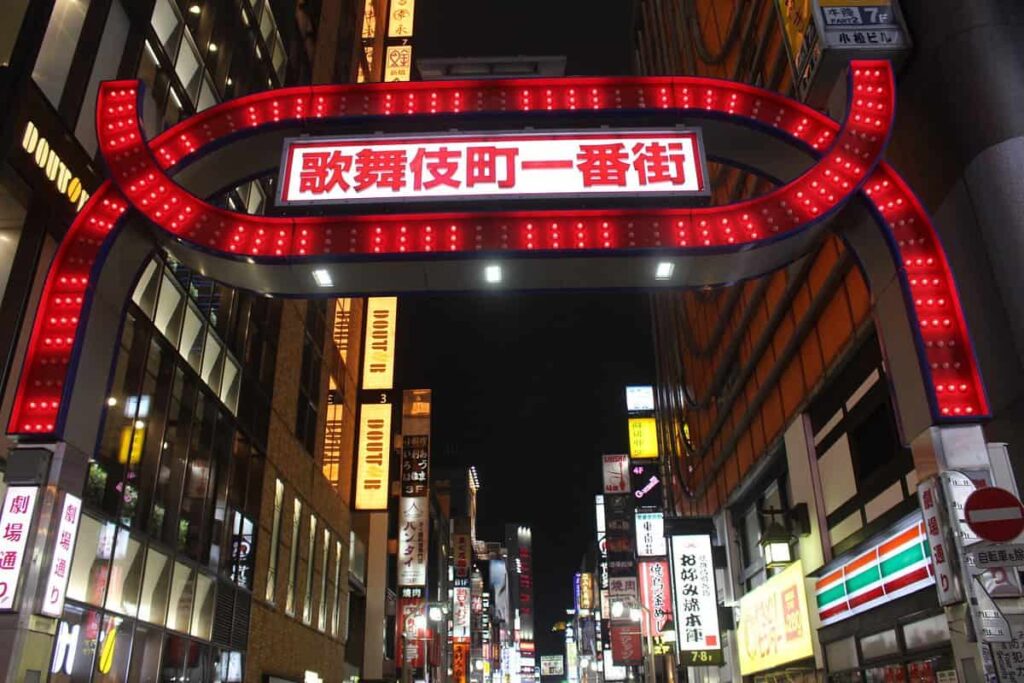
Kabukicho, located in the heart of Shinjuku, is Japan’s most famous entertainment district and the ultimate destination for those seeking a high-energy nightlife experience. Often called the “Sleepless Town,” it is packed with an overwhelming concentration of nightclubs, themed bars, and izakayas that stay open until dawn. The district is iconic for its glowing neon arches and the massive “Godzilla head” peering over the Toho Cinemas building, signaling the entrance to a world of sensory overload. Adventurous travelers can find everything from high-end dance clubs with international DJs to the quirky and intimate “Golden Gai” alleys nearby, which house over 200 tiny shanty-style bars. While it is known for its adult entertainment roots, Kabukicho has evolved to include massive entertainment complexes like the Tokyu Kabukicho Tower, which features indoor amusement centers, live music venues, and neon-lit food halls. Whether you are exploring the narrow “Omoide Yokocho” for street food or dancing at a multi-story nightclub, Kabukicho offers a raw, electric atmosphere that perfectly captures Tokyo’s late-night subcultures.
12. Ueno Park – For A Breath Of Fresh Air
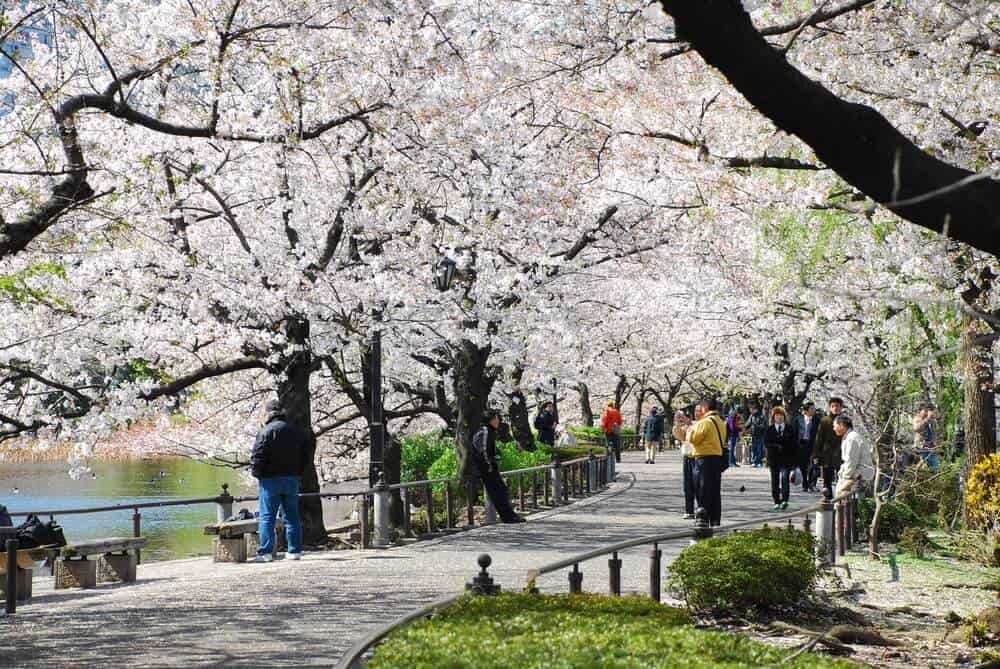
Ueno Park is a sprawling green oasis in the heart of Tokyo that offers a much-needed “breath of fresh air” and a peaceful escape from the city’s concrete canyons. As one of Japan’s first public parks, it is home to over 8,000 trees, including massive groves of cherry blossoms that create a stunning pink canopy in the spring. The park’s center features the expansive Shinobazu Pond, where visitors can rent swan boats to drift among giant lotus flowers and enjoy the cooling breeze off the water. Beyond its natural beauty, Ueno Park serves as a cultural lung for the city, housing world-class institutions like the Tokyo National Museum and the Ueno Zoo, all connected by wide, tree-lined walking paths. Whether you are taking a quiet morning jog, picnicking under the trees, or exploring the hidden Ueno Toshogu Shrine, the park’s vast open spaces and tranquil atmosphere provide a perfect setting for mental and physical rejuvenation.
13. Yokohama – Charming And Vibrant

Yokohama is a captivating port city that blends historical international charm with a sleek, vibrant modern skyline. Located just south of Tokyo, the city’s heart is Minato Mirai 21, a “harbour of the future” featuring the iconic Landmark Tower and the colourful Cosmo Clock 21 ferris wheel that lights up the waterfront at night. For a touch of old-world charm, you can wander through Yokohama Chinatown, the largest in Japan, which is famous for its ornate gates and vibrant street food scene. The city’s history as a gateway to the world is preserved in the Red Brick Warehouse, where historic shipping buildings have been transformed into trendy boutiques and cafes. Nature lovers can find serenity in Sankeien Garden, a traditional Japanese landscape garden featuring historic buildings relocated from across the country. Whether you are exploring the quirky Cup Noodles Museum, strolling along the Yamashita Park waterfront, or enjoying a craft beer in the historic Noge district, Yokohama offers a more relaxed and spacious coastal vibe than its Tokyo neighbour.
14. Nikko – Historically Rich
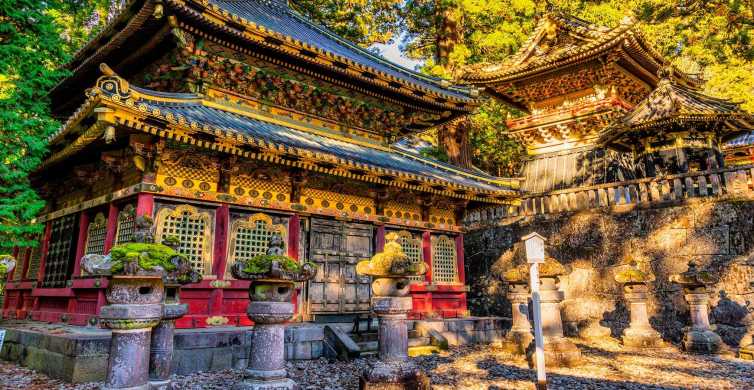
Nikko is a sacred mountain retreat that serves as a living museum of Japan’s architectural and spiritual history. The centerpiece of this UNESCO World Heritage site is the Toshogu Shrine, a lavishly decorated complex built in 1617 as the final resting place of Tokugawa Ieyasu, the founder of the Tokugawa Shogunate. Unlike the typically minimalist Japanese aesthetic, Toshogu is famous for its extravagant gold leaf, intricate wood carvings, and the famous “See No Evil, Hear No Evil, Speak No Evil” monkeys. Beyond the shrines, the area’s history is intertwined with nature at Lake Chuzenji and the thunderous Kegon Falls, which have been centers of mountain worship for over 1,200 years. For a deep dive into the Edo period, visitors can explore Edo Wonderland, a cultural theme park that recreates an authentic 17th-century town complete with ninjas and samurai. Whether walking the ancient cedar-lined Nikko Kaido road or crossing the iconic vermilion Shinkyo Bridge, every corner of Nikko whispers stories of Japan’s powerful Shogunate past.
15. Tohoku – Relax In Nature

Tohoku is a sprawling northern wilderness that offers a profound sense of tranquility, far removed from the crowded tourist trails of central Japan. For those seeking deep relaxation, the region is a sanctuary of unspoiled landscapes, from the pristine Shirakami Sanchi primeval beech forests to the emerald-green waters of the Okama Crater Lake. A standout for rejuvenation is the practice of shinrin-yoku (forest bathing) in the Appi Kogen highlands, where sunlight filtering through white birch trees creates a therapeutic atmosphere that soothes the mind. Water plays a central role in the region’s calming energy, whether you are taking a gentle boat ride through the sheer cliffs of Geibikei Gorge or walking along the moss-covered rocks and 14 waterfalls of the Oirase Mountain Stream. To complete the healing journey, Tohoku is home to some of Japan’s most secluded hidden hot springs, such as the nostalgic Ginzan Onsen or the therapeutic waters of Nyuto Onsen, where you can soak in open-air baths surrounded by silent, snowy mountains or lush summer greenery.
16. Kawagoe – Revisit The History
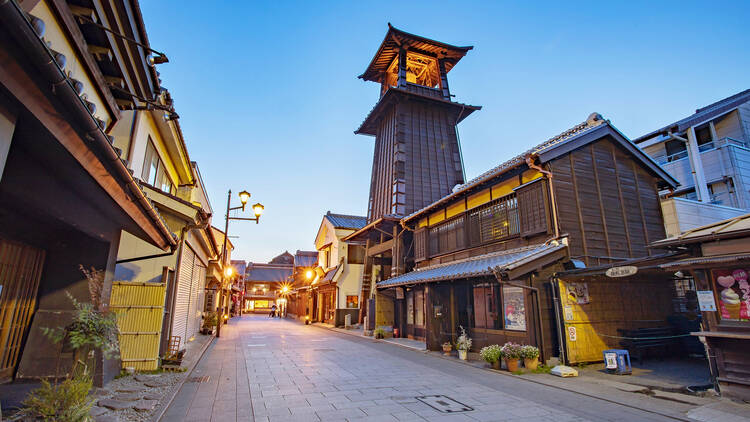
Kawagoe, affectionately known as “Little Edo,” offers a rare opportunity to step back into the Japan of the 17th and 18th centuries. The heart of this historical journey is the Kurazukuri Street, lined with impressive clay-walled warehouse buildings that served as fireproof residences and shops for wealthy merchants during the Edo period. A defining symbol of the city is the Toki no Kane (Bell of Time), a wooden clock tower that has chimed for centuries, marking the rhythm of daily life just as it did for the samurai and townspeople of the past. For a deeper dive into sacred history, the Kita-in Temple houses the only surviving palace buildings from the original Edo Castle, relocated here after a great fire in 1638. To complete the nostalgic experience, visitors can wander through Candy Alley (Kashiya Yokocho), where traditional sweets are still handmade using recipes passed down through generations. This combination of “black-tile” architecture, ancient temple grounds, and artisanal traditions makes Kawagoe a concentrated capsule of Japanese heritage just a short trip from modern Tokyo.
17. Nagoya – Traditionally Beautiful
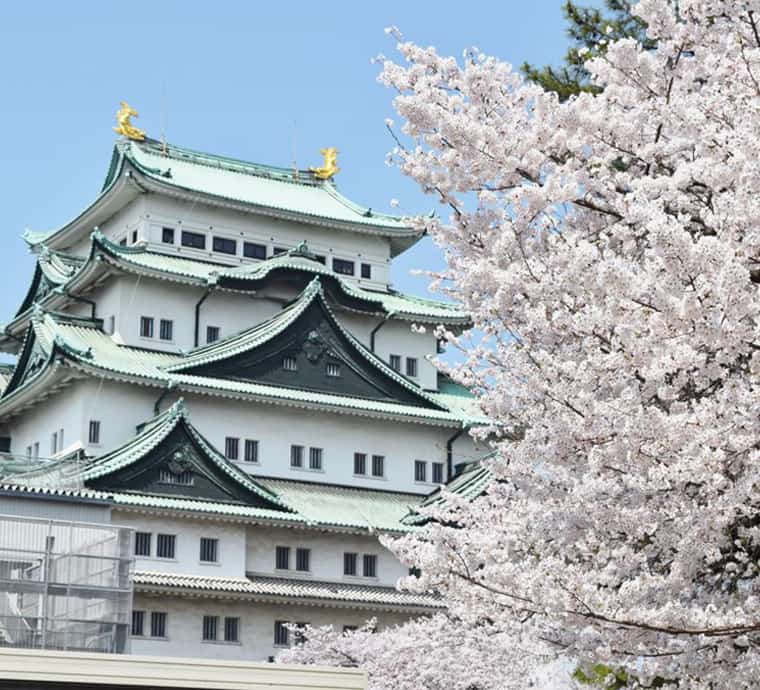
Nagoya is a city where industrial innovation meets a deep-rooted commitment to traditional Japanese beauty and samurai heritage. The city’s centerpiece is Nagoya Castle, famous for its golden shachihoko (tiger-headed carp) statues and the meticulously reconstructed Honmaru Palace, which showcases stunning gold-leaf screens and intricate wood carvings that reflect the pinnacle of Edo-period architecture. For a more serene experience, Atsuta Jingu, one of Japan’s most significant Shinto shrines, houses the sacred sword Kusanagi no Tsurugi and is surrounded by ancient cedars that lend the grounds a timeless, spiritual atmosphere. The city’s aesthetic charm extends to Noritake Garden, where the history of Japanese ceramics is displayed amidst red-brick buildings and manicured lawns, and Tokugawaen, a classic daimyo garden featuring a large pond and vibrant seasonal flora. Whether you are exploring the traditional textile crafts in the historic Arimatsu district or admiring the architectural fusion at the Osu Kannon Temple, Nagoya offers a sophisticated and culturally rich landscape that honors its feudal past.
18. Kanazawa – For Food Culture

Kanazawa is often hailed as Japan’s “hidden culinary capital,” where a rich history of feudal wealth has cultivated a sophisticated food culture that rivals Tokyo and Kyoto. The heart of this gastronomic scene is Omicho Market, known as “Kanazawa’s Kitchen,” where more than 170 stalls showcase the region’s incredible “Kaga” vegetables and fresh bounty from the nearby Sea of Japan, such as snow crab and blackthroat seaperch. The city is also famous for its edible gold leaf, a nod to its opulent past; you can find it shimmering atop everything from soft-serve ice cream to multi-course meals. For a more formal experience, Kanazawa offers world-class Kaga-ryori (local haute cuisine), characterized by seasonal ingredients served on exquisite Kutani porcelain and Wajima lacquerware. The tea culture here is equally significant, particularly in the Higashi Chaya District, where traditional tea houses serve delicate wagashi (Japanese sweets) designed to mirror the changing seasons. Whether you are enjoying gold-covered sushi or sipping matcha in a garden that has stood for centuries, Kanazawa’s food culture is a masterful blend of visual art and culinary excellence.
19. Shikoku Island – Cultural Heritage And Scenic Beauty
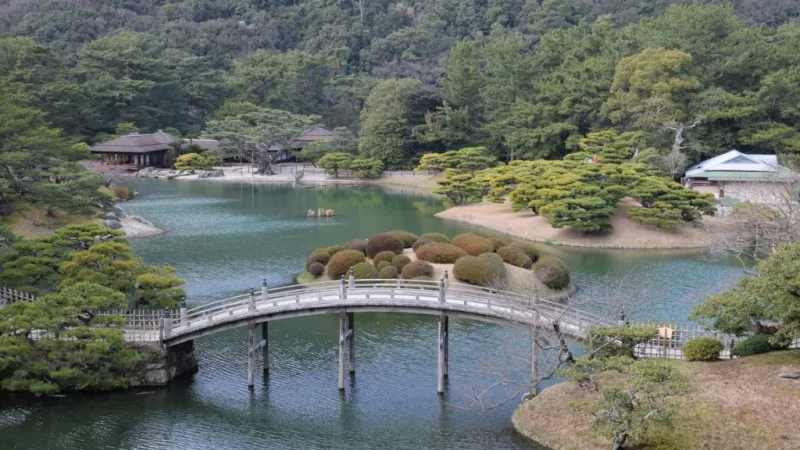
Shikoku Island offers a profound journey through Japan’s spiritual soul and untouched landscapes, making it a premier destination for those seeking cultural depth and scenic grandeur. It is most famous for the 88 Temple Pilgrimage, a 1,200-kilometer circular route dedicated to the monk Kobo Daishi that winds through misty mountains and coastal villages, where “Ohenro” pilgrims in white robes are a common sight. The island’s architectural heritage is anchored by Matsuyama Castle, one of Japan’s twelve original surviving castles, and Dogo Onsen Honkan, a 3,000-year-old hot spring bathhouse that inspired the film Spirited Away. Complementing this history is breathtaking natural beauty, from the emerald-green Iya Valley with its ancient vine bridges (Kazurabashi) to the crystal-clear Shimanto River, Japan’s last undammed river. For art lovers, the Seto Inland Sea coastline features the Setouchi Triennale, where traditional fishing islands like Naoshima are transformed into open-air galleries. Whether you are crossing the whirlpools of the Naruto Strait or strolling through the manicured perfection of Ritsurin Garden, Shikoku provides a rare, slow-paced immersion into Japan’s most authentic traditions and dramatic scenery.
20. Japanese anime

Japanese anime is a globally influential medium of animation characterized by its diverse art styles, complex storytelling, and deep emotional resonance. Unlike Western animation, which is often traditionally geared toward children, anime spans every conceivable genre—from high-octane shonen action and futuristic cyberpunk to poignant “slice of life” dramas and psychological thrillers—catering to all age groups. It is rooted in Japan’s rich visual history, particularly manga (comics), which serves as the source material for hits like Naruto, One Piece, jujutsu kaisen, and Demon Slayer. The industry is defined by legendary studios such as Studio Ghibli, renowned for the hand-drawn, whimsical masterpieces of Hayao Miyazaki like Spirited Away, alongside modern powerhouses like MAPPA and Ufotable that push the boundaries of digital and 3D integration. Beyond entertainment, anime is a massive cultural export that has spawned a global subculture of cosplay, conventions, and “pilgrimages” to real-life locations in Japan, making it a cornerstone of modern pop culture that explores profound themes of identity, technology, and the human spirit.