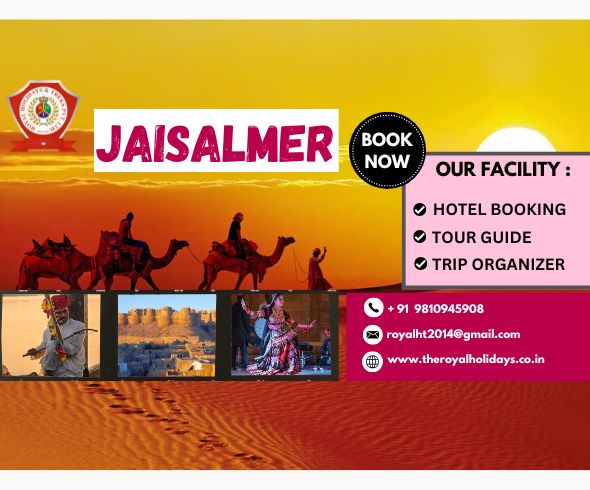
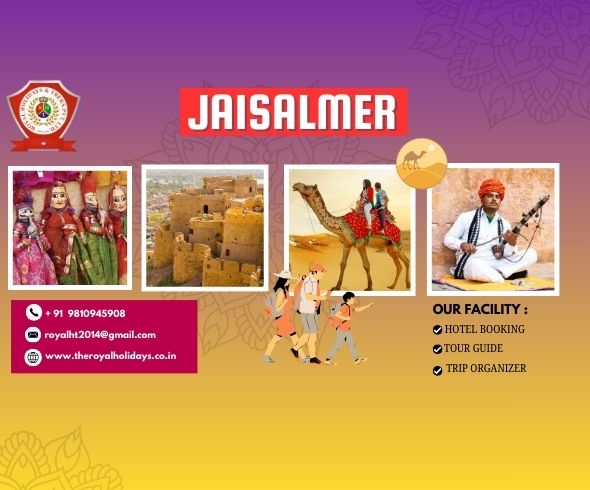
Jaisalmer, known as the “Golden City,” is an exquisitely beautiful desert city in Rajasthan. It is distinguished by its magnificent yellow sandstone architecture, which glows like gold in the sunlight. Situated right in the heart of the city stands the Jaisalmer Fort (Sonar Fort). A UNESCO World Heritage Site, it is one of the few “living forts” in the world where thousands of people continue to reside within its ancient walls to this day. The city itself is an unparalleled masterpiece of craftsmanship.
It is home to exquisitely carved havelis (mansions)—such as Patwon Ki Haveli—and the serene Gadisar Lake, which served as the city’s lifeline for centuries. Beyond its urban architectural splendor, Jaisalmer also serves as the gateway to the Thar Desert. Tourists flock in large numbers to the sand dunes of ‘Sam’ and ‘Khuri’ to enjoy camel safaris, local folk dance and music performances, and starry nights spent in desert camps. From its rich history as a major trading hub on the Silk Road to its vibrant local culture and piquant Rajasthani cuisine, Jaisalmer offers a magical, old-world experience. A visit here feels akin to stepping back in time into a medieval desert kingdom.
Jaisalmer’s economy remains robust and healthy, driven primarily by three key sectors: tourism, green energy, and minerals. Attracted by the renowned “Golden Fort” and the picturesque sand dunes, millions of tourists visit the city every year. This influx generates employment opportunities for local hotels, tour guides, and shopkeepers. The city is also a pioneer in the field of green energy; harnessing the desert’s strong winds and abundant sunlight, it operates thousands of wind turbines and solar panels. Furthermore, the region’s terrain is rich in natural resources, containing abundant reserves of yellow sandstone and limestone. Extracted from the earth, these materials are shipped across the globe to be used in the construction of beautiful homes. Finally, given its proximity to the border, the presence of the Indian Army and the BSF also plays a vital role in helping local businesses thrive and remain stable.
Jaisalmer is generally regarded as one of the safest cities in India. It is a secure destination for all types of travelers—including families, couples, and solo female adventurers. The local community here is exceptionally hospitable and treats guests with the utmost respect; they frequently uphold the tradition of “Atithi Devo Bhava” (The Guest is God).
Places To Visit In Jaisalmer :
1. Jaisalmer Fort

Jaisalmer Fort, also known as Sonar Quila or the Golden Fort, is one of the very few “living forts” in the world, as nearly one-fourth of the city’s old population still resides within its walls. Built in 1156 AD by the Rajput ruler Rawal Jaisal, it stands majestically on Trikuta Hill amidst the sandy expanse of the Thar Desert. The fort is famous for its massive yellow sandstone walls that turn a brilliant honey-gold at sunset, giving it its golden name. Inside the fort’s narrow, winding lanes, you will find beautiful Jain Temples, the grand Raj Mahal (Royal Palace), and intricately carved Havelis (merchant houses). Because people still live and run shops inside, the fort feels like a bustling medieval village where history is still very much alive.
2. Sam Sand Dunes
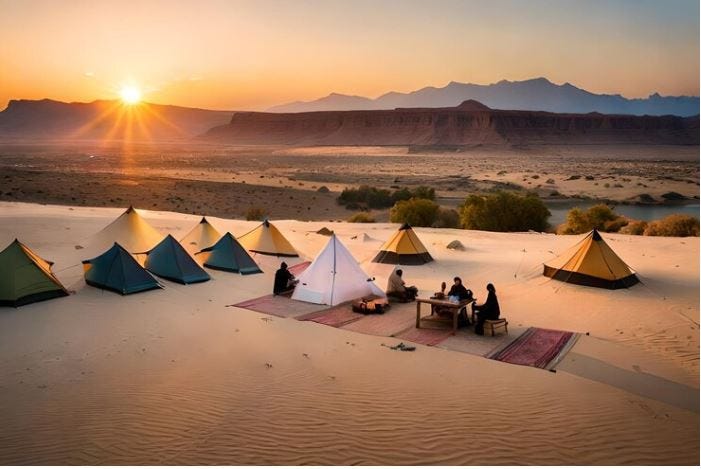
The Sam Sand Dunes, located about 45 kilometres from Jaisalmer, are the most popular spot to experience the true magic of the Thar Desert. These dunes are famous for their vast stretches of silky, shifting golden sand that reach heights of 30 to 60 metres, creating a stunning landscape that looks like a scene from a movie. The best way to explore them is through a camel safari or a thrilling jeep safari, especially during sunrise or sunset when the sky turns vibrant shades of orange and pink. At night, the area comes alive with desert camps offering traditional Rajasthani folk music, Kalbeliya dance performances, and authentic local dinners under a star-filled sky. It is the perfect place for anyone wanting to escape the city and enjoy the peaceful yet exciting beauty of the desert.
3. Royal Food Walk Tour in Jaisalmer

The Royal Food Walk Tour in Jaisalmer is a curated culinary journey that takes you through the vibrant, narrow lanes of the “Golden City” to taste its most authentic flavors. This tour is perfect for food lovers as it goes beyond standard restaurants, guiding you to hidden legendary stalls and heritage eateries located near the Jaisalmer Fort and the bustling Manak Chowk. You’ll get to try famous local specialties like Pyaaz Kachori, the unique Ghotua Laddoo (a centuries-old sweet made with desi ghee), and the spicy Mirchi Bada. As you walk, guides often share stories about the royal history of these recipes and the traditional Rajasthani spices used. It’s an immersive way to experience the city’s culture, ending with a refreshing glass of Makhaniya Lassi or a cup of hot masala tea while admiring the glowing sandstone architecture.
4. Pansari Bazaar
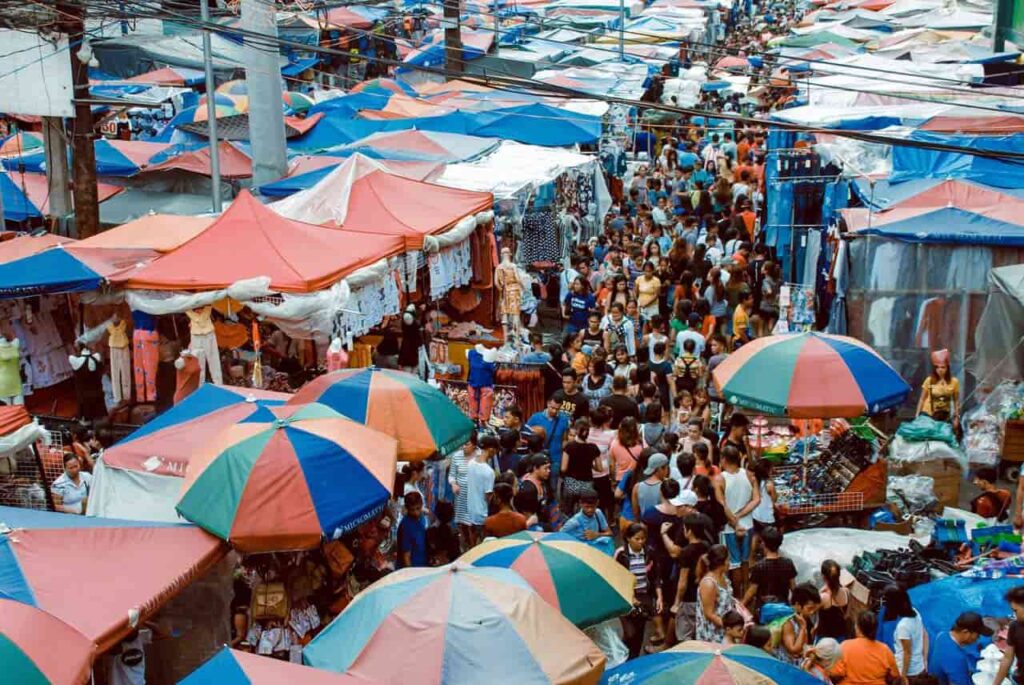
Pansari Bazaar is one of the oldest and most traditional markets in Jaisalmer, offering a sensory journey through the “Golden City’s” authentic local lifestyle. Located near the entrance of the Jaisalmer Fort, this market is famous for selling a wide variety of handicrafts, colourful textiles, and traditional Rajasthani spices. As you walk through the narrow lanes, you will find shops filled with ethnic wear like embroidered leather “mojris” (shoes), puppets, and vibrant bandhani fabrics that reflect the desert’s culture. It is also the best place to buy local specialties like dried desert beans (Ker Sangri) and aromatic spices that are essential to Rajasthani cooking. The market’s charming old-world atmosphere and the beautiful yellow sandstone buildings make it a perfect spot for both shopping and photography.
5. The Lalgarh – Restaurant
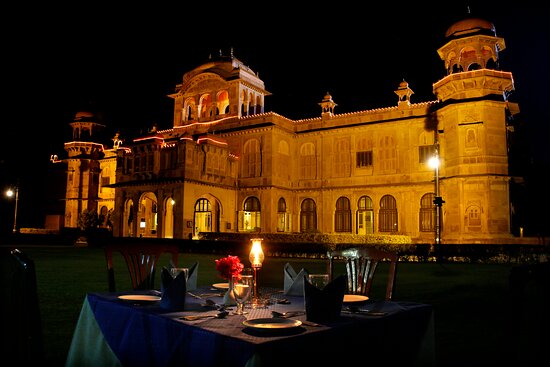
The Lalgarh – Restaurant is a highly-rated dining destination in Jaisalmer, known for offering a perfect blend of traditional Rajasthani hospitality and a stunning architectural setting. Located near the Fort, the restaurant is famous for its rooftop seating, which provides breathtaking, panoramic views of the Golden Fort, especially when it is illuminated at night. The menu features authentic local delicacies like Lal Maas (spicy mutton curry) and Ker Sangri, alongside a variety of multi-cuisine options to suit every palate. With its beautiful sandstone interiors, warm lighting, and a relaxed atmosphere, it is a favorite spot for travelers looking to enjoy a romantic dinner or a quiet meal while soaking in the historic charm of the city.
6. Maharaja’s Palace
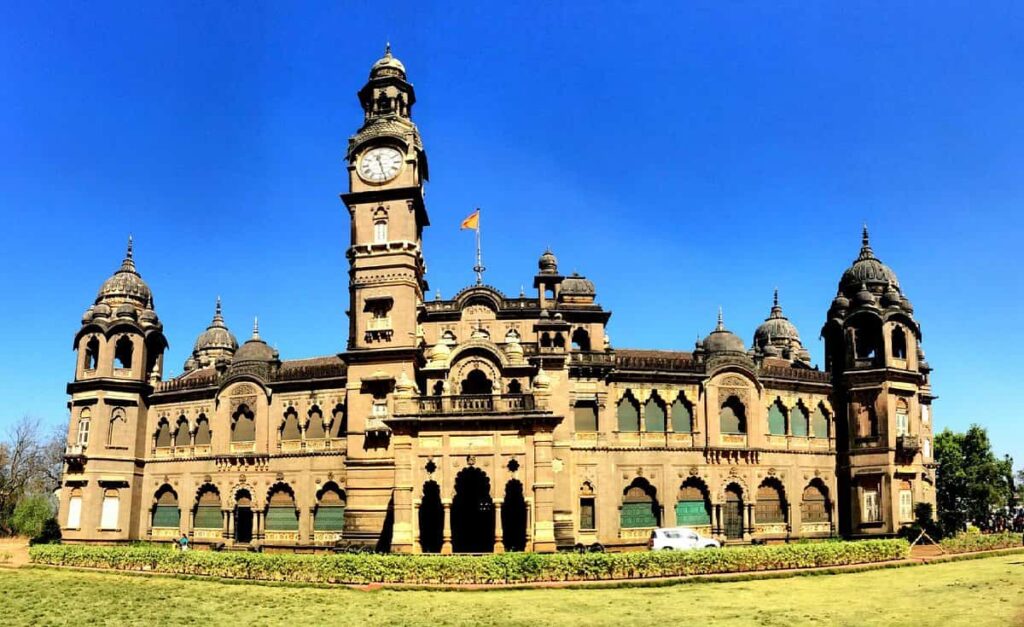
The Maharaja’s Palace, also known as the Raj Mahal, is a stunning seven-story royal residence located right in the heart of the Jaisalmer Fort. Built in the 15th century, this palace served as the home for the royal family of the Bhati clan and is a masterpiece of yellow sandstone architecture, featuring incredibly fine stone carvings and delicate “jalis” (latticed screens). As you walk through its rooms, you can see the ornate throne of the king, the Queen’s chambers, and a fascinating museum that displays royal armor, costumes, and historical artifacts. One of the highlights of the palace is its rooftop, which offers the highest and most spectacular 360-degree view of the entire Golden City and the surrounding Thar Desert.
7. Jain Temple
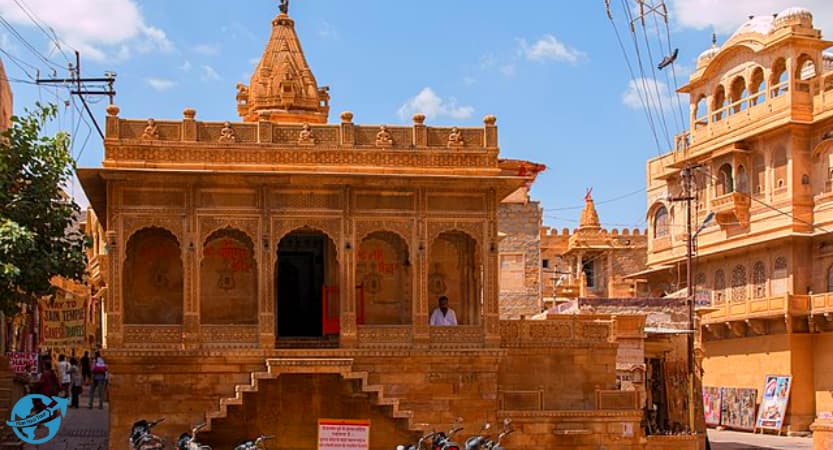
The Jain Temples of Jaisalmer are a cluster of seven breathtakingly beautiful temples located inside the walls of the Jaisalmer Fort, dating back to the 12th and 15th centuries. Dedicated to various Jain Tirthankaras like Rikhabdevji and Sambhavnathji, these temples are world-famous for their intricate yellow sandstone carvings that are so delicate they look like lace. Every inch of the pillars, ceilings, and walls is covered with detailed sculptures of human figures, animals, and celestial beings, showcasing the peak of Dilwara-style architecture. Beyond their artistic beauty, the temples house a famous underground library called the Gyan Bhandar, which contains some of the oldest and rarest hand-written manuscripts in India. The atmosphere inside is incredibly peaceful, making it a spiritual and architectural highlight for anyone visiting the Golden Fort.
8. Mandir Palace
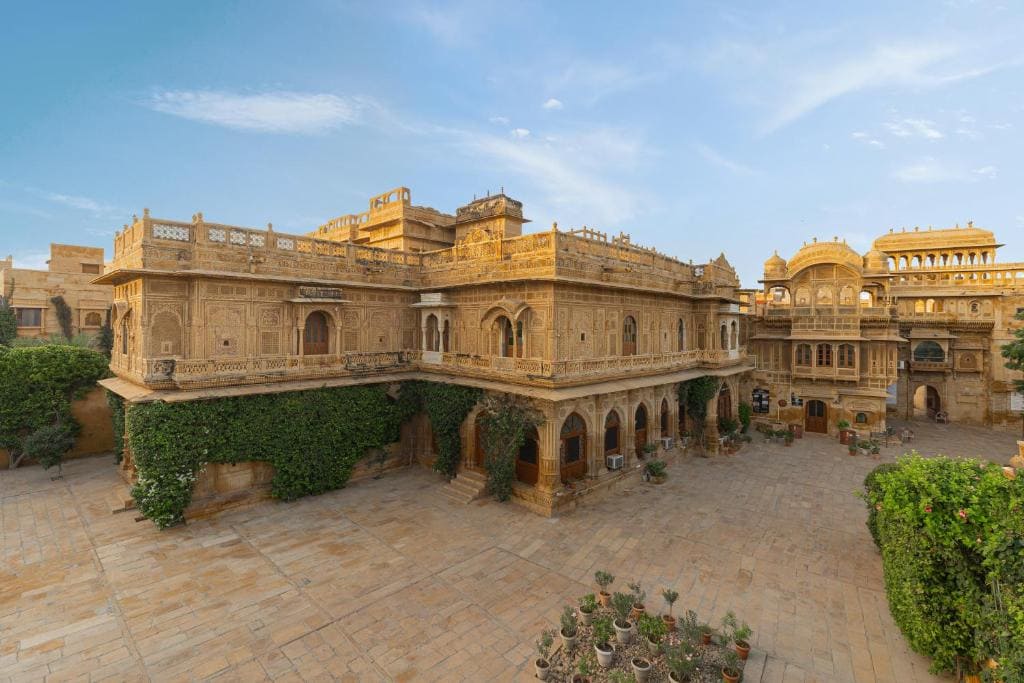
The Mandir Palace is a stunning 200-year-old architectural marvel in Jaisalmer that serves as the current residence of the royal family while also operating as a luxury heritage hotel. It is famous for its towering Badal Vilas, a pagoda-like structure that is one of the tallest buildings in the city, adorned with incredibly delicate stone carvings that look like fine lace. The palace is a masterpiece of yellow sandstone, featuring beautiful balconies, ornate canopies, and intricate “jalis” (latticed screens) that showcase the peak of craftsmanship from that era. Visitors are drawn to its serene courtyards and the museum section, which displays royal memorabilia and ancient artifacts, offering a rare glimpse into the regal lifestyle of the desert kings. At night, the palace is beautifully lit, making it one of the most photogenic and elegant landmarks in the Golden City.
9. Surya Gate
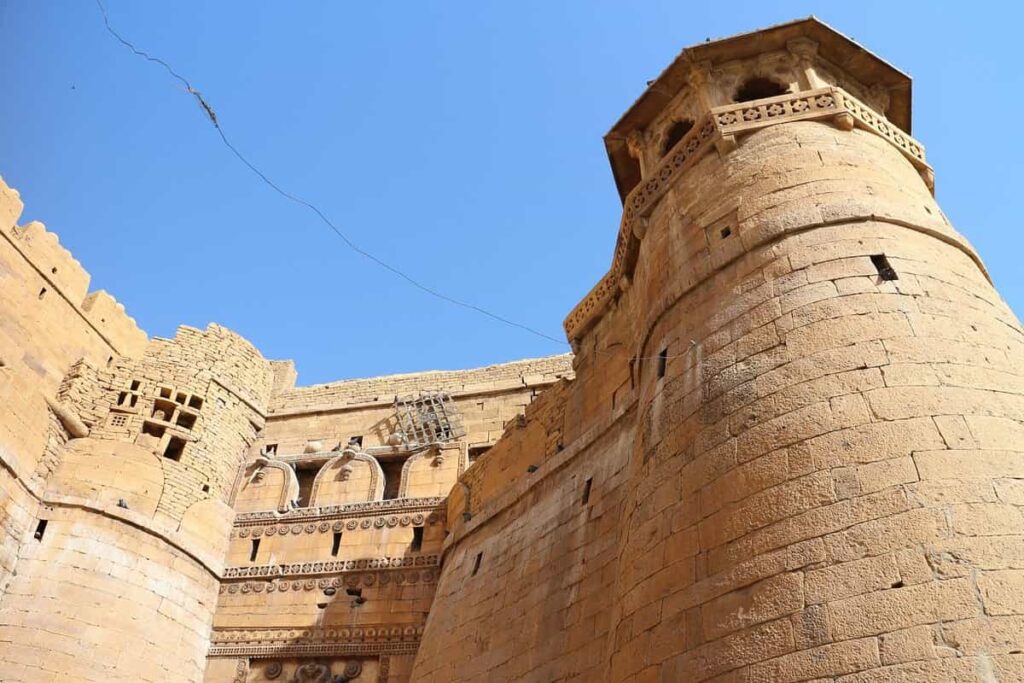
The Surya Gate is the second of the four massive gateways that guard the entrance to the Jaisalmer Fort, serving as a historic defensive barrier for the citadel. Built from the city’s iconic yellow sandstone, this gateway is a stunning example of Rajput military architecture, featuring heavy wooden doors and thick walls designed to withstand enemy attacks. It is named “Surya” (Sun) because it faces the east, allowing the first rays of the morning sun to illuminate its grand structure. As you pass through this gate while climbing up to the fort, you can see beautiful stone carvings and small niches that once held guards or lamps. Today, it serves as a popular passage for visitors, offering a dramatic entrance into the “living fort” and providing a great backdrop for photos of the winding, ancient streets.
10. Khaba Fort
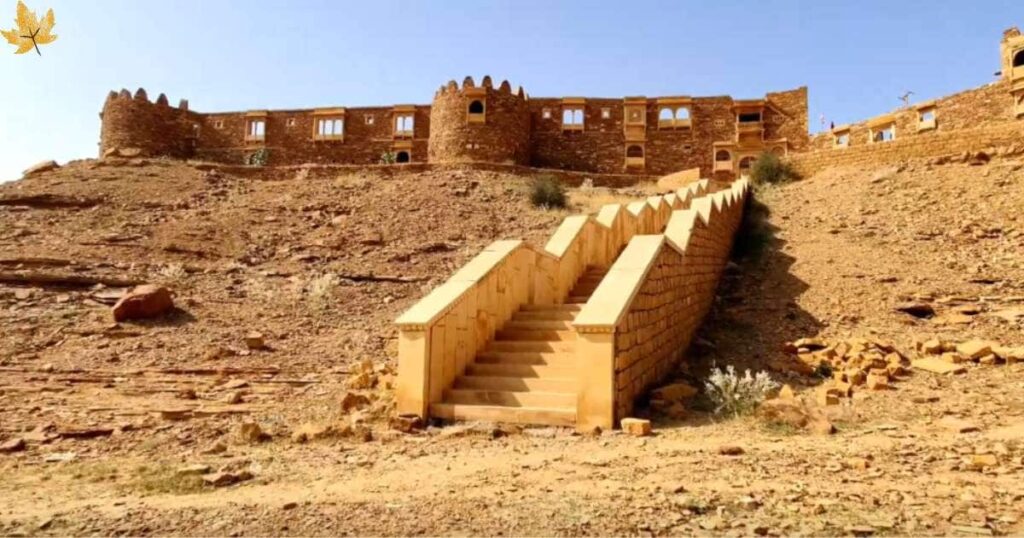
Khaba Fort is an eerie yet beautiful ruined citadel located about 30 kilometres from Jaisalmer, famous for its connection to the mystery of the abandoned Paliwal Brahmin villages. Once a bustling residential fort that served as an important trade outpost, it was suddenly deserted overnight in the 19th century, leaving behind a haunting landscape of crumbled stone houses and empty streets. Today, the fort has been partially restored and houses a small museum displaying ancient pottery and artifacts found in the area. Visitors are drawn here for the incredible panoramic views of the desert and the silent, roofless ruins of the village below, which feel like a “ghost town.” It is a particularly popular spot at sunrise, when hundreds of peacocks often gather around the fort, adding a touch of life to the mysterious and quiet atmosphere.
11. Nathmal-ki-Haveli

Nathmal-ki-Haveli is a stunning 19th-century mansion in Jaisalmer, famous for its unique and symmetrical beauty. It was built by two brothers, Halu and Lulhu, who started constructing the left and right sides of the building at the same time. Although the two sides look very similar at first glance, they are actually slightly different because the brothers worked independently, making it an architectural masterpiece. The front of the haveli is guarded by two massive, beautifully carved yellow sandstone elephants that were sculpted from a single rock. Every inch of the mansion is covered in incredibly fine stone carvings, including modern-day images for that time, like bicycles and steam engines, which the carvers had only heard of but never actually seen. Today, it remains one of the most popular sites in the Golden City for its blend of creativity and historical charm.
12. Vyas Chhatri
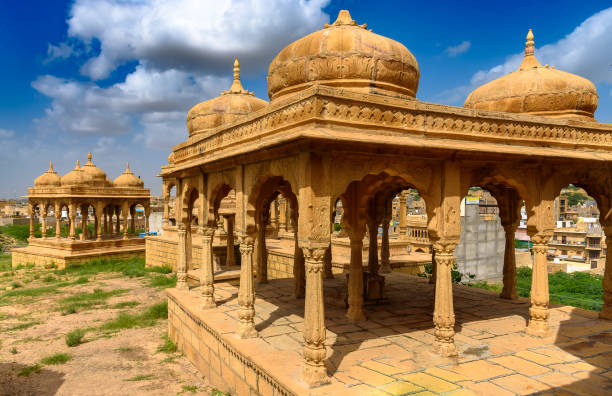
Vyas Chhatri is a beautiful collection of golden sandstone cenotaphs located on the edge of Jaisalmer, dedicated to the great sage Ved Vyas, who authored the epic Mahabharata. These “chhatris” are umbrella-shaped domes built on pillars, featuring the incredibly fine and delicate stone carvings for which the city is famous. Set atop a hill overlooking the Golden Fort, it serves as a traditional cremation ground for the royal family and brahmins of Jaisalmer. While it is a place of historical and spiritual significance, it is most popular today as the best sunset point in the city. As the sun goes down, the yellow sandstone structures glow with a brilliant orange hue, providing a peaceful and breathtaking view of the desert landscape.
13. Dussehra Chowk

Dussehra Chowk is the main central courtyard located deep within the Jaisalmer Fort, serving as the heart of the “living fort.” Historically, this open square was the primary venue for royal ceremonies, festivals, and public gatherings, most notably the Dussehra festival, where the Maharaja would appear before the people. The chowk is surrounded by stunning historical structures, including the grand facade of the Maharaja’s Palace (Raj Mahal) and intricately carved merchant houses. Today, it is a bustling hub where the fort’s narrow lanes meet, filled with small shops selling local handicrafts, vibrant textiles, and traditional jewelry. It remains a perfect spot for travelers to sit and soak in the medieval atmosphere, watch the daily life of the fort’s residents, and admire the golden glow of the sandstone architecture.
14. Khuri Sand Dunes
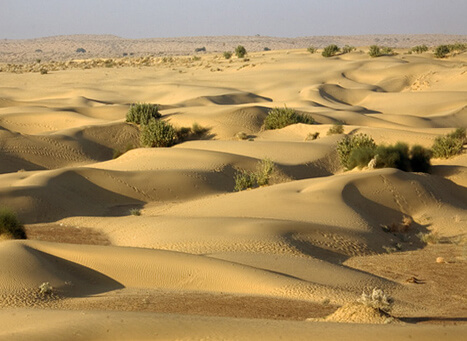
The Khuri Sand Dunes, located about 40 kilometres from Jaisalmer, offer a more peaceful and authentic desert experience compared to the busier Sam Sand Dunes. This area is famous for its towering hills of fine, golden sand and its proximity to a traditional Rajasthani village, allowing visitors to see the slow-paced, rustic life of the desert. Travelers come here to enjoy quiet camel safaris at sunset, where the dunes turn a magical orange color without the noise of heavy crowds or loud music. At night, the desert camps in Khuri focus on traditional hospitality, offering folk songs, local dances, and authentic meals around a campfire under a vast, starry sky. It is the perfect destination for those looking for a “hidden gem” where they can truly connect with the stillness and beauty of the Thar Desert.
15. Jaisalmer War Museum
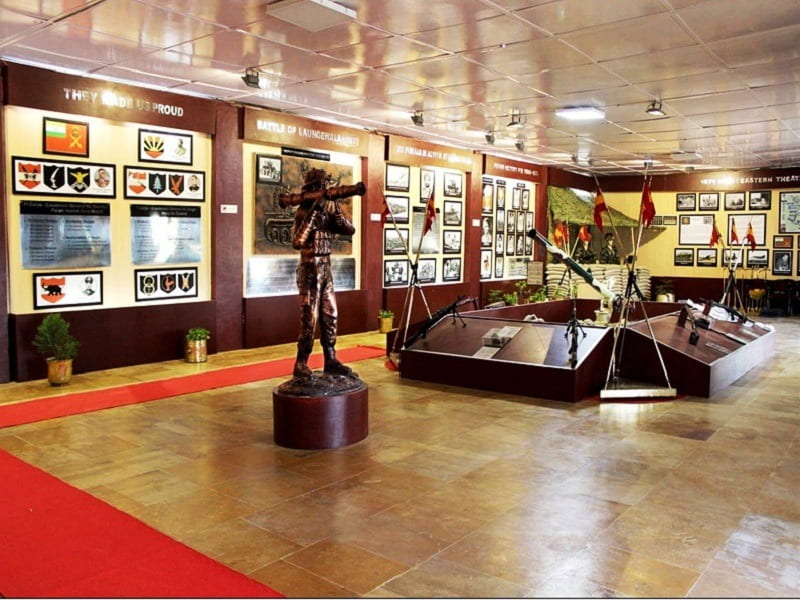
The Jaisalmer War Museum, also known as the Laungewala War Memorial, is a powerful tribute to the bravery and sacrifices of the Indian Armed Forces, located on the Jaisalmer-Jodhpur Highway. It was established to commemorate the historic Battle of Laungewala during the 1971 Indo-Pak War and to showcase the military history of the region. The museum features two large display halls, a souvenir shop, and an audio-visual room where visitors can watch a short film about the legendary battle. Outside, the sprawling grounds are filled with captured Pakistani tanks, vintage Indian Army vehicles, and fighter jets like the Hunter aircraft. Walking through the museum, you can see medals, uniforms, and photographs that tell the stories of war heroes, making it an inspiring and educational stop for anyone interested in India’s military heritage.
16. Tanot Mata Temple

The Tanot Mata Temple, situated approximately 120 km from Jaisalmer near the India-Pakistan border, is a revered shrine famous for its miraculous survival during the Indo-Pakistani wars of 1965 and 1971. Dedicated to Goddess Aavad (an incarnation of Hinglaj Mata), the temple became legendary when over 3,000 Pakistani bombs dropped in its vicinity reportedly failed to explode. Today, many of these unexploded bombs are preserved and displayed in a museum on the temple premises. Due to these events, the temple is uniquely managed and maintained by the Border Security Force (BSF), whose personnel perform the daily rituals and aarti. Visitors can also see the Vijay Stambh (Victory Tower) built to commemorate the Indian victory in the Battle of Longewala.
17. Salim Singh-ki Haveli
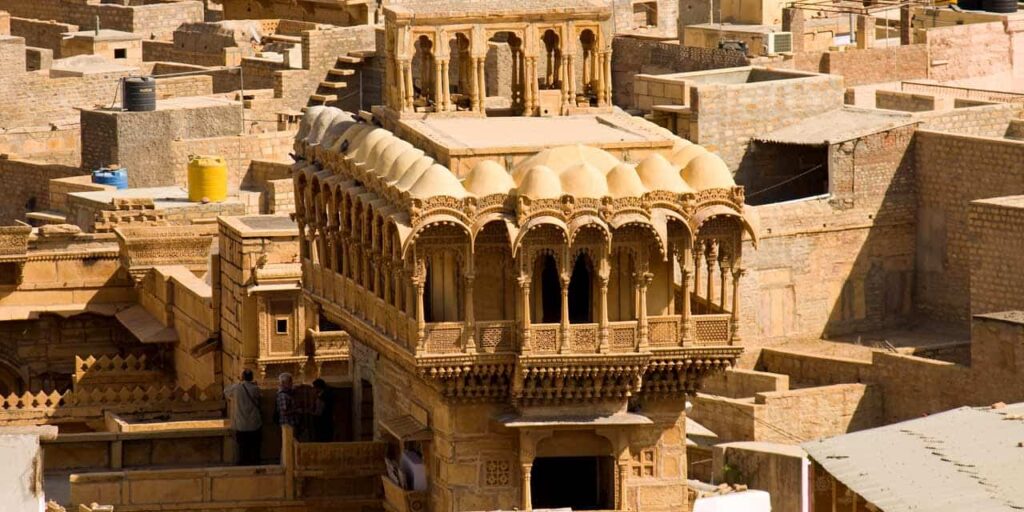
Salim Singh-ki Haveli is a unique and architecturally striking mansion in Jaisalmer, built in 1815 by Salim Singh, the powerful and ambitious Prime Minister of the state. It is most famous for its distinctive top floor, which features 38 beautifully carved balconies that spread out like a fan, giving it the nickname “Jahaz Mahal” because it resembles the front of a ship. Unlike other havelis that use mortar, the stones of this building are held together by iron rods, showcasing advanced engineering for its time. The haveli is known for its narrow base that widens as it goes up, and its roof is adorned with blue cupolas and exquisite carvings of peacocks. Although the top two stories were once even grander before being removed by the King out of jealousy, it remains one of the most photographed and legendary buildings in the Golden City.
18. Bada Bagh

Bada Bagh, which translates to “Big Garden,” is a majestic memorial complex located about 6 kilometres north of Jaisalmer, famous for its cluster of golden sandstone cenotaphs (chhatris). These umbrella-shaped monuments were built by the rulers of the Jaisalmer State between the 16th and 20th centuries to honour their ancestors. The site was originally designed as a desert oasis by Maharawal Jait Singh II, who built a large dam and reservoir to bring greenery to the arid landscape. Each cenotaph features intricate carvings and unique architectural styles that blend Rajput and Mughal influences, often depicting the royal figures on horseback. Today, it is one of the city’s most popular photography spots, as the yellow sandstone glows brilliantly during sunrise and sunset.
19. Kuldhara Abandoned Village
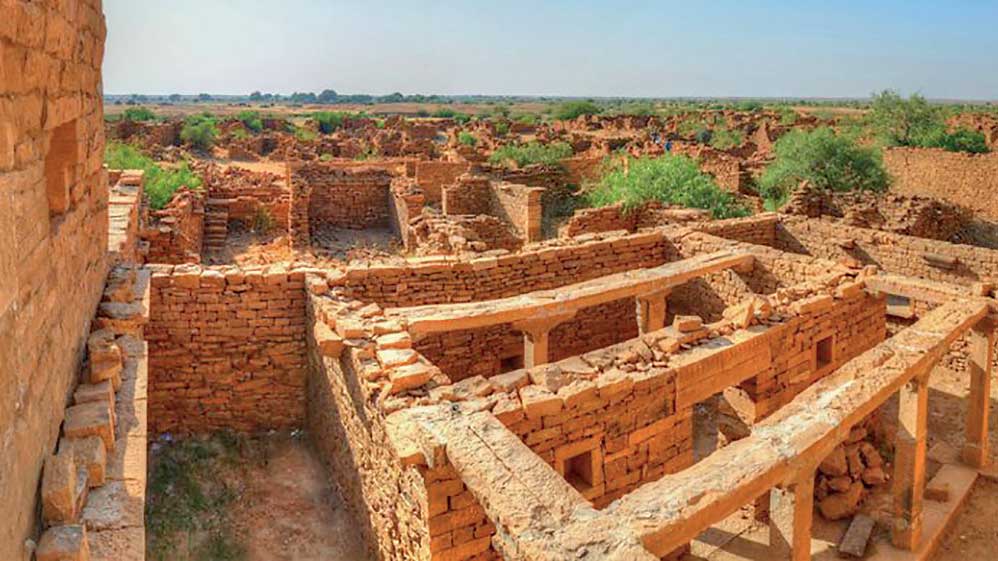
Kuldhara is a hauntingly beautiful “ghost village” located about 18 kilometres from Jaisalmer, famous for its mysterious legends and eerie atmosphere. Once a prosperous settlement of Paliwal Brahmins, it was suddenly abandoned in the early 19th century, along with 83 other nearby villages. Legend says the villagers fled overnight to protect a young woman from an evil minister, leaving behind a curse that no one would ever be able to live there again. Today, you can walk through the roofless ruins of hundreds of stone houses, well-planned streets, and a small temple that remains standing. The silence and the vast desert surroundings make it a popular spot for history buffs and those interested in paranormal stories, especially since it is now maintained by the Archaeological Survey of India.
20. Patwon Ki Haveli

Patwon Ki Haveli is arguably the most famous and architecturally grand mansion in Jaisalmer, consisting of a cluster of five separate havelis built by a wealthy brocade merchant named Guman Chand Patwa for his five sons. Constructed over a span of 50 years starting in 1805, it is renowned for its exquisite yellow sandstone carvings that are so fine they resemble delicate lace or silk. Unlike other havelis, this is the largest in the city and features over 60 intricately designed balconies, each with its own unique pattern. Inside, the mansion houses a fascinating museum where you can see antique furniture, traditional kitchenware, and rare turbans, offering a vivid look into the opulent lifestyle of 19th-century traders. Its golden facade and towering structure make it a must-visit landmark for anyone exploring the narrow lanes of the Golden City.
21. Gadsisar Lake
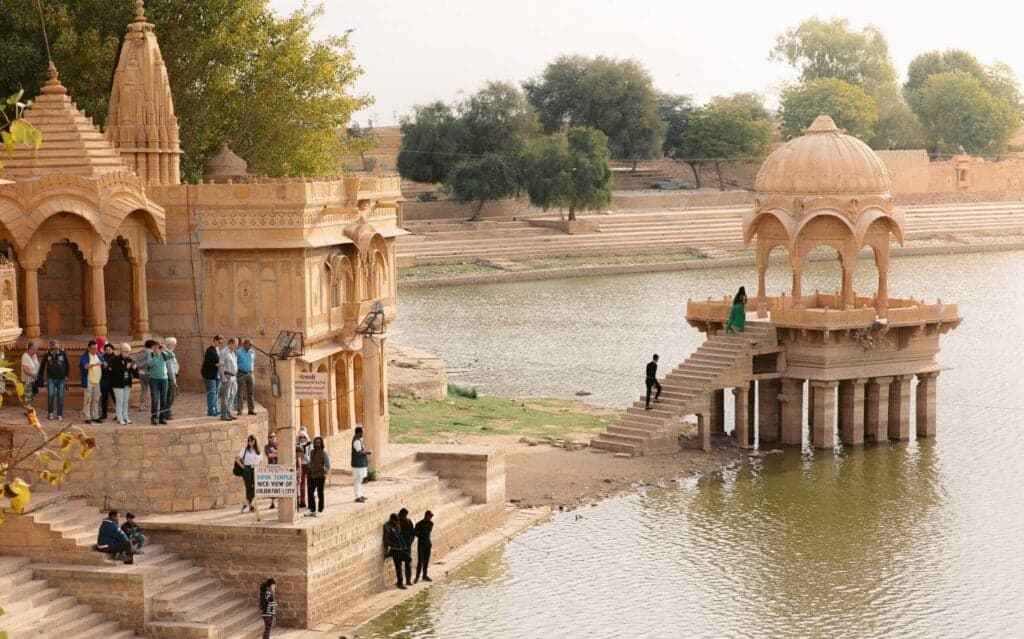
Gadsisar Lake is a stunning man-made reservoir built in the 14th century by Maharawal Gadsi Singh to serve as the primary water source for the arid city of Jaisalmer. This historic lake is surrounded by beautiful yellow sandstone shrines, ghats (steps), and decorative archways, most notably the magnificent Tilon-ki-Pol, which serves as its grand entrance. Unlike typical lakes, it is a cultural landmark where you can see numerous migratory birds during the winter and enjoy peaceful boat rides while admiring the reflection of the Golden Fort in the water. The serene atmosphere, combined with the intricate carvings of the surrounding small temples, makes it one of the most romantic and tranquil spots in the city, especially during sunrise and sunset.