

Iceland is a Nordic island nation situated in the North Atlantic Ocean, located between Europe and North America, and positioned directly atop the Mid-Atlantic Ridge. Renowned as the “Land of Fire and Ice,” its spectacular landscape is defined by the constant interplay of approximately 30 active volcanic systems and massive glaciers such as Vatnajökull—Europe’s largest glacier. Settled by Norse and Gaelic peoples in the 9th century, Iceland boasts one of the world’s oldest surviving democracies; its parliament, known as the ‘Althing,’ was established in 930 AD at Þingvellir.
Today, the country is home to approximately 395,000 residents, about two-thirds of whom live in or around the capital city of Reykjavík—the northernmost capital of any sovereign nation. Despite its high-latitude location, the island enjoys a temperate climate thanks to the Gulf Stream, which keeps its coastlines ice-free year-round. Its economy has historically been based on the fishing industry, though it has since diversified and now also relies on renewable energy—utilizing geothermal and hydroelectric power for nearly 100% of its electricity—as well as a rapidly growing tourism sector.
The tourism sector is bolstered by natural wonders such as the Blue Lagoon, thundering waterfalls like Gullfoss, and the seasonal ‘Aurora Borealis’ (Northern Lights). Iceland is widely recognized as one of the most accessible and safe destinations for international travelers, a distinction attributed to its high standard of living, modern infrastructure, and welcoming atmosphere. A primary reason for its accessibility is the near-absence of a language barrier; English is a compulsory subject in schools, and almost all residents speak it fluently, while most signs and menus are bilingual.
Getting around here is quite straightforward; furthermore, on the ‘Global Peace Index,’ this country consistently ranks among the safest nations in the world. The crime rate here is extremely low, and the level of gender equality is very high, making it an ideal choice for solo female travelers and first-time visitors.
Most Famous And Attractive Tourist Places In Iceland :
1. Reykjavik
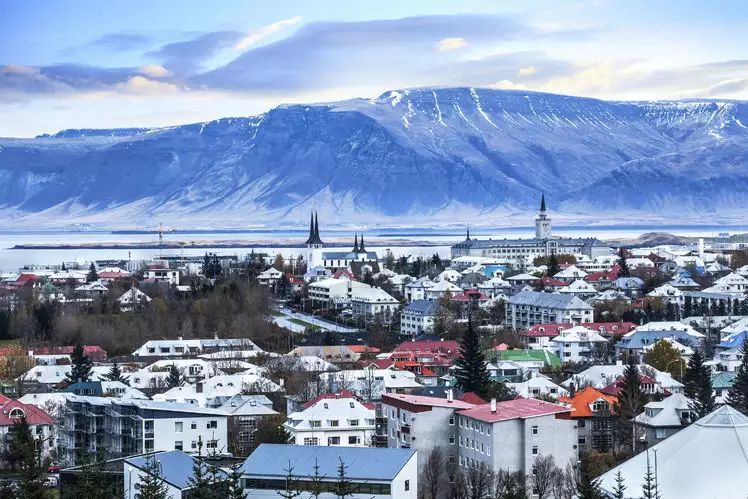
This is a walkable city with many museums, restaurants, attractions, public art, and entertainment. You will enjoy walking up and down the city streets and perhaps stop into one of the many artsy and boutique shops to buy a wool sweater or lava pottery.
You can also book a Reykjavik Food Walk Tour and nibble your way through Reykjavik’s food scene enjoying local cheeses, or try an authentic Icelandic hot dog. Some of the best resorts in Iceland are in Reykjavik, so you can base yourself in the city and take day trips. An extremely popular way to visit nearby areas is on a South Coast Full Day Tour by Minibus from Reykjavik.
2. Akureyri
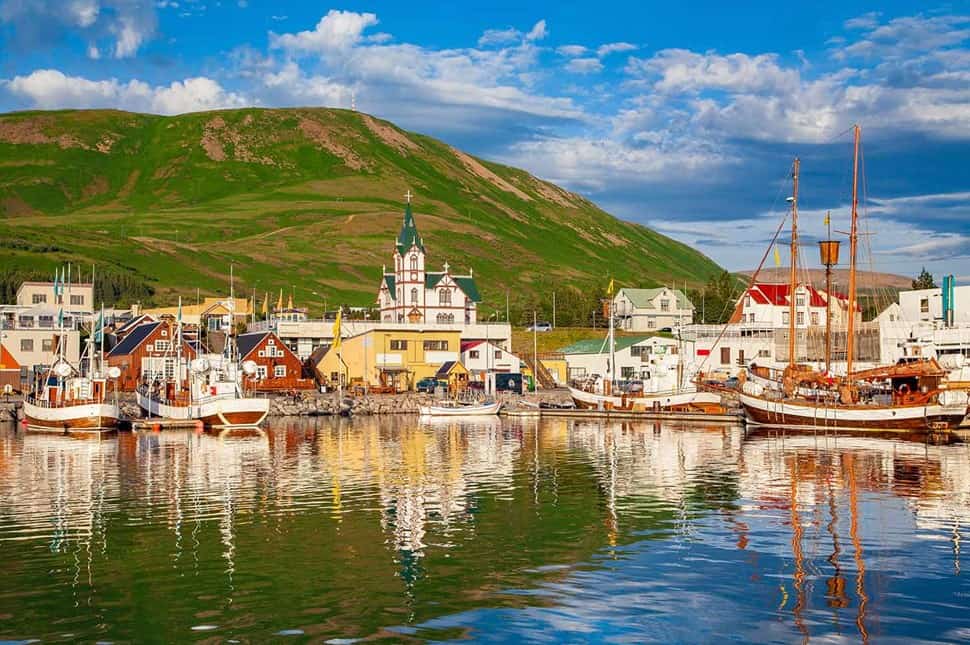
Akureyri is the fourth largest municipality in the country. The well-paved roads, cute little houses, and charming cafes add to the beauty of this town.
Akureyri is packed with a myriad of attractions, including cafes, pools, hiking trails, waterfalls, and natural baths. The top places to check out in the town of Akureyri, include Laufas Turf Houses, Myvatn and Grjotagja hot spring, Dettifoss waterfall, Godafoss waterfall, Asbyrgi canyon, Lake Mývatn, Akureyri Art Museum, and the Akureyri Botanical Gardens.
3. Blue Lagoon
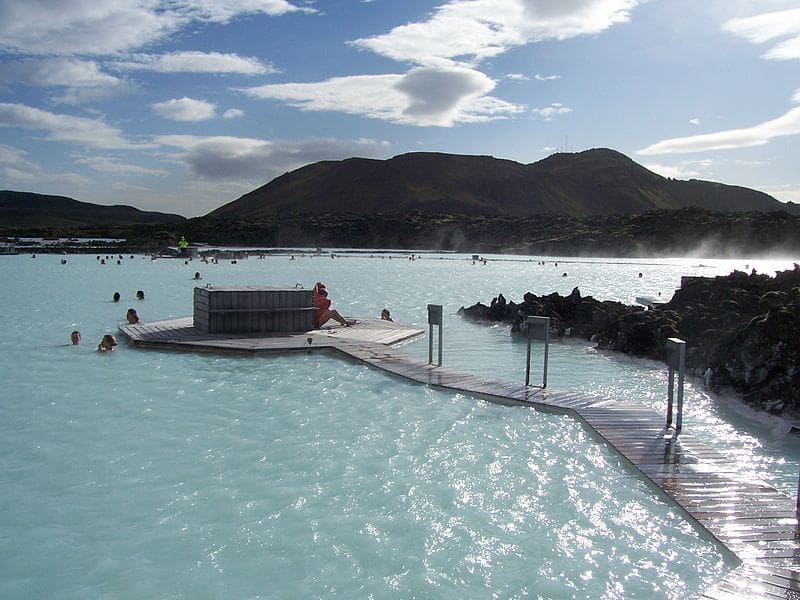
The Blue Lagoon is Iceland’s most famous geothermal spa and a world-renowned wellness destination, celebrated for its milky-blue, mineral-rich waters set against a dramatic backdrop of black lava fields. Located on the Reykjanes Peninsula near the town of Grindavík, the lagoon is a man-made wonder fed by water from the nearby Svartsengi Geothermal Power Plant. The water is a unique mixture of 70% ocean water and 30% freshwater, heated deep underground to a perfect 37–40°C. Its iconic turquoise hue comes from the high concentration of silica, which, along with algae and minerals, provides therapeutic benefits for the skin and gives the water its signature opaque appearance. The expansive lagoon holds approximately six million litres of water that undergoes a natural renewal process every 48 hours. Visitors from around the globe come to soak in the warm pools while applying silica mud masks available at the in-water bars, which are known for deep-cleansing the skin. Over the years, the site has expanded into a luxury complex featuring the Retreat Spa, the Michelin-recommended Moss Restaurant, and high-end accommodation. Because the high mineral content can make hair temporarily stiff, it is a well-known local tip to apply leave-in conditioner before entering. As a gateway experience for most travelers, it remains a top-tier attraction conveniently situated between Reykjavik and Keflavík International Airport.
4. Gullfoss Waterfall
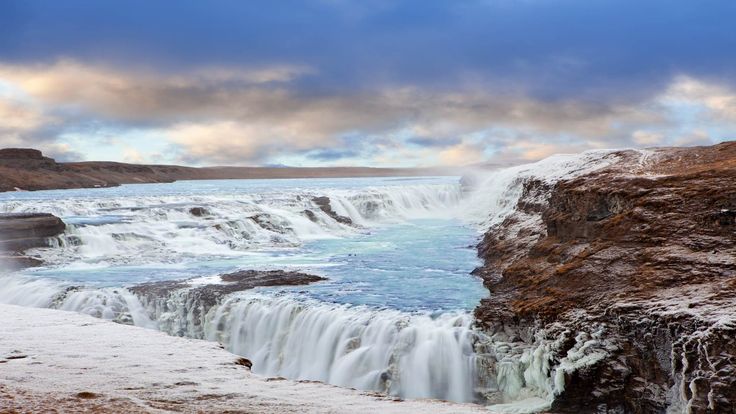
Magnificent Gullfoss Waterfall lies around 90 minutes west of Reykjavik and is one of the best waterfalls in Iceland. The river Hvítá plummets into a canyon, which forms three-step terraces, creating a powerful torrent. Gullfoss encompasses two cascades; the upper one drops 11 meters, while the lower one cascades about 21 meters.
Torrents of water flow over Gullfoss at an average rate of 109 cubic meters per second, although heavy floods have recorded an astonishing rate of nearly twenty times that.
5. Watch Spectacular Geysers
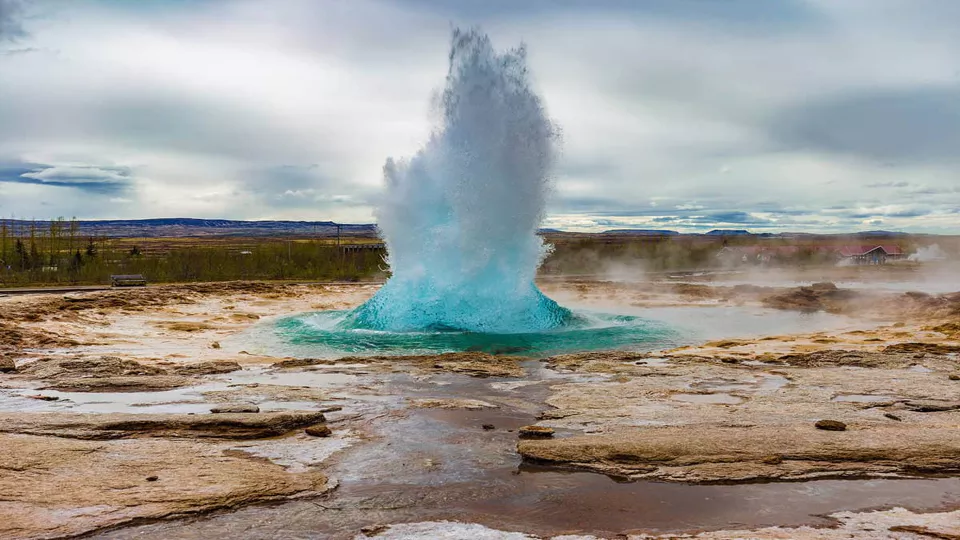
This highly active hot spring area lies in the southwest of Iceland beside the Hvítá River and is a favorite stop along what’s known as the Golden Circle. Boiling mud pits and around 100 other smaller exploding geysers are waiting to be explored here. Every few minutes, Strokkur shoots water 30 meters into the air. Visit the Geysir Center for exhibits and informative presentations year-round. One popular day tour to the area is the Golden Circle Classic Day Trip from Reykjavik.
6. The Northern Lights

The northern lights, or Aurora Borealis, are among the most popular tourist attractions in Iceland. Auroras are linked to solar wind, a flow of ions radiating from the sun. These particles become ensnared in the earth’s magnetic field and collide with atmospheric molecules, causing bursts of energy, which appear as large circles around the poles.
Since the appearance of the northern lights is unpredictable, most hotels and lodging operators can provide you with nightly predictions before you go to bed and add you to an overnight call list.
7. Landmannalaugar Nature Reserve
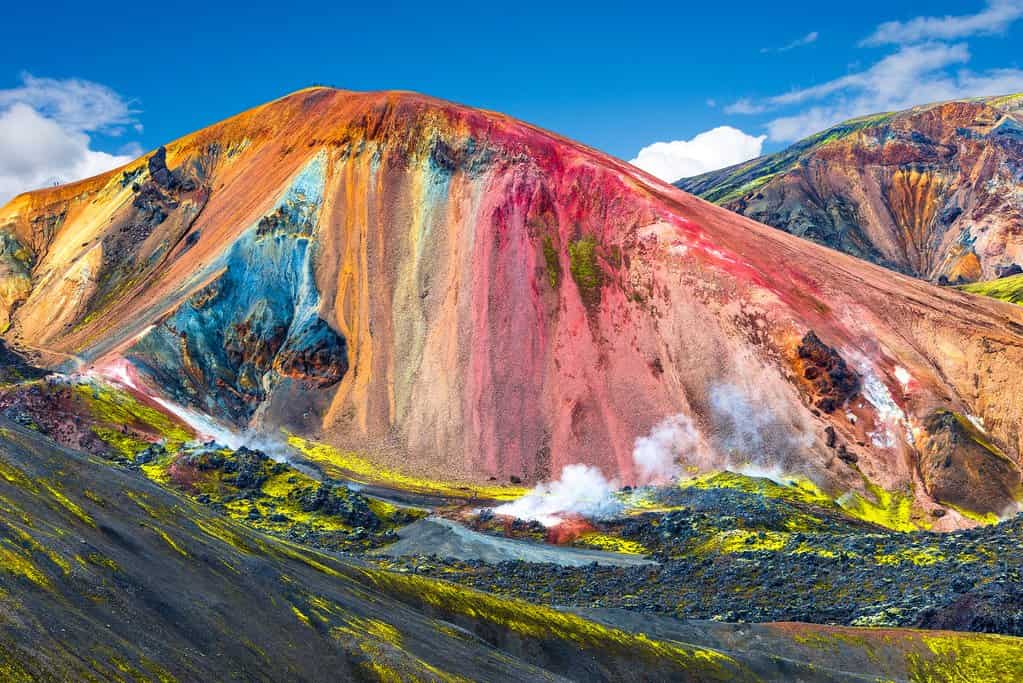
Landmannalaugar, often called the “Pearl of the Highlands,” is a geologically stunning region within the Fjallabak Nature Reserve in southern Iceland. It is globally famous for its ethereal rhyolite mountains, which display a vivid spectrum of colours including reds, pinks, greens, and yellows—a result of silica-rich magma cooling slowly over centuries. The area is anchored by the Laugahraun lava field, a jagged expanse of black obsidian formed in a 1477 eruption, which provides a stark contrast to the rainbow-coloured slopes and steaming geothermal vents. Visitors are primarily drawn here to bathe in the famous natural hot springs, known as the “People’s Pools,” where warm geothermal water mixes with a cold mountain stream to create a constant, soothing soak between 36–40°C. As a premier hiking destination, Landmannalaugar serves as the northern trailhead for the iconic Laugavegur Trail, a 55-kilometre trek to Þórsmörk that is widely considered one of the most beautiful multi-day hikes in the world.
8. Maelifell Volcano & Myrdalsjökull Glacier Park
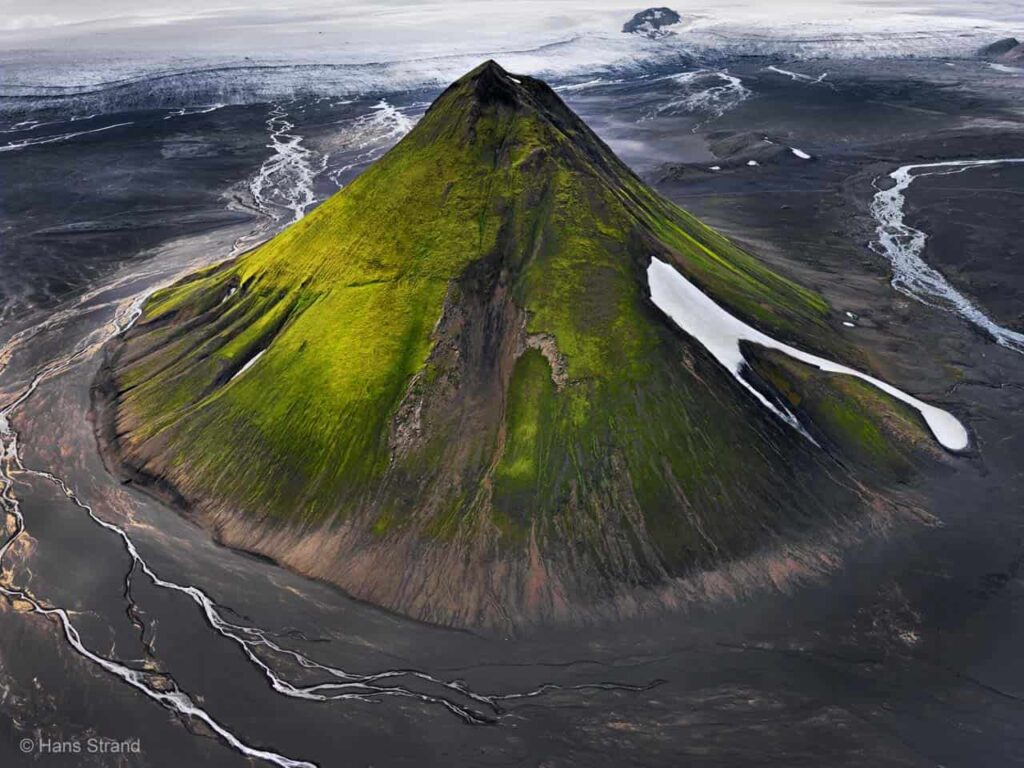
South of Landmannalaugar lies Myrdalsjökull Glacier Park, which for safety reasons can only be visited during summer. Large amounts of rain soak the area, particularly in winter, when roads can be severely damaged. Maelifell volcano is the undisputed jewel-in-the-crown of this wild, rugged glacial landscape. The park is full of volcanoes, hot springs, and other remarkable sites. To the west of Myrdalsjökull is a smaller glacier, Eyjafjallajökull (Island Mountain Glacier). A popular and thrilling way to explore is by snowmobile.
9. Harpa
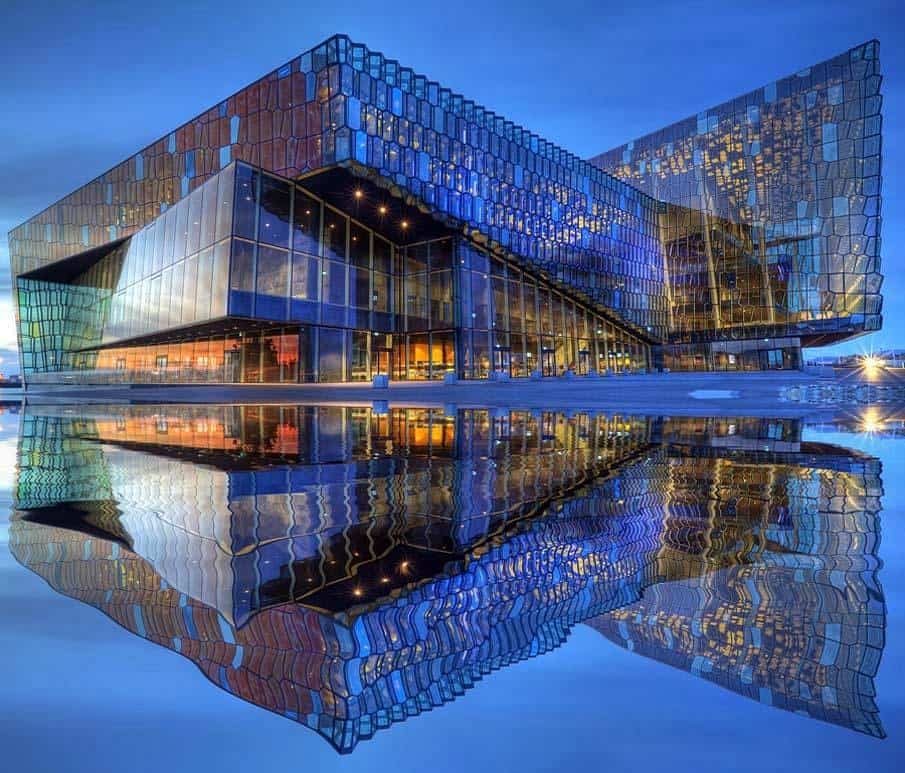
Harpa is a world-renowned concert hall and conference centre located on the edge of the old harbour in Reykjavík, Iceland. Officially inaugurated in 2011, it is home to the Iceland Symphony Orchestra, the Icelandic National Opera, and the Reykjavík Big Band. The building is most famous for its award-winning architecture, particularly the shimmering south façade designed by artist Ólafur Elíasson in collaboration with Henning Larsen Architects. This unique exterior is composed of a steel framework clad in over 1,000 “quasi-bricks”—irregularly shaped glass panels inspired by Iceland’s natural basalt columns—that reflect the changing light of the sky and ocean during the day and are illuminated by a kaleidoscopic display of LED lights at night. Beyond its musical stages, Harpa serves as a major social hub, housing restaurants, bars, an Icelandic design store, and interactive exhibits like the Volcano Express cinematic experience.
10. The Skaftafell Ice Cave
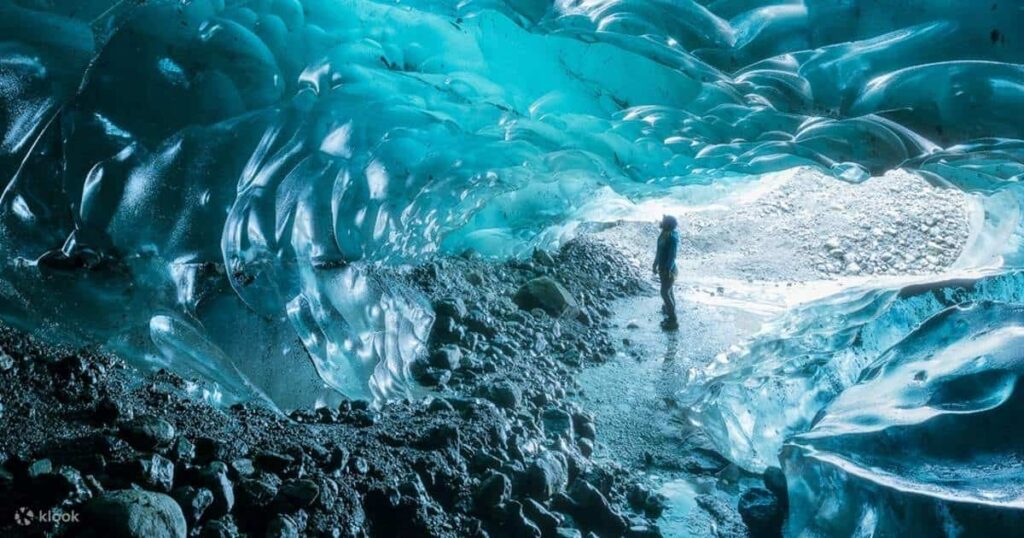
In the south of the country, Vatnajökull National Park is a land of glaciers and magnificent ice caves that attracts adventurers from across the globe. This vast national park (one of three in Iceland) is divided into four sections and consists of Vatnajökull glacier and its surroundings.
If seen at the right time, the cave is bathed in spectacular blue light. Group visits to all areas can be arranged off-season. The treks get you on the ice for an unforgettable experience to see glacial cracks and caves and even drink fresh water from small pools on the surface.
11. Hella
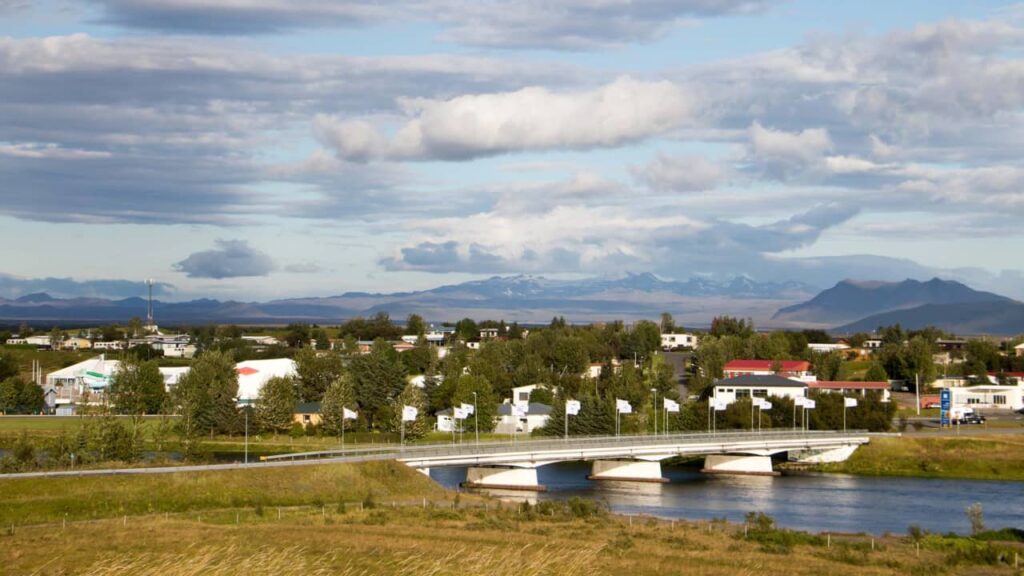
In Switzerland, HELLA is best known as a top company for sun and weather protection. Their main Swiss office, called HELLA Storen AG, is located in Steinhausen, and they have another big showroom in Wil. They help homeowners and builders by selling and installing high-quality items like window blinds, colorful awnings for patios, and sturdy shutters that protect houses from the sun and wind. Besides home products, HELLA is also a huge name in the car industry. They specialize in high-tech car lights and electronics. While they are a global company now part of a group called FORVIA, they have strong business ties in Switzerland, including being listed on the Swiss Stock Exchange. Essentially, if you see a house with premium automatic blinds or a car with advanced headlights in Switzerland, there is a good chance HELLA technology is involved.
12. Búðir
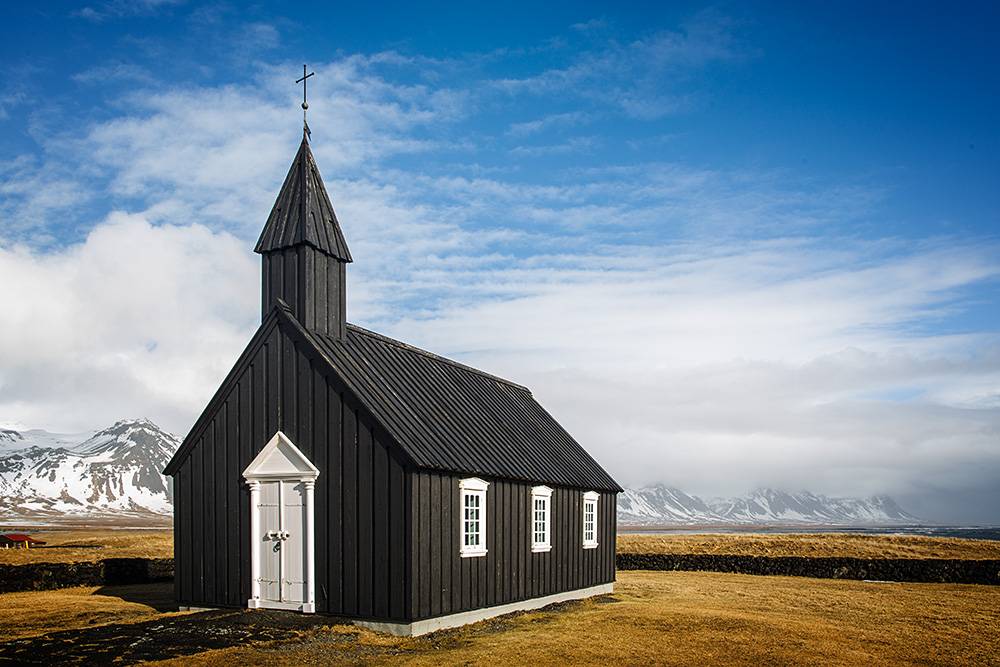
Búðir is a picturesque hamlet situated in the heart of the Búðahraun lava field on the southern coast of Iceland’s Snæfellsnes Peninsula. Once a bustling 18th-century commercial hub and one of Iceland’s most active trading posts, the area is now primarily known for its striking natural beauty and historical isolation. The most iconic landmark in the hamlet is Búðakirkja, a small wooden “Black Church”. Originally established in 1703 and rebuilt in 1848 through the persistence of a local woman named Steinunn Sveinsdóttir, the church is famous for its pitch-painted exterior that provides a dramatic contrast against the surrounding mountains and glaciers. Visitors are also drawn to the Búðir nature reserve, which protects a vast expanse of lava covered in over 130 species of rare plants and mosses. This landscape is uniquely characterized by its golden sand beaches—a rarity in a country known for black volcanic sands—and its proximity to the majestic Snæfellsjökull glacier.
13. Langjökull

Langjökull, which translates to “Long Glacier,” is Iceland’s second-largest ice cap, covering approximately 950 square kilometres in the western highlands. It is a massive, elongated dome of ice reaching heights of 1,450 metres and depths of up to 580 metres. Beneath its frozen surface lie at least two active volcanic systems, such as Oddnýjarhnjúkur, which shape the landscape through prehistoric eruptions and geothermal activity. The glacier serves as a vital freshwater reservoir, feeding iconic natural wonders like the Gullfoss waterfall and the crystal-clear Silfra Fissure via groundwater that is filtered through lava rock for nearly a century. Today, it is a premier destination for adventure, offering year-round access to the world’s largest man-made ice tunnel, where visitors can walk deep into the blue heart of the glacier, as well as vast snowfields perfect for high-speed snowmobile tours.
14. An Active Volcano
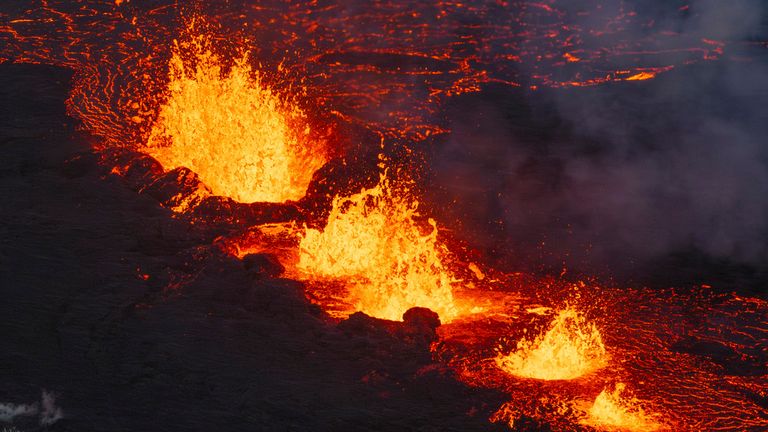
In the northern region of Vatnajökull National Park, the Askja caldera and the geothermal pool in the Dyngjufjöll Mountains are not for the faint-hearted. However, if you’d like to say you’ve taken a dip in a live volcano, then this is for you.
The water in Viti, the geothermal pool and volcanic crater is generally around 30 degrees Celsius. A word of warning, the banks can be very slippery, particularly in wet weather.
15. Dettifoss Waterfall
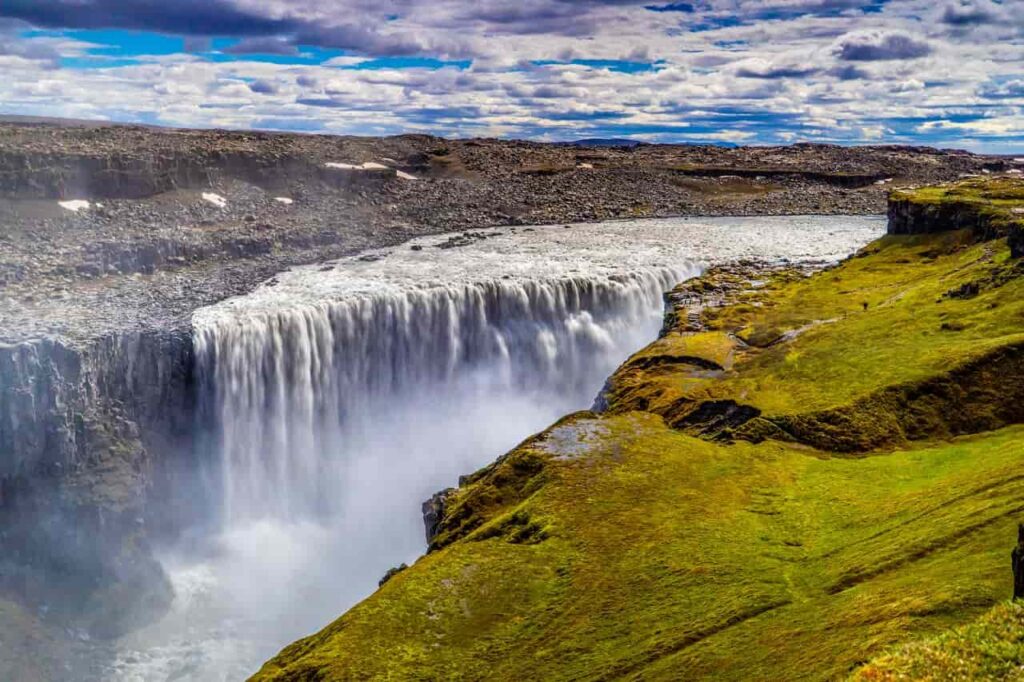
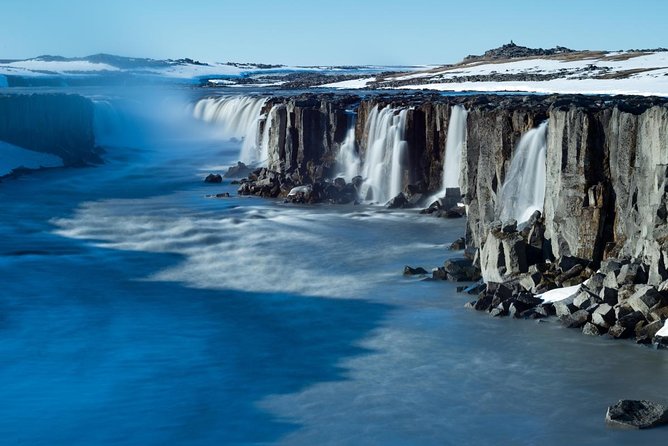
Dettifoss, in the north of Vatnajökull National Park, truly is a breathtaking example of the raw power of nature. Along easy paths from Dettifoss, Selfoss is a smaller waterfall around one kilometer upstream with a drop of around 10 meters. Below Dettifoss, the Hafragilsfoss waterfall tumbles 27 meters into a steep canyon. It’s more advisable to drive than walk to Hafragilsfoss. A powerful mist surrounds the waterfall on all sides, making it one of the most dazzling places to see in Iceland. A small observation platform before the falls offers fantastic front seat views to it. Several hiking trails snake their way across the falls, offering some splendid views of the area.
16. Kirkjufell Mountain
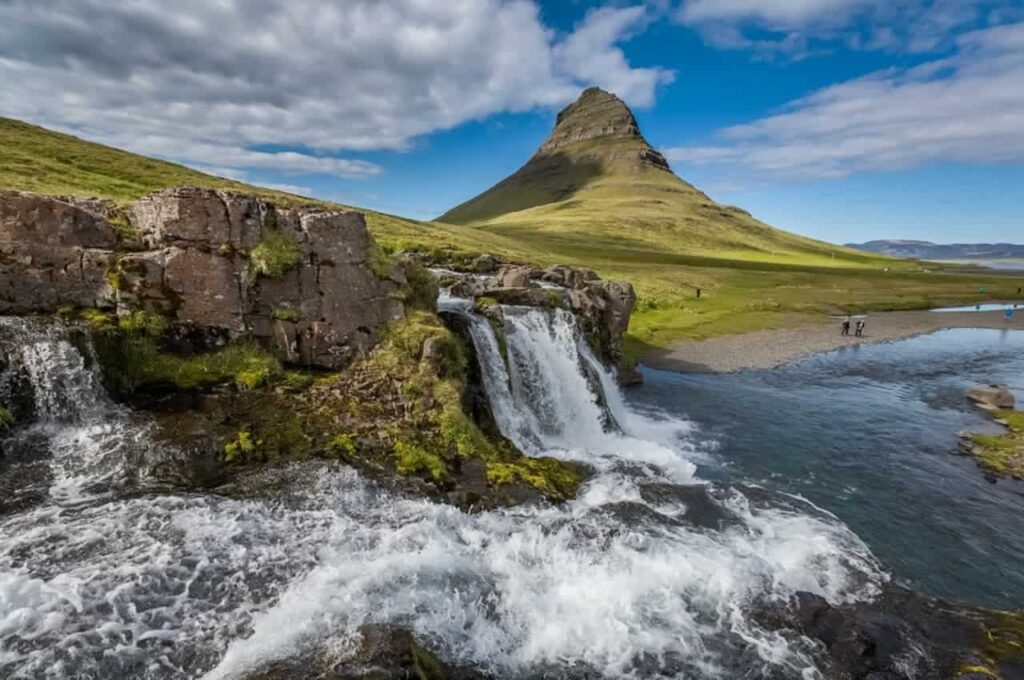
Kirkjufell, or “Church Mountain,” is a uniquely symmetrical, 463-metre-tall peak located on the north coast of Iceland’s Snæfellsnes Peninsula. It is widely recognized as the most photographed mountain in Iceland and gained international fame as the “Arrowhead Mountain” in the HBO series Game of Thrones. Its distinct shape—resembling a steeple or a witch’s hat—is the result of millions of years of glacial erosion carving through layers of volcanic rock and sedimentary fossils. What makes the site truly iconic is its composition with Kirkjufellsfoss, a series of three small waterfalls across the road that provide a perfect foreground for photographers. The mountain’s appearance changes dramatically with the seasons, glowing vibrant green under the midnight sun in summer and turning a stark, snowy white beneath the dancing Northern Lights in winter.
17. Vík í Mýrdal
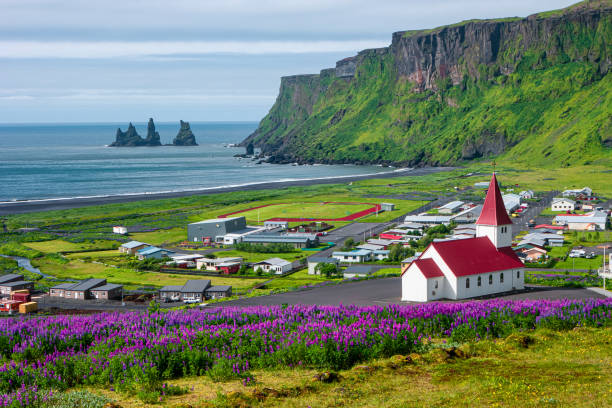
Vík í Mýrdal, commonly known simply as Vík, is Iceland’s southernmost village and one of its most iconic stops along the Ring Road. Nestled between dramatic sea cliffs and the massive Mýrdalsjökull glacier, the village serves as a vital service hub for travellers exploring the South Coast. It is world-famous for its proximity to Reynisfjara, a stunning black sand beach featuring towering basalt columns and the jagged Reynisdrangar sea stacks rising from the North Atlantic. The village itself is defined by its picturesque red-roofed church, Víkurkirkja, which sits on a hilltop and serves as the town’s designated evacuation point in case of an eruption from the nearby subglacial Katla volcano. Despite its small population of around 300 residents, Vík is a powerhouse of Icelandic culture and adventure, offering a unique blend of folklore, birdwatching (especially for puffins on the nearby cliffs), and high-tech attractions like the Icelandic Lava Show.
18. Vestmannaeyjar
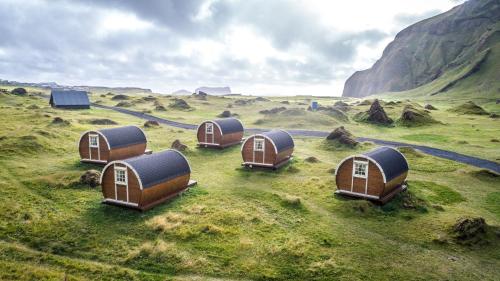
Owing its existence to the underwater volcanic eruptions, Vestmannaeyjar is a distinct archipelago located on the southern coast of Iceland. Comprising of famous volcanoes like Helgafell, and Eldfell, the islands of Surtsey and Heimaey are the best ones to be explored when in Iceland. Places To Visit In Vestmannaeyjar Eldheimar, Saeheimar Aquarium, The Brothers Brewery, Lyngfell Stables, Storhofdi, and more. Boating at Heimaey island, go puffin watching, relish a delicious lunch at the famous Gott restaurant, and more.
19. Arnarstapi
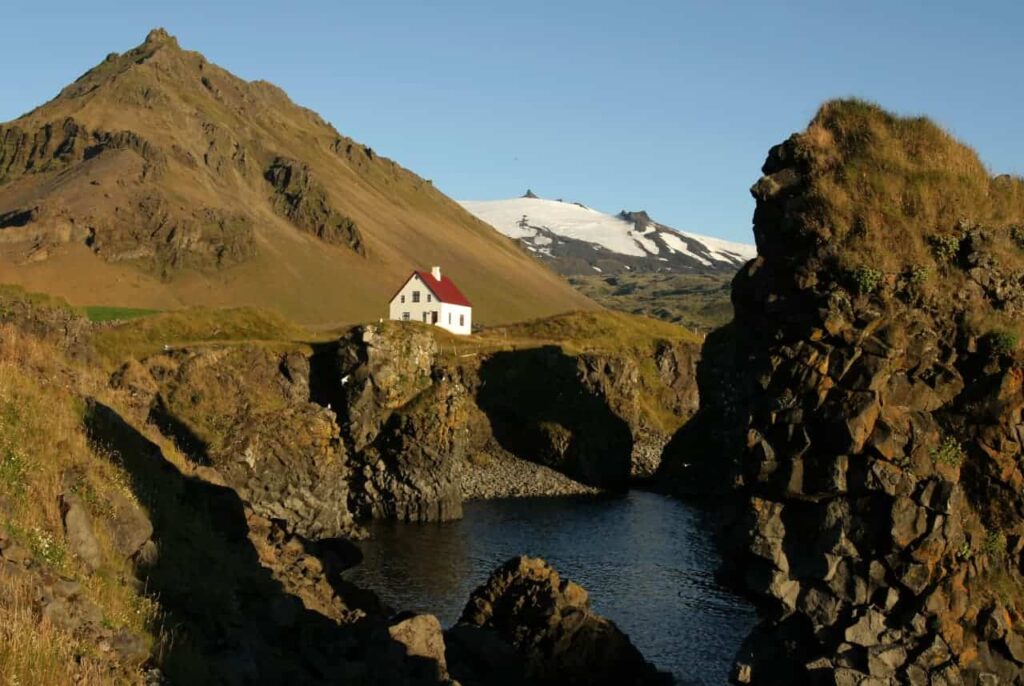
Arnarstapi is a small, historic fishing village and a major highlight on the southern edge of Iceland’s Snæfellsnes Peninsula. Once a vital trading port during the Danish monopoly, it is now celebrated for its extraordinary coastline, which features some of the most unique basalt rock formations in the world. The village is famously guarded by the massive Bárður Snæfellsás statue, a stone monument depicting a half-troll, half-human figure from local sagas who is said to protect the peninsula. The shoreline is a geological masterpiece, characterized by deep sea caves, jagged arches like the iconic Gatklettur, and towering cliffs that serve as nesting grounds for thousands of Arctic terns and kittiwakes during the summer.
20. Mount Esja

Mount Esja, often referred to simply as Esjan, is the majestic volcanic mountain range that dominates the skyline to the north of Reykjavík. It is not a single peak but a 20-kilometre-long massif formed through various volcanic eruptions during the Pleistocene era, resulting in distinct layers of basalt and tuff rock. Reaching a maximum height of 914 metres at the Hábunga summit, Esja is the most popular recreational destination for locals and visitors alike due to its easy accessibility from the capital. The mountain is famous for its “chameleon-like” appearance, as its colours shift dramatically from deep blues and purples to vibrant greens or stark whites depending on the sunlight and snow cover. The most frequented landmark on the mountain is Steinn (The Rock), a large boulder located at about 597 metres that serves as a popular turnaround point for hikers and offers a celebratory logbook for those who reach it.
21. Lake Myvatn & Nature Reserve

A little over an hour’s easterly drive from Akureyri is Myvatn in northern Iceland. It is a lake district famous for its wealth of birdlife, rich fauna, and large shallow body of water. Bubbling clay pits, sulphuric fumes, and lava formations all form part of this unique landscape which is still in flux.
One of the most interesting scenic features of Myvatn is the rootless vents formed by the volcanic eruption. While the landforms resemble craters, they did not have a lava flow, but the volcanic activity still resulted in their creation, adding to a stunning and unique appearance around the lake.
22. Dyrholaey
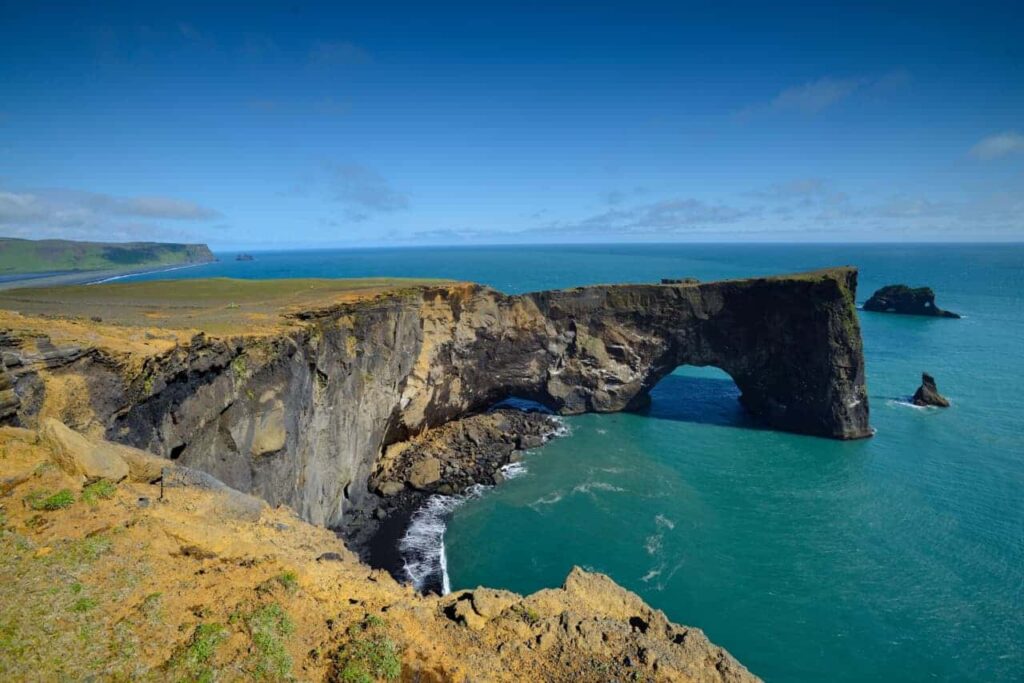
Dyrhólaey, formerly known as “Cape Portland” by British sailors, is a 120-metre-high promontory and nature reserve located on the South Coast of Iceland, just west of the village of Vík. This massive headland was once a volcanic island that became connected to the mainland through centuries of coastal deposition and glacial floods. Its name literally translates to “Door Hill Island,” a reference to the colossal natural rock arch eroded into the cliffs that is large enough for ships (and even small planes) to pass through. From the top of the promontory, visitors are treated to spectacular 360-degree views: to the east, the jagged Reynisdrangar sea stacks and the black sands of Reynisfjara; to the west, the endless coastline stretching toward Selfoss; and to the north, the massive Mýrdalsjökull glacier.
23. Snæfellsnes Peninsula
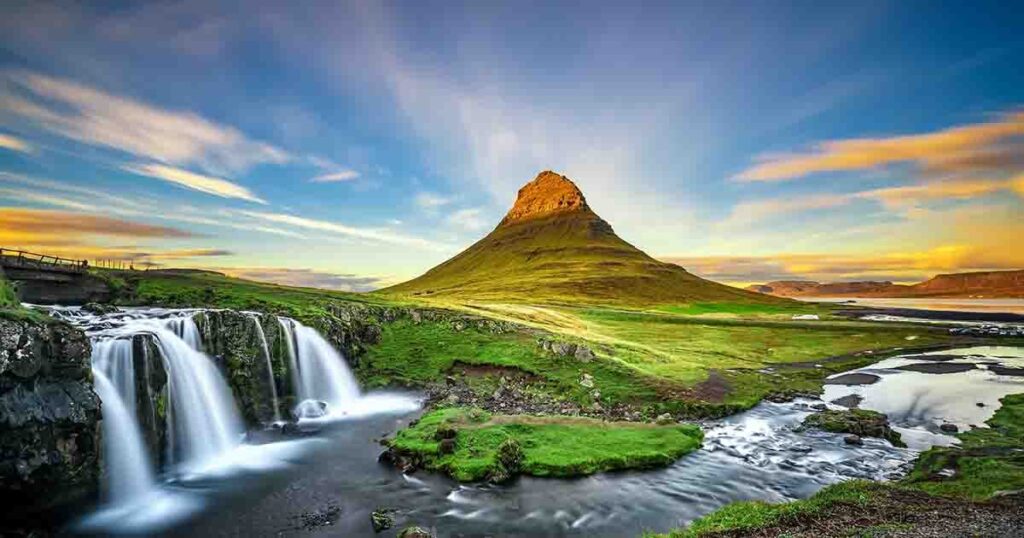
This postcard-perfect peninsula flaunts diverse landscapes, including stunning rock outcrops, rugged coastlines, cascading waterfalls, pristine beaches, beautiful churches, small charming fishing villages, vividly colored lighthouses, and breathtaking volcanic structures.
Visitor can spend time admiring the breathtaking Gerðuberg basalt cliffs, sampling the water of the Ölkelda Mineral Spring, and enjoying seal sighting tours at the Ytri Tunga beach. You can also take a refreshing dip in the Lýsuhólslaug swimming pool, visit the echoing Sönghellir cave, experience hiking a glacier at Snæfellsjökull National Park, and take an exploration tour of the Rauðfeldsgjá Gorge.
24. Vatnajokull National Park
Constituted by Skaftafell National Park and Jokulsargljufur National Park, Vatnajokull National Park features diverse landscapes, including glacial ice, geothermal activities, and shimmering rivers. The volcanoes of Snaefell, Kverkfjoll, and Askja, along with mountain Herdubreid form one of the major attractions of this park. Flaunting an electric blue color, the intriguing ice caves offer a sight to behold. One of the most adventure-friendly places to visit in Iceland, Vatnajokull National Park also offers a host of other adrenaline-pumping activities, including snowmobiling, ATV rides, and ice climbing.
25. The Pearl Observatory (Perlan)
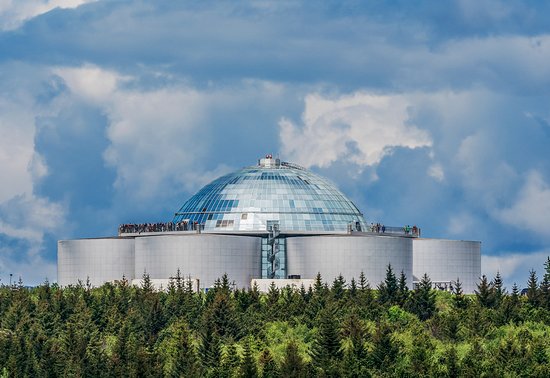
Perlan, or The Pearl, is a landmark building situated atop Öskjuhlíð hill in Reykjavík, famous for its unique architecture consisting of a massive glass dome resting on six giant hot-water storage tanks. Originally built in 1991 to manage the city’s geothermal water supply, it has been transformed into a world-class nature museum and one of Iceland’s most popular visitor attractions. The centerpiece of the facility is its 360° Observation Deck, which offers the best panoramic views of the capital, the Atlantic Ocean, and the surrounding mountains like Mount Esja. Inside, Perlan hosts the Wonders of Iceland exhibition, which includes the world’s first indoor man-made ice cave—constructed from 350 tons of snow and ice—and a state-of-the-art Planetarium that recreates the Northern Lights with stunning accuracy for those visiting outside the winter season.
26. Golden Circle Route

The Golden Circle is Iceland’s most popular sightseeing route, spanning approximately 300 kilometres (186 miles) in a loop starting and ending in Reykjavík. It connects three of the country’s most iconic landmarks, each representing a different facet of Iceland’s unique nature and history. The first stop is Þingvellir National Park, a UNESCO World Heritage site where you can walk between the North American and Eurasian tectonic plates and visit the site of the world’s first parliament. Next is the Geysir Geothermal Area, home to the highly active Strokkur, which hurls boiling water up to 30 metres into the air every few minutes. The final pillar of the route is Gullfoss, or the “Golden Falls,” a massive, two-tiered waterfall that plunges into a deep canyon with immense power. Because of its proximity to the capital, the route is easily accessible year-round and can be completed in a single day, offering a perfect “greatest hits” introduction to Iceland’s “fire and ice” landscape.
27. Jökulsárlón Glacier Lagoon
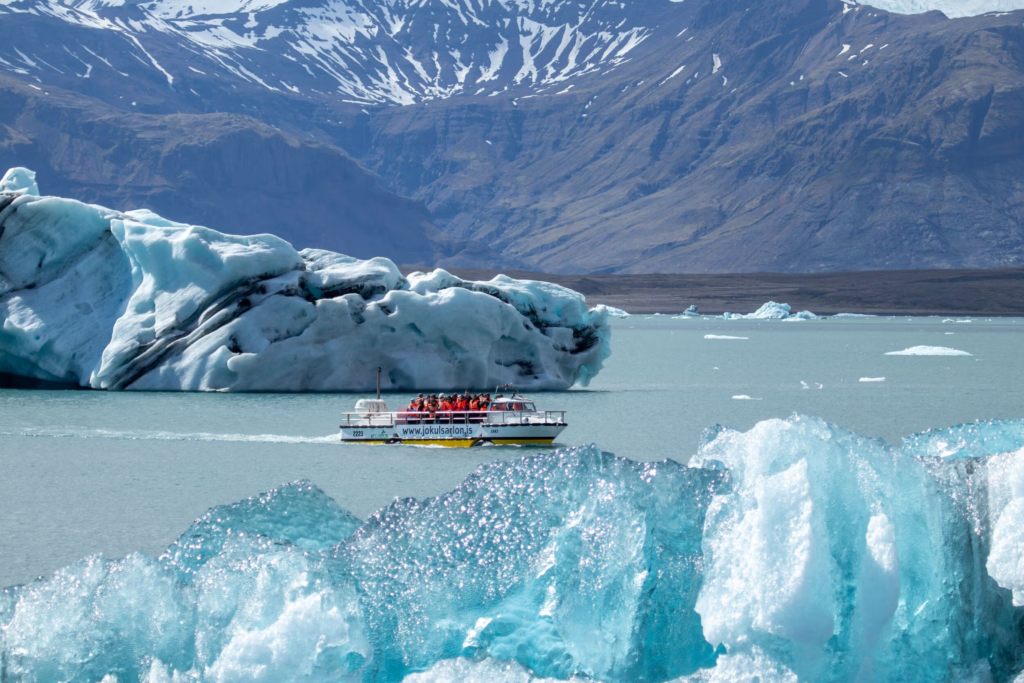
Jökulsárlón Glacier Lagoon is one of Iceland’s most famous and ethereal natural wonders, located at the south end of the Vatnajökull glacier. It formed as the Breiðamerkurjökull glacier began retreating from the Atlantic Ocean, creating a deep lake filled with massive icebergs that break off (calve) from the glacier tongue. These icebergs, some as large as houses, are composed of ice that is over 1,000 years old and display a mesmerizing range of colours, from brilliant whites and deep “electric” blues to streaks of black volcanic ash. The lagoon is constantly changing as the icebergs drift toward the sea, often serving as a playground for curious seals that can be seen swimming among the ice or resting on the floating bergs. Because it connects to the ocean, the lagoon is a mix of fresh and saltwater, which prevents it from freezing over completely, even in winter.
28. Reynisfjara Black Sand Beach
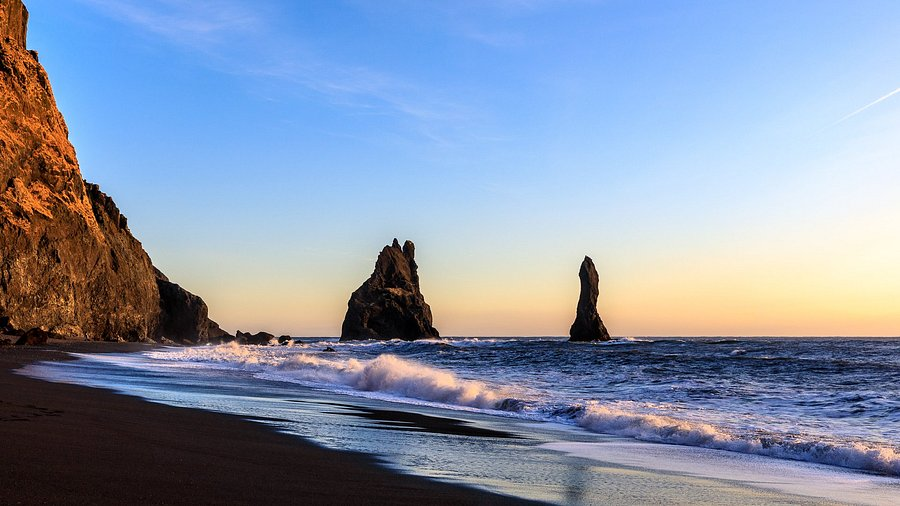
Reynisfjara is widely considered the most beautiful example of a black sand beach in the world, located on the South Coast of Iceland near the village of Vík. Its dramatic landscape was formed by molten lava from the Katla volcano hitting the cold North Atlantic, shattering instantly into the fine black basalt pebbles and sand seen today. The beach is most famous for its massive Gardar basalt columns, a striking cliff-side formation of geometric pillars that look like a natural organ or a giant staircase. Just offshore, the jagged Reynisdrangar sea stacks rise from the ocean; according to local folklore, these stacks were once trolls who were turned to stone when they were caught by the sunlight while trying to drag a ship to shore.a
29. Skógafoss Waterfall
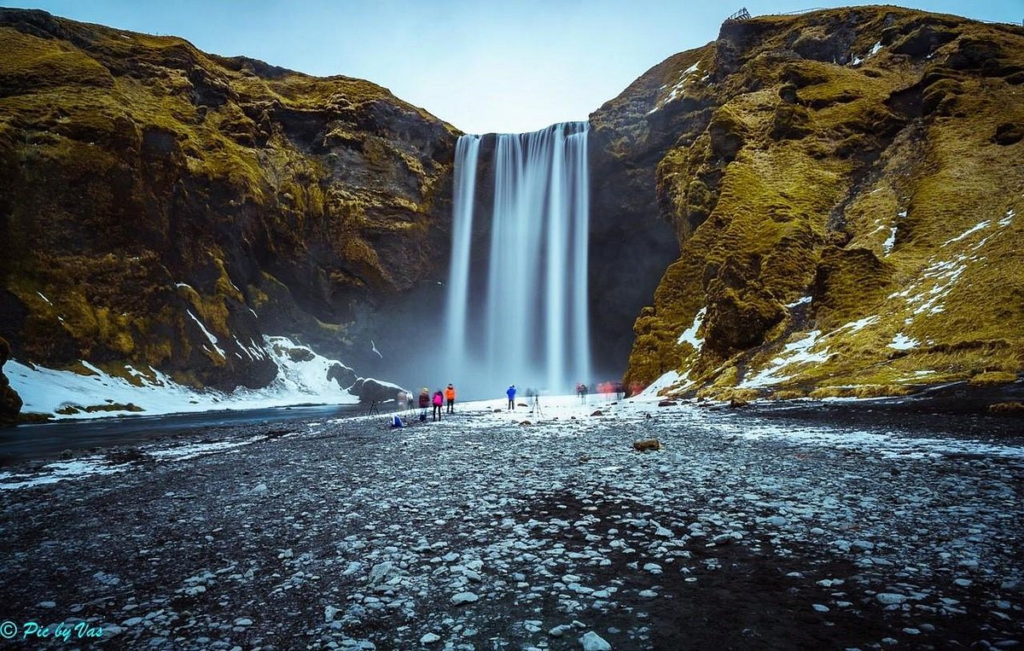
Skógafoss is one of Iceland’s largest and most majestic waterfalls, situated on the Skógá River at the cliffs of the former Icelandic coastline. Dropping 60 metres (197 feet) with a consistent width of 25 metres (82 feet), it creates a near-perfect rectangular curtain of water that thunders into a flat gravel basin. Due to the immense amount of spray produced by the fall, vibrant single or double rainbows are frequently visible on sunny days. Beyond its physical beauty, the waterfall is steeped in folklore; legend says the first Viking settler in the area, Þrasi Þórólfsson, buried a treasure chest filled with gold in a cave behind the cascading water.
30. Húsavík
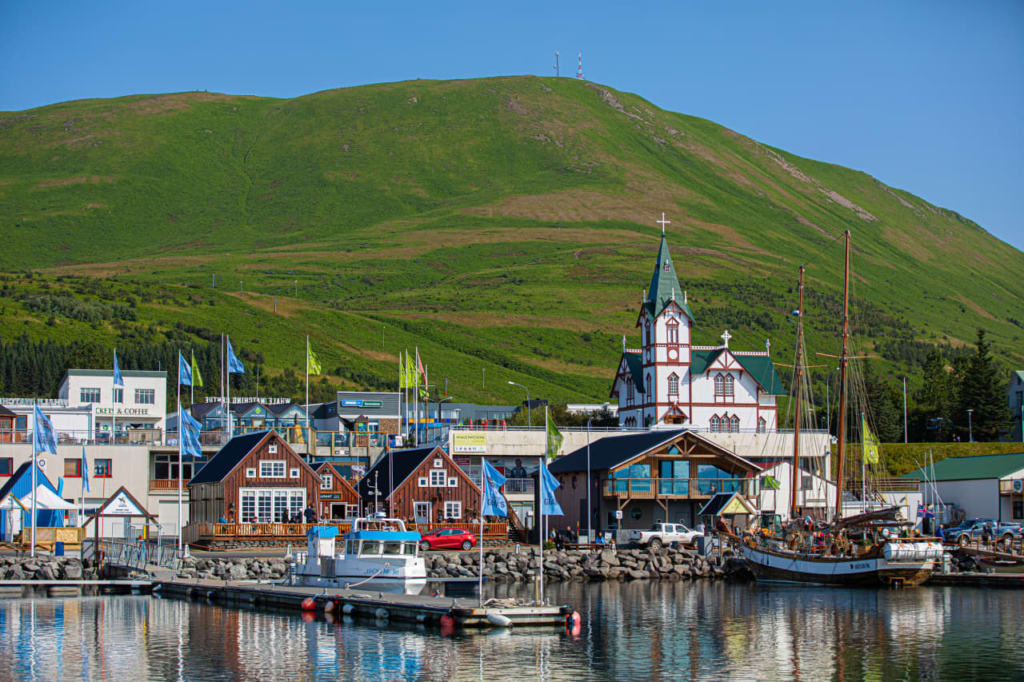
Húsavík is a charming fishing town on the shores of Skjálfandi Bay in North Iceland, widely celebrated as the Whale Watching Capital of Europe. The town’s nutrient-rich waters attract up to 11 different species of cetaceans during the summer, including humpback, minke, and the massive blue whale, with sighting success rates often exceeding 98%. Beyond its maritime wildlife, Húsavík is famous for its picturesque harbour lined with colourful wooden houses and the iconic Húsavíkurkirkja, a unique wooden church built in 1907 in the shape of a cross. Recently, the town gained global pop-culture fame as the setting for the film Eurovision Song Contest: The Story of Fire Saga, which even inspired the creation of a local “Jaja Ding Dong” themed bar and a museum dedicated to the movie.