

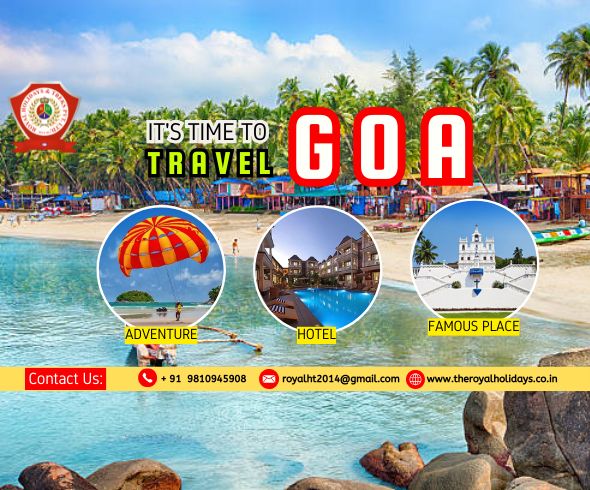
Goa is a small yet beautiful state situated on India’s western coast, renowned for its magnificent beaches, laid-back atmosphere, and a unique blend of Indian and Portuguese cultures. Having been under Portuguese rule for 450 years, the state features numerous colorful colonial-style houses and historic white churches—particularly in ‘Old Goa.’ The state is generally divided into two distinct regions: ‘North Goa,’ known for its vibrant nightlife, bustling markets, and thrilling water sports such as parasailing; and ‘South Goa,’ which is significantly quieter, offering serene and pristine beaches that are perfect for relaxation. Beyond its beaches, Goa boasts lush spice plantations, the majestic ‘Dudhsagar Falls,’ and a phenomenal culinary scene celebrated for its seafood and spicy curries. Whether you wish to dance the night away at a beach shack or seek out a quiet spot to watch the sunset, Goa possesses a distinct “Susegad” (relaxed) spirit that makes everyone feel right at home.
Goa’s economy relies primarily on tourism, which serves as its backbone; it contributes significantly to the state’s GDP and provides employment to approximately 35% of the population. Goa is considered one of the safest destinations to visit in India—largely because its economy depends heavily on ensuring the happiness and safety of its tourists. The local government has implemented several specific measures to assist tourists, such as the “Pink Force” (a specialized police unit dedicated to women’s safety) and a 24/7 tourist helpline. Since tourism serves as the very “bread and butter” of this state, the local people here are generally very hospitable, and the rate of crimes committed against tourists is significantly lower compared to other major cities.
Most Famous And Attractive Tourist Places In Goa :
1.Baga Beach
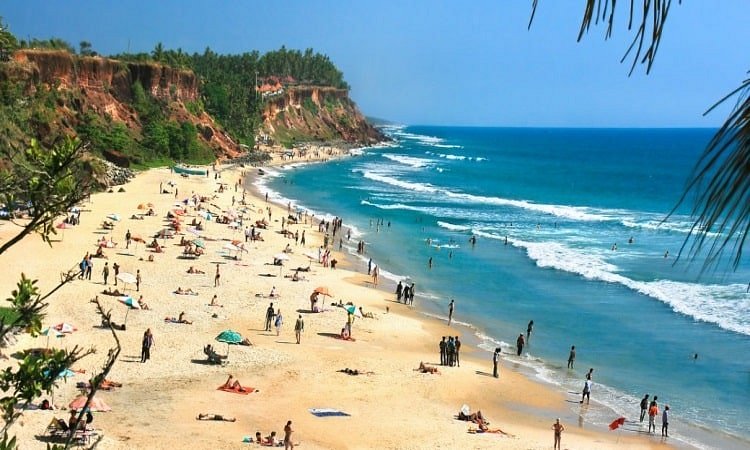
Baga Beach is widely considered the most energetic and commercial hub of North Goa, serving as a primary destination for travellers seeking a high-octane mix of adventure and entertainment. Nestled between its quieter neighbours, Anjuna and Calangute, the beach is physically defined by the Baga Creek to the north, which flows through mangroves before emptying into the Arabian Sea—a spot often favoured by those looking for a slightly more peaceful atmosphere or a chance to watch local fishermen. During the day, the golden shoreline is a hive of activity, offering a vast array of thrill-seeking water sports such as parasailing, jet-skiing, windsurfing, and banana boat rides. As evening approaches, the beach undergoes a dramatic transformation; the numerous shacks lining the sand, such as the legendary Britto’s and St. Anthony’s, light up to serve fresh Goan seafood and cocktails against the backdrop of the sunset. The real pulse of Baga, however, is found on Tito’s Lane, a famous nightlife artery home to iconic clubs like Club Tito’s and Cafe Mambo, where the party atmosphere often extends well into the early morning hours with live DJs and diverse crowds.
2. Take a Dolphin Ride

A Dolphin Ride in Goa is a peaceful boat excursion that takes you into the Arabian Sea to witness wild Indo-Pacific Humpback dolphins and Finless Porpoises in their natural habitat. These tours typically depart from popular spots like Sinquerim, Candolim, Calangute, and Palolem Beach, with the early morning (between 7:00 AM and 9:00 AM) being the prime time for sightings as the sea is calm and dolphins are most active. During the 45-minute to 1.5-hour journey on a traditional or motorized boat, you can often spot these playful creatures leaping and surfing the waves. In addition to wildlife spotting, many tours from North Goa include scenic views of historical landmarks like Fort Aguada, the Old Central Jail, and the luxurious Millionaire’s Palace. Prices are generally affordable, ranging from approximately ₹300 to ₹600 per person depending on the location and whether the boat is shared or private.
3. Try your luck at the Deltin Royale Casino
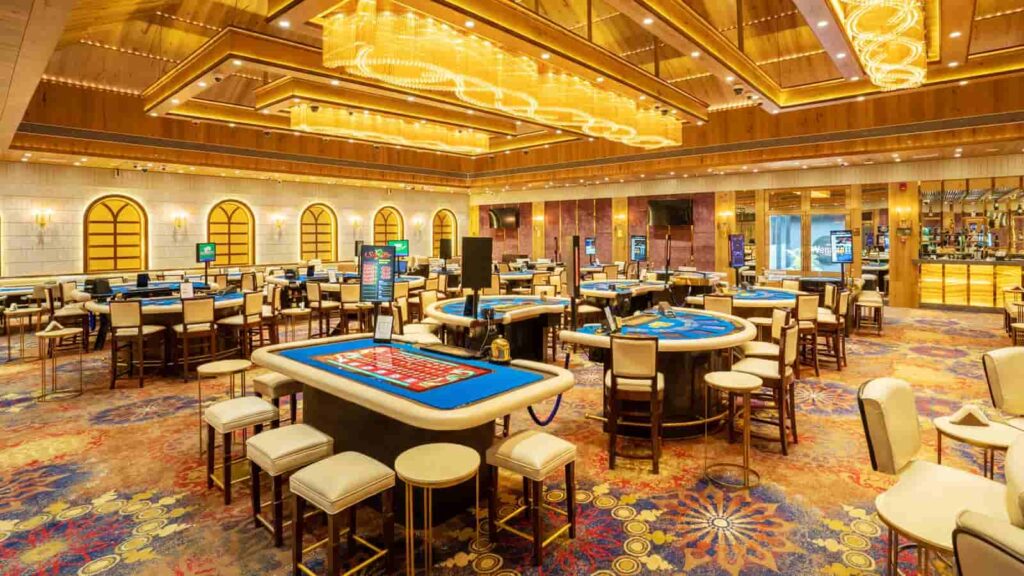
The Deltin Royale Casino is widely regarded as Asia’s ultimate gaming and entertainment destination, offering a luxury offshore experience on the Mandovi River in Panjim. Spanning over 40,000 square feet across five levels, this “floating” casino features more than 850 gaming positions, providing a vast array of international and Indian games such as Roulette, Blackjack, Baccarat, Andar Bahar, and a dedicated Poker room. Beyond the gambling tables, the experience is designed to be a complete night out; your entry fee typically includes a lavish multi-cuisine buffet at Vegas Restaurant, unlimited house-brand drinks, and live world-class entertainment ranging from international dancers to live bands on the Whiskys lounge deck. To visit, you must board a feeder boat from the Noah’s Ark Jetty in Panjim, which whisks you away to the massive vessel anchored in the river. Since the casino operates 24/7 and enforces a smart casual dress code (no shorts, sleepers, or flip-flops for men), it offers a sophisticated atmosphere that captures the high-energy glamour of Las Vegas in the heart of Goa.
4.Curlies

Curlies Beach Shack, located at the southern tip of Anjuna Beach, is one of Goa’s most legendary and long-standing landmarks, famous for its roots in the hippy trance culture of the 1960s. This multi-storey wooden structure offers a diverse experience that shifts throughout the day: by afternoon, it is a relaxed beachfront spot where visitors lounge on floor cushions, enjoy wood-fired pizzas, and take in panoramic views of the Arabian Sea. As night falls, it transforms into a high-energy party destination, particularly known for its rooftop dance floor and beachside “silent discos” or psy-trance sessions that capture the quintessential bohemian spirit of North Goa. Despite facing various regulatory challenges over the years, it remains a “must-visit” for its eclectic menu, vibrant sunset views, and the unique, laid-back “Shanti” vibe that has made it a staple of the Goan coastline for decades.
5. Goa churches

The churches of Goa are world-renowned for their stunning Portuguese-Baroque architecture and deep historical significance, primarily concentrated in the UNESCO World Heritage site of Old Goa. The crown jewel is the Basilica of Bom Jesus, a 16th-century structure that remains a major pilgrimage site as it houses the silver casket containing the mortal remains of St. Francis Xavier. Just across the road stands the massive Se Cathedral, dedicated to St. Catherine, which is one of the largest churches in Asia and famous for its “Golden Bell,” known for its rich tone. In the heart of the capital city, the Church of Our Lady of the Immaculate Conception serves as a iconic landmark with its striking white facade and elegant zigzag staircases, often featured in Bollywood films. These religious monuments are characterized by their gleaming white lime-plastered exteriors, intricate gilded altars, and beautiful frescoes that blend European styles with local craftsmanship. Beyond their architectural beauty, these churches provide a serene glimpse into Goa’s colonial past and remain active centers of worship that celebrate grand annual feasts and traditional masses.
6.Agonda beach
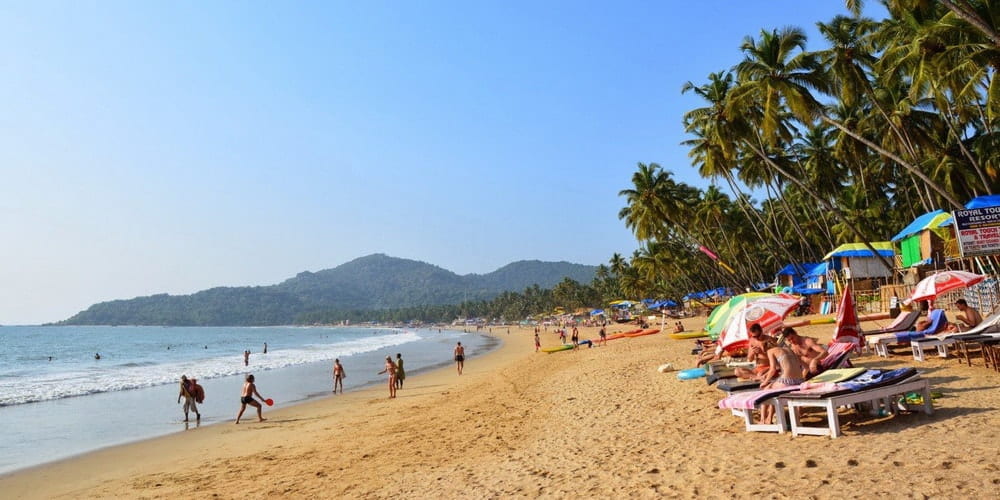
Agonda Beach in South Goa is widely celebrated as a pristine sanctuary for those seeking tranquility, natural beauty, and a break from the commercial buzz of the north. Stretching over three kilometres of soft white sand, it is one of the few places in Goa where the coastline remains relatively undeveloped, thanks in part to its status as a protected nesting site for Olive Ridley sea turtles. The beach is flanked by lush green hillocks and a small, quiet village, creating a secluded atmosphere perfect for long walks, meditation, or sunbathing without the disturbance of loud music or hawkers. While the sea here can have a relatively strong undercurrent—making it better for wading than long-distance swimming—the shore is lined with eco-friendly wooden huts and casual shacks that offer fresh seafood and a relaxed dining experience. Agonda’s charm lies in its “slow life” philosophy, making it a favourite for solo travellers, couples on retreat, and anyone looking to reconnect with nature in its purest form.
7.Cola Beach
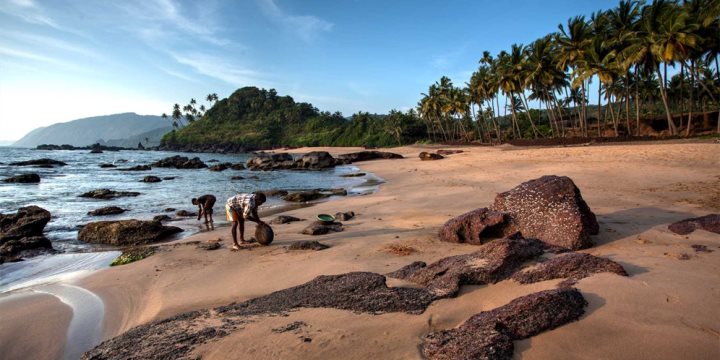
Cola Beach is one of South Goa’s best-kept secrets, famous for its unique “Emerald Lagoon” where a fresh-water stream meets the sea, separated only by a narrow strip of golden sand. This hidden gem offers a dramatic landscape of volcanic boulders and lush coconut groves, providing a completely different atmosphere compared to the more commercial beaches. Because it is tucked away at the bottom of a steep cliff and requires a bit of a bumpy off-road drive to reach, it remains exceptionally peaceful and less crowded. Visitors often spend their day kayaking in the calm, cool waters of the lagoon or relaxing at one of the luxury Rajasthani-style tented camps that line the shore. It is an ideal spot for travellers who want a “Robinson Crusoe” experience, combining the beauty of a tropical river with the vastness of the Arabian Sea.
8. Dudhsagar falls
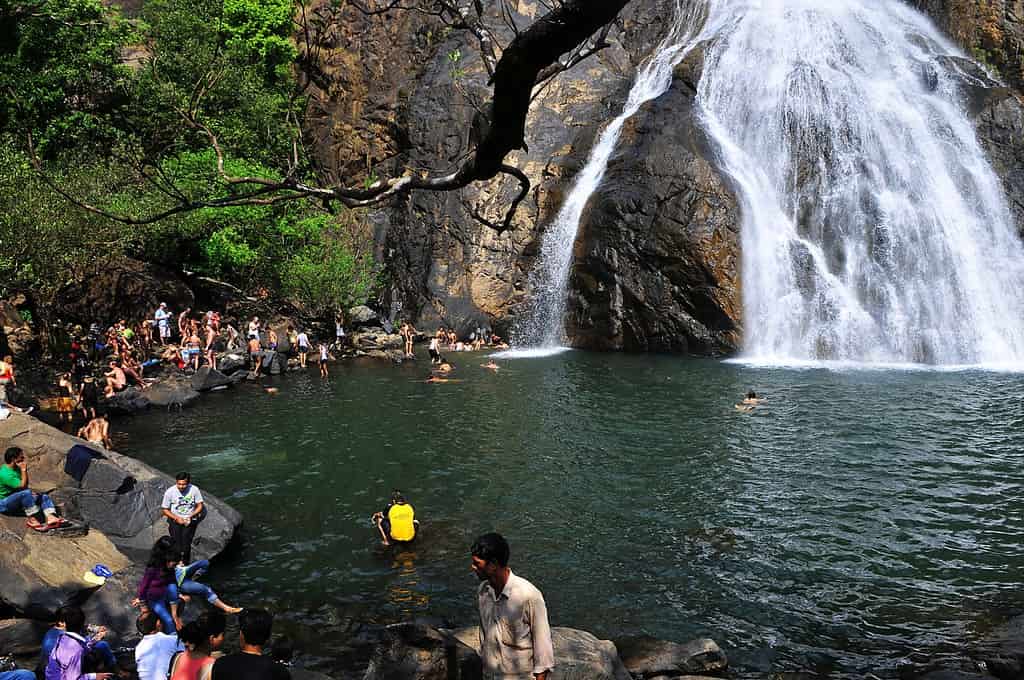
Dudhsagar Falls, which literally translates to “Sea of Milk” in Hindi, is a magnificent four-tiered waterfall located on the Mandovi River in the Bhagwan Mahaveer Sanctuary and Mollem National Park on the border of Goa and Karnataka. Reaching a staggering height of approximately 310 metres (1,017 feet), it is one of India’s tallest waterfalls and is famous for the visual illusion of milky white water cascading down the rugged Western Ghats. The most popular way to visit is via an adventurous 4×4 jeep safari from Kulem, which takes you through dense jungles and rocky streams, followed by a short 1-kilometre trek to the base of the falls. Once there, visitors can relax by the natural pool or admire the iconic sight of a train crossing the bridge right in front of the gushing water. While the falls are most powerful and spectacular during the monsoon season (June to September), jeep safaris typically only operate from October to May for safety reasons.
9. jungle trip
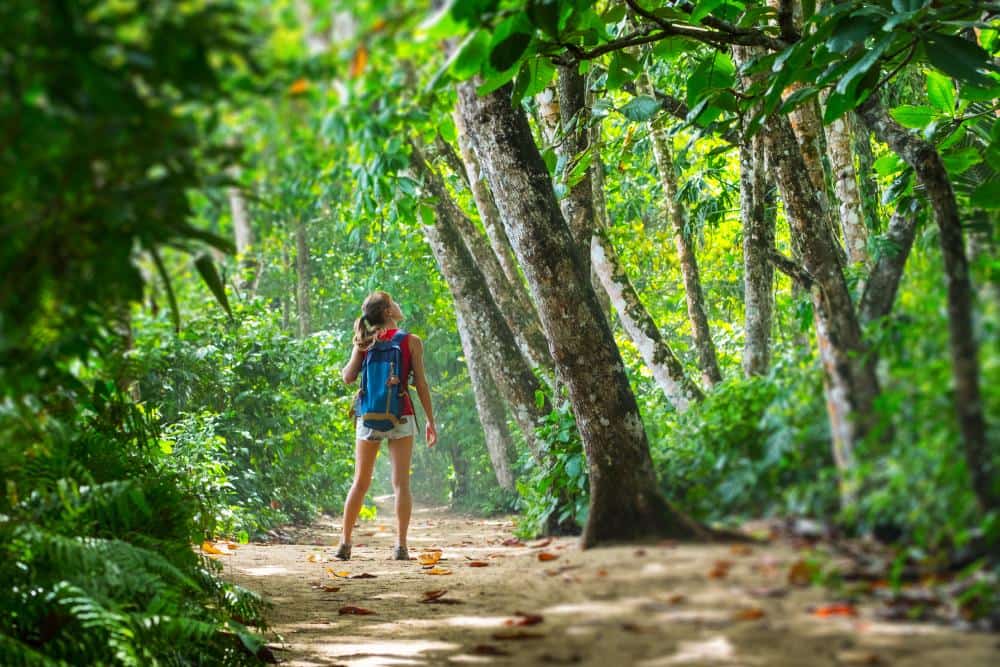
A Jungle Trip in Goa offers a thrilling departure from the coast, immersing you in the lush, biodiverse Western Ghats which serve as a core part of the state’s natural beauty. Most excursions take place in major sanctuaries like Bhagwan Mahavir Wildlife Sanctuary or Netravali Wildlife Sanctuary, where you can embark on open-jeep safaris through dense, multi-storied forests that often block out the sun. These trips are designed for nature enthusiasts and may include trekking to hidden waterfalls like Savri or Mainapi, birdwatching for rare species such as the Malabar Trogon, and even spotting wildlife like bison, deer, and monkeys. For those seeking an extra layer of adventure, specialized tours like Goa Jungle Adventure in Palolem offer canyoning, which combines trekking with abseiling down waterfalls and cliff jumping into natural blue lagoons. Whether you choose a peaceful nature walk through spice plantations or a high-energy night safari to spot nocturnal creatures, a jungle trip reveals the “real” Goa beyond its famous beaches.
10. Calangute: A town with the Queen of Beaches

Calangute, widely hailed as the “Queen of Beaches,” is the largest and most popular coastal town in North Goa, acting as the primary hub for tourism and commercial activity. The beach itself is a sprawling seven-kilometre stretch of golden sand that stays buzzing from dawn until late at night, lined with an endless array of beach shacks offering everything from chilled beer to global cuisine. It is the definitive destination for water sports enthusiasts, featuring high-energy activities like parasailing, bumper rides, and jet skiing. Beyond the shoreline, the town of Calangute is a shopper’s paradise; its narrow streets are packed with bustling markets, boutiques, and Tibetan stalls selling handicrafts, jewellery, and summer wear. While it can be crowded during peak season, the town’s vibrant energy, proximity to major landmarks, and diverse range of stays—from budget guest houses to luxury resorts—make it an essential stop for anyone wanting to experience the quintessential, lively spirit of Goa.
11. Anjuna Beach
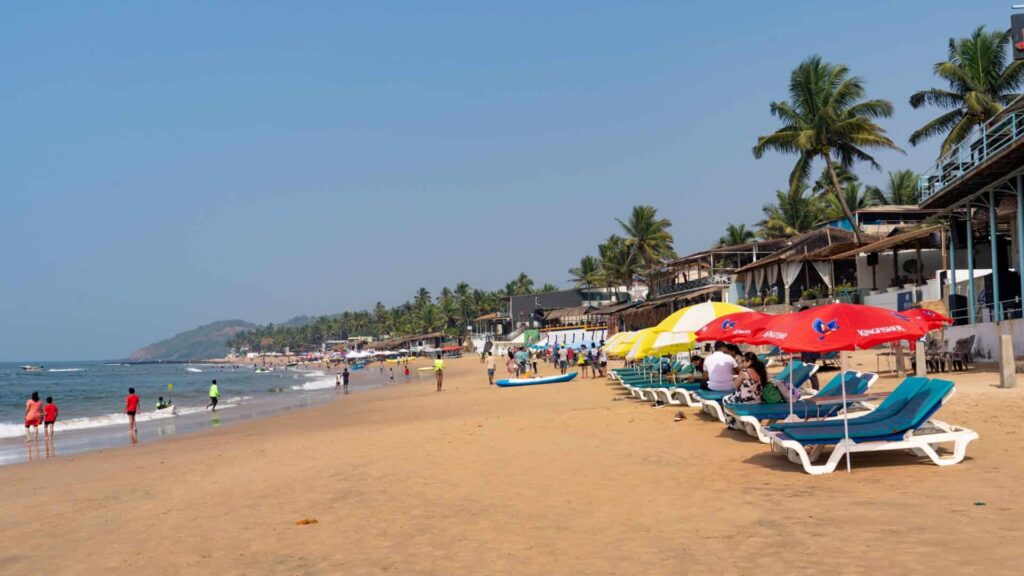
Anjuna Beach is a legendary stretch of coastline in North Goa, famously known as the cradle of the hippie movement in the 1960s and 70s. Unlike the flat, sandy shores of its neighbours, Anjuna is distinguished by its unique landscape of dark volcanic rocks and swaying palm trees, creating a rugged and bohemian atmosphere. It is most famous for its vibrant Wednesday Flea Market, which draws thousands of visitors searching for everything from Tibetan handicrafts and colourful clothing to unique handmade jewellery. The beach is also a global hub for psy-trance music and alternative nightlife, with iconic spots like Shiva Valley and Curlies hosting beachside parties that often last until sunrise. During the day, the southern end of the beach offers calmer waters for wading and a variety of beach shacks that serve as perfect viewpoints for Goa’s spectacular sunsets. Whether you are looking to explore its rocky tide pools, shop for bohemian treasures, or dance under the stars, Anjuna remains the ultimate symbol of Goa’s free-spirited and counter-culture heritage.
12. Grand Island
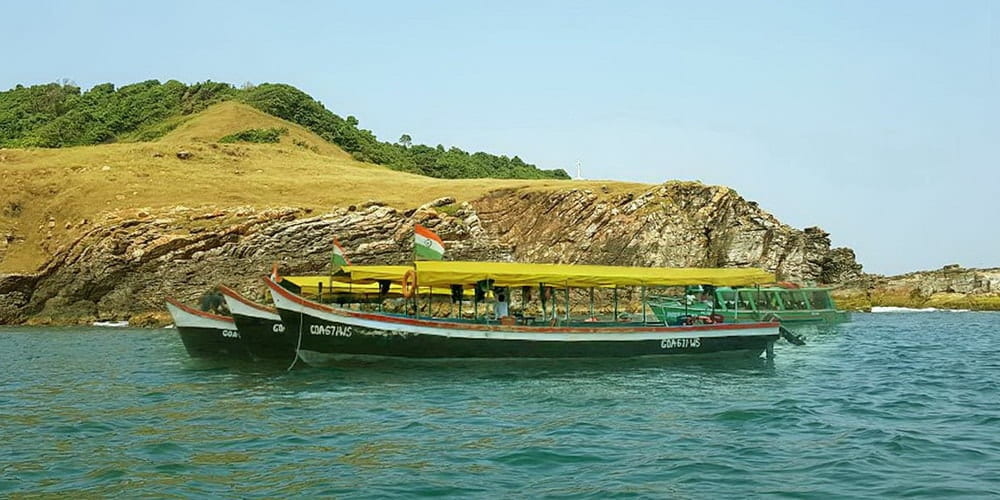
Grand Island is Goa’s premier destination for marine adventure and underwater exploration, located a short boat ride away from the Mainland near Vasco da Gama or Candolim. The island is famous for being the best spot in the state for scuba diving and snorkelling, thanks to its relatively clear waters and vibrant coral reefs that are home to diverse marine life like parrotfish, groupers, and even the occasional sea turtle. Most trips to Grand Island are full-day packages that begin with a scenic boat ride where travellers often spot dolphins playing in the wake. The day typically includes a stop for bottom fishing, a guided snorkelling session at popular sites like “Monkey Beach,” and a traditional Goan BBQ lunch served on a secluded shoreline. Since the island is under the jurisdiction of the Indian Navy, visitors cannot stay overnight, making it a perfect day-trip escape for those looking to swap the crowded beach shacks for the deep blue of the Arabian Sea.
13. Mandovi River Cruise

A Mandovi River Cruise is an iconic evening experience in Panaji that provides a festive window into Goa’s vibrant culture and scenic riverfront. Operating primarily from the Santa Monica Jetty or the Tourism Jetty near the Atal Setu bridge, these cruises typically last about an hour for sunset trips or up to three hours for dinner packages. Once on board, guests are treated to traditional Goan folk performances like the Dekhni and Fugdi dances, often followed by a live DJ session where the crowd is encouraged to join in on the dance floor. As the boat glides along the water, you get a unique perspective of historic landmarks, including the Adil Shah Palace, Reis Magos Fort, and the brightly lit offshore casinos. While sunset cruises are a popular budget-friendly choice (roughly ₹500–₹800), more refined dinner cruises offer a full buffet and live music under the stars, making it a favorite activity for families and couples alike.
14. Tito’s Street
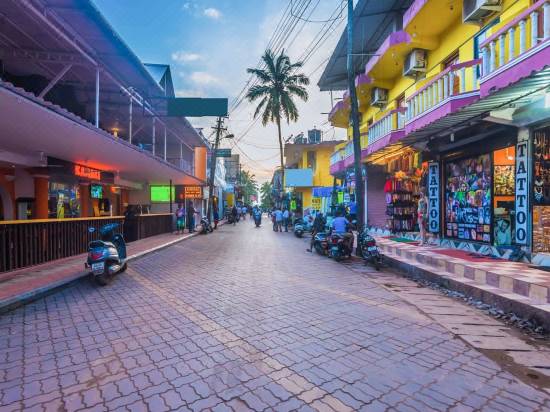
Tito’s Street (or Tito’s Lane) is the beating heart of Goa’s nightlife, located in Baga and named after the legendary Club Tito’s, which opened in 1971. This narrow, bustling lane is famous for being lined with some of the state’s most iconic clubs, bars, and cafes, making it the primary destination for party-goers from across the globe. As the sun sets, the street comes alive with neon lights, loud music, and a high-energy crowd moving between venues like Cafe Mambo, Cape Town Cafe, and various smaller pubs and boutiques. Beyond the world-class DJs and dance floors, the street offers a mix of street food stalls, tattoo parlours, and shops selling funky beachwear, creating a carnival-like atmosphere that lasts well into the early morning hours. It is the definitive place to experience the “party capital” vibe of North Goa, offering everything from high-end VIP lounges to budget-friendly beer gardens.
15.Anjuna Flea Market
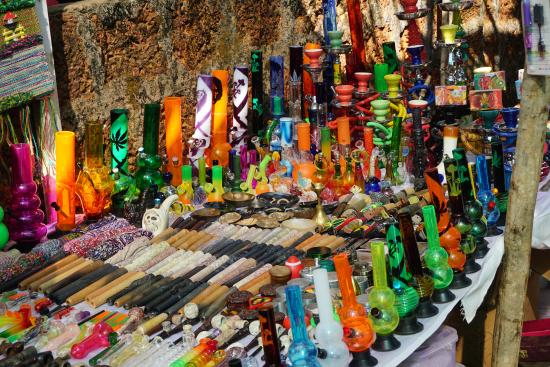
The Anjuna Flea Market is Goa’s most famous and vibrant shopping tradition, held every Wednesday on the southern end of Anjuna Beach. Originally started in the 1960s by hippies who sold their belongings to fund their stay, it has evolved into a massive, sprawling bazaar that attracts visitors from all over the world. The market is a treasure trove of bohemian fashion, featuring hundreds of stalls selling everything from colourful Rajasthani textiles and Tibetan handicrafts to handmade jewellery, leather bags, and intricate dreamcatchers. Beyond shopping, the market is a sensory experience filled with the aroma of street food, the sound of live acoustic music or trance beats, and the sight of street performers and henna artists. It serves as a melting pot of cultures where you can find unique, one-of-a-kind souvenirs while soaking in the free-spirited, “old Goa” vibe that the town is famous for.