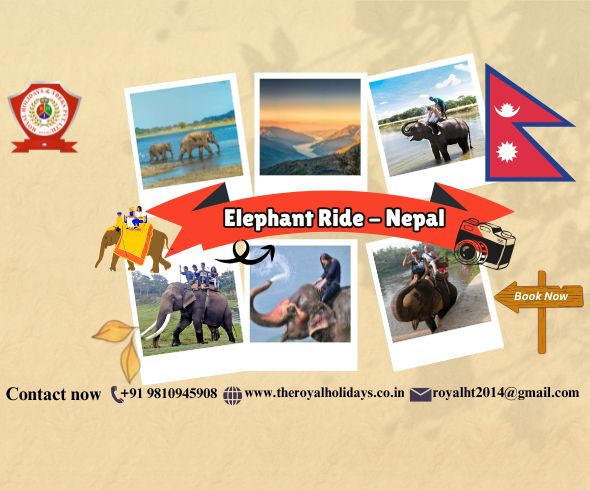
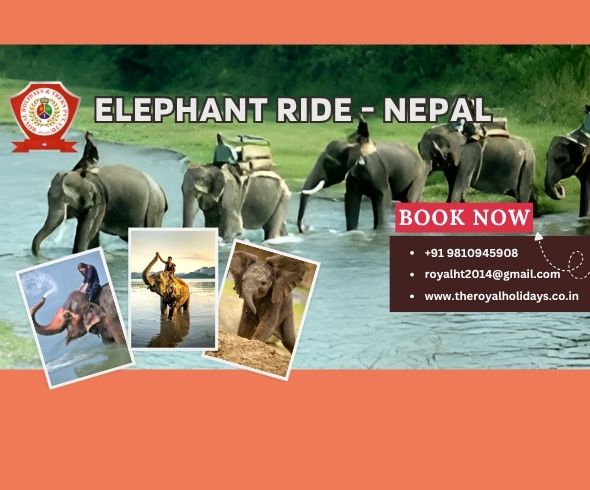
Elephant rides in Nepal offer a unique and memorable way to experience the country’s diverse landscapes and wildlife. One of the popular destinations for elephant rides is Chitwan National Park, a UNESCO World Heritage site located in the southern part of Nepal. Here, visitors can embark on elephant-back safaris through dense forests, grasslands, and marshes, providing excellent opportunities to spot a wide range of wildlife, including the endangered one-horned rhinoceros, deer, wild boars, and various bird species.
These rides also offer a chance to explore the rich biodiversity of the park up close, accompanied by experienced mahouts (elephant handlers) who guide the gentle giants through their natural habitat. The serene and unhurried pace of the elephant ride allows for a deeper connection with nature, offering a different perspective compared to traditional jeep safaris or walking tours.
While enjoying the ride, visitors can learn about the conservation efforts in Chitwan National Park and the cultural significance of elephants in Nepali society. It’s important to choose operators that prioritize the welfare of their elephants, ensuring ethical and responsible tourism practices. Elephant rides in Nepal provide an unforgettable adventure that combines wildlife encounters with cultural insights, making them a highlight for many travelers exploring this beautiful region.
Overview
Travel is the movement of people between relatively distant geographical locations, and can involve travel by foot, bicycle, automobile, train, boat, bus, airplane, or other means, with or without luggage, and can be one way or round trip. Travel can also include relatively short stays between successive movements.
The origin of the word “travel” is most likely lost to history. The term “travel” may originate from the Old French word travail, which means ‘work’. According to the Merriam Webster dictionary, the first known use of the word travel was in the 14th century.
It also states that the word comes from Middle English travailen, travelen (which means to torment, labor, strive, journey) and earlier from Old French travailler (which means to work strenuously, toil). In English we still occasionally use the words “travail”, which means struggle. According to Simon Winchester in his book The Best Travelers’ Tales (2004), the words “travel” and “travail” both share an even more ancient root: a Roman instrument of torture called the tripalium (in Latin it means “three stakes”, as in to impale).