
Dharamsala is a beautiful hill station located in the state of Himachal Pradesh, India. Situated in the Kangra Valley, it is nestled in the lap of the Dhauladhar mountain range. It was established by the British in 1849 as a cantonment town and hill station, and was named after a local Hindu pilgrimage site. It evolved into a significant military hub and began serving as the administrative headquarters of the Kangra district. Following the arrival of the Dalai Lama in 1959, it emerged as a major center for Tibetan culture and spirituality, becoming known as the capital of the ‘Tibetan Government-in-Exile.’ Dharamsala is renowned as the residence of the 14th Dalai Lama and the Tibetan Government-in-Exile, a distinction that has established it as a prominent global hub for Tibetan culture and Buddhism. Located in the Kangra Valley, the city is celebrated for its spectacular views of the Dhauladhar range, its pine forests, its spiritual ambiance, and the vibrant town of ‘McLeod Ganj’—a locality deeply infused with Tibetan culture. Dharamsala is generally regarded as a safe and tourist-friendly destination; it is often cited as one of the safest hill stations in Himachal Pradesh, offering a particularly secure environment for tourists and solo female travelers.
Dharamsala’s economy relies primarily on tourism, agriculture, and its role as a regional administrative hub. It serves as a major center for tourism—attracting visitors specifically to the Dalai Lama Temple complex as well as trekking enthusiasts—thereby providing a significant boost to the local hospitality sector. Agriculture—particularly tea cultivation—along with small-scale industries and government administrative services, further bolster the local economy. The Himachal Pradesh Cricket Association (HPCA) Stadium, located in Dharamsala, is renowned as one of the most picturesque cricket stadiums in the world, hosting international, Test, and IPL matches.
Most Famous And Attractive Tourist Places In Dharamshala :
1. Lahesh Caves
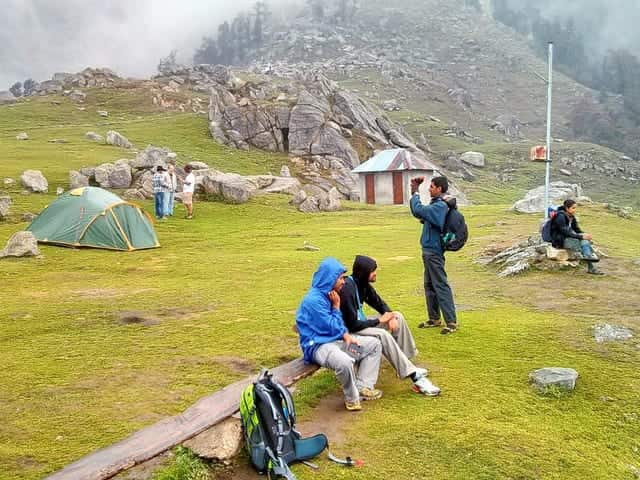
Lahesh Cave is a prominent natural rock shelter located at an altitude of approximately 3,500 metres (11,482 feet) within the rugged Dhauladhar mountain range of Himachal Pradesh. It serves as a vital high-altitude campsite and shelter for Gaddi shepherds during the summer months as they move their flocks to higher alpine meadows, as well as for adventurous trekkers attempting the challenging climb to Indrahar Pass or Moon Peak. The cave is situated roughly 12 km from McLeod Ganj and is typically reached via a trek that passes through the popular Triund ridge and the Laka Glacier (also known as Illaqa Got). Historically, local legends even link the cave to the Pandavas, suggesting it was used as a hunting outpost during their exile. Today, it is revered for its stunning panoramic views of the snow-clad Dhauladhar peaks, the Kangra Valley, and the seasonal glacier nearby, making it a “hidden gem” for those seeking solitude beyond the more crowded trails.
2. Naddi Village
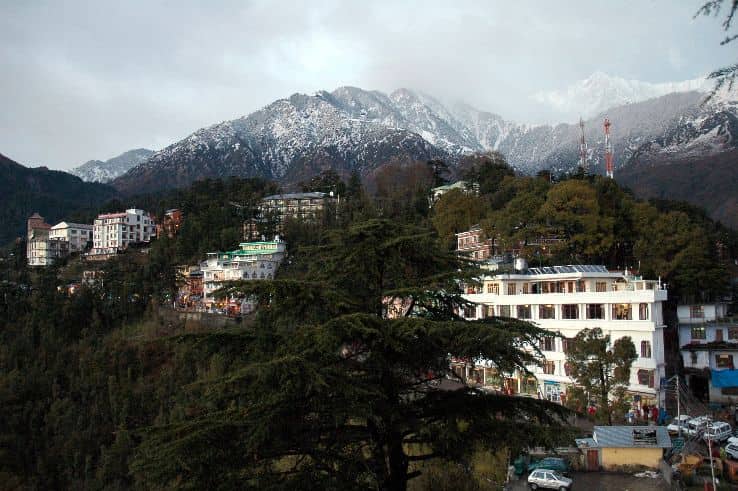
Naddi Village is a serene high-altitude hamlet situated at an elevation of approximately 2,000 metres (6,561 feet) in the upper reaches of the Kangra Valley, just 3 km from the bustling town of McLeod Ganj. Renowned primarily as the premier sunset point in the Dharamshala region, it offers spectacular, unobstructed panoramic views of the snow-clad Dhauladhar mountain range to the north and the lush green expanse of the valley to the south. The village is home to the Gaddi tribe, a local shepherd community, and visitors often enjoy walking through its terraced fields of corn and bajra to experience authentic Himachali culture away from the more commercialised tourist hubs. Beyond its scenic vistas, Naddi serves as a strategic base for several popular treks, including the trails to Triund, Kareri Lake, and the nearby Guna Devi Temple. Its close proximity to the sacred Dal Lake (only a 1 km walk away) further adds to its appeal as a peaceful retreat for meditation, photography, and nature enthusiasts.
3. Chinmaya Tapovan
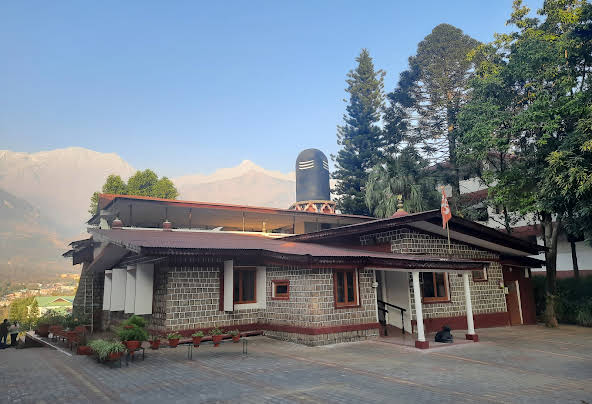
Chinmaya Tapovan is a beautiful spiritual ashram located in Sidhbari, about 10 km from Dharamshala, nestled at the base of the majestic Dhauladhar mountains. Founded by the spiritual leader Swami Chinmayananda, it is designed as a peaceful retreat for meditation and learning about ancient Indian scriptures like the Bhagavad Gita. The most famous sight here is the 9-metre (30-foot) tall golden statue of Lord Hanuman that stands near the entrance, along with a serene temple dedicated to Lord Rama. Visitors often come to enjoy the quiet gardens, visit the samadhi (resting place) of the founder, or simply soak in the calm atmosphere by the nearby Bindu Saras rivulet. It is a perfect spot if you want a break from the crowds and a chance to experience a deep sense of inner peace.
4. Naam Art Gallery

Naam Art Gallery, located in Sidhbari on the Chamunda Main Road, is a renowned cultural landmark that provides an intimate look into the intersection of European art and Himachali culture. Founded in 2010 by German painter Elsbeth Buschmann, who made Dharamshala her permanent home, the gallery primarily showcases her extensive collection of watercolours and acrylics. Her work is celebrated for its spiritual depth and focus on “communing with the spirit of forms,” often featuring meditative themes, circles, and mountain landscapes that reflect her life in the Himalayas. Alongside her pieces, the gallery serves as a tribute to the late English painter Alfred W. Hallett, a Fellow of the Royal Academy of Art who lived in Dharamshala for over 40 years. Hallett’s oil paintings are particularly prized for their detailed depiction of local landscapes and traditional Himachali life, many of which are now part of the Himachal Pradesh Government’s permanent collection.
5. Namgyalma Stupa
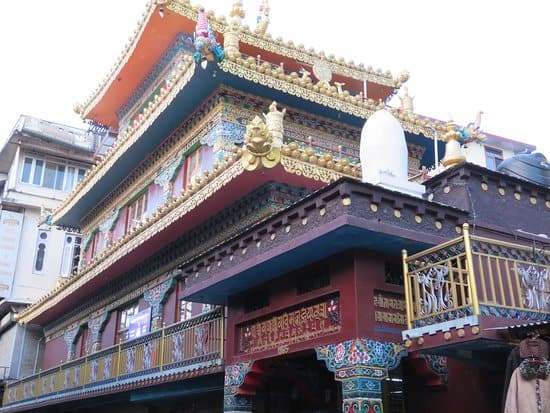
The Namgyalma Stupa, located in the heart of McLeod Ganj, is a profound spiritual monument and a commemorative tribute to the Tibetan soldiers who lost their lives in the struggle for Tibet’s freedom. Architecturally, it is modelled after the 3rd-century BC stupas commissioned by King Ashoka, featuring a distinctive dome shape built from sandstone with three circular steps that represent Buddha’s victory over the “mara of death.” Enshrined in a small chamber at the top is a beautiful image of Sakyamuni Buddha, and the entire structure is believed to contain sacred remains of the Buddha. Surrounded by numerous prayer wheels that devotees spin clockwise while reciting mantras, the stupa is considered a powerful site for karmic purification; local tradition holds that even the rain falling upon it becomes blessed and that a visit can cleanse the soul of negative energy.
6.Dalai Lama Temple Complex
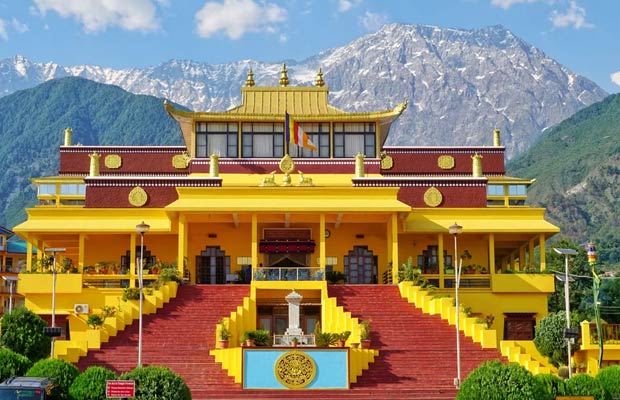
The Dalai Lama Temple Complex, or Tsuglagkhang, serves as the spiritual heart for Tibetans in exile and the official residence of His Holiness the 14th Dalai Lama. Established in 1959, the complex was designed to preserve Tibetan culture and provide a sanctuary for Buddhist practice after the community moved to McLeod Ganj. It is more than just a place of worship; it is a global center for peace and non-violence, housing the Namgyal Monastery, the Tibet Museum, and sacred shrines. The complex is dedicated to the message of compassion and religious harmony, welcoming people of all faiths to witness monks debating, participate in clockwise “Kora” walks, and experience the resilience of the Tibetan spirit firsthand.
7. Masrur
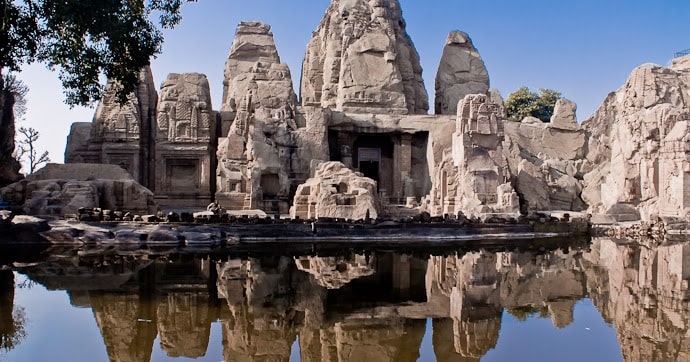
The Masrur Rock Cut Temples, frequently referred to as the “Himalayan Pyramids” or the “Ellora of the North,” are a remarkable collection of 15 monolithic Hindu temples located in the Kangra Valley, about 40 km from Dharamshala. Carved out of a single, massive sandstone ridge during the early 8th century, the complex stands at an elevation of roughly 2,500 feet and features the intricate Nagara architectural style. While the presence of Lord Rama, Lakshmana, and Sita idols in the main sanctum is a central draw for pilgrims today, scholars believe the temple was originally dedicated to Lord Shiva based on a carved figure of the deity on the lintel. The complex is famous for its auspicious rectangular pool that perfectly reflects the ancient towers against the backdrop of the Dhauladhar range. Despite suffering severe structural damage during the 1905 Kangra earthquake, Masrur remains a rare and significant example of rock-cut architecture in the northern Himalayas.
8. Hanuman Ka Tibba
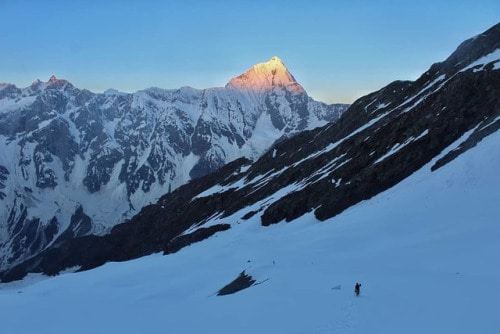
Hanuman Ka Tibba, also known as “Solang Peak” or the “White Mountain,” is the highest point in the Dhauladhar mountain range, standing at a towering elevation of approximately 5,932 metres (19,462 feet). Located behind the popular Triund ridge and overlooking the Beas River valley, this pyramid-shaped peak is a highly sought-after prize for professional mountaineers and experienced trekkers. The mountain gets its name from a local legend suggesting that Lord Hanuman rested here during his journey to find the Sanjeevani herb. Unlike the easier treks in Dharamshala, reaching the summit of Hanuman Ka Tibba is a technical climb that requires specialized gear like ice axes and crampons, as well as a steep ascent through the Beas Kund Glacier. From its peak, climbers are rewarded with an incredible 360-degree view that stretches from the Pir Panjal range to the sprawling Kangra Valley below, making it the “crown jewel” of the region’s skyline.
9. Kangra Fort
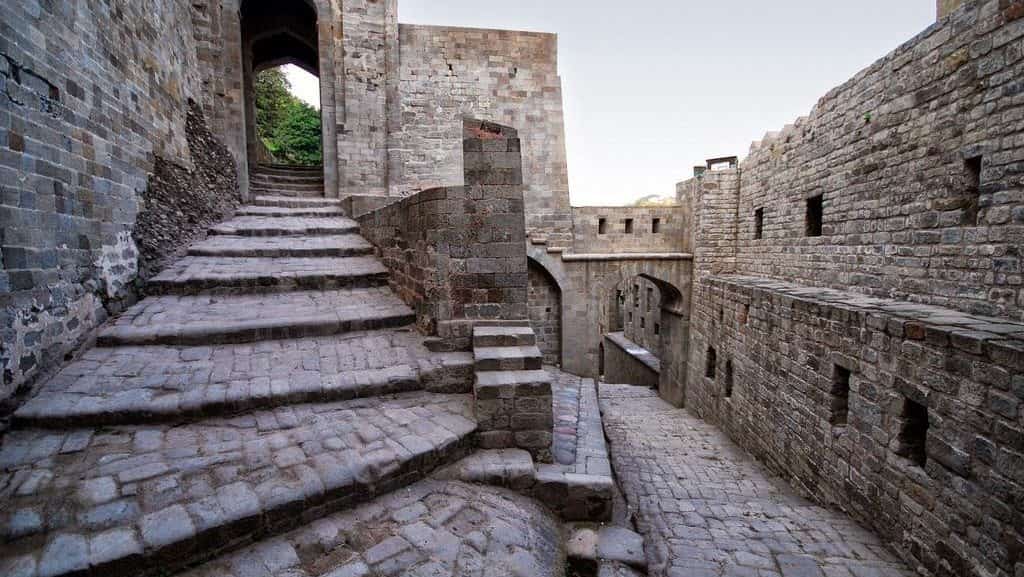
Kangra Fort, also known as Nagarkot or Kot Kangra, is the oldest recorded fort in India and the largest in the Himalayas, boasting a history that spans approximately 4,000 years. Perched on a steep hillock at the confluence of the Banganga and Manjhi rivers, it was strategically built by the Katoch dynasty, one of the world’s oldest surviving royal lineages. The fort’s legendary wealth, once stored in 21 secret treasure wells, made it a constant target for over 50 recorded invasions, including those by Mahmud of Ghazni in 1009 AD, the Mughals under Emperor Jahangir in 1620, and the Sikh Empire under Maharaja Ranjit Singh in 1809. Architecturally, the fort is a massive stone structure spread over 463 acres, featuring a multi-layered defense system accessed through seven formidable gates, such as the Ranjit Singh Gate and the Jahangiri Darwaza. Within its walls lie significant spiritual sites, including the Ambika Devi Temple, Lakshmi Narayan Temple, and an ancient Jain temple. Though it served as a military garrison for the British starting in 1846, it was largely reduced to ruins by a devastating 7.2 magnitude earthquake in 1905. Today, it is a protected monument under the Archaeological Survey of India (ASI) and houses a museum showcasing artifacts and paintings from the famous Kangra School of Miniature Painting.
10. Indrahar Pass
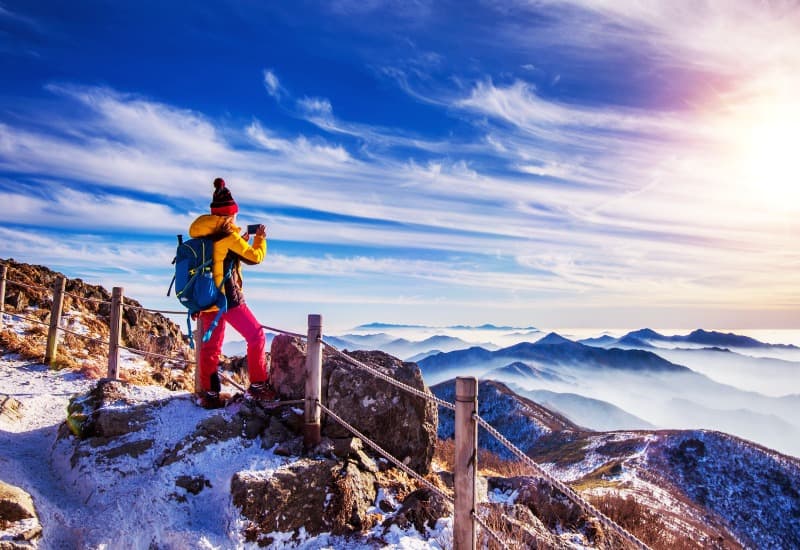
Indrahar Pass is a high-altitude mountain pass in the Dhauladhar range of the Himalayas. It serves as a natural boundary between the Kangra and Chamba districts of Himachal Pradesh and is a renowned trekking destination starting from the spiritual hub of McLeod Ganj. The pass is geologically significant as it lies in a major thrust zone where the Indian tectonic plate meets the Eurasian plate, resulting in its dramatic, near-vertical granite walls that rise sharply from the plains. Historically and culturally, the trail follows an ancient migratory route used for centuries by the Gaddi shepherds to move their livestock between summer and winter pastures. A typical 4-day trek to the pass traverses diverse ecological zones—from lush oak and rhododendron forests to rugged alpine meadows—passing through iconic milestones like Triund, Ilaqa Got, and the natural rock shelter of Lahesh Caves. From the summit, trekkers are rewarded with breathtaking dual vistas: the vast Indian plains to the south and the sacred, snow-clad peaks of the Pir Panjal Range and Mani Mahesh Kailash to the north.
11. Dharamkot
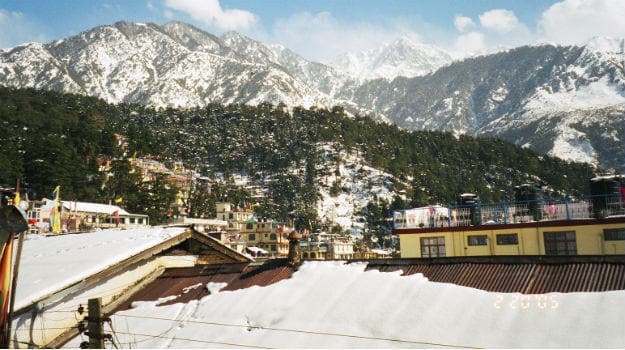
Dharamkot is a charming, bohemian village nestled just above McLeod Ganj at an elevation of about 2,100 metres, often referred to as the “Yoga Village” of Himachal Pradesh. Unlike its bustling neighbor, Dharamkot offers a tranquil, forest-like atmosphere that has made it a global hub for spiritual seekers, digital nomads, and backpackers. It is home to the world-renowned Tushita Meditation Centre, which teaches Tibetan Mahayana Buddhism, and the Dhamma Shikara Vipassana Centre, attracting visitors from across the world for silent retreats. The village is unique for its “no-car” vibe, as many of its narrow, winding paths are accessible only by foot, leading to quaint cafes, vegan eateries, and workshops specializing in pottery, wood carving, and yoga. It also serves as the primary base for trekkers heading toward Triund and the Indrahar Pass, as the main trail begins here. Surrounded by dense deodar and cedar forests with panoramic views of the Kangra Valley, Dharamkot maintains a distinctively relaxed “hippie” culture that balances traditional Himachali mountain life with a modern, international spirit.
12.McLeod Ganj
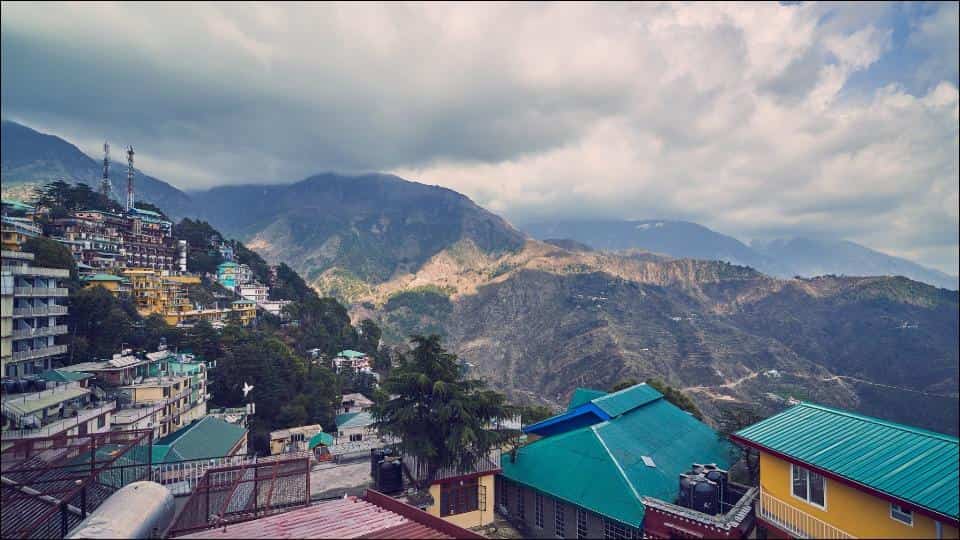
McLeod Ganj, famously known as “Little Lhasa,” is a vibrant suburb of Dharamshala situated at an altitude of 2,082 metres in the Dhauladhar Range. It gained global prominence in 1960 when it became the headquarters of the Tibetan Government-in-Exile and the official residence of the 14th Dalai Lama. The town is the spiritual heart of the Tibetan diaspora, centered around the Tsuglagkhang Complex, which houses the Namgyal Monastery and the Tibet Museum. Architecturally, the town reflects a unique blend of British colonial heritage—seen in landmarks like the St. John in the Wilderness church—and traditional Tibetan culture, visible in its numerous monasteries, prayer wheels, and institutes like Norbulingka. Beyond its spiritual significance, McLeod Ganj is a major hub for international tourism, attracting trekking enthusiasts headed for Triund, students of Buddhism, and food lovers who frequent its famous rooftop cafes serving authentic momos and thukpa. Despite its small geographic footprint, the town’s bustling narrow streets, colorful markets selling Tibetan handicrafts, and the serene presence of maroon-robed monks create an atmosphere that is both energetically cosmopolitan and deeply meditative.
13. Kangra Valley
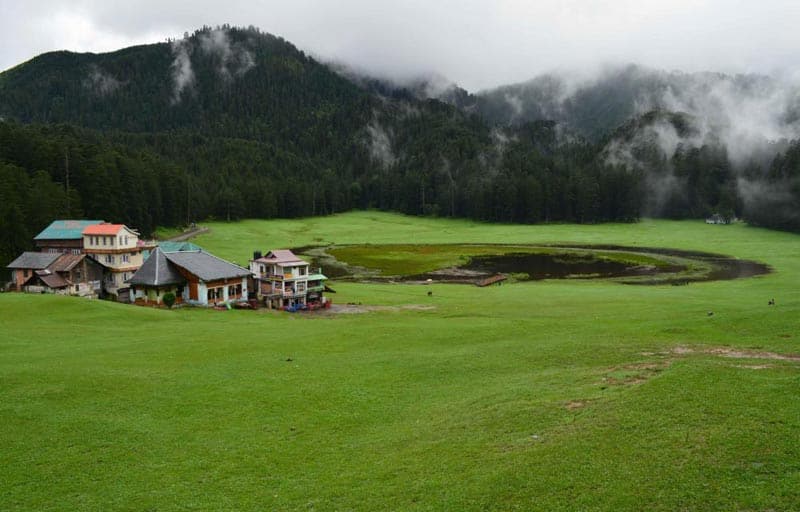
The Kangra Valley is a breathtakingly lush and fertile region nestled in the Western Himalayas of Himachal Pradesh, sheltered by the towering, snow-capped Dhauladhar Range to the north. Characterised by its rolling green hills, winding perennial rivers like the Beas, and vast tea plantations, the valley is as much a cultural treasure as it is a natural one. It is the historic heartland of the Katoch dynasty, the oldest surviving royal lineage in the world, and serves as the cradle for the world-renowned Kangra School of Miniature Painting, which flourished here in the 18th century. The valley is home to significant spiritual landmarks, ranging from the ancient monolithic Masroor Rock Cut Temples (often called the “Ellora of the North”) to the bustling Tibetan hub of McLeod Ganj and the sacred Jwalamukhi Temple. Beyond its heritage, the Kangra Valley is a premier destination for adventure, offering world-class paragliding at Bir-Billing, scenic rides on the UNESCO-listed Kangra Valley Railway, and numerous trekking trails that lead into the high alpine zones.
14. Bhagsu Waterfall
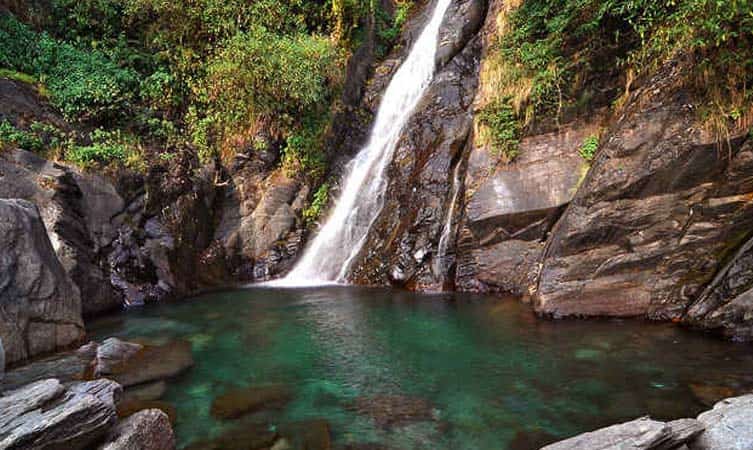
The Bhagsu Waterfall is one of the most popular natural attractions in the Dharamshala region, located approximately 2 kilometres from McLeod Ganj near the village of Bhagsu. Cascading from a height of about 20 metres, the waterfall is fed by mountain streams that originate high in the Dhauladhar Range, creating a refreshing pool at its base where visitors often bathe during the summer months. The site holds significant religious importance as the trail to the falls begins at the ancient Bhagsunag Temple, a medieval shrine dedicated to Lord Shiva and the local snake god, Vasuki Nag, which features a sacred swimming pool believed to have healing properties. The hike from the temple to the falls is a scenic, well-paved 1-kilometre trek that offers panoramic views of the surrounding lush greenery and rugged cliffs. Along the path and near the summit, several mountain cafes, most notably the famous Shiva Cafe, provide a bohemian atmosphere for trekkers to rest. While the waterfall is a gentle stream during the dry season, it transforms into a powerful, thundering torrent during the monsoon months, making it a centerpiece of the area’s natural beauty and a primary stop for those heading toward the Triund trek.
15. Tsuglag Khang
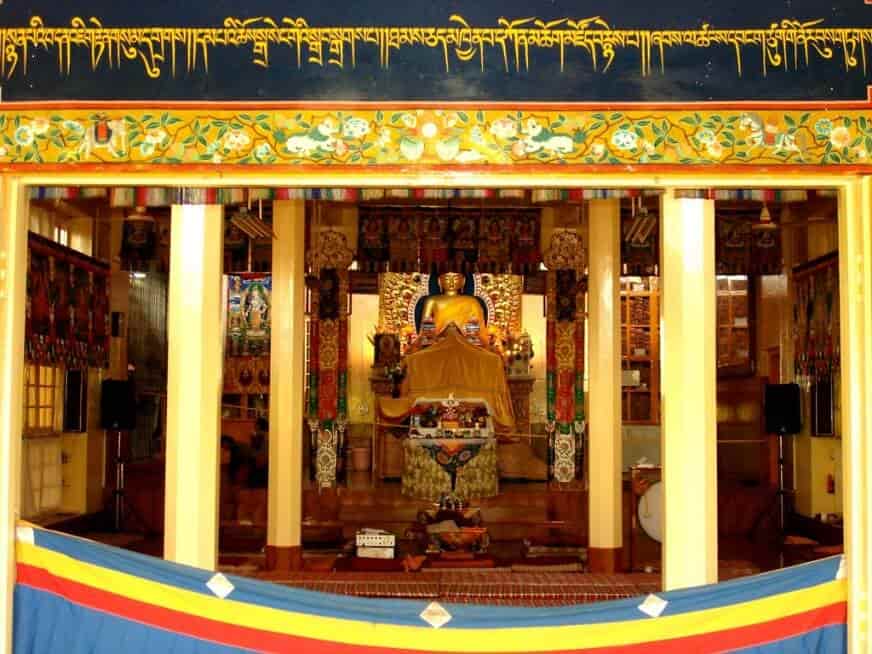
The Tsuglagkhang Complex is the spiritual focal point of McLeod Ganj and serves as the official residence and monastery of the 14th Dalai Lama. It is the largest Tibetan temple outside of Tibet and stands as a symbol of the resilience and preservation of Tibetan culture in exile. The complex houses the Namgyal Monastery, where monks engage in traditional debating and ritual practices, and the main temple (Tsuglagkhang), which contains a magnificent gilded statue of Shakyamuni Buddha, alongside statues of Avalokiteshvara and Padmasambhava. Beyond its religious shrines, the complex includes the Tibet Museum, which documents the history of the Tibetan struggle and the 1959 exodus, as well as several memorial stupas and a peaceful courtyard where the Dalai Lama frequently gives public teachings. For pilgrims and visitors, the site is a place of deep serenity, where one can perform a kora (ritual circumambulation) around the residence while spinning prayer wheels and taking in the panoramic views of the Dhauladhar mountains.
16.Tea Gardens
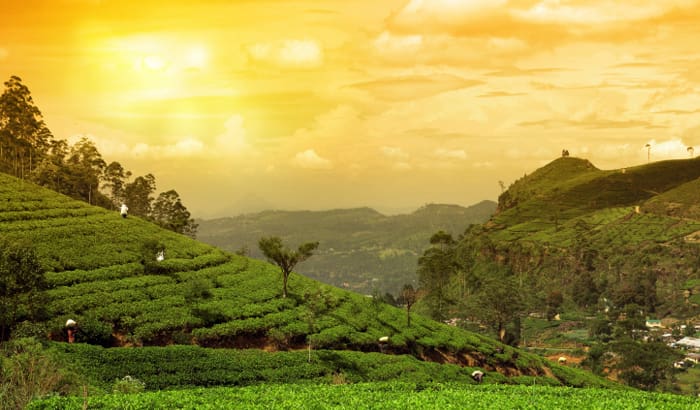
The Dharamshala Tea Gardens, particularly those located in the Kangra Valley, are renowned for producing some of India’s finest premium green and black teas, often referred to as “Kangra Tea.” These gardens are smaller and more intimate than those in Darjeeling or Munnar, spread across the undulating slopes of Lower Dharamshala and Palampur against the dramatic backdrop of the snow-clad Dhauladhar mountains. The history of tea in this region dates back to the mid-19th century when the British introduced Camellia sinensis plants, finding the valley’s elevation and acidic soil ideal for cultivation. Today, these lush, manicured estates offer a serene escape where visitors can walk through the rows of tea bushes, observe local workers skillfully plucking tea leaves, and learn about the orthodox processing methods at nearby factories like the Dharmsala Tea Company. The gardens are not just an agricultural hub but a major scenic attraction, providing a tranquil atmosphere and a glimpse into the colonial heritage that shaped the region’s economy.
17. Dal Lake
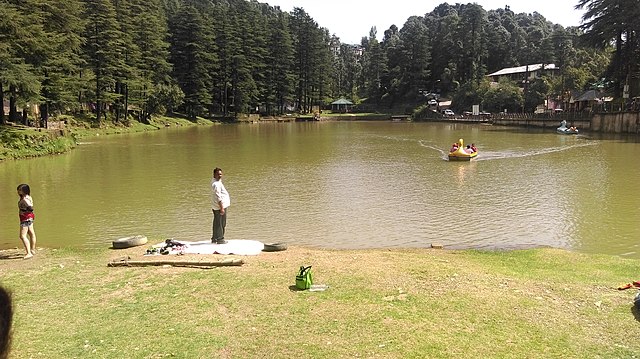
Dal Lake in Dharamshala is a small, mid-altitude lake situated at an elevation of 1,775 metres near the village of Tota Rani, about 2 kilometres from McLeod Ganj. Named after its more famous namesake in Kashmir, this lake is surrounded by a dense forest of majestic deodar trees, which give its waters a characteristic deep greenish hue. Beyond its natural beauty, the lake is a site of great religious significance; on its banks sits a small, ancient shrine dedicated to Durga Mata and Lord Shiva. It is the focal point of a major annual fair held in September, attracting thousands of pilgrims from the Gaddi tribe who come to take a holy dip during the Radhashtami festival. While the lake has faced challenges with silting in recent years, it remains a popular spot for quiet walks, birdwatching, and photography, offering a peaceful alternative to the busier tourist hubs nearby.
18.The War Memorial
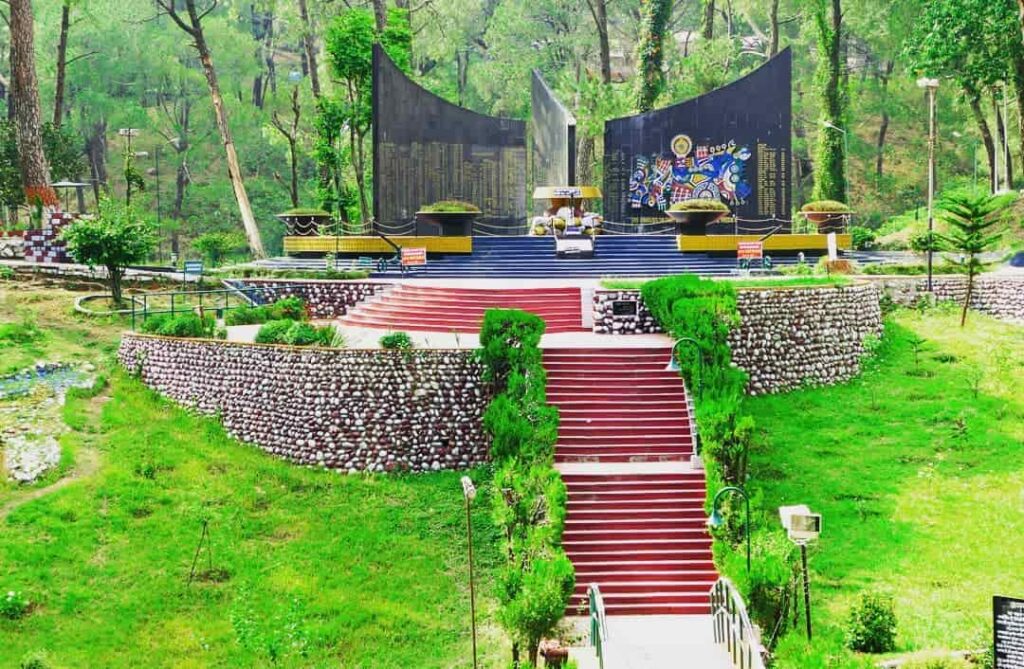
The Dharamshala War Memorial, situated amidst a serene deodar and pine forest at the entrance of the town, is a solemn tribute dedicated to the brave soldiers from Himachal Pradesh who laid down their lives for India after independence. The centerpiece of the memorial consists of three towering curved walls of black marble, each approximately 24 feet high, which represent the three wings of the Indian Armed Forces—the Army, Navy, and Air Force. These walls bear the etched names of martyrs from several major conflicts, including the Indo-Pak wars of 1947–48, 1965, and 1971, the Sino-Indian War of 1962, the 1999 Kargil War, and various UN peacekeeping missions. The memorial is set within beautifully landscaped gardens featuring a circumambulatory path lined with symbolic rose beds of pink, red, and white, representing the different stages of human life. Adjacent to the memorial is the State War Museum, which houses 17 interactive exhibits and a vast collection of war memorabilia, including vintage aircraft, tanks, weapons, and medals.
19.St John in the Wilderness Church
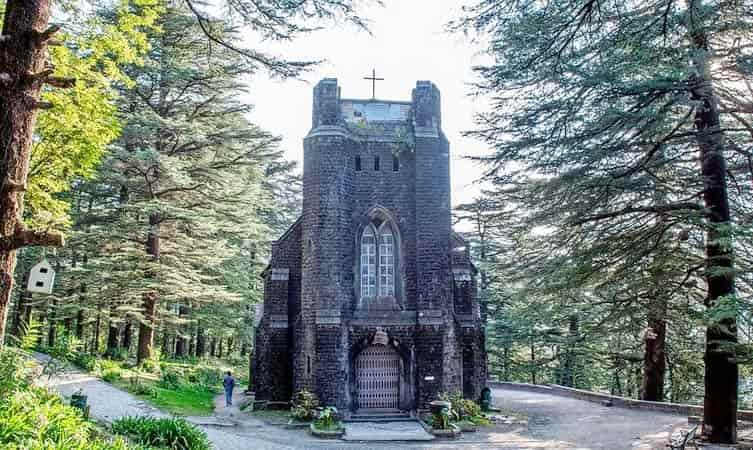
St. John in the Wilderness is a historic Anglican church located in a dense deodar forest between McLeod Ganj and Forsyth Ganj, built in 1852 in the striking Neo-Gothic architectural style. Dedicated to John the Baptist, it is one of the most important surviving structures from the British Raj in the region and is famous for its exquisite Belgian stained-glass windows, which depict various biblical scenes with remarkable detail. The church is built using dark grey stone and features a classical bell tower, though the original spire was destroyed during the devastating 1905 Kangra earthquake; remarkably, the church structure itself survived the disaster with minimal damage. Within its quiet, shaded grounds lies a historic cemetery that houses the elaborate stone monument of Lord Elgin, the Viceroy of India who died in Dharamshala in 1863. Today, the church remains an active place of worship and a protected monument, offering a hauntingly beautiful and serene atmosphere that contrasts sharply with the bustling markets nearby.
20.Library of Tibetan Works and Archives
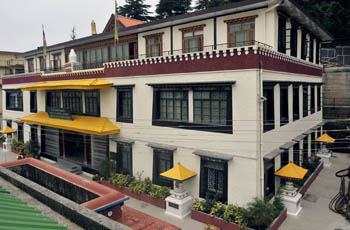
The Library of Tibetan Works and Archives (LTWA), founded by the 14th Dalai Lama in 1970, is one of the world’s most important institutions for the preservation of Tibetan culture and Buddhist heritage. Located in the Gangchen Kyishong area of Dharamshala, it serves as a massive repository for over 80,000 manuscripts, 600 thangka paintings, and thousands of statues rescued from Tibet during the mid-20th century. Beyond being a library, it is a living research centre where scholars and students from across the globe come to study Tibetan language, philosophy, and history. The building itself is an architectural gem, featuring traditional Tibetan design, and it houses a museum on its upper floor that displays rare artifacts and intricate mandalas. The LTWA also runs regular classes on Buddhist philosophy and Tibetan language, playing a crucial role in maintaining the intellectual and spiritual traditions of Tibet for future generations.
21. Dharamshala Cricket Stadium
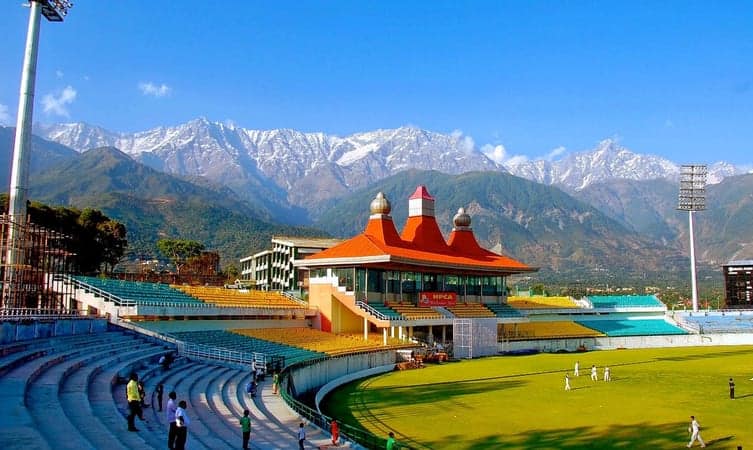
The Himachal Pradesh Cricket Association (HPCA) Stadium in Dharamshala is widely considered one of the most stunning cricket grounds in the world, situated at an altitude of 1,457 metres above sea level. Established in 2003, the stadium is unique for its breathtaking backdrop of the snow-capped Dhauladhar mountain range, which provides a dramatic contrast to the vibrant rye grass outfield. Architecturally, the stadium is notable for its open stands that allow for a continuous flow of mountain air—which often helps fast bowlers find swing—and its colourful main pavilion inspired by Tibetan temple architecture. With a seating capacity of approximately 23,000, it has hosted numerous high-profile international matches, including Test matches, ODIs, and T20s, and serves as a secondary home for the Punjab Kings in the IPL. The venue underwent a major renovation in 2023, installing a world-class sub-air drainage system that allows play to resume shortly after heavy rains. It remains a must-visit landmark for sports fans and photographers alike, offering a panoramic view that is unmatched by any other sporting arena in India.
22. Triund Hill
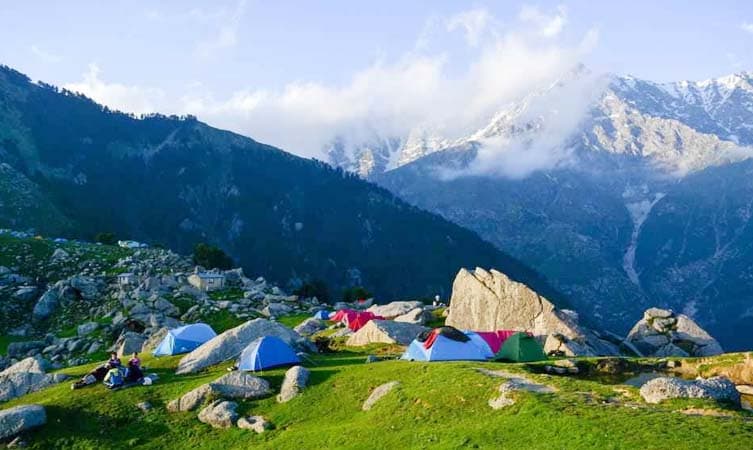
Triund Hill is the “crown jewel” of Dharamshala, situated at an altitude of approximately 2,850 metres in the Dhauladhar Range. It is a popular trekking destination, famous for its majestic ridge that offers a dramatic “close-up” view of the snow-clad Dhauladhar peaks on one side and the sprawling Kangra Valley on the other. The trek to the top is a moderate 9-kilometre journey starting from McLeod Ganj or Dharamkot, winding through beautiful forests of ancient oak, deodar, and rhododendron. The trail consists of a steady climb with a final stretch known as the “22 curves” that tests a hiker’s endurance before reaching the flat, grassy plateau at the summit. While Triund is a popular day hike, many choose to camp overnight to witness the spectacular sunrise and the “star-filled” night sky. It also serves as a crucial base camp and acclimatisation point for those venturing further toward the Laka Glacier and the high-altitude Indrahar Pass.
23. Norbulingka Institute
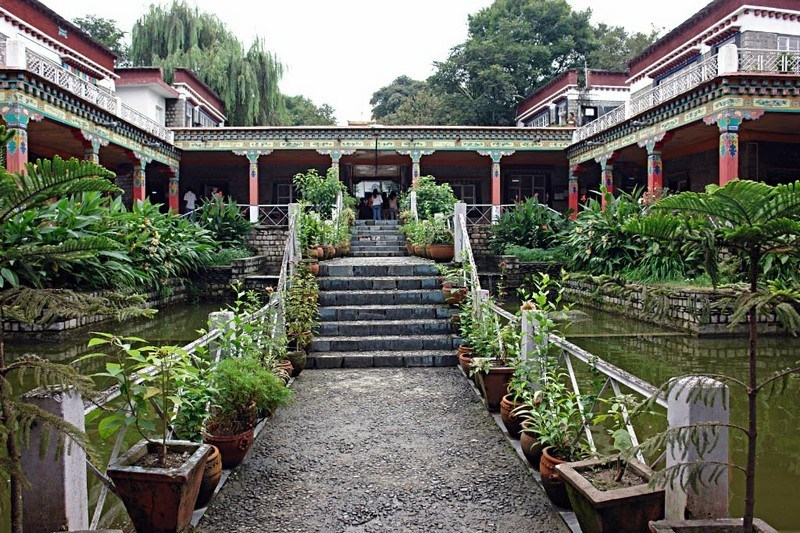
The Norbulingka Institute is a beautiful place near Dharamshala dedicated to keeping Tibetan culture and art alive. Named after the Dalai Lama’s summer palace in Tibet, it looks like a peaceful garden with traditional buildings, koi ponds, and flowing water. Here, master artists teach students ancient skills like thangka painting (religious art), woodcarving, and metalwork. You can walk through the workshops to see how these beautiful items are made by hand. The institute also has a grand temple with a giant golden Buddha statue and a unique doll museum that shows the different clothes and traditions of people from across Tibet. It is a quiet, artistic spot where you can learn about Tibetan history while enjoying a cup of tea in their garden cafe.
24. Gyuto Monastery
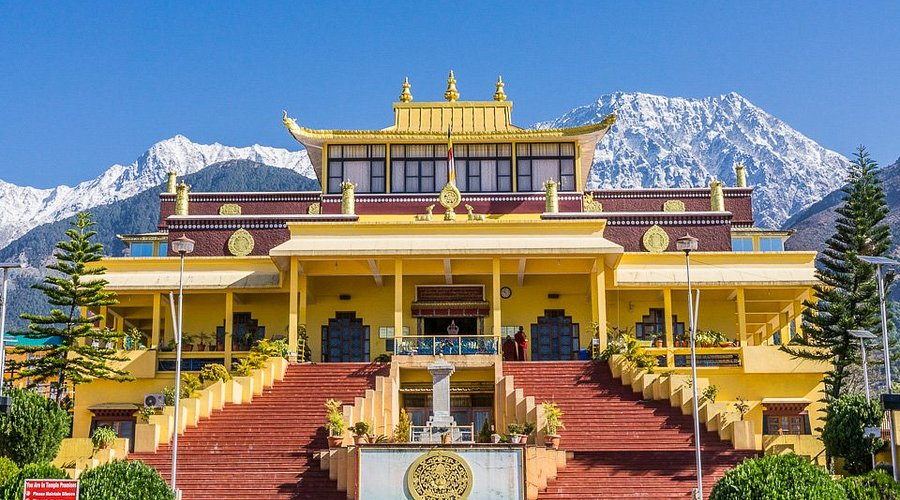
The Gyuto Monastery, located in Sidhbari near Dharamshala, is one of the world’s most famous institutions for Tantric Buddhism and the Gelug school. Originally established in Tibet in 1474, it was rebuilt in India after 1959 and has become a vital center for preserving ancient Tibetan rituals and philosophy. The monastery is globally recognized for its monks’ unique overtone chanting, a deep, multi-tonal style of singing that has even been featured in international music recordings. Architecturally, the complex is a striking sight with its bright yellow buildings and a grand prayer hall that houses a majestic, gold-plated statue of Shakyamuni Buddha. Beyond its religious role, it is a place of great political and spiritual significance as the temporary residence of His Holiness the 17th Karmapa, Ogyen Trinley Dorje. Visitors are often drawn here for the peaceful atmosphere, the beautiful views of the Dhauladhar mountains, and the opportunity to witness the monks’ disciplined lifestyle and meditative practices.
25. Kareri Lake
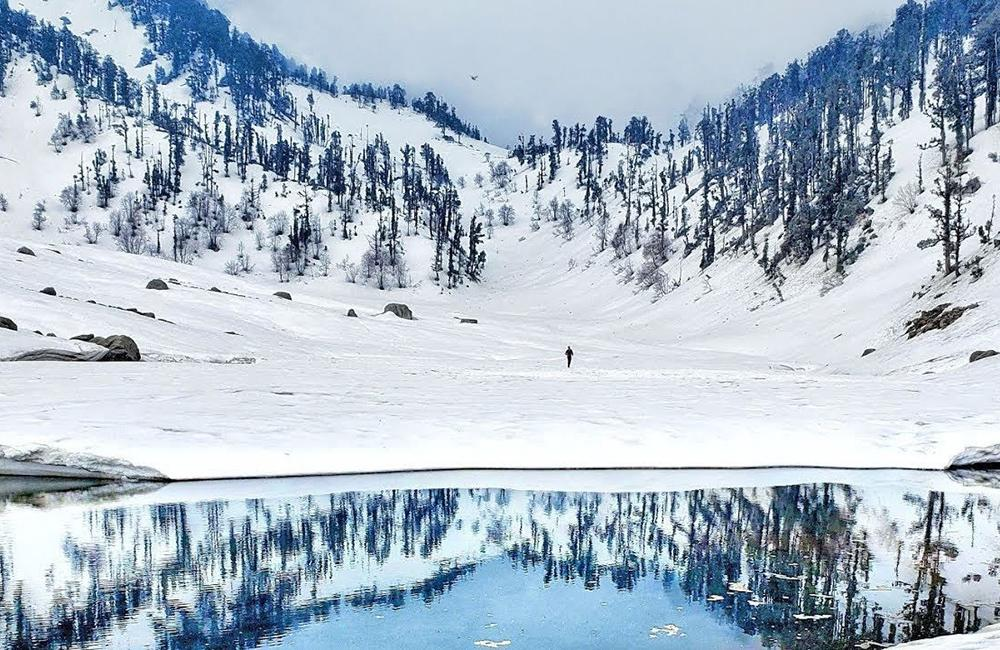
Kareri Lake is a stunning, high-altitude freshwater lake located at an elevation of approximately 2,934 metres in the Dhauladhar Range, about 9 km from the village of Ghera. It is a “glacial lake,” formed by the melting snow of the mountains, which also serves as the source for the Nyund stream. The lake is famous for its crystal-clear waters—so transparent that you can often see the lake bed—and is surrounded by lush alpine meadows and dense forests of oak and rhododendron. On a hilltop overlooking the lake sits a small, ancient temple dedicated to Lord Shiva and Shakti, which is a sacred site for the local Gaddi shepherd community. The trek to Kareri Lake is considered moderately difficult and is favored by nature lovers and birdwatchers for its diverse flora and fauna, including rare Himalayan birds. Since the lake remains frozen from December to March, it offers a starkly different, dramatic landscape depending on the season, making it one of the most picturesque trekking destinations in the Dharamshala region.