
Climbing Island Peak—also known as Imja Tse—is Nepal’s most popular “trekking peak” expedition, reaching a formidable altitude of 6,189 meters (20,305 feet). Situated in the heart of the Chhukung Valley, it was named “Island Peak” by Eric Shipton’s team in 1953 because, when viewed from Dingboche, it resembles an island amidst a sea of ice. Although classified as a trekking peak, it is a physically demanding and semi-technical climb that requires the use of specialized equipment such as crampons, ice axes, and ascenders (Jumars). Its most challenging section is an approximately 100-meter-high, nearly vertical wall of ice and snow, which leads to a narrow and exhilarating summit ridge. From the summit, climbers are treated to an unparalleled, close-up view of the massive south faces of Lhotse, Nuptse, and the iconic Ama Dablam. Most expeditions combine this climb with a trek to Everest Base Camp, ensuring that the body is fully acclimatized to the high-altitude environment before attempting the summit ascent, which typically begins at midnight.
Climbing Island Peak is generally considered safe for adventurous beginners, provided you are accompanied by a professional guide and are adequately prepared. Because it is classified as a “trekking peak,” it is far more accessible than the colossal 8,000-meter giants; nevertheless, the ascent still necessitates the use of safety gear such as ropes, harnesses, and crampons. The most critical aspect of safety is gradual acclimatization—most individuals trek to Everest Base Camp first to allow their bodies to adapt to the thin air at such high altitudes. This significantly reduces the risk of altitude sickness.
Most Famous And Attractive Tourist Places In Climbing Island Peak :
1. Imja Lake (The Glacial Gem)
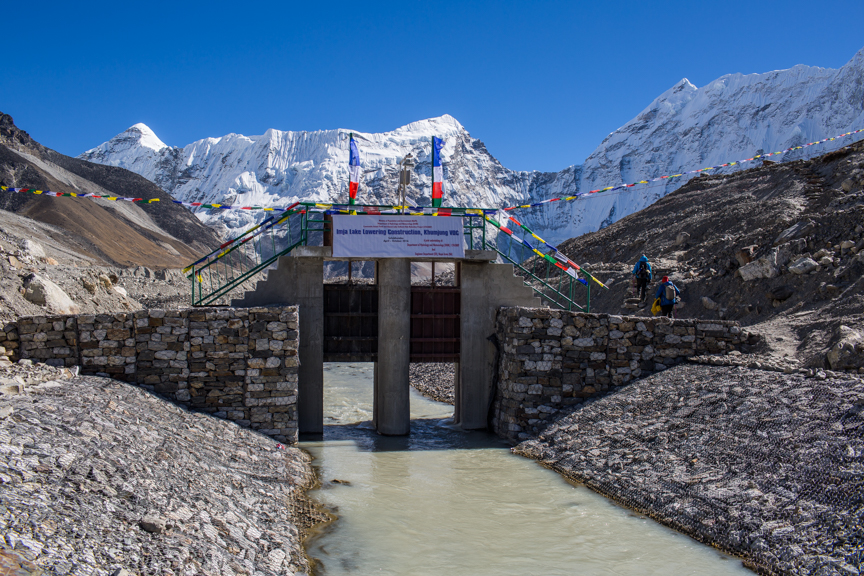
Imja Lake, known locally as Imja Tsho, is a breathtaking high-altitude glacial lake situated at approximately 5,010 metres (16,437 feet) at the foot of Island Peak in the Everest region. It is often called the “Glacial Gem” due to its brilliant, milky-turquoise waters that create a stunning contrast against the surrounding grey glacial moraine and white snow-capped peaks. Interestingly, the lake is a relatively new geographical feature; it began forming in the 1950s as the Imja Glacier started to melt rapidly, and it has since become one of the fastest-growing and largest glacial lakes in the Himalayas. For climbers and trekkers, the lake offers a serene but powerful environment for reflection before the final ascent of Island Peak. However, it also serves as a critical site for environmental research, as its rapid growth prompted a massive Nepalese government drainage project in 2016 to lower water levels and protect downstream villages from potential glacial flood outbursts.
2. Island Peak Base Camp (The Expedition Hub)
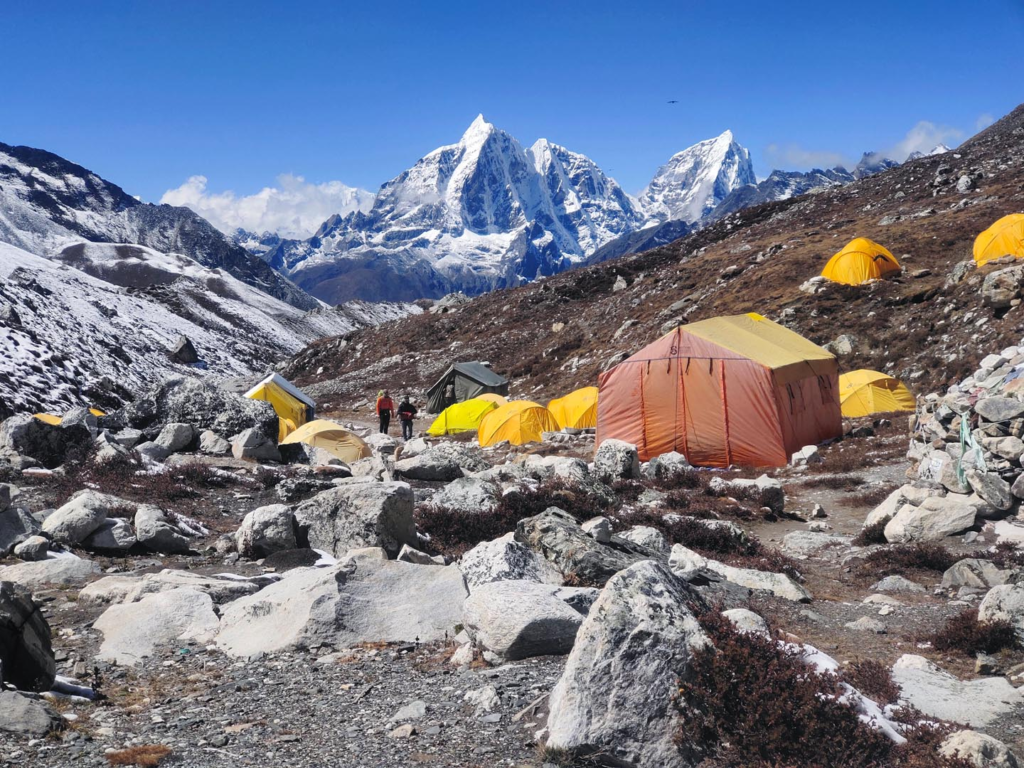
Island Peak Base Camp, situated at an elevation of approximately 5,100 metres (16,732 feet), is the true Expedition Hub where the transition from trekking to technical mountaineering begins. Located in a rugged, glacial valley below the south face of Lhotse, this is a “tented city” where climbers leave the comfort of teahouses behind to live in high-altitude mountain tents. The camp serves as a critical strategic point for rest and hydration before the gruelling summit push, which typically starts in the freezing darkness around 1:00 or 2:00 AM. Unlike the green valleys below, the landscape here is dominated by rock, ice, and moraine, creating a raw and focused atmosphere. It is here that climbers perform final gear checks on their harnesses, crampons, and ice axes, mentally preparing for the steep headwall and the narrow summit ridge that lies ahead.
3. Chhukung Village (The Technical Staging Point)
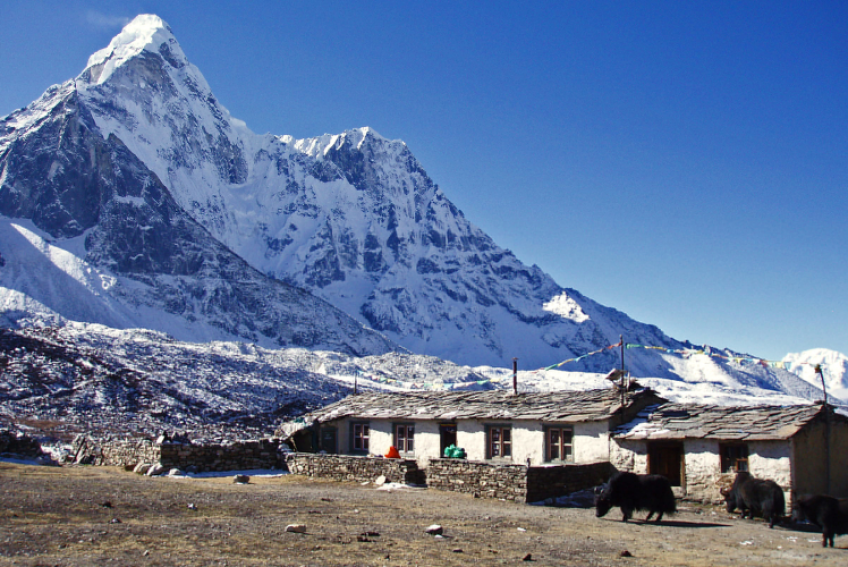
Chhukung Village, sitting at an elevation of 4,730 metres (15,518 feet), is a small but vital settlement that acts as the ultimate Technical Staging Point for climbers heading to Island Peak. Located directly beneath the massive South Face of Lhotse and surrounded by the peaks of Ama Dablam and Nuptse, it is the last outpost with permanent teahouses before climbers move into tents. The village is essential for technical preparation; expeditions typically spend a day here conducting a “pre-climb clinic” on the nearby glacial slopes. During this training, climbers practice using essential gear like harnesses, crampons, and ascenders (jumars), and learn how to navigate fixed ropes and perform rappelling. This ensures that every team member is comfortable with their equipment before facing the steep 100-metre ice headwall near the summit. Beyond its technical role, Chhukung is a critical spot for high-altitude acclimatisation, often serving as the base for a hike up to the 5,550m summit of Chhukung Ri.
4. Dingboche (The Gateway to the Imja Valley)
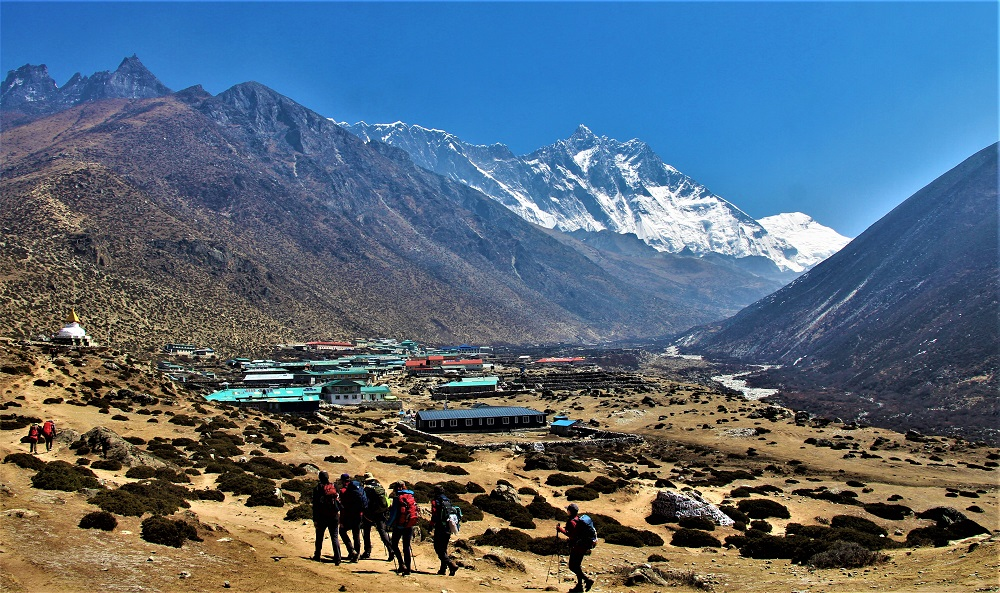
Dingboche, situated at 4,410 metres (14,469 feet), is a remarkably scenic village that serves as the essential “Gateway to the Imja Valley” for those climbing Island Peak. It is the final major settlement where the trail branches off from the main Everest Base Camp route, heading east into the dramatic landscapes of the Imja Glacier. Characterised by its unique stone walls built to protect crops like barley and potatoes from the fierce mountain winds, Dingboche is a vital acclimatisation hub. Most expeditions stay here for two nights, allowing climbers to adapt to the high altitude by taking day hikes to nearby heights like Nagarjun Hill (5,100m). From the village, you are treated to some of the most spectacular views in the Khumbu, including the sheer south face of Lhotse and the towering, iconic pyramid of Ama Dablam.
5. Tengboche Monastery (The Spiritual Hub)
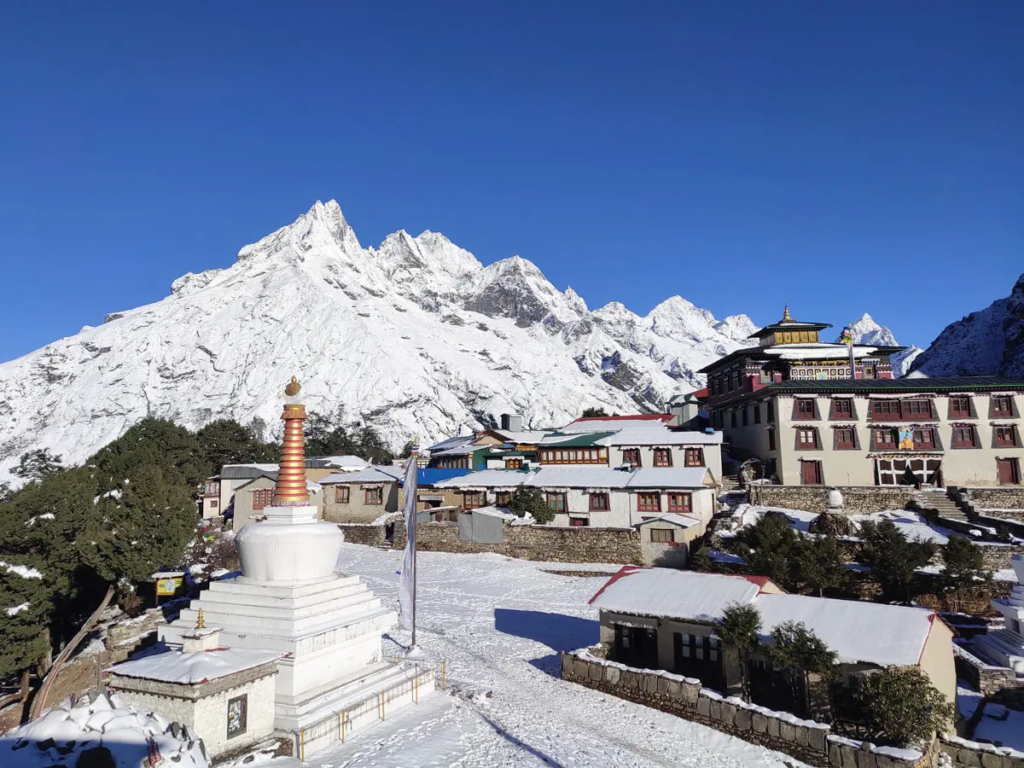
Tengboche Monastery, also known as Dawa Choling Gompa, is the largest and most significant Buddhist monastery in the Khumbu region, standing at an altitude of 3,867 metres (12,687 feet). It is widely regarded as the spiritual hub for the Sherpa community and a critical landmark for trekkers on the way to Everest Base Camp or Island Peak. Founded in 1916 by Lama Gulu, the monastery has survived both a major earthquake in 1934 and a devastating fire in 1989, being rebuilt each time as a testament to its cultural resilience. Set against a dramatic backdrop of Everest, Lhotse, and Ama Dablam, it offers a serene place for climbers and trekkers to seek blessings for a safe journey. The monastery is most famous for hosting the Mani Rimdu Festival every autumn, a vibrant 19-day celebration featuring sacred masked dances and rituals that attract both locals and international visitors.