Keoladeo National Park, also known as the Bharatpur Bird Sanctuary, is a world-renowned UNESCO World Heritage Site and one of the most significant breeding and feeding grounds for birds on the planet. Originally established in the mid-18th century as a royal duck-hunting reserve for the Maharajas of Bharatpur, this man-made wetland ecosystem spans approximately 29 square kilometers of diverse habitats, including marshes, grasslands, and woodlands. It serves as a crucial wintering ground for over 370 species of birds, acting as a major stopover point for migratory birds traveling from distant regions—such as Siberia and Central Asia—along the ‘Central Asian Flyway.’ The sanctuary was once most famous for being the sole wintering site for the rare ‘Siberian Crane,’ though even today, it offers sightings of an astonishing variety of eagles, pelicans, herons, and waterfowl. Visitors can explore the park’s flat, paved paths in a unique style—either by bicycle, on foot, or via cycle-rickshaw; the local rickshaw pullers here often double as knowledgeable ‘birding guides.’ In addition to its avian inhabitants, the park also shelters wildlife such as pythons, Sambar deer, and Nilgai, making it a tranquil and essential destination for nature enthusiasts and photographers alike.
A visit to the Bharatpur Bird Sanctuary is both safe and convenient for tourists, making it an ideal destination for families, nature lovers, and solo travelers. From a safety perspective, one of its most appealing features is its peaceful environment. Since the park is a serene and natural setting, visitors are spared the heavy traffic and urban clamor typically associated with large cities. As long as you adhere to the basic rules here—such as staying on designated paths, refraining from feeding the animals, and completing your visit before the park closes (at sunset)—you can enjoy a completely worry-free experience amidst beautiful birds and nature.
MOST ATTRACTIVE PLACES IN BHARATPUR :
1. Lohagarh Fort
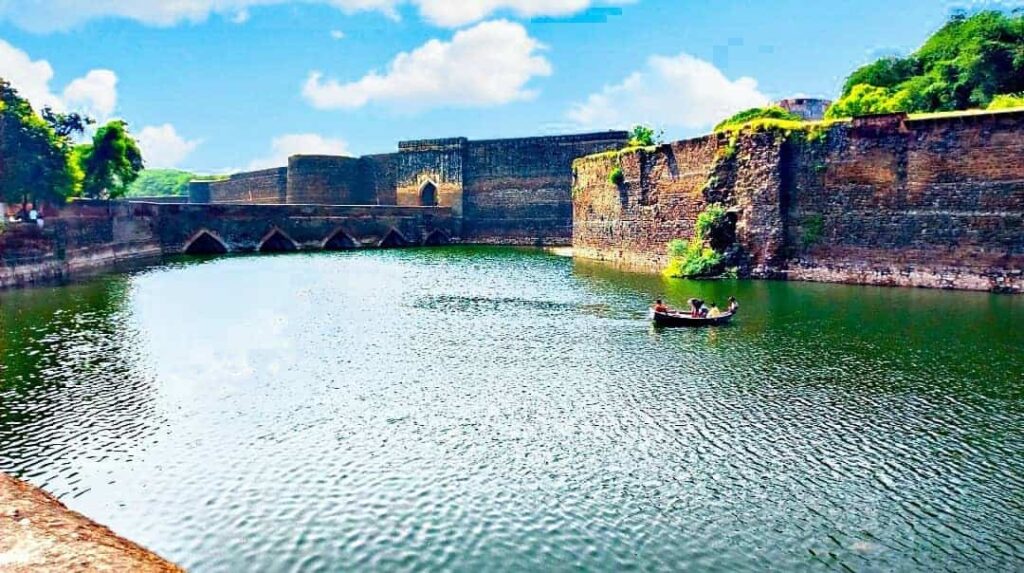
Lohagarh Fort, or the “Iron Fort,” located in Bharatpur, is celebrated as one of the strongest and most invincible structures in Indian history. Built in the early 18th century by the Jat ruler Maharaja Suraj Mal, the fort earned its name because it remained unconquered despite numerous attacks by British and Mughal forces. Its unique strength lay not just in stone, but in its massive mud walls; the thick layers of earth absorbed the impact of enemy cannonballs, causing them to simply sink harmlessly into the mud. The fort is surrounded by a deep, wide moat filled with water, which acted as a formidable barrier against invaders. Inside, the fort houses beautiful monuments like the Kishori Mahal, Mahal Khas, and Kothi Khas, along with the Jawahar Lat, a victory tower built to commemorate the Maharaja’s successful battles against the British.
2. Bharatpur Palace And Museum

The Bharatpur Palace and Museum, located in the heart of Bharatpur, is a magnificent structural blend of Mughal and Rajput architecture that reflects the royal grandeur of the Jat rulers. The palace was built in various phases by different Maharajas, resulting in a unique layout with ornate apartments, intricately carved floor tiles, and massive stone pillars. A significant portion of the palace has been converted into a Government Museum, which houses a vast and rare collection of artefacts dating back to the 1st century AD. Visitors can explore galleries filled with ancient stone sculptures, terracotta items, metallic objects, and traditional local art. One of the most prized sections of the museum is the armoury, which showcases a fearsome array of weapons used by the Jat warriors, including decorated swords, shields, and old guns. The museum also contains a collection of miniature paintings and manuscripts that provide a deep look into the artistic and administrative history of the Bharatpur royalty.
3. Laxman Mandir
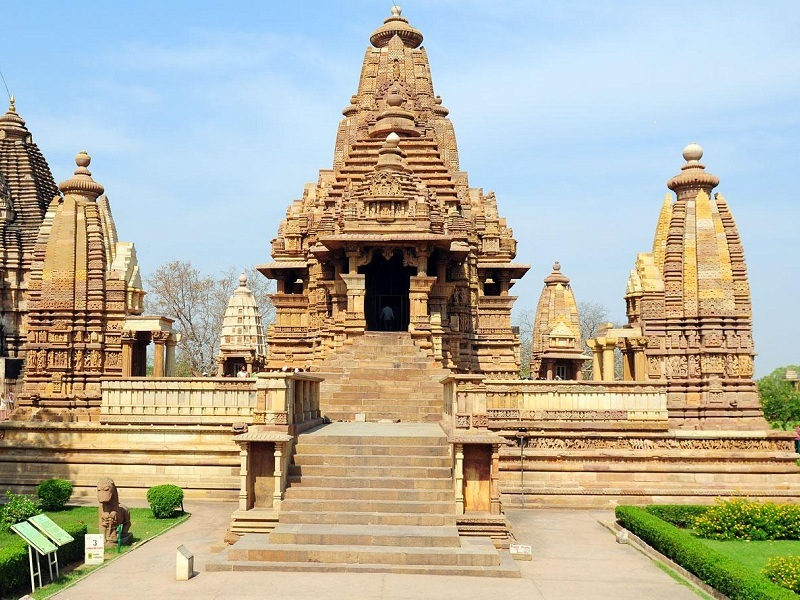
Laxman Mandir, located in the heart of Bharatpur, is a stunning 400-year-old temple dedicated to Lord Laxman, the brother of Lord Rama. It is considered an architectural masterpiece, built almost entirely from red sandstone with intricate carvings on its pillars, walls, and ceilings. This temple is unique because it is one of the very few shrines in India solely dedicated to Laxman. According to local history, it was established by Maharaja Balwant Singh of Bharatpur to honour the royal family’s devotion. The temple features a majestic sanctum where the beautiful idols of Lord Laxman and his wife, Urmila, are installed, along with smaller statues of other Hindu deities. Its location in the middle of a bustling market makes it a lively spiritual centre, especially during festivals when the temple is beautifully decorated and filled with devotees.
4. Government Museum Bharatpur
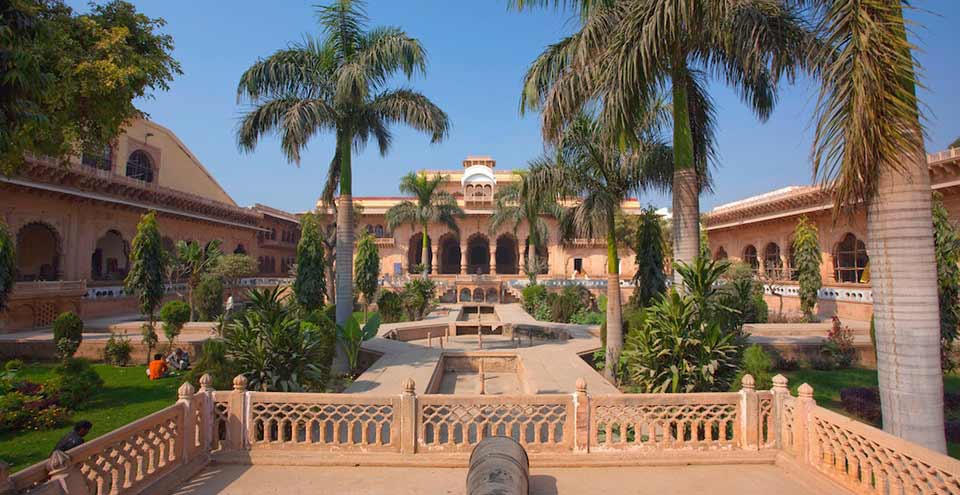
The Government Museum Bharatpur, located within the historic Lohagarh Fort, is a premier cultural institution that offers a deep dive into the heritage of the Bharatpur region and the Jat rulers. Established in 1944, it is housed in the Kachahari Kalan (a former administrative building) and later expanded into the Kamra Khas (the private palace of the Maharaja). The museum is world-renowned for its exquisite collection of ancient stone sculptures, some of which date back to the 1st and 2nd centuries AD, showcasing the artistic transitions of the Kushana and Gupta periods. Its galleries are meticulously organized to display a wide array of artefacts, including terracotta items, metallic art, and a formidable armoury filled with antique swords, shields, and cannons used in historic battles. A major highlight is the collection of miniature paintings on mica and litho papers, along with intricately carved ivory and sandalwood objects. The museum serves as a silent witness to the military strength and artistic patronage of the Bharatpur royalty, making it an essential stop for history enthusiasts.
5. Deeg
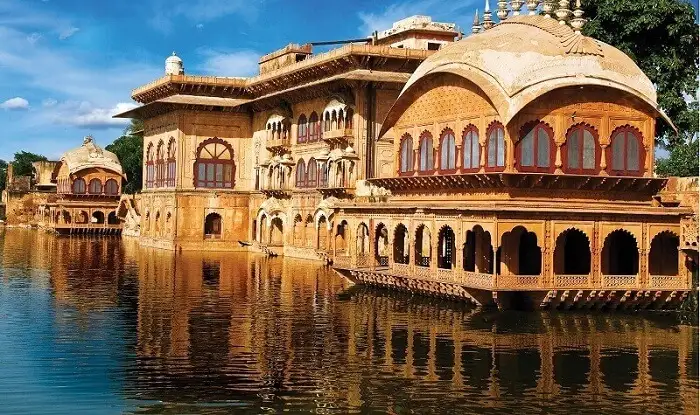
Deeg is a historic city and the administrative headquarters of the Deeg district in eastern Rajasthan, India. Renowned as the first capital of the Bharatpur state under the Jat rulers in the early 18th century, it is famous for its majestic Deeg Palace and Deeg Fort, which were built by Maharaja Suraj Mal around 1730. The city’s architecture is a distinctive blend of Hindu Rajput and Mughal styles, characterized by lush gardens, intricate fountains, and summer mansions designed to provide relief from the heat. Historically, it was a strategic political hub due to its proximity to Agra and was the site of the significant Battle of Deeg in 1804 during the Second Anglo-Maratha War. Today, it remains a vital cultural landmark known for its well-preserved heritage sites, such as the impressive fort surrounded by deep moats and a watchtower that still overlooks the city.
6. Dholpur Palace
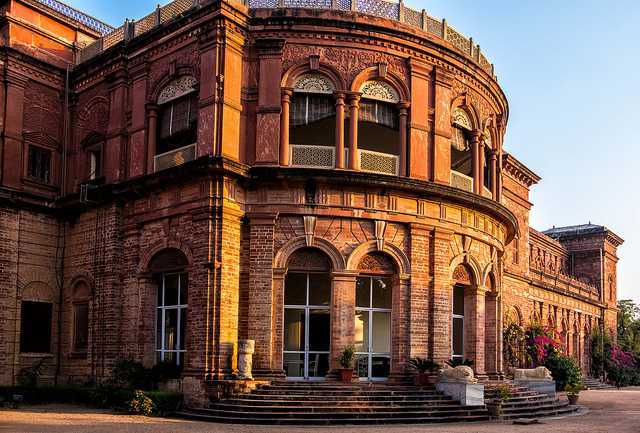
The Dholpur Palace, also known as Raj Niwas Palace, is a breathtaking heritage property located in the nearby district of Dholpur, reflecting the royal legacy of the Jat rulers. Built in the late 19th century primarily to welcome HRH Albert Edward, the Prince of Wales, the palace is a stunning architectural marvel constructed from the famous red sandstone of Dholpur. It is celebrated for its unique blend of European and Rajasthani styles, featuring intricate stonework, grand courtyards, and a vast collection of antique furniture and Victorian-era artefacts. On the other hand, the Bharatpur Bird Sanctuary (Keoladeo National Park), located about 100 kilometres away, provides a starkly different but equally captivating experience as a UNESCO World Heritage Site. While the palace offers a glimpse into royal luxury and colonial history, the sanctuary is a world-class wetland that hosts thousands of migratory birds, creating a perfect travel circuit that combines architectural heritage with raw, natural beauty.
7. Rope Castle Adventure Park

Rope Castle Adventure Park is a popular outdoor recreation hub in Bharatpur that offers a thrilling contrast to the city’s quiet historical sites. It is designed for adventure enthusiasts and families, featuring a variety of high-energy activities such as zip-lining, wall climbing, rappelling, and rope courses like the Burma Bridge and Commando Net. The park provides a safe and fun environment with professional instructors, making it an excellent spot for team-building exercises or a day of active play. In contrast, the Bharatpur Bird Sanctuary (Keoladeo National Park) located nearby offers a serene experience focused on nature and conservation. While Rope Castle is about physical challenge and excitement, the Sanctuary is about quiet observation of over 370 bird species in their natural wetland habitat. Together, these two destinations allow visitors to balance a morning of peaceful bird watching with an afternoon of adrenaline-pumping adventure.
8. AB Original Tours
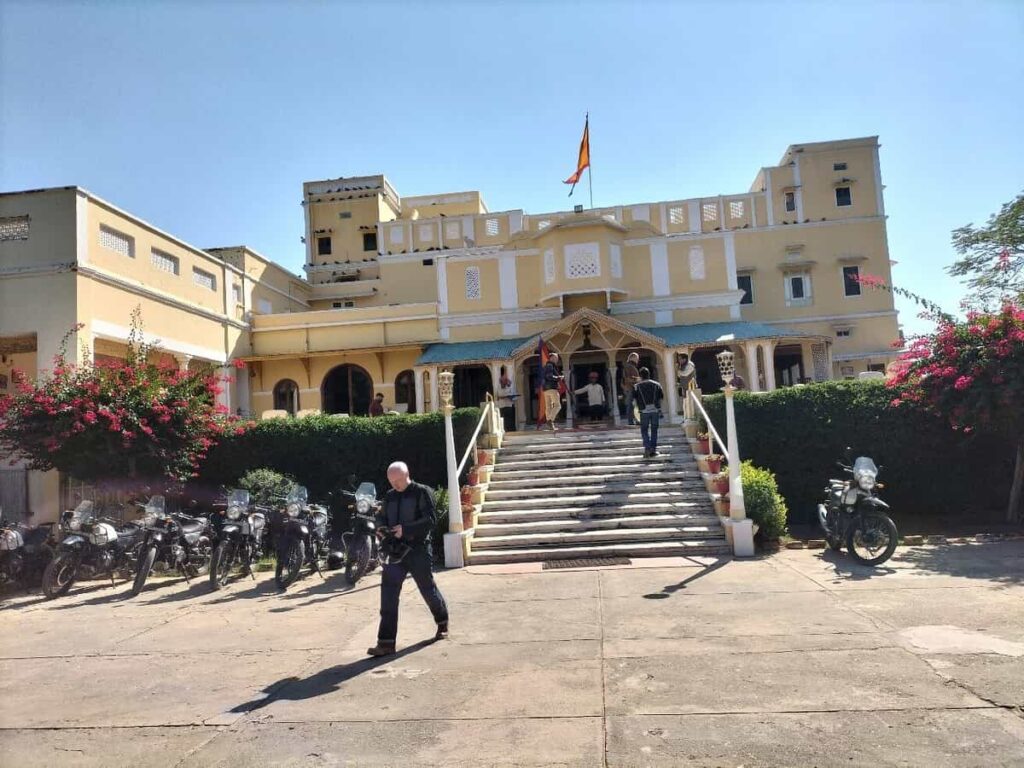
AB Original Tours is a highly-rated tour operator in Bharatpur, primarily known for providing expert-led experiences within the Keoladeo National Park (Bharatpur Bird Sanctuary). They specialize in personalized bird-watching tours, where knowledgeable guides help visitors identify rare and migratory species using high-quality binoculars and spotting scopes. Beyond birding, the company often organizes broader cultural tours that cover local landmarks like the Lohagarh Fort and the Deeg Palace, focusing on the rich history of the Jat rulers. Their services are popular because they bridge the gap between casual sightseeing and deep educational exploration, often arranging convenient logistics like rickshaw safaris or bicycle rentals. By focusing on storytelling and “original” local insights, they provide travelers with a more intimate and authentic connection to Bharatpur’s natural and royal heritage.
9. Band Baretha
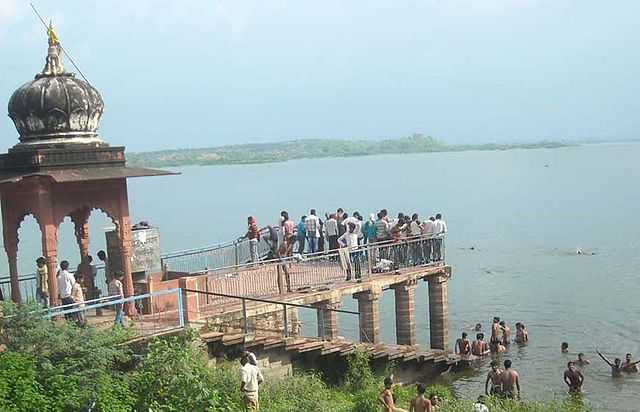
Band Baretha is a historic wildlife reserve and a massive dam located about 40 kilometres from Bharatpur, originally developed as a private hunting ground for the Maharajas of Bharatpur. The centrepiece of the area is a grand dam built across the Kakund River, which was commissioned by Maharaja Jaswant Singh in 1866 and completed in 1897, creating a vast and scenic reservoir. Architecturally, the site features an old royal hunting lodge known as the Old Palace, which reflects the regal lifestyle and aesthetic of the Jat rulers. Today, it is a paradise for nature lovers and birdwatchers, as the surrounding forest and large water body attract over 200 species of birds, as well as wildlife like leopards, hyenas, and blue bulls (Nilgai). It serves as a peaceful, offbeat retreat, perfect for those looking to enjoy serene landscapes and wildlife photography away from the more crowded tourist spots.
10. Banke Bihari Temple
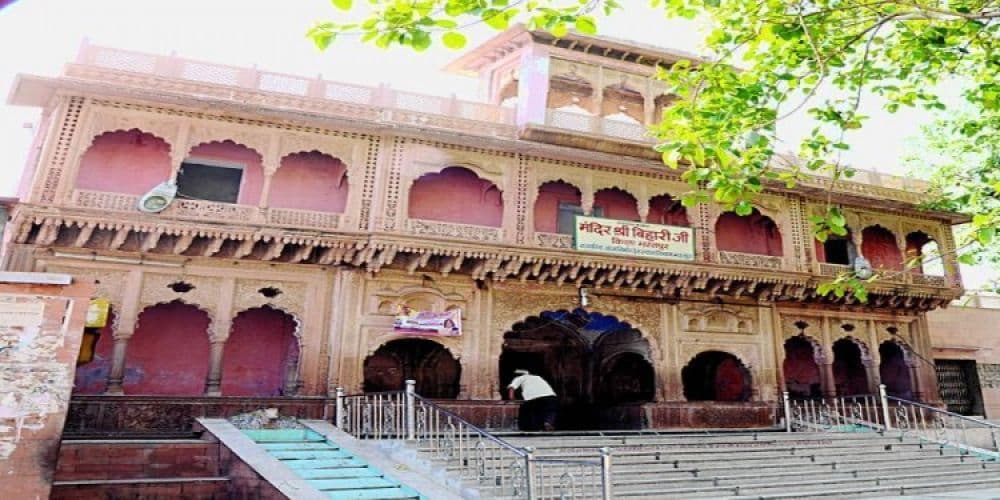
The Banke Bihari Temple in Bharatpur is a renowned Hindu shrine dedicated to Lord Krishna, modeled after the famous temple of the same name in Vrindavan. Built during the mid-19th century by the royal family of Bharatpur, the temple is a beautiful example of Rajasthani temple architecture, featuring intricate carvings, majestic domes, and white marble flooring. The main sanctum houses the charming idols of Lord Krishna and Radha, adorned with exquisite traditional attire and jewelry. One of the unique aspects of this temple is its vibrant atmosphere during the morning and evening Aartis, where the air is filled with the rhythmic sounds of bells and devotional songs. The temple complex also features beautiful wall paintings depicting various scenes from the life of Lord Krishna (Ras Leela), making it not only a spiritual hub but also a significant cultural landmark for the people of Bharatpur.