

Ayodhya, historically known as Saket, is an ancient city situated in Uttar Pradesh, nestled on the banks of the sacred River Sarayu. Revered as the birthplace of Lord Rama, it stands as the foremost among the seven most sacred pilgrimage sites in Hinduism. The city served as the capital of the ancient Kosala Kingdom and was ruled by legendary monarchs such as Dasharatha and Ikshvaku. Beyond its significance to Hinduism, Ayodhya is also a historical hub for Jainism—being the birthplace of five Tirthankaras—and holds importance for Buddhism, as Gautam Buddha frequently visited the city. Today, it has evolved into a global spiritual destination, with the newly consecrated Shri Ram Janmabhoomi Temple serving as its primary attraction. The city hosts vibrant festivals such as Deepotsav, during which the riverbanks are illuminated by millions of earthen lamps. With its unique blend of ancient temples, regal Nawabi architecture, and deep cultural roots extending as far as Korea, Ayodhya remains an enduring symbol of Indian heritage and devotion.
Ayodhya’s economy is undergoing a massive transformation, evolving from a tranquil pilgrimage town into a global spiritual and economic powerhouse. This “economic renaissance” has been catalyzed by investments exceeding ₹85,000 crore made by both the state and central governments. These investments are focused on developing world-class infrastructure, including the Maharishi Valmiki International Airport and a redeveloped railway station. Tourism has emerged as the mainstay of the local economy; in just the six months following the temple’s consecration ceremony, the annual tourist footfall surged from approximately 170,000 to over 110 million. This growth has been so phenomenal that it has even surpassed the visitor numbers recorded at iconic landmarks such as the Taj Mahal.
Most Famous And Attractive Tourist Places In Ayodhya :
1. Tulsi Udyan

Tulsi Udyan is a beautifully landscaped public garden in Ayodhya, dedicated to the 16th-century poet-saint Goswami Tulsidas, the renowned author of the Hindu epic Ramcharitmanas. Historically, this site was known as Victoria Park during the British era and featured a statue of Queen Victoria at its center. However, in 1960, the park was renamed and transformed into a memorial for Tulsidas, with his statue now standing under a magnificently carved canopy as the central attraction. Located on the Ayodhya-Faizabad road near the Ayodhya Bus Stand, the garden serves as a peaceful green retreat for both pilgrims and locals, offering well-maintained lawns, vibrant flower beds, and shaded walking trails. Beyond its recreational value for morning yoga and jogging, it is a significant cultural hub; it houses the Tulsi Smarak Bhawan, a museum and cultural complex featuring rare manuscripts, illuminated versions of the Ramcharitmanas, and paintings illustrating the saint’s life. Open daily from 5:00 AM to 9:00 PM with free entry, Tulsi Udyan remains a vital part of Ayodhya’s spiritual landscape, especially during major festivals when its open-air amphitheatre hosts devotional recitations and cultural programs.
2. Ammaji Mandir
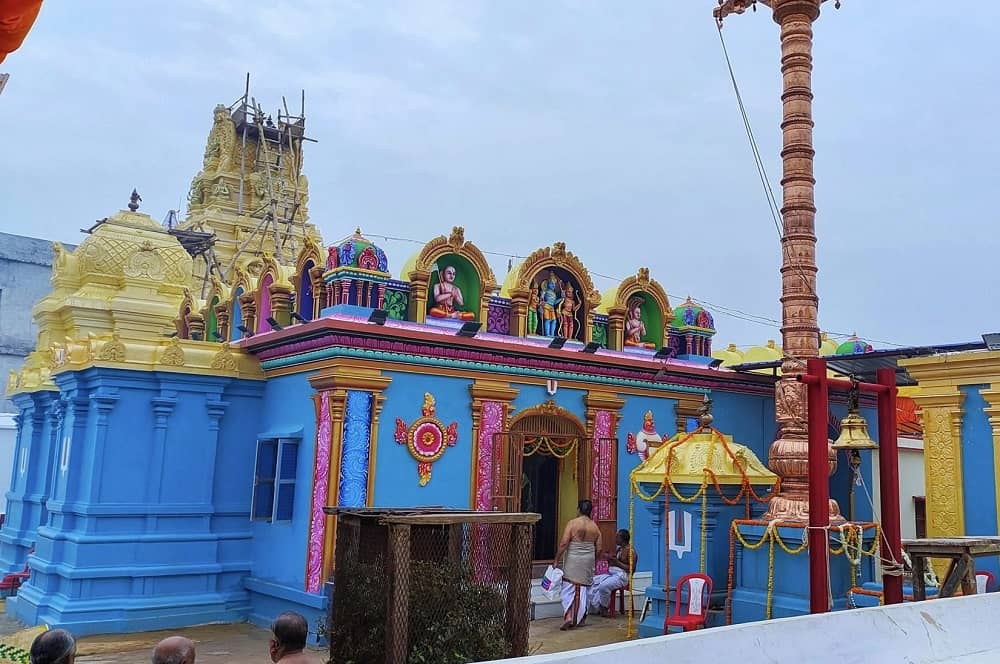
Ammaji Mandir, also known as the Divyadesa Mandir, is a prominent temple in Ayodhya that stands as one of the 108 Divya Desams dedicated to Lord Vishnu. Founded over a century ago in 1904 by Yogi Parthasarathy Iyengar and his wife, Smt. Singammal—whose nickname “Ammaji” gave the temple its name—it is unique for its South Indian (Dravidian) architectural style in the heart of North India. The temple is dedicated to the Sri Rama avatar of Lord Vishnu, and its sanctum houses beautiful idols of Lord Rama, Sita, and Lakshmana, which, according to legend, were discovered by Yogi Singammal in a divine vision. Managed under the Thennacharya Sampradhaya tradition, the temple is a spiritual hub for Tamil and Telugu pilgrims and is renowned for its grand celebrations of Sri Rama Navami. Visitors often praise its clean, serene, and less-crowded atmosphere, making it a peaceful retreat for meditation and prayer.
3. Tulsi Smarak Bhawan
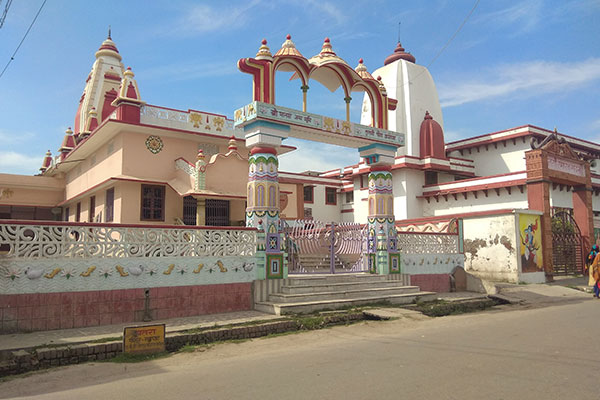
Tulsi Smarak Bhawan is a premier cultural and research center in Ayodhya, established in 1969 to honor the 16th-century saint-poet Goswami Tulsidas, who is famously believed to have composed the Ramcharitmanas at this very site. Located at the Rajgang Crossing near the National Highway, the complex serves as more than just a memorial; it houses the Ayodhya Shodh Sansthan (Ayodhya Research Institute), which is dedicated to documenting the city’s literary and spiritual history. Visitors can explore the Ram Katha Sanghrahalaya, a museum added in 1988 that showcases a vast collection of antiquities, ivory articles, and paintings related to the life of Lord Rama, as well as a massive library filled with rare manuscripts and literature. A major highlight of the Bhawan is its commitment to living traditions; it has hosted daily Ramleela performances every evening from 6:00 PM to 9:00 PM since 2004, alongside regular religious discourses, devotional music sessions, and the grand annual celebration of Tulsi Jayanti.
4. Ram Ki Paidi
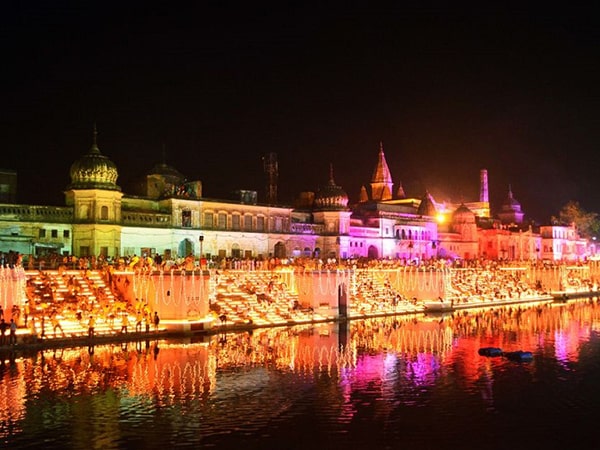
Ram Ki Paidi is a majestic series of roughly 25 bathing ghats stretching along the banks of the sacred Sarayu River in Ayodhya, serving as a primary spiritual and visual landmark of the city. Meaning “Ram’s stairs,” this site is steeped in legend; it is believed that Lord Rama once told his brother Lakshmana that a pre-dawn dip here grants the same blessings as visiting all sacred pilgrimage sites. While ancient in significance, the modern structure was built in 1984–1985 after original steps were destroyed by floods, and it has since undergone extensive renovations to feature continuous water flow and floodlit landscapes. Today, it is a bustling hub where thousands of devotees gather for daily Sarayu Aarti (around 5:00 PM – 7:00 PM) and a spectacular 3D Laser & Sound Show (typically at 7:30 PM) that brings the Ramayana to life using the river as a canvas. The ghats are world-renowned for the annual Deepotsav festival, where millions of oil lamps (diyas) are lit to create Guinness World Records, transforming the riverfront into a sea of light.
5. Sri Maniram Das Chavani
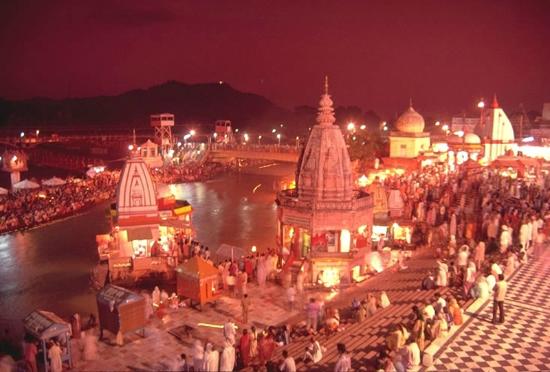
Sri Maniram Das Chavani, also known as Chhoti Chawani, is one of the most prominent and historically significant ashrams in Ayodhya, serving as a vital center for spiritual learning and the propagation of Vaishnavism. Established by the revered 19th-century saint Sri Maniram Das Ji, a dedicated tapasvi (ascetic) and disciple of the great Saint Ramanujacharya, the complex is a sanctuary where hundreds of sadhus reside and practice meditation. The structure itself is a masterpiece of traditional Hindu architecture, featuring a magnificent temple crafted entirely from white marble and a central Ram Darbar dedicated to Lord Rama, Sita, and Lakshmana. Beyond its religious services, the Chavani is famous for its massive kitchen and charitable Bhandara, where free meals are served daily to thousands of sadhus and devotees; the kitchen is noted for its enormous cooking vessels, some large enough to be compared to the height of a man. Currently, the ashram is under the leadership of Mahant Nritya Gopal Das Ji, who is also the president of the Ram Janmabhoomi Teerth Kshetra Trust, further cementing the site’s importance in Ayodhya’s contemporary religious landscape.
6. Choti Chawni

Choti Chawni, also known as Mani Ram Das Ki Chawni, is one of the most magnificent and spiritually significant ashrams in Ayodhya, renowned for its stunning architectural beauty and its role as a seat of the Sri Sampradaya. The complex is a masterpiece of craftsmanship, featuring a grand temple built entirely from pure white marble, adorned with intricate carvings and elegant pillars that showcase traditional Hindu design. It serves as a major center for Vedic learning and social service, housing hundreds of sadhus and students. A unique highlight of the ashram is its massive charitable kitchen, which uses enormous cooking vessels to serve free meals (Bhandara) to thousands of devotees daily. Within its serene premises, you will find the Ram Darbar, a beautiful sanctuary dedicated to Lord Rama, and a striking 10-foot-long idol of Lord Vishnu in a reclining posture. Managed by Mahant Nritya Gopal Das Ji, the Chawni remains a cornerstone of Ayodhya’s religious life, offering a peaceful environment for meditation and a glimpse into the city’s living ascetic traditions.
7. Dashrath Bhavan
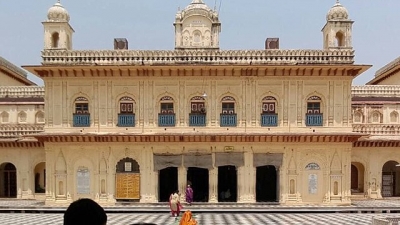
Dashrath Bhavan, also known as Dashrath Mahal, Bada Asthan, or Badi Jagah, is a significant historical and religious site in Ayodhya, traditionally believed to be the original palace where King Dashrath, the father of Lord Rama, resided. Located in the heart of the city in the Ramkot area, this sacred spot is where Lord Rama and his brothers are said to have spent their childhood and youth. While the current building is a reconstructed version of the ancient palace, it functions as a vibrant temple and Siddha Peetha, featuring a grand, colorful entrance adorned with intricate paintings and a central shrine housing beautiful idols of Lord Rama, Sita, and Lakshmana. The atmosphere inside is deeply spiritual, often filled with the sound of saffron-clad monks chanting mantras and singing bhajans. It is particularly lively during festivals like Ram Navami, Deepawali, and Karthik Mela, attracting thousands of devotees who come to experience the royal legacy and divine energy of the site.
8. Ram Janmabhoomi

Ram Janmabhoomi is one of India’s most sacred pilgrimage sites, revered by millions as the birthplace of Lord Rama, the seventh avatar of Lord Vishnu. Located in the heart of Ayodhya in the Ramkot area, the site is now home to the magnificent Shri Ram Janmabhoomi Mandir, a grand structure built in the traditional Nagara architectural style. The temple, designed by the Sompura family, is an architectural marvel standing 161 feet tall and supported by 392 intricately carved pillars, constructed entirely from pink sandstone without the use of iron or steel for maximum durability. The main sanctum (Garbhagriha) houses the 51-inch black stone idol of Ram Lalla (the child form of Rama), which was consecrated in a historic ceremony on January 22, 2024. Spanning a vast 70-acre complex, the temple grounds also feature five distinct mandaps (halls), multiple shrines dedicated to other deities, and extensive facilities for the millions of pilgrims who visit annually to seek spiritual liberation.
9. Gulab Bari
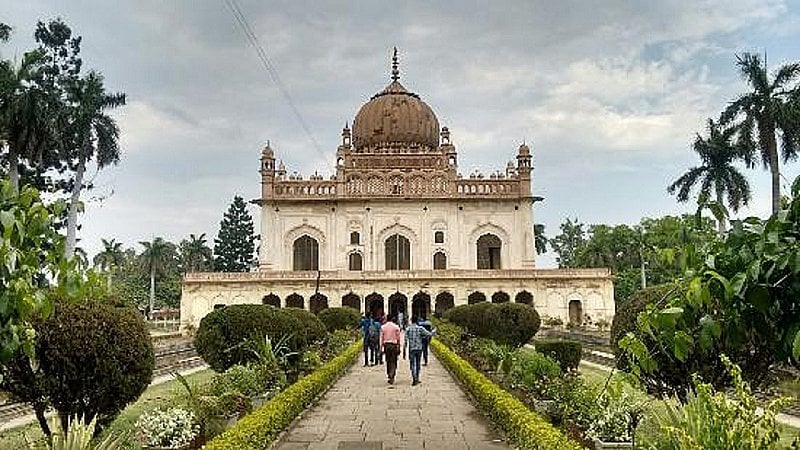
Gulab Bari, literally meaning the “Garden of Roses,” is a magnificent 18th-century mausoleum in Ayodhya (Faizabad) that serves as the final resting place of Nawab Shuja-ud-Daula, the third Nawab of Awadh. This monument is a premier example of Nawabi and Mughal architecture, featuring a double-storeyed structure built with lime-plastered Lakhauri bricks and a grand fluted dome. Approached through two massive, intricately carved gateways—often decorated with the iconic twin-fish motif—the tomb is set within a traditional Charbagh garden designed with symmetrical water channels and fountains. True to its name, the complex is renowned for its diverse collection of rose species, which were reportedly the Nawab’s favourite flowers. Beyond the central tomb, which also houses the grave of the Nawab’s mother, the protected heritage site includes an Imambara, a mosque, and a Shahi Hamam (royal bath). Today, it remains a tranquil spot for both history enthusiasts and locals, hosting cultural events like music festivals centered around the romantic Chaiti genre.
10. Guptar Ghat
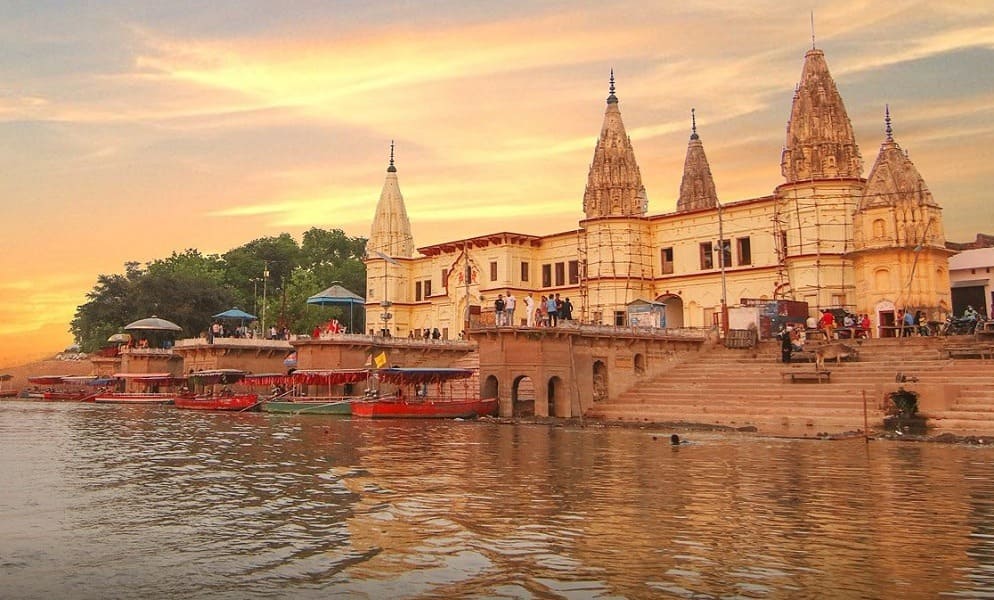
Guptar Ghat, also known as Gopratara Tirtha, is a site of immense spiritual importance located on the banks of the Sarayu River in the Faizabad cantonment area of Ayodhya. According to Hindu tradition and the Skanda Purana, this is the hallowed spot where Lord Rama performed his final meditation and took Jal Samadhi (immersion in water) to conclude his earthly pastimes and return to his divine abode, Vaikuntha. Rebuilt in the early 19th century by Raja Darshan Singh, the ghat features a series of well-maintained steps leading to the river and is surrounded by several ancient shrines, including the Sita-Ram Temple, the Chakrahari Shrine, and the Narsingh Temple. In recent years, the area has undergone significant transformation into a modern riverfront, now boasting meticulously landscaped parks (formerly the colonial Company Gardens), an open-air theatre, meditation centers, and boat jetties for tourists. Devotees flock here to take a holy dip, believing the sacred waters can cleanse sins and offer liberation, while the serene environment makes it a popular destination for evening strolls and spiritual reflection.
11. Hanuman Garhi
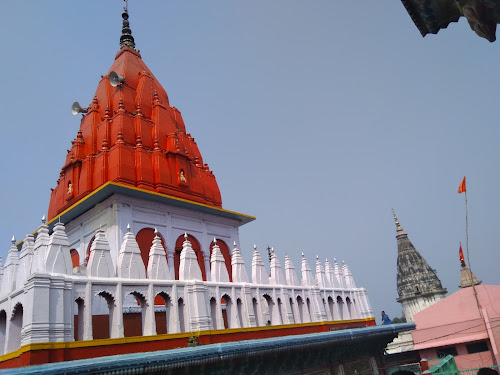
Hanuman Garhi is a massive 10th-century fort-temple situated on a high mound in the heart of Ayodhya, regarded as the most important shrine dedicated to Lord Hanuman in Northern India. According to local legend, Hanuman lived at this spot in a cave to guard the city and the Ram Janmabhoomi, leading to the tradition that devotees must first seek his permission here before visiting Lord Rama’s temple. To reach the main sanctum, visitors must climb 76 steep stone steps that lead into a grand, four-sided fortress structure featuring circular bastions at each corner. Inside, the temple houses a unique and highly revered idol of Bal Hanuman (infant Hanuman) seated in the lap of his mother, Mata Anjani. The complex is not only a spiritual powerhouse where the Hanuman Chalisa is chanted continuously, but also a symbol of communal harmony, as historical records suggest the land and construction were supported by the Nawab of Awadh in the 18th century.
12. Kanak Bhawan
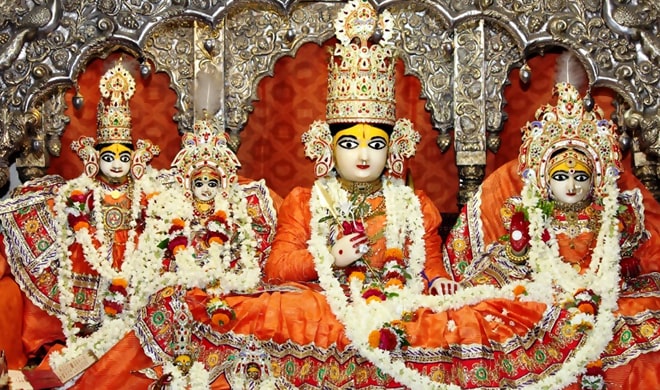
Kanak Bhawan, also known as Sone-ka-Ghar (House of Gold), is one of the most exquisite and spiritually significant temples in Ayodhya, dedicated to Lord Rama and Goddess Sita. According to legend, this palace was a gift from Queen Kaikeyi to Sita immediately after her marriage to Rama, and it served as their private residence. The temple’s architecture is a stunning blend of Rajasthani and Bundelkhandi styles, featuring grand arched doorways, intricate stone carvings, and a beautiful central courtyard. The sanctum sanctorum houses three sets of gold-crowned idols of the divine couple, representing different eras: the largest idols were installed by Maharani Vrishbhanu Kuwari of Orchha in 1891, while the smaller sets are said to have been placed by Lord Rama’s son, Kush, and later by King Vikramaditya. The temple is especially famous for its celestial atmosphere, often filled with soul-stirring devotional music and bhajans performed by local musicians, making it a favorite spot for pilgrims seeking a peaceful and meditative experience.
13. Mani Parvat
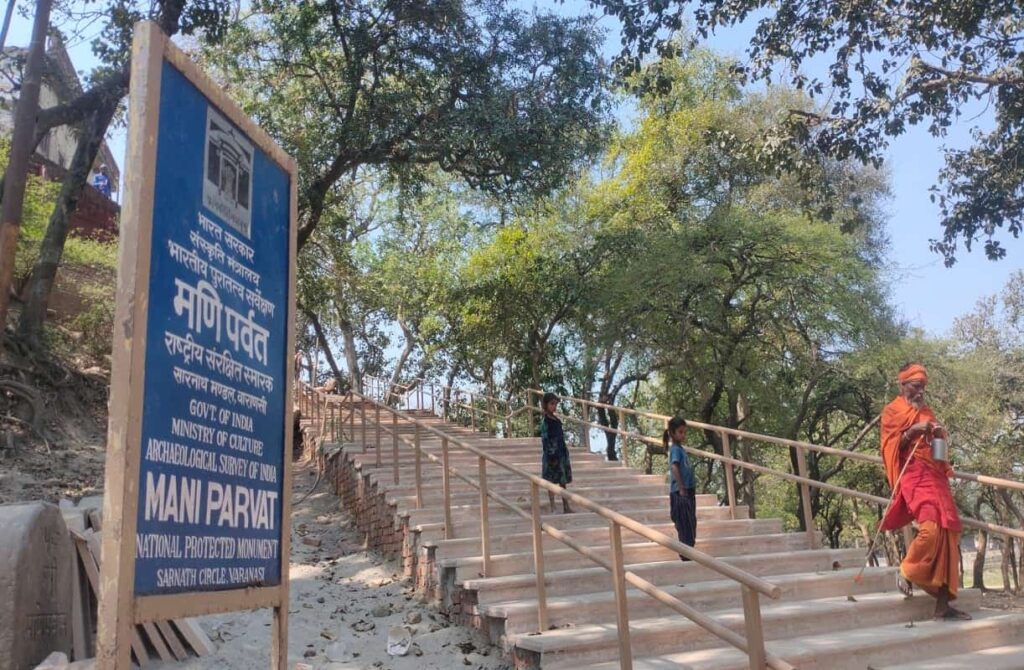
Mani Parvat is a sacred hillock in Ayodhya, standing approximately 65 feet high, and is steeped in both Hindu mythology and Buddhist history. According to the Ramayana, the hill is believed to be a fragment of the Sanjivani mountain that accidentally fell when Lord Hanuman was carrying it to Lanka to save Lakshmana’s life. Historically, the site also holds immense significance for Buddhists, as it is thought to be the location where Lord Buddha resided for several years and where Emperor Ashoka later constructed a stupa. Today, the hill is home to several small temples and offers a breathtaking panoramic view of the entire city of Ayodhya from its summit. It becomes a major center of celebration during the Jhula Mela (Swing Festival) in the month of Shravan, when idols of Lord Rama and Sita are brought here to be placed on ornate swings, attracting thousands of devotees who gather to sing devotional songs and celebrate the divine couple.
14. Bahu Begum Ka Maqbara
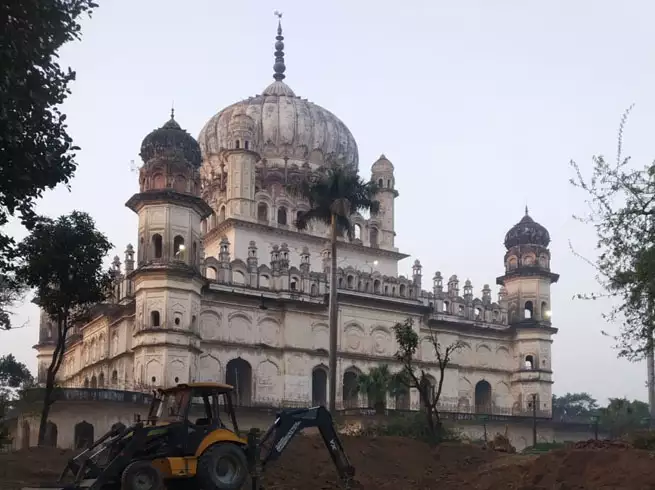
Bahu Begum Ka Maqbara is a beautiful and grand monument in Faizabad, built in 1816 as a memorial for the wife of Nawab Shuja-ud-Daula. It is often called the “Taj Mahal of the East” because it is made with high-quality white marble-like plaster and features stunning architecture with three large domes and tall minarets. Standing as the tallest building in the region, it sits inside a peaceful green garden with walking paths and fountains. Historically, the Nawab’s wife was very wealthy and powerful, and she left behind a massive sum of money specifically to build this magnificent tomb. Today, people visit it to see the amazing views of the city from the top and to enjoy the quiet, royal atmosphere of the Nawabi era.
15. Moti Mahal
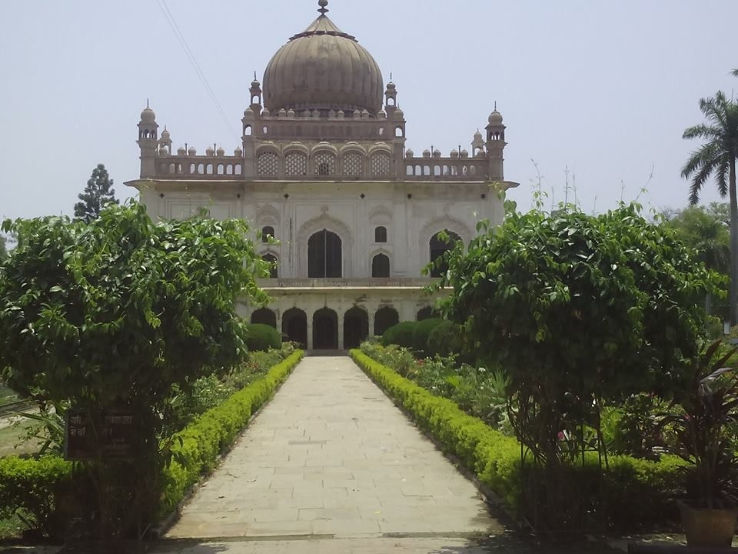
Moti Mahal, famously known as the “Pearl Palace,” is a historic 18th-century monument located in Faizabad (near Ayodhya) that once served as the royal residence of Bahu Begum, the wife of Nawab Shuja-ud-Daula. Built in the late 1700s, it is an exceptional example of Nawabi architecture, characterized by its elegant arches, spacious courtyards, and delicate stucco work. The palace earned its name because of its originally polished white surface that reportedly shone like a pearl under the moonlight. Historically, it was the center of the Awadh administration during the period when Faizabad was the capital, and it reflects the grand lifestyle and cultural richness of the Nawabs. Today, while parts of the structure have aged, it remains a significant heritage site, standing near the banks of the Sarayu River and offering a glimpse into the regal history and artistic legacy of the region.
16. Nageshwarnath Temple

Nageshwarnath Temple is one of the oldest and most significant temples in Ayodhya, dedicated to Lord Shiva. According to popular legend, the temple was established by Kush, the son of Lord Rama; it is said that Kush lost his armlet while bathing in the Sarayu River, which was retrieved by a Nag-Kanya (serpent princess) who fell in love with him. As she was a devotee of Shiva, Kush built this temple in her honour. The current structure, however, was reconstructed in 1750 by Safdar Jung’s minister, Naval Rai. Located near Ram Ki Paidi, the temple is famous for its grand celebrations during Mahashivratri, when thousands of devotees arrive in a massive procession. It is a central point for pilgrims, as it is believed to be one of the few structures that survived even when the rest of Ayodhya fell into ruin at various points in history.
17. Raja Mandir
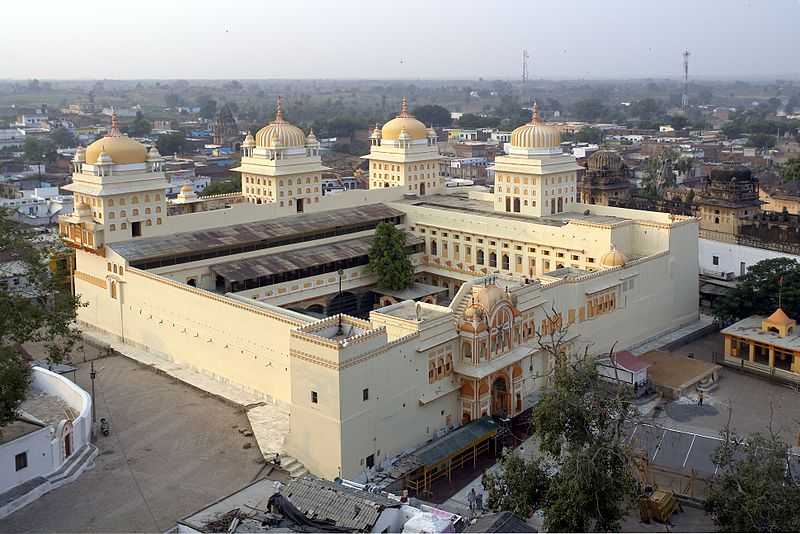
Raja Mandir is a majestic temple located on the banks of the Sarayu River at Guptar Ghat in Ayodhya, known for its stunning architectural beauty and its deep association with the legends of Lord Rama. The temple is unique because it houses exquisitely carved idols of Lord Rama, Sita, and his brothers, Lakshmana, Bharata, and Shatrughna, all depicted in royal attire, reflecting the city’s heritage as a kingdom. Historically, the structure is a masterpiece of Hindu-Mughal fusion architecture, featuring grand arched gateways, intricate stone carvings, and a beautiful reflection in the river waters. It was originally built by local rulers to commemorate the spot where Lord Rama is believed to have performed rituals before his departure from the earthly world. Today, it is a preferred spot for devotees who seek a peaceful environment away from the main city’s bustle, offering a serene atmosphere for meditation and a breathtaking view of the river sunset.
18. Ram Katha Park
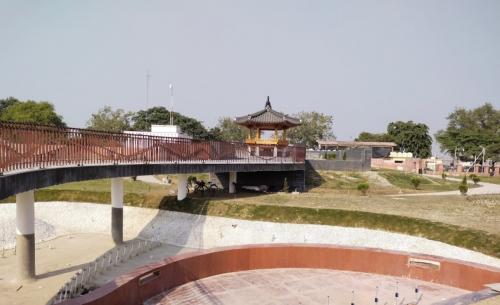
Ram Katha Park is a sprawling, modern open-air amphitheatre and cultural space in Ayodhya, designed specifically to host religious discourses, cultural performances, and the city’s world-famous Ramleela plays. Located near the banks of the Sarayu River and Ram Ki Paidi, the park features a massive, well-maintained lawn and a grand stage capable of accommodating thousands of spectators. It serves as a vital hub for preserving Ayodhya’s oral traditions, where renowned spiritual leaders often deliver Katha (narratives) from the Ramayana. The park is beautifully landscaped with flowering plants and shaded walkways, making it a popular spot for evening strolls. During major festivals like Deepotsav, the park becomes the focal point of the city’s celebrations, hosting elaborate light shows and theatrical productions that draw visitors from across the globe.
19. Sita Ki Rasoi
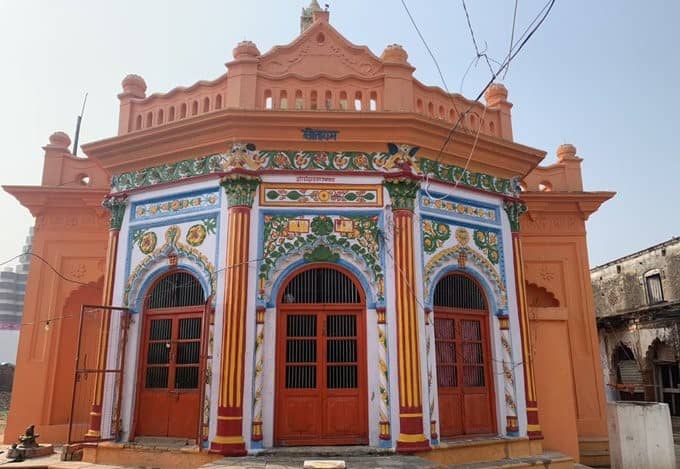
Sita Ki Rasoi is a sacred site located on the northwestern side of the Ram Janmabhoomi complex in Ayodhya, traditionally believed to be the ancient kitchen used by Goddess Sita. While it is not a functional kitchen today, the site has been converted into a temple that houses beautiful idols of Lord Rama and his brothers alongside their wives—Sita, Urmila, Mandavi, and Shrutakirti. A unique symbolic feature of this site is the display of traditional clay utensils and a rolling plate (chakla-belan), representing the Goddess’s role as the “Annapurna” or the provider of food. In Hindu tradition, it is said that after her marriage to Rama, Sita cooked the first meal for her family here, a custom still honored by newlywed brides in many Indian households today. The temple follows the charitable spirit of the Goddess by continuing the tradition of offering free meals (Prasad) to all pilgrims and needy visitors who come to seek blessings.
20. Treta Ke Thakur
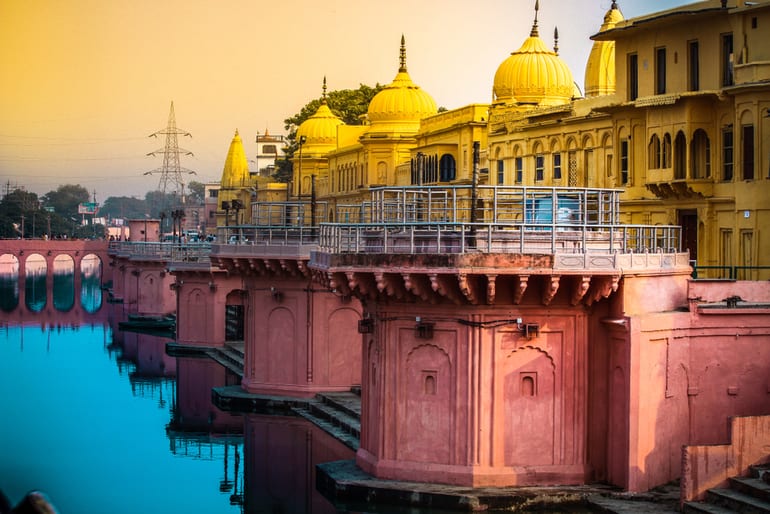
Treta Ke Thakur is a highly revered temple in Ayodhya dedicated to Lord Rama, uniquely known as the “Lord of the Treta Yuga.” Situated near Naya Ghat on the banks of the Sarayu River, it is believed to stand on the exact ground where Lord Rama performed the historic Ashwamedha Yajna after returning victoriously from Lanka. The temple’s inner sanctum houses magnificent idols of Lord Rama, Sita, Lakshmana, Bharat, Shatrughan, and Hanuman, all exquisitely carved from a single piece of black sandstone. While ancient legends link its original establishment to King Vikramaditya, the current structure—a stunning blend of North Indian Nagara and medieval architectural styles—was largely rebuilt in 1784 AD by the Maratha queen Ahilyabai Holkar. A defining feature of this temple is its exclusivity; the gates typically open to the public only once a year on the occasion of Kartik Shukla Ekadashi (falling in October or November), during which the doors remain open for 24 hours for thousands of pilgrims.