


Auli is a world-renowned hill station and premier ski destination located in the Chamoli district of Uttarakhand, perched at a staggering altitude ranging from 2,500 to 3,050 metres. Often referred to as the “Bugyal” (meadow) of the Himalayas, it is celebrated for its sprawling golden-green slopes in summer that transform into a pristine white wonderland during winter. Auli is uniquely positioned to offer one of the most comprehensive panoramic views of the Himalayan peaks, including the mighty Nanda Devi, Trishul, and Kamet. The town gained international fame for its state-of-the-art skiing infrastructure, featuring one of Asia’s longest cable cars (the Auli Gondola) and a massive artificial lake used for snowmaking. Whether you are a professional skier navigating its 4 km of snowy gradients, a trekker heading to Gurso Bugyal, or a traveler seeking the tranquility of the oak and coniferous forests, Auli serves as a perfect blend of adventure and Himalayan serenity. The economy of Auli is fundamentally built on its reputation as India’s premier winter sports and adventure tourism hub. This sector serves as the primary backbone, generating significant revenue through skiing and snowboarding infrastructure managed by the state-run Garhwal Mandal Vikas Nigam (GMVN).
Auli is a very safe and peaceful destination for travellers, families, and solo adventurers. The local people are friendly, and since it is a major tourist hub managed by the government, help is always nearby. The only safety factors you really need to plan for are the weather and the mountains.
Most Famous And Attractive Tourist Places In Auli :
1. Auli Artificial Lake
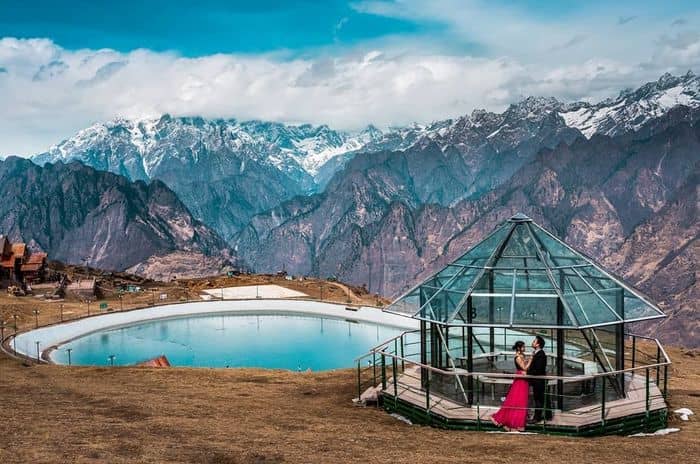
The Auli Artificial Lake, located in the Chamoli district of Uttarakhand, is recognized as one of the world’s highest man-made lakes, perched at an elevation of approximately 3,056 metres (over 10,000 feet). Developed by the Uttarakhand government around 2003, its primary purpose is highly functional: it serves as a high-altitude reservoir for Auli’s state-of-the-art artificial snowmaking system. During years of erratic or insufficient natural snowfall, water from the lake is redirected through an underground pipeline network to power snow guns stationed along the ski slopes, ensuring a thick, consistent layer of snow for professional and amateur skiers. This engineering marvel was critical in allowing Auli to host international events like the 1st South Asian Winter Games in 2011 and has significantly extended the region’s tourism and ski seasons. Beyond its utility, the lake has become a top tourist attraction due to its surreal beauty; its crystal-clear turquoise waters mirror the surrounding Himalayan peaks, including Nanda Devi, Kamet, and Trishul. Visitors can reach the lake via a scenic walk or chairlift from the Auli upper ropeway station near the Cliff Top Club, making it a peaceful hub for photography and nature walks against a backdrop of lush alpine meadows in summer or a pristine white landscape in winter.
2. Joshimath
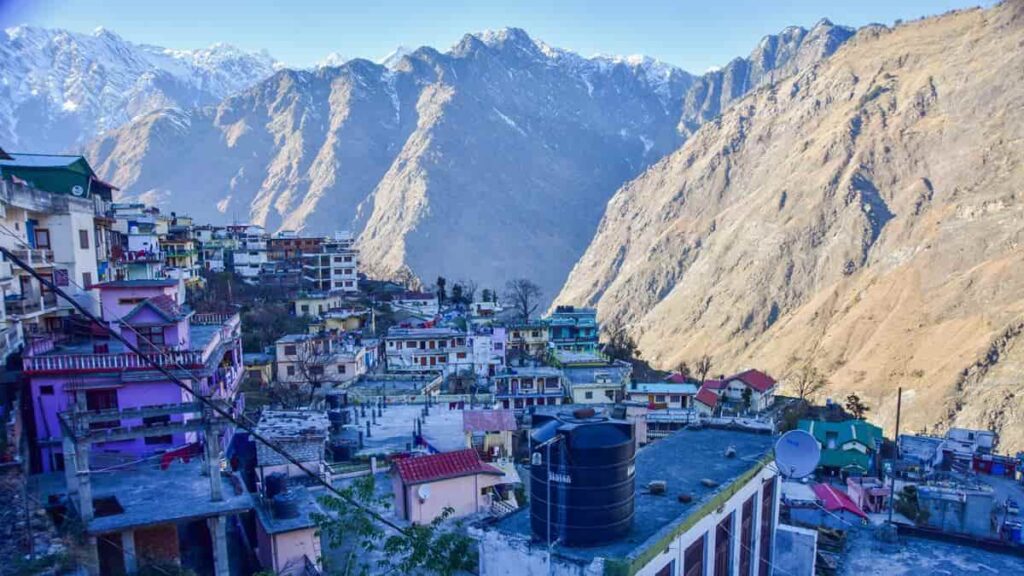
Joshimath, also known as Jyotirmath, is a sacred town in Uttarakhand’s Chamoli district that serves as a vital spiritual and strategic gateway in the Himalayas. Perched at an altitude of approximately 6,150 feet, it is one of the four cardinal monasteries (mathas) established by Adi Shankaracharya in the 8th century to revive Advaita Vedanta philosophy. The town is famously the winter seat of Lord Badrinath; when the main Badrinath Temple closes due to snow, the deity’s idol is brought to the Narsingh Temple in Joshimath for worship. Beyond its religious weight, Joshimath is a major hub for adventure, serving as the starting point for treks to the Valley of Flowers, Hemkund Sahib, and the ski slopes of Auli, which is accessible via one of Asia’s longest ropeways. Historically, it was also the capital of the Katyuri dynasty. In recent years, the town has faced significant environmental challenges, including land subsidence, which has sparked global discussions on the fragility of Himalayan ecosystems.
3. Gurso Bugyal
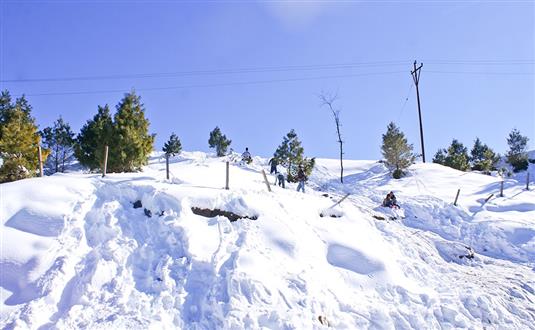
Gurso Bugyal (also spelled Gorson) is a sprawling alpine meadow located approximately 3 kilometres from Auli in the Chamoli district of Uttarakhand. Perched at an elevation of about 3,056 metres (10,026 feet), it is a classic example of a “Bugyal”—the local Garhwali term for high-altitude pasture land—that transforms with the seasons into either a lush green carpet of wildflowers in spring or a pristine white wonderland in winter. The trek to the meadow is considered beginner-friendly, winding through dense forests of ancient oak and deodar trees and providing a gradual ascent that is often used for acclimatization by those heading to higher peaks like Pangarchulla. Once you emerge from the forest canopy, the meadow offers a spectacular 360-degree panoramic view of some of India’s most iconic Himalayan giants, including Nanda Devi, Trishul, Dronagiri, and Kamet. Because there are no permanent accommodations or facilities on the meadow itself, it remains an unspoiled day-trip destination where visitors can enjoy a quiet picnic or continue their hike for another kilometer to reach Chattarkund, a small lake famous for its “sweet water” hidden within the woods.
4. Nanda Devi Peak
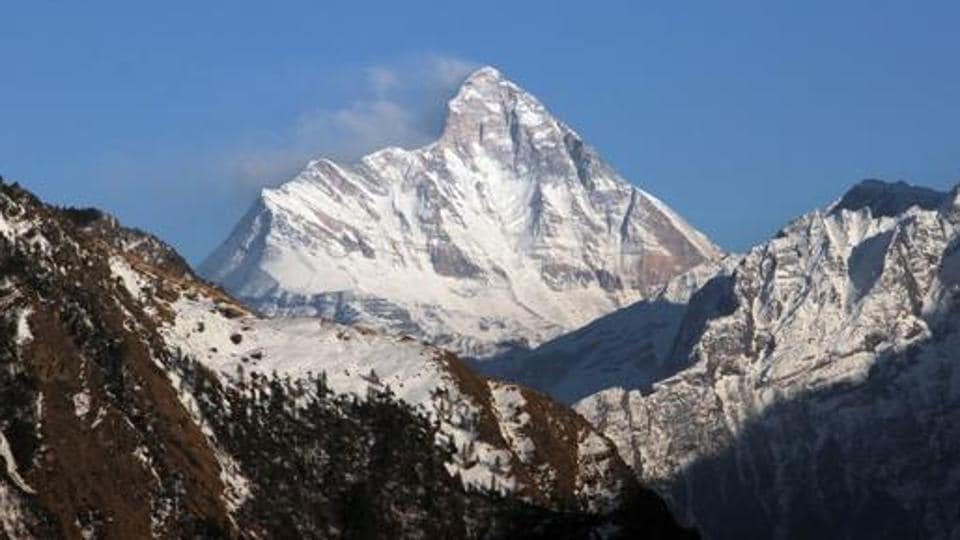
Nanda Devi Peak, standing at an impressive 7,816 metres (25,643 feet), is the second-highest mountain in India and holds the distinction of being the highest peak located entirely within the country. Located in the Chamoli district of Uttarakhand, this majestic two-peaked massif—comprising Nanda Devi West and the lower Nanda Devi East (also known as Sunanda Devi)—is revered as the “Bliss-Giving Goddess” and the patron deity of the Garhwal and Kumaon Himalayas. Its formidable “barrier ring” of twelve peaks over 6,400 metres high created a natural fortress that remained virtually inaccessible to explorers until the 1930s. Today, the peak and its surrounding Nanda Devi Sanctuary are protected as a UNESCO World Heritage Site, noted for their extraordinary biodiversity, including rare species like the snow leopard and Himalayan musk deer. Due to its profound spiritual sanctity and the fragility of its ecosystem, the Indian government has strictly prohibited climbing the main summit since 1983, preserving it as an untouched sanctuary of natural and divine magnificence.
5. Auli Ropeway
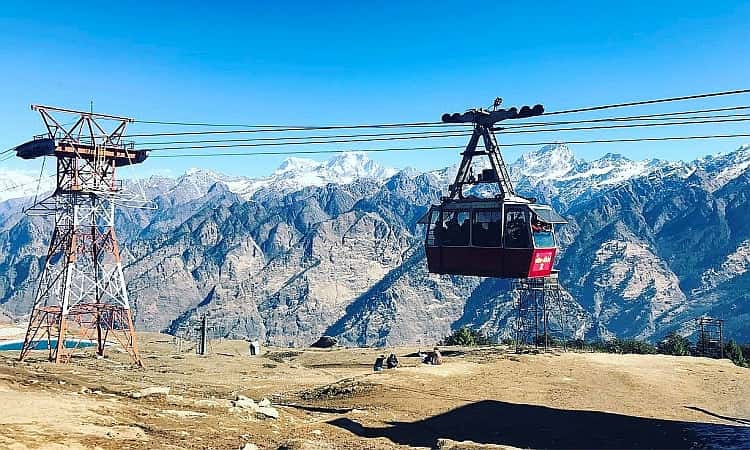
The Auli Ropeway, connecting the town of Joshimath to the ski resort of Auli, is one of the longest and highest cable car rides in Asia, spanning a distance of approximately 4.15 kilometres. Locally known as a Gondola, this engineering marvel travels from an altitude of 1,906 metres in Joshimath to 3,016 metres in Auli, offering a breathtaking 25-minute journey over dense oak and coniferous forests. The ropeway is equipped with a modern bi-cable system and consists of two large cabins that can carry up to 25 passengers each, providing a bird’s-eye view of the majestic Himalayan peaks like Nanda Devi, Trishul, and Dronagiri. It serves as the most efficient and scenic mode of transport, especially during winter when the roads are frequently blocked by heavy snow. Beyond the main gondola, there is also a separate Chair Lift that connects the lower slopes to the Auli Artificial Lake, making the entire skiing area easily accessible for tourists and professional skiers alike.
6. Chattrakund

Chattrakund is a serene, high-altitude alpine lake nestled at an elevation of approximately 3,300 metres (10,826 feet) near Auli in the Chamoli district of Uttarakhand. Known for its remarkably “sweet” and crystal-clear water, this small emerald pond is tucked away inside a dense canopy of oak, pine, and deodar forests, offering a tranquil escape from the more crowded ski slopes of Auli. To reach this hidden gem, visitors typically undertake a moderate 4-kilometre trek from Auli, or a much shorter 1-kilometre walk if coming from the nearby Gurso Bugyal meadows. The lake is particularly popular among honeymooners and nature photographers because its still, mirror-like surface perfectly reflects the surrounding ancient trees and distant snow-capped Himalayan peaks. Beyond its natural beauty, local folklore occasionally associates the lake with spiritual significance, with some believing it to be a sacred spot once frequented by divine beings.
7. Chenab Lake
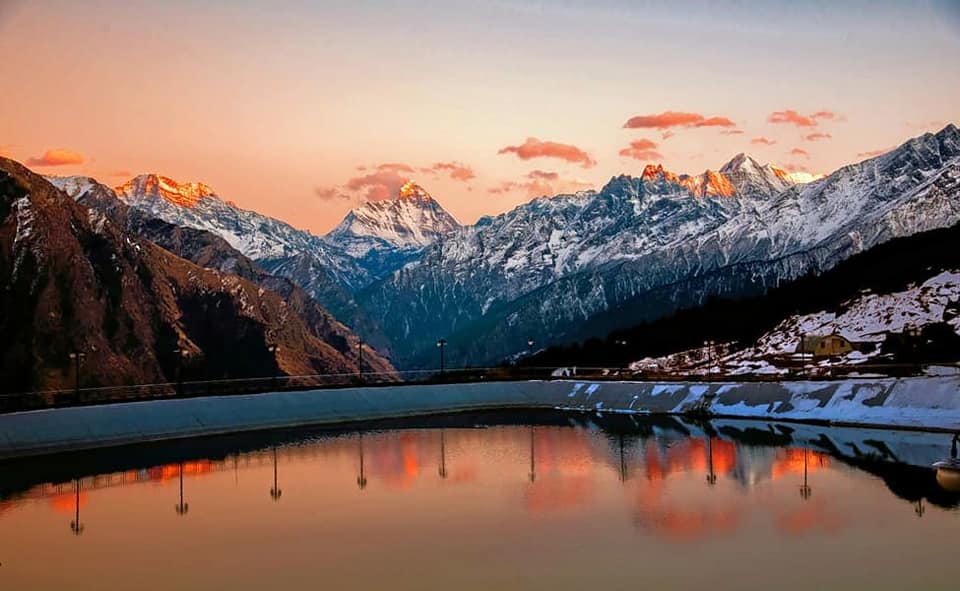
Chenab Lake is one of the most untouched and pristine high-altitude lakes in the Auli region, located at an elevation of approximately 3,100 metres. Unlike the more popular Auli Artificial Lake, Chenab Lake is a natural body of water that remains largely off the beaten path due to its rugged access route. To reach it, visitors must navigate a somewhat difficult, unpaved trek starting from the last motorable point near Joshimath or the Dang Village. Because of its remote location, the lake has preserved its raw, crystalline beauty, serving as a peaceful sanctuary for trekkers and nature lovers who wish to escape the main tourist crowds. The area surrounding the lake is a paradise of lush green meadows and dense forests, offering a stunning reflection of the surrounding Himalayan peaks on a clear day.
8. Auli Ski Resort

Auli Ski Resort, managed primarily by the Garhwal Mandal Vikas Nigam (GMVN), is India’s premier winter sports destination, located at an altitude of approximately 2,500 to 3,050 metres in the Chamoli district of Uttarakhand. Often compared to European ski resorts due to its world-class slopes and breathtaking views of the Nanda Devi massif, the resort features over 4 kilometres of skiing stretches ranging from beginner-friendly gradients to steep, professional-grade runs. The resort is equipped with modern infrastructure, including a French-designed chairlift system, a 500-metre long ski lift, and an artificial snowmaking system that ensures the slopes remain operable even during lean snowfall years. Beyond the skiing itself, the resort serves as a comprehensive hub for winter tourism, offering certified skiing courses for beginners, equipment rentals, and cozy wooden mountain huts that provide a panoramic vista of the Himalayan giants like Trishul and Kamet.
9. Trishul Peak
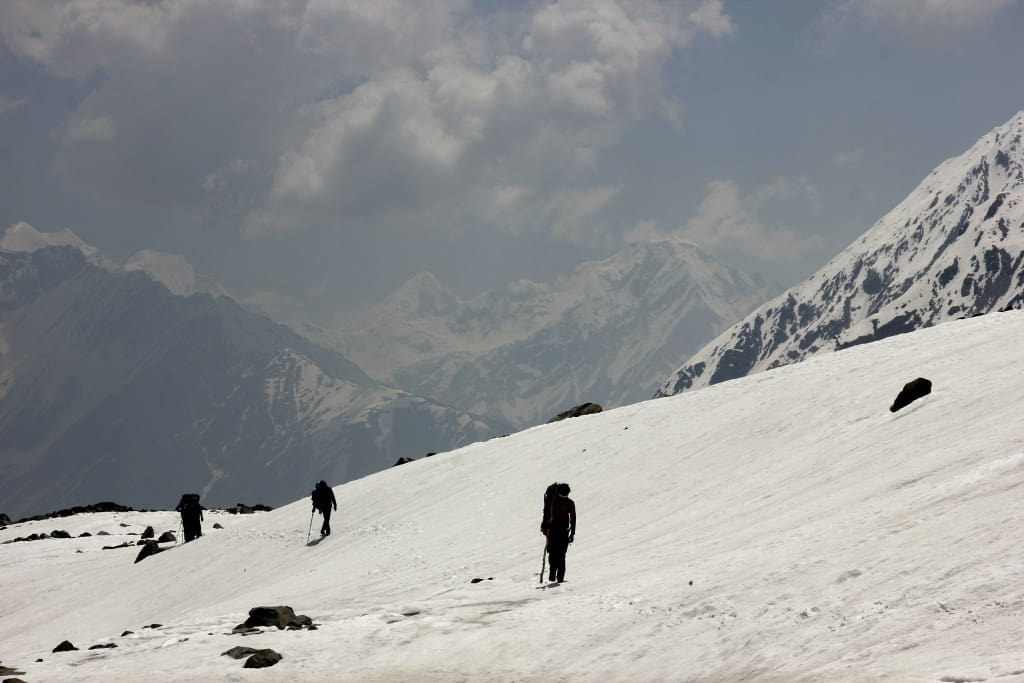
Trishul Peak is a majestic group of three Himalayan mountain peaks located in the Bageshwar district of Uttarakhand, forming a silhouette that remarkably resembles a Trident (Trishul), the sacred weapon of Lord Shiva. The highest of these, Trishul I, stands at an imposing elevation of 7,120 metres (23,360 feet) and is famous for being the first peak over 7,000 metres ever to be climbed, a feat achieved by T.G. Longstaff in 1907. Situated on the western edge of the Nanda Devi Sanctuary, the massif offers one of the most stunning backdrops for tourists in Auli and Kausani, where its snow-clad slopes glow in hues of gold and orange during sunrise and sunset. Beyond its mountaineering significance, the peak holds deep spiritual value, as it is believed to be the spot where the Goddess Nanda Devi’s trident is planted. For trekkers, the base of the Trishul massif is also home to the mysterious Roopkund Lake, famous for the ancient human skeletons found at its edge.
10. Kwani Bugyal
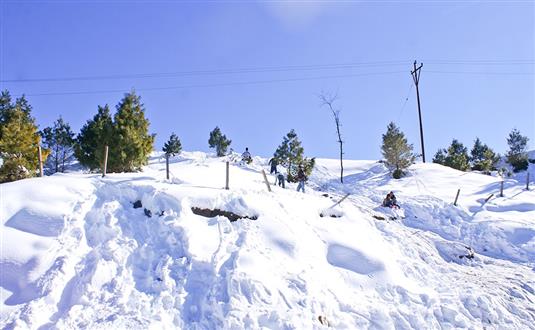
Kwani Bugyal is a breathtaking alpine meadow situated at an elevation of approximately 3,380 metres (11,089 feet) in the Chamoli district of Uttarakhand. Located about 12 kilometres beyond the popular ski slopes of Auli, it is a favorite destination for seasoned trekkers and nature enthusiasts seeking a more secluded experience than the easily accessible Gurso Bugyal. The trek to Kwani Bugyal offers an immersive journey through dense forests of oak and rhododendron, eventually opening up into vast, undulating grasslands that serve as summer pastures for local shepherds. The meadow is renowned for providing some of the most intimate and staggering views of the Nanda Devi and Trishul peaks, making it a premier spot for high-altitude camping. Visitors typically undertake this trek between the months of June and September for lush greenery, or in the early winter months for a snow-clad landscape, though it remains relatively untouched by commercial tourism.
11. Saildhar Tapowan
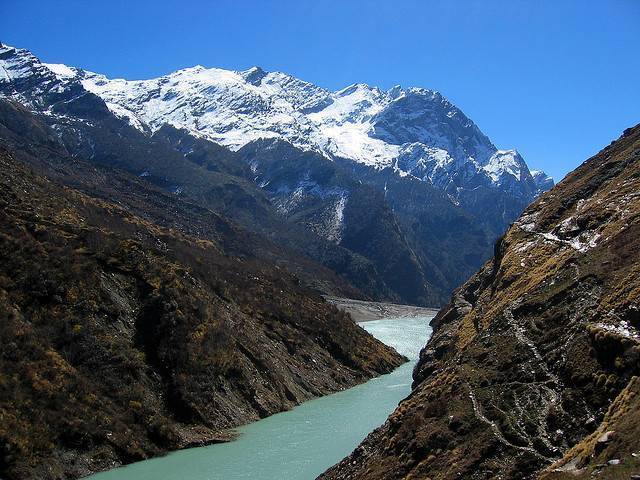
Saildhar Tapowan is a unique and spiritually significant site located approximately 15 kilometres from Joshimath on the way to the Niti Valley in Uttarakhand. This destination is most famous for its natural hot water springs, which are rich in sulphur and believed by locals to possess medicinal properties capable of curing skin ailments and joint pains. Unlike the more commercialised Tapovan near Rishikesh, this area offers a rugged, authentic Himalayan experience where boiling water emerges directly from the earth amidst a dramatic backdrop of rocky cliffs and the rushing Alaknanda River. The site also features a small, ancient temple dedicated to Lord Shiva, adding a layer of religious sanctity to the natural wonder. It serves as a perfect stopover for travellers heading toward the Indo-Tibetan border or those seeking a peaceful spot for a “holy dip” in a serene, offbeat environment.
12. Nanda Devi National Park
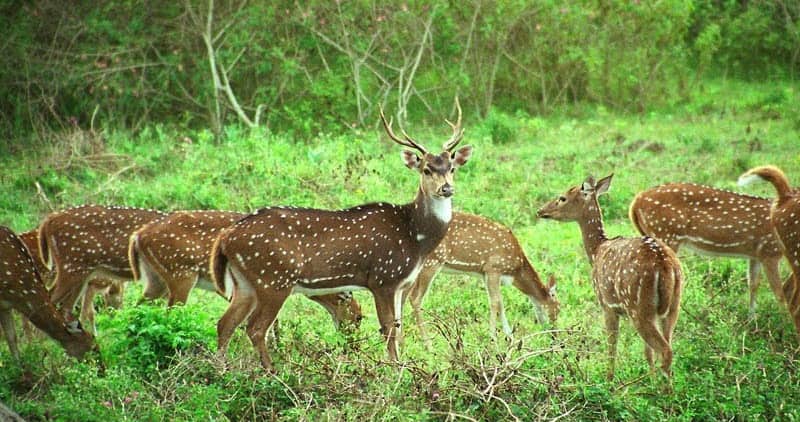
Nanda Devi National Park, established in 1982 and designated a UNESCO World Heritage Site in 1988, is one of the most spectacular wilderness areas in the Himalayas. Spanning over 630 square kilometres in the Chamoli district of Uttarakhand, the park is situated around the peak of Nanda Devi (7,816 m) and is part of the larger Nanda Devi Biosphere Reserve. The park is renowned for its unique topography and high-altitude flora, featuring rare species like the Brahma Kamal and the blue poppy, alongside elusive wildlife such as the snow leopard, Himalayan musk deer, and Asiatic black bear. The area is divided into Inner and Outer Sanctuaries, enclosed by a formidable circle of peaks that make it one of the most inaccessible mountain regions in the world. To preserve its fragile ecosystem and spiritual sanctity, the Indian government strictly regulates entry, allowing only a limited number of visitors to trek to specific points like the Dharansi Pass, while the core inner sanctuary remains completely closed to the public.
13. Rudraprayag
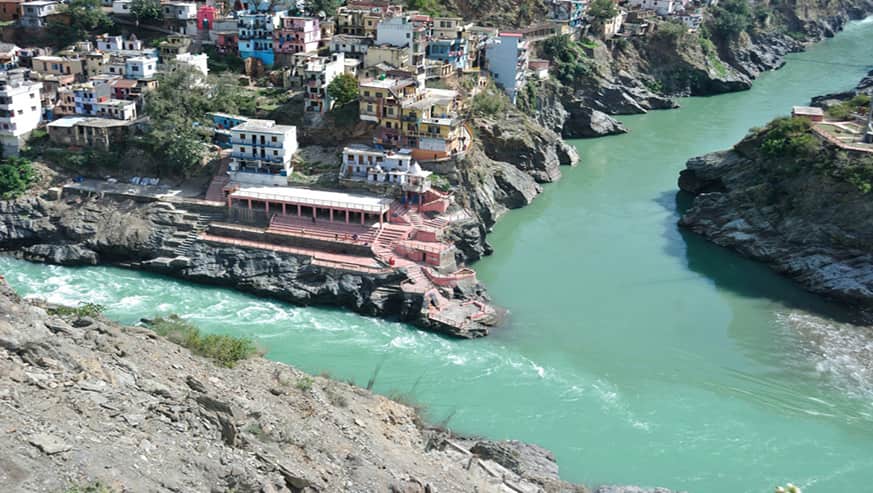
Rudraprayag is a town of immense religious and geographical significance in Uttarakhand, serving as one of the Panch Prayag (five sacred confluences) where the Alaknanda and Mandakini rivers meet. Located at an altitude of 895 metres, the town is named after Lord Shiva’s “Rudra” avatar; legend has it that the sage Narada performed intense penance here to master the art of music, prompting Shiva to appear in his cosmic form. Beyond its spiritual weight, Rudraprayag is a vital logistical junction for pilgrims, as it marks the point where the road branches off toward two major Chardham shrines: Kedarnath and Badrinath. The town gained international fame through Jim Corbett’s book, The Man-Eating Leopard of Rudraprayag, which chronicles his hunt for a notorious leopard that terrorised the region in the 1920s. Today, visitors flock here to witness the dramatic sight of the muddy Mandakini merging with the turquoise Alaknanda and to visit the ancient Koteshwar Mahadev Temple, located inside a natural cave on the riverbanks.
14. Nandaprayag
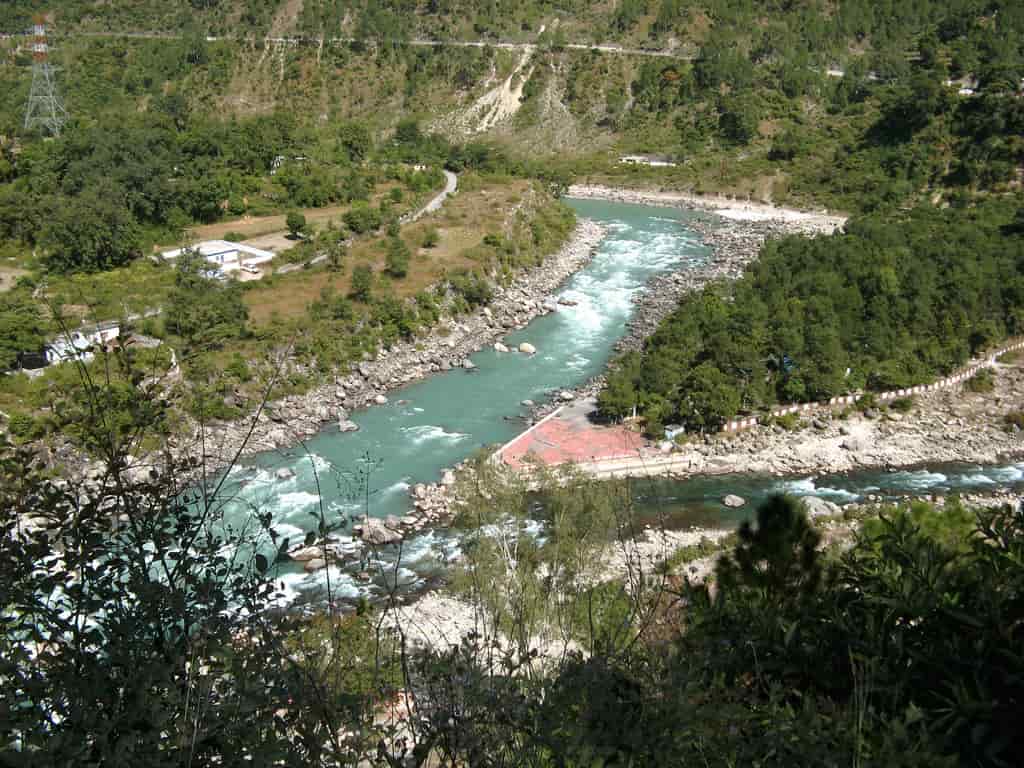
Nandaprayag is a tranquil town in the Chamoli district of Uttarakhand and serves as the second of the Panch Prayag (five sacred confluences) along the Alaknanda River. It marks the holy meeting point of the Alaknanda and Nandakini rivers. Sitting at an elevation of approximately 879 metres, the town derives its name from the pious King Nanda, who, according to Hindu mythology, performed a great sacrifice (Yagna) here to seek the blessings of Lord Vishnu. The town is significantly quieter and more serene than its counterparts like Rudraprayag or Devprayag, making it a peaceful retreat for spiritual seekers. It features a prominent temple dedicated to Gopalji (a form of Lord Krishna) near the confluence, and it is a common stopover for pilgrims traveling on the Chardham Yatra route toward Badrinath.
15. Vishnuprayag
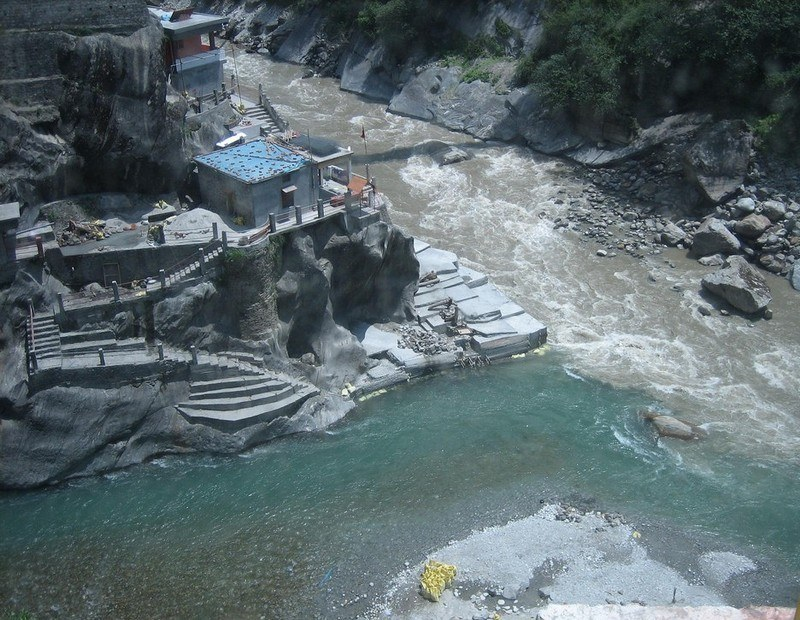
Vishnuprayag is the first of the Panch Prayag (five sacred confluences) of the Alaknanda River, situated at an altitude of approximately 1,372 metres in the Chamoli district of Uttarakhand. It is the holy meeting point of the Alaknanda and the Dhauliganga rivers. According to Hindu mythology, this is the sacred spot where the celestial sage Narada performed intense meditation, leading Lord Vishnu to appear before him; the town is named in honour of this divine manifestation. The confluence is characterized by the powerful, turbulent merging of the two mountain rivers, and a small temple dedicated to Lord Vishnu—originally built by the Maharani of Indore in 1889—stands near the bank. Located just 12 kilometres from Joshimath, it serves as a critical spiritual landmark for pilgrims on the journey to Badrinath and offers a dramatic, rugged landscape where the sheer force of Himalayan waters is on full display.