


The Andaman Islands constitute a magnificent archipelago situated in the Bay of Bengal, forming part of the Indian Union Territory of the Andaman and Nicobar Islands. Renowned for their breathtaking natural beauty, these islands are characterized by their turquoise waters, vibrant coral reefs, and dense tropical rainforests that remain lush and verdant throughout the year. Historically, the islands are famous for the ‘Cellular Jail’ located in Port Blair, which stands as a poignant symbol of India’s struggle for independence. Today, the Andaman Islands have emerged as a premier tourist destination—particularly Havelock Island and Neil Island (Shaheed Island)—offering opportunities for world-class scuba diving, snorkeling, and visits to the renowned ‘Radhanagar Beach,’ which is often regarded as one of the finest beaches in Asia. Beyond tourism, these islands are also home to several indigenous tribes; some of these tribes continue to live in complete isolation from the modern world today, preserving their ancient way of life.
The economy of the Andaman and Nicobar Islands is primarily based on agriculture, fisheries, and a rapidly growing tourism sector. Due to their remote geographical location, a significant portion of the population relies on farming for their livelihood; coconuts, areca nuts, and paddy are the principal crops cultivated here, grown for both local consumption and trade. The marine waters surrounding the islands make fisheries an immensely vital industry; this sector not only provides employment to coastal communities but also creates immense potential for the export of seafood. Over the past few decades, tourism has become a major pillar of the local economy; the islands’ pristine beaches and historical sites attract millions of tourists annually, driving unprecedented growth in the hospitality, transportation, and local services sectors.
The Andaman Islands are regarded as an exceptionally safe and secure tourist destination for visitors arriving from both within the country and abroad; the primary reasons for this are the extremely low crime rate and the strong presence of both the marine and local police forces. Incidents of violent crime against tourists are virtually non-existent here; visitors can typically explore major hubs—such as Port Blair—or the popular beaches of Havelock Island with complete freedom and a profound sense of security. As these islands constitute a Union Territory of India, the local governance and administration are highly organized, and clear laws and regulations are in force that accord the utmost priority to the safety and security of tourists.
Places To Visit In Andaman :
1. Cellular Jail National Memorial
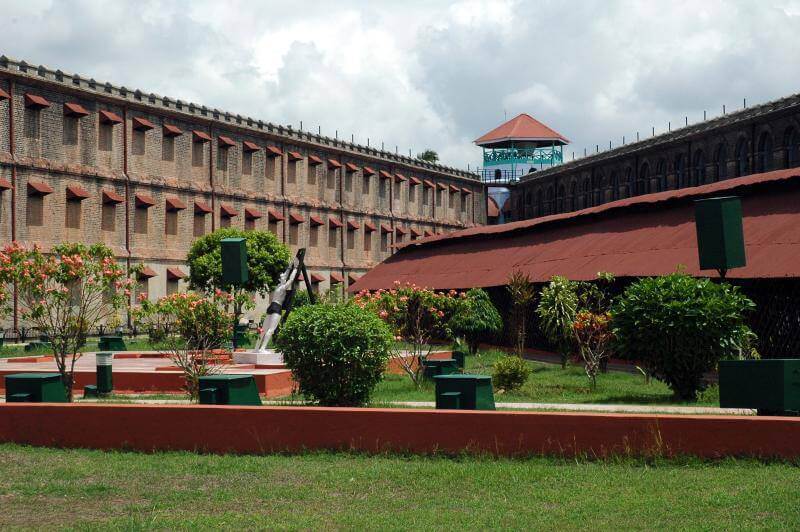
The Cellular Jail National Memorial, located in Port Blair, is a sobering and powerful monument that stands as a testament to the Indian independence struggle. Historically known as Kala Pani (Black Water), this colonial-era prison was constructed by the British between 1896 and 1906 specifically to exile and isolate political prisoners. Its unique panopticon design featured seven wings radiating from a central watchtower, ensuring that a single guard could monitor all cells while preventing inmates from communicating with one another. Life here was famously brutal, with freedom fighters like Vinayak Damodar Savarkar subjected to solitary confinement and backbreaking forced labour. Today, it serves as a national memorial, where the daily Light and Sound Show narrates the harrowing stories of sacrifice and resilience that took place within its walls.
2. Radhanagar Beach
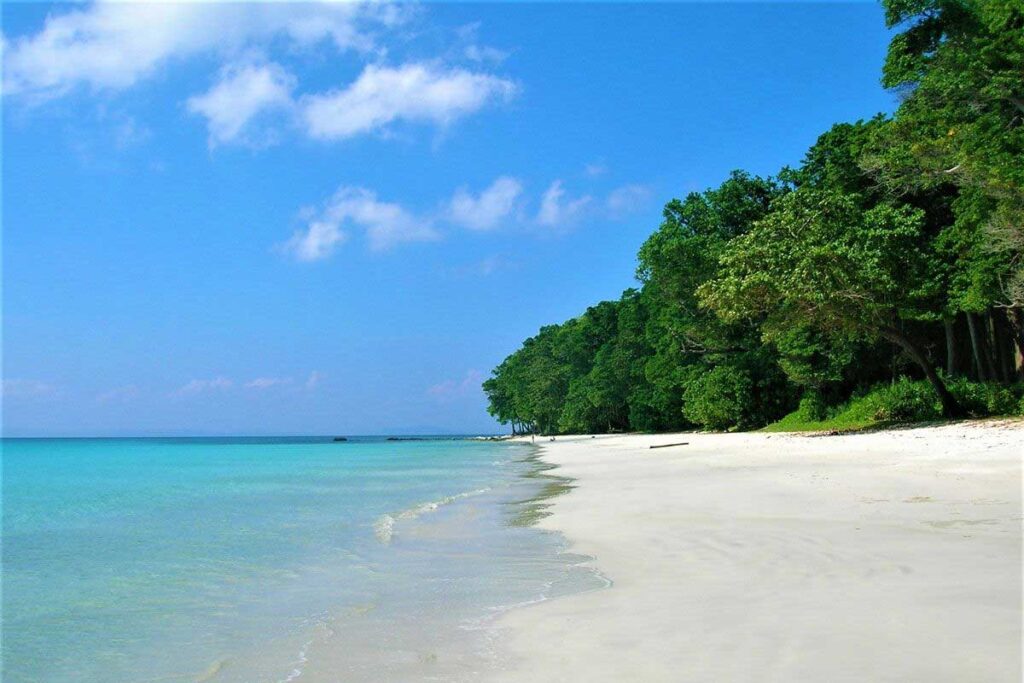
Radhanagar Beach, located on the western coast of Havelock Island (Swaraj Dweep), is widely considered the crown jewel of Andaman’s tourism and was once voted the “Best Beach in Asia” by Time Magazine. Stretching across a vast expanse of two kilometres, the beach is famous for its breathtaking contrast of powdery, sugar-white sands against the deep turquoise waters of the Bay of Bengal. What makes Radhanagar truly special is its raw, natural beauty; it is fringed by a thick canopy of lush indigenous Mahua trees rather than commercial skyscrapers, providing a sense of serene isolation. The sea here is calm with gentle waves and a very gradual slope, making it perfectly safe for swimming. As evening approaches, the beach becomes a prime spot for sunset photography, as the sky transforms into a vibrant palette of orange and purple, reflecting off the pristine shoreline to create a truly mesmerizing landscape.
3. Havelock Island
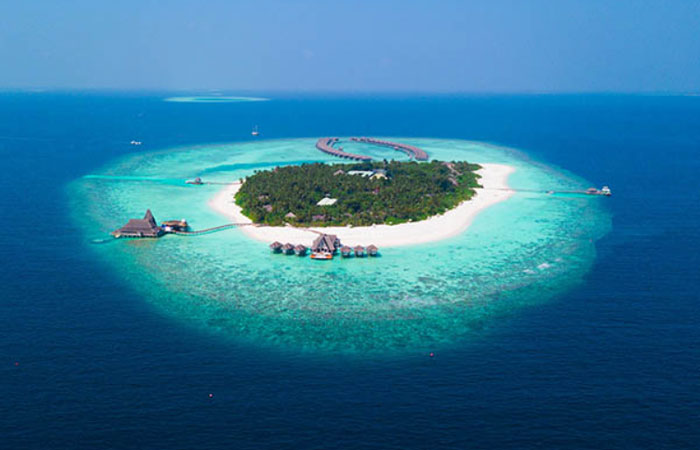
Havelock Island, officially renamed Swaraj Dweep, is the most popular and vibrant island in the Andaman archipelago, celebrated for its world-class beaches and premier diving sites. Located about 70 kilometres from Port Blair, the island is a paradise for nature lovers and adventure seekers alike, offering a diverse landscape that ranges from the tranquil, sunset-viewing shores of Radhanagar Beach to the turquoise, coral-rich waters of Elephant Beach. Havelock is widely regarded as the scuba diving capital of India, with a variety of dive sites like “The Wall” and “Johnny’s Gorge” that cater to both beginners and professional divers. The island’s atmosphere is a unique blend of high-end luxury resorts and laid-back traveler cafes, all tucked away under a thick canopy of tropical rainforest. Whether you are trekking through the jungle to find a hidden cove or exploring the underwater biodiversity, Havelock provides the quintessential tropical island experience with a perfect balance of comfort and raw adventure.
4. Mount Harriet And Madhuban
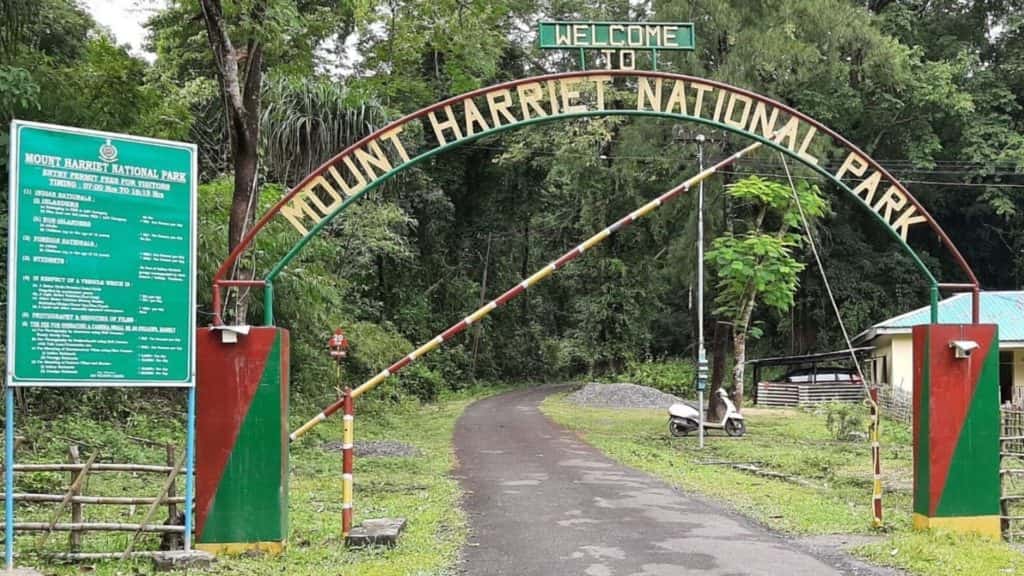
Mount Harriet, recently renamed Mount Manipur, is the third-highest peak in the Andaman and Nicobar Islands and serves as a magnificent vantage point within a protected National Park. Historically significant for appearing on the back of the old Indian 20-rupee note, the peak offers a breathtaking panoramic view of the surrounding islands, including the iconic North Bay lighthouse. The journey from the foot of Mount Harriet to Madhuban is a legendary 16-kilometre jungle trek that is considered a paradise for nature enthusiasts and birdwatchers. This trail winds through dense, evergreen forests teeming with endemic wildlife, rare butterflies, and ancient trees. Madhuban was once used as a training ground for logging elephants, and today it remains a rugged, scenic area where the forest meets the sea, providing an adventurous escape for those looking to explore the wilder, terrestrial side of the archipelago.
5. Museum Circuit
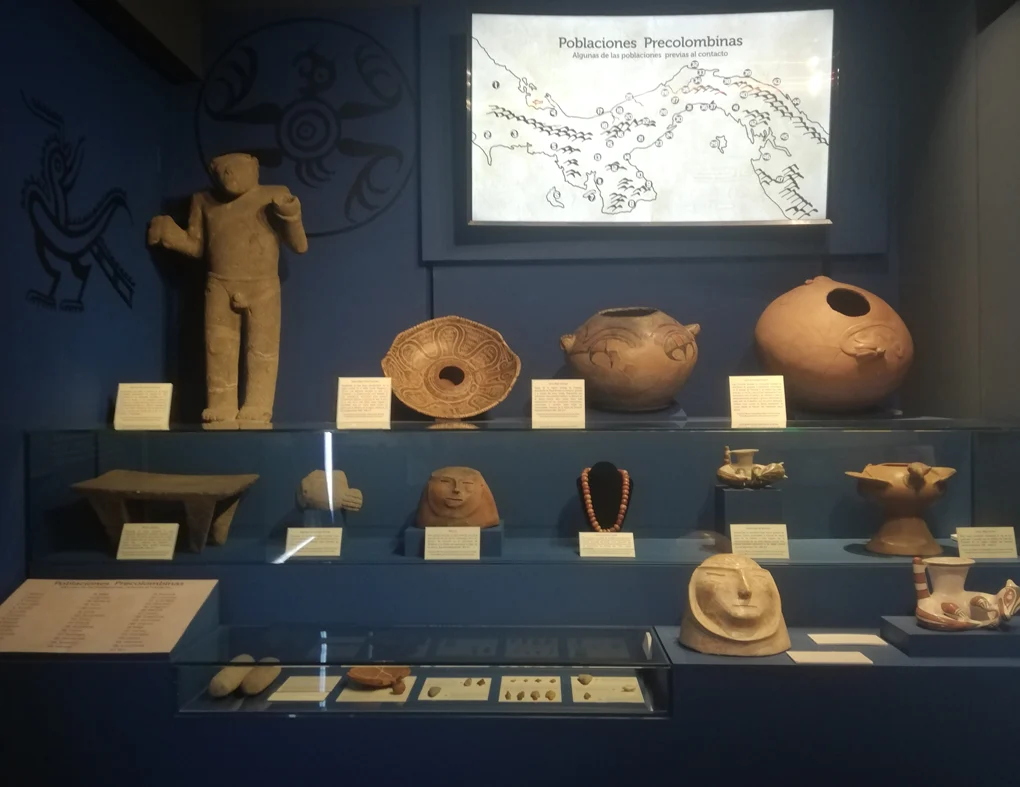
The Museum Circuit in Port Blair is a curated journey through the soul of the Andaman Islands, offering a deep dive into their tribal heritage, colonial past, and unique marine ecology. This circuit typically includes the Anthropological Museum, which showcases the fascinating lives and tools of the islands’ indigenous tribes like the Jarawas and Sentinelese, and the Samudrika Naval Marine Museum, which explains the islands’ volcanic origins and diverse aquatic life. Another key stop is the Fisheries Museum, home to over 350 species of marine life, including a massive whale skeleton. For those interested in the islands’ primary natural resource, the Chatham Saw Mill & Forest Museum provides a look at the history of timber processing in Asia. Together, these stops allow travelers to piece together the complex puzzle of the archipelago’s identity, making it a perfect rainy-day or educational activity that moves beyond the typical beach experience.
6. Rajiv Gandhi Water Sports Complex
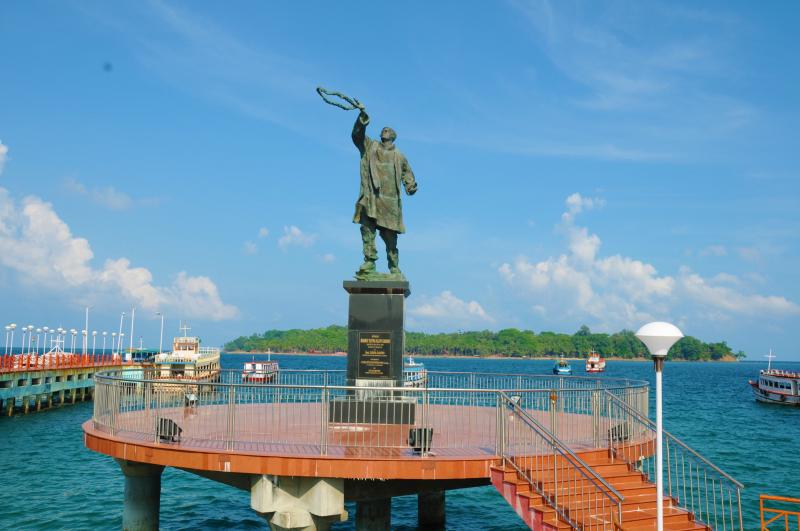
The Rajiv Gandhi Water Sports Complex, located in the heart of Port Blair near the Cellular Jail, is the premier hub for adventure and recreation in the Andaman Islands. This vibrant complex is divided into two distinct sections: one offering safe, family-friendly activities like pedal boating and rowing in a calm lagoon, and the other serving as the primary departure point for high-octane water sports. Adventure enthusiasts flock here for thrilling experiences such as jet skiing, parasailing, banana boat rides, and speed boat trips that zip across the open sea. Beyond the adrenaline, the complex serves as a critical transport node, where ferries depart for nearby historic sites like Ross Island and North Bay. As evening falls, the area transforms into a scenic promenade with beautiful views of the harbour, making it a perfect spot for locals and tourists to enjoy the sea breeze and the beautifully lit monuments nearby.
7. North Bay Beach
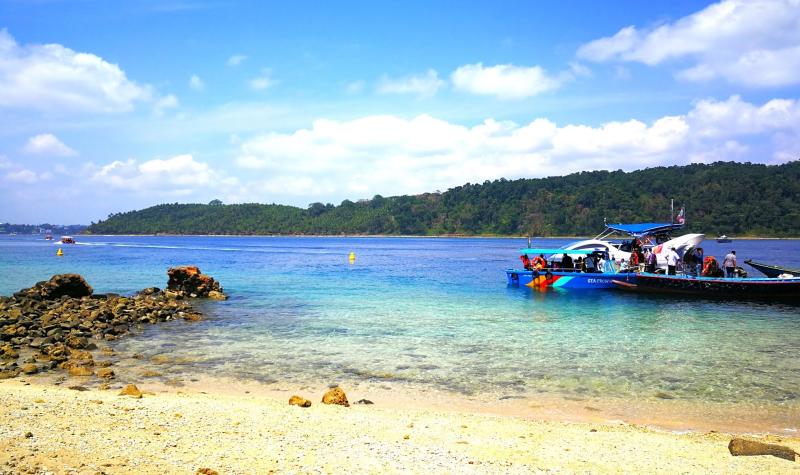
North Bay Beach, located just a short boat ride away from Port Blair, is most famous for its iconic lighthouse, which is famously depicted on the back of the old Indian 20-rupee note. Often referred to as “Coral Island,” this destination is a premier hub for underwater adventure due to its shallow, crystal-clear waters and sprawling coral gardens. Unlike the tranquil swimming beaches of Havelock, North Bay is high-energy and dedicated almost entirely to water sports; it is one of the few places in India where you can experience Sea Walking, an activity that allows you to walk on the ocean floor while wearing a specialized helmet. The beach is also a favorite for Scuba diving, snorkeling, and glass-bottom boat rides, providing non-swimmers with a front-row seat to the vibrant marine life and multi-colored coral colonies that thrive just off the shore.
8. Mahatma Gandhi Marine National Park

The Mahatma Gandhi Marine National Park, located in Wandoor about 29 kilometres from Port Blair, is a stunning sanctuary created to protect the region’s delicate marine life and nesting sea turtles. Spanning over 280 square kilometres, the park encompasses 15 lush islands, open sea, and intricate labyrinthine creeks. It is world-renowned for its rich biodiversity, featuring over 50 types of rare corals, including Fungia, Leptoseris, and massive Brain corals, which form a vibrant underwater garden. Two of the most famous islands within the park, Jolly Buoy and Red Skin, serve as the primary gateways for tourists to witness this ecosystem through glass-bottom boat rides, snorkeling, and scuba diving. The park is a strictly regulated “no-plastic” zone, ensuring that the crystalline waters and mangrove-fringed shores remain pristine for the schools of surgeonfish, butterflyfish, and the occasional saltwater crocodile that call this protected area home.
9. Diglipur
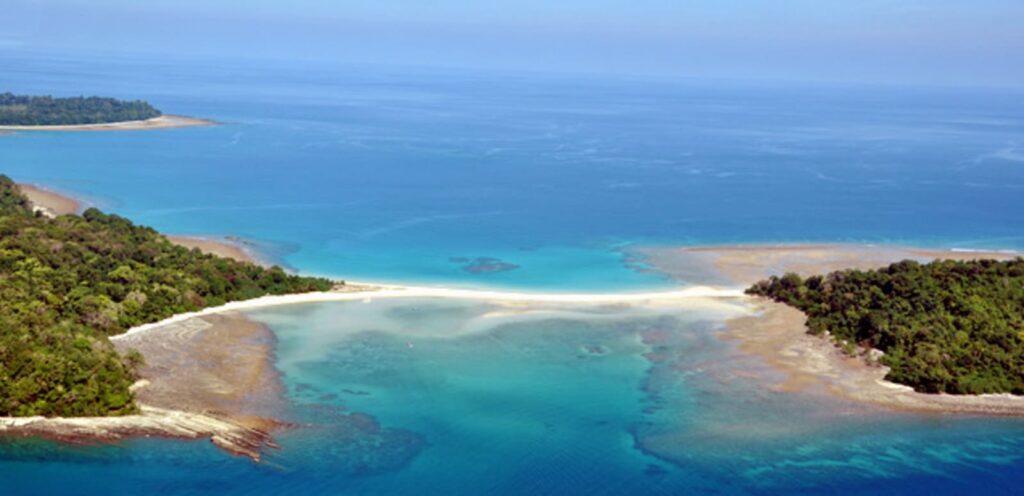
Diglipur, the largest town in North Andaman, is an offbeat paradise for travelers seeking raw nature and quiet adventure far from the commercial crowds of Port Blair. It is best known as the gateway to the breathtaking Ross & Smith Islands, two stunning landmasses connected by a natural white sandbar that emerges during low tide. The town is also home to the archipelago’s highest peak, Saddle Peak, which offers a challenging trek through lush evergreen rainforests with panoramic views of the Bay of Bengal. Beyond its heights and shores, Diglipur is unique for its agricultural beauty, featuring vast orange orchards and rice fields, as well as the mysterious Alfred Caves, a network of limestone caves that are home to fruit-eating bats. For wildlife enthusiasts, the nearby Kalipur Beach is a world-renowned nesting ground for four species of sea turtles, making Diglipur a diverse destination where mountains, caves, and marine life meet.
10. Chidiya Tapu

Chidiya Tapu, popularly known as the “Bird Island,” is a serene destination located at the southernmost tip of South Andaman, approximately 25 kilometres from Port Blair. As the name suggests, it is a haven for birdwatchers, home to numerous endemic and migratory species that fill the air with their calls against a backdrop of lush mangroves and dense evergreen forests. However, the island is most famous for its spectacular sunset views, where the sky turns into a canvas of fiery oranges and deep purples over the horizon of the Munda Pahar beach. The area is also known for its “Sunset Point” and a scenic trekking trail that leads to the Munda Pahar cliff, offering a breathtaking panoramic view of the expansive blue sea and the surrounding rocky islands.
11. Ross Island
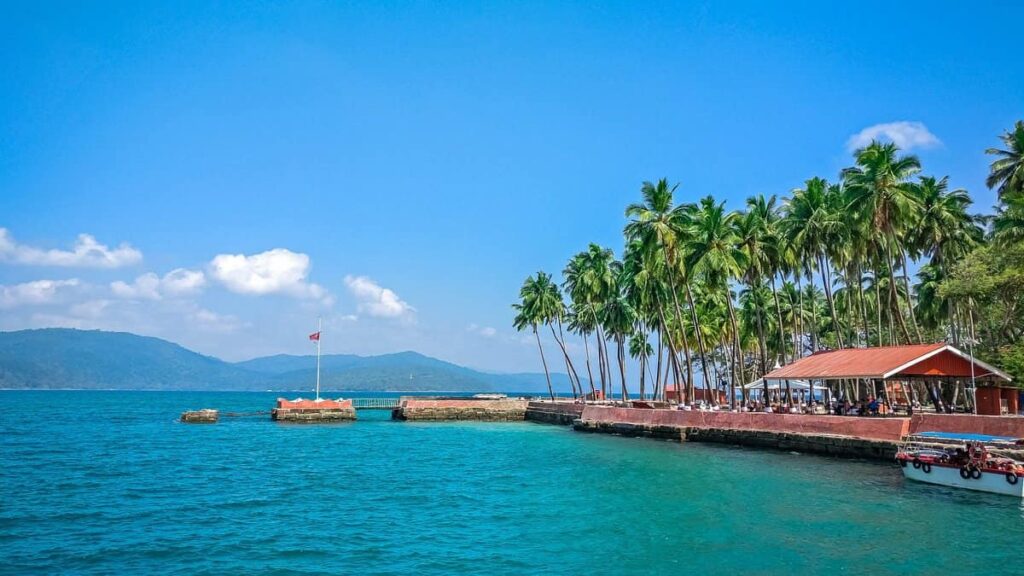
Ross Island, officially renamed Netaji Subhash Chandra Bose Dweep, is a fascinating historic site located just a short boat ride from Port Blair that serves as a haunting reminder of the British colonial era. Once known as the “Paris of the East,” it served as the administrative headquarters for the British in the Andamans until a massive earthquake in 1941 and the subsequent Japanese occupation led to its abandonment. Today, the island is a “ghost town” where the ruins of a grand ballroom, a printing press, a church, and a hospital are slowly being reclaimed by the giant roots of Peepal and Banyan trees, creating a surreal, tomb-raider-like atmosphere. Despite its grim history as the command centre for the nearby Cellular Jail, the island is now a peaceful sanctuary where friendly spotted deer and peacocks roam freely among the ruins, offering a unique blend of history, nature, and eerie architectural beauty.
12. Neil Island
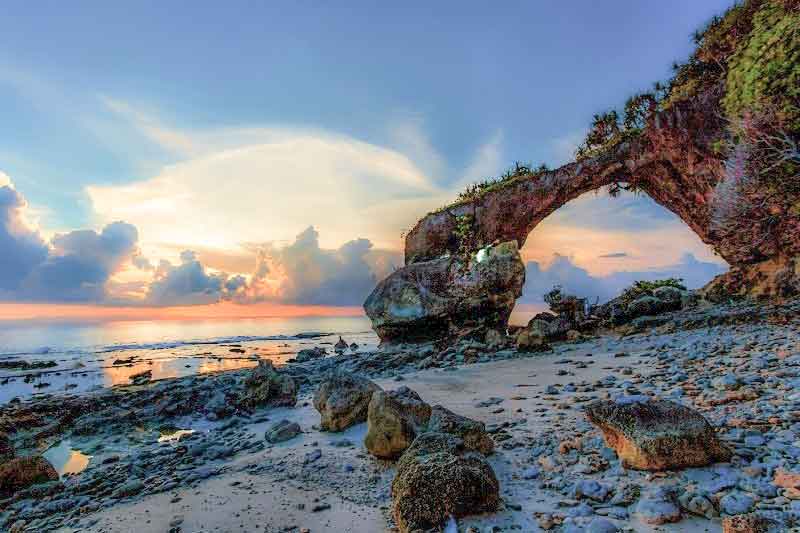
Neil Island, officially renamed Shaheed Dweep, is often described as the “vegetable bowl” of the Andamans due to its fertile soil and sprawling agricultural fields, but it is best known to travelers as a tranquil alternative to the busier Havelock Island. Characterised by its laid-back vibe and small geographical size, the island can be easily explored on a bicycle or scooty, winding through narrow lanes lined with coconut palms and tropical fruit trees. Neil is home to three iconic beaches named after characters from the Ramayana: Bharatpur Beach, famous for its vibrant coral reefs and water sports; Laxmanpur Beach, celebrated for its stunning sunset views and the natural “Howrah Bridge” rock formation; and Sitapur Beach, the premier spot for witnessing breathtaking sunrises. The island’s charm lies in its slow pace of life and its crystal-clear, shallow lagoons, making it an ideal destination for those seeking a peaceful retreat, authentic local culture, and world-class snorkeling in a more intimate setting.
13. Baratang Island
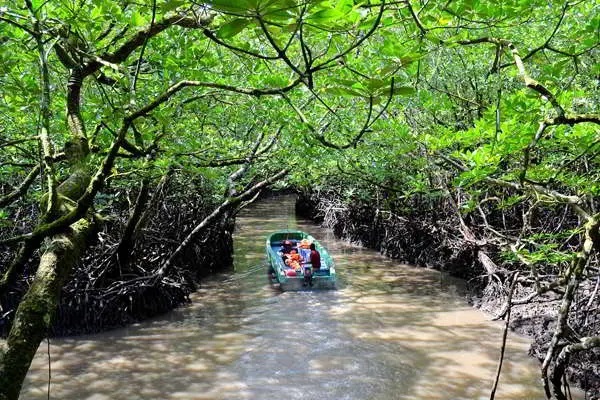
Baratang Island, located about 100 kilometres north of Port Blair, is a destination for true adventure seekers, famous for its unique geological wonders and dense mangrove ecosystems. The journey to the island is an experience in itself, as it involves traveling through the Jarawa Tribal Reserve, a protected tropical rainforest where you might catch a glimpse of one of the world’s most ancient and isolated tribes. The island’s primary attractions are the majestic Limestone Caves, which are reached via a thrilling speedboat ride through a narrow, canopy-covered mangrove creek followed by a short jungle trek. These caves feature stunning stalactite and stalagmite formations that have evolved over millions of years. Additionally, Baratang is home to the rare Mud Volcanoes, small bubbling craters that ooze cold mud due to underground natural gas pressure, and Parrot Island, where thousands of parrots return to nest every evening at sunset, creating a spectacular natural chorus.
14. Elephant Beach
Elephant Beach, located on the northwestern coast of Havelock Island (Swaraj Dweep), is the island’s premier destination for water sports and vibrant coral exploration. The beach earned its name from the elephants that were historically used to give rides to tourists along its shores, though today the focus has shifted entirely to its thriving marine ecosystem. The water here is uniquely shallow and exceptionally clear for a long distance, making it the best spot in the Andamans for snorkeling and Sea Walking, as even beginners can easily observe the massive “brain corals” and schools of colorful parrotfish just a few metres from the sand. The beach is accessible either by a scenic 20-minute speedboat ride from the Havelock jetty or via an adventurous 2-kilometre trek through a dense tropical jungle and mangrove forest, offering a perfect blend of land and sea adventure for nature lovers.
15. Barren Island
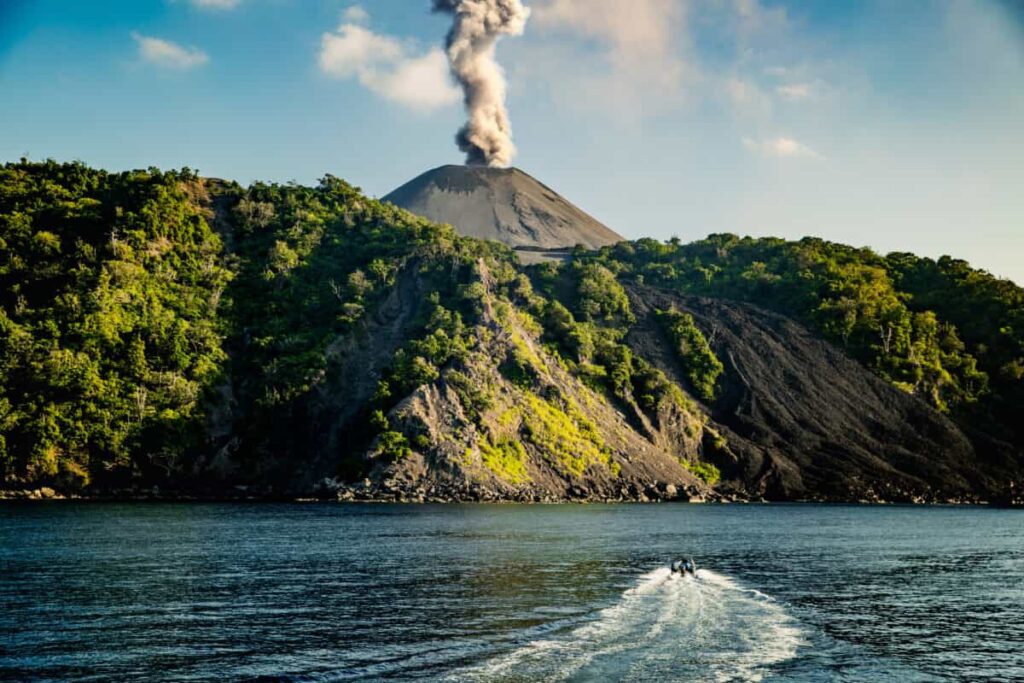
Barren Island is home to the only active volcano in South Asia, making it one of the most unique and awe-inspiring sights in the Andaman and Nicobar archipelago. Located about 135 kilometres northeast of Port Blair, the island is completely uninhabited by humans, dominated by a majestic volcanic cone that rises from the deep blue waters of the Andaman Sea. While landing on the island is strictly prohibited for safety reasons, visitors can witness its raw, primordial beauty from the deck of a chartered boat or a seaplane. The landscape is a stark contrast of charred black volcanic soil and resilient green patches of vegetation, with occasional plumes of smoke visible from the crater. The surrounding waters are a paradise for advanced scuba divers, featuring dramatic underwater drop-offs, crystal-clear visibility, and unique black-sand sea beds that host a vibrant array of marine life, including manta rays and reef sharks.
16. Vijaynagar Beach
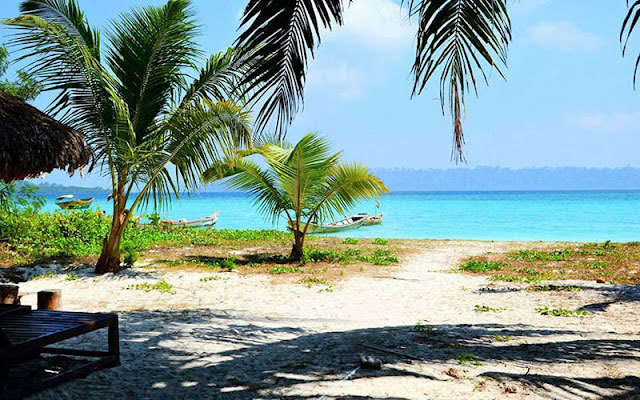
Vijaynagar Beach, also known as Beach No. 5, is a serene and expansive stretch of coastline on the eastern side of Havelock Island (Swaraj Dweep), celebrated for its tranquility and shallow, crystalline waters. Unlike the more famous Radhanagar Beach, Vijaynagar is known for being remarkably quiet, making it the perfect destination for those seeking a peaceful escape or a long, meditative walk along the shore. The beach is uniquely fringed by majestic, ancient Mahua trees, whose sprawling branches provide a natural canopy of shade over the white sands. Because the water here is exceptionally shallow and calm, it is not ideal for swimming during low tide, but it provides a stunning, mirror-like surface that reflects the sky, especially during the early morning hours. It is widely considered the best spot on the island to witness a mesmerizing sunrise, where the horizon turns into a palette of soft pinks and golds over the vast Andaman Sea.
17. Forest Museum
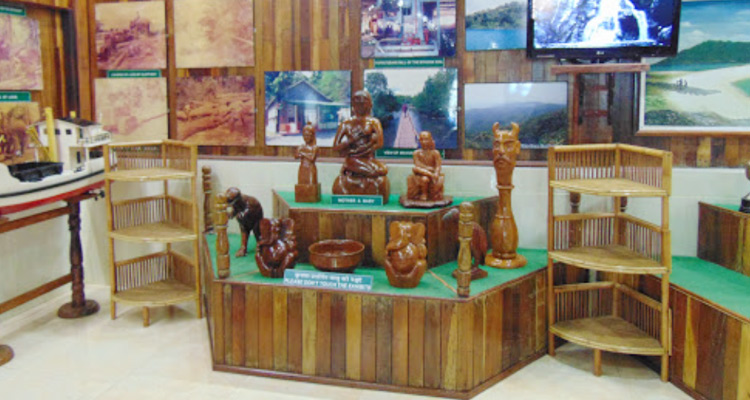
The Forest Museum, located within the historic Chatham Saw Mill complex in Port Blair, is a fascinating destination that highlights the rich botanical diversity and timber heritage of the Andaman and Nicobar Islands. Managed by the Department of Environment and Forests, the museum serves as an educational hub, displaying a wide variety of artifacts made from local woods like Padauk, Gurjan, and Satinwood. Visitors can admire intricate wood carvings, polished furniture, and detailed models that showcase the islands’ forest flora and fauna. One of its most impressive features is the collection of rare wooden decorative pieces and scales that demonstrate the strength and beauty of Andamanese timber. Beyond the exhibits, the museum provides deep insights into the history of the Chatham Saw Mill, which is one of the oldest and largest in Asia, making it a perfect stop for those interested in industrial history and environmental conservation.
18. Cinque Island

Cinque Island is a stunning, uninhabited gem in the South Andaman region, divided into North Cinque and South Cinque islands. These two landmasses are famously connected by a spectacular natural sandbar that creates a narrow bridge of white sand, allowing the turquoise waters of the Bay of Bengal to meet from both sides. Part of the Mahatma Gandhi Marine National Park, Cinque is considered one of the best spots in the world for professional diving and snorkeling due to its incredible underwater visibility, which often exceeds 25 metres. The island is surrounded by vibrant coral gardens, deep-sea drop-offs, and a wealth of marine life including black corals, sharks, and rays. Because it is a protected area with no human settlements or commercial infrastructure, it offers a “virgin island” experience that feels like stepping back into a world untouched by time.
19. Long Island
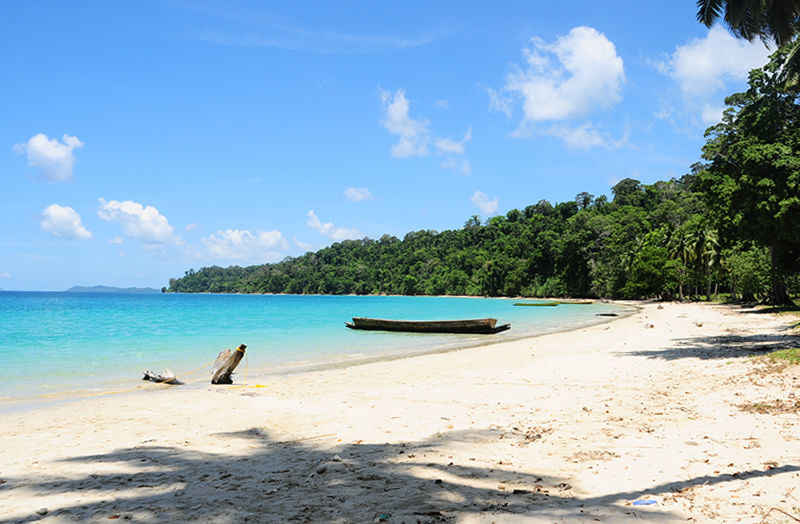
Long Island, situated in the Middle Andaman region, is a dream destination for offbeat travellers seeking an authentic “village-style” tropical escape far removed from the commercial pulse of Havelock. The island is unique because it has no wheeled transport; instead, it features a network of narrow, scenic footpaths that wind through quaint local settlements and dense evergreen forests. Long Island is the gateway to the stunning Lalaji Bay Beach, a secluded crescent of white sand accessible via a beautiful two-hour jungle trek or a short boat ride through mangrove-lined waters. The island serves as a perfect base for exploring nearby uninhabited gems like Guitar Island and North Passage Island. With its slow pace, friendly local community, and eco-friendly guesthouses, Long Island offers a rare opportunity to experience the raw, quiet beauty of the archipelago as it was decades ago.
20. Jolly Buoy Island
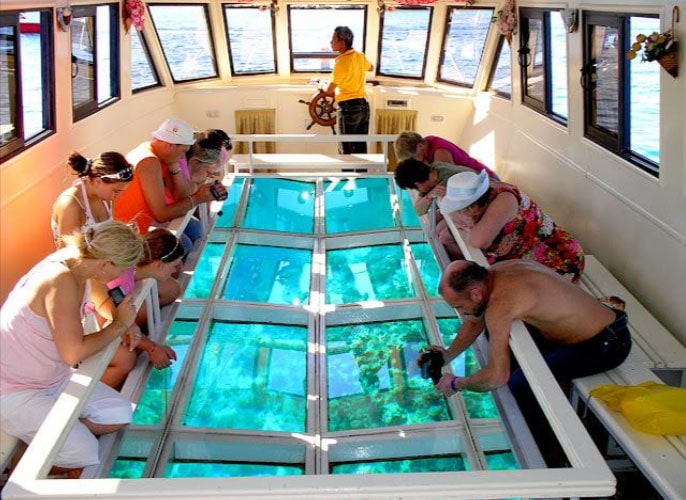
Jolly Buoy Island, located within the Mahatma Gandhi Marine National Park, is widely considered the best spot in the Andaman Islands for witnessing “living” coral reefs in their purest form. This uninhabited island is a strictly protected No-Plastic Zone, and its environmental preservation is so successful that the water clarity here is often compared to a swimming pool. The island is famous for its vast “underwater forests” of red, blue, and sponge corals, which can be explored through world-class snorkeling or glass-bottom boat rides for those who prefer to stay dry. Because it is part of a sensitive marine sanctuary, the island is only open to tourists for six months of the year (usually alternating with Red Skin Island) to allow the ecosystem to breathe and regenerate. With its blindingly white sand, deep turquoise waters, and a canopy of ancient trees, Jolly Buoy offers a raw, “Robinson Crusoe” experience that is both visually mesmerizing and ecologically inspiring.
21. Viper Island
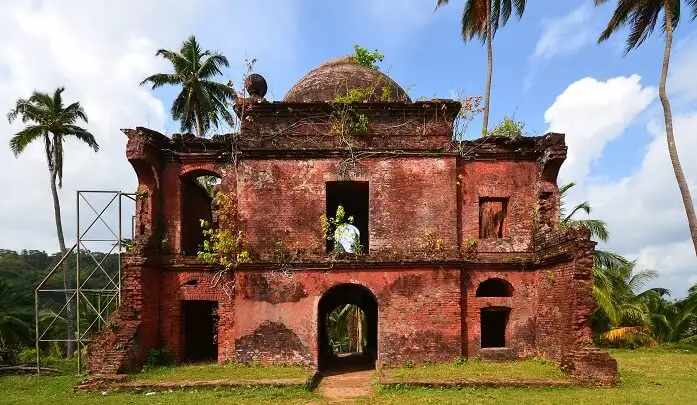
Viper Island, located near Port Blair, is a site of immense historical significance that predates the construction of the Cellular Jail. It served as the first British penal settlement in the Andaman Islands, where freedom fighters were exiled and subjected to extreme physical torture and hard labour. The island earned its name from the ship Viper, which reportedly ran aground here in the 18th century. Today, the most prominent landmark is the ruins of a two-storeyed brick gallows perched atop a hill, where several Indian revolutionaries were executed. Despite its dark past, the island is now a quiet and picturesque spot where the crumbling red-brick structures are being slowly overgrown by nature. A short boat ride from the Rajiv Gandhi Water Sports Complex brings you to this somber memorial, offering a reflective atmosphere paired with beautiful views of the surrounding harbour.
22. Samudrika Marine Museum
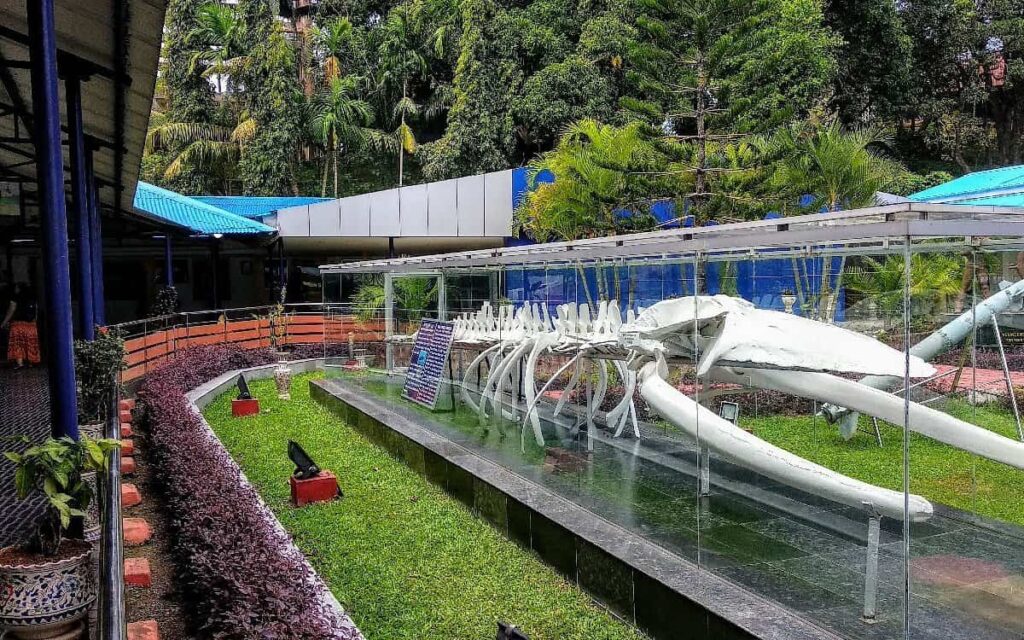
The Samudrika Naval Marine Museum, situated in Port Blair and managed by the Indian Navy, is an essential stop for anyone wanting to understand the complex ecosystem of the Andaman and Nicobar Islands. Designed to create awareness about oceanic life and environmental conservation, the museum is divided into five distinct sections covering tribal culture, geography, and marine biology. The most iconic feature is the massive skeleton of a Blue Whale displayed outside the entrance, which never fails to leave visitors in awe. Inside, you’ll find a vibrant “mini-aquarium” and galleries filled with rare sea shells, preserved fish species, and a diverse collection of corals ranging from staghorn to massive brain corals. It serves as a comprehensive educational hub, blending the islands’ volcanic history with a deep look at the indigenous tribes and the rich aquatic biodiversity that thrives in the surrounding Bay of Bengal.
23. Kala Pathar Beach

Kala Pathar Beach, located on the eastern tip of Havelock Island (Swaraj Dweep), is a stunning and somewhat mysterious stretch of coastline that derives its name from the abundance of black rocks (Kala Pathar) that dot the shoreline. This beach offers a dramatic visual contrast, where these dark, jagged volcanic rocks meet the brilliant, pale-turquoise waters and powdery white sands. Unlike the expansive swimming waters of Radhanagar, Kala Pathar is more secluded and narrow, fringed by a dense forest of towering silver-grey trees that have been uprooted by the sea, creating a hauntingly beautiful and “Instagrammable” landscape. The water here is exceptionally clear and shallow, but because of the rocky seabed, it is more popular for quiet relaxation, sunbathing, and photography than for heavy swimming.
24. Corbyn’s Cove Beach
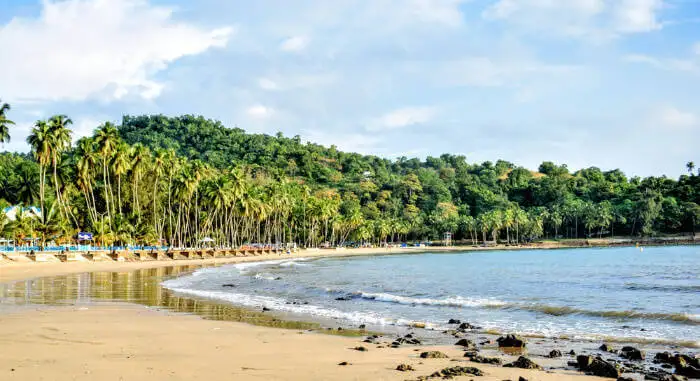
Corbyn’s Cove Beach is the closest and most popular beach to the main town of Port Blair, making it a favorite for both locals and tourists seeking a quick tropical escape. This crescent-shaped beach is characterized by its fringes of towering coconut palms and a pleasant promenade that offers stunning views of the vast blue sea. While it is more commercialized and bustling than the remote islands, it provides a lively atmosphere with several beachside shacks, cafes, and a vibrant water sports scene where visitors can enjoy jet skiing, speed boat rides, and parasailing. The water is generally calm and shallow, though the sand is slightly coarser and darker compared to Havelock. Its primary charm lies in its accessibility; it is the perfect spot for an evening stroll, a quick swim, or a relaxing sunset session without the need for a long ferry journey, all while being just a 15-minute drive from the city center.
25. Limestone Caves

The Limestone Caves on Baratang Island are a rare geological marvel and one of the most adventurous sights in the Andaman archipelago. These ancient sedimentary structures have been formed over millions of years through the slow accumulation of marine life, shells, and corals. The journey to the caves is as thrilling as the destination itself, involving a high-speed motorboat ride through a dense, labyrinthine network of mangrove forests where the trees form a natural green canopy over the water. Once you reach the jetty, a short trek through tropical foliage leads you into the cool, dark interiors of the caves. Inside, you can witness spectacular stalactites and stalagmites—giant, glistening stone “icicles” hanging from the ceiling and pillars rising from the floor—which continue to evolve as water drips through the porous limestone.
26. Mud Volcanoes
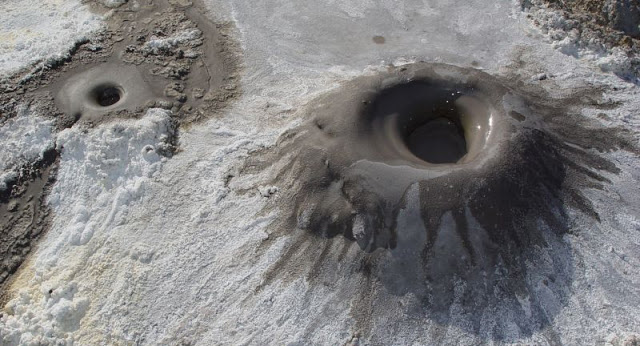
The Mud Volcanoes at Baratang Island (and also found near Diglipur) are one of the rarest geological phenomena in the world, representing the only known examples of such activity in South Asia. Unlike traditional volcanoes that erupt with molten lava, these are “cold” volcanoes created by the underground displacement of natural gases and decayed organic matter, which force a slurry of fine mud and water toward the surface. Visitors can witness small, bubbling craters or miniature mounds where greyish, semi-solid mud slowly oozes out, creating a prehistoric and somewhat surreal landscape in the middle of a dense tropical forest. While they may not be visually “explosive,” they are a fascinating indicator of the intense tectonic activity occurring beneath the Andaman Sea, making them a top priority for science enthusiasts and curious travelers alike.
27. Red Skin Island
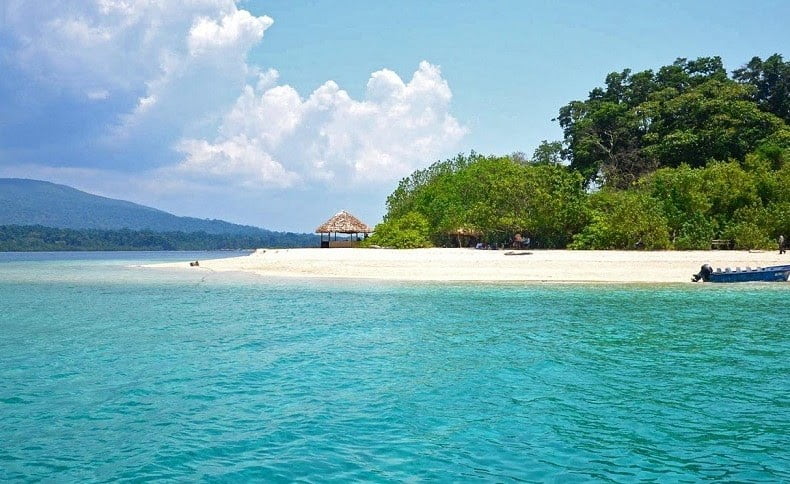
Red Skin Island, located within the Mahatma Gandhi Marine National Park, is a stunning uninhabited island celebrated for its vibrant coral reefs and unique red-coloured vegetation found along its coastline. It serves as an alternative to Jolly Buoy Island, typically opening to tourists when Jolly Buoy is closed for coral regeneration, ensuring that visitors have year-round access to the park’s marine wonders. The island is a paradise for snorkeling and glass-bottom boat rides, as its shallow, transparent waters host a massive variety of “living” corals and exotic fish species. Being a strictly protected No-Plastic Zone, the island maintains a pristine, raw environment where the white sandy beaches meet a dense forest of mangroves. The name “Red Skin” is derived from the reddish hue of the corals and the specific type of mangrove bark found here, providing a unique aesthetic that distinguishes it from other islands in the archipelago.
28. Ross & Smith Islands – For The Twin Island Sandbar
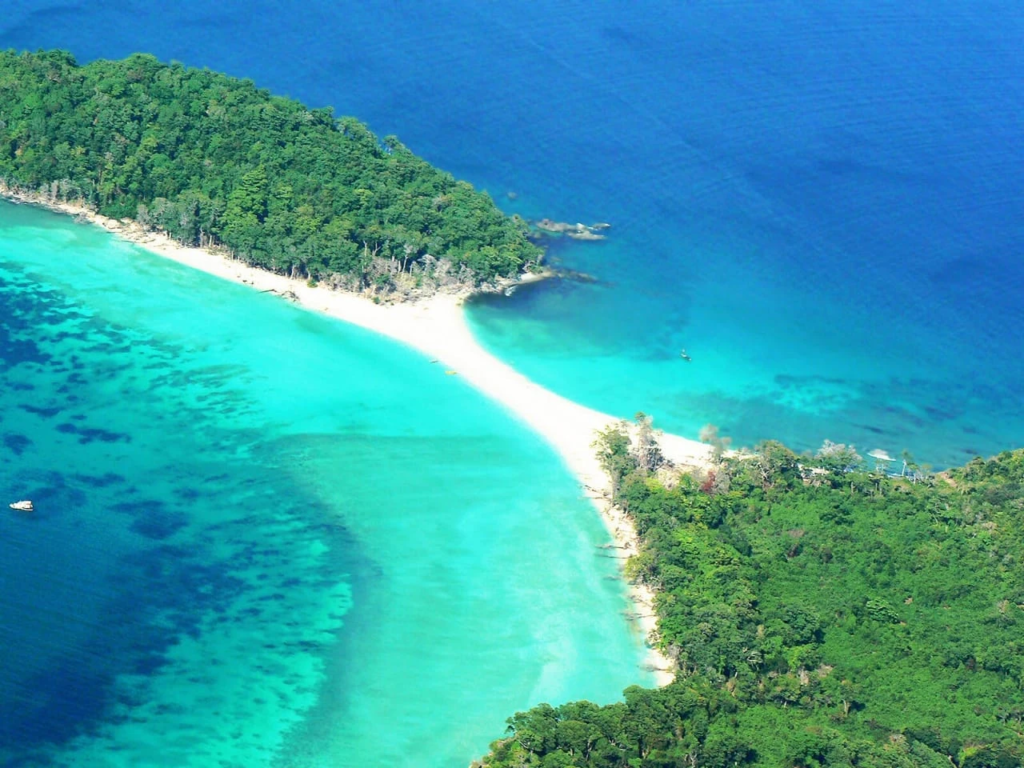
Ross & Smith Islands, located near Diglipur in North Andaman, are a breathtaking geographical wonder consisting of two distinct islands joined by a spectacular, narrow natural sandbar. Often referred to as the “Twin Islands,” they are famous for this shimmering bridge of powdery white sand that emerges during low tide, allowing you to literally walk from one island to the other through the ocean. The visual contrast is stunning, as the sandbar is flanked on both sides by crystal-clear waters in varying shades of turquoise and emerald. While Smith Island is larger and features a lush forest with a small village, Ross Island is smaller and more rugged, offering a “desert island” feel. Because of their remote location at the northern tip of the archipelago, these islands remain pristine and uncrowded, providing a serene environment for world-class swimming and snorkeling amidst vibrant coral reefs.
29. Saddle Peak National Park – For The Highest Point & Lush Treks
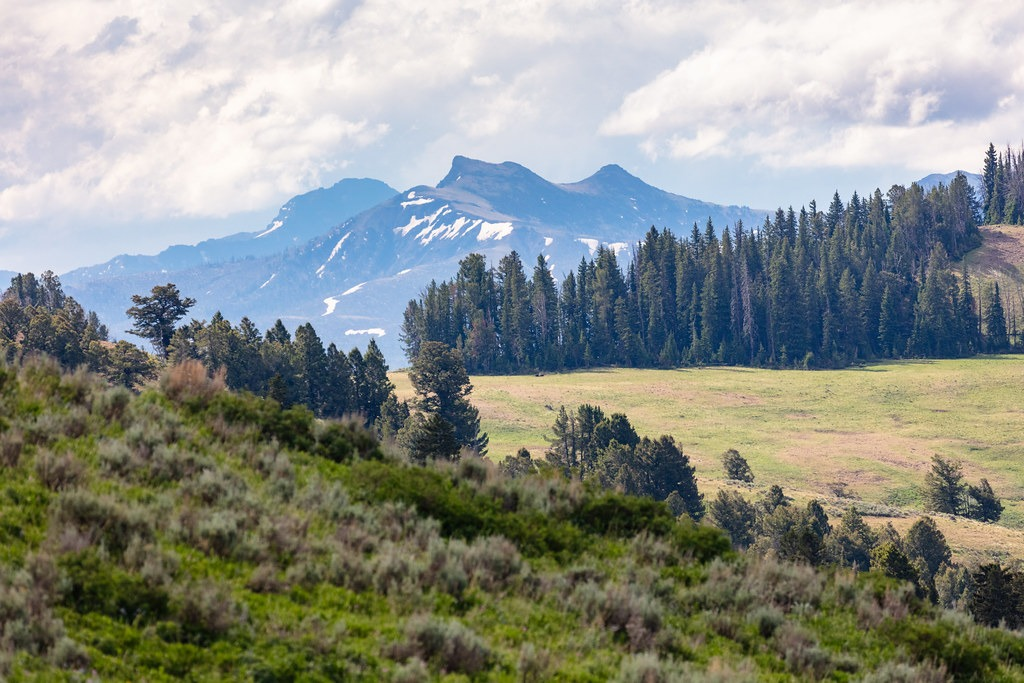
Saddle Peak National Park, located in North Andaman, is a premier destination for trekkers and nature lovers, housing the highest point in the entire Andaman and Nicobar archipelago at 732 metres above sea level. The park is a lush sanctuary of ancient, evergreen tropical rainforests, where the trek to the summit takes you through a dense canopy of giant trees and thick ferns that haven’t changed for centuries. Along the trail, hikers can enjoy the sight of the Kalpong River, the only perennial river in the islands, which adds a refreshing freshwater element to the tropical landscape. Reaching the peak offers a magnificent “bird’s-eye” view of the rugged coastline, the shimmering twin islands of Ross and Smith, and the endless expanse of the Bay of Bengal. It is a true wilderness experience where the air is filled with the calls of endemic birds like the Andaman Hill Myna and the Imperial Pigeon, making it a challenging yet deeply rewarding expedition for those who want to conquer the “Roof of the Andamans.” Kalpong River, the only perennial river in the islands, which adds a refreshing freshwater element to the tropical landscape. Reaching the peak offers a magnificent “bird’s-eye” view of the rugged coastline, the shimmering twin islands of Ross and Smith, and the endless expanse of the Bay of Bengal. It is a true wilderness experience where the air is filled with the calls of endemic birds like the Andaman Hill Myna and the Imperial Pigeon, making it a challenging yet deeply rewarding expedition for those who want to conquer the “Roof of the Andamans.”
30. Dhaninallah Mangrove Walkway – For India’s Longest Nature Trail
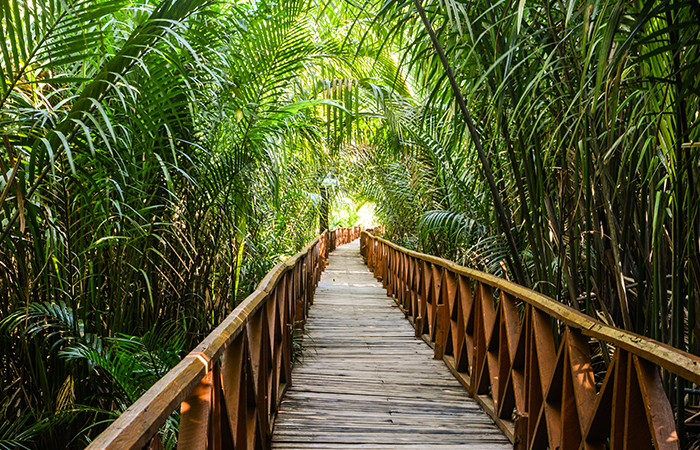
The Dhaninallah Mangrove Walkway, located near Rangat in Middle Andaman, is an ecological masterpiece featuring India’s longest wooden boardwalk, which stretches for over 700 metres through a dense and thriving mangrove creek. This elevated “nature trail” allows visitors to walk directly through the heart of a prehistoric-looking swamp without disturbing the delicate ecosystem below. As you stroll along the winding path, you are surrounded by a lush green canopy and the intricate, tangled root systems of various mangrove species that serve as vital nurseries for marine life. The walkway eventually opens up to the stunning and secluded Dhaninallah Beach, a serene stretch of coastline famous as a major nesting ground for sea turtles, particularly the Olive Ridley species. The entire experience offers a profound sense of tranquility, making it a must-visit for eco-travellers and photographers looking to capture the raw, untamed beauty of the Andaman’s coastal forests.