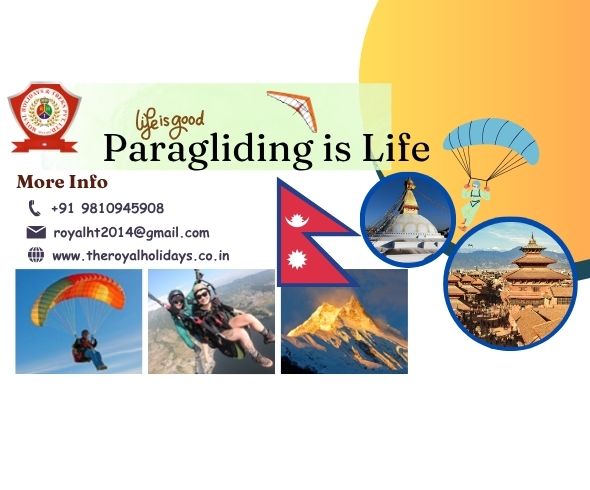

Paragliding in Nepal is often described as a life-changing experience, as it combines the exhilarating thrill of flight with some of the most spectacular scenery on Earth. As you launch from high vantage points like Sarangkot in Pokhara, you are greeted by breathtaking views of the Annapurna range—a panorama featuring colossal peaks such as Machhapuchhre (the Fishtail) and Dhaulagiri. Gliding effortlessly on steady thermal currents, you share the skies with Himalayan vultures and eagles, while gazing down upon the turquoise waters of Phewa Lake, terraced hillsides, and traditional villages nestled amidst the mountains. For many, the sentiment that “paragliding is life” stems from the profound sense of peace and freedom experienced while floating thousands of feet above the ground—an experience guided by the expert pilots of local operators such as Dragonfly Paragliding. Whether you are a first-time flyer embarking on a ‘tandem trip’ or an enthusiast pursuing a ‘certified course,’ this blend of adventure and serene natural beauty makes for an unforgettable highlight of any trip to Nepal.
Paragliding in Nepal is generally considered safe, particularly when undertaken through licensed and reputable companies that adhere to international safety standards. For beginners, ‘tandem paragliding’ is a highly secure option, as you are harnessed to a professional, certified pilot who manages all technical aspects—including the glider and the reserve parachute. Major hubs like Pokhara have established strict safety protocols; here, pilots—who often possess years of experience—provide comprehensive pre-flight briefings and conduct thorough equipment checks to ensure that every takeoff and landing proceeds smoothly and without incident. To ensure maximum safety, it is essential to fly during the most favorable season (typically from September to early June), when weather conditions are most stable; all professional operators avoid flying in strong winds or rain.
Most Famous and Attractive Tourist Places in Paragliding is Life :
1. Pokhara (Sarangkot)
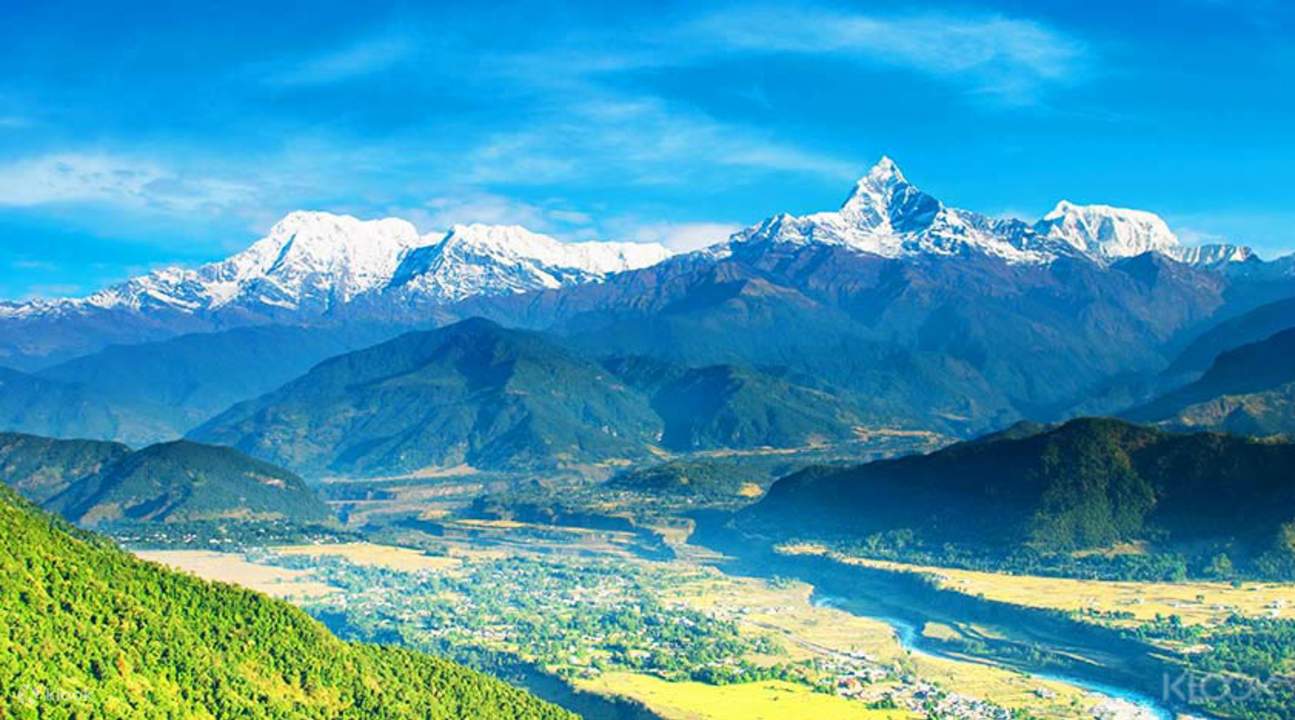
Sarangkot is a scenic hilltop located at an altitude of approximately 1,600 metres (5,250 feet) on the western side of Pokhara, and it is globally recognized as one of the best paragliding launch sites. The experience typically begins with a 30-to-45-minute drive from the lakeside hotels of Pokhara to the hilltop, where paragliders take off from a designated ridge. Once in the air, you are treated to a spectacular panoramic view of the Annapurna range, including iconic peaks like Machhapuchhre (Fishtail), Dhaulagiri, and Manaslu, as well as a bird’s-eye perspective of the entire Pokhara Valley and the tranquil Phewa Lake. The flight usually lasts about 20 to 30 minutes, during which you glide over terraced fields and traditional villages before making a smooth landing on the shores of the lake. Beyond paragliding, Sarangkot is also a premier destination for witnessing sunrise and sunset, when the first light of day turns the snow-capped Himalayan peaks into shades of gold and orange.
2. Bandipur

Bandipur is a charming ancient Newari mountain town located on a ridge above the Marsyangdi River valley, approximately midway between Kathmandu and Pokhara. Paragliding here offers a more peaceful and culturally immersive alternative to the busy skies of Pokhara. Flights typically launch from the surrounding ridges, allowing you to soar over well-preserved traditional villages, terraced farms, and lush green forests. From the air, you can enjoy an expansive 360-degree panorama of the central Himalayas, including the Dhaulagiri, Annapurna, Manaslu, and Langtang massifs. The experience is unique because it combines high-altitude thrill with the serene beauty of one of Nepal’s most beautiful heritage towns. Because it is less crowded, Bandipur is ideal for travelers who want a quiet, intimate flight with spectacular mountain views without the large groups of tourists often found at more popular sites.
3. Chapakharka (Near Kathmandu)

Chapakharka is a hidden gem for paragliding located at an altitude of approximately 2,100 metres in the Godavari area of the Lalitpur district, making it the closest and most convenient flight spot for those staying in Kathmandu. Unlike the bustling commercial atmosphere of Pokhara, Chapakharka offers a serene and lush green experience, where you take off from a high ridge surrounded by thick forests and botanical gardens. As you glide through the air, you are rewarded with a magnificent bird’s-eye view of the entire Kathmandu Valley and, on clear days, a stunning backdrop of the central Himalayan peaks including the Jugat and Langtang ranges. The area is particularly famous for its clean, fresh air and its proximity to the Phulchowki hill, providing a peaceful escape from the city’s noise while still being just a short drive from the capital. It is an excellent choice for adventure seekers who have limited time in Nepal but still want to experience the “Paragliding is Life” feeling.
4. Kot Danda (Kathmandu Valley)

Kot Danda is a beautiful hilltop located in the Lalitpur district of the Kathmandu Valley, serving as an increasingly popular spot for both tandem flights and paragliding training. Situated at an elevation that offers a perfect mix of consistent thermal winds and manageable terrain, it is often favored by beginners and those looking to practice their skills in a stable environment. When you take off from Kot Danda, you are treated to a unique perspective of the valley’s sprawling landscape, characterized by rolling green hills, traditional agricultural terraces, and the distant, bustling city floor. The site provides a fantastic backdrop of the northern Himalayan peaks on clear days, offering a sense of vastness and tranquility just a short distance from the urban center. Its accessibility and reliable weather conditions make it a top choice for travelers who want a quick but authentic paragliding adventure without traveling all the way to western Nepal.
5. Phulchowki

Phulchowki, standing at an impressive altitude of approximately 2,782 metres (9,127 feet), is the highest hill surrounding the Kathmandu Valley and offers one of the most exhilarating paragliding experiences in Nepal. Because of its significant height and the dense, lush forests covering its slopes, it is often considered a more advanced or adventurous spot compared to other valley sites. Taking off from near the summit—which is also famous for its botanical gardens and occasional winter snowfall—gliders soar high above the clouds to witness a truly massive Himalayan panorama that stretches from Annapurna in the west all the way to Mt. Everest in the east on exceptionally clear days. The flight path provides a breathtaking view of the deep green wilderness of the Phulchowki conservation area and the sprawling valley below. Due to the complex wind patterns and higher elevation, tandem flights here are usually organized by specialized operators for those seeking a longer, more dramatic “Paragliding is Life” experience far above the standard tourist trails.
Overview
Travel is the movement of people between relatively distant geographical locations, and can involve travel by foot, bicycle, automobile, train, boat, bus, airplane, or other means, with or without luggage, and can be one way or round trip. Travel can also include relatively short stays between successive movements.
The origin of the word “travel” is most likely lost to history. The term “travel” may originate from the Old French word travail, which means ‘work’. According to the Merriam Webster dictionary, the first known use of the word travel was in the 14th century.
It also states that the word comes from Middle English travailen, travelen (which means to torment, labor, strive, journey) and earlier from Old French travailler (which means to work strenuously, toil). In English we still occasionally use the words “travail”, which means struggle. According to Simon Winchester in his book The Best Travelers’ Tales (2004), the words “travel” and “travail” both share an even more ancient root: a Roman instrument of torture called the tripalium (in Latin it means “three stakes”, as in to impale).