


The Tilicho Lake Trek is a renowned mountain adventure that takes you to one of the world’s highest lakes, situated at an altitude of 4,919 meters in Nepal’s Manang district. Often undertaken as a spectacular alternative route to the classic Annapurna Circuit, this journey begins with a drive to Besisahar or Chame, followed by trekking through diverse landscapes ranging from lush subtropical forests to arid alpine deserts. Its main attraction is the lake itself—a mesmerizing expanse of turquoise glacial water encircled by the snowy walls of Tilicho Peak and the Nilgiri mountains. Beyond its natural beauty, the lake holds deep spiritual significance; Hindus revere it as the ancient Kak Bhusundi Lake described in the *Ramayana*, while Buddhists regard it as a site for profound meditation. Although the trek is physically demanding and involves navigating steep, landslide-prone sections near Tilicho Base Camp, the reward is an experience of ultimate serenity and some of the most magnificent mountain vistas in the Himalayas.
Another critical aspect is the “Landslide Zone” situated between Shree Kharka and Tilicho Base Camp; this section features narrow, steep trails traversing sloping rock faces, where trekkers must remain extremely vigilant regarding falling rocks and tread with caution. Although the route is well-marked and dotted with local teahouses, weather conditions can change rapidly; therefore, it is advisable to undertake the trek during the peak seasons of spring (March–May) or autumn (September–November), when the weather tends to be stable. By hiring an experienced guide, staying well-hydrated, and respecting the technical nature of the terrain, you can safely experience the stunning turquoise waters and glacial peaks of one of the world’s highest lakes.
Most Famous and Attractive Tourist Places in Tilicho lake Trek :
1. Manang Village

Manang Village, situated at an elevation of 3,540 metres (11,614 feet) in the broad valley of the Marsyangdi River, is the essential cultural and logistical heart of the Annapurna region. It serves as the primary acclimatisation hub for trekkers heading toward Tilicho Lake or the Thorong La Pass, where staying for a few nights is critical to allow the body to adjust to the thinning air. The village is a beautiful blend of traditional flat-roofed stone houses and modern comforts, offering everything from ancient Buddhist monasteries and prayer wheels to cozy bakeries and small “mountain cinemas” that screen documentaries. From the village streets, you have breathtaking, front-row views of the Gangapurna Glacier and the towering peaks of Annapurna II, III, and IV. Manang is not just a rest stop; it is a vibrant community where you can witness the unique culture of the Manangi people, explore nearby glacial lakes, and experience the transition from lush greenery to the high-altitude, arid landscape of the “Himalayan Rain Shadow.”
2. Thorong La Pass
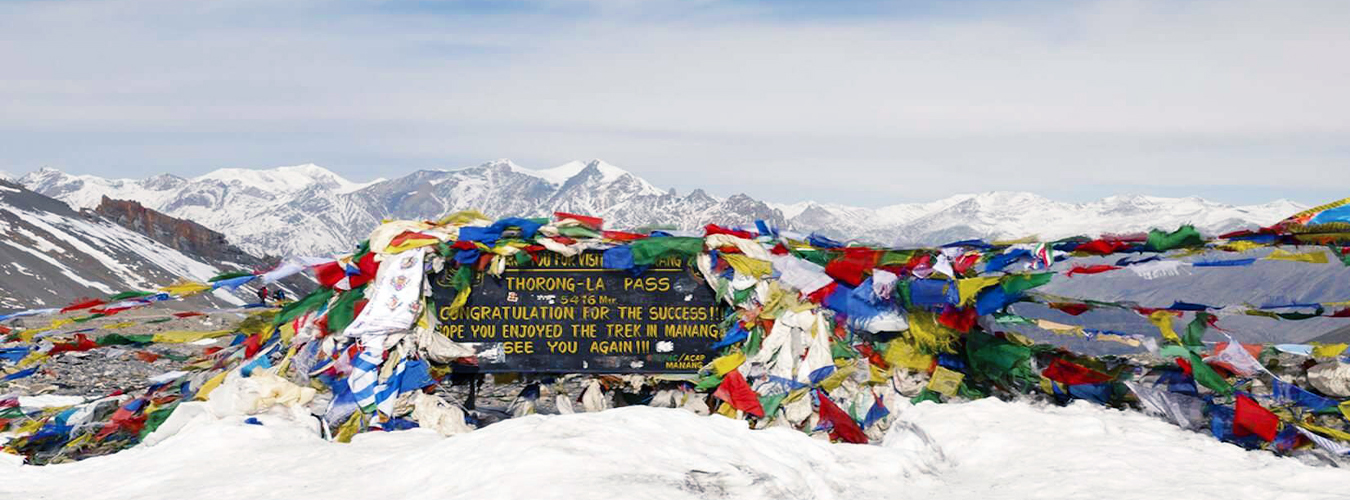
The Thorong La Pass is the highest and most formidable point of the Annapurna Circuit, standing at a staggering altitude of 5,416 metres (17,769 feet). Connecting the Manang Valley to the west and the Mustang region to the east, it is one of the highest trekking passes in the world and represents the ultimate physical challenge for most hikers in Nepal. The ascent usually begins long before dawn from high-altitude camps like Thorong Phedi or High Camp, requiring trekkers to navigate steep, icy trails under the light of headlamps in sub-zero temperatures. Upon reaching the summit—marked by a colourful sea of fluttering Buddhist prayer flags and a small tea shack—you are rewarded with an extraordinary 360-degree panorama that includes the Annapurna massifs, Dhaulagiri, and the desert-like hills of Upper Mustang. Crossing the pass is often described as a life-defining moment of triumph, though it requires immense stamina, proper acclimatisation, and careful attention to weather conditions to ensure a safe descent into the sacred valley of Muktinath.
3. Muktinath Temple
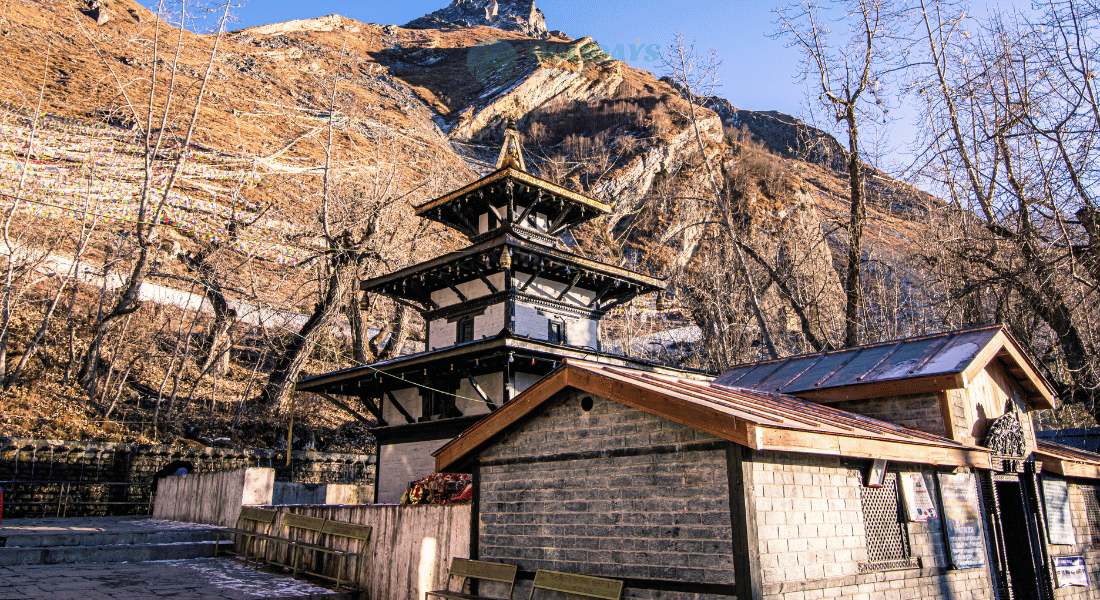
Muktinath Temple, situated at an altitude of 3,710 metres at the base of the Thorong La pass, is a world-renowned pilgrimage site that serves as a profound symbol of religious harmony between Hindus and Buddhists. For Hindus, it is known as Mukti Kshetra, or the “place of salvation,” and is one of the most sacred temples dedicated to Lord Vishnu, where devotees believe a visit can cleanse them of all sins and break the cycle of rebirth. The complex is most famous for its 108 brass water spouts arranged in a semi-circle, through which ice-cold mountain water flows; pilgrims traditionally run under these spouts to achieve spiritual purification. Additionally, the site houses the Jwala Mai Temple, where an eternal flame burns naturally from a gas seep beneath a stream of water, representing the miraculous union of earth, fire, and water. Set against the backdrop of the towering Dhaulagiri range, the temple’s serene atmosphere and historical importance make it a spiritual highlight for both trekkers descending from the high pass and devoted pilgrims from across the globe.
4. Braga Monastery (Bhraka)

Braga Monastery (also known as Bhraka Gompa) is one of the oldest and most culturally significant Buddhist landmarks in the Annapurna region, perched dramatically on a cliffside overlooking the village of Braga at an altitude of approximately 3,450 metres. Believed to be over 500 years old, this ancient monastery belongs to the Kargyupa sect of Tibetan Buddhism and is famous for its unique architecture, where the stone houses of the village are stacked directly below the temple walls. Inside its dimly lit, atmospheric halls, you will find a vast and rare collection of centuries-old Buddhist statues, intricate murals, and sacred Tibetan scrolls that have been meticulously preserved by the local community. The monastery offers a sense of profound peace and serves as a spiritual anchor for the Manang Valley; climbing the steep stairs to reach it not only provides a deep dive into Himalayan history but also rewards trekkers with a spectacular, elevated view of the Annapurna range and the sprawling valley floor below.
5. Gangapurna Lake
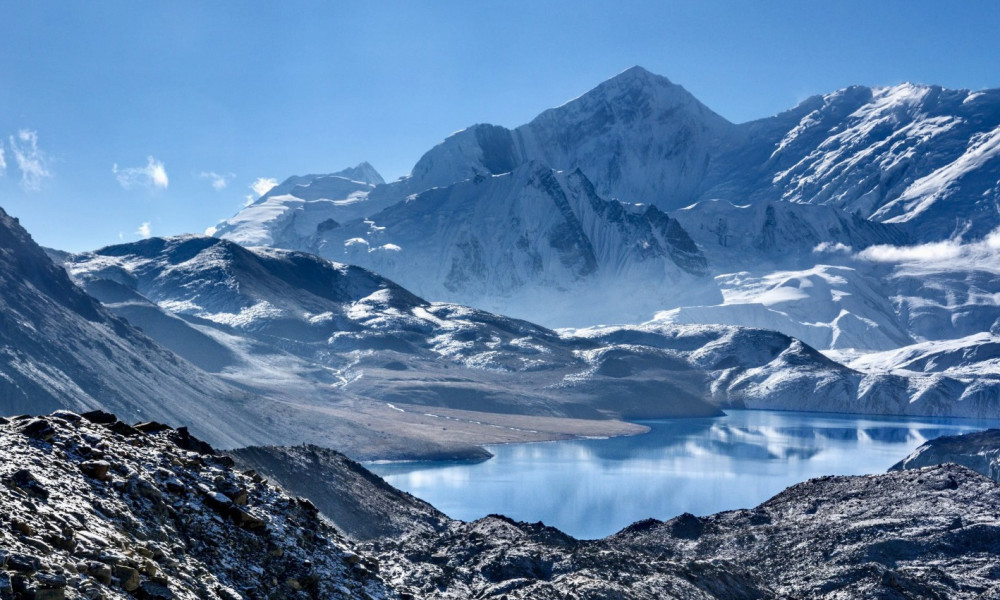
Gangapurna Lake is a stunning high-altitude glacial lake located at an elevation of approximately 3,540 metres, just a short and pleasant walk from the main village of Manang. The lake was formed naturally by the melting ice of the Gangapurna Glacier, which spills down the steep slopes of Mount Gangapurna and Annapurna IV, giving the water its iconic milky-white or deep turquoise hue depending on the season and sediment levels. For many trekkers, a hike to the lake or the viewpoint above it serves as an essential acclimatisation exercise, helping the body adjust to the altitude while providing one of the most picturesque vistas in the entire Annapurna region. From the lakeside, you can hear the distant rumbling of the glacier and witness the sheer power of the Himalayan landscape as the ice meets the water. It is a place of incredible serenity, offering a perfect spot for reflection and photography against the backdrop of some of the world’s highest and most majestic peaks.
Overview
Travel is the movement of people between relatively distant geographical locations, and can involve travel by foot, bicycle, automobile, train, boat, bus, airplane, or other means, with or without luggage, and can be one way or round trip. Travel can also include relatively short stays between successive movements.
The origin of the word “travel” is most likely lost to history. The term “travel” may originate from the Old French word travail, which means ‘work’. According to the Merriam Webster dictionary, the first known use of the word travel was in the 14th century.
It also states that the word comes from Middle English travailen, travelen (which means to torment, labor, strive, journey) and earlier from Old French travailler (which means to work strenuously, toil). In English we still occasionally use the words “travail”, which means struggle. According to Simon Winchester in his book The Best Travelers’ Tales (2004), the words “travel” and “travail” both share an even more ancient root: a Roman instrument of torture called the tripalium (in Latin it means “three stakes”, as in to impale).