


Nashik is a beautiful and historic city in Maharashtra, renowned as the “Wine Capital of India” and regarded as one of the most sacred pilgrimage sites for devotees. Situated on the banks of the holy Godavari River, the city is steeped in mythology; it is believed that Lord Rama resided here during his exile. Every 12 years, the city hosts the colossal Kumbh Mela, drawing millions of pilgrims who come to take a holy dip in the Ramkund. Surrounded by the Sahyadri Mountains, the city is blessed with excellent weather and offers magnificent trekking destinations such as Anjaneri and Harihar Fort. Whether you are a history enthusiast, seeking spiritual solace, or simply wish to relax by a dam and savor some wine—Nashik truly has something special to offer everyone.
Nashik serves as a robust pillar of Maharashtra’s economy, maintaining a delicate balance between three key sectors: agriculture, industry, and tourism. Renowned as the “Wine Capital of India,” the city accounts for approximately 80% of the country’s wine production; this not only generates substantial revenue but also provides economic stability to thousands of local grape farmers. It is also affectionately referred to as the “Garden of Maharashtra,” as it produces onions, tomatoes, and grapes on a massive scale—crops that are subsequently exported across the globe.
Nashik is widely regarded as one of the safest and most tourist-friendly cities in India. It exudes the tranquility and warmth of a small town while simultaneously offering all the conveniences of modern living—a unique blend that makes it an ideal destination for families, solo travelers, and international tourists alike. The locals here are generally very helpful and courteous—particularly in the vicinity of major religious sites such as Panchavati and Trimbakeshwar.
Most Famous And Attractive Tourist Places In Nashik :
1.Harihar Fort
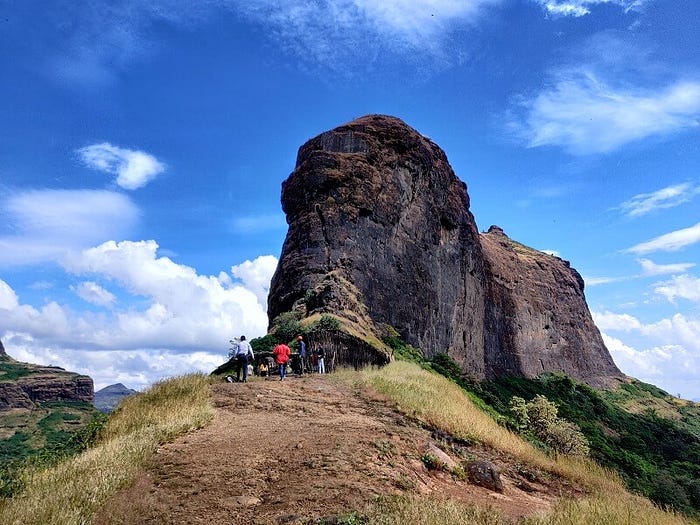
Harihar Fort, also known as Harshagad, is a historic hill fortress situated in the Trimbakeshwar range of the Sahyadris, approximately 40 km from Nashik. Built originally by the Seuna (Yadava) dynasty between the 9th and 14th centuries, the fort was strategically designed on a triangular prism of rock to monitor vital trade routes connecting the Deccan Plateau to the Konkan coast. It gained legendary status for its unique architectural feature: a series of roughly 117 rock-cut steps carved at a near-vertical 80-degree angle. These steps, reaching 60 metres high, include hand-cut notches for grip, a defensive masterstroke intended to force invaders to climb single-file under vulnerability. Upon conquering this adrenaline-pumping ascent, visitors reach a summit plateau at 3,676 feet where they find a small temple dedicated to Lord Hanuman and Lord Shiva, a fresh-water pond, and a storage house. The apex, known as the Balekilla, provides a breathtaking 360-degree panoramic view of the surrounding Sahyadri peaks, including the Anjaneri and Brahmagiri forts, as well as the Vaitarna reservoir.
2.Ramkund

Ramkund, situated in the heart of the Panchavati area, is the holiest bathing ghat in Nashik and a focal point of the city’s spiritual identity. Located on the banks of the Godavari River (often called the Dakshin Ganga), it is famously believed to be the spot where Lord Rama, along with Sita and Lakshmana, bathed daily during their 14-year exile. Beyond its mythological charm, Ramkund holds immense ritualistic importance as the Asthi Vilaya Tirtha (Bone Immersion Tank), where devotees immerse the ashes of the deceased—including notable figures like Mahatma Gandhi and Jawaharlal Nehru—believing the sacred waters grant salvation (moksha) to the soul. Architecturally, the ghat is a rectangular tank built in 1696 by Chitrarao Khatarkar and later restored by Gopikabai, the mother of the fourth Peshwa; it marks a unique point where the Godavari river makes a sharp 90-degree turn. Most significantly, Ramkund is the primary venue for the Simhastha Kumbh Mela every 12 years, attracting millions who believe a single dip in these charged waters during this celestial alignment washes away all sins.
3.Sula Vineyard
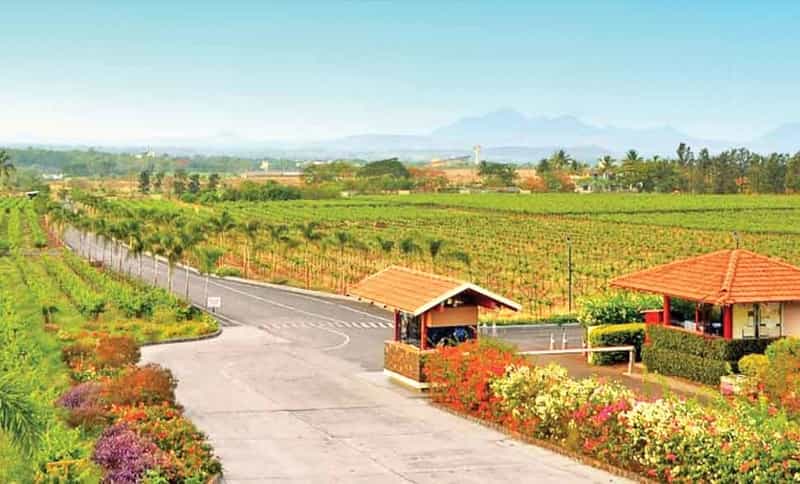
Sula Vineyards, established in 1999 by Rajeev Samant, is India’s flagship winery and the primary reason Nashik is celebrated as the “Wine Capital of India”. Spanning approximately 1,800 to 3,000 acres, it is a pioneer in Indian wine tourism, introducing iconic varietals like Sauvignon Blanc and Chenin Blanc to the domestic market. For visitors, the experience centers on professional winery tours and tasting sessions that guide guests through the fermentation rooms and barrel cellars, often concluding with a sampling of six different wines in a panoramic tasting room overlooking the Gangapur Dam. The estate is more than just a production facility; it is a lifestyle destination featuring two high-end restaurants, Rāsā (Indian cuisine) and Little Italy, as well as luxury stays like The Source at Sula and Beyond by Sula. Known for its commitment to sustainability, including solar power and rainwater harvesting, Sula also hosts the famous annual SulaFest, a gourmet music festival that draws thousands of music and wine lovers from across the globe.
4.Dudhsagar Falls, Nasik
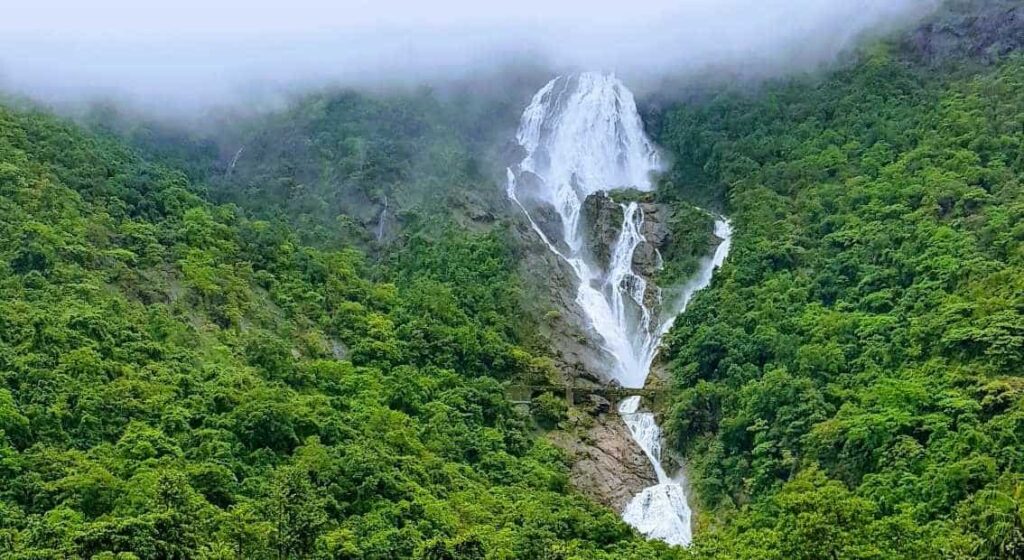
The Dudhsagar Falls in Nashik, more commonly known as Someshwar Waterfall, is a popular natural attraction located on the holy Godavari River. Situated approximately 9 km from the Nashik Central Bus Station and near the historic Someshwar Temple, it is often called the “Niagara of Nashik”. The waterfall earned its nickname “Dudhsagar,” which literally translates to “Ocean of Milk,” because the water turns a creamy, frothy white as it cascades over a 10-metre rocky drop. Unlike its massive namesake on the Goa-Karnataka border, this is a smaller, more accessible 10-meter cascade that serves as a favorite weekend picnic spot for families and youngsters. The area is especially breathtaking during the monsoon season (June to September), when the water flow is at its peak and the surrounding landscape is lush and green. Visitors can enjoy the scenic views from carved steps on the rocks that lead to the top, explore the nearby Balaji Temple, or take advantage of the boating facilities available near the Gangapur Dam backwaters just a short distance away.
5.Saptashrungi
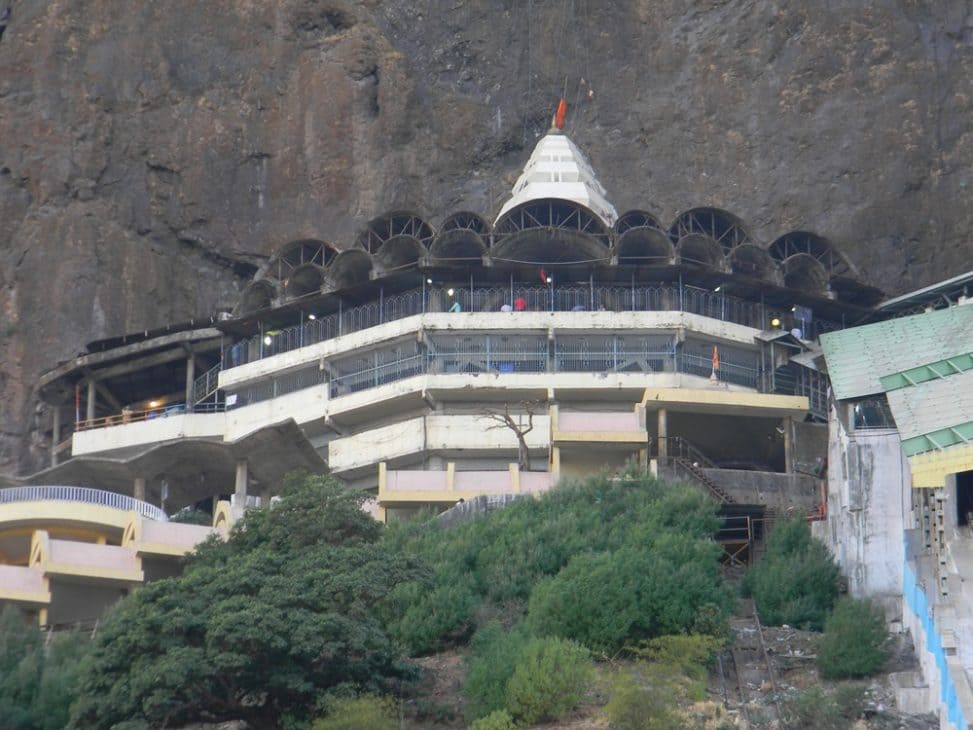
Saptashrungi, located approximately 60 km from Nashik near Vani, is a highly revered Hindu pilgrimage site dedicated to the goddess Saptashrungi Nivasini. Perched at an altitude of 1,230 metres on a cliff surrounded by seven distinct mountain peaks—from which it derives its name, meaning “seven peaks”—the temple is uniquely recognized as one of the three and a half Shakti Peethas of Maharashtra. It is specifically considered an Ardha (half) Shakti Peetha where the right arm of Goddess Sati is believed to have fallen. The temple’s centerpiece is a massive, eight-to-ten-foot-tall swayambhu (self-manifested) idol carved directly into the sheer rock face; the deity is depicted as Mahishasur Mardini with 18 arms holding various celestial weapons. Pilgrims can reach the shrine by climbing roughly 510 rock-cut steps or by using a modern funicular ropeway that offers a quick two-minute ascent with scenic views of the Sahyadri range. The site is deeply linked to the Markandeya Purana, as the sage Markandeya is said to have performed penance on a nearby hill while reciting the Durga Saptashati.
6.Trimbakeshwar Temple
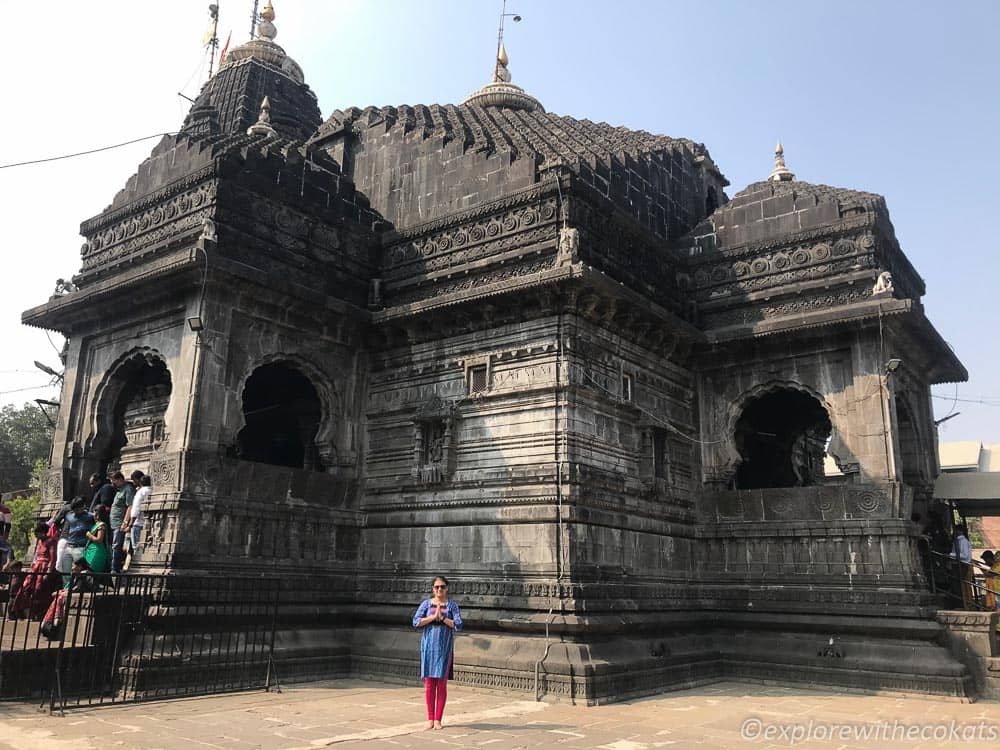
The Trimbakeshwar Shiva Temple, located 28 km from Nashik at the foothills of the Brahmagiri Hills, is one of the most sacred 12 Jyotirlingas in India and the source of the holy Godavari River. Its most extraordinary feature is the unique three-faced Jyotirlinga residing in a hollow space on the floor, which represents the Hindu Trinity: Brahma (the Creator), Vishnu (the Preserver), and Mahesh/Shiva (the Destroyer). The current black basalt stone structure was commissioned in the 18th century by Peshwa Balaji Baji Rao and is built in the traditional Hemadpanthi architectural style, featuring a high Shikhara (spire) and intricate stone carvings of deities and mythological motifs. The sanctum is also famous for a jewel-encrusted crown, believed to date back to the Pandava era, which is displayed to the public only on Mondays between 4:00 PM and 5:00 PM. As a major spiritual hub, the temple complex includes the Kushavarta Kund, a sacred pond where pilgrims take a holy dip, and it serves as the primary site for significant Vedic rituals such as Narayan Nagbali and the grand Kumbh Mela held every 12 years.
7.Pandavleni Caves
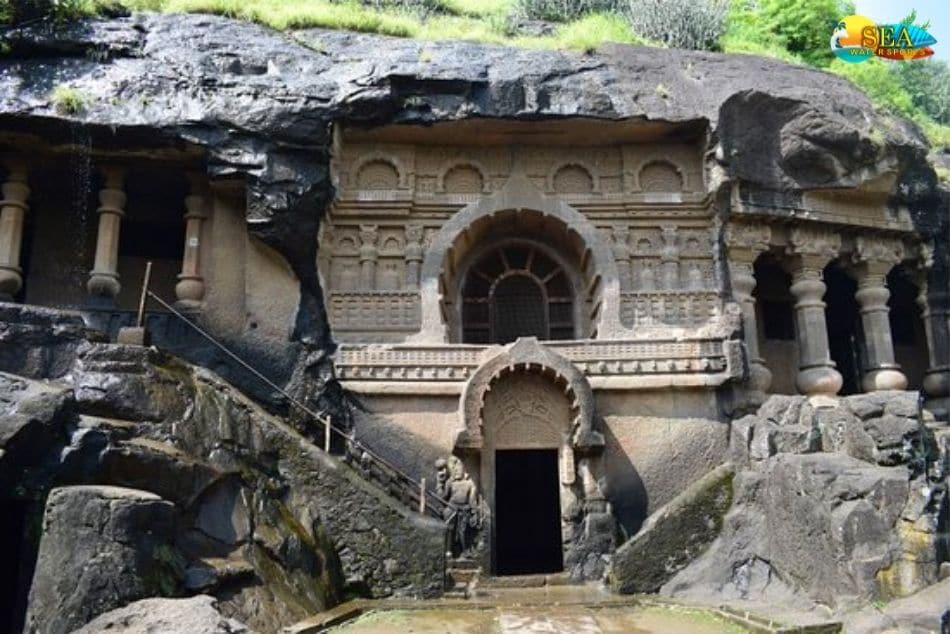
The Pandavleni Caves, also known as the Trirashmi Leni, are a group of 24 rock-cut caves dating back to the 1st century BC and 3rd century AD, making them some of the oldest Buddhist caves in Maharashtra. Located on the Trirashmi Hills about 8 km from Nashik, these caves were primarily built as Viharas (monasteries) for monks to reside and Chaityas (prayer halls) for worship. Despite the local name “Pandavleni,” the caves have no historical connection to the Pandavas of the Mahabharata; rather, they are masterpieces of Hinayana Buddhist architecture. The caves feature exquisite carvings, ornate pillars, and detailed inscriptions in Brahmi script that provide valuable insights into the political and social life of the Satavahana and Kshatrapa dynasties. Cave 3 and Cave 10 are particularly noteworthy for their grand structural design and intricate sculptures of the Buddha and Bodhisattvas. To reach the caves, visitors must undertake a relatively easy 20-minute uphill trek via a well-maintained stone stairway, which rewards them with a stunning panoramic view of the Nashik cityscape.
8.Anjaneri Hills
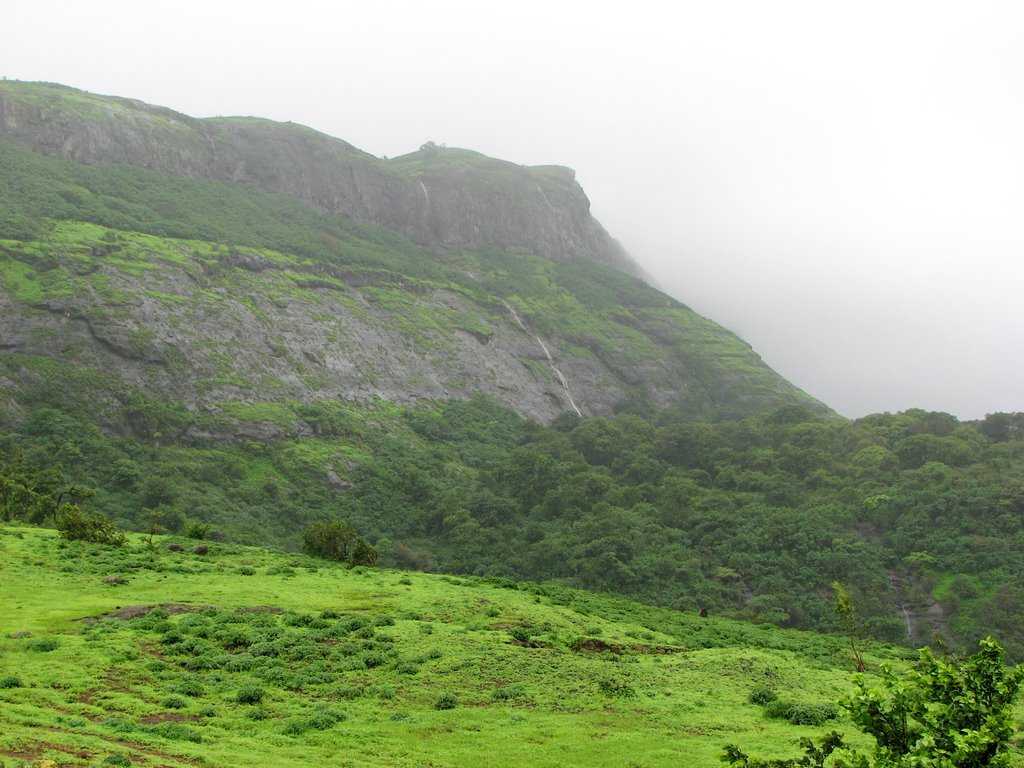
Anjaneri Hills, located about 20 km from Nashik on the Trimbakeshwar road, is a site of immense spiritual and natural significance, widely revered as the birthplace of Lord Hanuman. Named after his mother, Anjani Mata, the hill features a unique cave temple at its summit dedicated to her, housing a rare idol of Hanuman in his infant form. Historically, the area is dotted with ancient Jain temples and rock-cut carvings dating back to the 11th and 12th centuries, reflecting its long-standing religious importance. Beyond its spiritual roots, Anjaneri is a premier trekking destination in the Sahyadri range, standing at an altitude of approximately 4,264 feet. The trek involves a moderate climb through rocky patches and lush plateaus, eventually leading to a fascinating natural phenomenon—a lake shaped like a human footprint, which locals believe was created by Hanuman when he took his first leap toward the sun. During the monsoon, the hills transform into a verdant paradise with numerous seasonal waterfalls and a mysterious “reverse waterfall” effect caused by strong winds, offering breathtaking views of the Vaitarna dam and the surrounding Trimbak peaks.
9.Gangapur Dam
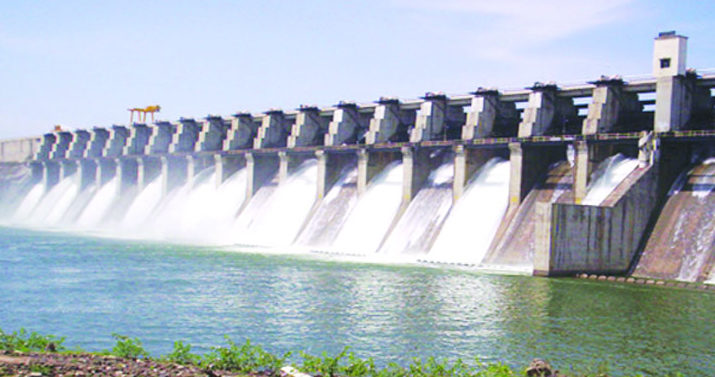
Gangapur Dam, constructed in 1954 on the Godavari River, holds the distinction of being Asia’s longest earth-fill dam. Located approximately 10 km from Nashik city, it serves as the primary source of drinking water and irrigation for the entire region. The dam is built using compacted layers of earth and clay rather than concrete, a significant engineering feat of its time. While the main dam wall is often restricted for security reasons, the massive backwaters have evolved into a major tourism hub, particularly with the introduction of the Nashik Boat Club (run by MTDC). Visitors can enjoy various water sports here, including powerboating, kayaking, and jet skiing, all while surrounded by the scenic Sahyadri mountain range. The area is also a haven for nature lovers and birdwatchers, as the reservoir attracts numerous migratory birds during the winter months. Its proximity to prominent vineyards like Sula and York makes it a perfect spot for a sunset visit, offering calm, picturesque views that contrast with the bustling city nearby.
10.Dugarwadi Waterfall
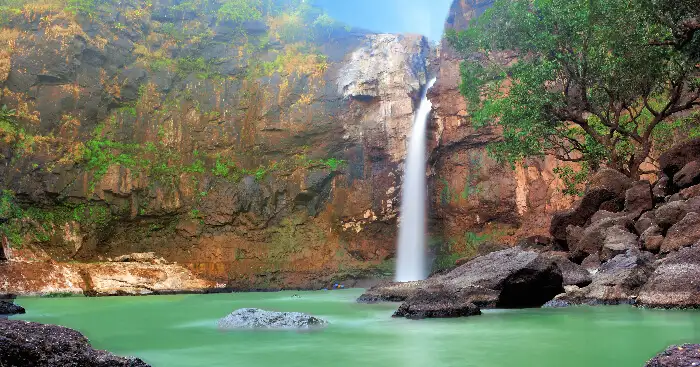
Dugarwadi Waterfall is one of Maharashtra’s best-kept natural secrets, located approximately 30 km from Nashik near Trimbakeshwar. Hidden deep within the lush green folds of the Sahyadri mountains, this spectacular cascade drops from a significant height into a rocky pool below, creating a misty, ethereal atmosphere that earns it a reputation as a “hidden paradise.” Unlike many tourist spots, Dugarwadi remains largely untouched and raw, offering a peaceful escape from city life. To reach the waterfall, visitors must park their vehicles near the main road and undertake a 2-km trek through dense forests and hilly terrain, which can be moderately challenging but highly rewarding for nature enthusiasts. The area is most vibrant during the monsoon season (June to September), when the water volume is at its peak and the entire valley is covered in a thick blanket of fog and greenery. However, visitors are advised to be extremely cautious as the rocks can be very slippery and the water currents surprisingly strong; it is generally recommended to visit in groups and return before sunset as the area is quite secluded and lacks commercial facilities.
11.Kalaram Temple
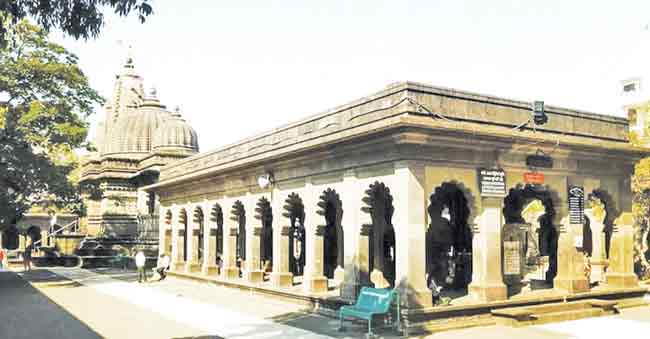
The Kalaram Temple, situated in the heart of the Panchavati area of Nashik, is one of the most significant and architecturally stunning Hindu shrines dedicated to Lord Rama. Built in 1782 by Sardar Rangarao Odhekar of the Peshwa dynasty, the temple is renowned for its unique 70-foot-tall structure constructed entirely from black basalt stones sourced from the Ramshej Hills. The temple derives its name from the idol of Lord Rama, which is carved from a single piece of jet-black stone (Kala meaning black), depicted alongside Sita and Lakshmana. Architecturally, it is a masterpiece of the Hemadpanthi style, featuring a grand gold-plated spire (Kalash) and 84 pillars that represent the 84 lakh cycles of birth in Hindu philosophy. Historically, the temple holds immense social importance as the site of the Kalaram Temple Satyagraha in 1930, a landmark civil rights movement led by Dr. B.R. Ambedkar to secure entry for Dalits into the temple. Today, it remains a vibrant spiritual hub, especially during the festival of Ram Navami, when thousands of devotees gather to witness the grand chariot procession and soak in the temple’s serene, ancient atmosphere.
12.Vallonne Vineyards

Vallonné Vineyards, established in 2009 by Shailendra Pai, is celebrated as India’s first boutique winery, distinguished by its focus on producing premium French-style wines in limited quantities. Nestled in the serene village of Kavnai in Igatpuri (about 45–50 km from Nashik city), the estate is positioned on the gentle slopes of the Sahyadri range and overlooks the tranquil waters of the Mukhne Dam. Unlike larger commercial vineyards, Vallonné emphasizes artisanal quality and innovation, notably producing unique offerings such as India’s only reserve Malbec and a rare Vin de Passerillage (dessert wine) made using traditional sundrying methods. The property offers a holistic wine tourism experience that includes informative winery tours—covering the plantation, barrel cellar, and bottling rooms—as well as wine-tasting sessions. Guests can also indulge in inspired South East Asian and Continental cuisine at the lake-facing restaurant, Yelloh! (formerly Malaka Spice), or enjoy a peaceful stay at their boutique four-room hotel, which features vintage-themed rooms designed for tranquility without televisions.
13.Muktidham
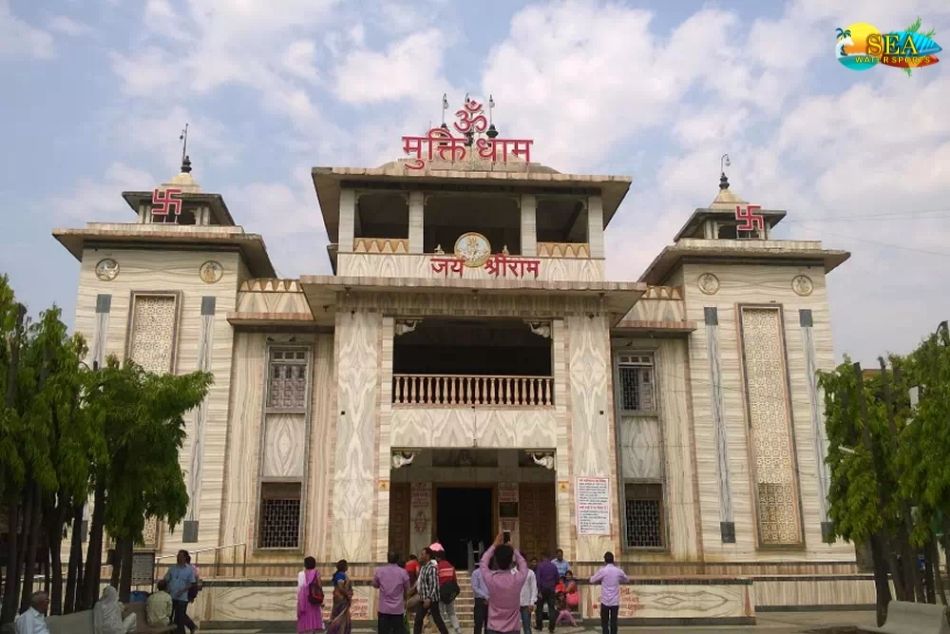
Muktidham is a magnificent temple complex located near the Nashik Road railway station, renowned for its stunning architecture and profound spiritual significance. Built in 1970 by the late philanthropist J.D. Chauhan-Bytco, the entire temple is constructed from pure white Makrana marble brought from Rajasthan, giving it a bright and serene appearance. What makes Muktidham unique is that it houses full-scale replicas of all 12 Jyotirlingas found across India, allowing devotees to offer prayers to all these sacred forms of Lord Shiva in one single location. The walls of the temple are uniquely inscribed with all 18 chapters of the Bhagavad Gita, meticulously carved into the marble to provide spiritual wisdom to visitors. The complex also features a grand central shrine dedicated to Lord Krishna and Radha, as well as idols of other major Hindu deities like Lord Rama, Sita, Hanuman, and Goddess Durga. Especially beautiful during the night when it is illuminated, Muktidham serves as a peaceful retreat for travelers and a major cultural landmark for the city of Nashik.
14.Vihigaon Waterfall
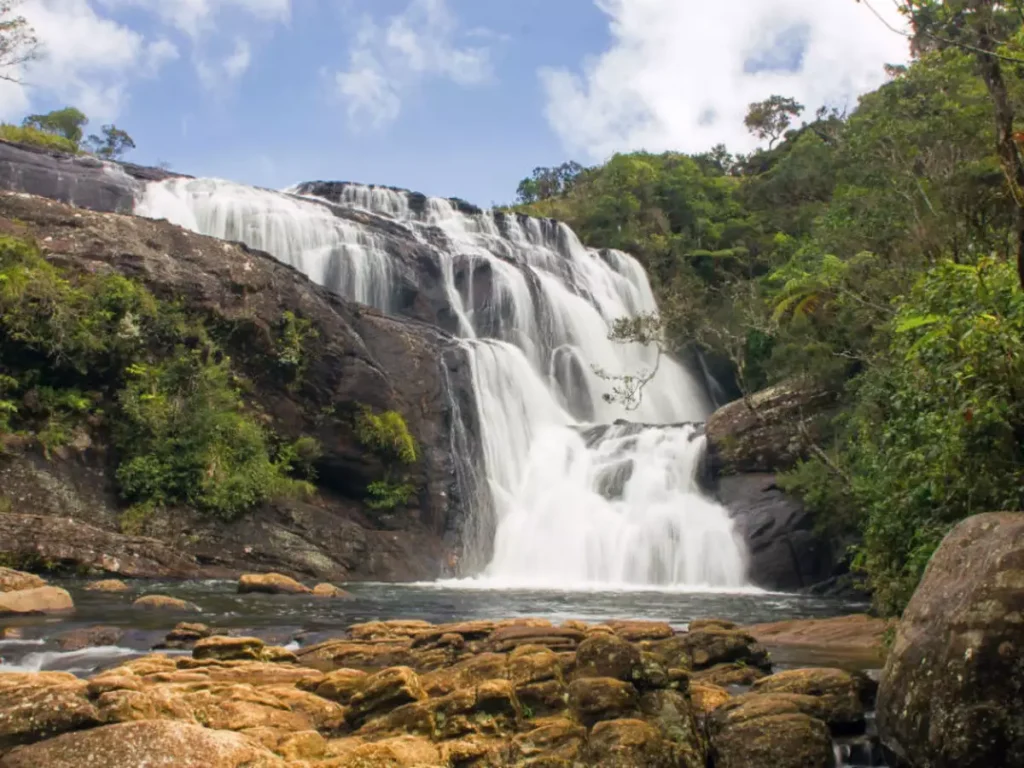
Vihigaon Waterfall, famously known as Ashoka Waterfall, is a captivating seasonal cascade located in the Vihigaon village of Thane district, approximately 59 km from Nashik. The waterfall gained widespread fame after featuring in the Bollywood film Asoka, particularly in a song sequence starring Shah Rukh Khan and Kareena Kapoor. Tumbling from a height of approximately 120 feet into a deep natural pool, the falls are fed by the Vaitarna River and are most spectacular during the monsoon season (June to September). For adventure enthusiasts, it is a premier destination for waterfall rappelling, offering a thrilling 100-foot descent through the gushing waters under professional supervision. Reaching the base requires a short, 15–20 minute hike down a rocky, sometimes slippery trail or a newly constructed set of steep stone steps. While the site offers breathtaking verdant views of the Western Ghats, it remains a rustic destination with minimal commercial infrastructure; visitors are advised to carry their own food and water and be mindful of safety during heavy rains when access may be restricted by local authorities.
15.Tringalwadi Fort
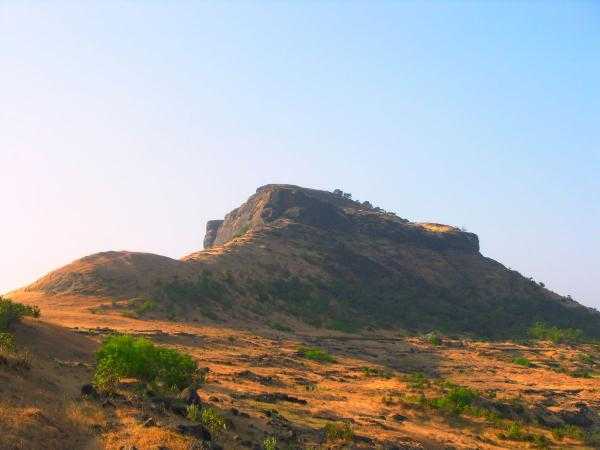
Tringalwadi Fort, located near the village of Tringalwadi in the Igatpuri taluka (about 50 km from Nashik), is a historic hill fort standing at an elevation of roughly 3,000 feet in the Sahyadri range. Historically, the fort was strategically significant for overlooking the ancient trade route connecting the Konkan coast to the Deccan Plateau. At the base of the fort lies a famous cave temple dedicated to Rishabhanatha, featuring a beautifully carved idol and a large sabhamandapa, which dates back to the 14th century and showcases intricate Jain architecture. The trek to the summit is considered easy to moderate, winding through lush green plateaus and offering spectacular views of the Tringalwadi Lake and the nearby Kalsubai mountain range. The fort’s entrance is unique as it is carved directly into the rock, leading to a sprawling top plateau that houses several rock-cut water cisterns, ruins of old structures, and a small temple dedicated to Lord Hanuman. During the monsoon, the fort transforms into a misty paradise with a hidden waterfall nearby, making it a favorite for both history buffs and weekend trekkers.