


Pune, known as the “Oxford of the East” and the “Cultural Capital of Maharashtra,” is a vibrant metropolis that seamlessly blends its deep-rooted Maratha heritage with a modern, high-tech lifestyle. Historically, it served as the capital of the powerful Peshwas of the Maratha Empire, leaving behind a legacy of grand fortresses like Shaniwar Wada and hill-top temples such as Parvati Hill.
Today, Pune stands as a major educational and IT hub, home to prestigious institutions like Savitribai Phule Pune University and sprawling tech parks located in Hinjewadi and Magarpatta. Geographically situated on the Deccan Plateau at the confluence of the Mula and Mutha rivers, the city is encircled by the picturesque Sahyadri Mountains, offering residents and tourists alike easy access to trekking spots, waterfalls, and hill stations such as Lonavala. From world-renowned spiritual centers like the Osho Ashram to famous street foods like Misal Pav and Shrewsbury biscuits, Pune exudes a diverse and youthful energy, making it one of India’s most livable and historically significant cities.
Pune’s economy acts as a powerful engine, driven by its status as one of India’s fastest-growing regions; in the fiscal year 2024-25, the district’s GDP reached ₹5.34 lakh crore. Often dubbed the “Detroit of the East,” the city is a global manufacturing powerhouse, contributing 15–20% to India’s total automobile production through its key hubs located in Chakan and Pimpri-Chinchwad—centers that host industry giants such as Tata Motors, Mercedes-Benz, and Volkswagen.
Pune is widely regarded as one of the safest cities in India for visitors, both domestic and international. Thanks to its educated populace and strong cultural values, it consistently ranks among the top ten safest cities in the country. In recent crime reports, it often ranks second—after Kolkata—in terms of women’s safety.
Most Famous And Attractive Tourist Places In Pune :
1. Shaniwar Wada Palace
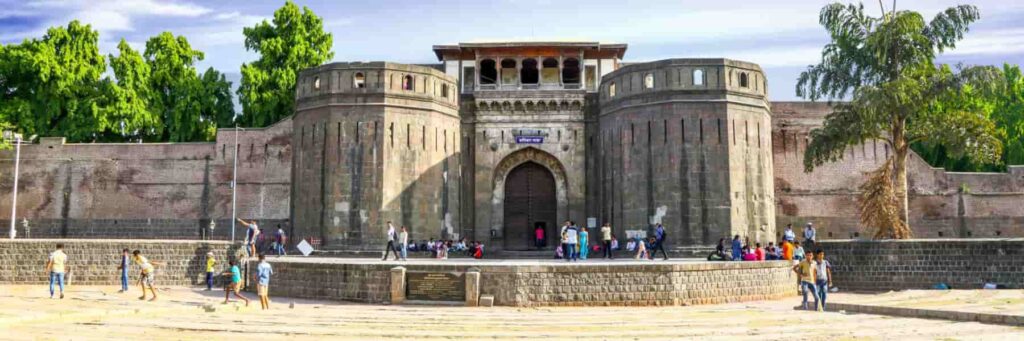
Shaniwar Wada is a majestic historical fortification in Pune that served as the seat of the Peshwas, the prime ministers of the Maratha Empire, from 1732 until 1818. The foundation of this seven-storied palace was laid by Peshwa Baji Rao I on January 10, 1730—a Saturday, which gave the structure its name (Shaniwar means Saturday and Wada means residential complex). Originally an architectural marvel blending Maratha and Mughal styles, the palace featured 22 buildings, 17 courtyards, and the famous Hazari Karanje (Fountain of a Thousand Jets), a complex lotus-shaped fountain designed with 16 petals. The fort is heavily guarded by five massive gates, the most famous being the north-facing Dilli Darwaja, which reflected Baji Rao’s ambitions toward Delhi. Tragically, a devastating fire in 1828, which reportedly raged for seven days, destroyed most of the wooden upper structures, leaving behind only the sturdy stone base, ramparts, and heavy teak gateways that visitors explore today. Beyond its architecture, the site is steeped in lore, most notably the tragic assassination of the young Peshwa Narayanrao in 1773, leading to persistent local legends that his ghost still haunts the ruins on full moon nights.
2. Sinhagad Fort
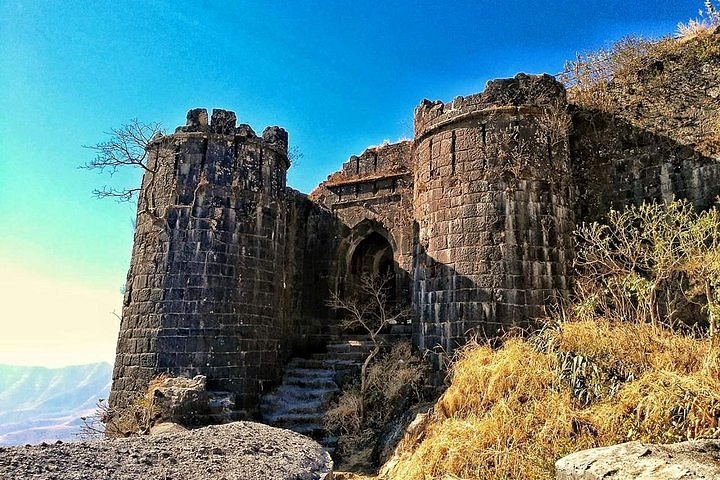
Sinhagad Fort, also known as the “Lion’s Fort,” is an ancient hill fortress perched majestically at an elevation of 1,312 metres in the Sahyadri Mountains, roughly 30 km southwest of Pune. Originally known as Kondhana, the fort has a history spanning over 2,000 years, with carvings in its Kaundinyeshwar Temple suggesting origins as early as the Satavahana period. It is most famous for the legendary Battle of Sinhagad in 1670, where Chhatrapati Shivaji Maharaj’s general, Tanaji Malusare, led a daring night assault by scaling a near-vertical 90-degree cliff—legend says with the help of a monitor lizard named Yashwanti. Although the Marathas were victorious, Tanaji lost his life, leading Shivaji to famously remark, “Gad ala, pan Sinha gela” (The fort is won, but the lion is lost), subsequently renaming the fort Sinhagad in his honour. Today, it is a premier trekking destination and a cultural landmark where visitors explore historical sites like the Tanaji Malusare Samadhi, the tomb of Rajaram I, and the massive Pune and Kalyan Darwazas. Beyond its history, the fort is beloved for its panoramic valley views and local Maharashtrian delicacies, particularly Pithla Bhakri and Kanda Bhaji, served at small stalls atop the plateau.
3. Aga Khan Palace
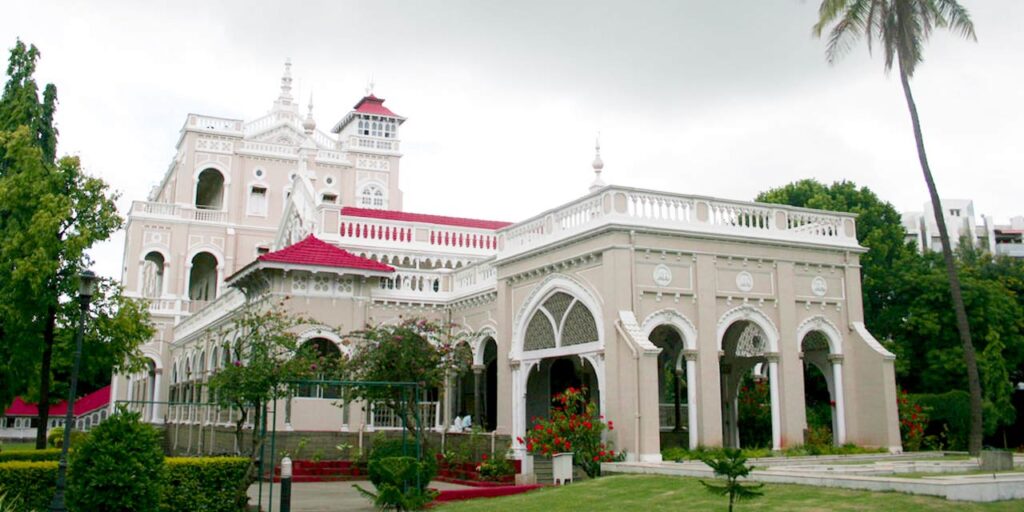
The Aga Khan Palace in Pune is a serene yet somber historical landmark built in 1892 by Sultan Muhammed Shah Aga Khan III. Spanning 19 acres on the Pune-Ahmednagar Road, the palace was originally commissioned as an act of charity to provide employment to famine-hit villagers. Architecturally, it is a masterpiece of the Indo-Saracenic style, featuring elegant Italian arches, five spacious halls, and a 2.5-metre-wide corridor that encircles the entire building. Its greatest historical significance, however, lies in its role during the Indian freedom struggle; following the launch of the Quit India Movement in 1942, the British government interned Mahatma Gandhi, his wife Kasturba Gandhi, and his secretary Mahadev Desai here for 21 months. Tragically, both Kasturba and Mahadev Desai passed away during their captivity in the palace, and their marble samadhis (memorials), designed by renowned architect Charles Correa, remain on the grounds. In 1969, the palace was donated to the Indian people by Aga Khan IV as a tribute to Gandhi’s philosophy, and today it serves as the headquarters of the Gandhi National Memorial Society. Visitors can explore a museum on the ground floor that houses photographs, personal belongings like Gandhi’s spinning wheel and sandals, and the rooms where these leaders once lived.
4. Vishrambaug Wada
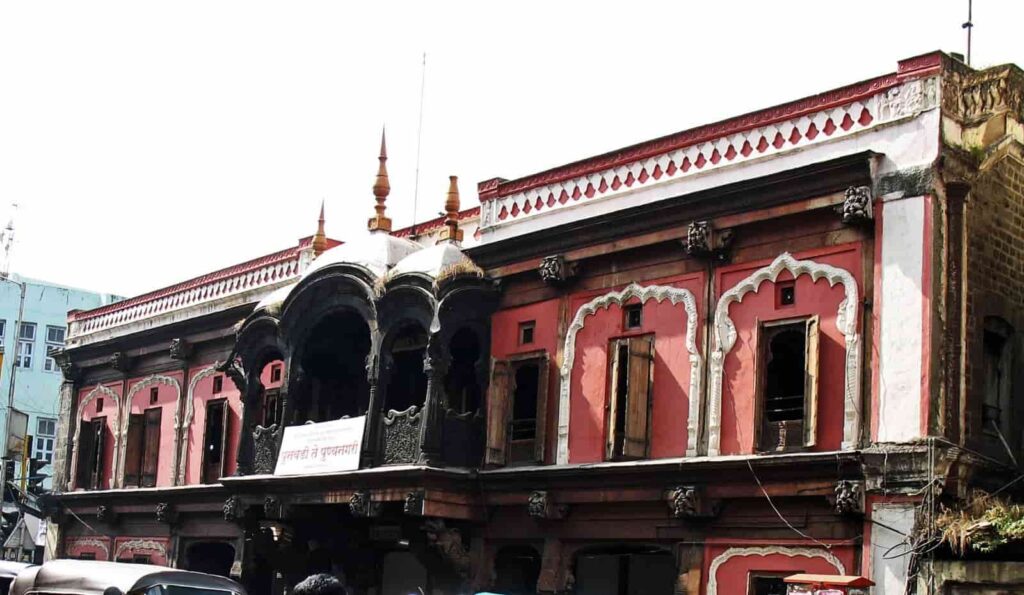
Vishrambaug Wada is a magnificent three-storeyed mansion in the heart of Pune’s Sadashiv Peth that served as the luxurious residence of Peshwa Baji Rao II, the last Peshwa of the Maratha Empire. Built in 1807 at a cost of approximately ₹200,000, the structure took six years to complete and was preferred by Baji Rao II over the older Shaniwar Wada, which he reportedly considered unlucky. Spanning 20,000 square feet, the mansion is a masterpiece of traditional Maratha architecture, famous for its exquisite teakwood work, cypress-shaped (suru) columns, and an iconic east-facing balcony where musicians once performed for the Peshwa. After the fall of the Maratha Empire, the building underwent various transformations, serving as a Sanskrit school, a prison, and the headquarters of the Pune Municipal Corporation until 1958. Today, it remains a vibrant cultural landmark, housing a post office and a museum curated by historian Babasaheb Purandare that showcases Maratha artefacts and the evolution of Pune.
5. Osho Ashram Pune
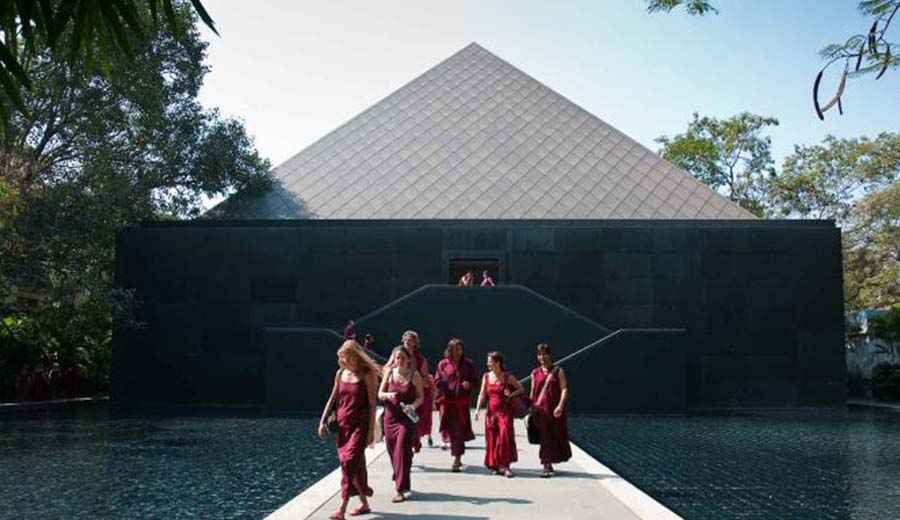
The Osho International Meditation Resort, commonly known as the Osho Ashram, is a world-renowned spiritual centre located in the upscale Koregaon Park area of Pune. Established in 1974 by the spiritual leader Rajneesh (Osho), the 40-acre campus is designed as a “spiritual health club” that blends meditation with the luxury of a modern resort. Architecturally, the resort is famous for its striking black pyramid buildings, including a massive 18,000-square-foot, soundproof meditation hall that can accommodate thousands of practitioners. The philosophy of the ashram focuses on the synthesis of “Zorba the Buddha”—a concept representing a person who enjoys the material world like Zorba the Greek while maintaining the inner silence of Gautama Buddha. Visitors, often referred to as sannyasins, follow a strict dress code consisting of maroon robes during the day and white robes for the evening meetings. The daily schedule is intense, featuring “Active Meditations” like Dynamic and Kundalini meditation, which involve physical movement to release tension before entering silence. Beyond spiritual practice, the resort offers high-end facilities including an Olympic-sized swimming pool, tennis courts, spas, and lush Zen gardens like the Osho Teerth Park, a 12-acre wasteland transformed into a beautiful public space.
6. Vetal Tedki
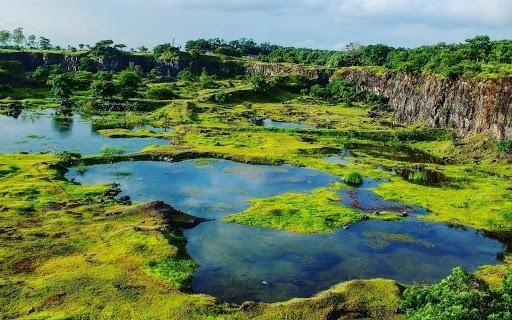
Vetal Tekdi, also known as Vetal Hill or ARAI Hill, is the highest point within Pune’s city limits, standing at an elevation of approximately 2,600 feet (800 metres). Located in the heart of the city near Kothrud and Pashan, it serves as a critical “green lung” for the urban environment, providing fresh air and recharging local groundwater. The hill derives its name from the Vetal Temple located at its summit, dedicated to the deity Vetala (the king of spirits), which features a unique aniconic stone representation. It is a beloved destination for fitness enthusiasts, birdwatchers, and nature lovers who frequent its winding trails for early morning jogs, cycling, and sunrise photography. The hilltop offers a panoramic 360-degree view of the entire Pune skyline and houses an observation deck maintained by the Indian Forest Department. Visitors can also find a scenic abandoned stone quarry that has transformed into a small lake, creating a habitat for diverse bird species like peacocks, robins, and kingfishers.
7. Dagdusheth Halwai Ganapati Temple
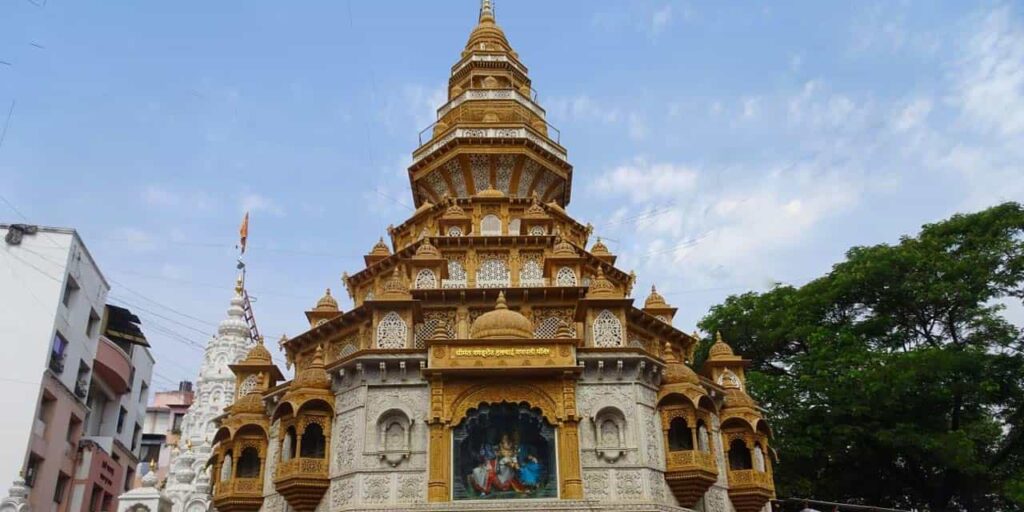
The Dagdusheth Halwai Ganapati Temple is one of the most revered and iconic spiritual landmarks in Pune, located near the historic Shaniwar Wada. The temple was established in 1893 by Dagdusheth Halwai, a prominent sweet merchant, following the tragic loss of his son to a plague epidemic. On the advice of his guru, he built the temple, which later became a pivotal center for the Ganesh Chaturthi festival after Lokmanya Tilak transformed the celebration into a public event to unite people against British rule. The temple is famous for its magnificent 7.5-foot-tall Ganesha idol, which is adorned with over 40 kilograms of gold and precious jewels, valued at crores of rupees. The temple architecture is grand, featuring a glass-fronted design that allows devotees to see the deity even from the street. During festivals, the entire structure is elaborately decorated with lights and flowers, attracting millions of pilgrims from across the globe. Managed by the Shreemant Dagdusheth Halwai Sarvajanik Ganpati Trust, the institution is also well-known for its extensive social welfare work, including operating orphanages, medical camps, and schools.
8. Lal Mahal
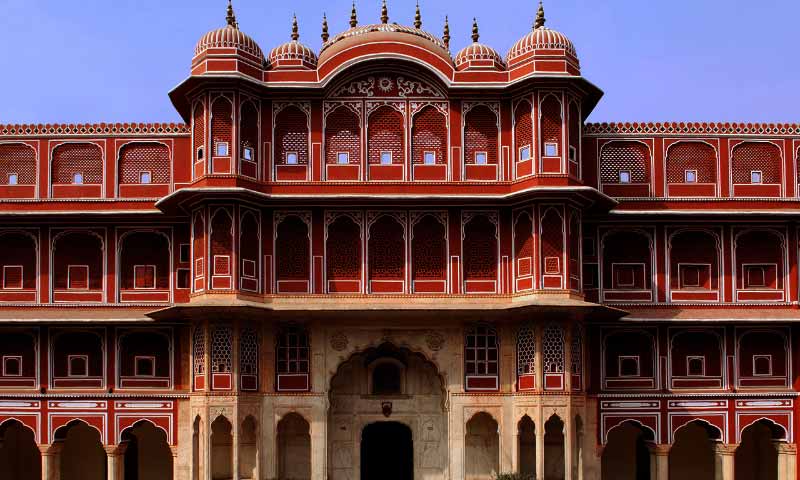
Lal Mahal, or the “Red Palace,” is one of Pune’s most significant historical landmarks, primarily known as the childhood residence of Chhatrapati Shivaji Maharaj. Originally built in 1630 by his father, Shahaji Bhosale, for his wife Jijabai and young Shivaji, the palace was where the future Maratha leader spent his formative years until he captured his first fort, Torna, in 1645. The structure is historically famous for the daring night raid of 1663, during which Shivaji Maharaj and a small band of soldiers infiltrated the palace to attack the Mughal general Shaista Khan, who had occupied it; in the ensuing struggle, Shivaji severed the Khan’s fingers as he attempted to escape through a window. Although the original palace fell into ruins and was eventually razed, the current red-brick building is a 20th-century reconstruction completed by the Pune Municipal Corporation in 1988. Today, it serves as a memorial and museum housing large oil paintings of significant events in Shivaji’s life, a statue of Jijabai, and a fiber model of Raigad Fort.
9. Shivneri Fort
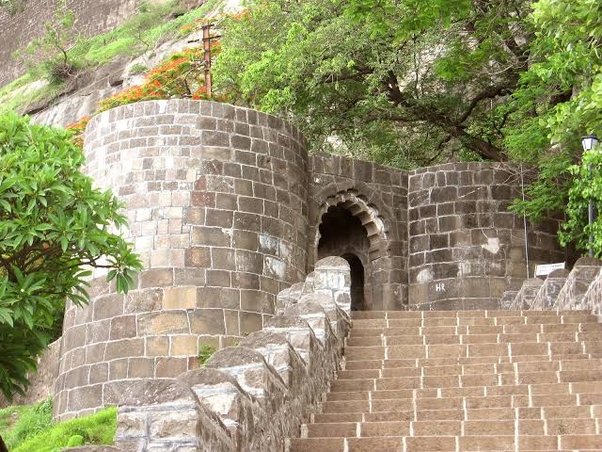
Shivneri Fort is a 17th-century military fortification of immense historical significance, located near Junnar in the Pune district, best known as the birthplace of Chhatrapati Shivaji Maharaj. Built in a triangular shape, the fort sits atop a steep hill and was designed to be nearly impregnable, featuring seven massive, well-guarded gates (darwajas) that visitors must pass through to reach the summit. It was here, on February 19, 1630, that Shivaji was born; the small palace where he took his first breaths, known as Shivai Devi Temple and the Shiv Janmasthan, remains the most revered spot for pilgrims and history enthusiasts. The fort is also an engineering marvel of its time, equipped with several rock-cut water cisterns, the most famous being the Badami Talav, which ensured a steady water supply for soldiers during long sieges. Beyond its military architecture, the fort offers a breathtaking view of the surrounding Junnar valley and the nearby dams like Manikdoh. Today, it is a protected monument under the Archaeological Survey of India and serves as a major site for the annual Shiv Jayanti celebrations.
10. Raja Dinkar Kelkar Museum
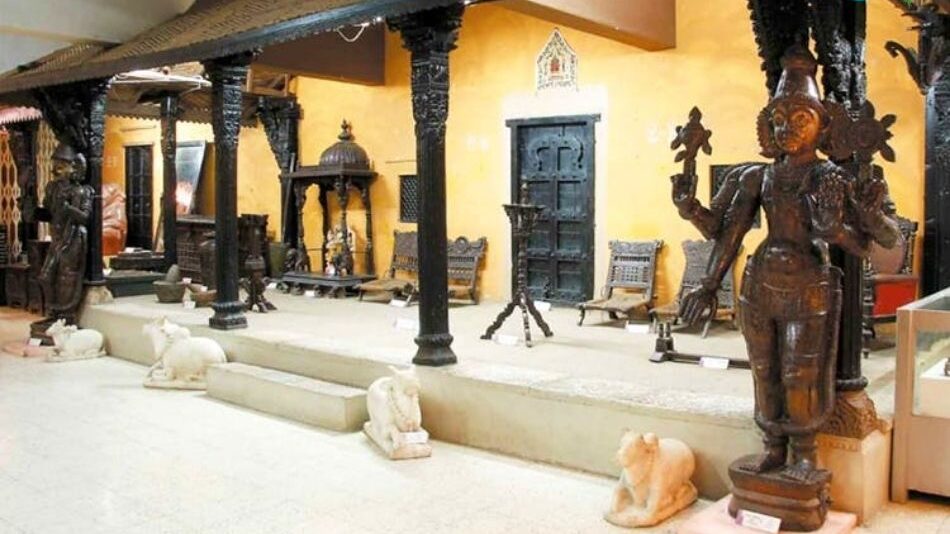
The Raja Dinkar Kelkar Museum is a world-renowned one-man collection that showcases the extraordinary diversity of Indian craftsmanship and daily life. Established in 1962 by Dr. Dinkar G. Kelkar in memory of his only son, Raja, the museum houses over 21,000 artefacts collected from across India over six decades. The most breathtaking highlight of the museum is the Mastani Mahal, a stunningly detailed reconstruction of the palace built for the beautiful second wife of Peshwa Baji Rao I, featuring intricate wooden carvings, ornate chandeliers, and traditional paintings. The collection is incredibly eclectic, ranging from everyday household items like betel nut crackers and spice boxes to exquisite musical instruments, 14th-century ivory carvings, and Mughal-era weapons. The museum is housed in a building designed in the traditional Rajasthani style, and its “Pashupati” section, featuring sculptures of Lord Shiva, is particularly admired. Today, it stands as a testament to one man’s passion for preserving India’s vanishing cultural heritage and remains a must-visit for anyone interested in the history of Indian art and aesthetics.
11. Peacock Bay
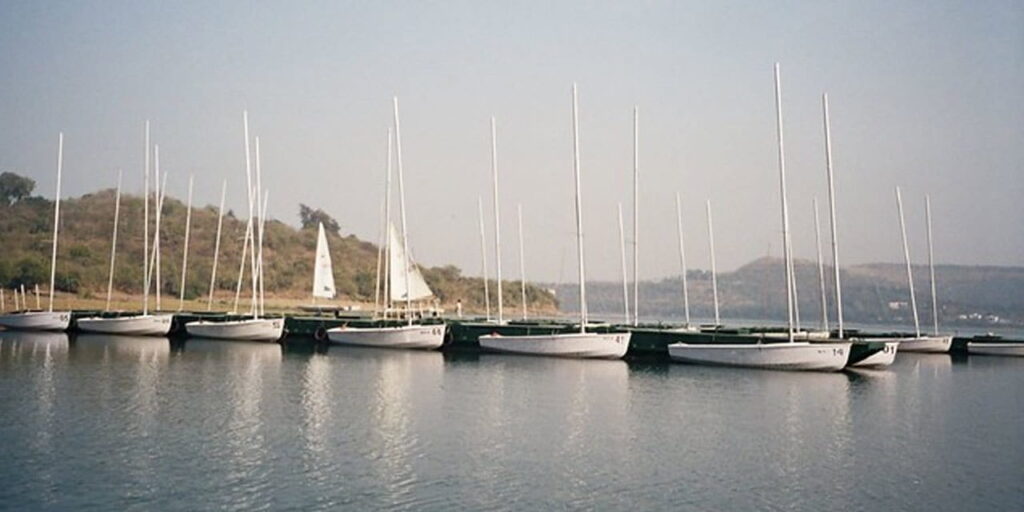
Peacock Bay is a scenic waterfront located on the northern-east edge of the Khadakwasla Dam backwaters, approximately 12 km from Pune city. Owned and managed by the National Defence Academy (NDA), it serves as a premier training facility for watermanship, where naval cadets are trained in activities like sailing, rowing, kayaking, and windsurfing. The bay derives its name from the abundance of peacocks that inhabit the surrounding lush hills and forests; visitors may also spot other wildlife such as deer, civets, and lion-tailed macaques. While it is a picturesque spot known for hosting prestigious events like the Annual National Inland Championship and open-lake swimming competitions, access to the interior is generally restricted to the public due to its location within a high-security defense zone. However, the surrounding roads and nearby villages like Kudje offer stunning vantage points for photography, nature walks, and viewing the vibrant flora and fauna, especially during the monsoon and winter months.
12. Torna Fort
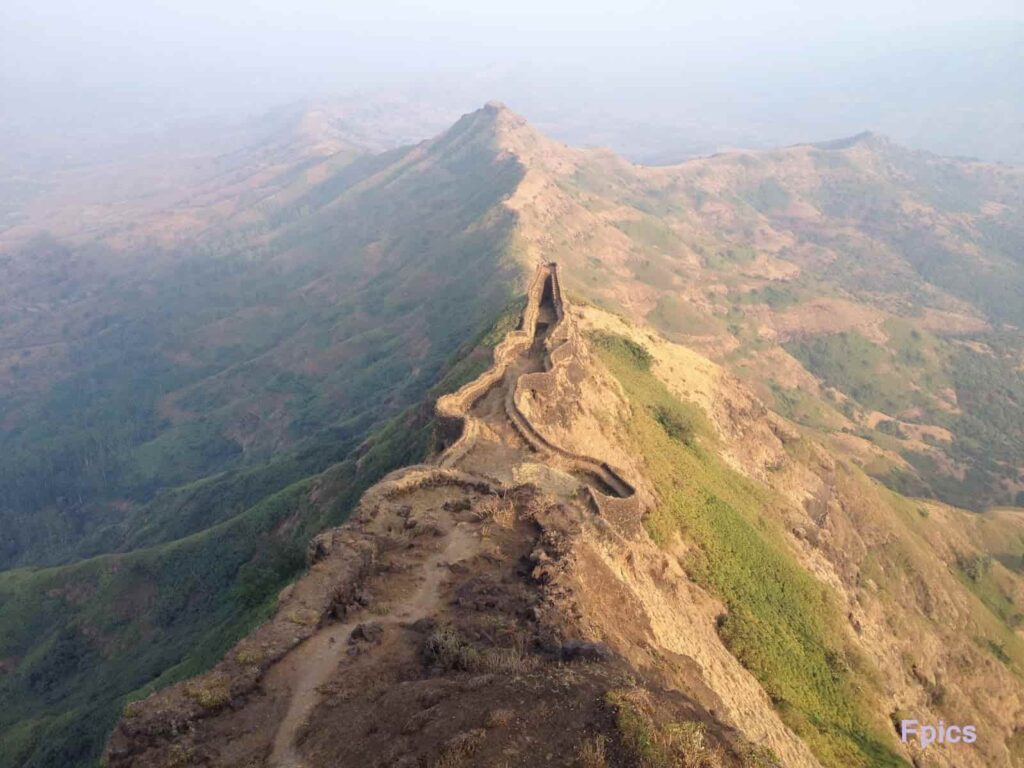
Torna Fort, also historically known as Prachandagad due to its massive size, holds a legendary place in Maratha history as the first fort captured by Chhatrapati Shivaji Maharaj in 1646 at the young age of 16. Located at an elevation of 1,403 metres in the Pune district, it is the highest hill fort in the region and offers a challenging trek for adventure seekers. The fort is architecturally famous for its strategic “Zunjar Machi” and “Budhla Machi” (fortified plateaus) and its sturdy “Binni Darwaza,” which was the main entrance. Legend has it that during its renovation, Shivaji Maharaj discovered pots of gold coins, which he used to build the nearby Rajgad Fort. Today, Torna is a favorite for trekkers, especially during the monsoon when it is covered in thick clouds and lush greenery, providing stunning views of the Sahyadri range and the Khadakwasla Dam. At the summit, the Mengai Devi Temple serves as a common resting place for overnight campers and trekkers exploring the vast ruins of this “massive” mountain fortress.
13. Empress Garden
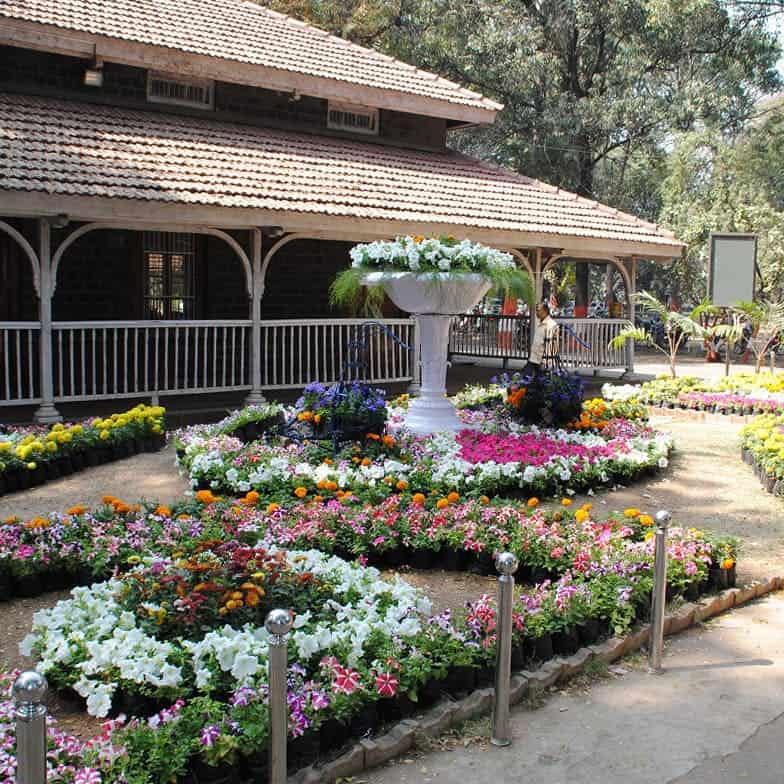
The Empress Botanical Garden is a historic 39-acre green haven located near the Pune Race Course in the Camp area. Established in 1838, it was originally known as the “Soldiers’ Garden” because it served as a recreation and camping ground for British troops. It was later renamed in honour of Queen Victoria after she was proclaimed Empress of India. Managed by the Agri-Horticultural Society of Western India, the garden is a botanical treasure trove featuring over 150 species of rare and exotic plants, including massive banyan trees, tropical flora, and a dedicated palm section. It is a popular destination for families and nature enthusiasts, offering a variety of amenities such as a five-acre nursery for plant shopping, children’s play areas, a dedicated Nana-Nani park for senior citizens, and peaceful lotus ponds. The garden is most famous for its annual “Buds and Blooms” flower show held every January, which attracts thousands of visitors with its stunning floral arrangements and biodiversity exhibits.
14. Parvati Hill
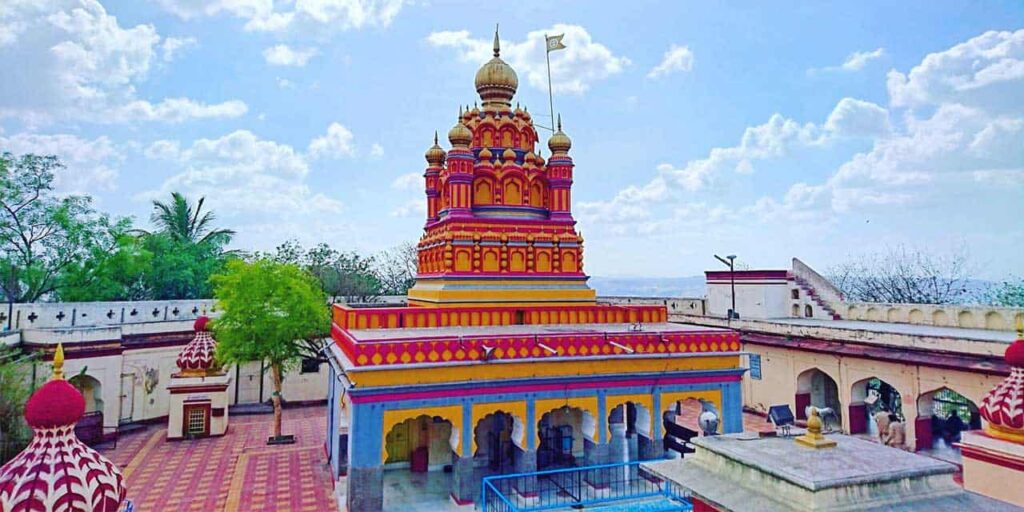
Parvati Hill is a prominent hillock rising 2,100 feet above sea level, offering one of the most panoramic views of the Pune city skyline. It is most famous for the Parvati Temple, an ancient stone structure built during the reign of the Peshwas in the mid-18th century, dedicated to Goddess Parvati, Lord Shiva, and other deities. To reach the summit, visitors must climb 103 wide stone steps, designed specifically to allow elephants to ascend the hill in the past. At the top, the complex houses the Peshwa Museum, which is located in the former residence of Nana Saheb Peshwa and displays portraits, coins, and weapons from the Maratha era. Interestingly, the hill was also the site from which the last Peshwa, Baji Rao II, reportedly watched the Battle of Kirkee in 1817. Today, it remains a favorite spot for locals for morning walks and is widely considered the best location in the city to witness the sunset.
15. National War Memorial
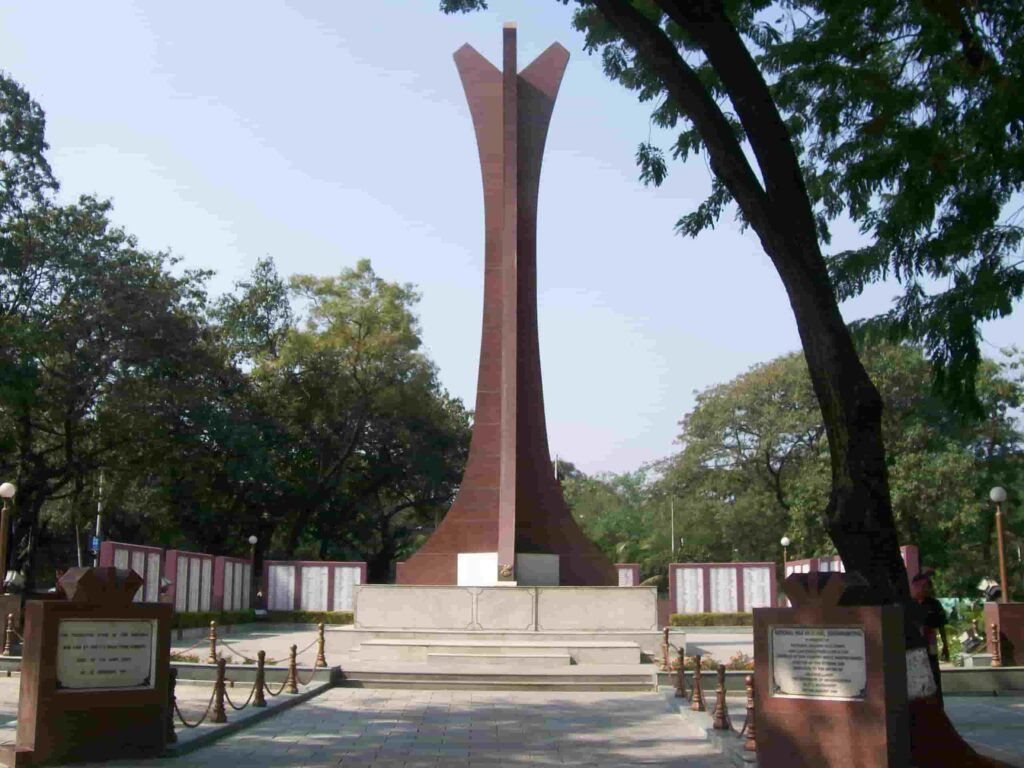
The National War Memorial Southern Command in Pune is a solemn and proud tribute to the brave soldiers of post-Independence India who sacrificed their lives for the nation. Built in 1998 through a citizens’ initiative and public contributions, it is the only war memorial in South Asia to be constructed through such a collective effort. The center of the memorial features a 25-foot-tall stone pillar, which is surrounded by plaques inscribed with the names of martyrs from various wars. Spread over several acres in the Cantonment area, the site serves as an open-air museum showcasing impressive military hardware, including a decommissioned MiG-23BN fighter jet, a scale model of the aircraft carrier INS Vikrant, and several captured Pakistani tanks from the 1971 war. The memorial also features a dedicated section for the Kargil War, displaying photographs and artifacts that narrate the bravery of Indian soldiers. It is a place of deep respect, often visited for its daily evening light and sound show that brings the history of the Indian Armed Forces to life.
16. Shinde Chhatri
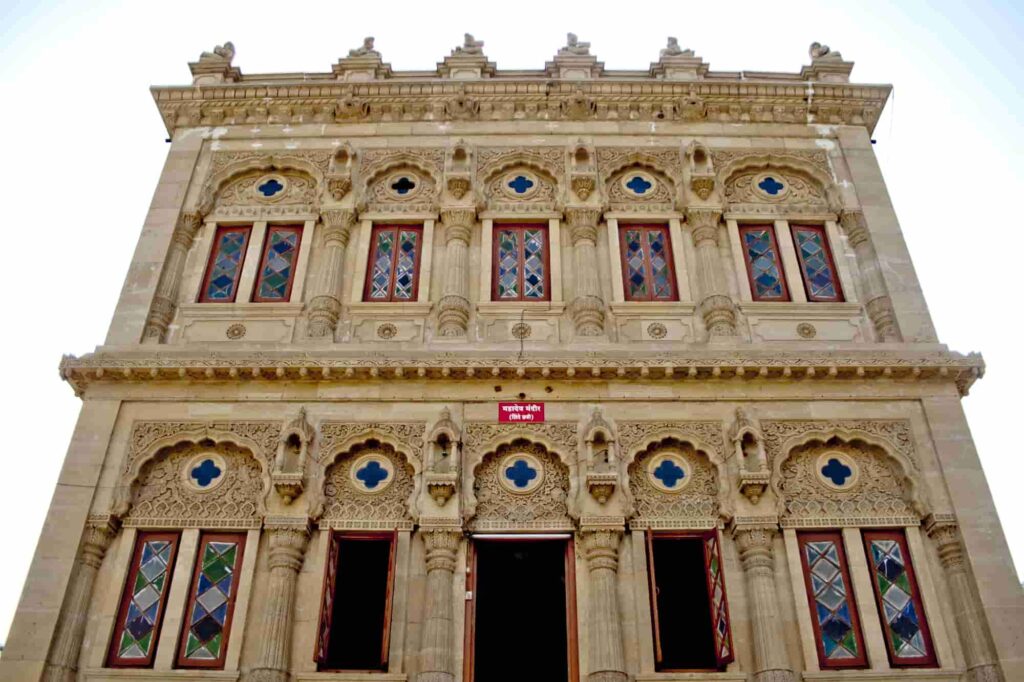
Shinde Chhatri is an architectural gem located in Wanowrie, dedicated to the 18th-century military leader Mahadji Shinde, who served as the commander-in-chief of the Maratha army under the Peshwas. The structure is a “chhatri” (cenotaph) built on the spot where he was cremated in 1794. It is widely considered one of the most beautiful examples of Anglo-Rajasthani architecture in Pune, featuring a striking blend of intricate Rajasthani stone carvings and English-style stained-glass windows. The memorial consists of a grand Shiva temple and a gallery that houses colored portraits and photographs of the Scindia family. The hall’s ceiling is particularly famous for its vibrant designs and hanging glass chandeliers, while the exterior is adorned with delicate carvings of saints and gods. To maintain the sanctity and silence of the memorial, visitors are required to keep their footwear outside, and umbrellas are not permitted inside.
17. Rajiv Gandhi Zoological Park
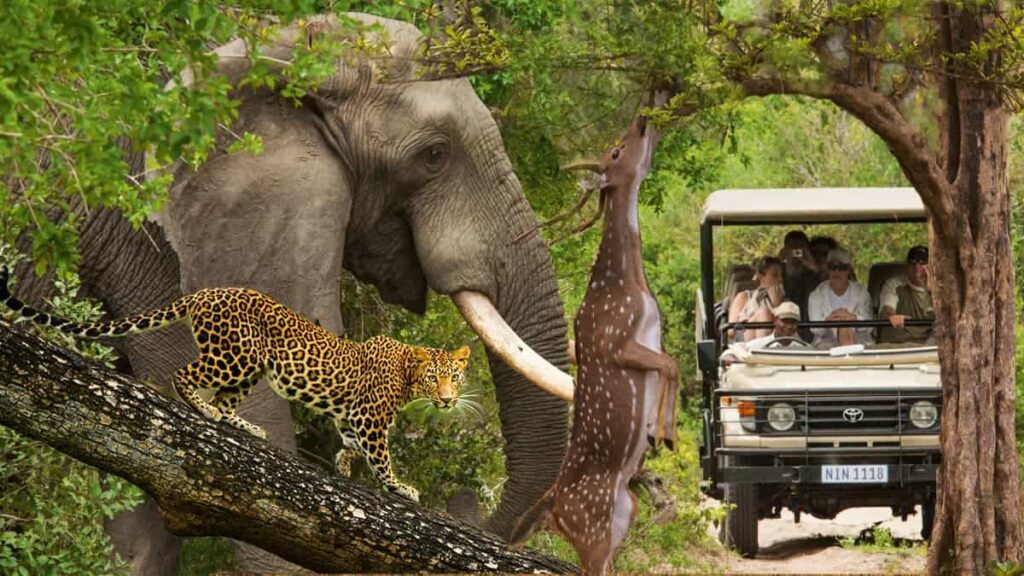
The Rajiv Gandhi Zoological Park, commonly known as the Katraj Zoo, is a sprawling 130-acre wildlife conservation centre located in Katraj, Pune. Managed by the Pune Municipal Corporation, the park is divided into three main sections: an orphanage for injured animals, a beautiful lake, and a modern zoo that follows Central Zoo Authority guidelines for naturalistic enclosures. The park is most famous for its Snake Park, which houses an extensive collection of over 40 species of reptiles, including a magnificent King Cobra and various pit vipers and pythons. Beyond reptiles, the zoo is home to several majestic mammals, such as the White Tiger, Bengal tigers, leopards, sloth bears, and sambar deer. The Katraj Lake, which spreads over 42 acres within the park, provides a serene backdrop and attracts several migratory bird species, making it a favorite spot for nature photography. The facility also focuses heavily on environmental education and animal adoption programs, providing a vital green space for the city while serving as a rescue and rehabilitation hub for local wildlife.
18. Saras Baug
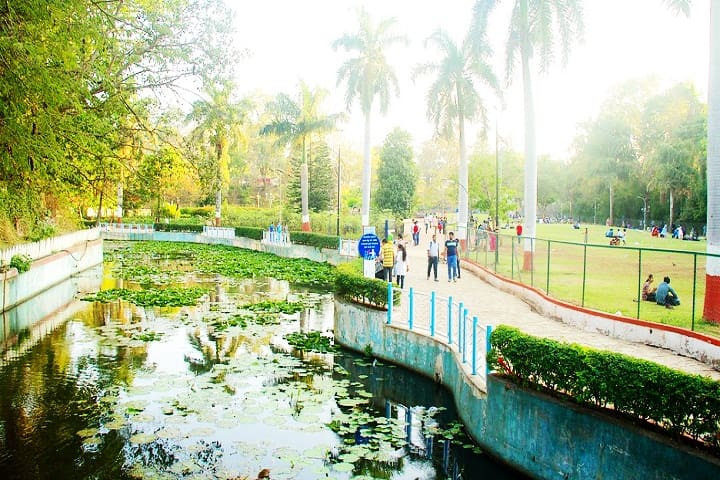
Saras Baug is one of Pune’s most iconic landmarks, featuring a beautiful 25-acre garden and a historic temple located near the Swargate area. The site was originally a small island in the middle of a lake called Parvati Lake, which was built by Nana Saheb Peshwa in the 18th century. As the lake dried up, the area was developed into a lush public park, but the centerpiece remains the Talyatla Ganpati (Ganpati in the Lake) temple, which was completed in 1784. The temple is unique for its white marble architecture and its peaceful setting, surrounded by well-maintained lawns and a small pond filled with lotus flowers. Today, Saras Baug is a popular evening hangout for families and joggers, and it is especially famous for its “Chaupati” street food stalls located right outside the gates, serving local favorites like Pav Bhaji, Bhel Puri, and Kulfi. During the Ganesh Chaturthi and Diwali festivals, the temple and the surrounding park are brilliantly illuminated, attracting thousands of visitors from across the city.
19. Katraj Snake Park
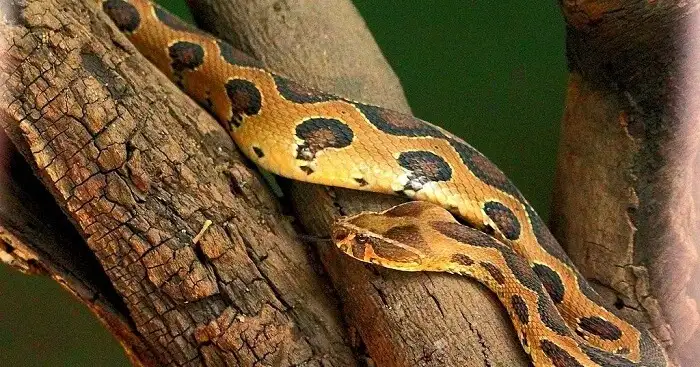
The Katraj Snake Park, established in 1986 by renowned herpetologist Neelam Kumar Khaire, is a premier conservation and educational facility that now forms a vital part of the Rajiv Gandhi Zoological Park. Spread within a 130-acre campus, the park is home to over 22 species of snakes and more than 150 individual reptiles, including venomous and non-venomous varieties such as pythons, vipers, and cobras. Its most famous resident is a majestic 13-foot-long King Cobra, which remains the park’s primary attraction for visitors. Beyond mere display, the park serves as an important educational hub featuring a specialized library and providing information in Braille for visually impaired guests. The management frequently conducts awareness programs and festivals, particularly during Nag Panchami, to debunk common myths and discourage the ill-treatment of snakes. In addition to the serpent enclosures, the park also houses various species of turtles, birds, and crocodiles, all set against the scenic backdrop of the Katraj Lake.
20. Amanora Mall
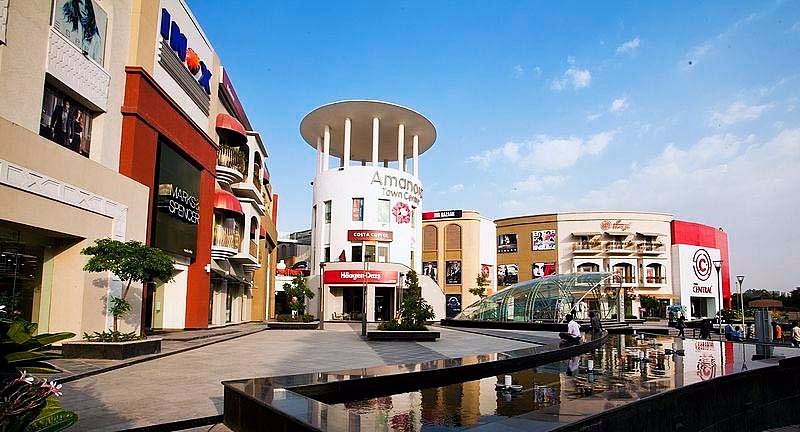
Amanora Mall is one of Pune’s largest and most vibrant shopping and entertainment destinations, sprawling over 1.2 million square feet in Hadapsar. Designed by the New Zealand-based firm Walker Architect, the mall features a unique, award-winning contemporary design divided into two distinct wings—the East Block and West Block—connected by a picturesque open-air central plaza known as the Oasis. This central area is a favorite hangout spot, often featuring musical fountains, live performances, and flea markets. The mall houses over 250 stores with more than 1,000 national and international brands ranging from H&M and Marks & Spencer to premium lifestyle retailers. Beyond shopping, it is a major entertainment hub, boasting an 8-screen INOX multiplex, a massive Amoeba gaming zone for bowling and go-karting, and diverse dining options that include over 30 food and beverage outlets. Its open-campus layout and family-friendly atmosphere make it a premier “day destination” for both locals and tourists looking for a mix of luxury and leisure.
21. Panshet Water Park
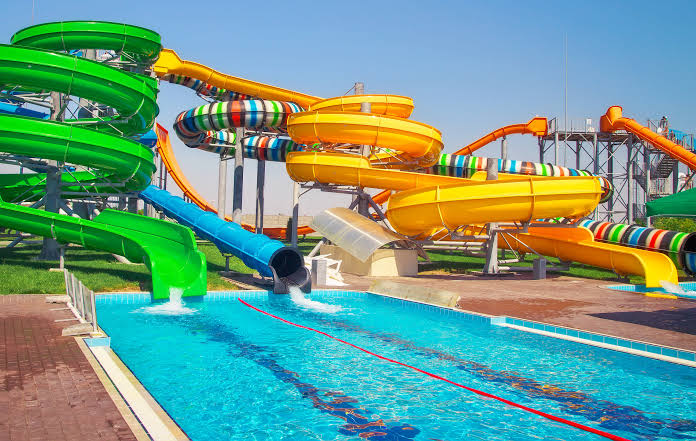
Panshet Water Park is a popular adventure and leisure destination located approximately 40–45 km southwest of Pune city, nestled between the Panshet and Varasgaon Dams in the scenic Sahyadri mountain range. Developed by the tourism department, this facility functions more as a comprehensive water sports centre than a traditional theme park, offering a wide array of activities including kayaking, jet skiing, speed boating, windsurfing, and water scooters amidst the expansive backwaters of the Panshet Dam. The park is situated at an elevation of 910 metres, providing a cooler climate and breathtaking views of lush greenery and tranquil lake waters, making it a favourite weekend getaway for families and thrill-seekers alike. In addition to its high-speed water sports, the park features refreshing swimming pools, water slides, and on-site dining facilities. It is particularly famous for being an accessible “offbeat” location where visitors can enjoy the natural beauty of the Western Ghats while indulging in aquatic adventures.
22. National Defence Academy
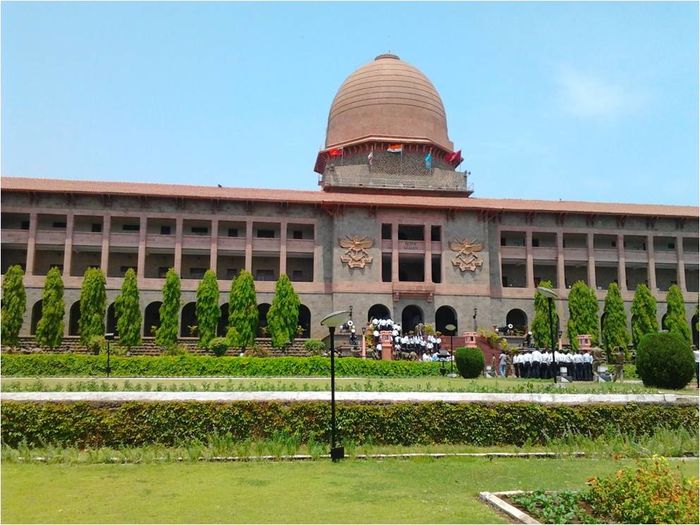
The National Defence Academy (NDA), located at Khadakwasla near Pune, is the world’s first tri-service academy where cadets of the Army, Navy, and Air Force train together before heading to their respective service academies. Spread over a massive 7,000-acre campus at the foothills of the Sahyadri ranges, the academy was formally inaugurated in 1955 as a unique experiment in military synergy. The campus is architecturally famous for the Sudan Block, a majestic three-storey basalt and sandstone building with a central dome, named in honour of the assistance provided by Sudan during World War II. The training at NDA is rigorous, focusing on a combination of academic excellence and physical endurance, culminating in the prestigious Passing Out Parade held at the Khetarpal Parade Ground twice a year. The academy also manages Peacock Bay, a dedicated facility for watermanship and naval training on the Khadakwasla backwaters. While it is a high-security military zone, the academy occasionally hosts “Open Days” and guided tours for students and groups to inspire the next generation of Indian officers.
23. Sri Balaji Mandir
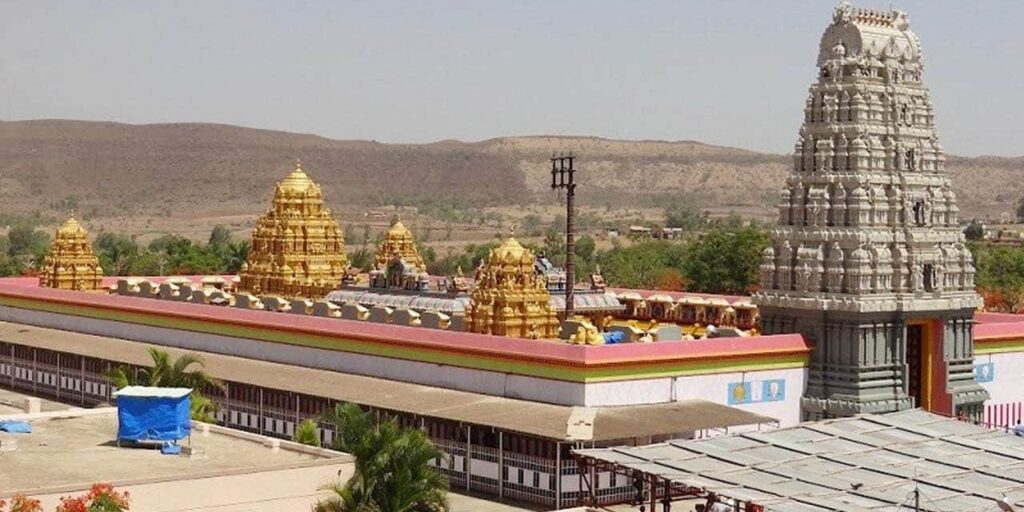
Sri Balaji Mandir, located in the Pashan area of Pune, is a stunning replica of the world-famous Tirumala Tirupati Devasthanam in Andhra Pradesh. Built by the Ahobila Mutt, the temple follows the traditional Dravidian architectural style, featuring a grand entrance gate (Gopuram), intricate stone carvings, and a serene atmosphere that makes it a popular spiritual retreat from the city’s hustle. The main sanctum houses a majestic idol of Lord Venkateswara (Balaji), crafted to mirror the original in Tirupati, alongside smaller shrines dedicated to Goddess Padmavati and Lord Hanuman. The temple is especially known for its strict adherence to traditional rituals, its peaceful surrounding gardens, and the distribution of the famous Tirupati-style Laddu as Prasadam. During festivals like Vaikuntha Ekadashi and Brahmotsavam, the temple is beautifully illuminated and attracts thousands of devotees seeking a “mini-Tirupati” experience in Maharashtra.
24. Joshi’s Museum of Miniature Railways
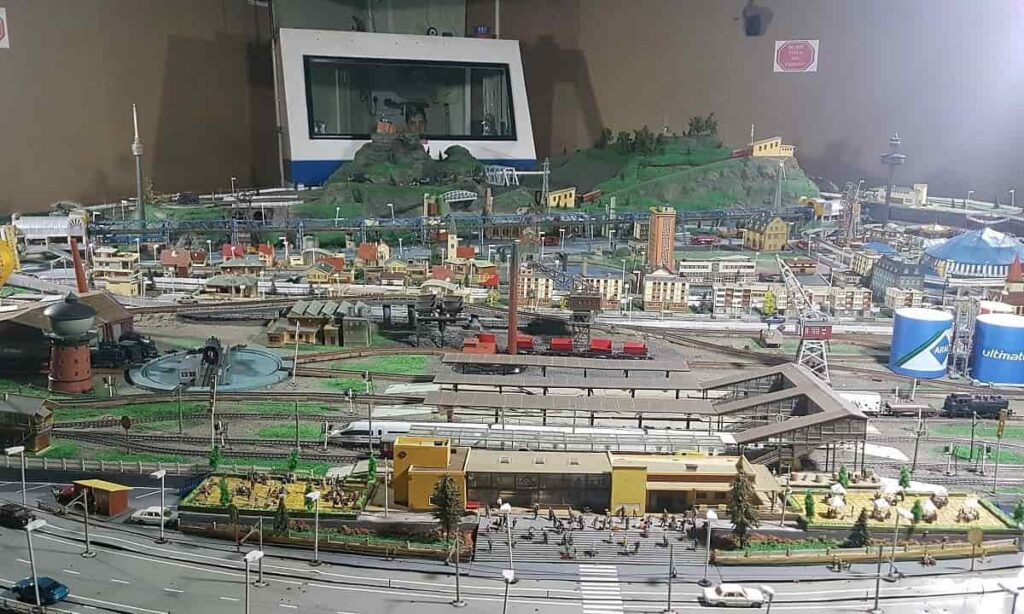
Joshi’s Museum of Miniature Railways, located in Pune’s Kothrud area, is a unique and fascinating attraction that holds the record for being the only museum of its kind in India. Founded by B.S. Joshi in 1998, the museum was born out of his lifelong passion for making scale models, which began with his first model train built in 1980. The museum features an incredibly detailed layout with 65 different types of trains, including steam engines, bullet trains, and underground metros, all operating on a 1:87 scale (HO scale). The exhibit is much more than just tracks; it includes a fully functional miniature world complete with functional traffic lights, a circus, a funfair with a moving Ferris wheel, a bustling business district, and even a chemical plant. The highlight of the visit is a 15-minute sound and light show where the room’s lighting transitions from day to night, showcasing how the miniature city comes to life after dark. This museum is a “must-visit” for both children and hobbyists, offering a nostalgic and educational glimpse into the intricate world of railway engineering.
25. Purandar Trek
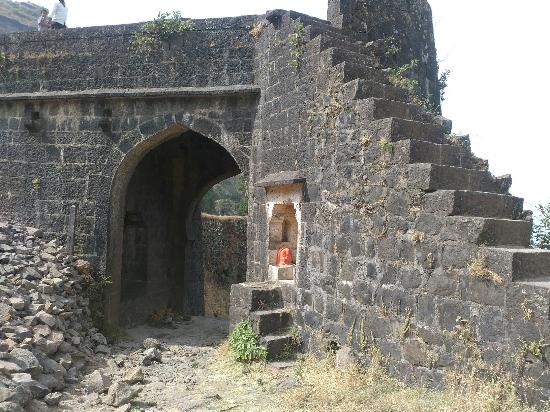
Purandar Fort, located about 50 km south of Pune, is a majestic hill fortress that stands at an altitude of 4,472 feet and holds immense significance as the birthplace of Sambhaji Maharaj, the son of Chhatrapati Shivaji Maharaj. The trek to the summit is widely popular among beginners and history enthusiasts because it offers a moderate climb through lush greenery and rocky patches, providing panoramic views of the Sahyadri range and the nearby Vajragad Fort. The fort is divided into two levels: the lower part known as the Machi, which houses the military cantonment and the ancient Purandareshwar Temple, and the upper part called the Ballekilla, which features the historic Delhi Darwaza and the ruins of the royal residences. Historically, this site is famous for the Treaty of Purandar (1665) signed between Shivaji Maharaj and the Mughal General Jai Singh I. Today, because the fort houses an Indian Air Force training station, trekkers must carry a valid Photo ID to pass the security check at the base, and the trek is particularly breathtaking during the monsoon when the entire plateau is covered in mist and wildflowers.