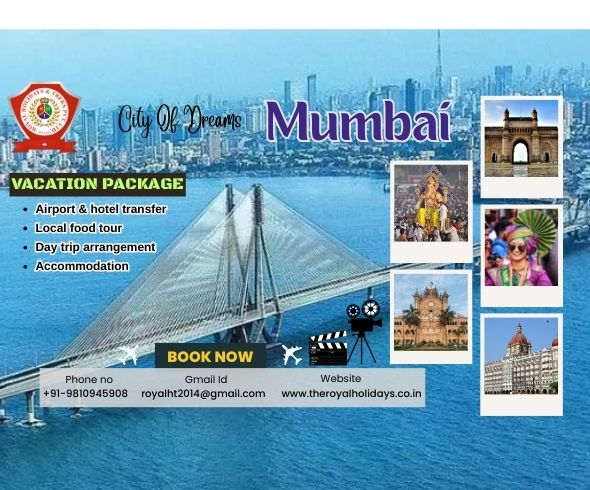
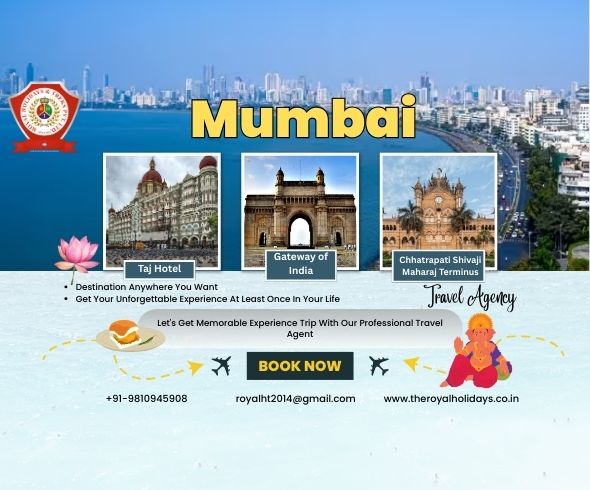
Mumbai, famously known as the “City of Dreams,” is the bustling capital of Maharashtra and serves as India’s largest hub for finance, commerce, and entertainment. Situated along the Arabian Sea on the western coast, the city was originally an archipelago of seven islands that were eventually amalgamated through massive land-reclamation projects during the British colonial era. Today, it stands as a dynamic metropolis where towering skyscrapers and luxury hotels coexist alongside historic colonial landmarks such as the Gateway of India and the Chhatrapati Shivaji Maharaj Terminus (a UNESCO World Heritage Site).
Globally, the city is renowned as the home of Bollywood—the world’s largest film industry—attracting thousands of aspiring actors and artists each year who arrive to try their luck. Mumbai’s “lifeline” is its extensive local train network, which ferries millions of commuters to their destinations daily, embodying the city’s frenetic pace and its indomitable spirit. Culturally, Mumbai represents a unique confluence of diverse religions and traditions; major festivals like Ganesh Chaturthi are celebrated here with great pomp and fervor, and the city is equally famous for its street food—featuring iconic delicacies such as Vada Pav, Pav Bhaji, and Bhel Puri. From the serene vistas of the setting sun at Marine Drive to the exhilarating drive across the Bandra-Worli Sea Link, Mumbai is imbued with a unique “never-say-die spirit” that establishes it as one of the most vibrant cities in the world.
Mumbai, indisputably India’s financial capital, serves as the country’s primary economic engine, contributing approximately 6.16% to India’s total GDP. By July 2025, the total valuation of the city’s economy had surged to over $400 billion—a figure exceeding the entire GDP of neighboring nations such as Pakistan and Bangladesh.
Mumbai is generally regarded as one of India’s safest major cities for tourists; indeed, it is often considered significantly safer than other major Indian metropolises, such as Delhi. Its round-the-clock lifestyle, the vigilance of its police force, and its dense population collectively foster a “natural security system,” ensuring that public spaces rarely appear deserted, even late at night.
TOURIST PLACES TO VISIT MUMBAI :
1. Karjat
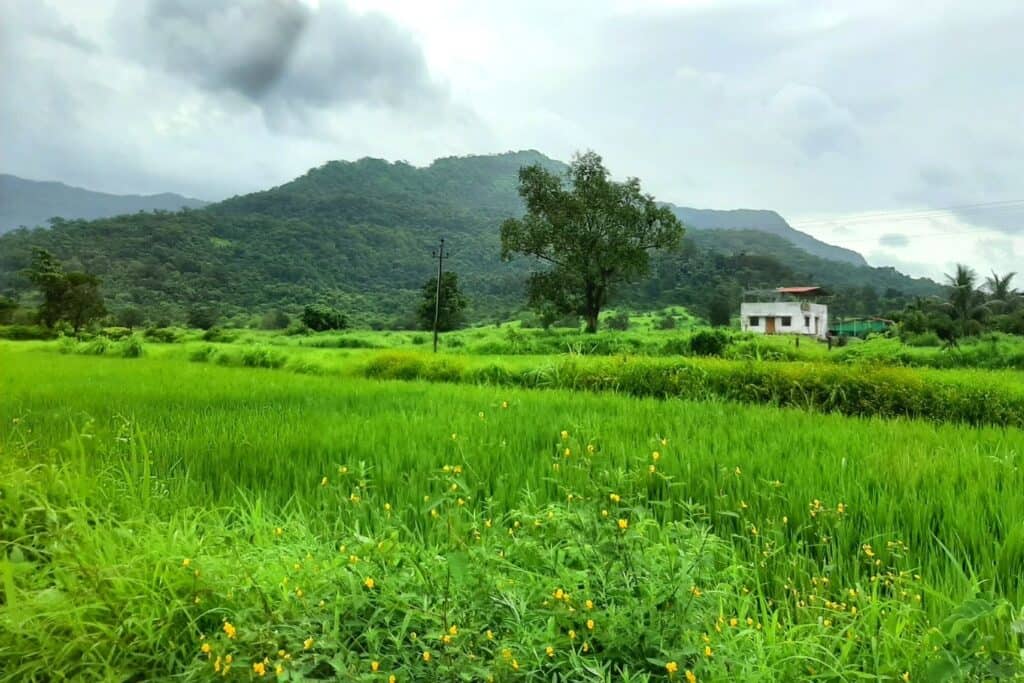
Karjat is a scenic hill station and popular weekend getaway nestled in the Western Ghats of Maharashtra. Located about halfway between Mumbai and Pune, it is best known for its lush green landscapes, rolling hills, and numerous trekking trails that come alive during the monsoon season. The town serves as a hub for adventure seekers who come to explore the ancient Kondana Caves, trek up to the Peth Fort, or enjoy white-water rafting on the Ulhas River. Beyond adventure, Karjat is famous for its natural beauty and calm atmosphere, making it a favorite spot for farmhouses and luxury resorts. It is home to the ND Studios, where many Bollywood movies are filmed, adding a touch of glamour to the rural setting. Whether you want to visit the historic Jain Temple, hike through misty trails, or simply relax by a waterfall, Karjat offers a refreshing escape from the fast-paced life of the nearby cities.
2. Daman
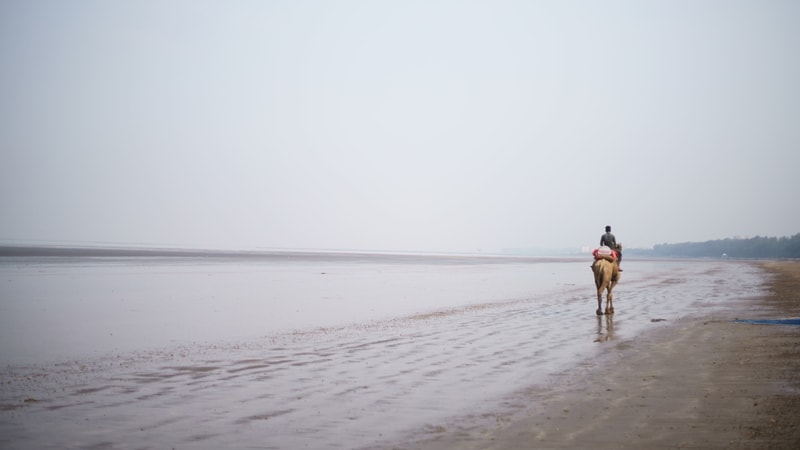
Daman is a beautiful coastal town on India’s western coast that was a Portuguese colony for over 400 years, which gives it a unique European feel. It is divided into two parts, Nani Daman (Little Daman) and Moti Daman (Big Daman), by the Daman Ganga River. The town is famous for its massive historic forts, like the Moti Daman Fort, and ancient churches such as the Church of Bom Jesus, which features stunning wood carvings.
For nature lovers, Daman offers popular spots like Jampore Beach, known for its calm waters and horse rides, and Devka Beach, which has a lively amusement park nearby. Because it is a Union Territory located near Gujarat (a dry state), it is also a very popular weekend destination for people who want to enjoy its affordable nightlife and variety of seafood. Whether you want to explore history, relax on the sand, or enjoy the local markets for leather goods, Daman is an easy and fun getaway just a few hours from Mumbai or Surat.
3. Tarkarli
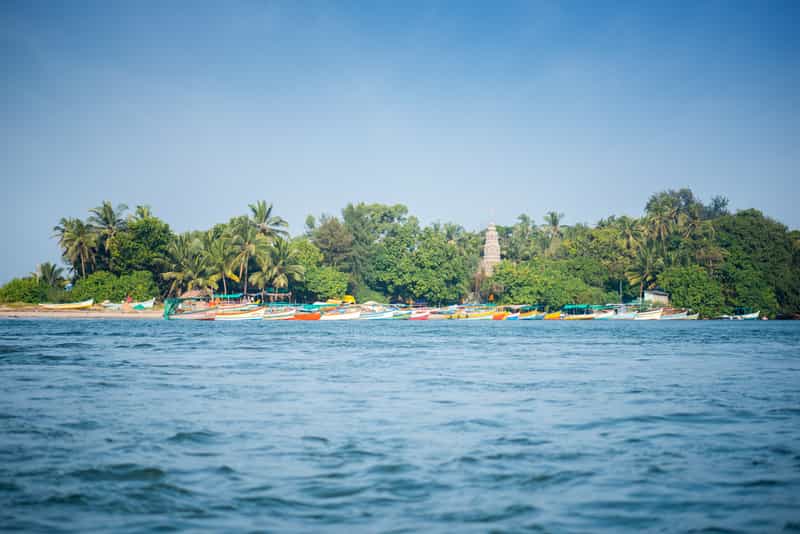
Tarkarli is a breathtaking coastal village in the Malvan region of Maharashtra, famous for its pristine white sand beaches and crystal-clear turquoise waters. It is widely recognized as Maharashtra’s premier destination for scuba diving and snorkeling, where visitors can explore vibrant coral reefs and exotic marine life. One of its most unique features is the confluence of the Karli River and the Arabian Sea, which creates scenic backwaters perfect for houseboat stays—the only ones of their kind in the state. The area is also steeped in history, located just a short boat ride away from the magnificent Sindhudurg Fort, a 17th-century sea fort built by Chhatrapati Shivaji Maharaj. Adventure seekers can visit Tsunami Island for various water sports like jet skiing and parasailing, or take boat trips to spot dolphins in the open sea. Along with its natural beauty, Tarkarli is celebrated for its authentic Malvani cuisine, especially its fresh seafood and spicy curries.
4. Kolhapur
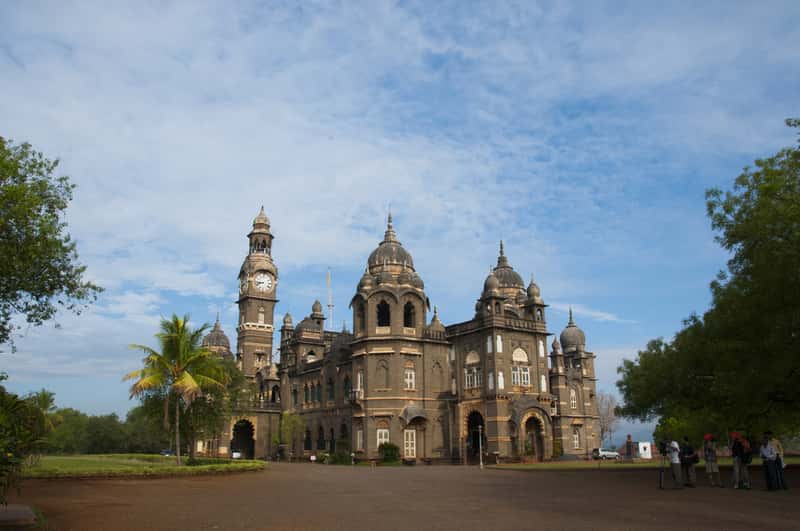
Kolhapur is a historic city in southern Maharashtra, widely known as the “Dakshin Kashi” (Kashi of the South) due to its profound spiritual significance and the presence of the ancient Mahalakshmi Temple. Located on the banks of the Panchaganga River, the city was once the capital of the Kolhapur Princely State and was famously transformed into a hub of social reform under the visionary leadership of Rajarshi Shahu Maharaj. Today, it is celebrated for its unique blend of Maratha heritage, bold culinary traditions, and world-famous handcrafted Kolhapuri chappals (leather slippers).
5. Mahad
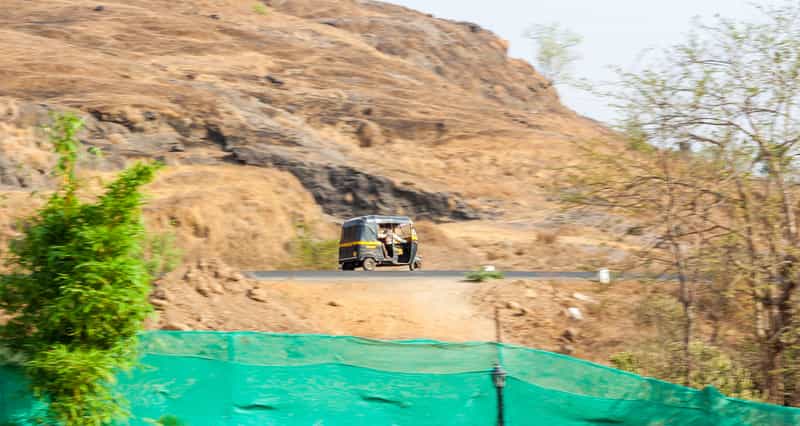
Mahad is a historically and culturally rich town in the Raigad district of Maharashtra, uniquely positioned on the banks of the Savitri River. It is globally recognized as the site of the Mahad Satyagraha. In 1927, Dr. B.R. Ambedkar led a revolutionary protest at the town’s Chavdar Tale (Tasty Lake), where he and thousands of followers drank water to assert the right of marginalized communities to access public resources. Today, this lake stands in the center of the city as a symbol of social equality and human dignity.
6. Pune
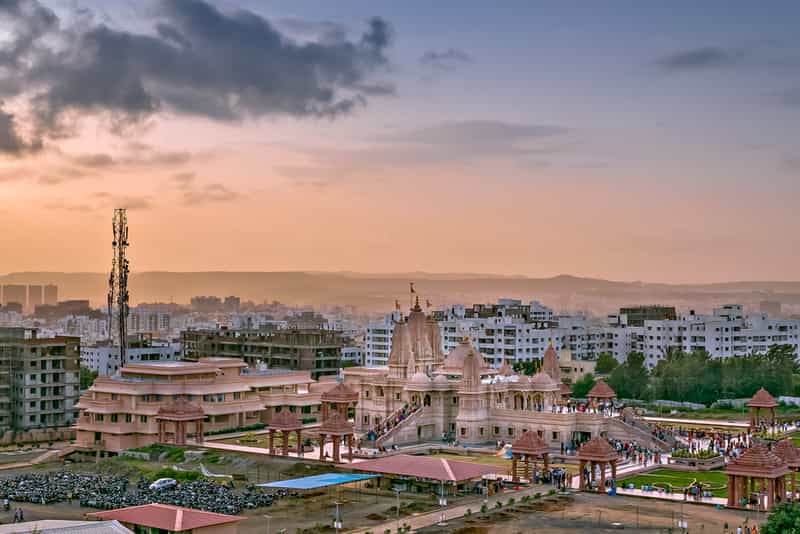
A convenient drive from the crazy hustle-bustle of Mumbai, Pune is comparatively less crowded, although it is transforming at par with other major cities in India. This amazing city is built on the convergence of two water bodies – Mula and Mutha rivers which lend it an amiable ambience throughout the year.
In addition to the weather, the historic monuments and magnificent temples make this place an amazing destination to visit with family, friends or even solo. Pune undoubtedly can be listed among the best places to visit near Mumbai.
7. Aurangabad
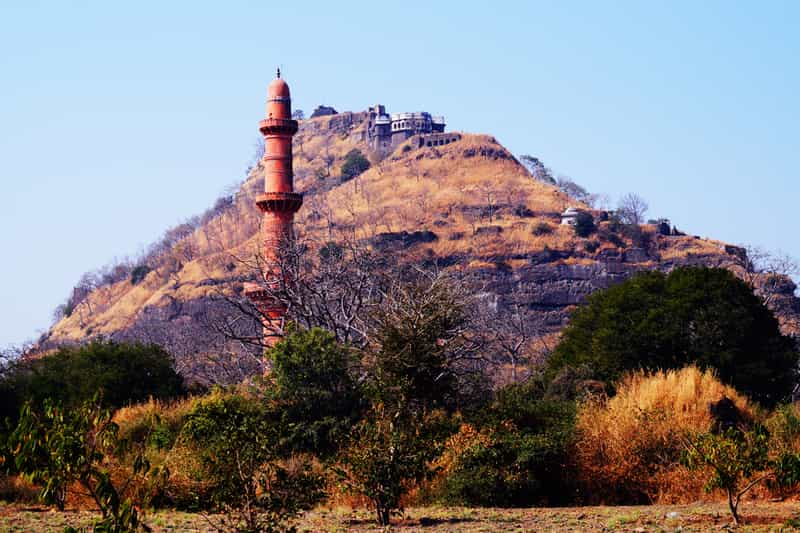
Aurangabad, now officially known as Chhatrapati Sambhajinagar, is the Tourism Capital of Maharashtra and a gateway to India’s ancient past. Founded in 1610 by Malik Ambar and later named after the Mughal Emperor Aurangzeb, the city is famously nicknamed the “City of Gates” because of the 52 historic gateways that once protected it. It is most renowned as the base for visiting two of the world’s most impressive UNESCO World Heritage Sites: the Ajanta Caves, known for their ancient Buddhist murals, and the Ellora Caves, which feature the massive monolithic Kailasa Temple.
8. Shirdi
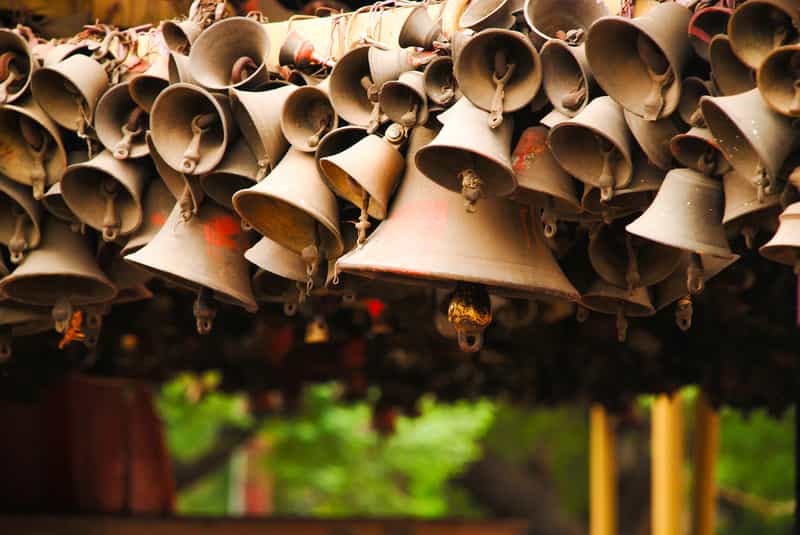
Shirdi is a world-famous pilgrimage town located in the Ahmednagar district of Maharashtra, best known as the home of the revered spiritual saint, Sai Baba. For decades, it has been one of the most visited religious sites in India, attracting millions of devotees from all over the world regardless of their religion. The heart of the town is the Shirdi Sai Baba Temple complex, which houses the Samadhi (tomb) of the saint and his beautiful white marble statue. Visitors often wait in long queues just to catch a glimpse of the idol and offer their prayers. The town is filled with several holy spots related to Sai Baba’s life. These include Dwarkamai, a mosque where he lived for over 60 years and kept a sacred fire (Dhuni) burning, and Chavadi, where he stayed every alternate night. Another peaceful spot is the Lendi Baug, a garden he personally tended and where he used to meditate. Shirdi has a very calm and spiritual vibe, with the sound of “Aarti” and bhajans playing throughout the day. Today, the town is very well-developed with its own airport, high-tech railway station, and hundreds of hotels to accommodate the massive crowd of pilgrims.
9. Ratnagiri
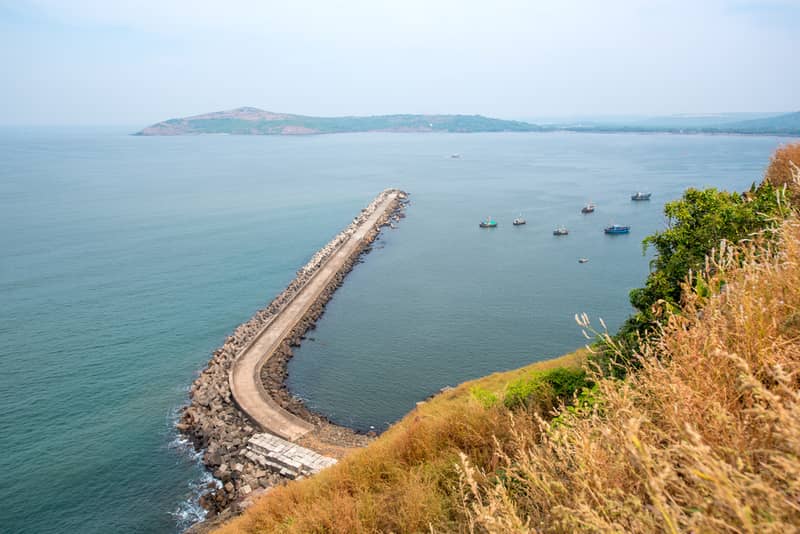
Ratnagiri is a beautiful port city on the Konkan coast of Maharashtra, globally famous as the king of fruits’ home—the Alphonso Mango (Hapus). Nestled between the Sahyadri mountains and the Arabian Sea, it offers a perfect mix of historical significance and serene coastal beauty. The city is the birthplace of the great freedom fighter Lokmanya Bal Gangadhar Tilak, and you can visit his ancestral home, which is now a museum. It also has a unique royal connection as the place where the last King of Burma, King Thibaw, lived in exile at the grand Thibaw Palace.
10. Ganapatipule
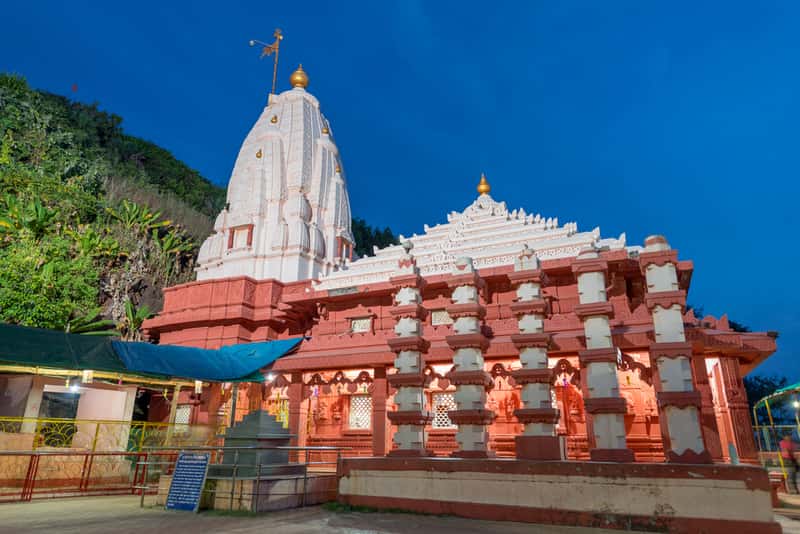
Ganpatipule is a serene and holy coastal town on the Konkan coast of Maharashtra, famous for its 400-year-old Swayambhu Ganpati Temple. Unlike most temples, the idol here is a “Swayambhu” (self-manifested) monolith of Lord Ganesha, and the temple is uniquely situated right on the edge of the beach. It is one of the “Paschim Dwar Devatas” (Western Sentinel Gods), and devotees believe that the local hill itself is shaped like Lord Ganesha, leading many to perform a Pradakshina (circumambulation) around the entire hill. The town is equally famous for its pristine, white-sand beaches and clear blue waters, which are much cleaner and quieter than those in Mumbai. The coastline is lined with lush mangroves and coconut palms, offering a perfect tropical atmosphere. Visitors can explore the nearby Prachin Konkan, an open-air museum that recreates ancient Konkan village life, or enjoy water sports at the MTDC resort. With its blend of spiritual peace and natural beauty, Ganpatipule is a favorite destination for both pilgrims and travelers looking for a relaxing seaside escape.
11. Durshet
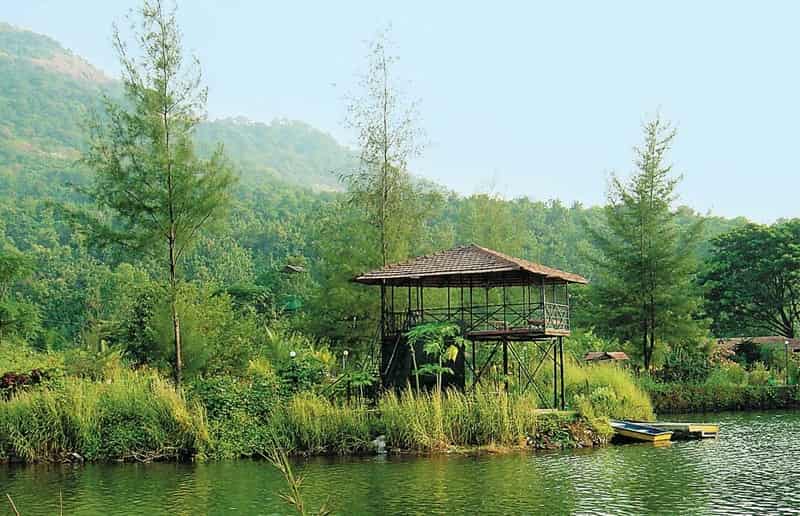
Durshet is a serene forest retreat located in the Khalapur region of Maharashtra, tucked away in the Sahyadri mountain ranges between Mumbai and Pune. Situated on the banks of the Amba River, it is primarily famous as an adventure and nature destination. The area is covered in thick teak and silver oak forests, which become incredibly lush and vibrant during the monsoon season. It is a preferred spot for corporate outings and family weekend trips because of its proximity to the Imagicaa theme park and the sacred Pali and Mahad Ashtavinayak temples. For adventure enthusiasts, Durshet offers a wide range of activities such as white-water rafting (at nearby Kolad), rappelling, zip-lining, and trekking through the forest trails to discover hidden waterfalls. The region is also rich in history, as the surrounding forests once served as a battlefield for the Maratha Empire. Nature lovers can enjoy bird watching, butterfly sightings, and peaceful walks through the woods. Whether you are looking for an adrenaline-pumping weekend of outdoor sports or a quiet stay in a forest lodge to reconnect with nature, Durshet provides a perfect rustic escape from the city’s noise.
12. Khuldabad
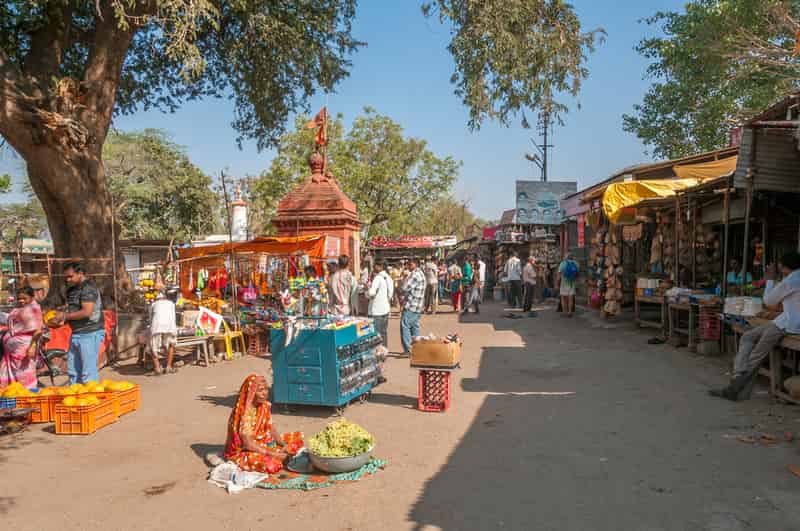
Khuldabad, famously known as the “Valley of Saints,” is a historic walled town in Maharashtra located just a few kilometres from the Ellora Caves. It earned its name because it served as the residence and final resting place for over 1,500 Sufi saints during the 14th century, making it a major spiritual centre. The most significant site here is the tomb of the Mughal Emperor Aurangzeb; unlike other grand Mughal monuments, his grave is remarkably simple and open to the sky, as per his final wish to be buried in a modest manner near his spiritual guru. Beyond its Sufi heritage, Khuldabad is home to the unique Bhadra Maruti Temple, which is one of only three temples in India where the idol of Lord Hanuman is in a reclining or sleeping position. The town is surrounded by a massive stone wall with seven gates and sits on a high plateau, offering a pleasant climate and scenic views of the surrounding valley. Visitors often visit Khuldabad alongside the Daulatabad Fort and Ellora, as it provides a quiet, peaceful atmosphere filled with centuries of religious and royal history.
13. Lavasa
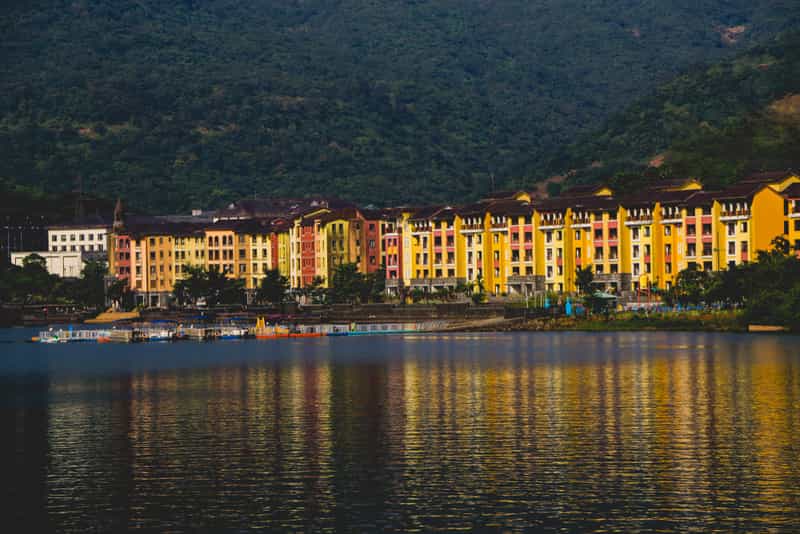
Lavasa is India’s first planned hill city, styled after the picturesque Italian town of Portofino. Located near Pune in the Sahyadri mountains, it is built along the banks of the Varasgaon Dam reservoir and is famous for its vibrant, colorful buildings and Mediterranean-style architecture. The heart of the city is the Lakeside Promenade, a long walkway lined with trendy cafes, restaurants, and shops, making it a popular spot for couples and families to enjoy a relaxing stroll with stunning water views. Designed as a modern retreat, Lavasa offers a mix of relaxation and adventure. You can enjoy water sports like pontoon boat rides, jet skiing, and kayaking on the lake, or head to the adventure park for activities like rappelling and trekking. During the monsoon, the entire valley turns lush green with numerous waterfalls, making the drive from Pune or Mumbai exceptionally beautiful. Whether you are looking for a luxurious stay in a boutique hotel or just a scenic day trip to enjoy the mountain air, Lavasa provides a unique, European-style escape right in the heart of Maharashtra.
14. Chiplun
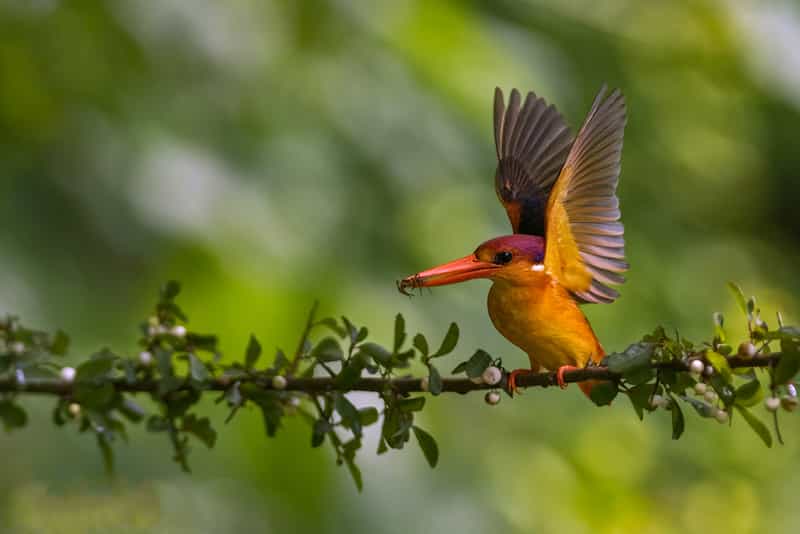
Chiplun is a scenic riverside town in the Ratnagiri district of Maharashtra, located on the banks of the Vashishti River. It is often referred to as the gateway to the Konkan region and is famous for its lush greenery, mango orchards, and peaceful atmosphere. The town’s name literally means “The abode of Lord Parshuram,” and its most significant landmark is the ancient Parshuram Temple, which features a unique blend of Hindu and Muslim architectural styles and is dedicated to the sixth avatar of Lord Vishnu. The town is a paradise for nature lovers, especially during the monsoon when the surrounding Sahyadri hills are covered in waterfalls and mist. A must-visit spot is the Sawatsada Waterfall, located right along the highway, and the Guhagar Beach, which is a short drive away. For panoramic views of the winding Vashishti River and its crocodiles, travelers often head to the Vashishti Viewpoint. Chiplun is also a major stop for those traveling on the Konkan Railway and is well-known for its authentic Konkani seafood and refreshing Solkadhi.
15. Harihareshwar
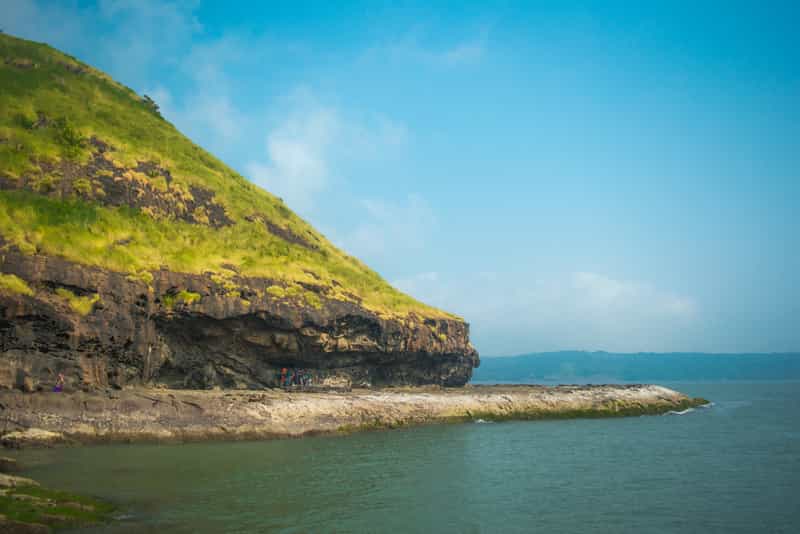
Harihareshwar is a serene coastal town in the Raigad district of Maharashtra, famously known as the “Dakshin Kashi” (Kashi of the South) due to its immense spiritual significance. It is home to the ancient Harihareshwar Temple, which is dedicated to Lord Shiva and surrounded by four holy hills: Harihareshwar, Harshinachal, Bramhadri, and Pushpadri. A unique feature of this temple is the Pradakshina route, a walking path that takes devotees along the rugged, sea-washed cliffs and rocky shores of the Arabian Sea, offering breathtaking views of the coastline. The town is equally popular for its clean, secluded beaches with soft blackish sand, providing a much quieter alternative to more commercial tourist spots. Located at the confluence of the Savitri River and the sea, it offers a peaceful atmosphere perfect for relaxation and meditation. Visitors can also explore the nearby Bagmandla village, where a ferry can take you across the bank to see the historic Bankot Fort. With its blend of powerful religious heritage and untouched natural beauty, Harihareshwar is a favorite destination for both pilgrims and nature lovers.
16. Harnai
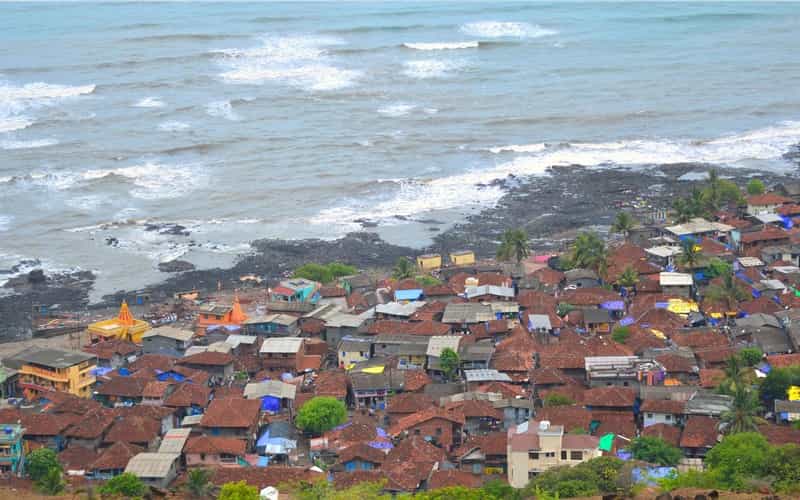
Harnai is a lively coastal village in the Ratnagiri district of Maharashtra, best known for its huge daily fish auction and historic sea forts. Every evening, the beach becomes a busy marketplace as hundreds of colourful fishing boats return with their fresh catch. It is a fascinating sight to watch locals and traders bid for pomfret, prawns, and lobsters right on the sand. The village is also famous for the Suvarnadurg Fort, a massive “Golden Fortress” located on a small island in the sea. You can take a short boat ride to explore this ancient Maratha stronghold, which was once used to protect the coast from pirates. On the mainland, you can visit the Kanakdurg Fort, which offers a beautiful view of the lighthouse and the entire coastline.
17. Neral
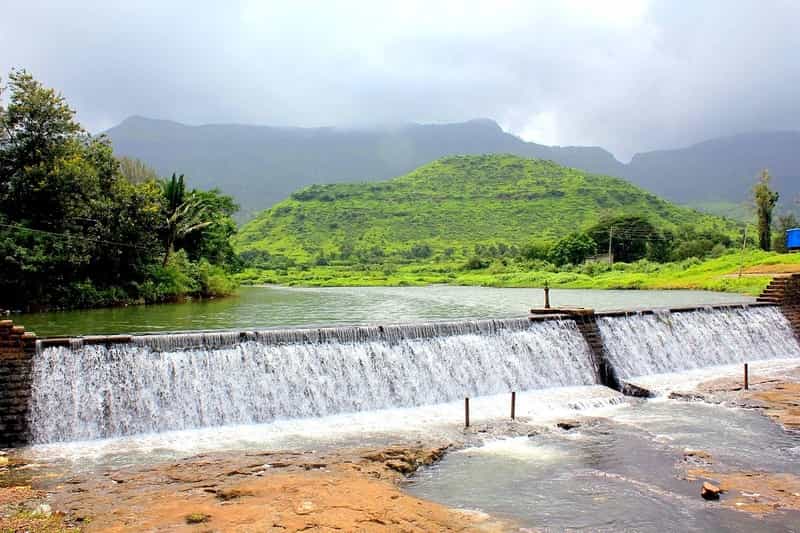
Neral is a small, scenic town in the Raigad district of Maharashtra, most famous as the primary gateway to the popular hill station of Matheran. It serves as the starting point for the iconic Matheran Toy Train, a UNESCO World Heritage site that winds through lush forests and steep mountain curves to reach the top. Because of this, Neral is a buzzing hub for tourists and trekkers who arrive by local train from Mumbai or Pune before heading up the hills. Apart from being a transit point, Neral has developed into a destination for nature lovers and adventure seekers. During the monsoon, the surrounding landscape turns vibrant green with numerous seasonal waterfalls and misty trails. Many trekkers use Neral as a base to hike up to Peb Fort (also known as Vikatgad), which offers panoramic views of the Western Ghats. In recent years, the town has also become popular for its riverside farmhouses and eco-resorts along the Ulhas River, providing a quiet escape for those looking to experience rural Konkan life without traveling too far from the city.
18. Kolad
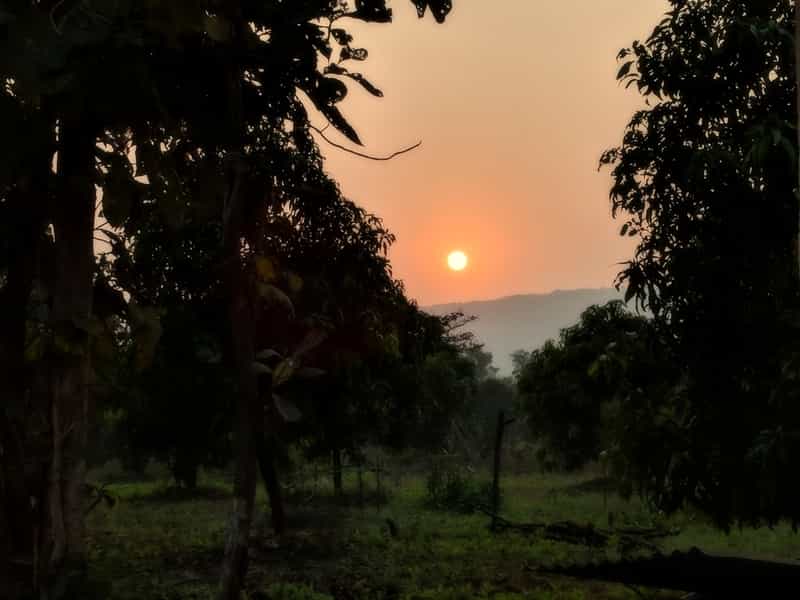
Kolad is a small, vibrant village in the Raigad district of Maharashtra, famously known as the “Adventure Capital of Maharashtra.” It is situated on the banks of the Kundalika River, which is one of the fastest-flowing rivers in the South, making it the only place in the state where you can enjoy white-water rafting almost all year round. The adrenaline-pumping rafting experience is governed by the release of water from the nearby Bhira Dam, creating Grade II and III rapids that attract thrill-seekers from Mumbai and Pune every weekend. Beyond the river rafting, Kolad is a paradise for nature lovers and trekkers. The landscape is dotted with lush forests, hidden waterfalls like Tamhini Ghat, and ancient forts such as Ghosala and Tala. During the monsoon, the entire region transforms into a misty green heaven, perfect for activities like kayaking, zip-lining, and rappelling. It is also a popular spot for lakeside camping near the Sutarwadi Lake, offering a peaceful escape for those who want to relax in a tent under the stars after a day of high-energy water sports.
19. Khodala
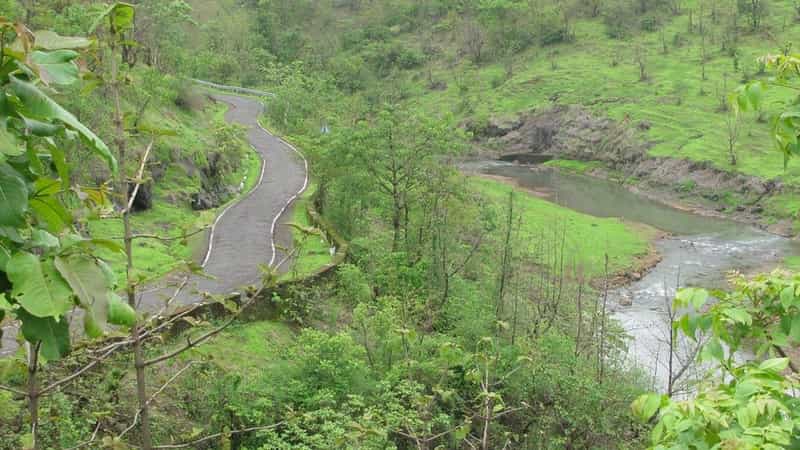
Khodala is a serene and relatively unexplored hill station located in the Palghar district of Maharashtra, situated at an altitude of about 1,800 feet. It is primarily famous for its dense forests, tranquil atmosphere, and tribal culture, making it a perfect offbeat destination for those looking to escape the crowded tourist spots of Lonavala or Mahabaleshwar. The village is home to various tribal communities, and visitors can often witness local traditions and the unique Warli art that the region is known for. Nature lovers and adventure seekers visit Khodala for its breathtaking views of the mountain ranges and its proximity to several scenic spots. The Amala Wildlife Sanctuary nearby is a haven for trekkers and birdwatchers, while the Deoband Temple, located on the highest peak in the area, offers panoramic views of the surrounding valleys and the Vaitarna Dam. During the monsoon, the region comes alive with misty hills and gushing waterfalls, creating a picturesque landscape ideal for photography and nature walks.
20. Latur
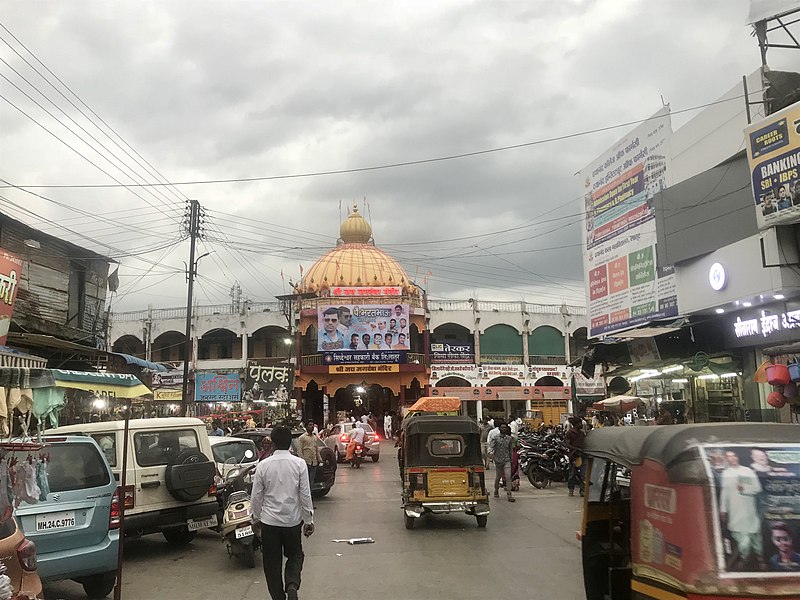
Latur is a significant historical and commercial city located in the Marathwada region of Maharashtra. It is best known as a major educational hub, often referred to as the “Latur Pattern” center due to its long-standing reputation for producing top-ranking students in state-level competitive exams. Historically, the city was part of the Rashtrakuta Empire and later the Nizam’s Hyderabad state, which has left it with a rich cultural heritage. One of its most famous landmarks is the Ganj Golai, a massive circular structure that acts as the city’s central market, where more than 15 roads converge.
21. Taj Mahal Palace Hotel
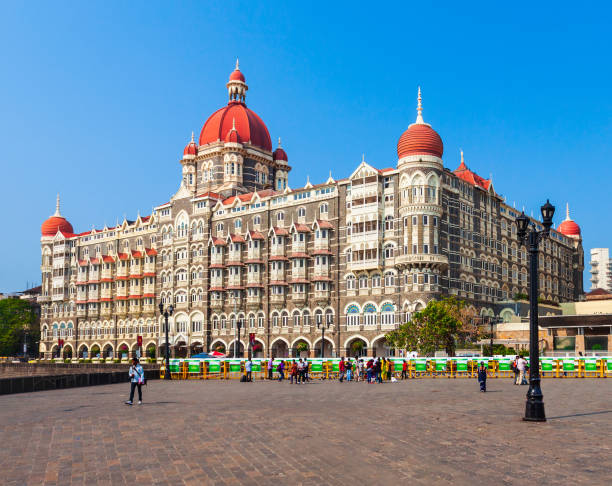
The Taj Mahal Palace Hotel is an iconic luxury landmark located in the Colaba area of Mumbai, standing majestically opposite the Gateway of India. Opened in 1903 by Jamsetji Tata, it was India’s first luxury hotel and has since become a global symbol of Indian hospitality and resilience. The hotel is famous for its stunning Indo-Saracenic architecture, featuring a magnificent red-tiled dome that has served as a navigational tip for sailors in the Arabian Sea for over a century. It consists of two distinct buildings: the historic Palace wing with its grand floating staircases and vaulted ceilings, and the modern Tower wing which offers panoramic views of the harbor. The Taj has hosted royalty, world leaders, and celebrities, from King George V to Barack Obama. It gained further international recognition for its incredible bravery and restoration following the 2008 terror attacks, becoming a symbol of Mumbai’s “never say die” spirit. Inside, the hotel is like a living museum, housing a vast collection of fine art and artifacts. It is also a premier culinary destination, home to legendary restaurants like Wasabi by Morimoto and The Sea Lounge, where the tradition of afternoon tea is world-renowned.
22. Gateway of India
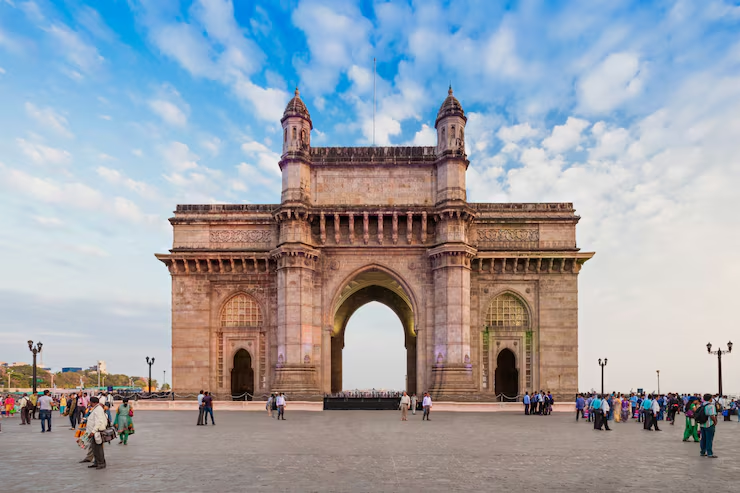
The Gateway of India is Mumbai’s most iconic landmark, standing prominently on the waterfront in the Colaba district overlooking the Arabian Sea. This grand arch-monument was built in the early 20th century to commemorate the visit of King George V and Queen Mary to India in 1911, though it was not completed until 1924. Designed by architect George Wittet, the structure is a masterpiece of Indo-Saracenic architecture, blending traditional Hindu and Muslim decorative elements with the scale of a Roman triumphal arch. It is built from yellow basalt and reinforced concrete, featuring intricate latticework and four large turrets. Historically, the Gateway is often referred to as the “Taj Mahal of Mumbai” and served as a ceremonial entrance to India for Viceroys and new Governors during the British Raj. Ironically, it also became the site of a historic departure in 1948, when the last British troops marched through the arch to board ships, marking the final end of British rule in India. Today, the area is a bustling social hub where thousands of tourists and locals gather to enjoy the sea breeze, watch street performers, and take photos against the backdrop of the Taj Mahal Palace Hotel. It also serves as the main jetty for ferries heading to the Elephanta Caves and Alibaug.
23. lal bagh Mumbai
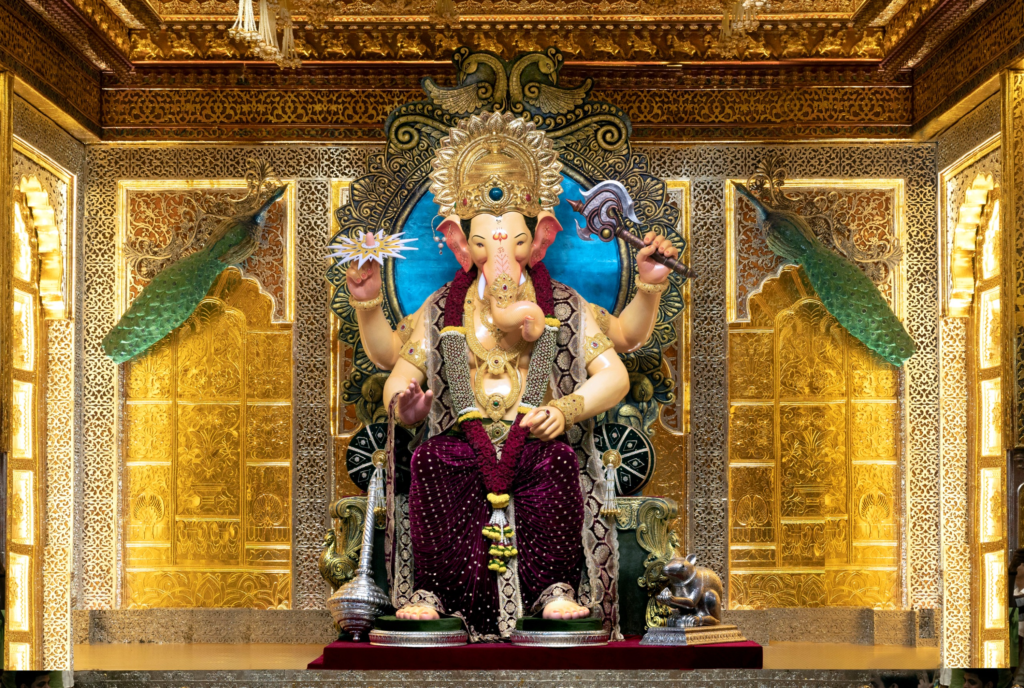
The Lalbaug area in Mumbai is most famous for being the heart of the city’s Ganesh Chaturthi celebrations, home to the world-renowned Lalbaugcha Raja (The King of Lalbaug). Founded in 1934, this iconic Ganpati idol attracts millions of devotees every year, including celebrities and political leaders, who wait in queues for over 24 hours just for a few seconds of darshan. Historically, Lalbaug was the center of Mumbai’s thriving textile mill industry (Girangaon); while many mills have now been replaced by high-rises and malls, the area still retains its traditional Marathi working-class culture and vibrant street life.
Beyond the festival, Lalbaug is a major hub for authentic Maharashtrian spices and traditional food. The Lalbaug Market is famous across the city for its rows of spice grinders and shops selling “Ghati Masala,” pickles, and dry snacks. It is also home to the historic Hanu-man Theatre, which was a center for Tamasha (traditional folk theater), and the Siddhivinayak Temple is located just a short distance away in neighboring Prabhadevi. Today, the area is a fascinating mix of old-world charm, bustling markets, and modern redevelopment, representing the true “Mumbaikar” spirit.
24. Bollywood
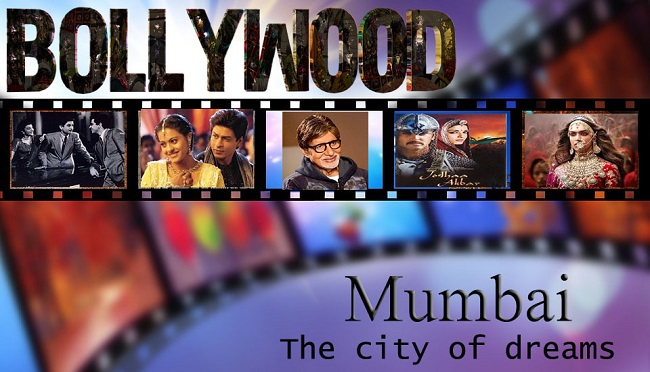
Bollywood, the vibrant heart of the Indian film industry based in Mumbai, is the largest film producer in the world. Its name is a creative blend of “Bombay” (Mumbai’s former name) and “Hollywood.” Unlike Western cinema, Bollywood is famous for its unique “Masala” style, which combines action, romance, comedy, and drama into a single film, almost always featuring elaborate song-and-dance sequences. These musical numbers are so central to the culture that movie soundtracks are often released months in advance and become massive hits on their own. The industry is a massive part of Indian identity, with fans treating superstars like Shah Rukh Khan, Amitabh Bachchan, and Salman Khan almost like royalty. Most of the filming happens in Film City, a giant studio complex in Goregaon, while the stars live in luxurious seaside bungalows in areas like Bandra and Juhu. Today, Bollywood has moved beyond just musicals to include high-budget action films and realistic social dramas, making it a global powerhouse that influences fashion, music, and dance trends across the world.
25. Chhatrapati Shivaji Maharaj Terminus (CSMT)
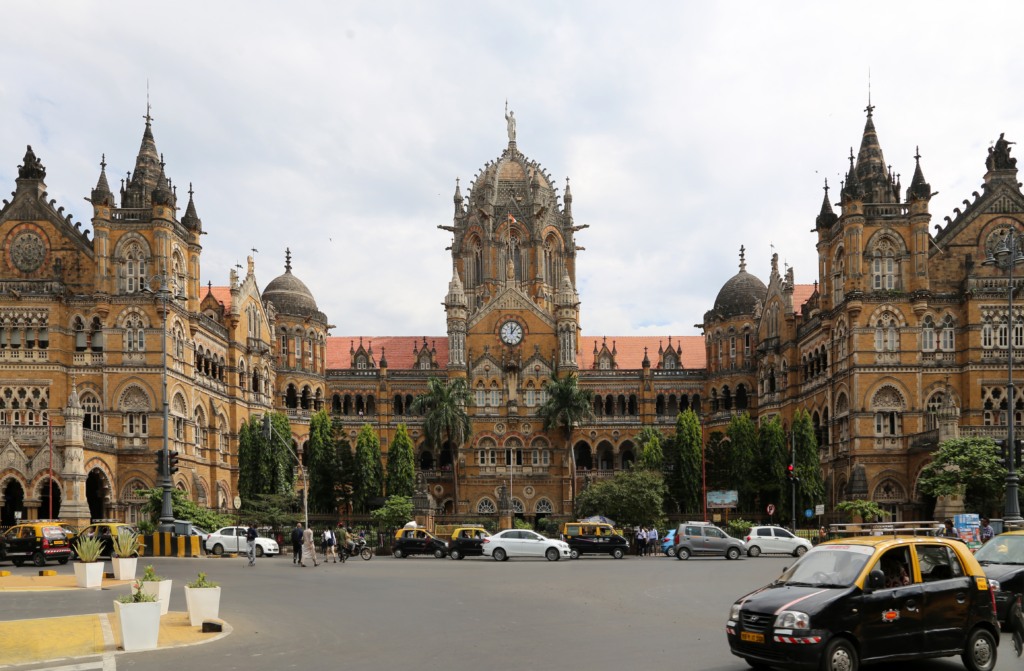
Chhatrapati Shivaji Maharaj Terminus (CSMT), formerly known as Victoria Terminus, is a historic railway station in Mumbai and a UNESCO World Heritage Site. Built in 1888 to commemorate the Golden Jubilee of Queen Victoria, it is one of the finest examples of Victorian Gothic Revival architecture blended with traditional Indian themes. Designed by architect F.W. Stevens, the building features magnificent stone domes, turrets, pointed arches, and intricate carvings of animals Beyond its architectural beauty, CSMT is the beating heart of Mumbai’s transport system, serving as the headquarters for the Central Railway. It is one of the busiest railway stations in India, where millions of commuters pass through its grand arches every day. Historically, it was the starting point of the first passenger train in India (from Mumbai to Thane in 1853). Today, it stands as a symbol of Mumbai’s resilience and history; at night, the entire facade is illuminated with spectacular multi-coloured lights, making it a favorite spot for photographers and tourists.
26. Wankhede Stadium Mumbai
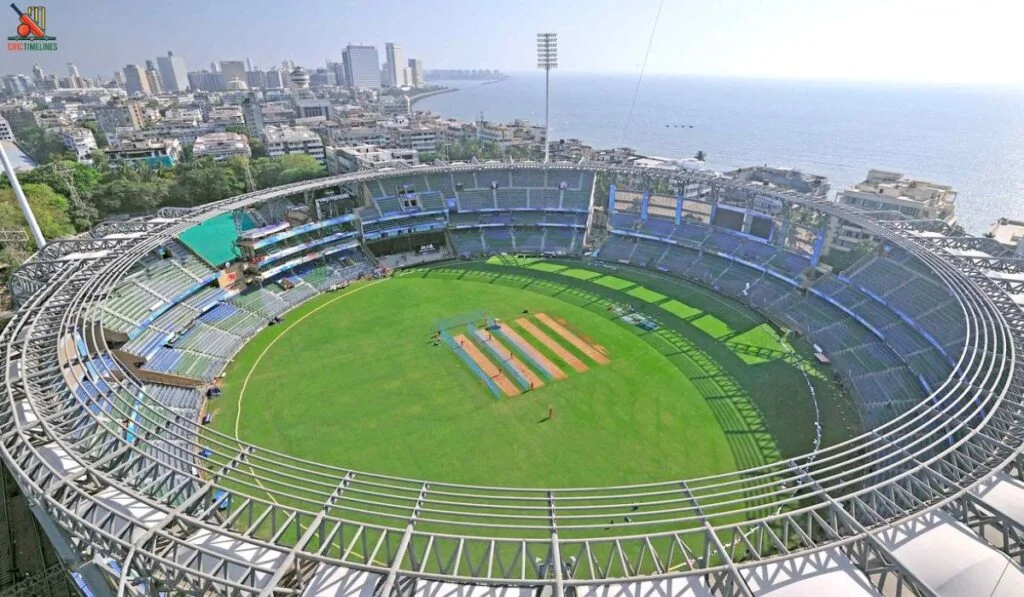
Wankhede Stadium is a world-renowned cricket arena located near Marine Drive in Mumbai and is considered the spiritual home of Indian cricket. Built in 1974 following a dispute between the Cricket Club of India and the Mumbai Cricket Association, it has a seating capacity of approximately 33,000. The stadium is most famous for hosting the 2011 ICC Cricket World Cup Final, where India defeated Sri Lanka and MS Dhoni hit the iconic winning six to seal the trophy. It is also the home ground for the Mumbai Indians IPL team and the Mumbai Ranji Trophy team. The stadium is uniquely designed with a cantilevered roof, which ensures there are no pillars to obstruct the fans’ view, and its proximity to the Arabian Sea allows the “sea breeze” to help swing bowlers. It holds a special place in history as the venue where Sachin Tendulkar played his final international match and where Ravi Shastri hit six sixes in an over. Known for its high-scoring pitches and an incredibly vocal crowd that chants “Sachin-Sachin,” Wankhede remains one of the most atmospheric and prestigious cricket venues in the world.
27. Elephanta caves
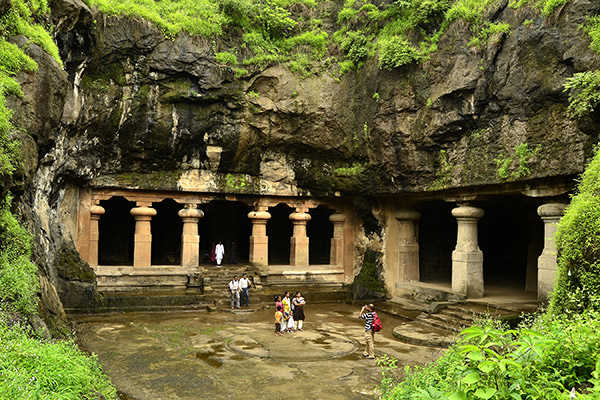
The Elephanta Caves are a collection of ancient rock-cut temples located on Elephanta Island (also known as Gharapuri), about 10 kilometres offshore from Mumbai. A UNESCO World Heritage Site, these caves date back to the 5th and 7th centuries and are primarily dedicated to the Hindu god Shiva. The site consists of two groups of caves: five Hindu caves featuring massive stone sculptures and two smaller Buddhist caves. The craftsmanship is world-renowned, representing the pinnacle of rock-cut architecture in Western India, carved directly into solid basalt rock. The masterpiece of the entire complex is the Trimurti Sadashiva, a 20-foot-tall colossal bust depicting Lord Shiva with three faces representing his roles as the Creator, Preserver, and Destroyer. Other impressive panels include the Ardhanarishvara (the half-male, half-female form of Shiva) and the Gangadhara (Shiva bringing the river Ganges to Earth). To reach the caves, visitors take a scenic one-hour ferry ride from the Gateway of India, followed by a climb of 120 steps or a ride on a mini-toy train to the cave entrance. Despite suffering damage during the Portuguese colonial era, the caves remain a powerful spiritual and artistic landmark.
28. Bandra-Worli Sea Link
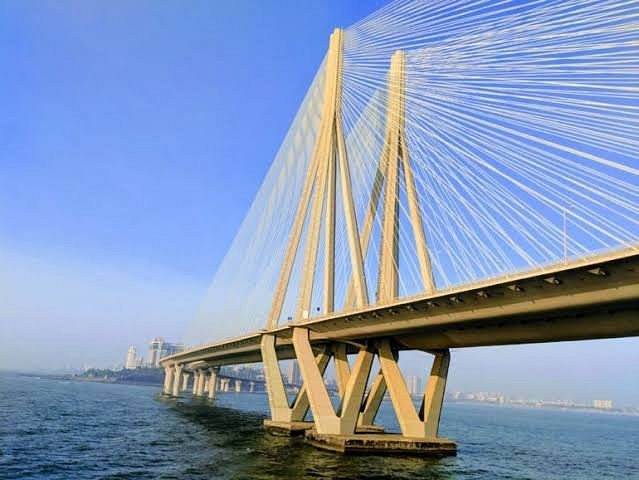
The Bandra-Worli Sea Link, officially called the Rajiv Gandhi Sea Link, is a spectacular 5.6-kilometre-long cable-stayed bridge that connects the western suburbs of Bandra to the business district of Worli. It is one of Mumbai’s most modern landmarks and is famous for its stunning engineering, featuring massive steel cables and two high-rise towers that look especially beautiful when lit up at night. The bridge was built to save time, reducing the travel between Bandra and Worli from nearly an hour to just about 10 minutes, allowing cars to glide over the Arabian Sea and bypass the city’s heavy traffic. Beyond being a useful road, the Sea Link has become a favorite spot for photographers and tourists. While you are not allowed to stop your car or walk on the bridge for safety reasons, it offers a breathtaking panoramic view of the Mumbai skyline and the vast ocean as you drive across. It is the first project of its kind in India to be built in open-sea conditions and has become a symbol of Mumbai’s progress and its fast-paced lifestyle.
29. Marine Drive
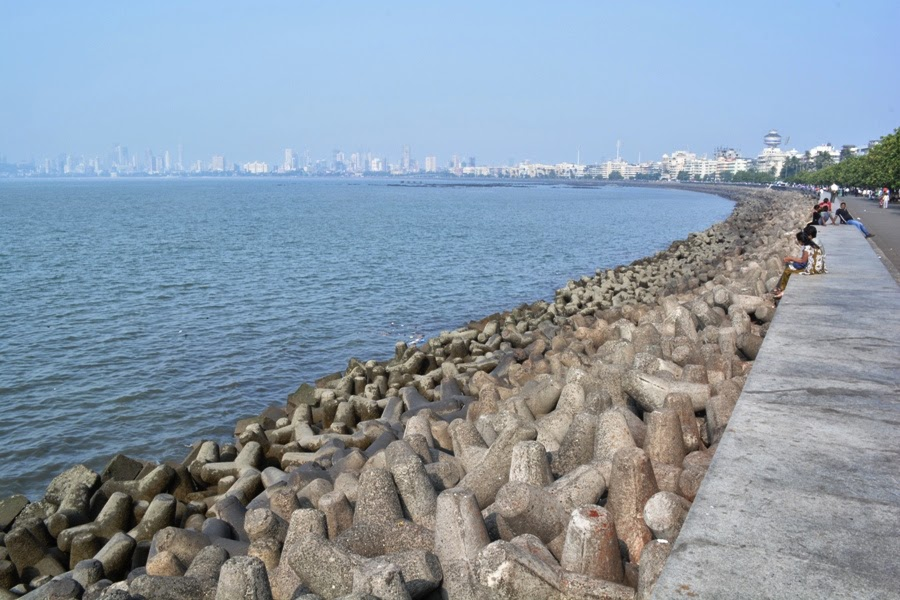
Marine Drive is a stunning 3.6-kilometre-long promenade in South Mumbai, famous for its curved shape along the Arabian Sea. It is affectionately called the “Queen’s Necklace” because, at night, the streetlights glowing along the curve look like a string of sparkling pearls when viewed from an elevated point. It is one of the most popular spots in the city for locals and tourists to sit by the sea, enjoy the cool breeze, and watch spectacular sunsets. The walkway is lined with beautiful Art Deco buildings, which are part of a UNESCO World Heritage site, giving the area a classic, old-world charm. On one end is Nariman Point, the city’s business hub, and on the other is Girgaon Chowpatty, a beach famous for its local street food like Bhel Puri and Pav Bhaji. Whether you want to go for an early morning jog, have a deep conversation with a friend, or simply enjoy the sound of the waves crashing against the “tetrapod” rocks, Marine Drive is the perfect place to experience the true spirit of Mumbai.
30. Shree Siddhivinayak Temple
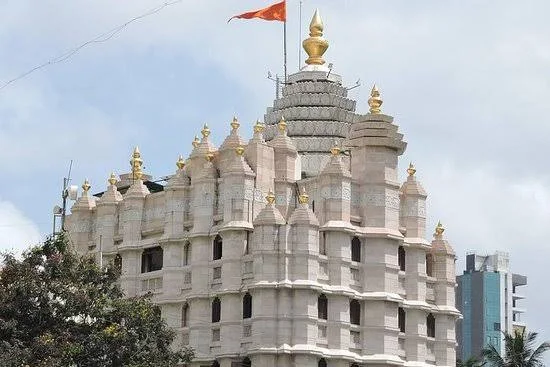
The Shree Siddhivinayak Temple, located in Prabhadevi, is Mumbai’s most revered shrine dedicated to Lord Ganesha, the elephant-headed god of wisdom and success. Established in 1801, it has grown from a tiny shrine into a magnificent six-storey temple topped with a gold-plated dome. The idol is unique because it is carved from a single piece of black stone with the trunk turned to the right, a feature believed to make the deity exceptionally powerful and “wish-fulfilling.” The temple is a spiritual magnet for everyone from common citizens to Bollywood celebrities and world leaders, many of whom visit barefoot as a sign of devotion. The temple is not only a place of worship but also a massive social institution. It is famously busy on Tuesdays, when thousands of devotees queue for hours to catch a glimpse of the idol during the Aarti. The temple’s interior is equally stunning, featuring intricately carved wooden doors depicting the eight forms of Ganesha (Ashtavinayak) and a sanctum ceiling plated in pure gold. Beyond its religious fame, the temple trust is known for its extensive charitable work, funding hospitals and schools across Maharashtra, making it a true symbol of Mumbai’s faith and community spirit.