

West Bengal is a state of immense cultural, geographical, and historical depth, often referred to as the “Cultural Capital of India.” Geographically, it is the only state in India that stretches from the snow-capped Himalayas in the north to the tropical Bay of Bengal in the south; its landscape encompasses the lush tea gardens of Darjeeling, the fertile plains of the Ganges, and the Sundarbans—the world’s largest mangrove forest. Its history is a rich tapestry woven from ancient empires, colonial legacies, and the intellectual awakening of the Bengal Renaissance, which gave birth to world-renowned figures such as Rabindranath Tagore and Swami Vivekananda.
Economically and culturally, the state is defined by its vibrant festivals—most notably Durga Puja—its world-famous sweets and fish-centric cuisine, and its deep-seated passion for art, literature, and cinema. From the bustling colonial-era streets of Kolkata to the historic terracotta temples of Bishnupur and industrial hubs like Durgapur, West Bengal remains a soulful confluence of tradition and modernity, serving as a vital gateway to both Northeast and Southeast Asia.
In terms of nominal GDP, West Bengal possesses India’s sixth-largest economy and serves as a major trade and financial hub for Eastern India. Its current developmental trajectory represents a blend of traditional agrarian dominance, a robust MSME sector, and targeted industrial expansion in the steel and petrochemical sectors.
West Bengal is considered a very safe destination for travelers, thanks to its highly hospitable culture and the helpful nature of its local residents. Its capital city, Kolkata, has been officially recognized as India’s safest city for several consecutive years.
Most Famous And Attractive Tourist Places In West Bengal :
1. Hooghly – History And Legacy
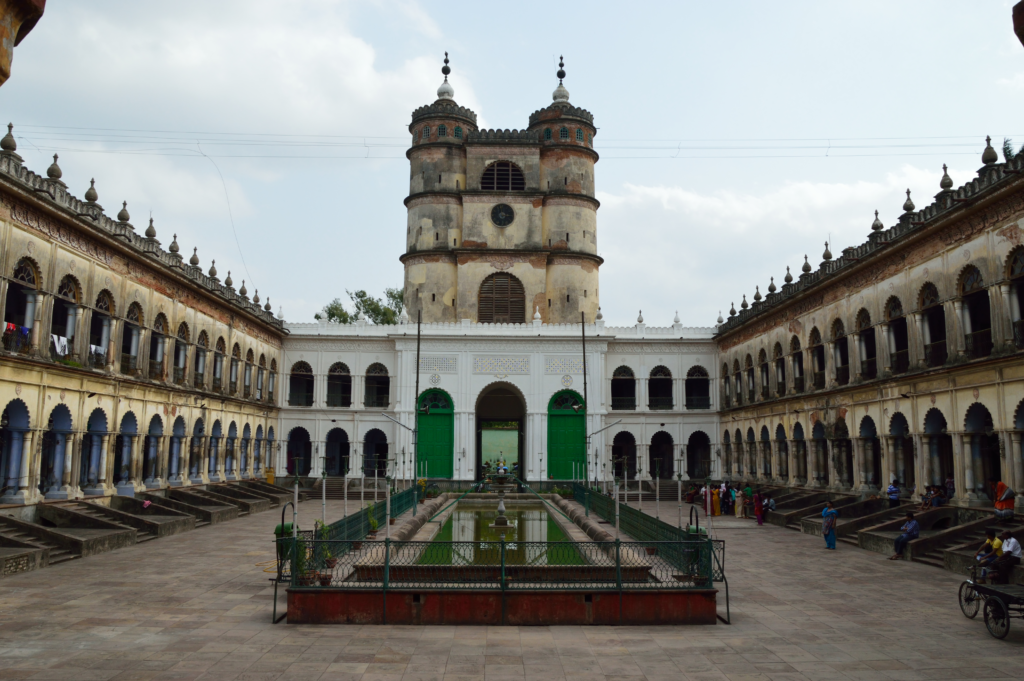
The Hooghly district of West Bengal serves as a living museum of India’s colonial and spiritual evolution, uniquely shaped by its position along the sacred Hooghly River. Its legacy is defined by a “Little Europe” corridor where the Portuguese (Bandel), Dutch (Chinsurah), French (Chandannagar), and Danes (Serampore) established thriving trade ports long before the British dominated the region. This multicultural history is still visible today through landmarks like the 16th-century Bandel Basilica, the French-style promenade of Chandannagar, and the historic Serampore College. Beyond its European influence, Hooghly is a cornerstone of the Bengal Renaissance; it is the birthplace of the great reformer Raja Rammohan Roy and the mystic saint Sri Ramakrishna Paramahansa. The district also holds a deep nationalist pride, as Bankim Chandra Chattopadhyay composed the national song, Vande Mataram, while residing in Chinsurah. Architecturally, the region is famed for the unique 13-minaret Hangseswari Temple and the grand Hooghly Imambara, reflecting a rich synthesis of Islamic and Hindu heritage. Together, these elements make Hooghly a vital artery of Bengal’s intellectual, religious, and political history.
2. Cooch Behar – Man-made Marvels
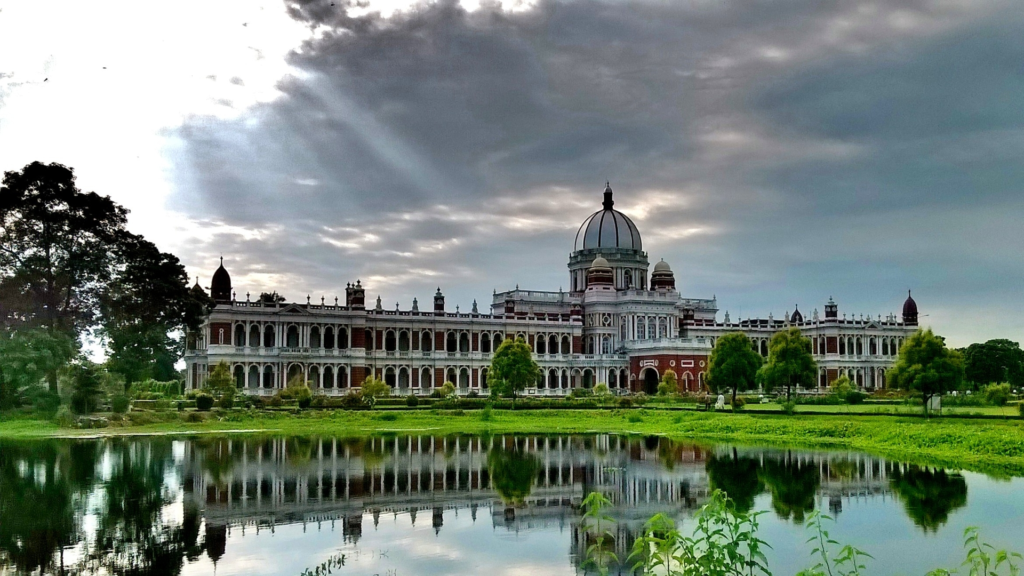
Cooch Behar, the only planned town in North Bengal, is a treasure trove of man-made marvels that reflect the visionary spirit and European-influenced tastes of the Koch dynasty. At the heart of its grandeur is the Cooch Behar Palace (also known as the Victor Jubilee Palace), a magnificent brick structure built in 1887 by Maharaja Nripendra Narayan. Designed in the Italian Renaissance style and famously modeled after London’s Buckingham Palace, its most striking feature is the massive 124-foot metal dome of the Durbar Hall, which draws inspiration from St. Peter’s Basilica in Rome. This regal legacy continues with the Madan Mohan Temple, a pristine white edifice completed in 1889 that blends traditional Bengali “char-chala” architecture with subtle British influences. The town’s aesthetic is further enhanced by Sagar Dighi, a large, rectangular man-made lake dug by the royals, which today serves as a peaceful promenade surrounded by heritage buildings and a sanctuary for migratory birds. Other notable marvels include the Baneswar Shiva Temple, unique for its sacred turtle-filled pond, and the ruins of the ancient capital at Rajpat in Gossanimari. Together, these structures form a distinctive landscape where classical Western architecture seamlessly integrates with Indian spiritual traditions.
3. Mayapur – The Religious City
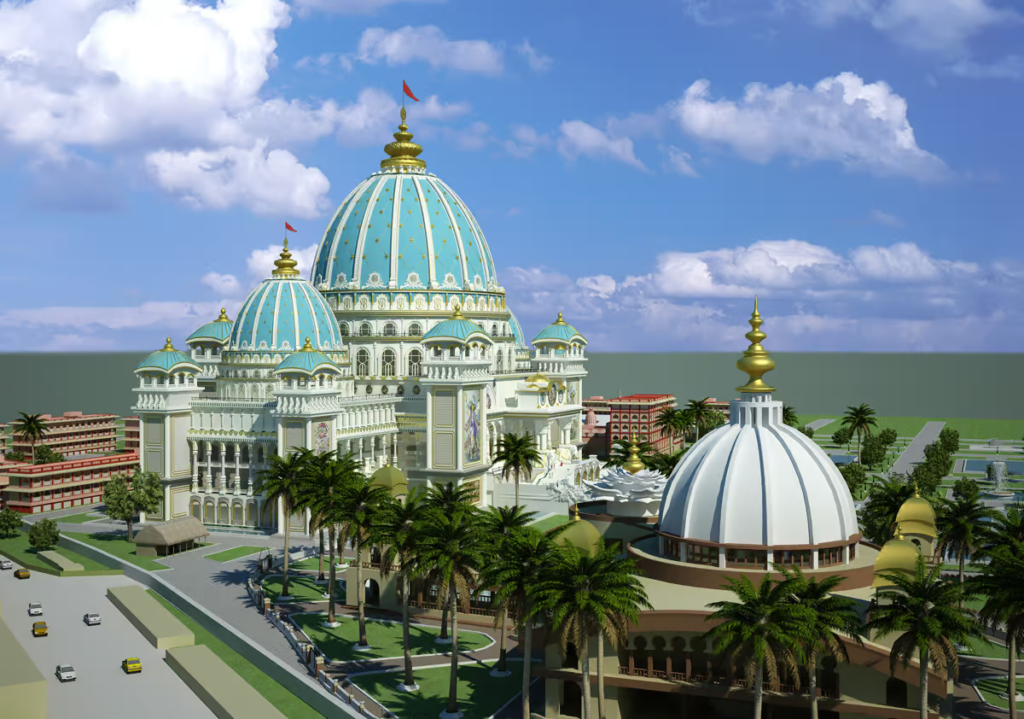
Mayapur, often referred to as the “Spiritual Capital of the World,” is a revered pilgrimage city located at the confluence of the Ganges and Jalangi rivers in West Bengal. It is globally significant as the birthplace of Sri Chaitanya Mahaprabhu, the 15th-century saint who founded Gaudiya Vaishnavism and inaugurated the Sankirtan movement of congregational chanting. Today, it serves as the international headquarters of ISKCON (International Society for Krishna Consciousness). The city’s landscape is dominated by the Temple of the Vedic Planetarium (TOVP), a massive architectural marvel that, upon completion, will be one of the largest religious monuments in the world, featuring a 350-foot high dome and a detailed Vedic model of the universe. Pilgrims from across the globe visit to pay respects at the Yoga Peeth (the exact birth site of Mahaprabhu), the opulent Srila Prabhupada Pushpa Samadhi Mandir, and the original ISKCON Chandrodaya Mandir. The city’s legacy is one of universal love and devotion, where the air is constantly filled with the sounds of kirtan and the spiritual vibrant energy of the Gaura Purnima festival.
4. Siliguri – Gateway To North East
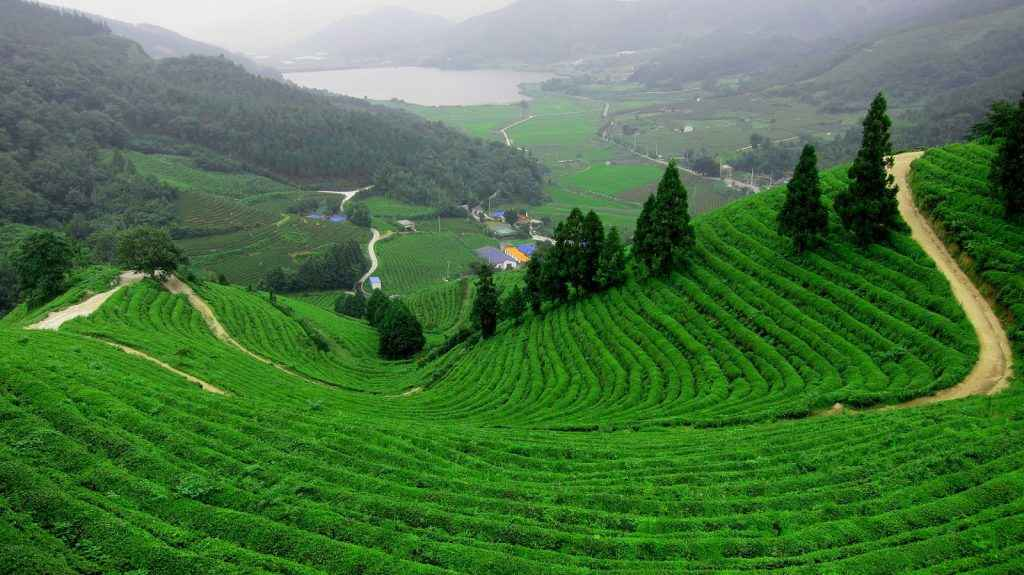
Siliguri, famously known as the “Gateway to Northeast India,” is a strategically vital city in West Bengal situated in the foothills of the eastern Himalayas on the banks of the Mahananda and Teesta rivers. Its most critical feature is the Siliguri Corridor, a narrow land strip popularly called the “Chicken’s Neck” that measures as little as 20–22 km at its narrowest point. This corridor serves as the sole terrestrial link between mainland India and the eight northeastern states, making it a “jugular vein” for national security, trade, and transportation. Historically, Siliguri evolved from a small agricultural village into a major hub after the 1947 Partition, which made its role as a transit point for essential goods and military logistics indispensable. Today, it is recognized for the “Three Ts”—Tea, Timber, and Tourism—serving as a commercial capital for North Bengal and a primary base for travellers heading to Darjeeling, Sikkim, Nepal, and Bhutan. With major hubs like the New Jalpaiguri (NJP) Railway Station and Bagdogra International Airport, the city has rapidly grown into the third-largest urban area in West Bengal and continues to expand as a pivotal junction for India’s Act East Policy and regional economic integration.
5 . Mirik – Fairytale Land
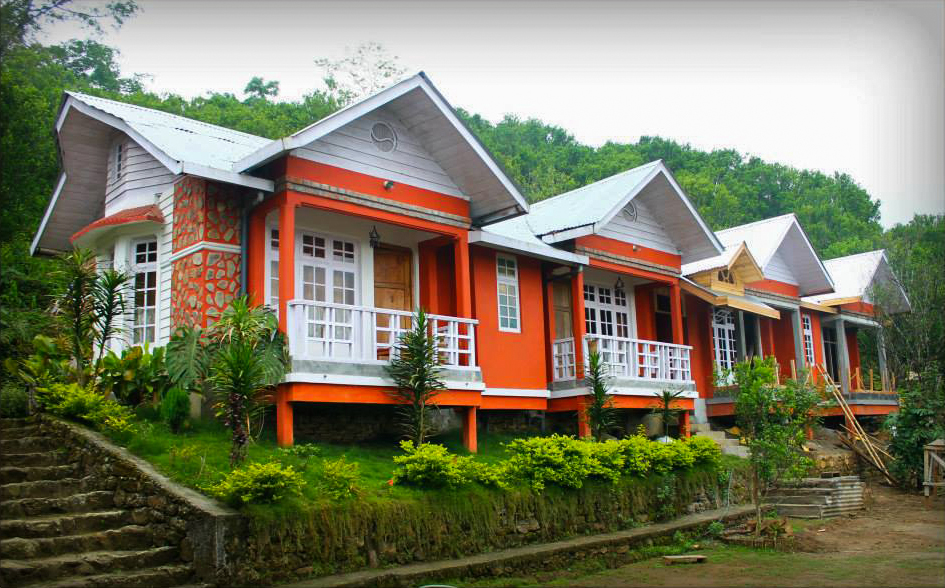
Mirik, nestled in the serene hills of the Darjeeling district, is often described as a “Fairytale Land” due to its ethereal natural beauty and tranquil atmosphere. The centerpiece of this picturesque town is the Sumendu Lake (commonly known as Mirik Lake), a man-made marvel surrounded by a lush forest of towering Dhupi (Cryptomeria japonica) trees on one side and a manicured garden on the other. A 3.5 km long trail circles the lake, connected by an arched footbridge called Indreni Pull, which adds a poetic charm to the landscape. On clear days, the shimmering waters of the lake reflect the majestic snow-capped peaks of Mount Kanchenjunga, creating a scene straight out of a storybook. Beyond the lake, Mirik is carpeted with rolling tea gardens, such as the famous Thurbo Tea Estate, and fragrant orange orchards that glow golden during the harvest season. The town’s quiet winding roads, mist-covered valleys, and viewpoints like Bokar Monastery and Tingling Viewpoint offer breathtaking panoramas that make it a perfect retreat for those seeking a slower, magical pace of life away from the bustle of the plains.
6. Digha – Unspoiled Beach Town
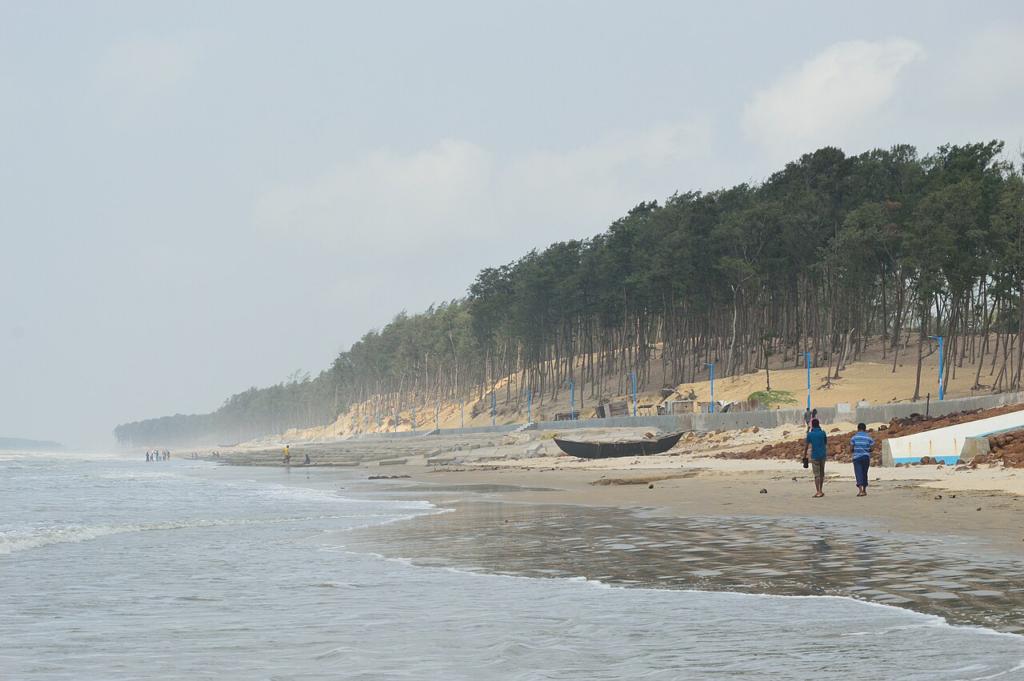
Digha, located on the shores of the Bay of Bengal in East Midnapore, is West Bengal’s most popular sea resort, cherished for its flat, hard beaches and casuarina-lined coast. Originally known as Beerkul during the British era, it was famously referred to as the “Brighton of the East” by Warren Hastings due to its scenic beauty and bracing air. The town is divided into two main sections: Old Digha, known for its iconic stone-embanked shoreline where waves crash dramatically against the sea walls, and New Digha, which offers a wider, sandy beach perfect for swimming and sunbathing. One of Digha’s unique geographic features is that the sea is calm and shallow for nearly a mile from the beach, making it exceptionally safe for tourists. Beyond the surf, the town features attractions like the Marine Aquarium and Regional Centre (MARC), which houses a diverse range of local sea life, and the nearby Talsari Beach and Udaipur Beach, which still retain a pristine, “unspoiled” charm with fewer crowds and dense red crab populations. Its legacy as a getaway is defined by breathtaking sunrises and sunsets over the horizon, fresh seafood markets, and its role as a peaceful refuge for travelers from across Eastern India.
7. Murshidabad – Ancient Vibes
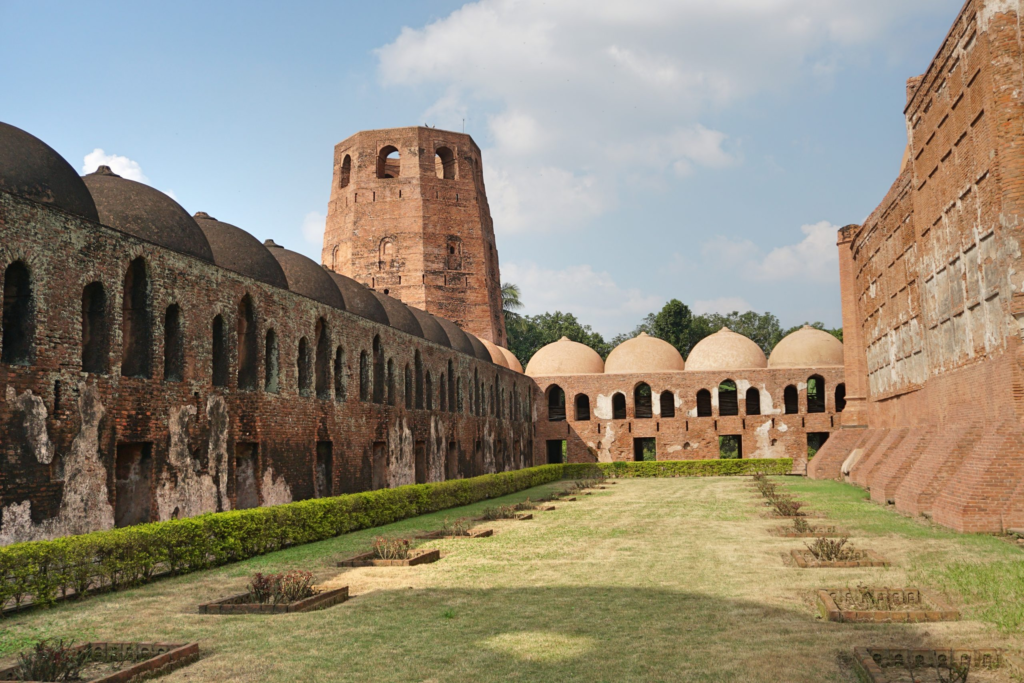
Murshidabad, the final capital of independent Bengal, is a city steeped in “Ancient Vibes” that echo the grandeur of the Nawabi era and the dramatic shift of Indian history. Situated on the banks of the Bhagirathi River, its legacy began in 1704 when Murshid Quli Khan moved the capital here from Dhaka, transforming it into a global hub for silk, muslin, and trade that once contributed significantly to the world’s GDP. The city’s atmosphere is defined by its architectural masterpieces, most notably the Hazarduari Palace, or the “Palace of a Thousand Doors,” a 19th-century Indo-European marvel that now serves as a massive museum of royal weaponry and Dutch, French, and Italian paintings. Visitors can feel the weight of history at the Katra Mosque, which houses the tomb of Murshid Quli Khan beneath its entrance stairs as an act of humility, or at the Khushbagh cemetery, the final resting place of Nawab Siraj-ud-Daulah, whose defeat at the 1757 Battle of Plassey nearby marked the dawn of British rule in India. This ancient aura is further enriched by the Sheherwali culture of Jain merchants, visible in the opulent Kathgola Palace and the intricate terracotta temples of Baranagar. Today, Murshidabad remains a living archive of a bygone era, where every mosque, tomb, and crumbling gateway tells a story of incredible wealth, cultural synthesis, and royal intrigue.
8. Kurseong – Land Of White Orchids
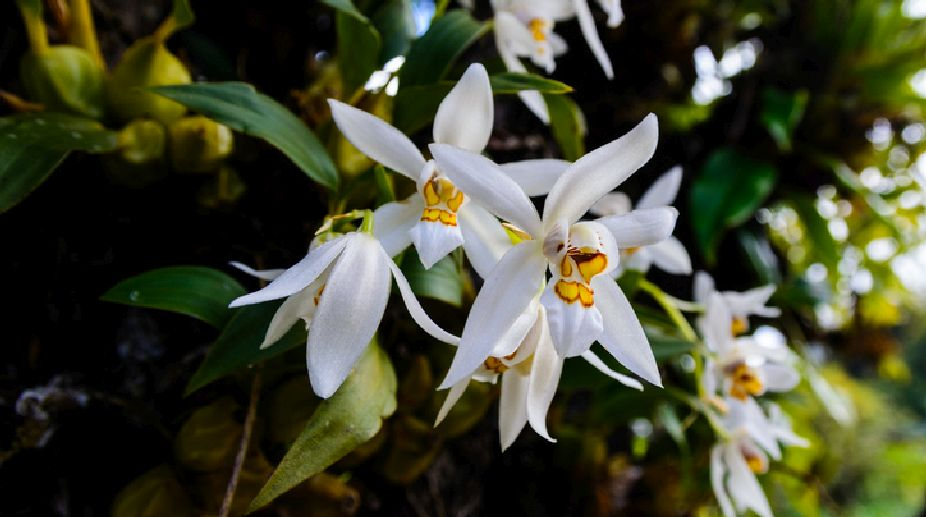
Kurseong, perched at an altitude of 4,864 feet between Siliguri and Darjeeling, is affectionately known as the “Land of White Orchids” (Kharsang in Lepcha) due to the abundance of wild white orchids that carpet its lush hillsides. Unlike its more bustling neighbors, Kurseong retains a quiet, old-world charm characterized by its colonial-era boarding schools, mist-shrouded valleys, and some of the world’s most prestigious tea gardens, including Makaibari and Castlehton, which produce the famous “Champagne of Teas.” The town’s landscape is uniquely intertwined with the Darjeeling Himalayan Railway, a UNESCO World Heritage site, as the “Toy Train” tracks run directly through the main market and alongside the winding Hill Cart Road. Visitors are drawn to its serene viewpoints like Eagle’s Crag, which offers a panoramic view of the Teesta River and the southern plains, and historical sites like the Netaji Subhash Chandra Bose Museum, where the freedom fighter was once interned. With its cool, temperate climate and forests of pine and rhododendron, Kurseong remains a peaceful sanctuary that feels timeless, offering a “fairytale” atmosphere where the scent of tea leaves and the sight of delicate orchids define the essence of the hills.
9. Durgapur – Steel Capital
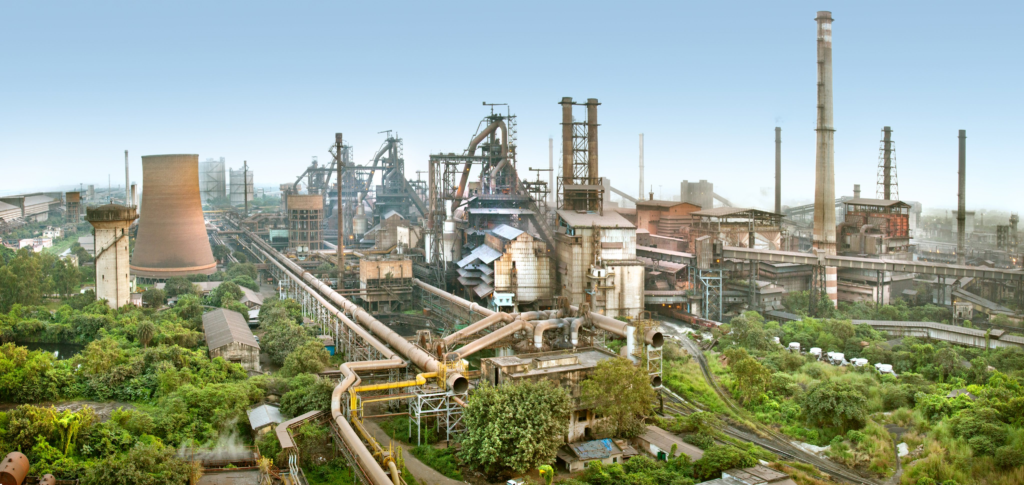
Durgapur, known as the “Steel Capital of Eastern India” or the “Ruhr of India,” is a premier industrial city in West Bengal situated on the banks of the Damodar River. Its legacy was shaped by the vision of India’s first Prime Minister, Jawaharlal Nehru, and the then Chief Minister of West Bengal, Dr. Bidhan Chandra Roy, who transformed this once-forested region into a modern industrial powerhouse in the late 1950s. The city’s identity is anchored by the Durgapur Steel Plant (DSP), established with British collaboration, and the Alloy Steels Plant (ASP), which together form the backbone of the region’s economy. Beyond its massive blast furnaces and chimneys, Durgapur is one of the few planned cities in India, characterized by wide avenues, lush green townships, and a robust educational infrastructure, including the National Institute of Technology (NIT) Durgapur. While its spirit is industrial, the city offers a peaceful balance with landmarks like the Durgapur Barrage, a magnificent engineering feat that controls the Damodar’s flow, and the sprawling Bhabani Pathak’s Tilla, which connects the city to Bengal’s revolutionary past. Today, Durgapur stands as a symbol of India’s post-independence industrial dreams, blending heavy manufacturing with a modern, high-quality urban lifestyle.
10. Haldia – Most Culturally Inclined
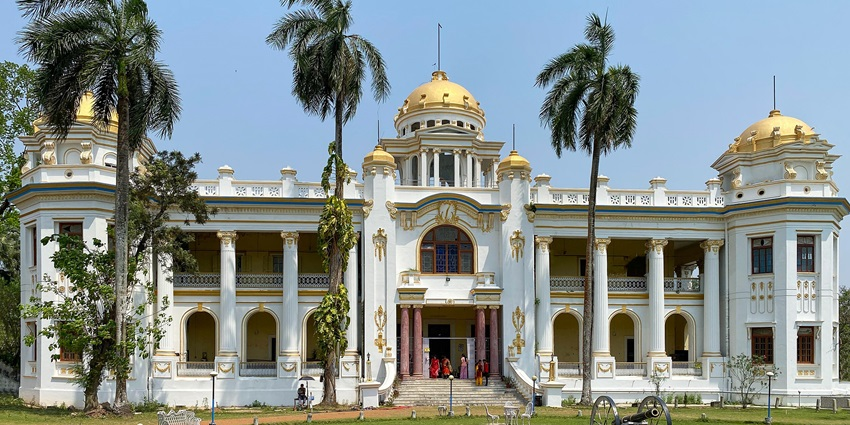
Haldia, primarily recognized as a major river port and industrial hub at the confluence of the Hooghly and Haldi rivers, surprisingly stands out as one of West Bengal’s most culturally inclined industrial cities. Unlike typical factory towns, Haldia has fostered a rich social ecosystem where the rapid growth of petro-chemical and oil industries—such as Haldia Petrochemicals and the IOCL Refinery—coexists with a vibrant dedication to the arts, literature, and community festivals. This cultural inclination is evident in the city’s numerous “Haldia Utsavs” and trade fairs, which transform the industrial landscape into a stage for folk music, Baul performances, and traditional Bengali theatre. The city’s planned townships are meticulously designed with expansive green parks, community centers, and libraries, encouraging a lifestyle that balances technical labor with intellectual pursuit. Landmarks like the Haldia Dock Complex provide a scenic backdrop for the city’s riverside promenades, which serve as gathering spots for local poets and artists. By integrating modern infrastructure with a deep-rooted love for Bengal’s heritage, Haldia has successfully shed the image of a “concrete jungle” to become a center where industrial progress and cultural refinement go hand in hand.
11. Bakkhali – Not A Regular Beach Town
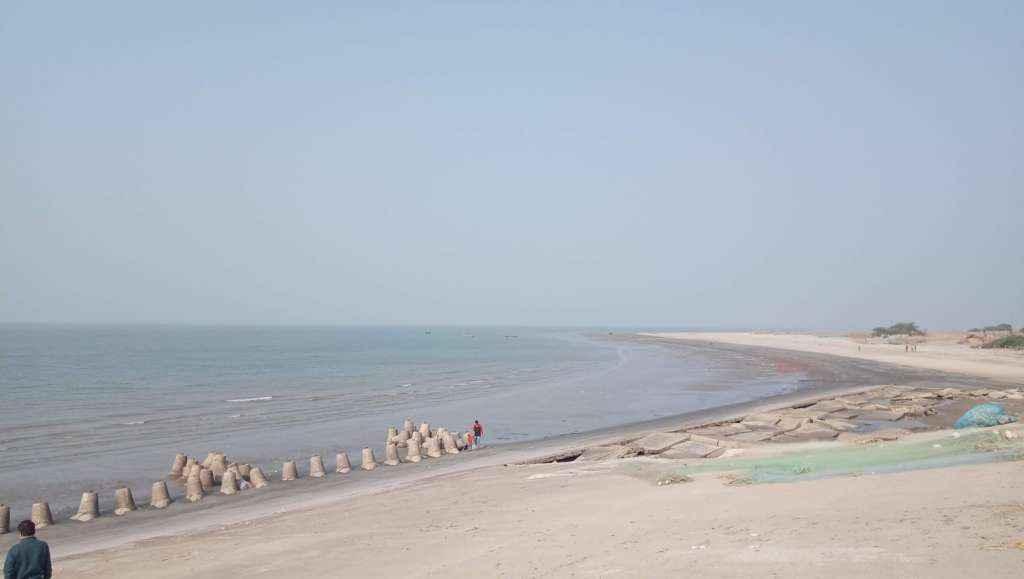
Bakkhali is a unique seaside destination in West Bengal that feels very different from your typical noisy beach resort. Located on one of the many deltaic islands in the Sundarbans, it is famous for its crescent-shaped beach that stretches for 8 kilometers, offering a quiet and lonely atmosphere perfect for long walks. What makes it “not a regular beach town” is its geography; the sand is hard enough to drive or cycle on, and the water is very calm with almost no large waves, making it feel more like a peaceful lake than a rough ocean. The town is surrounded by dense mangrove forests and is home to the Henry’s Island, where you can climb a watchtower to see the vast greenery of the delta. Another special feature is the Fraserganj area, which is filled with massive white windmills that generate electricity, giving the coast a futuristic look. Since it faces the south, you can see both the sunrise and the sunset over the sea from the same beach. With its mix of red crabs, crocodile breeding centres, and forest trails, Bakkhali is more of a nature lover’s retreat than a typical party beach.
12. Bishnupur – Land Of Terracotta Temples
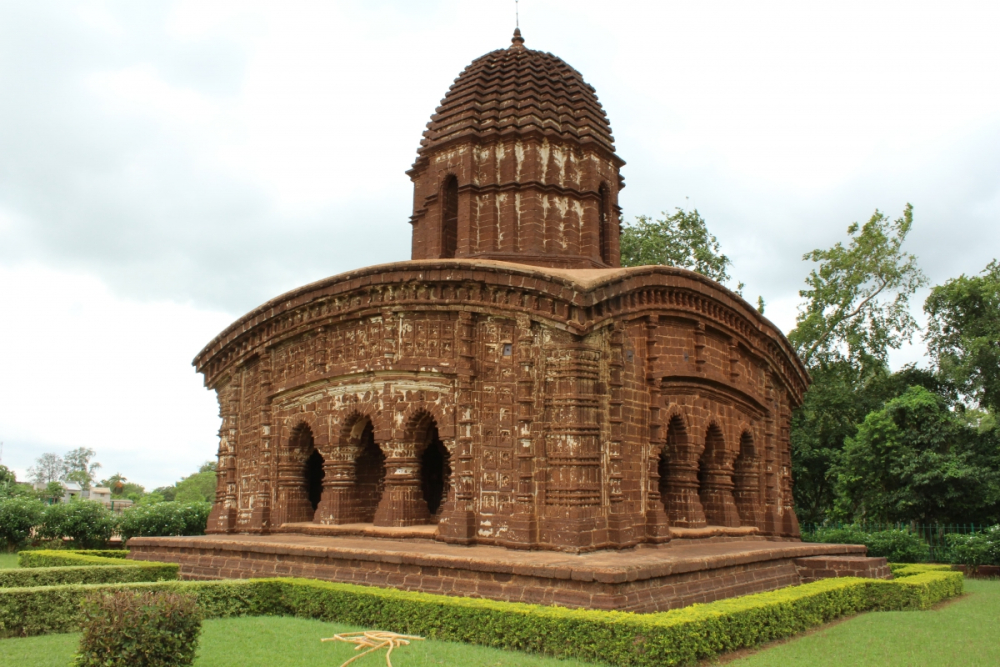
Bishnupur, located in the Bankura district, is internationally renowned as the “Land of Terracotta Temples,” serving as a magnificent testament to the artistic and spiritual heights of the Malla Dynasty. Between the 17th and 18th centuries, the Malla kings, who were devout Vaishnavas, commissioned a series of unique temples built from local laterite clay because stone was scarce in the region. These structures are famous for their intricate terracotta panels, which depict detailed scenes from the Ramayana, Mahabharata, and the life of Lord Krishna, as well as glimpses of contemporary social life. Architectural marvels like the Rasmancha, with its unique pyramid-like structure, and the Jor Bangla Temple, which mimics the shape of traditional thatched huts, showcase a distinct “Bishnupuri” style. Beyond its temples, the town is a cradle of the Bengal Renaissance, famous for its Bishnupur Gharana of Hindustani classical music and the exquisite Baluchari Saris, where weavers recreate mythological stories in silk. Today, the town remains a living heritage site where the earthy red hue of the temples and the sound of ancient looms create an atmosphere of timeless artistic devotion.
13. Bardhaman – An Absolute Town
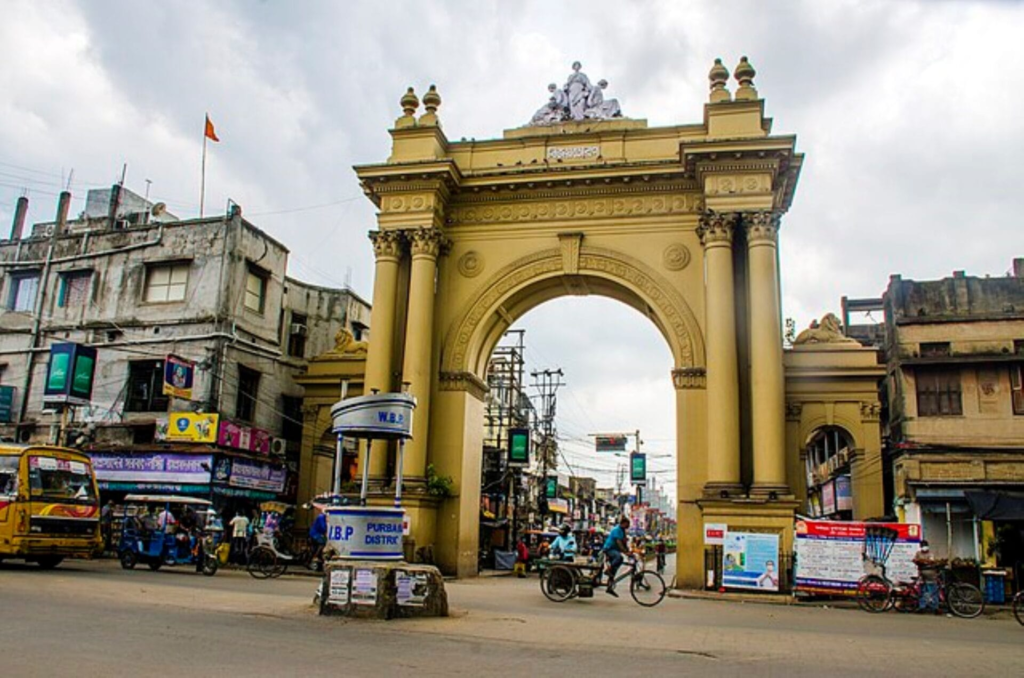
Bardhaman (or Burdwan) is often called an “Absolute Town” because it perfectly balances a rich royal history with its modern identity as the “Rice Bowl of West Bengal.” Historically, it served as the seat of the powerful Bardhaman Raj, whose legacy is visible in landmarks like the Curzon Gate, a majestic arch built in 1903 to welcome Lord Curzon. The town’s spiritual side is anchored by the 108 Shiva Temples, an architectural marvel consisting of two concentric circles of shrines, and the Sarvamangala Temple, which is deeply revered by locals. Bardhaman is also a major center for education and science, housing the prestigious Burdwan University and the Meghnad Saha Planetarium. Its cultural legacy is perhaps best tasted through its world-famous sweets, Sitamog and Mihidana, which carry a Geographical Indication (GI) tag. With its vast green paddy fields surrounding a bustling urban center, Bardhaman offers a complete experience of Bengali life—merging old-world zamindari grandeur with a thriving agricultural and academic spirit.
14. Dooars – Gateway To Bhutan
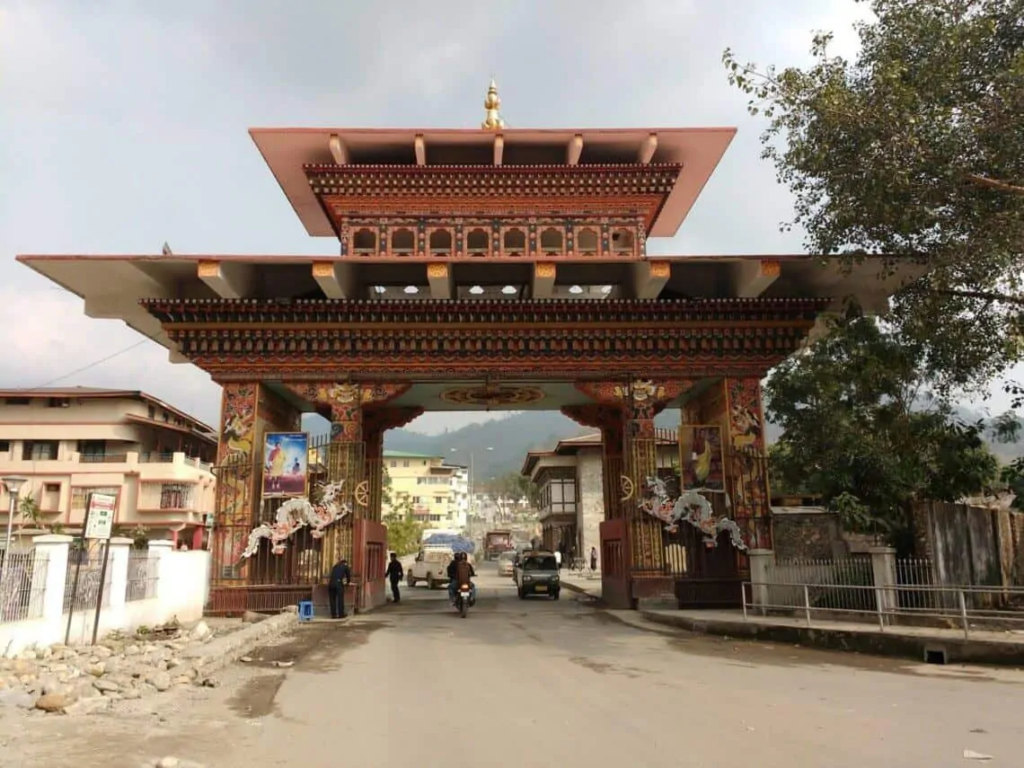
Dooars, located at the foothills of the Eastern Himalayas, is famously known as the “Gateway to Bhutan” because its name is derived from the word duar (meaning “door” or “gateway”). Historically, the region featured 18 traditional passes or passages connecting the Indian plains to the hills of Bhutan, making it a critical corridor for trade, culture, and travel between the two nations. Today, this vast alluvial floodplain is a paradise for nature and wildlife enthusiasts, housing some of India’s most renowned green belts like the Gorumara National Park and Jaldapara National Park, which are famous for the rare one-horned rhinoceros. Crisscrossed by rivers like the Teesta, Torsa, and Jaldhaka, the region is a tapestry of lush tea gardens, dense forests, and ethnic diversity. Its legacy as a transit hub continues as it serves as the primary terrestrial link to Bhutan and the northeastern states of India, blending rustic charm with vital strategic and ecological importance.
15. Navadvipa – Land Of Temple
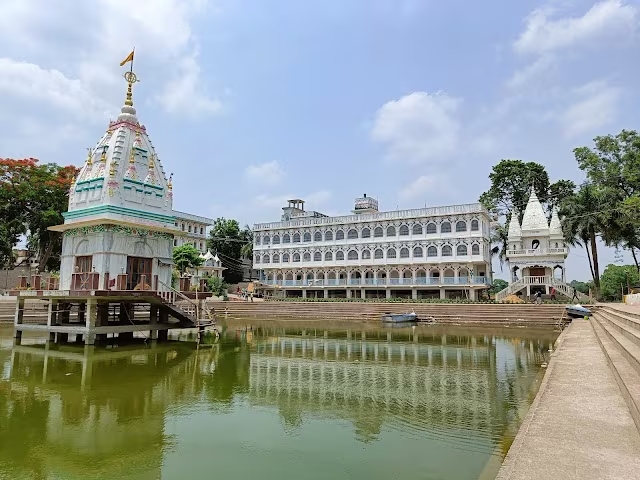
Navadvipa, situated on the banks of the Bhagirathi River in the Nadia district, is a profound spiritual hub famously known as the “Land of Temples.” Its legacy is primarily defined as the birthplace of Sri Chaitanya Mahaprabhu, the 15th-century saint who revolutionized Hindu spirituality through the Bhakti movement and the congregational chanting of “Hare Krishna.” The town is essentially a cluster of nine islands (Nava-dvipa), representing the nine petals of an eight-petaled lotus, and is often called the “Varanasi of Bengal” due to its centuries-old tradition of Sanskrit learning and Vedic philosophy. The landscape is dotted with hundreds of ancient and modern shrines, most notably the Sonargauranga Temple, which houses a golden idol of Mahaprabhu, and the Sri Chaitanya Saraswat Math. For centuries, it has served as a seat of traditional Tols (Sanskrit schools) and remains the ultimate pilgrimage site for Vaishnavites worldwide. The town’s ancient vibes are most vibrant during the Rash Yatra festival, when the streets come alive with elaborate idols and processions, making it a place where every corner breathes a story of divine love and scholarly heritage.
16. Raichak – Beautiful Riverside
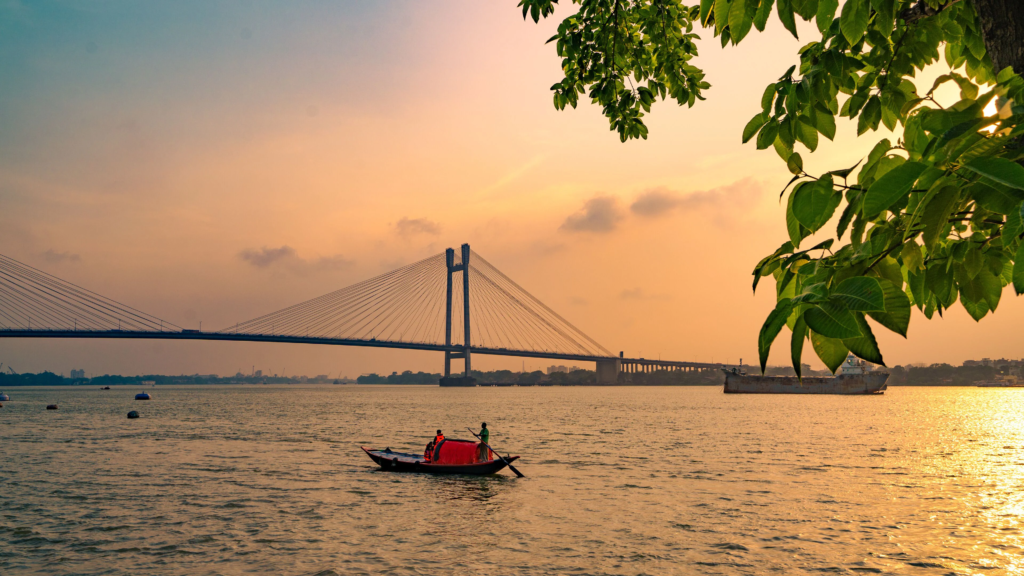
Raichak is a small, peaceful town located on the banks of the Hooghly River, about 50 km away from Kolkata. It is famous as a “Beautiful Riverside” getaway because it offers a wide, stunning view of the river where the water looks like a vast, calm sea. Originally, it was a quiet fishing village, but it became popular after the historic Raichak Fort (an 18th-century British fort) was beautifully restored and turned into a luxury hotel. The town’s vibe is very relaxing, with fresh river breezes and plenty of greenery. Most people visit Raichak to stay at the riverside resorts, take sunset boat rides on the Hooghly, or simply sit by the “Raichak-on-Ganges” promenade and watch large ships pass by. It’s the perfect spot for anyone looking for a quick break from the city to enjoy the simple beauty of the river in a comfortable, scenic setting.
17. Lataguri – Into The Nature
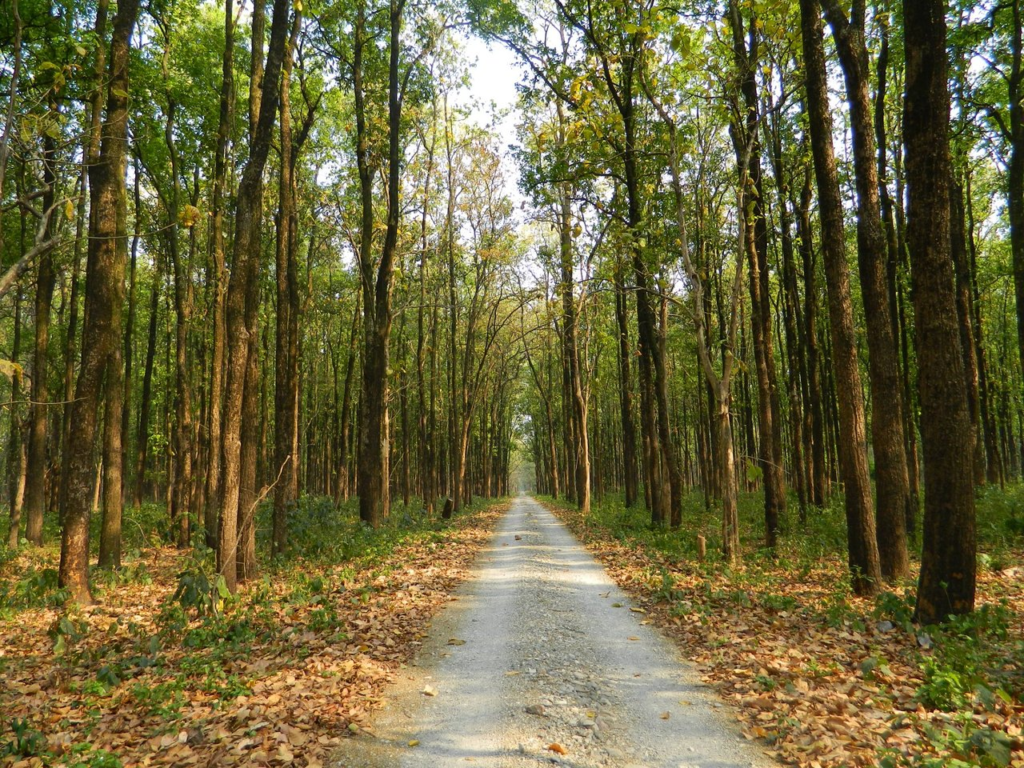
Lataguri is a serene village located on the outskirts of Gorumara National Park in the Jalpaiguri district, serving as the ultimate destination for those wishing to dive “Into The Nature.” Its legacy is defined by its role as the primary entry point to the dense subtropical forests of the Dooars region, where the wilderness of the Himalayan foothills begins. The town is surrounded by a rich biodiversity of sal and teak forests, providing a natural habitat for the famous one-horned rhinoceros, Asian elephants, and various species of deer and tropical birds. The experience here is centered around jungle safaris and watchtowers like Jatraprasad and Rhino Point, which offer breathtaking views of wild animals gathering at salt licks. Beyond the wildlife, Lataguri offers a tranquil escape with its misty mornings, the sound of the nearby Murti River, and the cultural charm of tribal dance performances in the evenings. It remains an unspoiled retreat where the modern world fades away, replaced by the raw, green beauty of the Bengal wilderness.
18. Lolegaon – Untapped Beauty
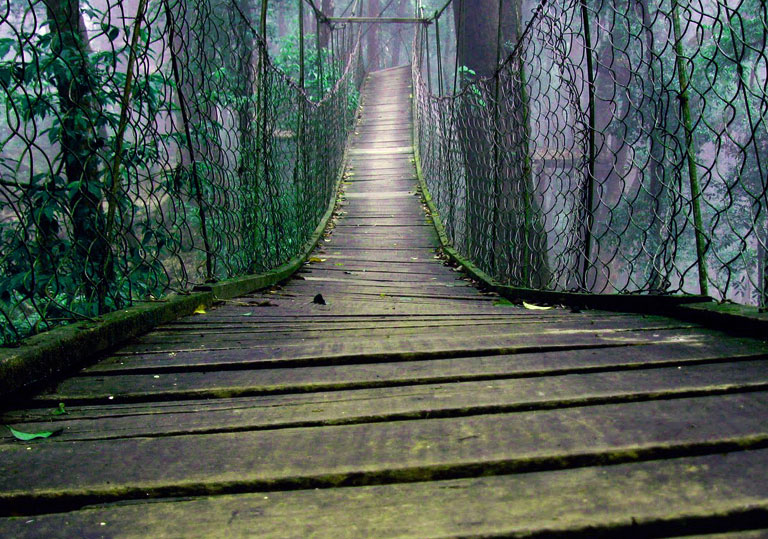
Lolegaon is a small, quiet village nestled in the Kalimpong district that remains a hidden gem of “Untapped Beauty” in the Eastern Himalayas. Located at an altitude of about 5,500 feet, it is far less crowded than other hill stations, offering a peaceful retreat where the only sounds you hear are the rustling of pine needles and the chirping of mountain birds. The most famous attraction here is the Canopy Walk, a 180-meter-long hanging footbridge suspended high amidst towering oak and cypress trees, allowing you to walk right through the treetops. Lolegaon is also renowned for its spectacular views of the snow-capped Kanchenjunga range, especially from the Jhandi Dara Sunrise Point, where the peaks glow in shades of gold and purple at dawn. Surrounded by dense, mist-covered heritage forests and rolling tea gardens, the village offers a raw, natural experience that feels like stepping back in time. Its charm lies in its simplicity—wooden cottages, winding forest trails, and a calm atmosphere that makes it the perfect escape for nature lovers seeking a truly offbeat destination.
19. Mukutmanipur – Peaceful Vacation
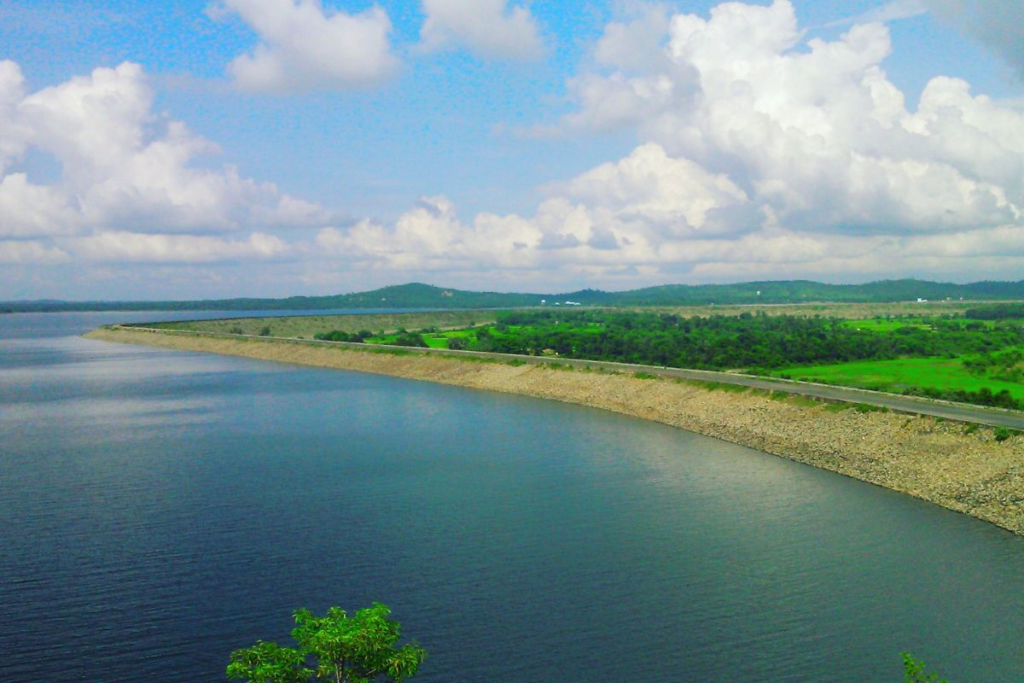
Mukutmanipur is a beautiful and quiet town in the Bankura district, perfect for a “Peaceful Vacation” away from the noise of the city. It is famous for being home to India’s second-largest earthen dam, built at the meeting point of the Kangsabati and Kumari rivers. The most relaxing thing to do here is to take a long walk or a rickshaw ride along the 11-kilometer-long dam, where you can enjoy the cool breeze and the sight of vast, blue water that looks like a giant lake. You can also take a peaceful boat ride to a small island in the middle of the reservoir or visit the nearby Bonpukuria Deer Park, which is surrounded by lush green forests. With its rolling hills, calm water, and the sound of birds, Mukutmanipur feels very still and magical, especially during sunset when the sky turns bright orange over the hills. It is the best place to just sit back, relax, and enjoy the simple beauty of nature.
20. Malda – Rich History
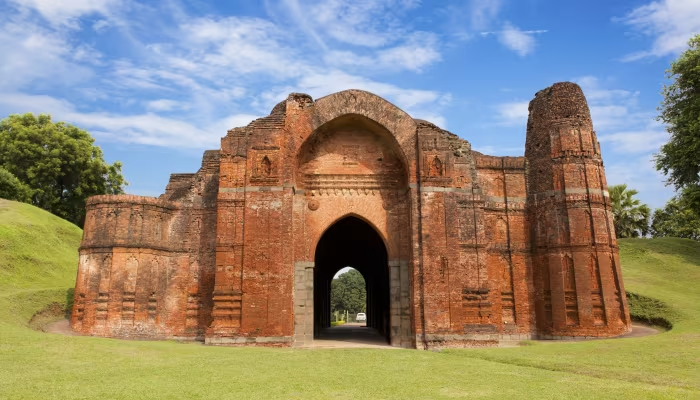
Malda, often called the “Gateway to North Bengal,” is a district steeped in a “Rich History” that spans over a millennium, once serving as the seat of power for the mighty Pala and Sena dynasties. Its legacy is most visible in the twin medieval capitals of Gour and Pandua, which are home to some of the most significant Islamic architectural ruins in India. In Gour, landmarks like the Baro Sona Masjid (Great Golden Mosque) and the intricate Firoze Minar showcase the grandeur of the Bengal Sultanate, while Pandua boasts the massive Adina Masjid, which was once the largest mosque in the Indian subcontinent. Beyond its stone and brick monuments, Malda is globally famous for its “liquid history”—the world-class Fazli and Himsagar mangoes—and its exquisite Malda Silk. The district also preserves ancient folk traditions like Gambhira mask dances, which have been performed for centuries. This combination of royal ruins, colonial influence, and deep-rooted agricultural heritage makes Malda a living archive of Bengal’s political and cultural evolution.
21. Shankarpur – Unexplored Beaches
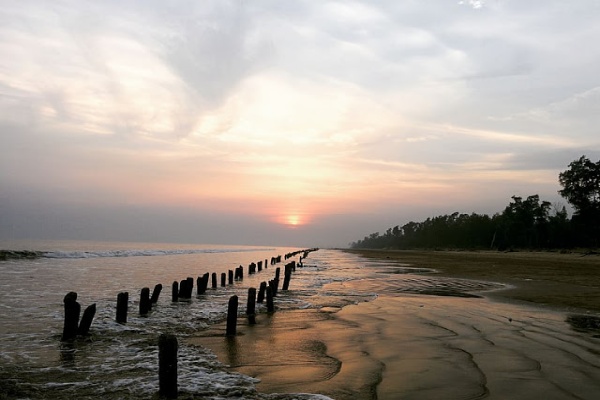
Shankarpur is often described as a hidden jewel of the East Midnapore coastline, offering a collection of “Unexplored Beaches” that provide a stark, peaceful contrast to the crowded shores of nearby Digha. Located just 14 km away, its legacy is that of a quiet fishing harbour, where the morning air is filled with the sight of colourful boats and vast fishing nets spread across the sand. What makes it “unexplored” is its raw, natural state; the beaches are lined with dense casuarina groves that create a whistling sound as the sea breeze passes through, and the flat, hard sand remains largely free of commercial stalls and tourists. The town is famous for its unique “tree-lined” beach views and the Mandarmoni-Shankarpur stretch, where one can spot thousands of tiny red crabs scurrying across the shore at low tide. It is a place where the rhythmic sound of the Bay of Bengal’s waves isn’t drowned out by crowds, making it a sanctuary for solitude seekers and photographers looking for the perfect, uninterrupted sunrise over the horizon.
22. Purulia: A Scenic Drive
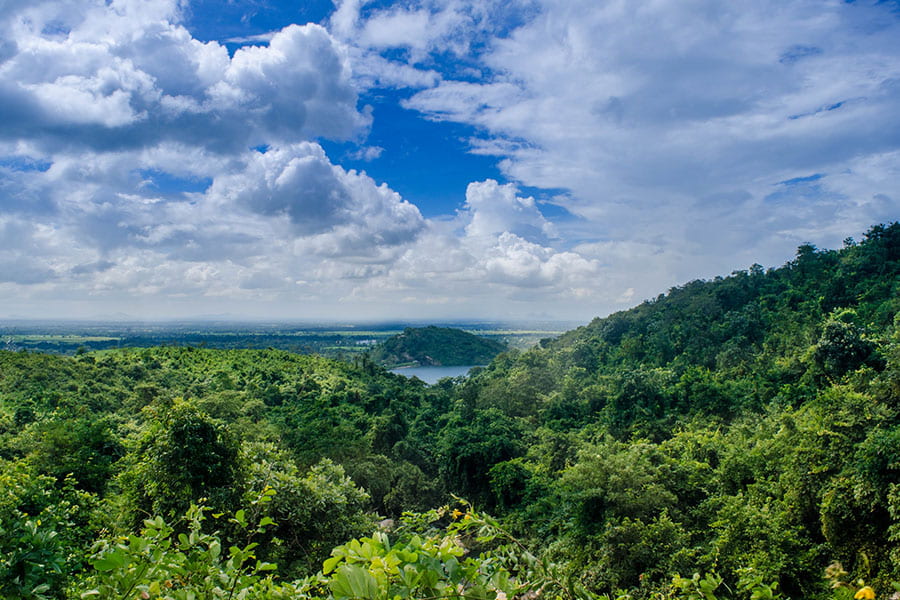
Purulia, located in the westernmost part of West Bengal, offers “A Scenic Drive” through a ruggedly beautiful landscape of red laterite soil, rolling hills, and dense forests of Palash and Mahua. A drive through this district is a journey into the heart of the Chhota Nagpur Plateau, where the roads wind past iconic landmarks like the Ajodhya Hills, the towering Joychandi Pahar, and the serene Baranti Lake. During the spring months of February and March, the entire region transforms into a “Fairytale Land” as the Palash flowers bloom, painting the countryside in vibrant shades of fiery orange. The legacy of Purulia is deeply rooted in its tribal heritage, visible in the intricate wall paintings of village homes and the world-famous Chhau Dance, a masked martial art form. Whether you are driving towards the Panchet Dam or through the mist-covered peaks of Baghmundi, the vast open skies and the rhythmic sound of the Dhamsa and Madal drums from nearby villages make Purulia an unforgettable destination for road-trippers and nature enthusiasts alike.
23. Jalpaiguri: A Traditional Retreat

Jalpaiguri, located in the northern plains of West Bengal, is often described as a “Traditional Retreat” because it preserves the slow, authentic pace of North Bengal life amidst a stunning natural backdrop. The town serves as the historical administrative headquarters of the region and is beautifully positioned between the Teesta and Karala rivers, with the latter often called the “Thames of Jalpaiguri” as it flows gracefully through the heart of the city. Its legacy is deeply intertwined with the tea industry, being surrounded by some of the oldest and most lush tea estates that have defined the local economy for over a century. A stay here offers a peaceful escape where you can explore colonial-era buildings, visit the sacred Jalpesh Temple dedicated to Lord Shiva, or take a quiet walk through the Rajbari (Royal Palace) Palace and its surrounding park. Unlike more commercialized tourist hubs, Jalpaiguri offers a genuine sense of tranquility, where mist-covered mornings, the scent of fresh tea leaves, and the gentle flow of Himalayan rivers create a perfect setting for those seeking a soulful and culturally rooted vacation.
24. Jaldhaka: Off The Beaten Path
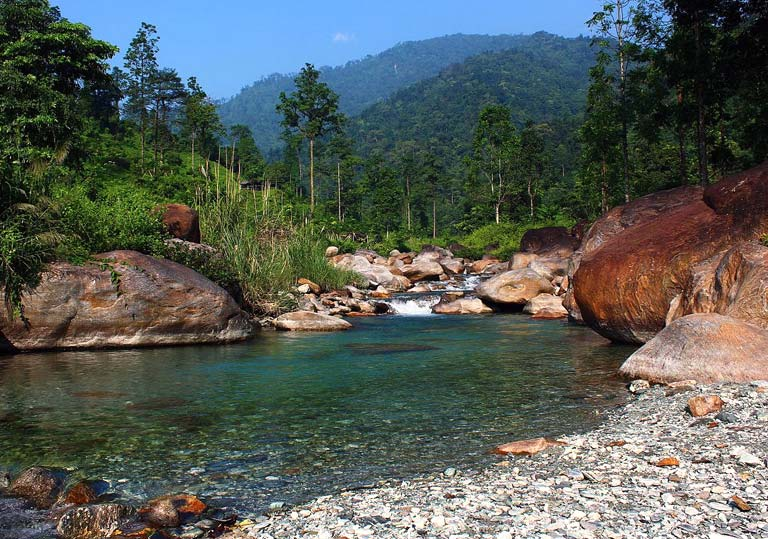
Jaldhaka is a hidden gem in the Kalimpong district, nestled in the Jaldhaka River Valley along the border of India and Bhutan, making it a true “Off The Beaten Path” destination. The area is defined by the rushing waters of the Jaldhaka River and is famous for the Jaldhaka Hydel Project, one of the oldest hydroelectric projects in India, which sits at the entrance to the Bindu village—the last point of the Indian border. Because it is tucked away from the main tourist circuits of Darjeeling and Gangtok, the region offers an untouched landscape of terraced farms, orange orchards, and dense forests that are part of the Chapramari Wildlife Sanctuary. Visitors are drawn to the peaceful village of Jhalong, where the river creates a wide valley perfect for riverside camping and birdwatching. Its legacy is one of quiet cross-border harmony and natural raw beauty, where the mist settles over the hills of Bhutan just across the river, and the only sounds are the roar of the water and the calls of Himalayan birds. It is a sanctuary for travelers seeking solitude in a place where the mountains meet the river in total stillness.
25. Chandannagar: For The Townside Scenes
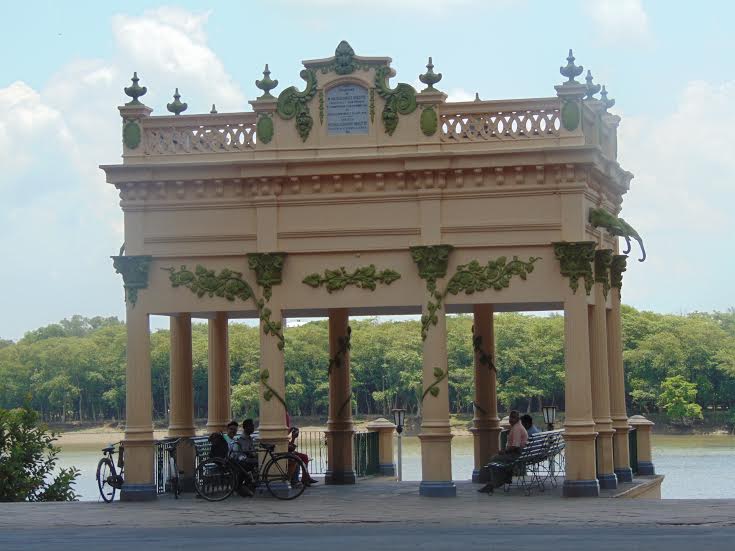
Chandannagar is a unique “Townside Scene” along the Hooghly River that feels like a quiet piece of France tucked away in West Bengal. As a former French colony that remained under French rule until 1950, the town’s legacy is defined by its distinct European planning and elegant architecture. The heart of the town is the Chandannagar Strand, a beautiful tree-lined promenade along the river that is considered the most well-decorated riverbank in India; it is perfect for peaceful evening walks past colonial buildings and brightly lit street lamps. Nearby, the Sacred Heart Church, with its stunning stained-glass windows, and the Chandannagar Museum, which houses French antiques and cannons, add to its historic charm. The town is also globally famous for its Jagaddhatri Puja, where the streets turn into a magical gallery of massive, intricate light installations. With its mix of French heritage, calm river views, and famous sweets like Jolbhora Sandesh, Chandannagar offers a sophisticated yet cozy townside experience that is different from any other place in Bengal.
26. Midnapore: A Glimpse of Eastern Indigenous Culture
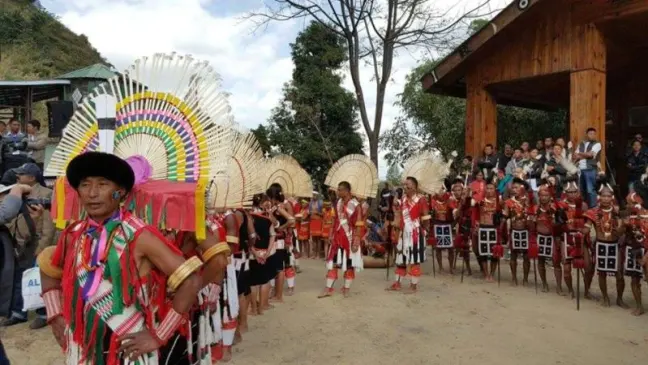
Midnapore (Medinipur) offers a fascinating “Glimpse of Eastern Indigenous Culture,” serving as a bridge between the ancient traditions of the Santal, Munda, and Bhumij tribes and the rich heritage of the Bengal plains. The district’s legacy is deeply rooted in its unique Patachitra folk art, especially in villages like Pingla, where artists (Patua) have spent centuries painting long scrolls that tell stories of Hindu mythology and tribal folklore through natural dyes. Historically, it was a major center for the Indian Independence movement, earning it the nickname “Biplabi Medinipur,” but its cultural soul lies in its earthy architecture and spiritual sites like the Jora Masjid and the ancient Jagannath Temple. The indigenous influence is visible in the local festivals, the rhythmic beats of the Madal drum, and the intricate craftsmanship of Madur (grass mats) and terracotta work. Whether you are exploring the ancient ruins of the Kurumbera Fort or witnessing a tribal dance during a village fair, Midnapore feels like a living museum where the raw, colourful spirit of eastern India’s indigenous roots remains perfectly preserved.
27. Jaldapara National Park: For The Adventure Lovers
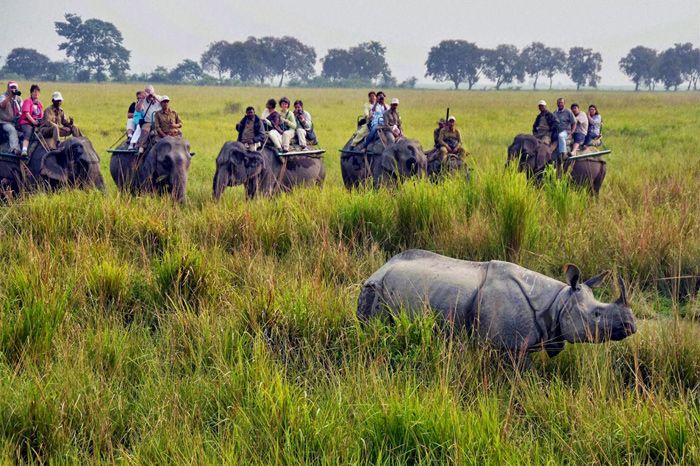
Jaldapara National Park is a premier destination “For The Adventure Lovers,” situated in the foothills of the Eastern Himalayas in the Alipurduar district. Its legacy is defined by its success as a sanctuary for the Great Indian One-Horned Rhinoceros, holding the second-largest population of this rare species in India after Kaziranga. For thrill-seekers, the ultimate experience here is the elephant safari or Jeep safari through the dense tall grasslands and riverine forests of the Torsa River, where you can spot wild elephants, bison (Gaur), tigers, and various species of deer. The park’s landscape is a raw, untamed mix of savannah and woodland, providing a habitat for the majestic Bengal Florican and hundreds of other bird species, making it a hotspot for wildlife photography. Beyond the safaris, the nearby Totopara village offers a cultural adventure, as it is the only home of the ancient and small Toto tribe. Jaldapara remains a place where the air is thick with the spirit of exploration, offering a perfect blend of high-octane wildlife encounters and the rugged natural beauty of the Dooars.
28. Ganga Sagar: An Island Adventure
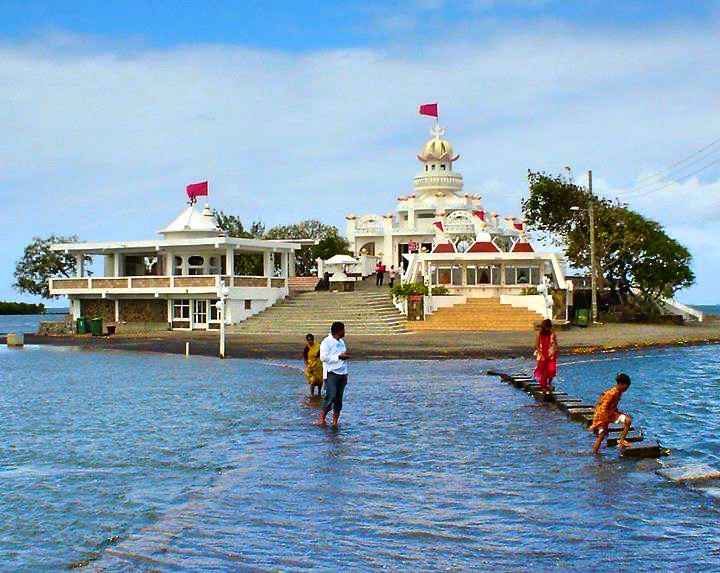
Ganga Sagar is a unique destination that offers a true “Island Adventure,” located at the southernmost tip of West Bengal where the Ganges River meets the Bay of Bengal. Its legacy is deeply spiritual, centered around the ancient Kapil Muni Temple, making it the site of the Gangasagar Mela, the second-largest human congregation in India after the Kumbh Mela. The “adventure” begins long before you reach the shore, as travelers must cross the massive Muriganga River by ferry from Namkhana or Lot No. 8, navigating the shifting tides of the delta. Once on the island, the atmosphere is a mix of vast, empty beaches, dense casuarina forests, and the salt-tinged air of the open sea. Unlike regular tourist beaches, Ganga Sagar feels raw and remote; it is a place of quiet reflection where you can watch the sunrise over the horizon and witness the powerful confluence of India’s most sacred river and the ocean. Whether you are visiting for religious reasons or to explore the rugged beauty of the Sundarbans’ edge, Ganga Sagar provides a sense of being at the very “end of the world.”
29. Raja bhat khawa: For the Buxa Tiger Reserve
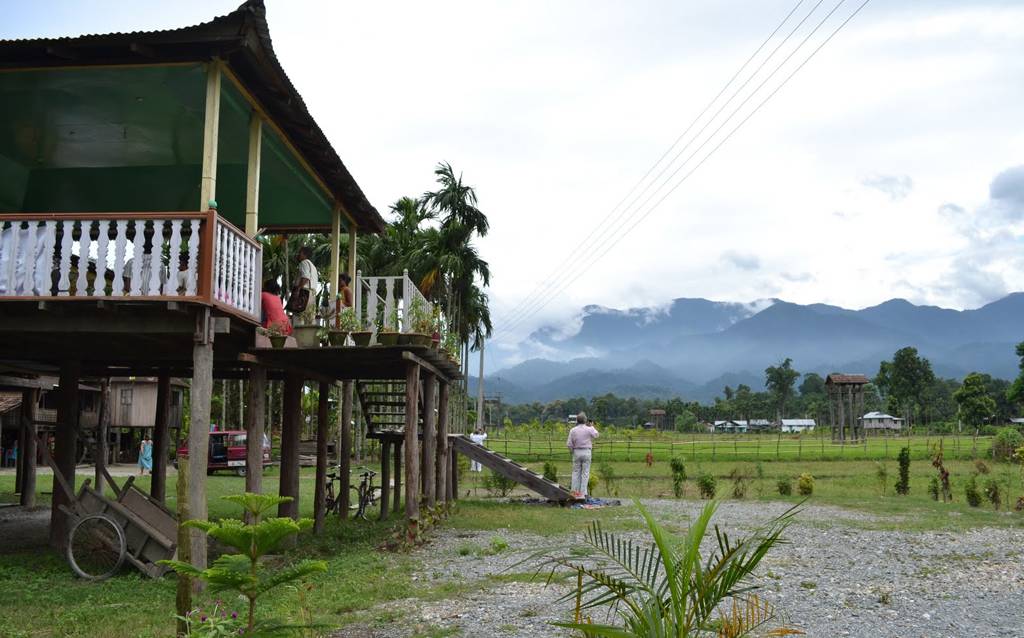
Rajabhatkhawa serves as the serene gateway “For the Buxa Tiger Reserve,” located in the Alipurduar district at the heart of the eastern Dooars. This small, forest-fringed town is the essential starting point for any adventure into Buxa, a vast landscape that acts as a vital international corridor for Asian elephants and tigers migrating between India and Bhutan. The legacy of Rajabhatkhawa is deeply tied to nature conservation; it houses a famous Nature Interpretation Centre and a Vulture Conservation and Breeding Centre, which is one of the few of its kind in the world. For travelers, the town offers a quiet, green atmosphere where the dense forests of sal and teak begin, leading up to the historic Buxa Fort perched on a hilltop. Its “Buxa connection” makes it a hub for trekkers and wildlife enthusiasts who come to explore the Jayanti River bed, the mystical Mahakal Cave, and the diverse birdlife of the region. Whether you are seeking a deep-forest safari or a walk through the ruins of a colonial-era prison-fort, Rajabhatkhawa provides the perfect base for exploring the wild, untamed beauty of the Himalayan foothills.
30. Bagdogra: A Beautiful Garden District
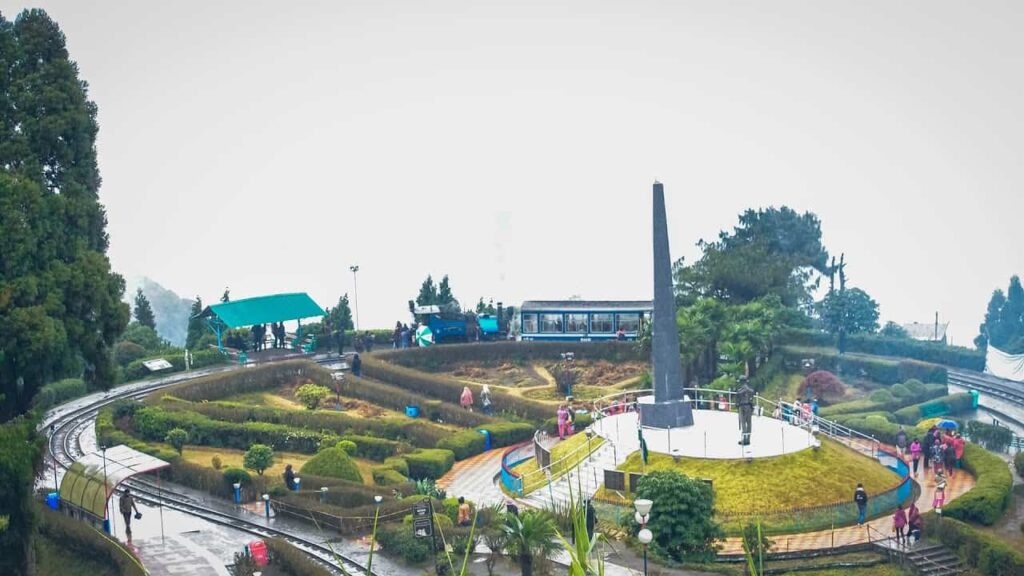
Bagdogra is a tranquil hill station town nestled in the Darjeeling district of West Bengal, renowned as a “beautiful garden district” primarily due to its sprawling, lush tea estates and rich natural landscapes. Located in the Himalayan foothills, it serves as a critical “gateway town” to the Eastern Himalayas and North-East India, providing a serene backdrop for travelers heading to Darjeeling, Sikkim, and Bhutan. The town’s beauty is defined by its verdant tea gardens, such as the Gungaram and Makaibari estates, where visitors can experience the entire cultivation process from leaf plucking to fresh brewing amidst a peaceful, rolling green environment. Beyond its tea-centric charm, Bagdogra is home to the Mahananda Wildlife Sanctuary, which hosts rare fauna like the Royal Bengal Tiger and Indian Bison, adding a layer of wild, natural splendor to the region. During the monsoon season, the town becomes particularly picturesque as low-hanging clouds settle over the surrounding mountains, further enhancing its reputation as a hidden gem of natural bounty and cultural diversity.