
Australia is the only country in the world that also constitutes an entire continent. It is an incredibly diverse nation, featuring everything from sun-drenched tropical beaches and ancient rainforests to the vast, red-soiled Outback. It is popularly known as the “Land Down Under.” It is renowned for its unique wildlife—such as kangaroos, koalas, and quokkas—species found nowhere else on Earth. The majority of the population resides in vibrant, diverse coastal cities, such as Sydney—home to the iconic Opera House—and Melbourne, celebrated for its coffee culture and arts scene.
Beyond its urban centers, Australia is also home to some of the world’s greatest natural wonders, including the Great Barrier Reef—the world’s largest coral reef system—and the sacred monolith of Uluru, situated in the continent’s spiritual heart. With a magnificent history spanning thousands of years through its First Nations peoples, Australia offers a unique blend of ancient Indigenous culture and a modern, relaxed lifestyle centered around the “Great Outdoors.”
Traveling in Australia is generally considered a world-class experience, offering a unique combination of high safety standards, extraordinary natural wonders, and vibrant city life. Australia possesses a highly developed and robust mixed economy, currently ranking as one of the largest economies in the world in terms of nominal GDP. Its economic strength has traditionally been built upon abundant natural resources, with the mining and export of iron ore, coal, and liquefied natural gas serving as key drivers of wealth, particularly within the Asia-Pacific region. Australia is also a major global producer in the agricultural sector, leading the world in wool production while maintaining strong export markets for wheat, beef, and wine. Australia is generally considered one of the world’s safest travel destinations, characterized by a stable political environment, low crime rates, and high-standard public infrastructure.
Most Famous And Attractive Tourist Places In Australia :
1. The Rocks – A Historical Area
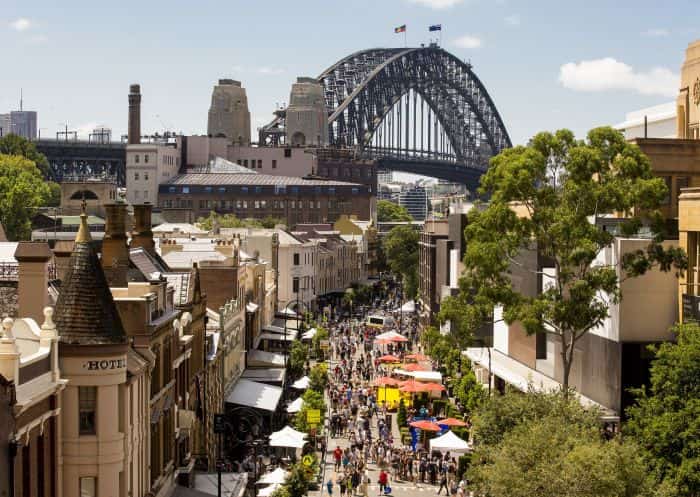
The Rocks is a storied historic precinct located on the southern shore of Sydney Harbour, famously known as the site of the first European settlement in Australia established in 1788. This atmospheric neighborhood is a living museum, characterized by its winding cobblestone laneways, shaded courtyards, and some of the country’s oldest surviving sandstone buildings and heritage pubs. Originally a rough-and-tumble dockside area inhabited by convicts, sailors, and laborers, it has evolved into a sophisticated cultural hub where history blends seamlessly with modern life. Today, the area is celebrated for its vibrant weekend markets, artisanal boutiques, and world-class dining, all while maintaining a deep connection to its past through guided heritage walks and archaeological sites like The Big Dig. Its prime location directly beneath the Sydney Harbour Bridge offers iconic views of the Opera House, making it an essential destination for anyone looking to experience the grit and glamour of Sydney’s origins.
2. Circular Quay – For Harbor Cruises

Circular Quay is the bustling heart of Sydney Harbour and serves as the city’s primary maritime transport hub, situated between the iconic Sydney Opera House and the Harbour Bridge. Originally the site of the first fleet’s landing, it has transformed into a high-energy waterfront precinct that acts as the main launching point for nearly all harbour cruises and public ferries. From its busy wharves, visitors can board everything from scenic sightseeing cruises and luxury dinner boats to the famous ferry to Manly Beach, providing the best vantage points to photograph the city’s skyline from the water. The quay is lined with vibrant outdoor cafés, street performers, and the Museum of Contemporary Art, making it a constant hive of activity where the sea meets the city center.
3. Cradle Mountain – Lake St. Clair National Park
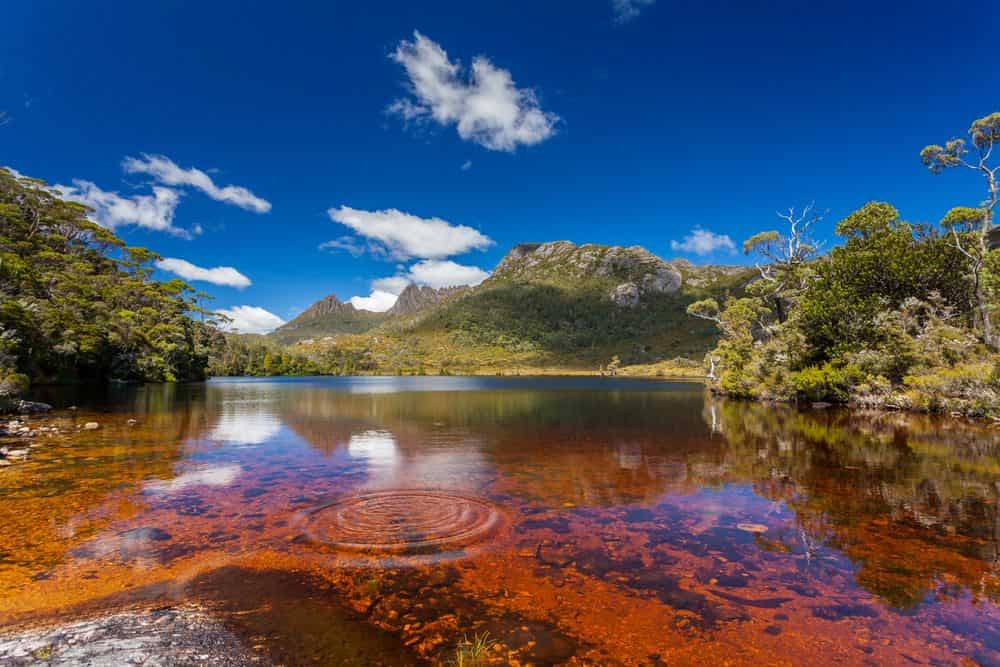
Cradle Mountain-Lake St. Clair National Park, located in the heart of the Tasmanian Wilderness World Heritage Area, is one of Australia’s most iconic natural landscapes, famous for its dramatic glacial carvings and ancient rainforests. The northern end of the park is dominated by the jagged, dolerite peaks of Cradle Mountain, which overlooks the glass-like waters of Dove Lake, while the southern end features Lake St. Clair, the deepest freshwater lake in Australia. This park is a hiker’s paradise, offering everything from the world-renowned 65-kilometre Overland Track to short, accessible walks through moss-covered “Enchanted Forests” where you are likely to spot unique wildlife like wombats, echidnas, and Tasmanian devils. Its diverse ecosystem, ranging from alpine heathlands to prehistoric King Billy pines, changes spectacularly with the seasons, often becoming a winter wonderland draped in snow or a vibrant display of gold during the autumn “Turning of the Fane.”
4. Darling Harbor – A Popular Hub
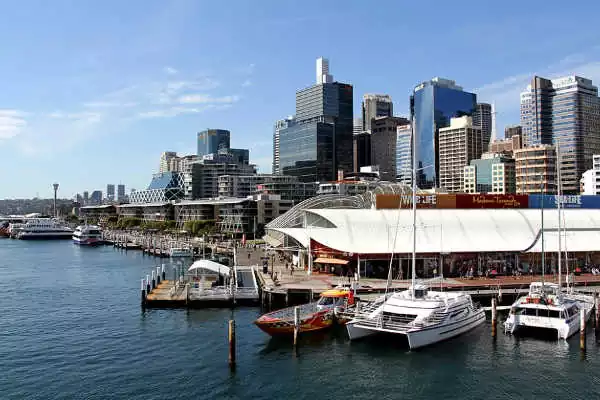
Darling Harbour is a vibrant, pedestrian-only waterfront precinct located on the western edge of Sydney’s central business district, serving as one of the city’s premier hubs for entertainment, dining, and family-friendly attractions. Once a busy industrial dockland, it underwent a massive redevelopment to become a world-class destination that houses major icons like the SEA LIFE Sydney Aquarium, the WILD LIFE Sydney Zoo, and the Australian National Maritime Museum. The area is characterized by its lively atmosphere, featuring a scenic harbour-side promenade lined with diverse restaurants and bars, the sprawling Tumbalong Park for outdoor events, and the sophisticated International Convention Centre (ICC). Whether you are visiting the stunning Chinese Garden of Friendship, watching the spectacular Saturday night fireworks, or enjoying the high-tech experiences at Harbourside, Darling Harbour offers a high-energy mix of leisure and culture that appeals to both locals and international tourists alike.
5. The Sydney Tower – Enjoy Panoramic Views
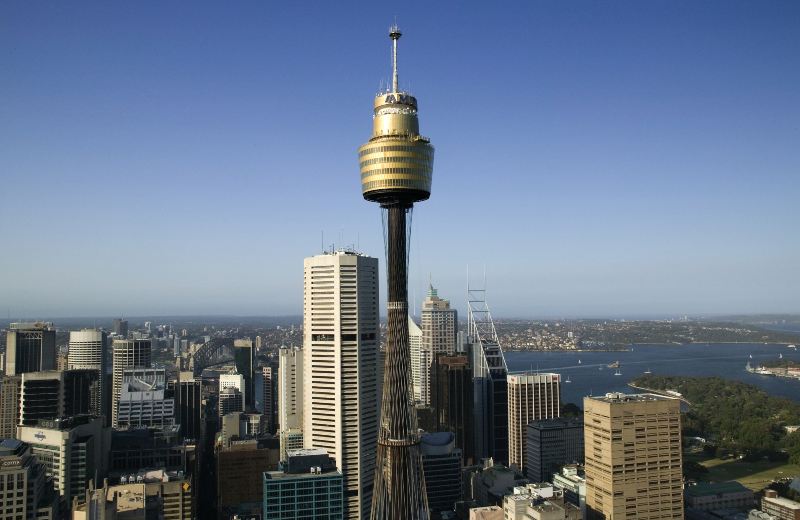
The Sydney Tower Eye, often simply called the Sydney Tower, is the city’s tallest structure and an iconic fixture of the skyline, standing at a height of 309 metres (1,014 feet) above the central business district. Perched atop the Westfield Shopping Centre, the tower’s golden turret-like observation deck offers unparalleled 360-degree panoramic views that stretch from the blue waters of the Pacific Ocean at Bondi Beach to the distant, hazy peaks of the Blue Mountains. Visitors can enjoy a bird’s-eye perspective of the Sydney Opera House and the Harbour Bridge, providing a unique layout of the city’s complex geography that isn’t visible from the ground. For those seeking an extra thrill, the SKYWALK experience allows guests to step outside onto a glass-floored platform high above the streets, while the revolving restaurants within the tower provide a luxury dining experience with a view that constantly changes as you eat.
6. Royal Botanic Garden – Acres Of Themed Yards
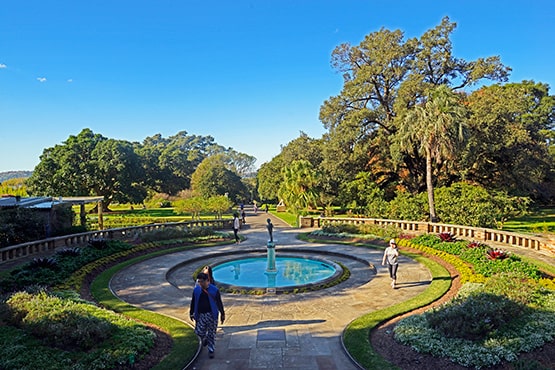
The Royal Botanic Garden Sydney, established in 1816, is Australia’s oldest scientific institution and a spectacular 30-hectare (74-acre) oasis located right on the edge of Sydney Harbour. Wrapping around Farm Cove and sitting adjacent to the Sydney Opera House, the garden features a stunning collection of themed yards and displays, including the vibrant Palace Rose Garden, the lush Fernery, and the succulent garden. It serves as a vital green lung for the city, where manicured lawns and historic trees provide a peaceful retreat for both locals and tourists. One of its most famous spots is Mrs. Macquarie’s Chair, a sandstone bench carved by convicts that offers one of the most iconic photographic views of the Harbour Bridge and Opera House framed together. Whether you are exploring the tropical specimens inside The Calyx or simply walking along the sea wall, the garden offers a world-class blend of botanical beauty, heritage architecture, and harbour-front scenery.
7. Taronga Zoo – Amazing Wildlife
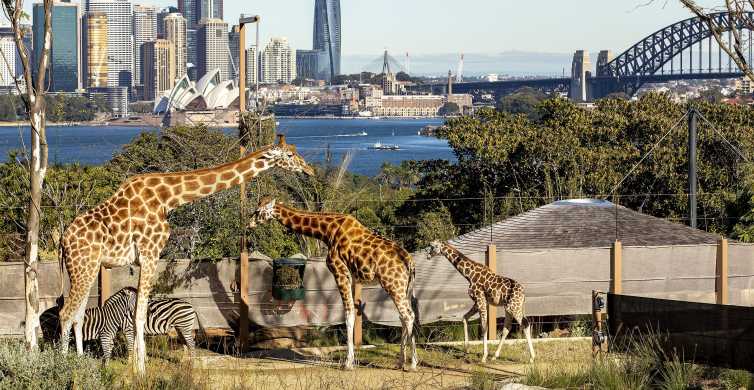
Taronga Zoo, located on the elevated shores of Mosman, is widely considered one of the most beautiful zoological parks in the world due to its unique combination of amazing wildlife and breathtaking views of the Sydney Harbour skyline. Home to over 4,000 animals from more than 350 species, the zoo provides a sanctuary for both native Australian icons—like koalas, kangaroos, and platypuses—and exotic animals such as Sumatran tigers and Asian elephants. The experience begins with a scenic ferry ride from Circular Quay, followed by a trip on the Sky Safari gondola, which whisks you over the enclosures while offering a bird’s-eye view of the giraffes against the backdrop of the Opera House. Beyond being a top tourist attraction, Taronga is a leading force in global conservation, featuring immersive exhibits like “Nura Diya” that celebrate First Nations connections to country and wildlife, making it an educational and awe-inspiring destination for visitors of all ages.
8. Hyde Park – A Sprawling Picnic Spot
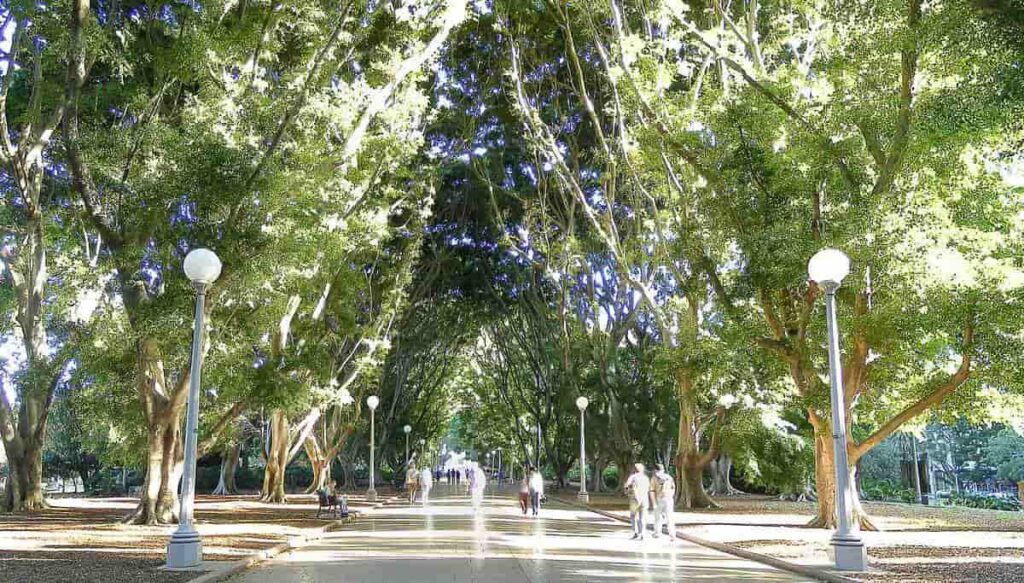
Hyde Park is Australia’s oldest public parkland, offering a lush 16-hectare (40-acre) escape right in the heart of Sydney’s central business district. Divided into two halves by Park Street, the northern section is famous for the magnificent Archibald Fountain, while the southern end is home to the poignant Anzac Memorial and its serene Reflection Pool. With its wide, emerald-green lawns shaded by towering Moreton Bay Figs and orderly avenues of Hill’s Weeping Figs, it has become the city’s most iconic sprawling picnic spot for office workers and tourists alike. The park serves as a central hub for major cultural festivals and features several monuments and statues that tell the story of Australia’s colonial and military history. Whether you’re looking for a quiet place to read under a tree or a scenic walking path that connects the city’s shopping district to the St. Mary’s Cathedral, Hyde Park provides a perfect balance of tranquil nature and urban heritage.
9. Barangaroo Reserve – For An Evening Stroll
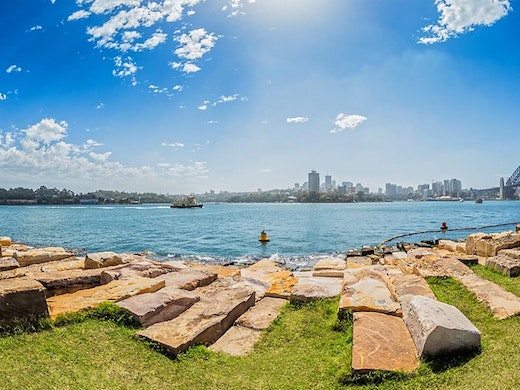
Barangaroo Reserve is a stunning 6-hectare headland park that transformed a former industrial container terminal into a lush, naturalistic space on the northwestern edge of the Sydney CBD. This award-party landscape is a masterpiece of urban design, featuring terraced gardens planted with over 75,000 native Australian trees and shrubs, all meticulously arranged to recreate the look of the shoreline as it existed before European settlement. It is arguably the city’s finest location for an evening stroll, as the wide, winding pathways of Wulugul Walk hug the harbour’s edge, providing unobstructed views of the sunset over the water and the illuminated lights of the Anzac Bridge. The reserve is built from 10,000 blocks of weathered sandstone excavated directly from the site, creating a rugged, authentic feel where visitors can sit by the water’s edge at Nawi Cove or explore the subterranean cultural space known as the Cutaway.
10. Art Gallery of New South Wales – Notable Works

The Art Gallery of New South Wales, established in 1871 and located on the edge of the Royal Botanic Garden, is one of Australia’s most prestigious cultural institutions and a flagship for visual arts in the region. The gallery is celebrated for its diverse and extensive collection of notable works, ranging from the largest permanent display of Aboriginal and Torres Strait Islander art in the country to a world-class collection of European masters and Asian art. A major highlight is the annual Archibald Prize, Australia’s most famous portraiture competition, which draws massive crowds to see paintings of the nation’s most prominent figures. With the recent opening of the Sydney Modern Project—a stunning, light-filled sustainable expansion—the gallery now seamlessly blends its classical 19th-century grand courts with cutting-edge contemporary spaces. Whether you are viewing iconic Australian landscapes by Frederick McCubbin or exploring subterranean installations in the “Tank,” the gallery offers a profound journey through both heritage and modern creativity.
11. Chinatown – Feast Upon Asian Meal

Chinatown Sydney, centered around Dixon Street in the southern part of the CBD, is the largest and most vibrant cultural enclave of its kind in Australia, offering the perfect destination to feast upon an Asian meal. Marked by traditional paifang (ornate gates) with lion statues at either end, the pedestrian mall is packed with an incredible variety of authentic eateries ranging from high-end Yum Cha palaces and world-famous dumpling houses to hidden “hole-in-the-wall” noodle bars. Beyond Cantonese classics, the district has expanded into a pan-Asian culinary hub where you can find sizzling Korean BBQ, spicy Sichuan hot pots, and trendy Japanese dessert spots serving matcha soft-serve. The atmosphere reaches its peak during the Friday Night Market, where the streets are filled with the aroma of street food like takoyaki and “Emperor’s Puffs,” making it a sensory-rich experience that celebrates the deep influence of Asian heritage on Sydney’s modern food scene.
12. St. Mary’s Cathedral – Get Spiritual
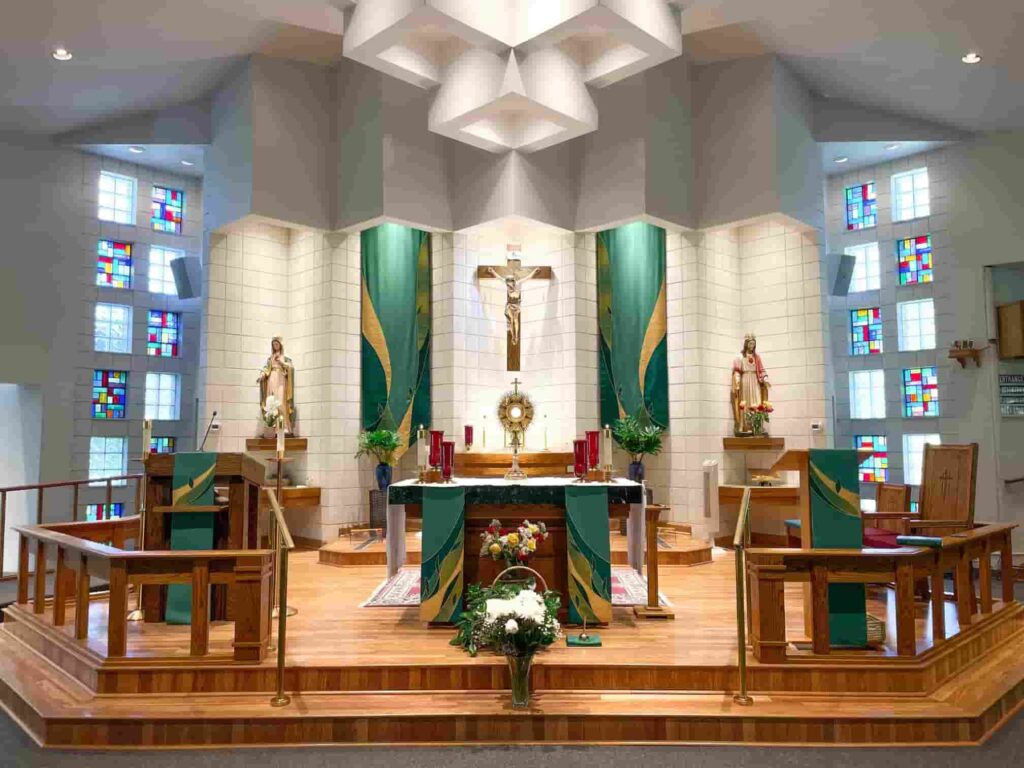
St. Mary’s Cathedral, standing grandly at the eastern edge of the city center near Hyde Park, is the spiritual heart of Sydney and one of the finest examples of English Gothic Revival architecture in the world. Built from warm, honey-coloured Sydney sandstone, the cathedral is a place where visitors can truly get spiritual, whether by attending a traditional choral Mass or simply stepping inside to admire its towering vaulted ceilings and magnificent stained-glass windows crafted in Birmingham. Its twin spires dominate the skyline, while the interior’s quiet, incense-scented atmosphere offers a profound sense of peace and sanctuary from the bustling city outside. Below the main altar lies the Crypt, a hidden gem famous for its stunning mosaic floor depicting the story of Creation, making the cathedral not just a religious landmark, but a masterpiece of art and history that welcomes people of all faiths to reflect and find stillness.
13. Horizontal Falls Scenic Flight – A Scenic Ride
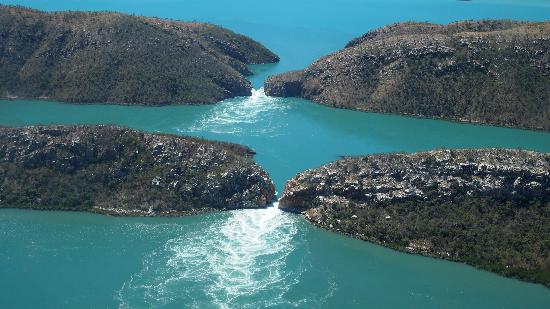
The Horizontal Falls Scenic Flight is a premier aerial adventure located in the remote Kimberley region of Western Australia, offering a spectacular “bird’s-eye” view of one of the world’s greatest natural wonders. This scenic ride typically departs from Broome or Derby and takes passengers over the breathtaking Bucaneer Archipelago, where 800 islands are scattered across turquoise waters. The highlight of the flight is circling the Horizontal Falls, described by David Attenborough as one of the most unusual natural sights in the world; here, massive tidal shifts force enormous volumes of water through two narrow mountain gaps, creating the illusion of a waterfall flowing horizontally. From the air, you can truly appreciate the dramatic white-water rapids and the ancient, rugged red sandstone cliffs of the McLarty Range. Many of these tours also include a thrilling seaplane landing on the water, allowing you to transition from the air to a high-speed boat for a closer look at the powerful currents.
14. Cable Beach – Turquoise Blue Waters
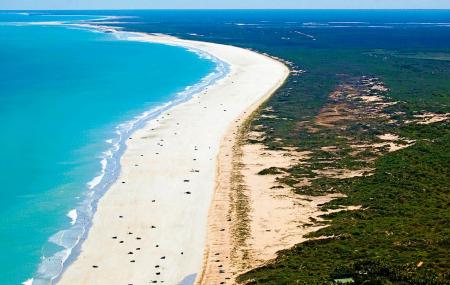
Cable Beach, situated in Broome, Western Australia, is world-renowned for its stunning 22-kilometre stretch of pure white sand and crystal-clear turquoise blue waters. Fringed by the warm Indian Ocean and dramatic red ochre cliffs, this beach offers a breathtaking color palette that is unique to the Kimberley region. The water here is famously calm and shallow, making it perfect for swimming and sunbathing, though it is most famous for its iconic sunset camel rides along the water’s edge. As the sun dips below the horizon, the sky turns vibrant shades of orange and pink, reflecting perfectly off the receding tide to create a mirror-like effect on the sand. Whether you are looking to relax at a luxury resort, explore the “Staircase to the Moon” phenomenon, or simply enjoy a quiet stroll along the pristine shoreline, Cable Beach provides a quintessential Australian coastal experience in a truly remote wilderness setting.
15. Gantheaume Point – Eye-Popping Sea
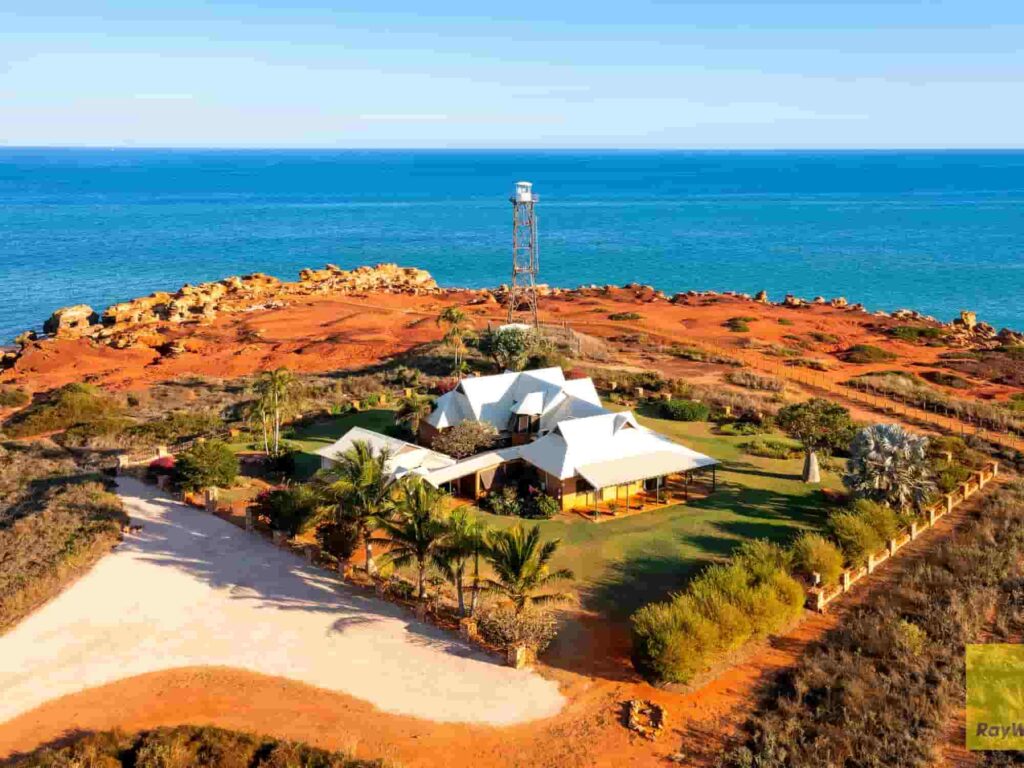
Gantheaume Point, situated at the southern end of Cable Beach in Broome, Western Australia, is a breathtaking coastal headland famous for its eye-popping sea views and dramatic colour contrasts. The site is a photographer’s dream, where fiery red pindan cliffs meet the vibrant, sparkling turquoise waters of the Indian Ocean, creating a visual spectacle that is particularly intense at sunrise and sunset. Beyond its sheer beauty, the point is a place of incredible ancient history; at very low tide, preserved dinosaur footprints dating back over 130 million years are revealed in the intertidal reef rock. For those who cannot visit during low tide, plaster casts of these tracks are embedded into the clifftop for easy viewing. Whether you are exploring the rugged rock formations, looking for the “Anastasia’s Pool” shell-shaped rock basin, or watching for migrating whales from the lighthouse, Gantheaume Point offers a raw and powerful connection to the ancient Kimberley landscape.
16. Malcolm Douglas Wilderness Wildlife Park – For Nature
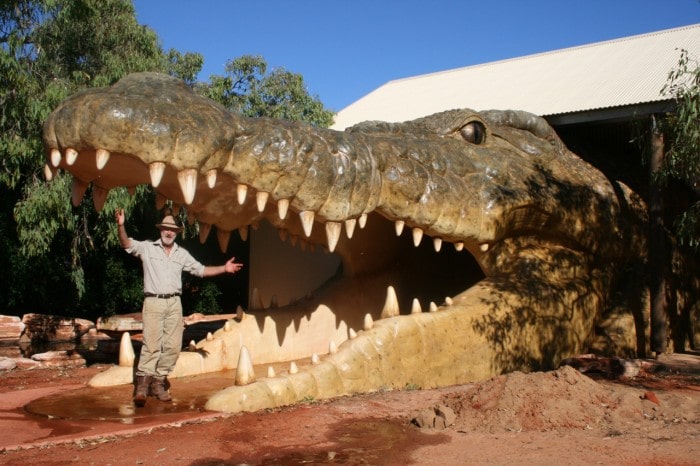
The Malcolm Douglas Wilderness Wildlife Park, located just a short drive from Broome, is a premier destination for nature lovers and those seeking an authentic encounter with Australia’s most formidable predators. Established by the legendary bushman and documentary filmmaker Malcolm Douglas, the park serves as a sanctuary for some of the largest Saltwater Crocodiles in captivity, many of whom were relocated here for their own protection. The highlight of any visit is the daily feeding tour, where visitors can witness the raw power of these ancient reptiles as they leap from the water. Beyond the crocodiles, the park is a haven for a variety of native Australian wildlife, including dingoes, cassowaries, kangaroos, and a diverse array of colourful bird species housed in large naturalistic aviaries. It offers a rugged, educational experience that highlights the importance of wildlife conservation in the Kimberley, providing a rare opportunity to see these incredible creatures up close in a setting that feels like the true Australian outback.
17. Sun Pictures – Relax And Get Lazy

Sun Pictures, located in the heart of Chinatown, Broome, is the world’s oldest operating garden cinema and the ultimate place to relax and get lazy under the stars. Established in 1916, this iconic open-air theatre offers a unique, nostalgic experience where the traditional “indoor” cinema walls are replaced by the tropical night sky. Instead of standard folding chairs, you can sink into comfortable canvas deckchairs that encourage you to lean back and enjoy the latest blockbusters or classic films amidst the rustle of palm trees. The atmosphere is wonderfully informal; it is not uncommon for a passing airplane from the nearby airport to roar overhead, or for the tide to occasionally flood the front rows during extreme weather—quirks that only add to its historic charm. With a snack from the small kiosk and the warm Kimberley breeze around you, an evening at Sun Pictures feels like stepping back into a simpler, slower era of Australian history.
18. Pearl Farm Tours – Something Unique
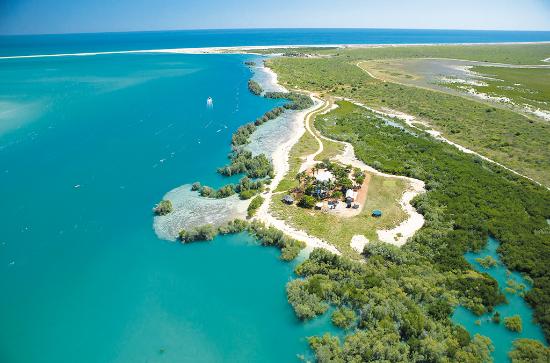
Pearl Farm Tours offer a fascinating look into the industry that built the town of Broome, providing travelers with something unique that blends marine biology, history, and luxury. Most tours take you to active farms like Willie Creek or Cygnet Bay, where you can journey out onto the water to see how the world-renowned South Sea Pearls are cultivated inside live Pinctada maxima oysters. You’ll learn the delicate “seeding” process, where skilled technicians perform a sort of surgery on the oysters to begin the pearl-growing journey, and witness the exciting moment a pearl is harvested from its shell. Back on land, these tours often include a “pearl meat” tasting—a rare seafood delicacy—and a lesson on the “virtues” of a pearl, such as its lustre, shape, and skin. It is an immersive experience that connects the shimmering jewelry in a boutique to the rugged, tidal environments of the Kimberley coast, making it a highlight for those seeking a deep dive into local heritage.
19. Broome Historical Museum – Some Fascinating History
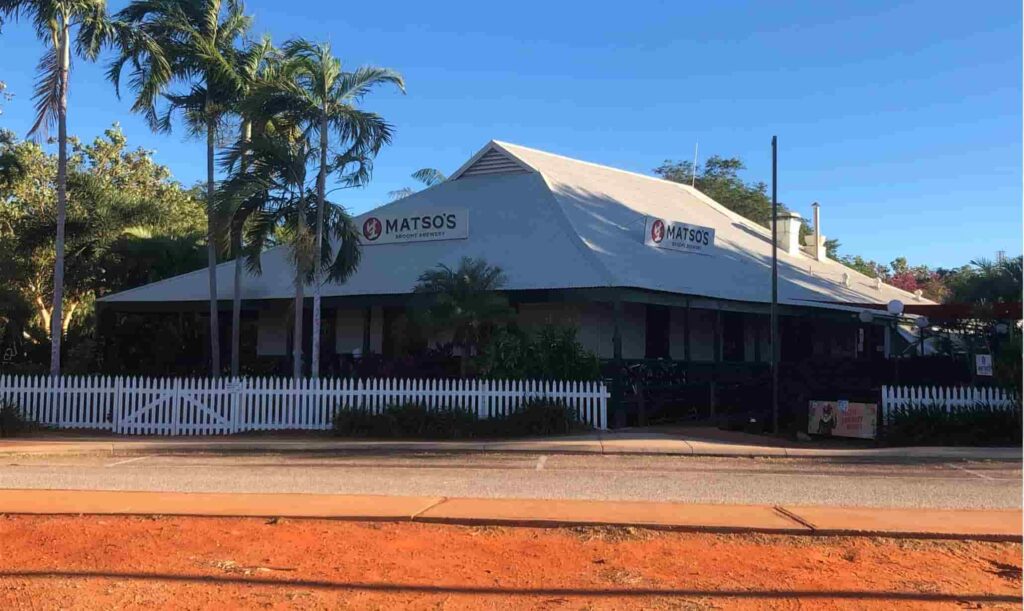
The Broome Historical Museum, located in the former Customs House near Town Beach, is the premier place to discover some fascinating history regarding the town’s wild and multicultural past. This museum offers a deep dive into the 19th-century pearling industry, showcasing the perilous lives of the early divers and the diverse mix of Japanese, Malay, Filipino, and European cultures that shaped Broome into the unique town it is today. Visitors can explore gripping exhibits on the World War II air raids—where Japanese Zeros attacked Dutch flying boats in the bay—and view incredible artifacts ranging from ancient diving suits and lugger models to historical photographs and Indigenous heritage displays. It is an immersive, air-conditioned retreat that connects the modern holiday destination to its gritty origins as a frontier pearling port, providing a meaningful context for everything you see in the Kimberley.
20. Hahndorf – An Unlike Experience
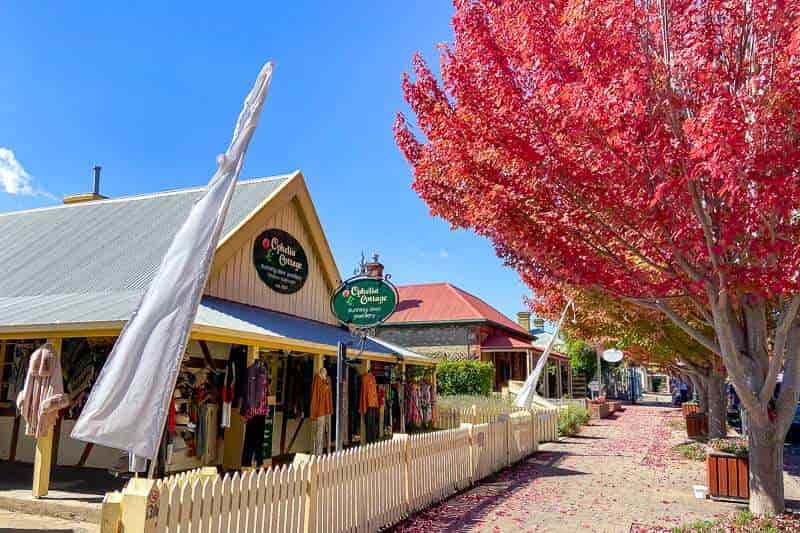
Hahndorf, located in the scenic Adelaide Hills of South Australia, offers an unlike experience as Australia’s oldest surviving German settlement. Walking down its bustling main street feels like being transported to a traditional European village, where historic timber-framed (fachwerk) buildings are shaded by century-old elm and plane trees. Established in 1839 by Lutheran settlers, the town has meticulously preserved its Prussian heritage, which is visible in everything from the architecture of the St. Michael’s Church to the authentic German bakeries and pubs serving massive steins of beer and platters of schnitzel and bratwurst. Beyond the food, Hahndorf is a hub for local craftsmanship, featuring artisan leather shops, clock makers, and the The Cedars, the historic home and studio of famed Australian artist Sir Hans Heysen. This unique blend of Old World European charm and Australian bush scenery makes it a one-of-a-kind destination that feels entirely different from any other town in the country.
21. Barossa Valley – With The Finest Wineries
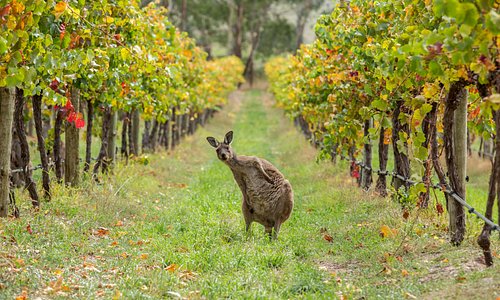
The Barossa Valley, located just an hour’s drive from Adelaide, is Australia’s most famous wine region and is globally renowned for being home to some of the finest wineries in the world. This picturesque valley is characterized by its rolling golden hills, ancient vineyards, and a deep-rooted German heritage that dates back to the 1840s. It is particularly celebrated for its full-bodied Shiraz, produced from some of the oldest continuous-producing vines on the planet, which thrive in the region’s Mediterranean climate. Visitors can experience a diverse range of tasting rooms, from the historic sandstone cellars of Penfolds and Seppeltsfield to boutique, family-run estates where you can sample award-winning vintages alongside artisanal local cheeses and smoked meats. Beyond the cellar doors, the Barossa offers a true “farm-to-table” culinary scene, scenic hot air balloon flights over the vines, and the famous Barossa Farmers Market, making it a world-class destination for food and wine connoisseurs alike.
22. Cleland Conservation Park – Rich Flora And Fauna
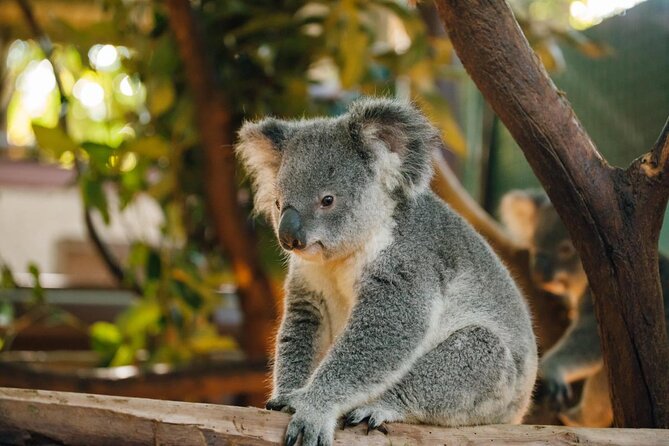
Cleland Conservation Park, nestled in the scenic Adelaide Hills, is a spectacular protected area renowned for its rich flora and fauna and its immersive approach to wildlife conservation. The park features a diverse landscape ranging from dense stringybark forests to open woodlands, providing a vital habitat for a wide array of native Australian species. Its most famous attraction is the Cleland Wildlife Park, where visitors can enjoy a highly interactive experience, including the rare opportunity to hold a koala or wander among free-roaming kangaroos, wallabies, and emus in a natural bush setting. For those who prefer active exploration, the park offers an extensive network of walking and cycling trails, including the popular hike to the summit of Mount Lofty, which rewards trekkers with sweeping views over the city of Adelaide and the coastline. Whether you are spotting shy echidnas in the undergrowth or listening to the call of native honeyeaters, Cleland provides an authentic and accessible encounter with the unique biodiversity of South Australia.
23. Rottnest Island – A Natural Beauty

Rottnest Island, located just a short ferry ride from Perth or Fremantle, is a stunning car-free paradise celebrated for its untouched natural beauty and vibrant marine life. This protected A-class reserve is home to over 60 secluded white-sand beaches and 20 sparkling turquoise bays, making it a premier destination for snorkelling, surfing, and swimming in crystal-clear waters. While its coastal scenery is breathtaking, the island is most famous for its local inhabitant, the Quokka—a small, friendly marsupial known as the “world’s happiest animal”—which is found almost nowhere else on Earth. To preserve its tranquil atmosphere, visitors typically explore the island by bicycle, pedalling through salt lakes and coastal heathlands to discover hidden gems like The Basin or the iconic Wadjemup Lighthouse. With its Mediterranean-style climate and lack of traffic, Rottnest offers a serene, slow-paced escape where the rugged beauty of the Indian Ocean takes centre stage.
24. Nambung National Park – An Ethereal Beauty

Nambung National Park, located on the scenic coastline of Western Australia, is world-renowned for its ethereal beauty, primarily due to the otherworldly landscape of the Pinnacles Desert. This extraordinary natural wonder features thousands of majestic limestone pillars, some reaching up to 3.5 metres in height, that rise abruptly out of shifting yellow sand dunes like ancient sculptures. These pillars were formed millions of years ago from the remains of seashells, and today, they create a hauntingly beautiful scene that changes dramatically with the light, especially during the “golden hours” of sunrise and sunset. Beyond the desert, the park encompasses beautiful white beaches at Hangover Bay and Kangaroo Point, where the turquoise waters of the Indian Ocean meet coastal heathlands that burst into colour during the wildflower season (August to October). Whether you are driving through the desert loop or walking among the silent limestone giants, Nambung offers a surreal, lunar-like experience that feels completely detached from the rest of the world.
25. Mudgee – An Elegant Town
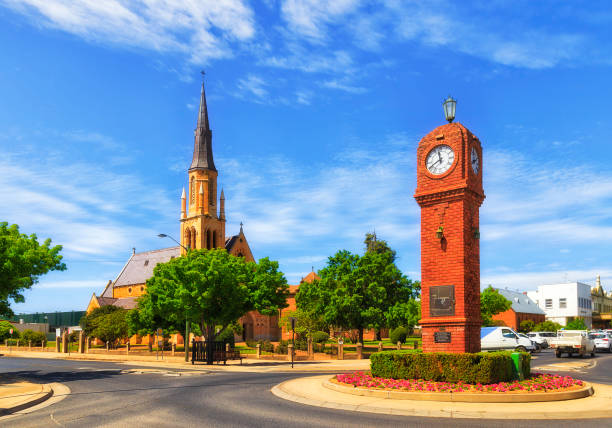
Mudgee, located in the Central Tablelands of New South Wales, is widely celebrated as an elegant town that perfectly balances its colonial heritage with a sophisticated modern lifestyle. Nestled along the Cudgegong River, the town is famous for its wide, tree-lined streets and beautifully preserved 19th-century architecture, including the iconic St. Mary’s Catholic Church and the grand Mudgee Post Office. As one of Australia’s premier cool-climate wine regions, it offers a refined culinary scene where visitors can hop between boutique cellar doors specializing in high-quality Cabernet Sauvignon and Chardonnay. The town’s elegance extends to its thriving “paddock-to-plate” philosophy, with local markets and upscale restaurants serving fresh truffles, honey, and artisanal cheeses. Whether you are exploring the nearby Munghorn Gap Nature Reserve or enjoying a quiet afternoon in its manicured parks, Mudgee provides a peaceful yet upscale country escape that feels both historic and vibrantly contemporary.