


Shillong is a beautiful hill town and the capital of Meghalaya, a state in Northeast India. Situated at a high altitude amidst the mountains, the city is surrounded by pine trees, misty clouds, and numerous silvery waterfalls. It is also known as the “Rock Capital of India,” as almost everyone here loves music and enjoys playing the guitar.
Visitors to Shillong particularly enjoy seeing ‘Elephant Falls,’ a magnificent three-tiered waterfall; they also visit ‘Shillong Peak,’ the highest point in the city, which offers a panoramic aerial view of the entire town. Right in the heart of the city lies a serene lake called ‘Ward’s Lake,’ featuring a wooden bridge and colorful gardens; nearby is another large lake, ‘Umiam Lake,’ where visitors can enjoy boating. ‘Police Bazaar’ is the busiest and most vibrant spot for shopping and for savoring local street food, such as ‘Jadoh’ (a traditional dish made with meat and rice). The best time to visit is between September and May, when the air is crisp and the weather is perfect for sightseeing.
Shillong’s economy relies primarily on tourism, agriculture, and education; together, these three sectors provide employment and income opportunities for the local population. As a renowned hill station, tourism serves as a major economic pillar; visitors spend money on hotels, local taxis, and tour guides to explore the city’s beautiful waterfalls and lakes.
Shillong is generally regarded as a very safe and hospitable destination for tourists, whether they are visiting with family or traveling solo. The local residents are known for their humility, helpful nature, and respectful attitude toward visitors. Since women are accorded great respect in the local culture here (the culture of the Khasi tribe), female tourists feel far safer here than in many other major cities across the country.
Most Famous And Attractive Tourist Places In Shillong :
1 Elephant Falls
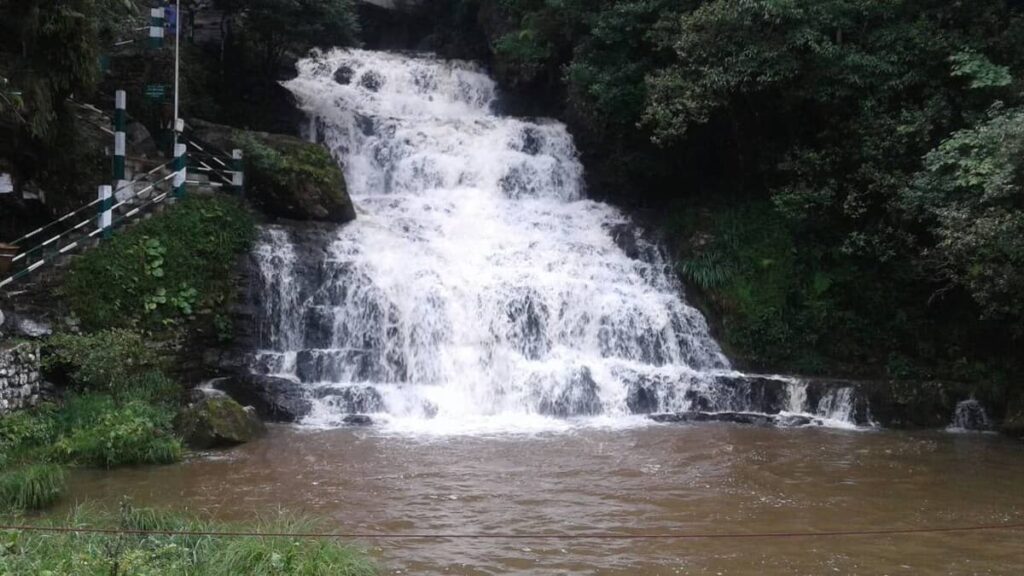
Elephant Falls is a majestic three-tiered waterfall located in Upper Shillong, Meghalaya, roughly 12 km from the city centre. Known locally by its Khasi name, “Ka Kshaid Lai Pateng Khohsiew” (The Three-Step Waterfall), it was renamed by the British after a massive elephant-shaped rock that once stood near the falls but was destroyed in the 1897 earthquake. The waterfall consists of three distinct sections: the first tier is broad and tucked away in dense forest, the second is a smaller, more scattered cascade, and the third is the most spectacular, featuring crystal-clear water gushing over jagged rocks into a serene pool. Visitors can navigate between these levels via a series of approximately 120 to 150 well-maintained but steep and sometimes slippery stairs. The site is a paradise for photography and nature lovers, offering a tranquil escape surrounded by lush greenery and ferns, especially during the monsoon when the falls are at their most voluminous.
2. Shillong Peak
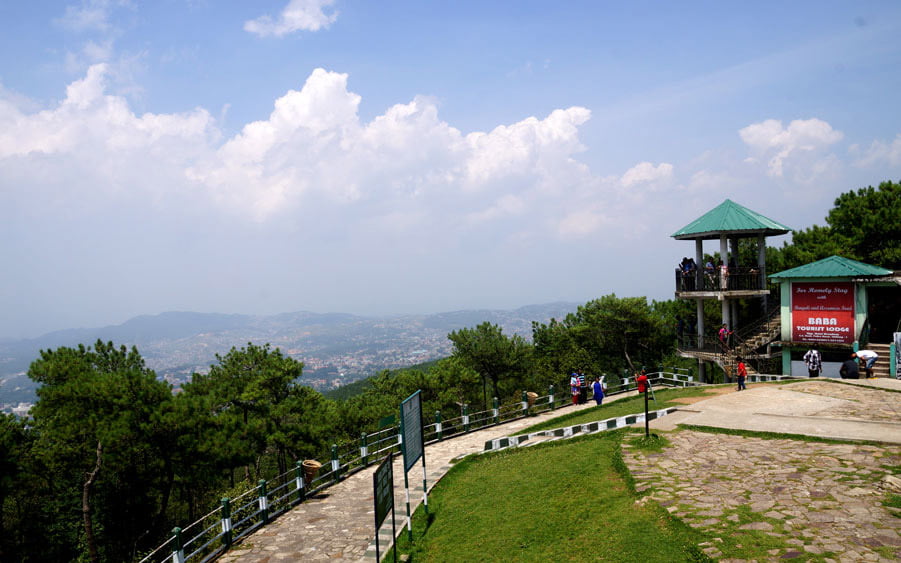
Shillong Peak is the highest point in Meghalaya, standing at an impressive altitude of 6,449 feet (1,965 metres) above sea level. Located about 10 km from the city centre, it offers a breathtaking 360-degree panoramic view of the entire Shillong city, the surrounding green valleys, and on clear days, the distant plains of Bangladesh. The peak is spiritually significant to the local Khasi people, who believe the city’s namesake deity, U Shyllong, resides there; every year, a ritual is performed to honour this protector. Because the area is situated within an Indian Air Force base, visitors must undergo a security check and provide a valid ID proof to enter. At the summit, there is a viewing tower with telescopes, several stalls where you can rent traditional Khasi attire for photos, and local vendors selling fresh pineapples and warm snacks.
3. Umiam Lake

Umiam Lake, popularly known as Barapani (Big Water), is a breathtaking man-made reservoir located about 15 km north of Shillong on the Guwahati-Shillong highway. Spanning approximately 10 to 220 square km depending on the season, it was created in the early 1960s by damming the Umiam River for the state’s first hydroelectric power project. Today, it is one of Meghalaya’s most iconic tourist destinations, often compared to the beautiful lakes of Scotland due to its vast blue waters surrounded by rolling hills and dense Sylvan pine forests. The lake serves as a primary hub for water sports, offering everything from peaceful paddle boating and kayaking to thrilling speed boat rides and water skiing. Beyond adventure, visitors can relax at the lakeside Lum Nehru Park, which features manicured gardens and nature trails, or stay at the government-run Orchid Lake Resort which provides stunning panoramic views from its balconies.
4. Laitlum Canyons
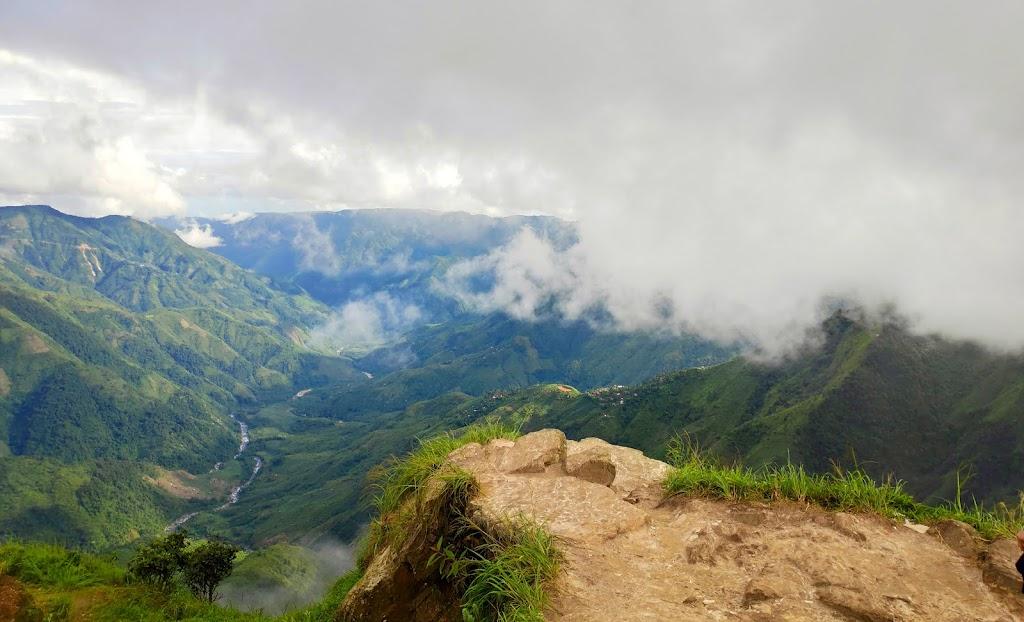
Laitlum Canyons, situated approximately 25 km from Shillong in the East Khasi Hills, is a stunning natural wonder whose name literally translates to “End of Hills”. This vast, green amphitheater is famous for its breathtaking panoramas of deep gorges, craggy cliffs, and winding rivers that often seem to disappear into a sea of clouds floating below your feet. For those seeking adventure, the site features a challenging trek down a steep stone stairway of nearly 3,000 steps that leads to the remote village of Rasong, nestled deep in the valley. It remains relatively untouched by commercialization, offering a serene environment perfect for nature photography, peaceful picnics, and witnessing spectacular sunrises and sunsets that paint the hills in vibrant shades of pink and orange.
5. Police Bazar

Police Bazar, affectionately known as PB by locals, is the bustling commercial and social heart of Shillong, Meghalaya. Centred around a major seven-way roundabout, it is a vibrant mix of traditional markets and modern amenities, making it the primary hub for shopping, dining, and transportation. The area is famous for its pedestrian-only zone, where visitors can leisurely explore a vast array of shops selling everything from high-end brands to local handicrafts, bamboo products, and trendy woollen wear. Beneath the surface, the Lewduh (Bara Bazar) market nearby offers a more traditional experience, while the central plaza is often alive with street performers and local food vendors.
For food enthusiasts, Police Bazar is a paradise, offering an eclectic range of cuisines from authentic Khasi delicacies like Jadoh and Doh-neiiong to popular street foods like momos, chowmein, and spicy aloo mawkordore. It also serves as the city’s main transit point, where you can easily find shared taxis and buses to other parts of the state, including Cherrapunji and Dawki. Whether you are looking to stay in a luxury hotel, find a budget guesthouse, or simply soak in the energetic spirit of the “Scotland of the East,” Police Bazar is the indispensable starting point for any Shillong visit.
6. Don Bosco Museum
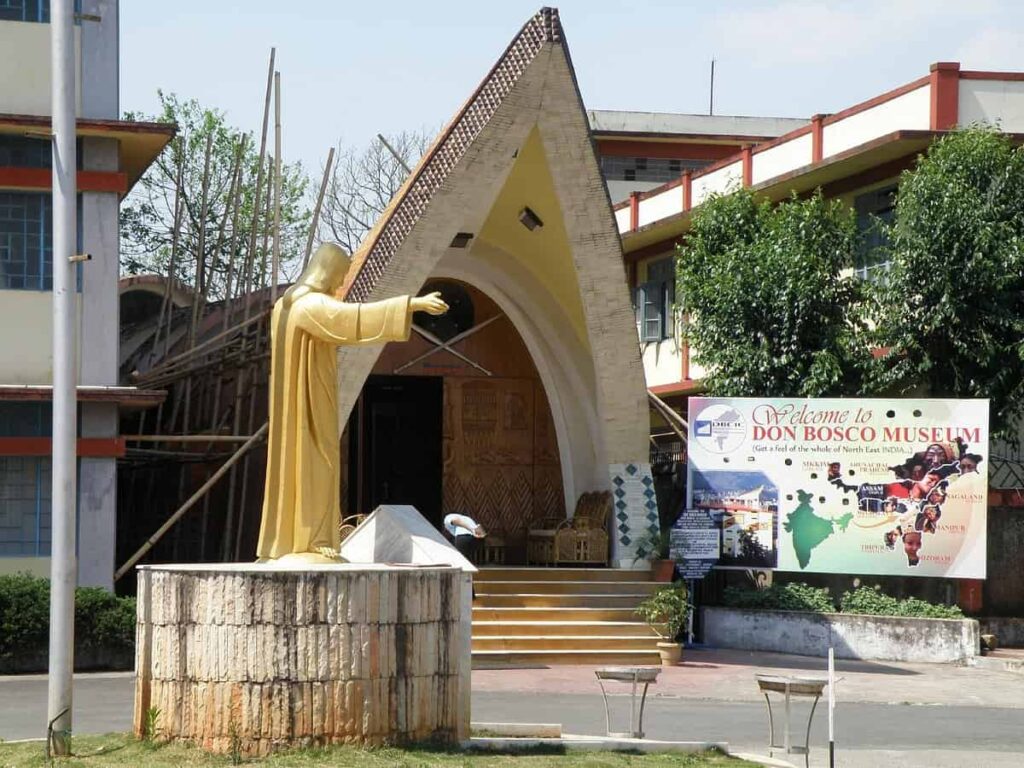
The Don Bosco Museum (officially the Don Bosco Centre for Indigenous Cultures) is a world-class ethnographic museum in Shillong, celebrated as one of Asia’s largest institutions dedicated to tribal cultures. Housed in an iconic seven-storey hexagonal building that resembles a traditional Khasi basket, the museum features over 21 themed galleries showcasing the diverse heritage, arts, and lifestyles of the eight North Eastern states. Visitors can explore immersive exhibits featuring life-sized dioramas, traditional costumes, weapons, musical instruments, and rare photographs that document more than 160 tribal communities. A major highlight is the Skywalk on the topmost floor, which offers a breathtaking 360-degree panoramic view of the entire Shillong city. Managed by the Salesians of Don Bosco, the centre also serves as a research hub with a massive library containing over 100,000 volumes on regional anthropology.
7. Mary Help for Christian Cathedral
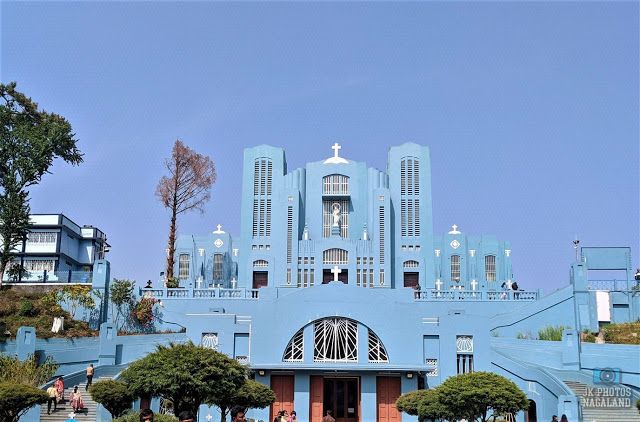
The Mary Help of Christians Cathedral, located in the Laitumkhrah area of Shillong, is the principal place of worship for the Catholic community in Meghalaya and one of the most beautiful churches in Northeast India. Built in the Gothic Revival architectural style, this striking blue-coloured building features tall arches, elegant spires, and magnificent stained-glass windows imported from France that depict various scenes from the Bible. The cathedral is uniquely earthquake-resistant, as it is built on solid rock without deep foundations, and it stands on the site of a former wooden church that was destroyed by fire in 1936. Inside, the atmosphere is deeply spiritual and peaceful, highlighted by a large bronze crucifix and terracotta stations of the cross. Because it is situated on a hill, the church grounds also offer a lovely view of the surrounding greenery, making it a landmark for both pilgrims and architecture lovers.
8. Ward’s Lake
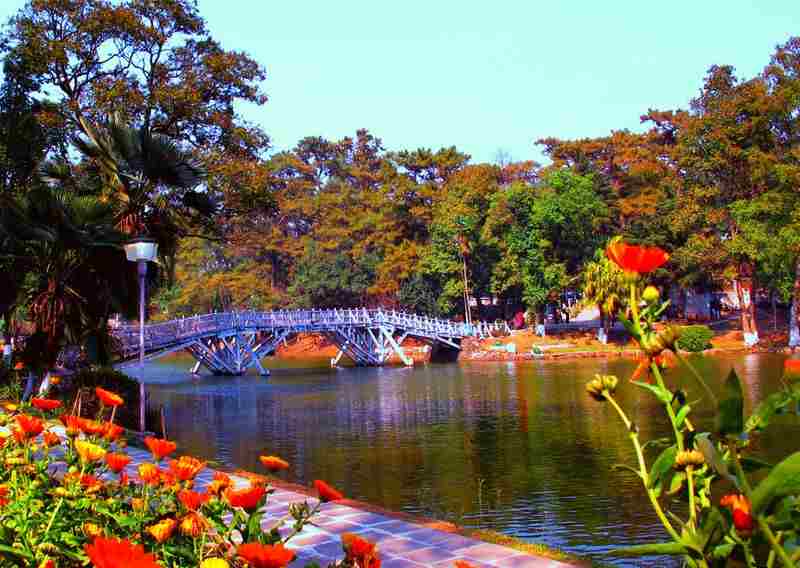
Ward’s Lake, also locally known as Pollock’s Lake or Nan Polok, is an iconic artificial lake located in the heart of Shillong, within walking distance of Police Bazar. Planned by Sir William Ward, the then Chief Commissioner of Assam, and built in 1894, this horseshoe-shaped lake is a beautifully preserved piece of British colonial history. It is surrounded by a sprawling botanical garden featuring vibrant flower beds, manicured lawns, and rare orchids. A standout feature is the charming arched wooden bridge that spans the middle of the lake, providing a popular vantage point for visitors to feed the numerous goldfish and ducks. The site is a favorite for leisurely strolls along its cobblestone paths, peaceful picnics, and paddle boating on the calm waters.
9. Air Force Museum
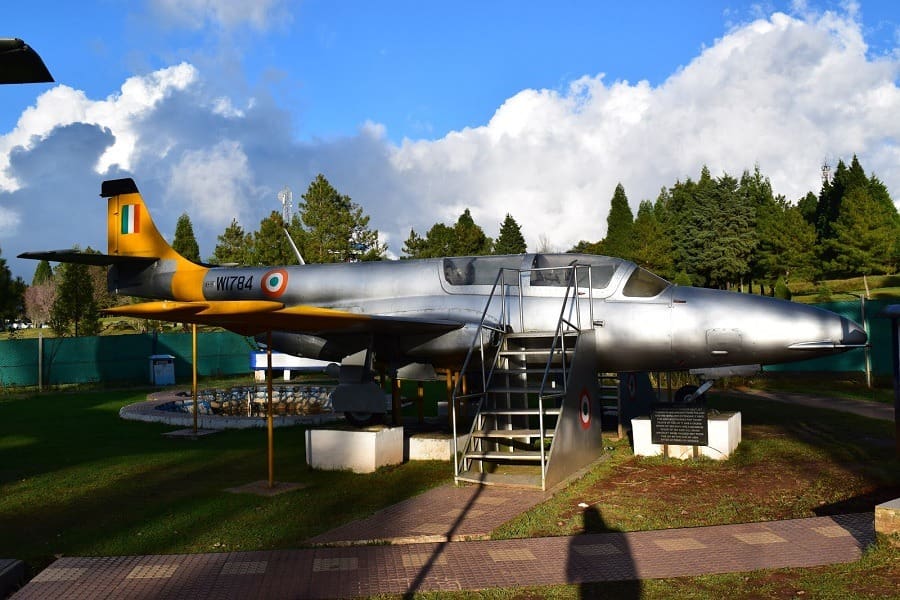
The Air Force Museum in Shillong, located within the Eastern Air Command complex in Upper Shillong, is a fascinating tribute to India’s aerial history and military prowess. The museum serves as an educational hub, featuring an impressive outdoor display of retired aircraft, including the Sukhoi Su-7, MiG-21, and various helicopters that have served the nation. Inside the indoor galleries, visitors can explore a rich collection of rare photographs, miniature aircraft models, medals, and uniforms that document the history of the Indian Air Force in the North-East, particularly its role during the 1971 Indo-Pak war. One of the most engaging sections is dedicated to the valour of pilots and the evolution of flight technology. It is a highly disciplined and well-maintained site that offers a sense of national pride, making it a must-visit for history buffs and children alike.
10. Sweet Fall

Sweet Falls, locally known as Kshaid Weitden, is one of the most stunning yet steepest waterfalls in Shillong, located about 5 km from Happy Valley. Falling from a massive height of approximately 315 feet, it is a “pencil-style” waterfall where the water plunges straight down a vertical cliff into a deep turquoise pool below. Unlike other popular falls in Meghalaya, Sweet Falls is unique because it is not tiered; it is a single, powerful stream surrounded by dense pine forests and steep rocky walls. While it is breathtakingly beautiful and a paradise for nature photographers, it is also known for being one of the most dangerous spots in the region. Due to the very slippery rocks and the extreme force of the water, trekking to the base is strictly prohibited, and visitors are advised to enjoy the view from the safety of the designated viewpoint.
11. Sohpetbneng Peak
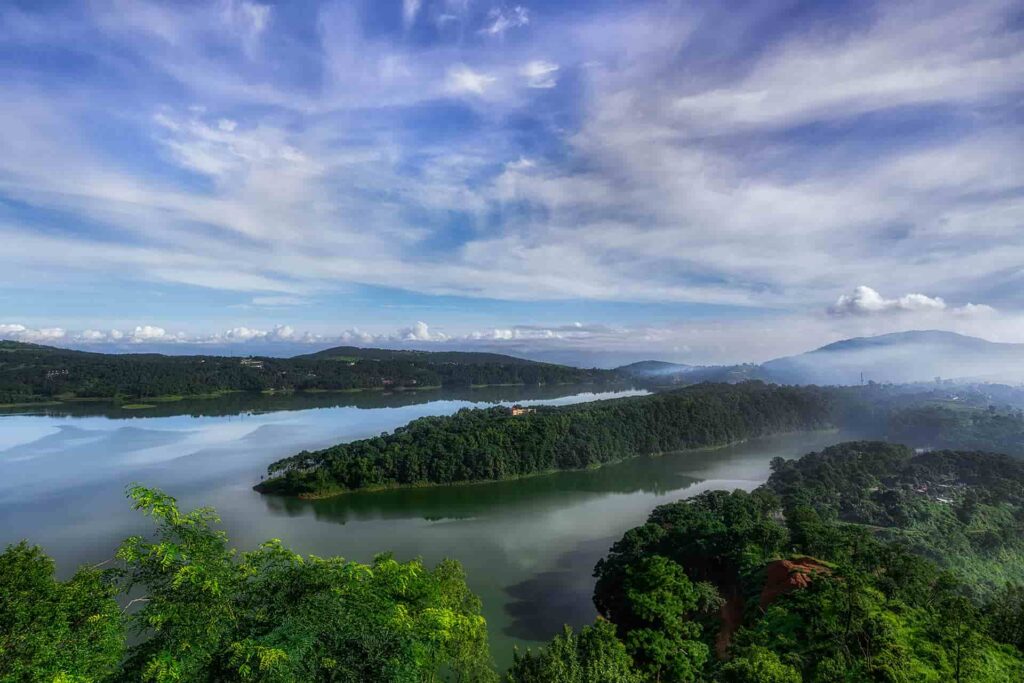
Sohpetbneng Peak, located about 20 km from Shillong near the Umiam Lake, is one of the most sacred sites for the Khasi people. Standing at an altitude of 1,343 metres, its name literally translates to “The Navel of Heaven.” According to local Khasi mythology, this peak was once a “golden staircase” or a bridge that connected heaven and earth, allowing the ‘Seven Huts’ (Hynniewtrep) to descend and populate the world. Beyond its deep spiritual and legendary importance, the peak offers a breathtaking 360-degree view of the surrounding emerald green hills and the vast waters of Umiam Lake below. Every year, on the first Sunday of February, a massive ritual and pilgrimage are held here by the Seng Khasi community to pay homage to the Creator.
12. Mawlynnong
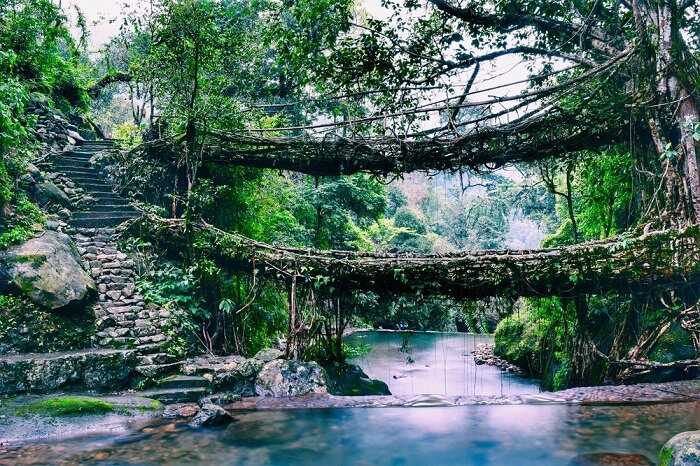
Mawlynnong, located in the East Khasi Hills of Meghalaya, is globally renowned as the “Cleanest Village in Asia,” a title it earned from Discover India magazine in 2003. Often referred to as “God’s Own Garden,” the village is celebrated for its community-driven sanitation practices where every resident, from children to the elderly, participates in daily cleaning and maintains bamboo dustbins at every corner. Beyond its spotless streets, Mawlynnong offers unique attractions like the Jingmaham Living Root Bridge in nearby Riwai, the Sky View Tower—an 85-foot bamboo structure providing views of the Bangladesh plains—and the mysterious Balancing Rock. The village is also a cultural gem, following a matrilineal society where property and lineage pass through the mother, and boasting a 100% literacy rate.
13. Spread Eagle Falls
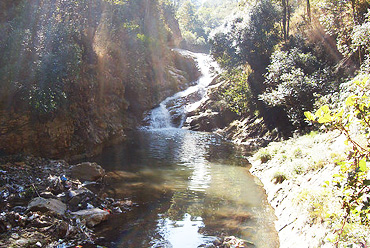
Spread Eagle Falls, also known as Sati Falls or Urkaliar, is a serene natural wonder located about 6 km from Shillong’s city centre, within the Cantonment area. It is famously considered the widest waterfall in Shillong, featuring a broad cascade that fans out over steep cliffs into a large, sparkling pool. The name “Spread Eagle” comes from its unique shape, which remarkably resembles an eagle with its wings outstretched when viewed from a distance. Local legend tells a tragic story of a woman named Ka Liar who allegedly slipped into the falls, giving it the local name Urkaliar. While the site is a peaceful spot for nature walks and photography, visitors should note that maintenance has been limited recently, and some trails can be uneven or slippery.
14. Nongjrong
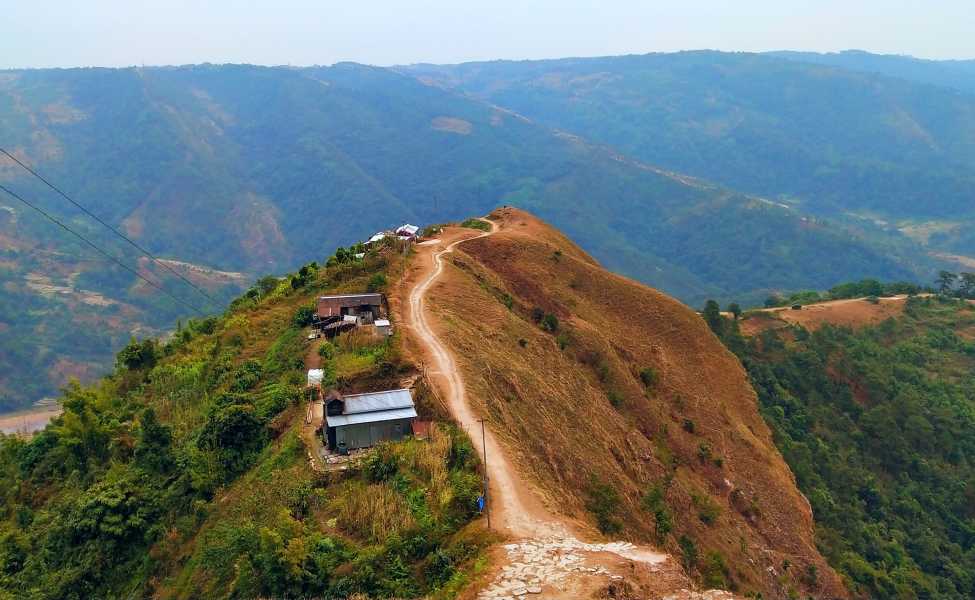
Nongjrong, a remote village nestled in the Mawkynrew Tehsil of Meghalaya’s East Khasi Hills, is rapidly gaining fame for its ethereal sunrise and the mesmerizing “Sea of Clouds” phenomenon. Situated roughly 45–60 km from Shillong, the village sits atop a ridge overlooking a deep valley where the Umngot River flows. At dawn, particularly during the winter months, thick mist settles in the valley below, creating a stunning cloud inversion that makes visitors feel as if they are standing above a white ocean with mountain peaks emerging like islands. Beyond its scenic viewpoint, Nongjrong is known for its pristine natural beauty, traditional Khasi lifestyle, and Nongjrong Falls, a cascading waterfall hidden within dense forests about 3 km from the village center.
15. Lady Hydari Park

Lady Hydari Park, officially renamed as Ka Phan Nonglait Park in 2023, is a beautifully maintained garden located in the heart of Shillong, approximately 2 km from Police Bazaar. Established in 1937, it was originally named after the wife of the first Governor of Assam, Lady Hydari, who was a passionate nature lover. The park is designed in a traditional Japanese garden style, featuring manicured lawns, stone bridges arching over small ponds, and willow trees with branches that touch the ground. It is one of Shillong’s most popular family destinations, home to the city’s only mini zoo, which houses species like the Himalayan black bear, leopards, jackals, and various deer. Additionally, the premises include a children’s playground, a butterfly museum, and a small museum showcasing regional biodiversity, including rare photographs and elephant skulls.
16. David Scott Trail

The David Scott Trail is one of the oldest and most famous trekking routes in Meghalaya, stretching approximately 16 km between the villages of Mawphlang and Lad Mawphlang. Named after the British administrator who developed it in the early 1800s, this historic path was originally part of a 100-km mule track that connected the plains of Assam to Sylhet in modern-day Bangladesh. Today, it is a moderately challenging, day-long hike that takes about 4 to 6 hours to complete, winding through the rolling hills of the Eastern Khasi Hills. Trekkers are treated to a diverse landscape of dense forests, open meadows, and cascading waterfalls, with the Umiam River flowing alongside much of the route. Iconic landmarks along the trail include an ancient British-era stone bridge, traditional Khasi monoliths, and the world-renowned Mawphlang Sacred Grove at the trailhead.
17. Rhino Heritage Museum
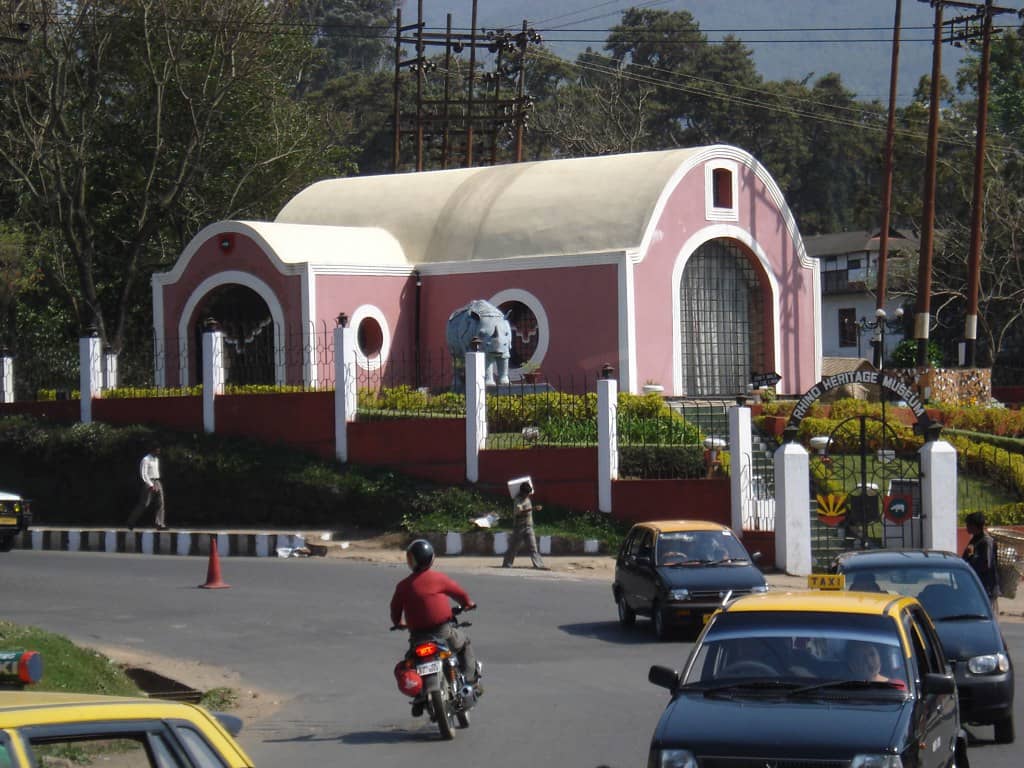
The Rhino Heritage Museum, located at the crossing of Zila Road and Castle Over Road in Shillong, is a fascinating military museum dedicated to the history of the Assam Rifles and the Indian Army’s presence in the Northeast. Housed in a charming pink-coloured heritage building, the museum’s name is inspired by the one-horned rhinoceros, which is the symbol of the military’s 101 Area. It features an extensive collection of military memorabilia, including vintage weapons, historic photographs of the 1971 Indo-Pak war, and traditional tribal artefacts. A major highlight for visitors is the outdoor display of a captured Pakistani tank and various weaponry used during past conflicts. The museum serves as a proud tribute to the bravery of soldiers who have served in the difficult terrains of Meghalaya and surrounding states.
18. Kyllang Rock

Kyllang Rock, locally known as Lum Kyllang, is a massive red granite dome and natural monolith located near Mairang in the West Khasi Hills, approximately 57–60 km from Shillong. Standing at an altitude of about 5,400 feet with a width of nearly 1,000 feet, this geological marvel is estimated to be several million years old. The rock is steeped in Khasi folklore, most notably the legend of a great battle between the gods U Kyllang and U Symper, which resulted in Kyllang standing tall while his rival was defeated. Another local belief suggests the rock possesses a magnetic field that prevents climbers from falling, even during strong winds. A hike to the summit via a northern footpath takes about 30 minutes and rewards visitors with spectacular 360-degree views of the verdant Khasi Hills, quaint villages, and occasionally the distant Himalayas.
19. Botanical Garden
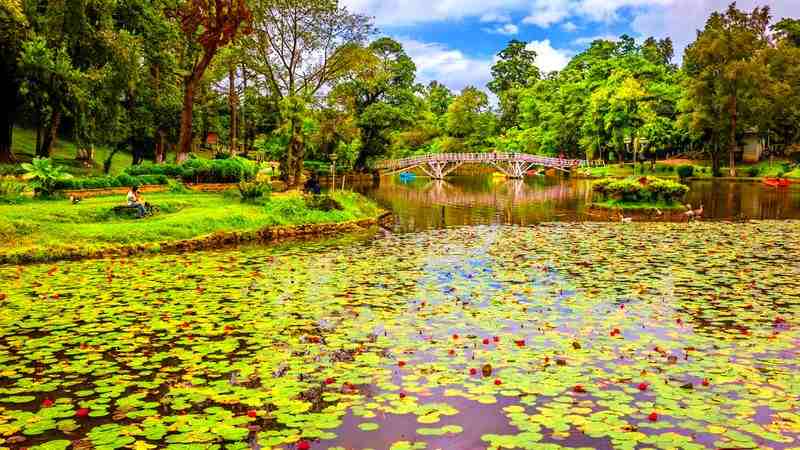
The Botanical Garden in Shillong, located adjacent to the iconic Ward’s Lake, is a tranquil emerald oasis that serves as a vital center for the preservation and research of indigenous flora from the Northeast. Spanning over a significant area, this beautifully landscaped sanctuary features a diverse collection of rare orchids, vibrant rhododendrons, and various medicinal and carnivorous plants native to the Meghalaya region. Visitors can wander through a hybrid of formal symmetrical flower beds and naturalistic forested sections, connected by winding stone paths and quaint bridges. A key highlight is the Orchid House, a dedicated conservatory designed to maintain the humidity required for sensitive local orchid species. Although sometimes confused with Lady Hydari Park, this garden offers a much quieter and more academic experience, ideal for nature photography and peaceful reflection amidst a massive canopy of ancient trees.
20. Malki Forest
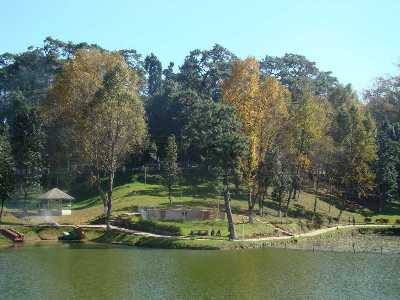
Malki Forest, locally known as Khlaw Malki, is a dense and serene woodland located in the heart of Shillong, providing a tranquil escape from the city’s busy urban life. Situated near the residential areas of Malki and Laban, this forest is celebrated for its lush greenery and towering British-era pine trees, which create a cool, shaded canopy ideal for nature walks, birdwatching, and photography. The area features several winding trails that are popular among local trekkers and joggers, with some paths leading all the way up towards Laitkor. Beyond its recreational value, Malki Forest serves as a critical watershed area and “green lung” for Shillong, acting as a vital catchment for several municipal water sources.