Sonamarg, an exceptionally beautiful hill station in Kashmir, is situated approximately 80 kilometers from Srinagar. It derives its name from the fact that during the spring season, its vast meadows become carpeted with yellow crocus flowers, which shimmer like gold in the sunlight.
Situated at an altitude of over 2,700 meters amidst the towering peaks of the Himalayas, this destination is renowned for its enchanting vistas of snow-capped mountains, dense pine forests, and the glistening Sindh River. It serves as a paradise for both nature enthusiasts and adventure seekers alike, offering a plethora of activities such as trekking to high-altitude alpine lakes, white-water rafting, and pony rides to the famous Thajiwas Glacier.
Beyond its natural beauty, Sonamarg holds significant strategic importance, serving as the gateway to Ladakh via the Zoji La Pass and acting as a primary base camp for pilgrims undertaking the Amarnath Yatra. Surrounded by massive glaciers, the region often retains snow even during the summer months—a feature that makes it a favorite destination among tourists seeking respite from the heat.
Whether you desire a peaceful stroll through flower-filled meadows or wish to embark on a climb up rugged mountains, Sonamarg offers a perfect blend of tranquility and adventure. Sonamarg is generally considered a safe destination for both domestic and international tourists.
Here Are The Top Attractions & Experiences In Sonamarg :
1. Nilagrad River
The Nilagrad River is a unique and fascinating spot located about 6 km from Sonamarg where a mountain stream meets the Indus River. What makes this river special is the distinct reddish colour of its water, which is believed to come from the unique minerals in the surrounding rocks. Local people and many visitors believe the water has medicinal properties and can help heal skin diseases or other ailments. Because of this, it is common to see people taking a holy dip in the river, especially on Sundays. Aside from its healing reputation, the area is incredibly beautiful, surrounded by lush greenery and rolling hills, making it a peaceful place for a picnic or a relaxing walk away from the main tourist crowds.
2. Yusmarg

Yusmarg, also known as the “Meadow of Jesus,” is a peaceful and scenic hill station located in the Budgam district, about 47–50 km (a 2-hour drive) from Srinagar. Unlike busy tourist spots, Yusmarg is famous for its vast, quiet green pastures that stretch for acres, surrounded by thick pine and fir forests and the snow-capped Pir Panjal mountain range. It is called the “Meadow of Jesus” because local legends suggest that Jesus Christ once stayed or meditated in this tranquil valley.
3. Thajiwas Glacier
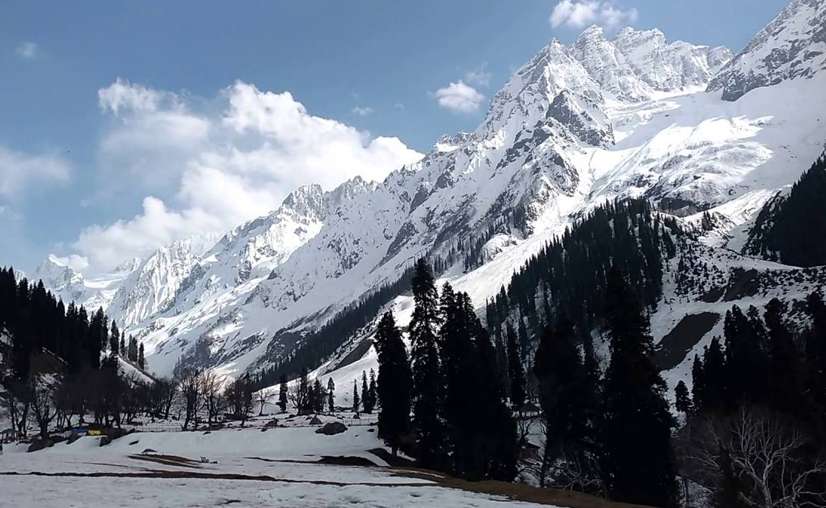
The Thajiwas Glacier is the most popular attraction in Sonamarg, located just about 3 kilometers from the main town. It is a massive, stunning mountain of ice and snow that stays frozen almost all year round, even during the hot summer months. To reach the glacier, you can take a scenic hike or enjoy a fun pony ride through beautiful green meadows and pine forests. Once you arrive, the area is like a winter wonderland where you can enjoy activities like sledding on the ice or simply taking photos of the silver-white snow against the bright blue sky. It is also surrounded by several small waterfalls and streams, making it a perfect spot for nature lovers and families who want to experience “forever snow” without a difficult mountain climb.
4. Baltal
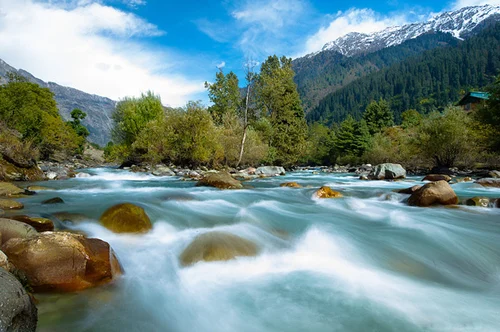
Baltal is a small but very important valley located about 15 km from Sonamarg, right at the foot of the Zoji La pass. It is most famous for being the main base camp for the Amarnath Yatra, a holy pilgrimage to the Amarnath Cave. Because the trek from Baltal to the cave is shorter (about 14 km) compared to other routes, thousands of pilgrims stay here in tents during the summer. Even if you aren’t a pilgrim, the valley is beautiful to visit because it sits right along the banks of the Sindh River and is surrounded by steep, snow-capped mountains. It offers a very raw and peaceful view of nature, making it a great spot for photography and experiencing the quiet side of the Himalayas.
5. Satsar Lake
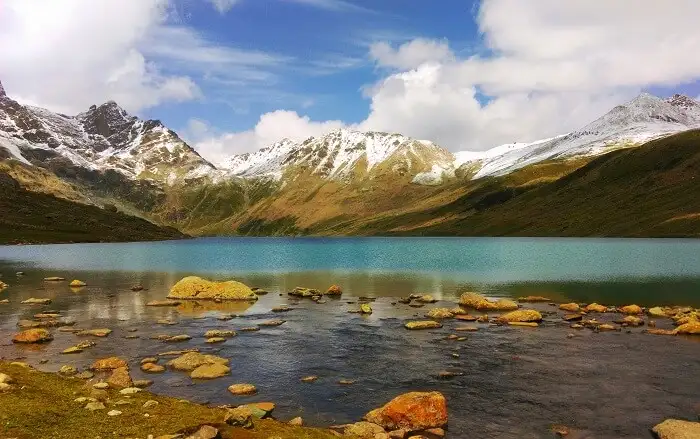
Satsar Lake is a beautiful group of seven high-altitude alpine lakes located in the Ganderbal district of Kashmir, India. Situated at an elevation of about 3,600 meters (11,800 feet), these lakes are a major highlight of the famous Kashmir Great Lakes Trek. During the summer, the valley is covered in lush green meadows and vibrant wildflowers like blue poppies and gentians, making it a dream destination for trekkers and nature lovers.
6. Gadsar Lake

Gadsar Lake is a stunning, high-altitude alpine lake in the Ganderbal district of Kashmir, sitting at an elevation of about 3,600 metres (11,800 feet). It is famously known by two very different names: “The Lake of Fishes” because it is a natural habitat for brown trout, and “Yemsar” or the “Lake of Death” due to local legends about a lake monster that supposedly pulls creatures into the water. Despite its spooky reputation, it is considered one of the most beautiful spots on the Kashmir Great Lakes Trek, often called the “Valley of Flowers” because its surrounding meadows explode with colourful wildflowers like blue poppies and daisies during the summer. The lake is fed by melting glaciers and remains frozen from November to April, making the best time to visit between June and September.
7. The Kashmir Great Lakes Trek
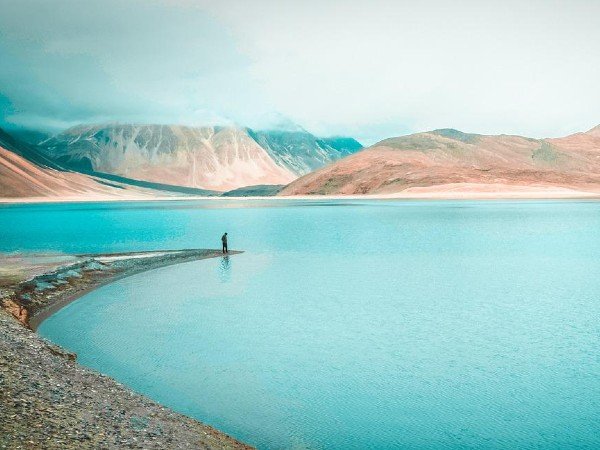
The Kashmir Great Lakes (KGL) Trek is widely considered the most beautiful trek in India, taking you on an 8-day journey through the heart of the high-altitude Kashmir Himalayas. The trail covers roughly 75 kilometres and is famous because it reveals a new, stunning alpine lake almost every single day, including the turquoise waters of Vishansar, Gadsar, and Gangbal. As you walk, you pass through massive, rolling green meadows filled with wildflowers, cross three high mountain passes over 4,000 metres, and see massive glaciers sliding off rugged peaks into the lakes. It is a “crossover” trek that typically starts in the golden meadows of Sonamarg and ends in the ancient village of Naranag, offering a complete escape into a world of “unfiltered nature” with no mobile network or city noise.
8. Nichinai Pass
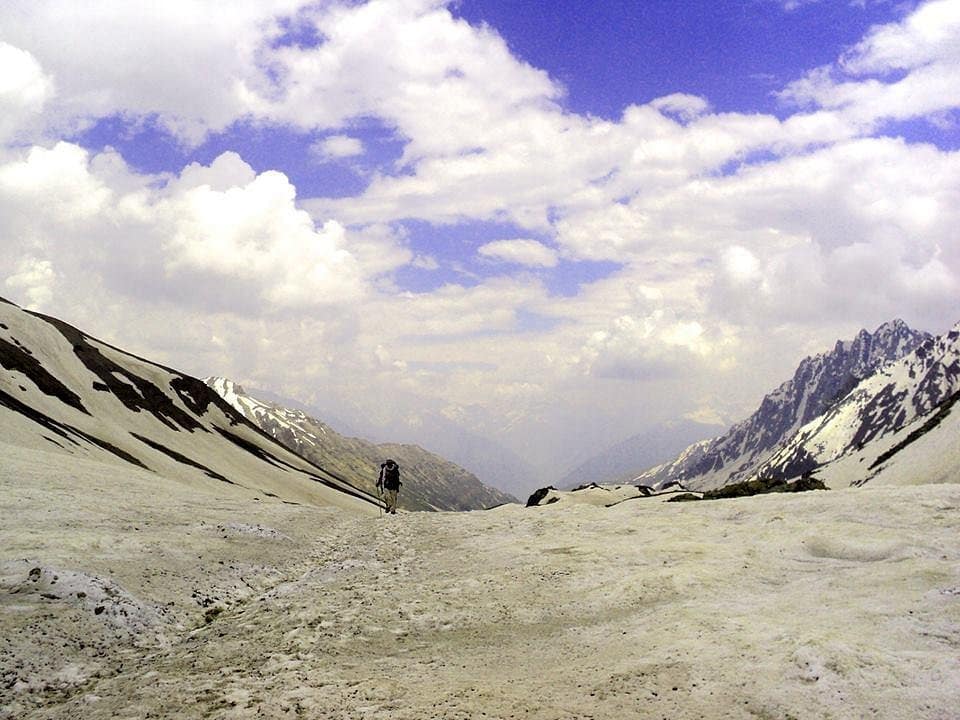
Nichinai Pass is a high-altitude mountain pass in the Ganderbal district of Kashmir, standing at an elevation of approximately 4,139 metres (13,580 feet). It serves as the first major mountain crossing and the “gateway” to the alpine lakes on the Kashmir Great Lakes Trek. The trek to the pass usually begins from the Nichnai campsite on the third day of the journey, involving a steady, three-hour climb alongside a gushing stream. Once you reach the top, the landscape shifts dramatically from rocky ridges to vast, open meadows often called the “Valley of Wildflowers” because of the vibrant blooms that appear in the summer. It is one of the few spots on the remote trail where trekkers can sometimes find a BSNL mobile signal, making it a popular place to pause before descending toward the stunning twin lakes of Vishansar and Kishansar.
9. Zojila Pass
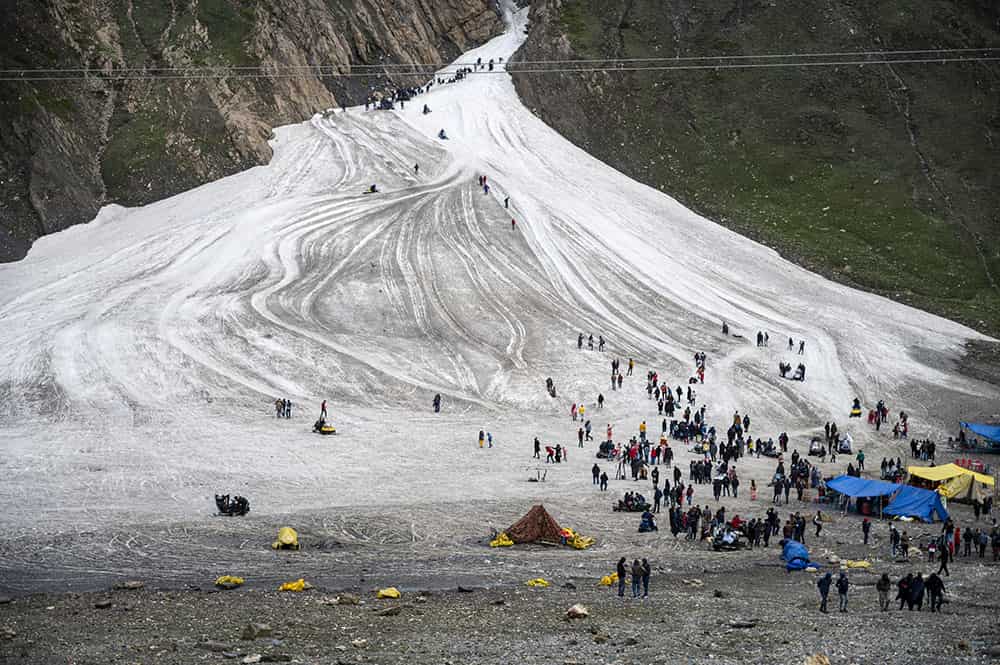
Zojila Pass is a vital high-altitude mountain pass in the Indian Himalayas, sitting at an elevation of approximately 3,528 metres (11,575 feet). Often called the “Mountain Pass of Blizzards”, it serves as the crucial land link between the Kashmir Valley and the high-altitude cold desert of Ladakh. Located on National Highway 1, it connects Srinagar and Leh, acting as a “lifeline” for the region by allowing the transport of essential goods and military supplies. The pass is famous for its narrow, winding roads and “deadly drops” that offer breathtaking views but make it one of the most treacherous roads to drive in the world. Because it receives massive amounts of snow, sometimes up to 15–25 metres deep, it typically remains closed for 5–6 months during winter, completely cutting off Ladakh by road until it is cleared by the Border Roads Organisation in late spring.
10. Gangabal Lake

Gangabal Lake is the largest and most magnificent of all the alpine lakes in the Kashmir Great Lakes Trek. Located at the foot of the mighty Mount Haramukh (5,744 meters), this high-altitude lake sits at an elevation of about 3,575 meters (11,729 feet) and is famous for its deep turquoise blue water. It is a glacial lake, primarily fed by the melting snow and glaciers of the surrounding peaks. For the local Kashmiri Pandits, the lake is considered highly sacred and is often referred to as the “Ganges of Kashmir,” where an annual pilgrimage is held. Because of its size and the dramatic backdrop of the glacier-covered Haramukh, it is widely considered the “grand finale” and the most photographed spot of the entire trekking journey.
11. Trekking in Sonamarg

Trekking in Sonamarg is known as the “gateway to alpine heaven” because it serves as the starting point for some of the most spectacular high-altitude trails in the Himalayas. Often called the “Meadow of Gold,” Sonamarg sits at 2,730 metres and is surrounded by towering glaciers and peaks, making it a perfect base for both beginners and experienced trekkers. The most famous route starting here is the Kashmir Great Lakes Trek, but the area also offers shorter, iconic hikes like the trek to the Thajiwas Glacier, where you can see snow even in peak summer. The experience is defined by walking through vast, rolling meadows (marg), dense pine forests, and crossing icy streams, all while being surrounded by the dramatic scenery of the Sind Valley.
12. White River Rafting
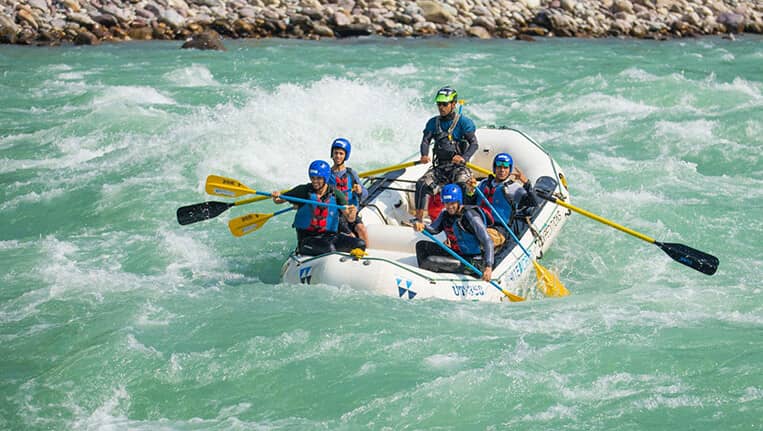
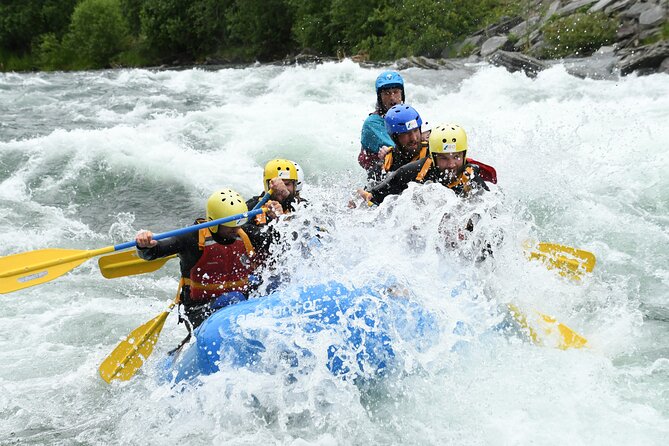
White River Rafting in Kashmir is an exhilarating adventure sport primarily centered on the Sind River in Sonamarg and the Lidder River in Pahalgam. It involves navigating a sturdy inflatable raft through turbulent “whitewater,” where the river’s fast flow crashes over rocks to create exciting rapids. The rivers in this region are fed by melting glaciers, making the water icy cold and crystal clear. For beginners, there are gentle stretches (Grade I and II) that provide a fun “joyride,” while professional rafters can take on more challenging sections (Grade III and IV) that require quick teamwork and paddling skills. Guided by experts, participants wear life jackets and helmets, making it a safe yet heart-pounding way to experience the raw power of Kashmir’s mountain rivers.
13. Vishansar Lake
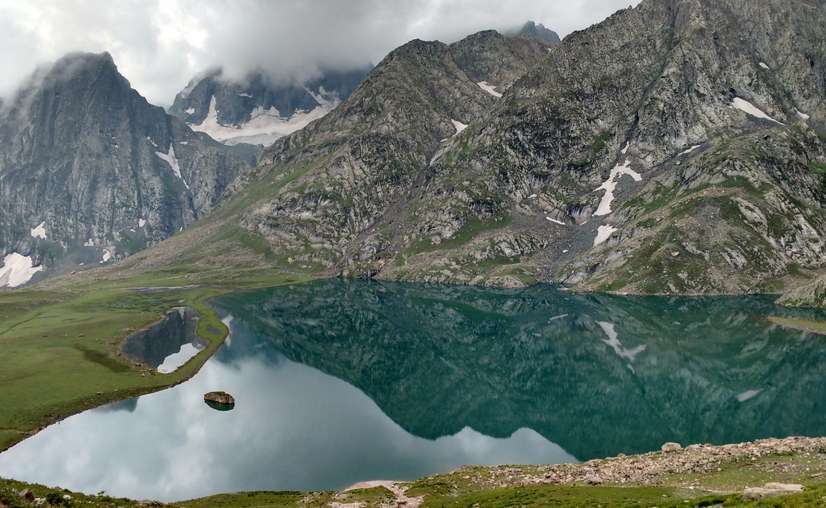
Vishansar Lake, known as the “Lake of Vishnu,” is a stunning high-altitude alpine lake located near Sonamarg in the Kashmir Valley. Sitting at an elevation of about 3,710 metres (12,172 feet), it is one of the most iconic stops on the Kashmir Great Lakes Trek. The lake is famous for its changing colours, shifting from a deep turquoise to a sparkling green depending on the position of the sun. It is a glacial lake fed by the surrounding mountains and glaciers, and its crystal-clear waters eventually flow out to form the Kishanganga River. Surrounded by lush green meadows that are carpeted with vibrant wildflowers in the summer, Vishansar is widely considered one of the most peaceful and scenic camping spots in the entire Himalayan region.
14. Walnut orchards
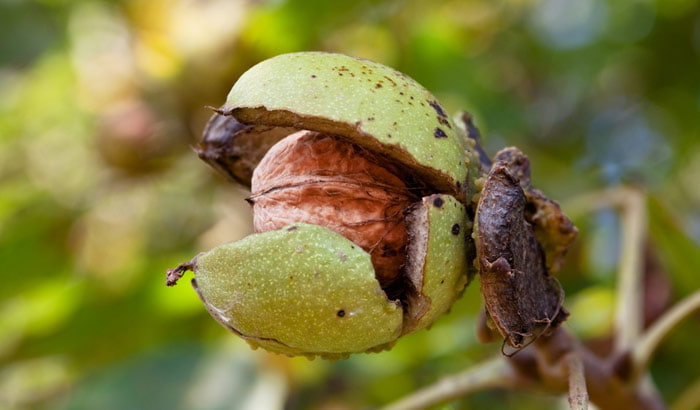
Walnut orchards in Kashmir are sprawling, picturesque groves where thousands of towering, centuries-old trees grow in the valley’s cool, mineral-rich soil. These orchards are most vibrant during the autumn harvest (September to October), when the trees are heavy with green-husked fruit and the air is filled with the rhythmic sound of wooden poles striking branches. Walking through an orchard like those found in Kupwara or Budgam, you can see families working together to collect fallen nuts, peel away the outer husks, and spread the shells under the Himalayan sky to dry naturally. Because these trees can grow up to 40 feet tall and live for generations, the orchards feel like ancient forests, offering a unique blend of agricultural tradition and natural beauty that is central to rural Kashmiri life.
15. Krishnasar Lake
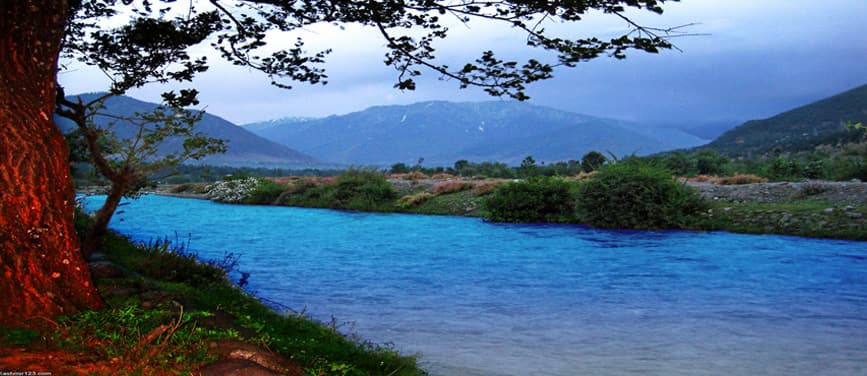
Krishansar Lake, often called the “Lake of Krishna,” is a high-altitude alpine lake situated at an elevation of about 3,801 metres (12,470 feet) in the Ganderbal district of Kashmir. It is the inseparable “twin” to Vishansar Lake, located just a few hundred metres away and separated by a small grassy ridge. Known for its striking deep blue water, the lake is famously framed by a massive, jagged mountain peak that reflects perfectly on its calm surface. It is a major highlight of the Kashmir Great Lakes Trek, providing a serene camping ground where trekkers often spend a rest day. The lake is fed by melting glaciers and remains frozen throughout the winter, only becoming accessible to visitors during the summer months from June to September.
16. Hung Park

Hung Park is a scenic eco-tourism spot located about 6.8 km from Sonamarg on the Srinagar-Leh National Highway. Developed by the Forest Department, it sits beautifully in the midst of the Sind River, making it a perfect transit halt or picnic destination for travellers heading toward the “Meadow of Gold.” The park is known for its lush greenery and spectacular vistas of the surrounding snow-capped peaks. It is especially family-friendly, featuring a dedicated play area for children with trampolines and several cafes that serve a variety of local and popular snacks. During the winter, the park transforms into a snow-covered wonderland, while in the summer, it offers a peaceful retreat for those looking to enjoy nature walks or meditation by the riverside.
17. Buddhist Temples
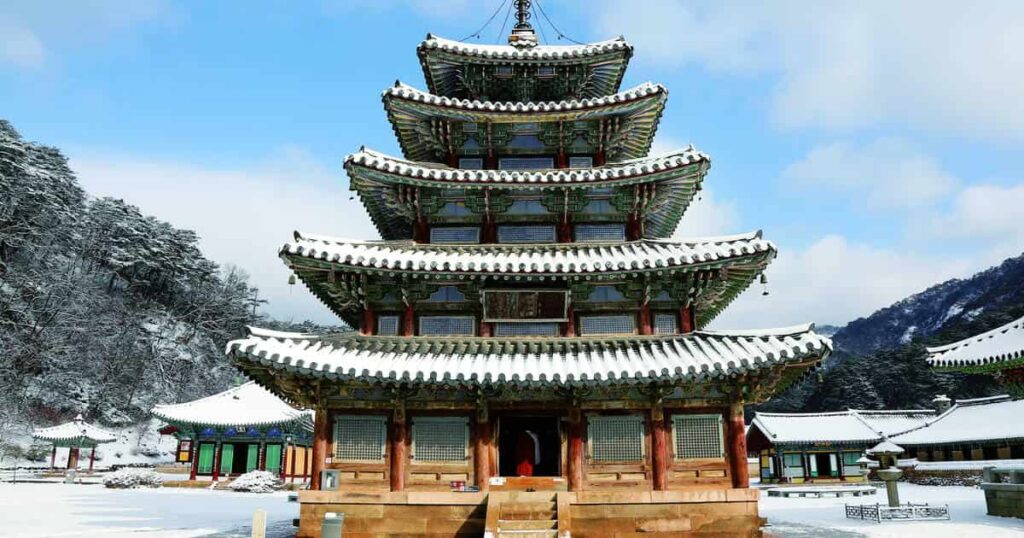
While Kashmir is now predominantly known for its Hindu and Islamic heritage, it was once a world-renowned centre of Buddhism with several magnificent temples and monasteries. Under the rule of great kings like Ashoka and Lalitaditya Muktapida, Buddhism flourished, and the valley became a hub for scholars from China and Central Asia. Today, most of these sites exist as atmospheric stone ruins that showcase a unique blend of local, Greek, and Roman architectural styles, such as the famous trefoil arches. Visiting these sites, like the ruins at Parihaspora or Harwan, offers a peaceful experience far from the typical tourist crowds, where you can see the foundations of ancient stupas and prayer halls nestled against the backdrop of the Himalayan foothills.
18. Kheer Bhawani temple
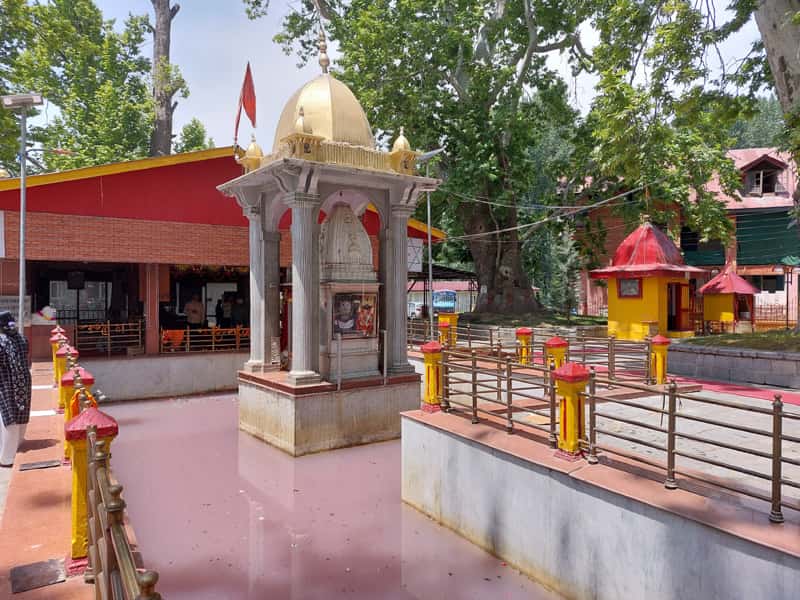
The Kheer Bhawani Temple, located in Tulmulla village near Ganderbal, is one of the most sacred and respected shrines for the Kashmiri Pandit community. Dedicated to the Goddess Ragnya Devi, the temple is uniquely built in the middle of a hexagonal natural spring. It gets its name from the traditional offering of Kheer (sweet rice pudding) that devotees pour into the spring. A fascinating local belief is that the colour of the spring water changes to predict the valley’s future; white or green water is seen as a sign of peace and prosperity, while dark or blackish water is historically considered a warning of difficult times ahead.
19. Naranag Temple

Naranag Temple is a cluster of ancient stone ruins located in the Naranag village of Ganderbal, Kashmir, at the base of Mount Haramukh. Built primarily in the 8th century by King Lalitaditya Muktapida, these temples are dedicated to Lord Shiva and are famous for their unique “Aryan” style of architecture, featuring massive stone blocks and triangular gables. The complex is divided into two main groups of temples situated about 200 metres apart, surrounded by a high stone wall. Because it sits at the starting (or ending) point of the famous Kashmir Great Lakes Trek, it is often the first or last piece of history trekkers see before entering the deep wilderness.
20. Shekdur Meadows
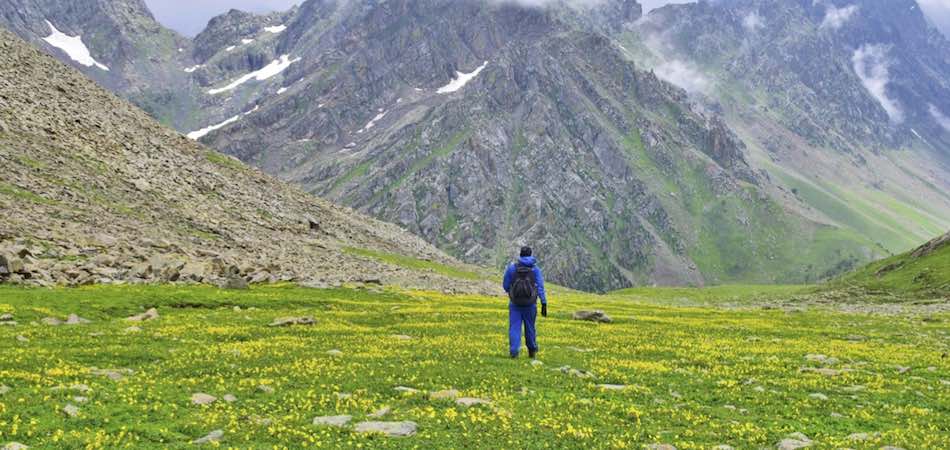
Shekdur Meadows is a breathtaking stretch of lush green highlands located on the way to the high-altitude lakes of Kashmir, specifically acting as a key landmark during the early stages of the Kashmir Great Lakes Trek. Situated at an elevation of roughly 3,350 metres (11,000 feet), these meadows are famous for their “wallpaper-like” beauty, featuring rolling hills covered in vibrant grass and surrounded by a dense fringe of Bhojpatra (Silver Birch) and Pine trees. For many trekkers, Shekdur is the first real taste of the “Great Lakes” scenery, offering a wide-angle view of the Sonamarg valley and the surrounding snow-capped peaks. It serves as a perfect transition point where the thick forest ends and the vast, open alpine landscapes begin.