

The Maldives is an exquisitely beautiful island nation situated in the Indian Ocean, lying to the southwest of India and Sri Lanka. It comprises 26 natural atolls (clusters of coral islands), encompassing more than 1,100 individual coral islands. It is the lowest-lying country in the world and is renowned for its unique “one island, one resort” concept. Here, private and luxurious villas are built directly over pristine, turquoise lagoons. Beyond its world-class tourism, the Maldives is also a vital hub for marine biodiversity. It is home to vibrant coral reefs, whale sharks, and manta rays, making it an exceptional destination for scuba diving and snorkeling. The country boasts a rich maritime history, and its culture is predominantly Sunni Muslim. Its capital, Malé, is a densely populated hub of commerce and heritage. Today, the Maldives stands at the forefront of global efforts to raise awareness regarding climate change and rising sea levels, as its very existence depends on the health of the ocean and environmental conservation.
The economy of the Maldives relies heavily on tourism. It is the country’s largest industry, accounting for approximately one-third of its GDP. Furthermore, it generates the majority of the nation’s foreign exchange earnings. This “one island, one resort” model has established the country as a global leader in the luxury travel sector. It has created employment opportunities for thousands of people and has also spurred growth in sectors such as construction and telecommunications. The second main pillar of the economy is fishing, particularly the export of tuna. For centuries, this has served as the primary means of livelihood for the Maldivian people, and even today, it remains a major source of employment within local island communities. Given the scarcity of arable land in this country, it relies heavily on imports from other nations to meet almost all of its basic needs—including food and fuel. To mitigate this dependency, the government is currently investing in the “Blue Economy” (marine economy). The primary focus of this initiative is the sustainable utilization of marine resources. Furthermore, the government is enhancing infrastructure—such as expanding airports and constructing bridges—to improve inter-island connectivity and attract greater international investment.
The Maldives is widely regarded as one of the safest holiday destinations in the world. The primary reason for this is its unique geographical configuration, wherein most resorts are situated on their own private islands. This “one island, one resort” model fosters a highly controlled and secure environment, resulting in serious crimes against tourists being virtually non-existent in these areas. The atmosphere in the capital city, Malé, as well as on the inhabited “local islands,” is generally safe; however, travelers should exercise prudence to guard against petty theft and remain mindful of local laws and customs, given that this is an Islamic nation.
Most Famous And Attractive Tourist Places In Maldives :
1. HP Reef – For Corals And Caves
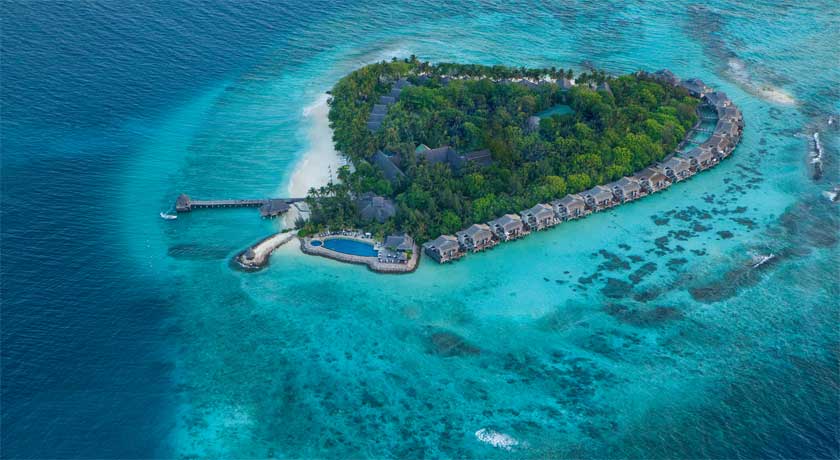
HP Reef, famously known as “Rainbow Reef,” is a breathtaking Protected Marine Area located in the North Malé Atoll of the Maldives, celebrated for its spectacular underwater topography and vibrant biological diversity. The site is a labyrinth of massive coral blocks, narrow crevices, and deep caves, all of which are densely covered in a kaleidoscopic array of soft corals in brilliant shades of yellow, blue, and orange. One of its most iconic features is the “Chimney,” a vertical swim-through that allows divers to ascend through a rock formation, offering a unique perspective of the reef’s structure. Because the site is subject to strong ocean currents, it is generally better suited for advanced divers who can navigate the moving water while observing the abundant marine life. These nutrient-rich currents attract large pelagic species such as grey reef sharks, eagle rays, and barracudas, while the reef itself teems with thousands of smaller reef fish like anthias and fusiliers. With depths ranging from 10 to 40 metres and visibility often reaching over 30 metres during the dry season, HP Reef provides an immersive experience into a thriving, high-energy coral ecosystem.
2. Fihalhohi Island – For A Thriving Marine Life
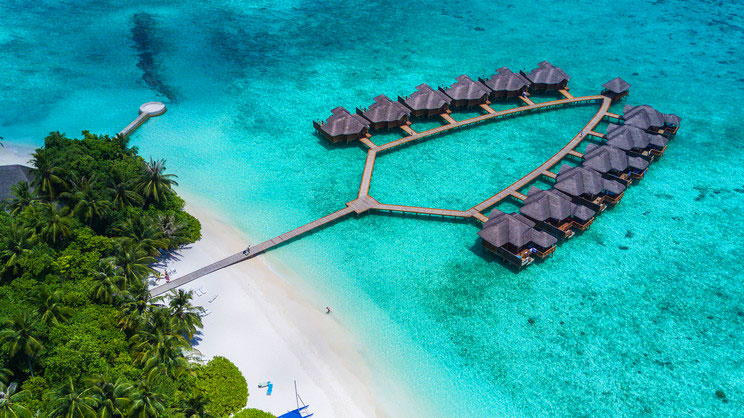
Fihalhohi Island, situated on the southwestern rim of the South Malé Atoll, is widely regarded as a sanctuary for diverse marine life, largely due to its easily accessible and flourishing house reef. The island’s underwater ecosystem serves as a natural aquarium where snorkelers and divers can regularly encounter a vibrant array of species, including green sea turtles, octopuses, squid, and eagle rays just a short swim from the shore. The reef edges are particularly lively, often patrolled by blacktip reef sharks and schools of colorful reef fish like anthias and “nemos” (clownfish). Beyond the immediate shoreline, the resort’s recreation centre facilitates excursions to see even larger marine giants, such as manta rays and whale sharks, making it a premier destination for those looking to immerse themselves in the Maldives’ renowned aquatic biodiversity.
3. Utheemu Ganduvaru – For Exploring A Wooden Palace
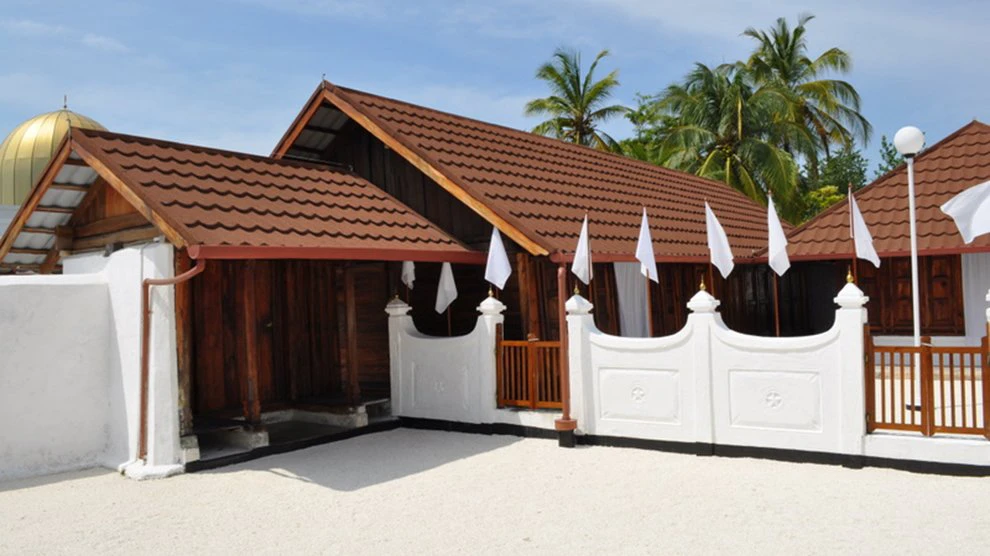
Utheemu Ganduvaru is a remarkably preserved 500-year-old wooden palace located on Utheemu Island in the northernmost Haa Alifu Atoll, serving as a powerful symbol of Maldivian independence and heritage. It is famously known as the birthplace and childhood home of Sultan Mohamed Thakurufaanu, the national hero who liberated the Maldives from Portuguese rule in the 16th century. The palace is an architectural marvel of its time, constructed entirely of timber and showcasing intricate woodwork, detailed carvings, and polished surfaces that reflect the advanced craftsmanship of the pre-colonial era. Inside, visitors can explore the ancestral living quarters, a kitchen museum, and an ornate wooden throne, all of which offer a rare glimpse into the daily life and noble traditions of the Utheemu Dynasty. Today, the site functions as a museum and national monument, inviting travellers to step back in time and connect with the historical soul of the islands.
4. Biyadhoo Island – For Fresh Organic Products

Biyadhoo Island, located in the South Malé Atoll, is unique among Maldivian resort islands for its lush, fertile soil and commitment to sustainable, homegrown produce. Unlike many islands that rely almost entirely on imports, Biyadhoo’s dense vegetation and rich earth allow for the cultivation of various organic fruits and vegetables, including mangoes, bananas, and numerous coconut palms. The island also employs experts in hydroponic farming to grow fresh staples like tomatoes, cabbage, and cucumbers, which are harvested directly for the resort’s buffets. This “farm-to-table” approach ensures that guests enjoy a variety of fresh, chemical-free organic products while also supporting the island’s natural, eco-friendly ethos.
5. Veligandu Island Beach – For Boundless Green Landscapes
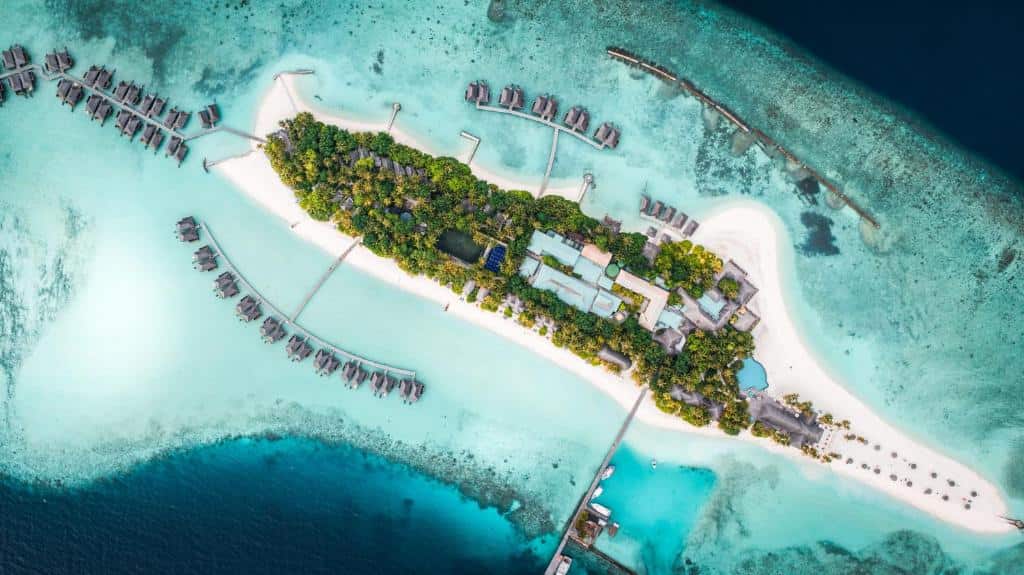
Veligandu Island Beach, located in the North Ari Atoll, is celebrated as one of the most picturesque destinations in the Maldives, uniquely blending pristine white sands with boundless green landscapes. Unlike many smaller sandbank islands, Veligandu is characterized by its exceptionally lush, tropical interior, where towering coconut palms and dense indigenous vegetation create a refreshing, emerald canopy that stretches across the island. This “jungle-like” greenery provides a striking natural contrast to the turquoise lagoon and ivory beaches, offering guests a sense of seclusion and serenity. The island’s commitment to preserving its natural flora ensures that the landscape remains vibrant and untamed, making it a favorite for travelers who want to feel immersed in a true tropical wilderness while enjoying world-class beach views.
6. Baros Island – For Sun-Kissed Beaches

Baros Island is widely considered the quintessential Maldivian paradise, renowned specifically for its pristine, sun-kissed beaches that encircle the island like a halo of ivory silk. These beaches are characterized by their remarkably fine, powdery white sand that remains cool underfoot even in the peak of the afternoon sun, sloping gently into a crystal-clear turquoise lagoon. Because the island is small and boutique, the beaches are never crowded, offering a tranquil environment where the only sounds are the rhythmic lapping of the Indian Ocean and the rustle of nearby palm fronds. The orientation of the island ensures that guests can enjoy spectacular sunrises and sunsets directly from the shore, with the golden light reflecting off the shallow sandbanks to create the glowing, “sun-kissed” aesthetic that has made Baros one of the most photographed and romantic spots in the Maldives.
7. Emboodhu Finolhu Island – For Romantic Water Villas
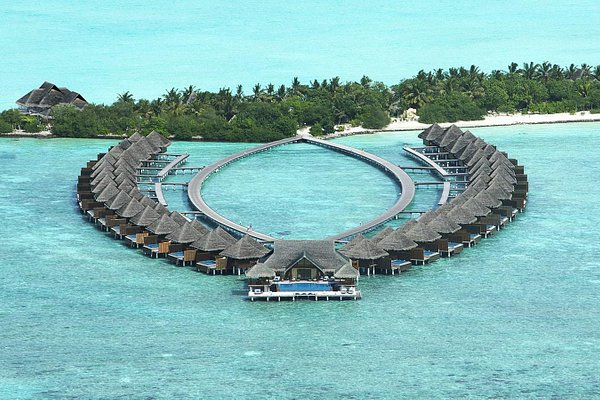
Emboodhu Finolhu Island, home to the luxurious Taj Exotica Resort & Spa, is world-renowned for its iconic romantic water villas that stretch out over one of the largest and most pristine lagoons in the Maldives. These villas are architecturally designed to offer ultimate privacy and intimacy, often arranged in a distinct flower-petal shape when viewed from above, ensuring that each guest has an unobstructed view of the infinite blue horizon. Built on sturdy stilts above the shimmering turquoise water, the villas feature private sun decks, direct lagoon access, and often personal plunge pools, allowing couples to transition seamlessly from their bedroom to the ocean. The combination of thatched roofs, high-end wooden interiors, and the gentle sound of waves beneath the floorboards creates an atmosphere of secluded luxury, making it a premier choice for honeymooners seeking a fairytale overwater experience.
8. Mirihi Island – For A Digital Detox
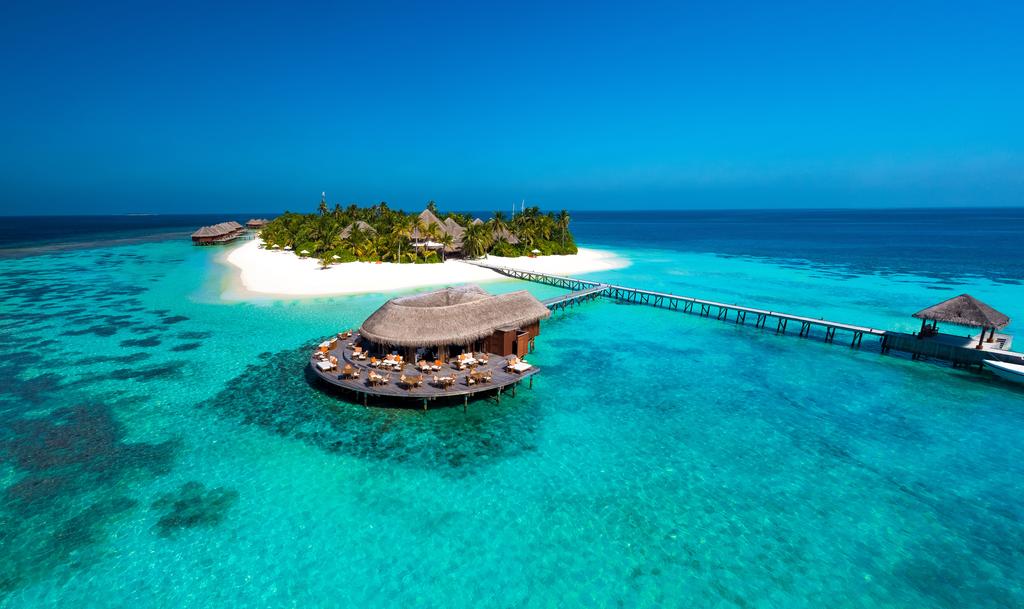
Mirihi Island is one of the smallest resort islands in the Maldives, specifically designed to be a peaceful sanctuary for those seeking a total digital detox. To encourage guests to disconnect from the stresses of modern life and reconnect with nature, the island intentionally omits televisions in almost all its villas and discourages the use of mobile phones in public areas like the restaurants and bars. This “no news, no shoes” philosophy allows travelers to focus on the sensory experiences of the island—the feeling of the powdery white sand between their toes, the sound of the gentle waves, and the sight of the vibrant house reef. By removing digital distractions, Mirihi fosters a rare atmosphere of mindfulness and tranquility, making it the perfect destination for anyone looking to unplug and recharge their mental well-being.
9. COMO Cocoa Island – For 5-Star Services
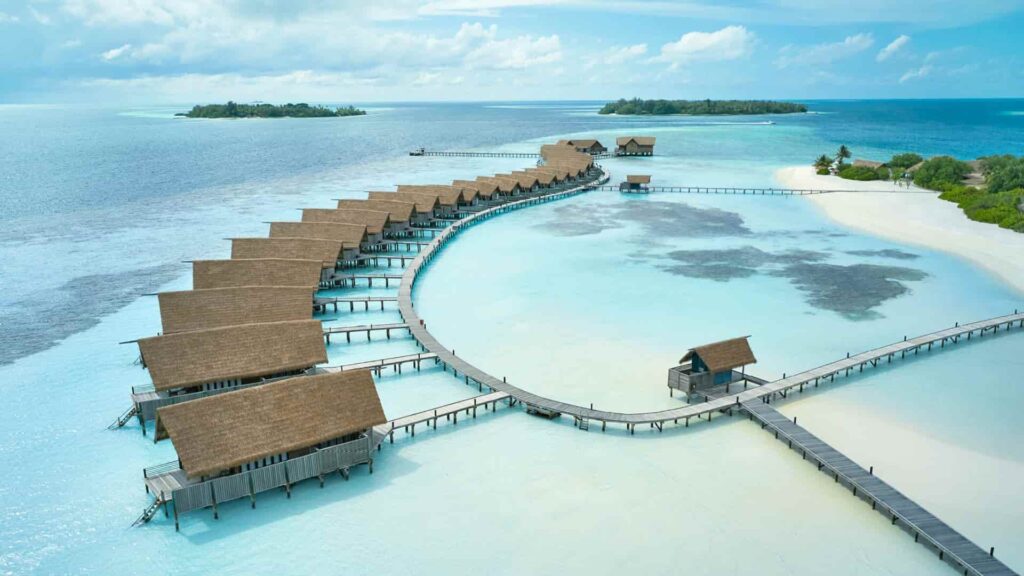
COMO Cocoa Island is the epitome of understated luxury, world-renowned for its unparalleled 5-star services that focus on holistic wellness and highly personalized guest care. From the moment you arrive, the service is characterized by a “quiet” sophistication where staff anticipate your needs before you even voice them, often assigning a dedicated COMO butler to manage every detail of your stay. The resort’s commitment to excellence is best reflected in its COMO Shambhala Retreat, an award-winning wellness centre offering world-class spa treatments, hydrotherapy, and yoga programs designed to restore balance. Beyond wellness, the 5-star experience extends to their “dhoni-style” overwater suites and bespoke dining, where the COMO Shambhala Cuisine provides nutritious, gourmet meals tailored to individual dietary preferences. Every aspect of the island is meticulously curated to provide a seamless, high-end experience that feels both intimate and grand.
10. Huvahendhoo Island – For Soft White Sandy Beaches
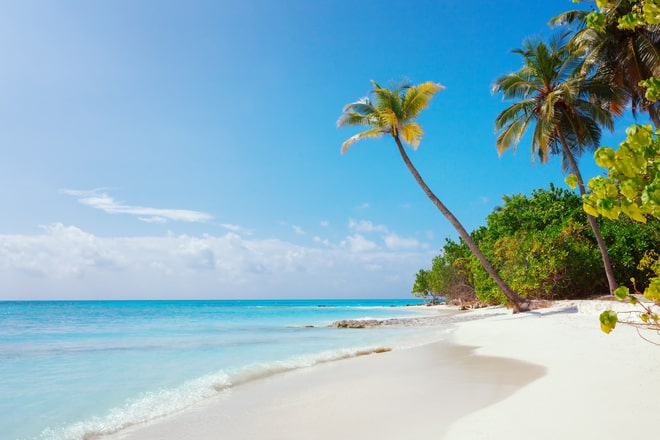
Huvahendhoo Island, home to the Lily Beach Resort & Spa in the South Ari Atoll, is a tropical masterpiece celebrated for its soft white sandy beaches that feel like fine velvet underfoot. These beaches are naturally formed from crushed coral, which keeps the sand remarkably cool and brilliant white even under the intense Maldivian sun. The shoreline is expansive and meticulously maintained, sloping gently into a shallow, crystalline lagoon that makes it safe and inviting for families and couples alike. What sets Huvahendhoo apart is the seamless transition from the lush green interior to the blindingly white coastline, creating a high-contrast landscape that is the hallmark of a postcard-perfect island. Whether you are taking a sunset stroll or lounging under a parasol, the texture and purity of the sand provide a sensory experience that defines the ultimate luxury beach holiday.
11. Maafushi Island – For A Stunning Mix Of Blue & White
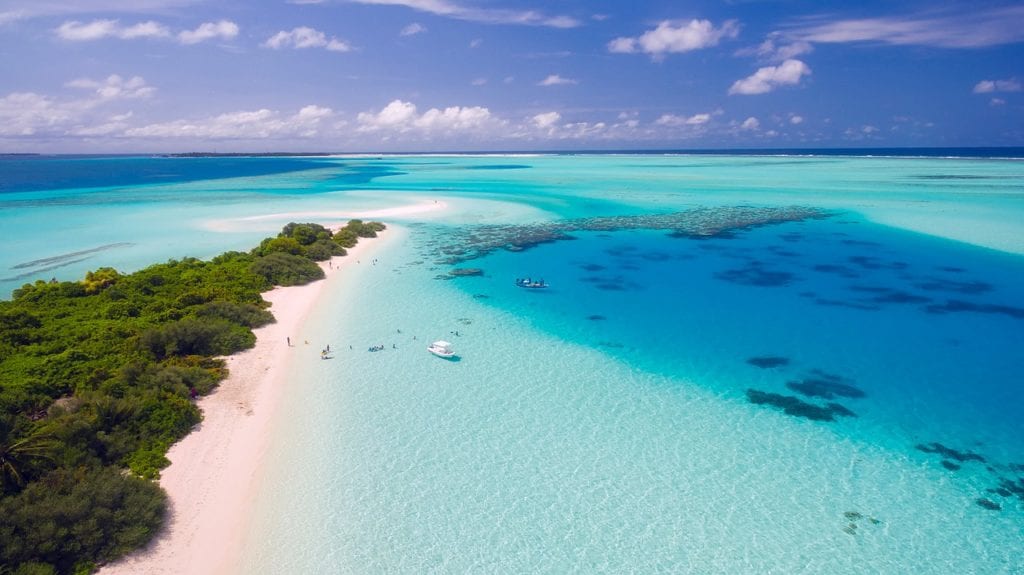
Maafushi Island, located in the South Malé Atoll, is the crown jewel of Maldivian local tourism, celebrated for its stunning mix of blue and white that rivals even the most expensive private resorts. This visual spectacle is most prominent at the island’s famous Bikini Beach, where the blindingly white, powdery sands meet a vast lagoon that transitions through every shade of blue, from pale crystalline cyan to a deep, royal sapphire. The clarity of the water is so high that the white sandy bottom reflects the sunlight upward, creating a glowing “electric blue” effect that is visible even from a distance. Beyond the shoreline, the horizon is dotted with white-sailed catamarans and sandbanks, completing a color palette that has made Maafushi the most photographed local island in the archipelago.
12. Kanuhura Island – For Kid-Friendly Villas

Kanuhura Island, located in the pristine Lhaviyani Atoll, is widely recognized as a premier destination for families, specifically designed around the concept of kid-friendly villas and a welcoming “home away from home” atmosphere. These villas are thoughtfully laid out to prioritize both safety and space, often featuring interconnected rooms or separate sleeping areas for children that allow for privacy while keeping parents close by. Many of the beach villas open directly onto shallow, calm stretches of the lagoon, providing a safe natural playground right at the doorstep. The interiors are equipped with child-friendly amenities, and the resort’s “Gypsy Soul” philosophy ensures that the environment is relaxed rather than stiff, making families feel comfortable in a high-luxury setting.
Beyond the physical structure of the villas, Kanuhura enhances the family experience with world-class facilities like the K Club, which offers a massive range of supervised activities from pirate trips to nature walks. This focus on the younger generation ensures that children are entertained in a safe environment, giving parents the peace of mind to enjoy the island’s 5-star amenities. The island also features a dedicated kids’ menu across its dining outlets and shallow swimming areas, making every aspect of the stay seamless for those travelling with little ones.
13. Rangali Island – For That Perfect Family Vacation
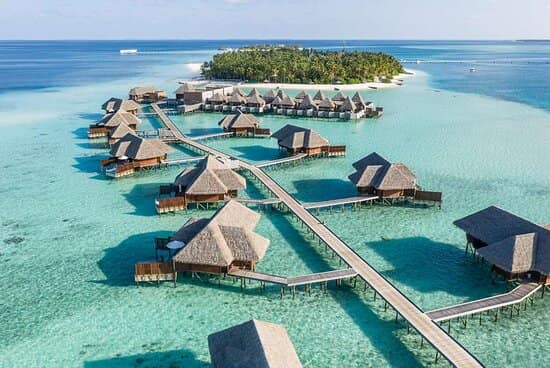
Rangali Island, home to the iconic Conrad Maldives Rangali Island, is specifically designed to provide the perfect family vacation by offering a unique “twin-island” concept that caters to every generation. One island is dedicated to vibrant family life, featuring expansive two-bedroom family water villas and beach suites that allow parents and children to stay together in total comfort. The resort is famous for its world-first experiences, such as The Muraka (an underwater residence) and Ithaa, the world’s first undersea restaurant, both of which provide unforgettable “bucket-list” memories for kids and adults alike. With a dedicated Majaa Kids’ Club and a Teens Club, children are engaged with educational marine biology programs and local crafts, while parents can relax knowing their kids are in a safe, world-class environment.
14. Whale Submarine – For An Exciting Underwater Tour
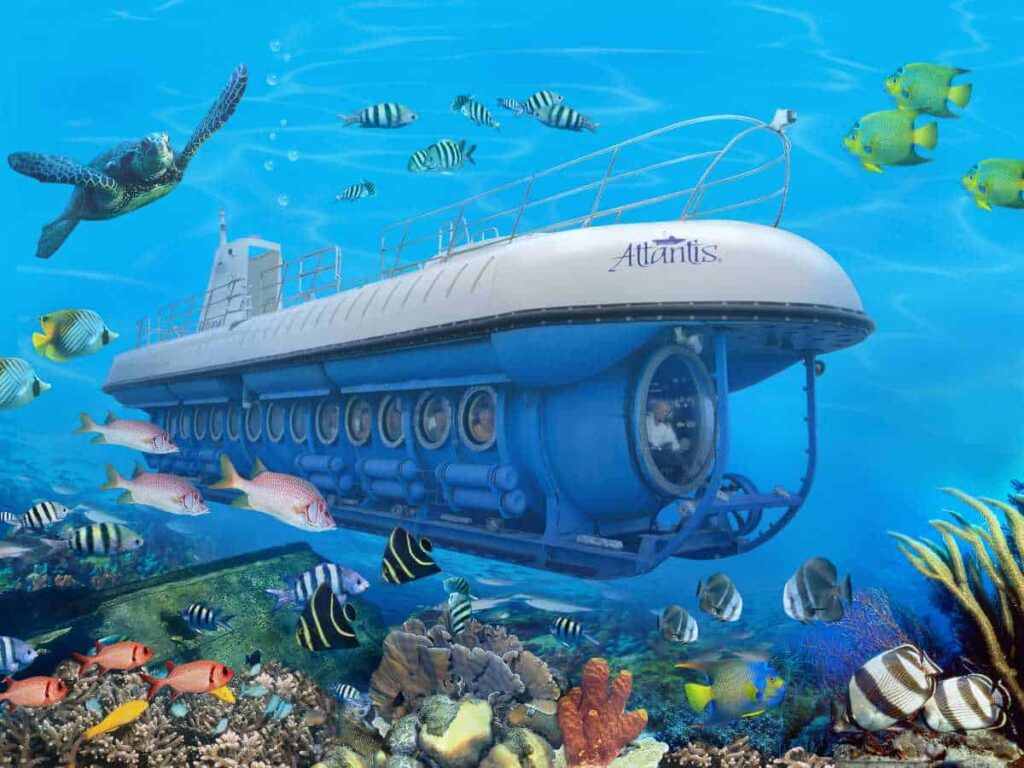
The Whale Submarine, based in Malé, offers one of the most exciting underwater tours in the world, providing a unique opportunity to explore the depths of the Indian Ocean without getting wet. As the world’s largest deep-diving passenger submarine, it descends to depths of approximately 30 to 40 metres, taking passengers on a 45-minute journey through a hidden world of vibrant coral reefs and ancient rock formations. Through large, clear acrylic viewing ports, you can witness a breathtaking parade of marine life, including yellow boxfish, lionfish, and schools of blue-stripe snappers, as well as the occasional reef shark or stingray gliding by. This excursion is particularly perfect for families with young children, seniors, or non-swimmers who want to experience the magic of the Maldivian “inner space” in the safety and pressurized comfort of a high-tech vessel.
15. Halaveli Islands – For Scenic Beauty And Relaxation
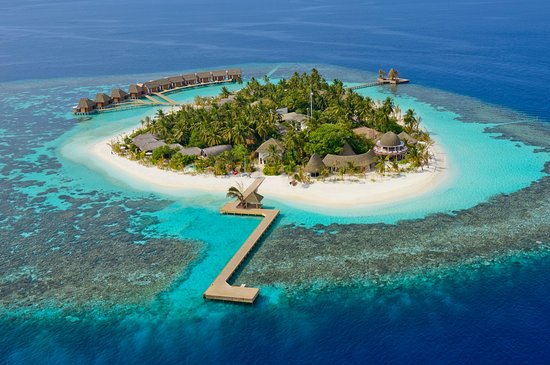
Halaveli Island, located in the North Ari Atoll, is a secluded tropical haven shaped like a traditional Maldivian dhoni and dedicated entirely to scenic beauty and relaxation. The island is home to the luxurious Constance Halaveli, where the natural landscape—a breathtaking blend of powder-white sands, turquoise lagoons, and lush virgin jungle—creates an idyllic backdrop for tranquility. A signature feature of the island’s beauty is its 800-metre overwater jetty, the longest in the Maldives, which allows guests to stroll far out into the ocean while watching marine life thrive in the crystal-clear waters below. Every villa on the island is designed to blend seamlessly with its surroundings using natural materials like wood and marble, and each features a private plunge pool to ensure a serene, private retreat. Whether you are indulging in a world-class massage at the stilted spa or simply watching the sunset from the pristine beaches, Halaveli offers a rare space where “time and space stand still,” making it the ultimate destination for mental and physical regeneration.
16. Dhigu Island – For A Luxurious Getaway
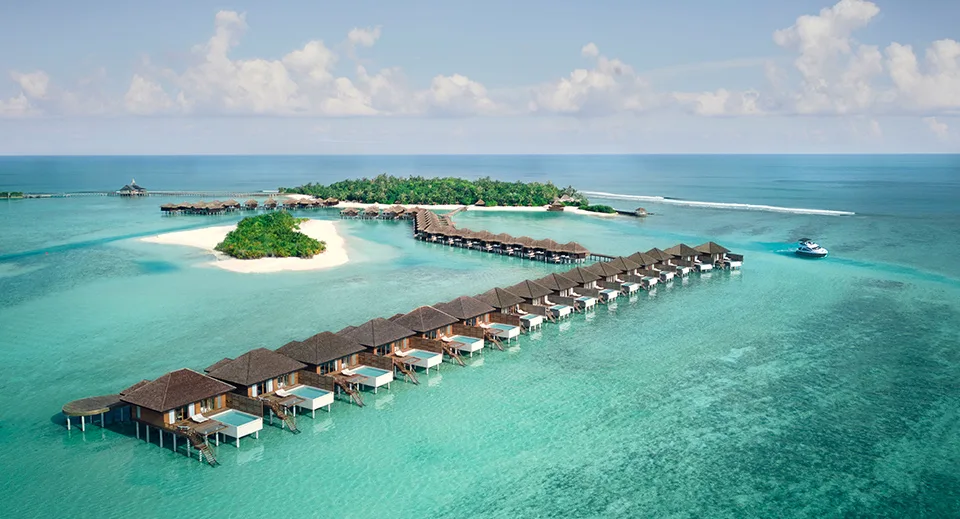
Dhigu Island, home to the Anantara Dhigu Maldives Resort in the South Malé Atoll, is the definition of a luxurious getaway, offering a sophisticated blend of elegant design and world-class hospitality. The island is part of a unique cluster of three islands sharing a vast, shallow lagoon, allowing guests to experience an expansive sense of luxury that goes beyond a single shore. Its villas—ranging from sunrise beach retreats to overwater suites—feature high-end amenities like private wine cellars, outdoor terrazzo tubs, and direct access to some of the most crystalline waters in the archipelago. The service is impeccably tailored, providing guests with private hosts who curate bespoke experiences, such as gourmet picnics on deserted sandbanks or “Dining by Design” under the stars. This commitment to exclusivity and comfort makes Dhigu a top choice for travelers who want a high-energy luxury experience paired with the quiet intimacy of a private island sanctuary.
17. Majeedhee Magu – For Street Shopping
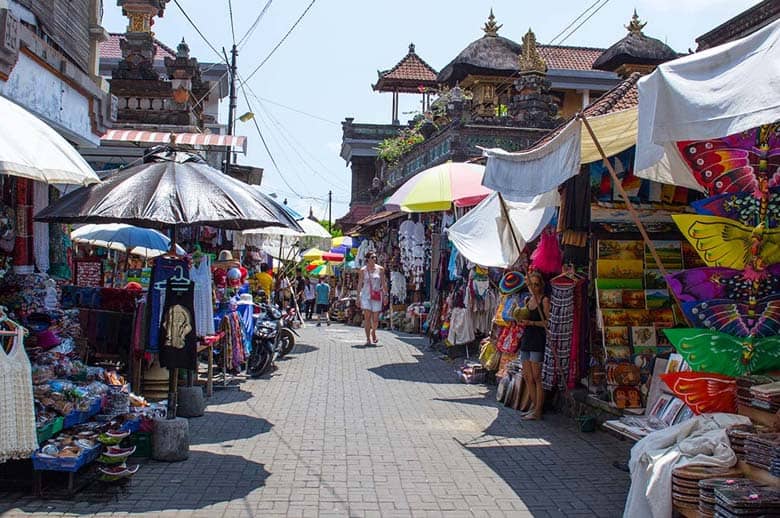
Majeedhee Magu is the bustling heart of Malé and the ultimate destination for street shopping, stretching across the entire length of the capital island from east to west. Unlike the secluded resort islands, this vibrant thoroughfare offers a high-energy, authentic look into Maldivian daily life, where locals and tourists alike gather to browse an endless array of goods. The street is lined with a diverse mix of shops and stalls selling everything from international fashion brands and electronics to traditional Maldivian handicrafts and locally made textiles. It is the best place to find affordable clothing, unique souvenirs, and locally sourced spices or dried fish. Most shops remain open until 11:00 PM, making it a perfect spot for a late-evening stroll to experience the local culture, grab some authentic street food, and haggle for the best prices in a lively, communal atmosphere.
18. National Museum – For Bizarre Historic Artifacts
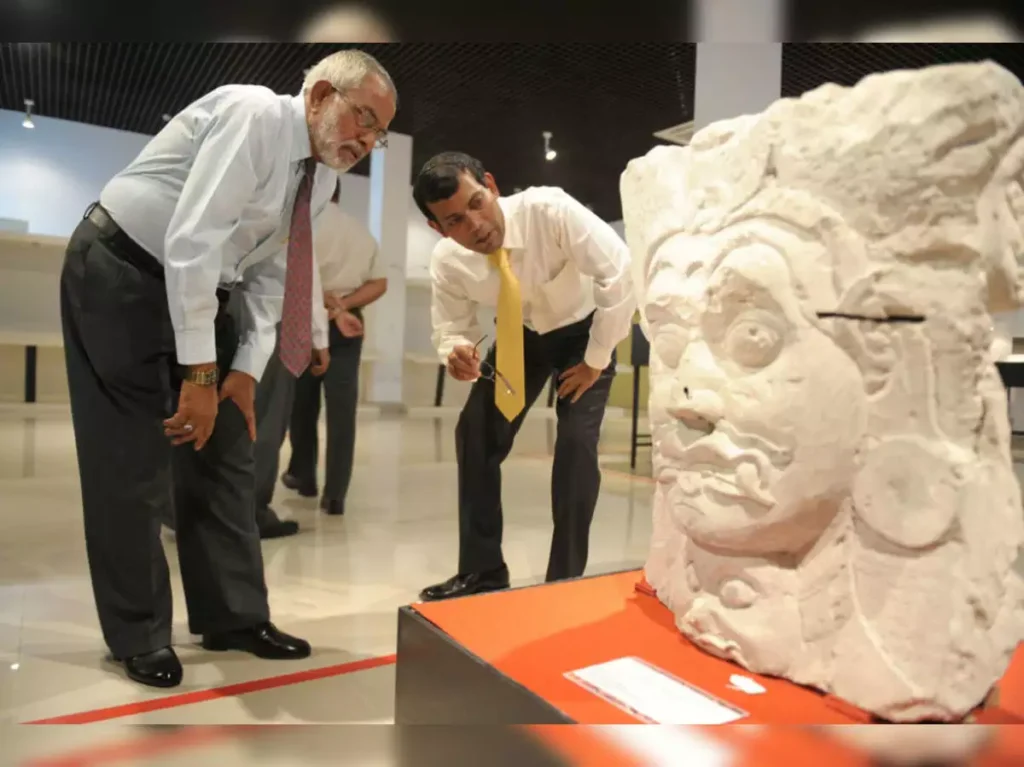
The National Museum of the Maldives, located in the Sultan Park in Malé, is a treasure trove of the nation’s heritage, specifically renowned for housing a collection of bizarre and rare historic artifacts that trace the islands’ transition from the pre-Islamic era to the modern sultanate. The museum’s galleries display an eclectic mix of items, ranging from ancient Buddhist stone carvings and 11th-century coral statues to more unusual relics like a massive, 6-metre-long skeleton of the rare Longman’s Beaked Whale. Visitors can also find peculiar royal curiosities, such as the elaborate lacquered wooden boxes used by sultans, ornate ceremonial robes, and even the first typewriter used in the country. This diverse and sometimes surreal collection provides a fascinating, tangible link to the Maldives’ multifaceted past, showcasing how a remote island nation evolved through centuries of maritime trade and religious transformation.
19. Bioluminescent Beach – For Star-Gazing With Bae
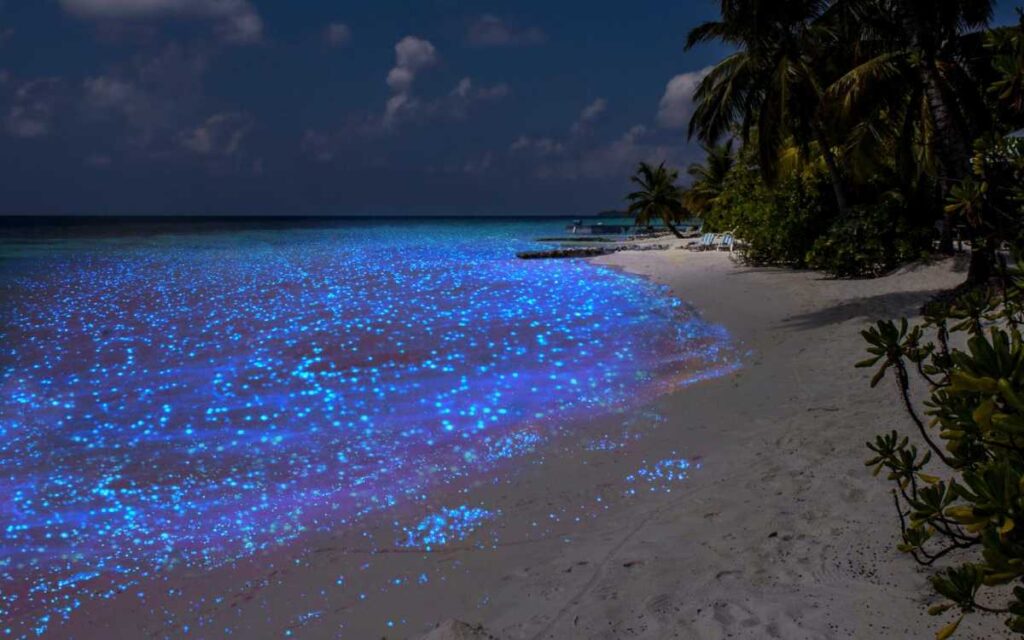
The Bioluminescent Beach, most famously found on Vaadhoo Island in the Raa Atoll, offers a surreal and ethereal setting that is perfect for star-gazing with “bae.” This natural phenomenon, known as the “Sea of Stars,” occurs when millions of microscopic organisms called phytoplankton are agitated by the motion of the waves, causing them to emit a brilliant, neon-blue glow. As the shoreline lights up with these shimmering blue sparkles, it creates a mirror image of the starlit sky above, making it feel as though you are walking through the galaxy itself. For couples, this provides an incredibly romantic and intimate atmosphere—walking hand-in-hand along the glowing wet sand where every footprint leaves a luminous trail is a “bucket-list” experience that is hard to match anywhere else in the world.
20. Kudadoo Island – For Total Privacy And Seclusion
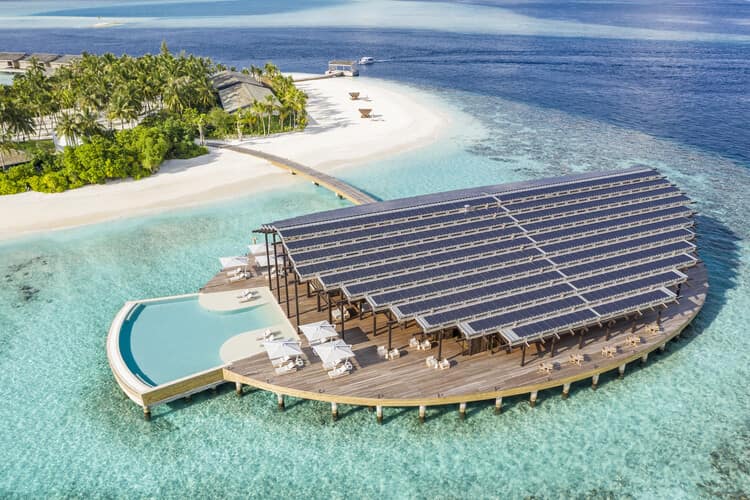
Kudadoo Maldives Private Island, located in the pristine Lhaviyani Atoll, is an exclusive sanctuary designed specifically for travelers seeking total privacy and seclusion. This tiny, ultra-luxury island operates on an “Anything, Anytime, Anywhere” concept, featuring only 15 expansive overwater residences to ensure that the guest-to-staff ratio allows for an invisible yet impeccable level of service. The island is often booked in its entirety for private takeovers, but even individual stays feel completely isolated, as each residence is strategically positioned to offer unobstructed views of the horizon without another villa in sight. Because the resort follows an all-inclusive model that covers everything from unlimited spa treatments to private jet excursions, guests never have to interact with a crowd or wait for a reservation, allowing them to exist in a private “bubble” of luxury where the rest of the world simply fades away.
21. Hulhumale – Mesmerizing Beauty
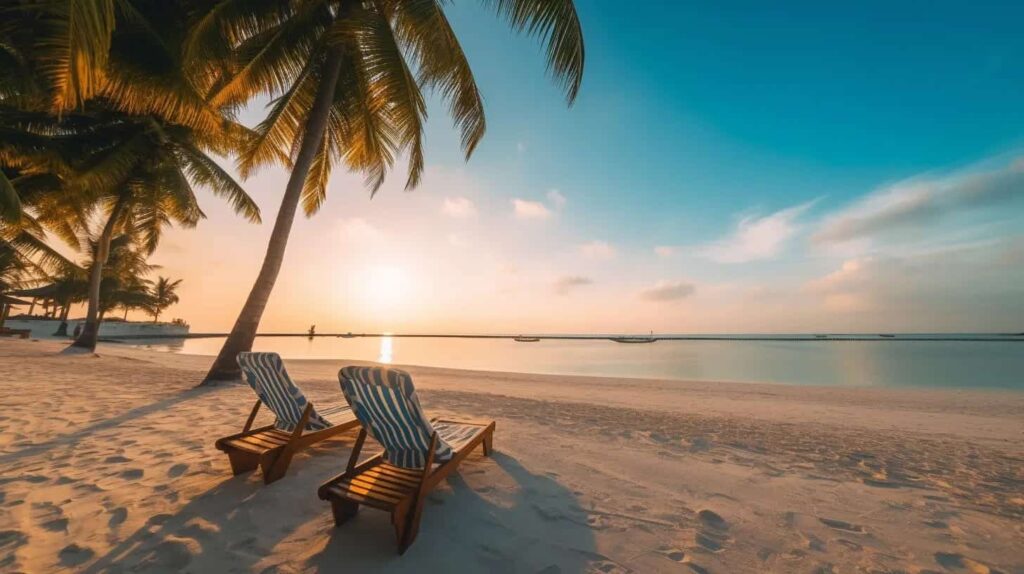
Hulhumalé is a unique, man-made island located just a short drive from the capital, Malé, and it is widely celebrated for its mesmerizing beauty that blends modern urban planning with the Maldives’ signature natural splendor. Designed as a sustainable “smart city,” the island features long, sweeping stretches of pristine white-sand beaches lined with swaying palm trees and a vibrant turquoise lagoon that remains remarkably clear despite its proximity to the city. The island’s aesthetic appeal lies in its orderly, green boulevards and the beautifully landscaped Central Park, which offers a lush, tranquil escape. As the sun sets, the beachfront transforms into a glowing vista of golden hues, making it a favorite spot for locals and travelers to witness the breathtaking Maldivian horizon. This harmonious mix of clean, contemporary architecture and raw tropical beauty makes Hulhumalé a visually captivating gateway for anyone entering the archipelago.
22. Maldives Victory – Best Diving Spot
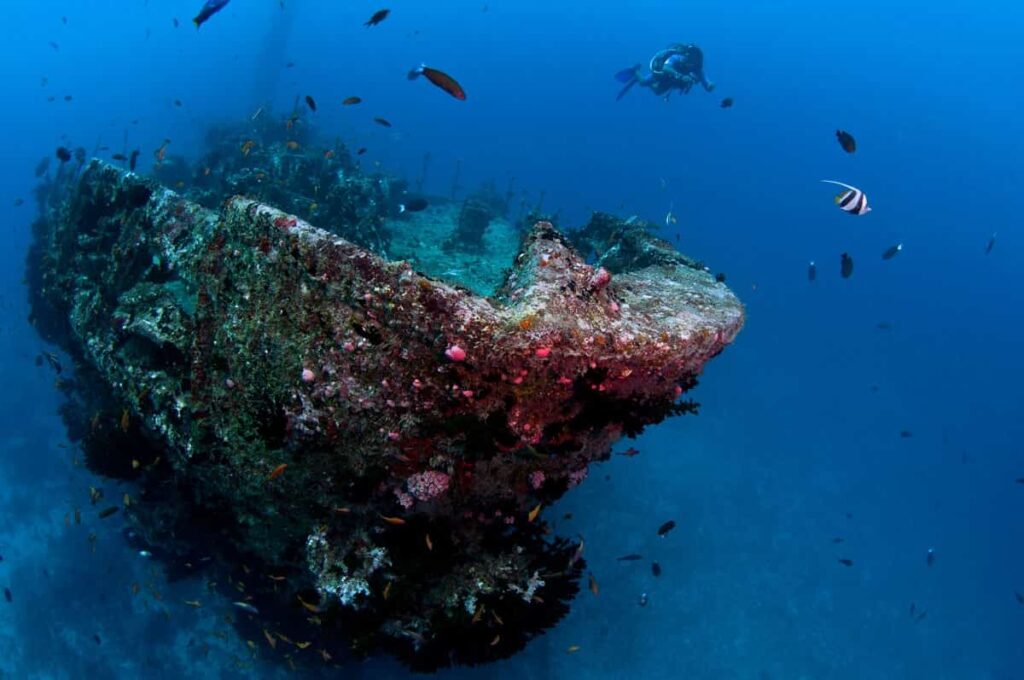
The Maldives Victory is one of the most legendary and technically rewarding diving spots in the North Malé Atoll, offering a thrilling experience for those fascinated by underwater history. The site features a 110-metre-long cargo ship that struck a reef and sank in 1981, now resting upright on a sandy floor at a depth of about 35 metres. Over the decades, the wreck has been transformed into a vibrant artificial reef, with its masts, decks, and hull almost entirely encrusted in a thick layer of soft corals, sponges, and tubastrea. Because the wreck is situated in a channel, it is subject to strong currents, which act as a magnet for large marine life; divers can expect to see schools of batfish, giant trevallies, fusiliers, and the occasional sea turtle or shark patrolling the structures.
23. Fulhadhoo – Serene Island
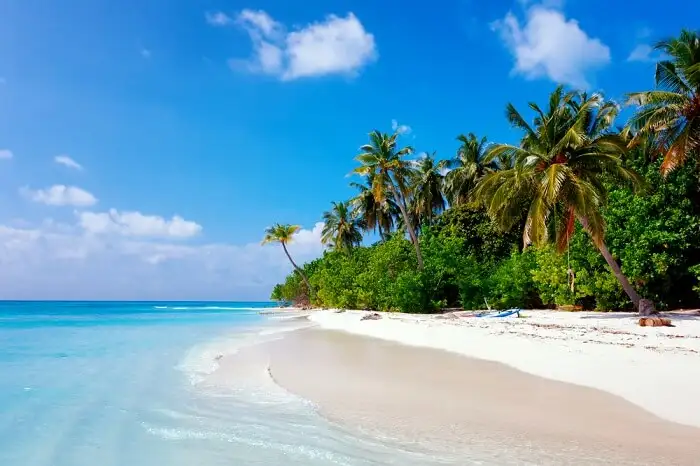
Fulhadhoo is frequently cited as one of the most serene islands in the Maldives, offering a rare sense of untouched isolation within the Baa Atoll UNESCO Biosphere Reserve. Unlike more developed tourist hubs, Fulhadhoo is sparsely populated and dominated by nature, featuring a vast, blindingly white sandbank that stretches far into the ocean. The island’s atmosphere is defined by a profound silence, broken only by the sound of the wind through the palm fronds and the gentle lapping of waves against the shore. Its western end is almost entirely uninhabited, allowing visitors to walk for miles along a pristine beach without seeing another soul. This lack of commercial noise and the presence of a crystal-clear, shallow lagoon make it a sanctuary for those looking to escape the modern world and immerse themselves in the raw, tranquil beauty of a true desert-island setting.
24. Gan Island – Gorgeous Yet Secluded

Gan Island, the largest island in the Addu Atoll and the southernmost point of the Maldives, is a destination that is both gorgeous and secluded, offering a landscape and history unlike any other in the archipelago. Connected to neighbouring islands by a unique series of causeways, Gan features sprawling, lush greenery and long stretches of coastline that remain largely untouched by mass tourism. Its beauty is rooted in its rugged, natural charm, where ancient palm groves meet a vibrant turquoise sea. Because it is located south of the equator and far from the busy central atolls, Gan feels like a world of its own—a quiet, expansive sanctuary where travellers can explore by bicycle, discover hidden beaches, and experience a level of isolation that is increasingly rare.
25. Thulusdhoo – Adventure Seekers Delight
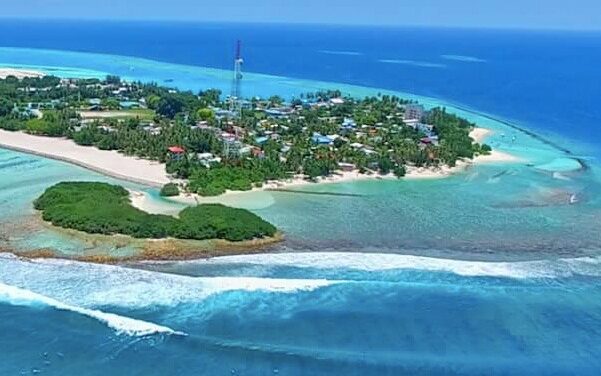
Thulusdhoo, the capital of the Kaafu Atoll, is widely celebrated as an adventure seeker’s delight, serving as the ultimate hub for surf culture and high-octane water sports in the Maldives. The island is world-famous for its proximity to two of the most iconic surf breaks in the Indian Ocean: Cokes (a fast, hollow right-hander) and Chickens (a long, peeling left-hander), attracting wave riders from across the globe. Beyond surfing, the island’s crystal-clear lagoon and surrounding reefs provide a playground for adventure seekers to engage in kite-surfing, windsurfing, and paddleboarding. For those who prefer underwater exploration, Thulusdhoo offers exceptional diving and snorkeling at sites like the “Thingiri” shark point, where you can swim alongside dozens of nurse sharks. The island’s vibrant, energetic atmosphere is fueled by a mix of local boat builders, surfboard shapers, and travelers, making it a place where there is always a new expedition to join or a new wave to conquer.
26. Fuvahmulah – Painted Out Of A Storybook
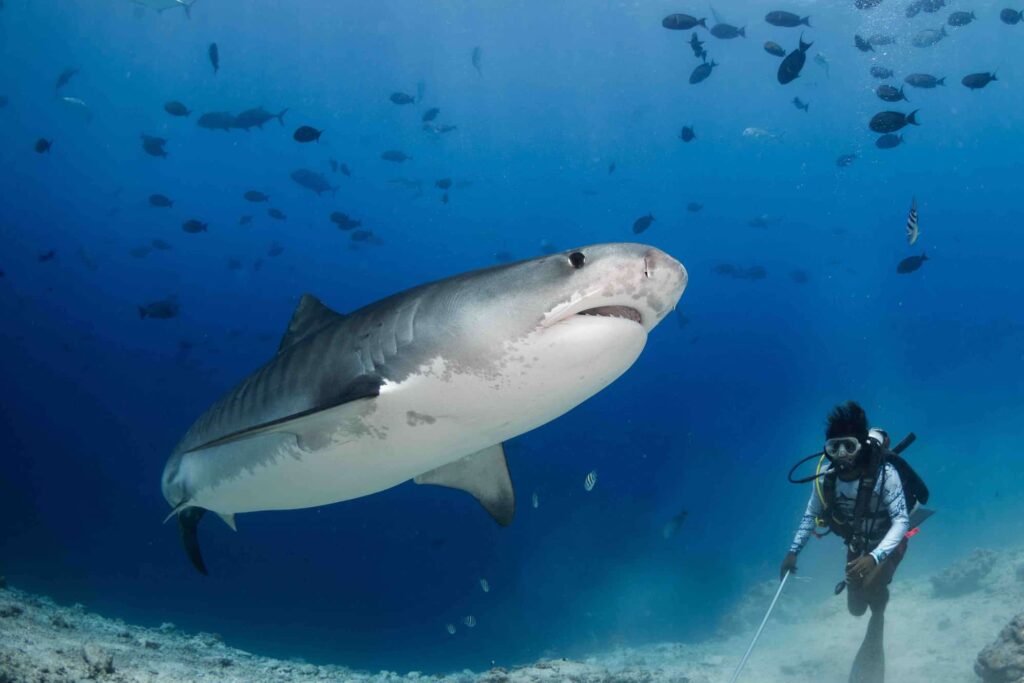
Fuvahmulah is a geographical rarity in the Maldives, often described as an island painted out of a storybook because it is the only “one-island atoll” in the archipelago. Unlike the flat, sandy banks found elsewhere, Fuvahmulah is a lush, volcanic-like emerald jewel with a diverse landscape that includes inland freshwater lakes, tropical marshes, and rolling green wetlands. The island’s unique beauty is almost surreal; it features a “pebble beach” known as Thoondu, where the shoreline is covered in smooth, white glistening pebbles that turn a soft pink hue when the sun sets, creating a scene that looks like a masterpiece of fantasy art. This fairytale aesthetic is matched by its mystical atmosphere, where the air is filled with the scent of wild mangoes and the vibrant colors of indigenous flowers, making it feel less like a typical beach resort and more like a secret, enchanted kingdom.
27. Kudahuvadhoo Island – For Aesthetic Architecture Sights
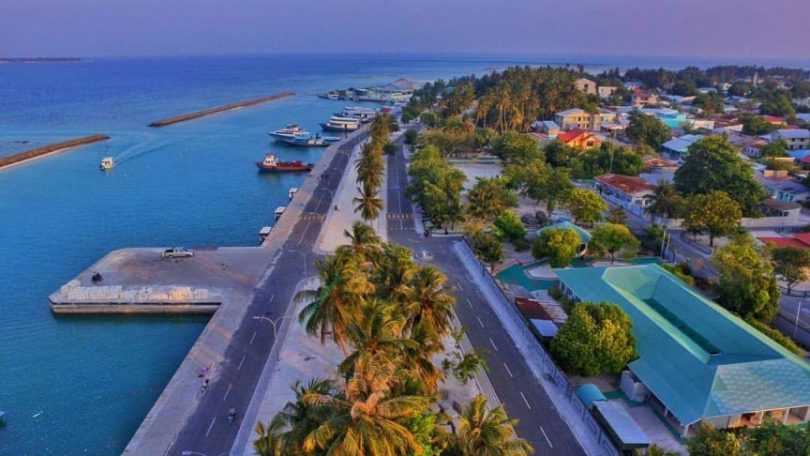
Kudahuvadhoo Island, the capital of the Dhaalu Atoll, is a must-visit for history buffs and fans of aesthetic architecture, as it contains some of the most mysterious and finely crafted structures in the Maldives. The island is most famous for its “Hawittas,” which are ancient mounds believed to be the ruins of Buddhist temples from the islands’ pre-Islamic era. What makes these ruins architecturally significant is the incredible precision of the masonry; the stones are fitted together so perfectly that even a knife blade cannot be inserted between them, a technique that mirrors the world-famous Inca stonework in South America. Beyond these ancient sites, the island features the Kudahuvadhoo Old Mosque, which showcases beautiful examples of traditional Maldivian coral stone architecture, featuring intricate carvings and polished surfaces that have withstood the test of time.
28. Ukulhas Island – For A Calming Scenic Beauty
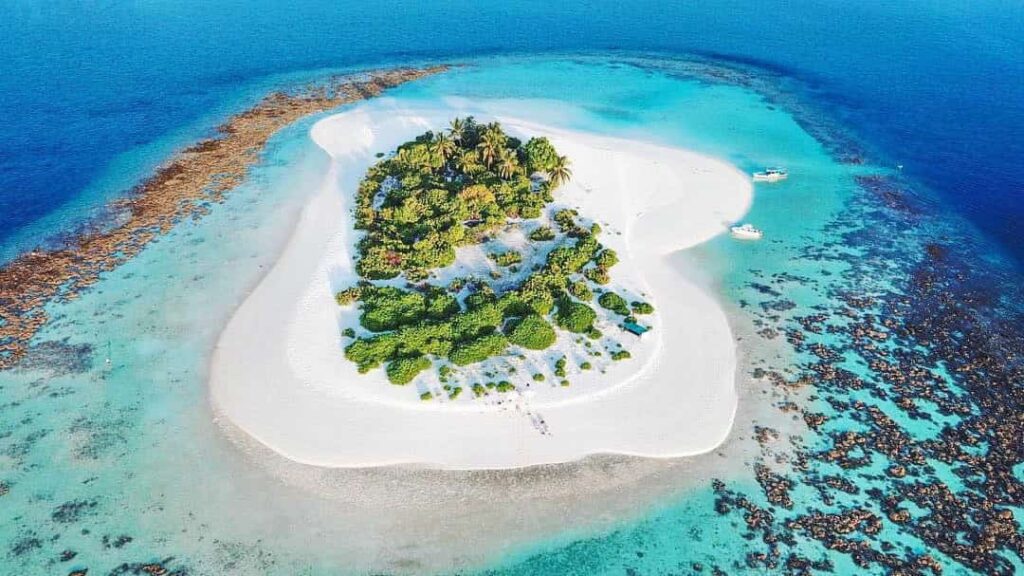
Ukulhas Island, located in the North Ari Atoll, is widely celebrated as the Maldives’ first “eco-conscious” local island, offering a calming scenic beauty that stems from its pristine environment and exceptionally clean atmosphere. The island is famous for its long, sweeping bikini beach characterized by sugar-white sand that stays remarkably white due to the island’s strict waste management and environmental protection policies. Walking along the shoreline, you are met with a mesmerizing gradient of crystal-clear turquoise water that remains calm and peaceful, perfect for those who find serenity in the rhythmic sound of the ocean. Because Ukulhas is a leader in sustainability, the air feels fresher and the lush, green interior of the island is meticulously maintained, creating a harmonious and quiet escape where the natural beauty is preserved rather than exploited.
29. Huraa Island – For Basking In The Sun
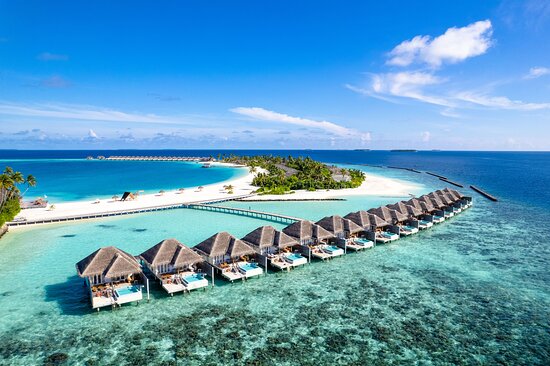
Huraa Island, located in the North Malé Atoll, is an idyllic destination for those whose primary holiday goal is basking in the sun on a quintessentially tropical shore. The island features a dedicated and beautifully maintained bikini beach where the expansive, white sandy coastline acts as a natural solarium, offering plenty of space to lounge under the brilliant Maldivian sun. Because the island is nestled between luxury resorts like Four Seasons Kuda Huraa and Club Med Kani, it benefits from a remarkably calm and clear turquoise lagoon that reflects the sunlight with a dazzling, crystalline glow. The atmosphere is laid-back and slow-paced, making it easy to spend entire days transitioning between sunbathing on the soft sand and cooling off in the shallow, warm waters. Its proximity to the equator ensures consistent sunshine and a deep, golden tan, while the surrounding palm trees provide just enough swaying shade for a midday break.
30. Guraidhoo Island – Secluded Yet Beautiful
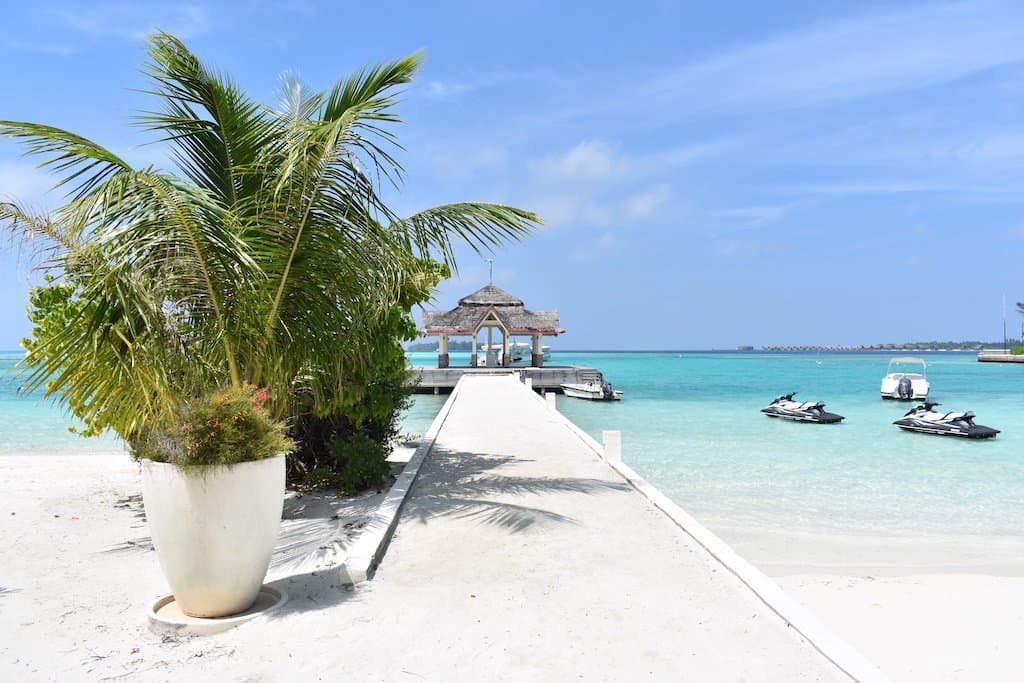
Guraidhoo Island, nestled in the South Malé Atoll, is a hidden gem that perfectly balances a secluded yet beautiful atmosphere. Despite being a local island, it feels like a private sanctuary because it is separated from its dedicated “Bikini Beach” by a charming, picturesque wooden footbridge that leads to a small, uninhabited islet. This unique layout allows you to enjoy the authentic, quiet life of a traditional Maldivian village on one side, while experiencing the untouched, “desert island” beauty of a pristine white-sand beach on the other. The surrounding turquoise lagoon is exceptionally clear and shallow, creating a peaceful playground for snorkeling with sea turtles and manta rays. Because it isn’t as crowded as other local hubs, Guraidhoo offers a serene sense of isolation, making it the ideal spot for those who want a beautiful tropical escape without the high price tag of a private resort.
31. Kurumba Beach – Mesmerizing Beauty
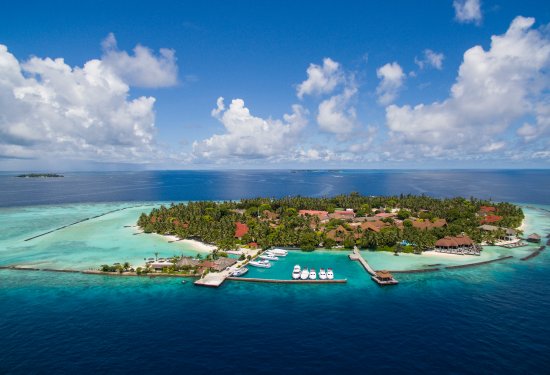
Kurumba Beach, located on the island of Vihamanafushi in the North Malé Atoll, is the birthplace of Maldivian tourism and remains a symbol of mesmerizing beauty due to its classic, postcard-perfect tropical scenery. The beach is a flawless circle of powdery white sand that encircles the entire island, creating a seamless boundary between the lush, emerald-green coconut groves and a lagoon of brilliant, multi-tonal turquoise. Its aesthetic appeal is enhanced by a protective ring of coral breakwaters that keep the shore waters calm, clear, and as still as a swimming pool, making it visually spectacular from every angle. Whether viewed under the high midday sun—when the water glows with an almost electric blue—or during the “golden hour” when the horizon turns deep shades of violet and orange, Kurumba Beach offers a captivating and timeless Maldivian elegance that feels both grand and intimately serene.
32. Grand Friday Mosque – Biggest Mosque In Maldives
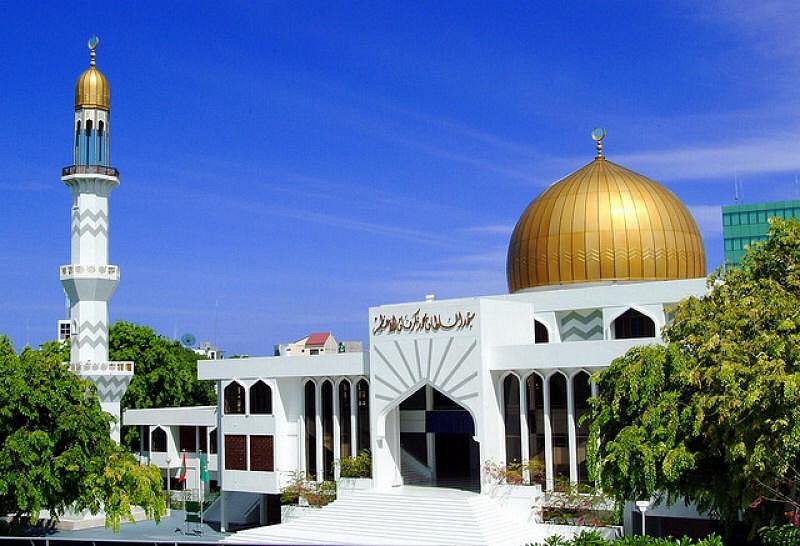
The Grand Friday Mosque, officially named Masjid-al-Sultan Muhammad Thakurufaanu Al Auzam, is an architectural triumph and the biggest mosque in the Maldives, serving as a dominant landmark in the capital city of Malé. This magnificent structure is famous for its massive golden dome that sparkles in the sun, visible from the ocean as you approach the island. Built in 1984 with help from several Gulf states, the mosque is constructed from white marble and can accommodate over 5,000 worshippers at a time. Its design is a blend of modern Islamic architecture and traditional Maldivian style, featuring intricate woodcarvings and beautiful Arabic calligraphy. The interior is equally impressive, with a vast prayer hall adorned with ornate chandeliers and hand-woven carpets. As the center of Islamic life in the country, it also houses the Islamic Centre, including a library and classrooms, making it a hub for both spiritual and educational gatherings.
33. Presidential Palace – Royal Infrastructure
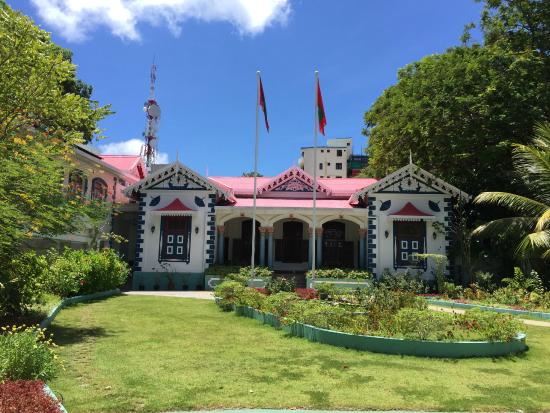
The Presidential Palace, known locally as Mulee’aage, is a stunning example of royal infrastructure and colonial-style architecture located in the heart of Malé. Originally built in the early 20th century (completed in 1919) for the son of Sultan Muhammad Shamsuddeen III, the palace was designed by Ceylonese architects to reflect a “royal” elegance that stood out from the traditional coral buildings of the time. Its aesthetic is defined by its ornate white carvings, bright blue window frames, and the iconic red-and-white wrought iron gates that enclose its manicured gardens. While it was once intended to be a royal residence, it has served various roles throughout history, including the home of the President of the Maldives for several decades. The building remains a major landmark, symbolizing the transition of Maldivian governance from a monarchy to a republic while maintaining the grandeur of its sovereign past.
34. Male Friday Mosque – Intricate Carvings & Unique Architecture
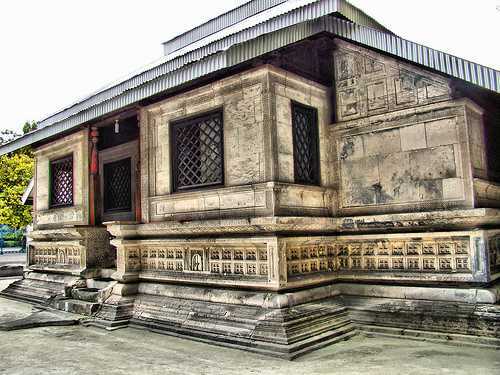
The Malé Friday Mosque, also known as Hukuru Miskiy, is the oldest mosque in the Maldives and a UNESCO World Heritage site celebrated for its intricate carvings and unique architecture. Built in 1656 during the reign of Sultan Ibrahim Iskandar I, the mosque is constructed entirely from interlocking coral blocks, a technique unique to the Maldives where coral was harvested from the sea and carved into precise building materials. The exterior and interior walls are covered in breathtakingly detailed floral and geometric carvings and Quranic calligraphy, all etched directly into the coral. Inside, the mosque features magnificent woodwork, including a lacquered ceiling and panels made of sandalwood and redwood, showcasing the pinnacle of traditional Maldivian craftsmanship. The surrounding cemetery, filled with coral-carved tombstones and a rounded white-and-blue minaret, adds to the site’s status as one of the most culturally significant and aesthetically unique structures in the Indian Ocean.
35. Tsunami Monument – Witness The Tranquility

The Tsunami Monument, located at the southeastern tip of Malé in Boduthakurufaanu Magu, is a poignant architectural tribute that allows visitors to witness the tranquility of the ocean while reflecting on the nation’s resilience. Erected to honour the victims of the 2004 Indian Ocean Tsunami, the monument’s design is deeply symbolic: the vertical iron rods represent the lives lost, while the stacked steel spheres signify the 20 atolls of the Maldives. Despite its location in the bustling capital, the area surrounding the monument is remarkably peaceful, offering a quiet space for contemplation against the backdrop of the crashing waves. As the sun sets, the monument’s sleek, modern structure is bathed in golden light, creating a serene and meditative atmosphere where the sound of the sea provides a calming soundtrack for those paying their respects.