

Dhanaulti is a tranquil hill station situated in the Tehri Garhwal district of Uttarakhand, nestled within the Garhwal Himalayan range at an altitude of approximately 2,286 meters (7,500 feet). Often overshadowed by the glamour of its bustling neighbor, Mussoorie, Dhanaulti offers a more serene and off-the-beaten-path atmosphere, characterized by dense, pristine forests of Deodar, Oak, and Rhododendron trees. The town serves as a peaceful gateway to nature, offering expansive panoramic views of magnificent Himalayan peaks such as Bandarpoonch and Swargarohini. Renowned for its crisp air and temperate climate, it has become a popular year-round destination; while the summers (March–June) are pleasant for trekking and outdoor adventures, the winters (December–February) transform this small village into a magical white wonderland of snow. Beyond its natural beauty, Dhanaulti is also a hub for eco-tourism and adventure, featuring popular attractions such as the Amber and Dhara Eco Parks, the high-altitude Surkanda Devi Temple, and numerous adventure resorts offering activities like zip-lining, sky-walking, and mountain biking.
Dhanaulti’s economy relies primarily on tourism and high-altitude agriculture, which serve as the primary sources of livelihood for most local families. Attracted by its cool climate and scenic vistas, thousands of tourists visit the town annually, thereby supporting an extensive network of hotels, eco-camps, and homestays. Dhanaulti is generally considered a very safe destination for tourists, including families and solo travelers alike. Being less commercialized than nearby Mussoorie, it maintains a peaceful, low-crime environment where the locals are respectful and helpful.
Most Famous And Attractive Tourist Places In Dhanaulti :
1. Eco Park
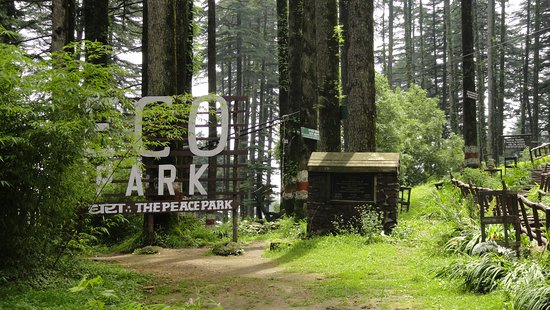
The ECO PARK NTPC in Badarpur is a massive ecological restoration project designed to transform a former industrial site into one of India’s largest man-made parks. Built on 885 acres of what was previously the fly ash dyke of the closed Badarpur Thermal Power Plant, this park serves as the “breathing lungs” for Delhi by absorbing approximately 10,000 metric tonnes of carbon dioxide annually through more than 1.5 lakh newly planted trees and bamboo groves. The park’s layout is a diverse blend of nature and recreation, featuring man-made lakes, wetlands, and specialised botanical gardens, alongside planned attractions like herbivore safaris, a butterfly park, and yoga centres. For visitors, it offers extensive jogging and cycling tracks, open gyms, and picnic spots, all powered sustainably by on-site solar energy. While some sections are still under construction to meet a target full completion in 2025/2026, it is already open to the public as a tranquil escape from urban pollution.
2. Deogarh Fort
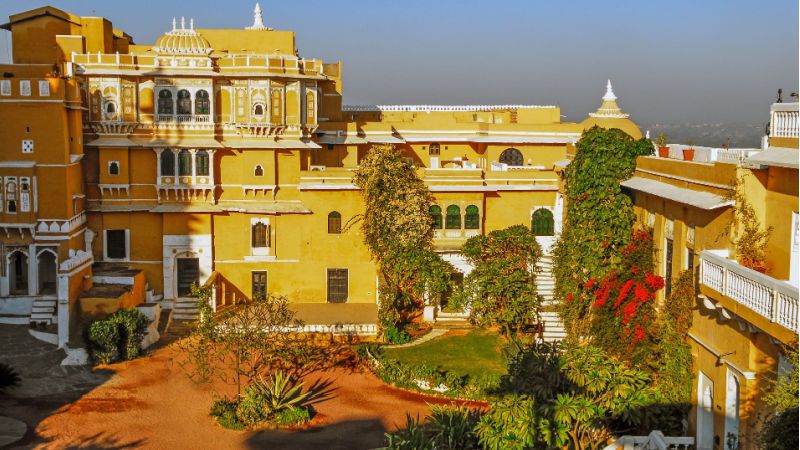
Dhanaulti, the Deogarh Fort (also known as Pratapgarh Fort) is a significant 16th-century historical structure perched at an altitude of approximately 2,100 metres. This ancient stronghold offers travelers a glimpse into the region’s royal heritage through its impressive stone walls and intricate carvings that have withstood the test of time. Inside the fort complex, visitors can explore beautifully ornamented palaces and a cluster of Jain temples adorned with ancient murals and frescoes. Beyond its historical and spiritual aura, the fort is a popular destination for its breathtaking panoramic views of the snow-capped Himalayan ranges and the lush greenery of the surrounding valleys.
3. Dhanaulti Adventure Park
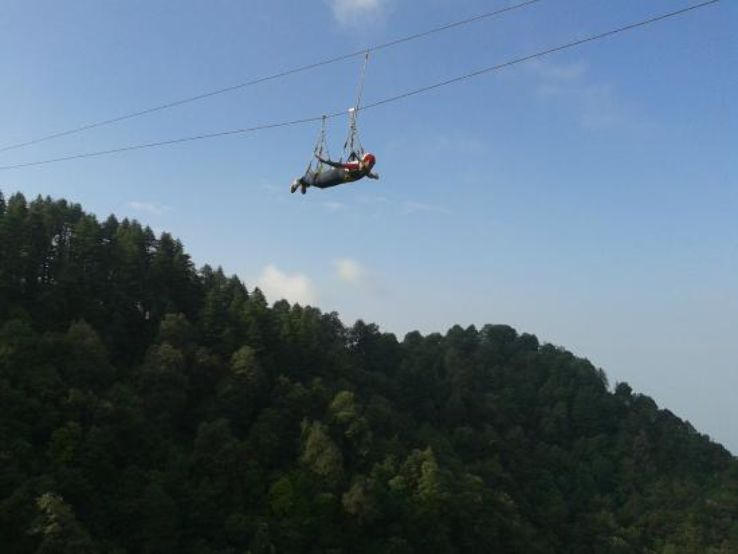
The Dhanaulti Adventure Park, often associated with the Apple Orchard Resort, is a premier high-altitude recreation hub located about 1 km from the main Dhanaulti market on the Mussoorie-Chamba Road. Situated at an elevation of roughly 2,286 metres, this park leverages its rugged Himalayan landscape to offer a wide array of adrenaline-pumping activities such as sky walking on a 360-foot wire, zip-lining across 600-foot deep valleys, and traversing India’s longest sky bridge. Beyond high-wire thrills, visitors can engage in mountain biking on hidden off-road trails, rock climbing on 85-foot cliffs, paragliding, and ATV rides. The park also features a “Snow Adventure Zone” for winter sports and provides unique overnight camping experiences in luxury Maharaja or Alpine tents, making it a comprehensive destination for families and adventure seekers looking to combine outdoor excitement with stunning views of snow-capped peaks.
4. Tehri Dam
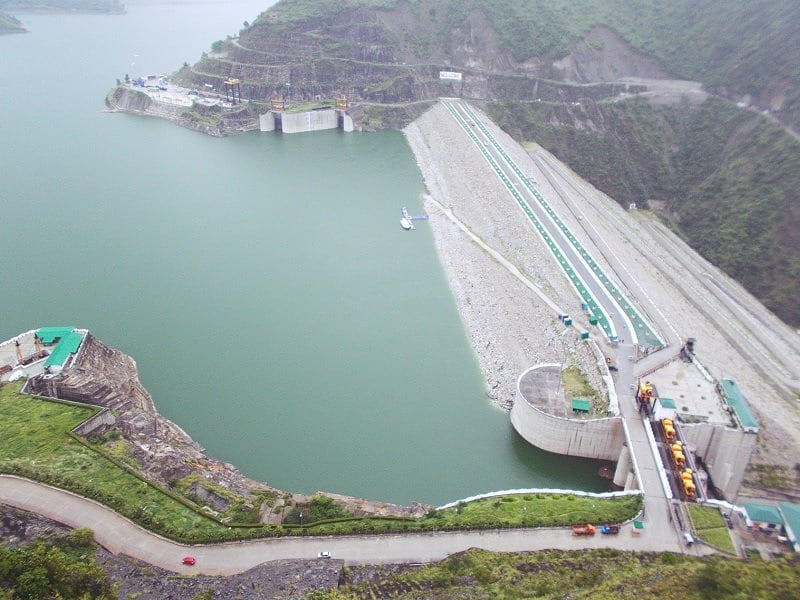
The Tehri Dam, located on the Bhagirathi River in the Tehri Garhwal district of Uttarakhand, is the tallest dam in India and one of the highest in the world, standing at a staggering height of 260.5 metres. Completed in 2006, this multi-purpose rock and earth-fill embankment dam serves as a critical infrastructure marvel, generating roughly 1,000 MW of hydroelectricity and providing essential drinking water to millions in Delhi and Uttar Pradesh. The project created the massive Tehri Lake, Asia’s largest man-made reservoir covering 52 square kilometres, which has transformed the region into a major hub for adventure tourism. Today, visitors flock to the lake for a variety of water sports, including jet skiing, parasailing, and kayaking, or to stay in unique floating huts that offer panoramic views of the surrounding Himalayan peaks.
5. Kanatal Adventure Camp
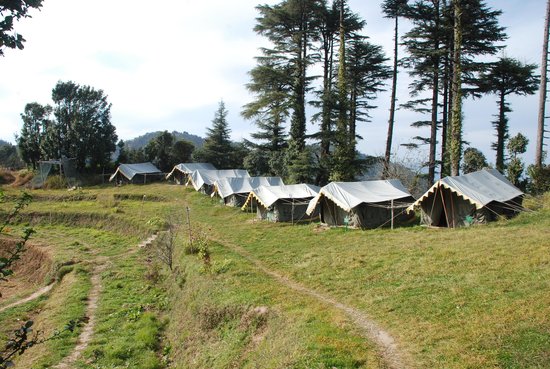
Kanatal Adventure Camp is a high-altitude retreat situated at approximately 8,500 feet on the Mussoorie-Chamba Road, nestled within dense forests of oak, pine, and deodar. It is a popular destination for families, corporate groups, and couples seeking a blend of Himalayan tranquility and adrenaline-pumping activities. The camp typically offers accommodation in well-equipped Swiss cottage tents or bamboo cottages that include modern amenities like attached washrooms and 24-hour electricity with backup. Visitors can participate in a variety of outdoor thrills, including sky walking, zip-lining, valley crossing, and rock climbing, as well as guided nature treks through the nearby Kaudia Forest. Evenings at the camp are usually centered around a bonfire with buffet meals and light music, providing a serene environment for stargazing under clear mountain skies.
6. Potato Farm

The Potato Farm, locally known as Aloo Khet, is a unique agricultural attraction located approximately 1 km from the main market in Dhanaulti. Spread across vast terraced fields at an altitude of 2,286 metres, this farm is partially owned by the Government of Uttarakhand and partially by private farmers. It serves as a major production hub for high-altitude potatoes that are supplied across India, particularly the “pahadi allu,” which is prized for its distinct less-sweet flavour. Beyond its economic role, the farm has become a popular tourist spot where visitors can walk through the scenic green meadows, enjoy panoramic views of the Doon Valley, and witness spectacular sunrises and sunsets against the Himalayan backdrop.
7. Apple Orchard Resort
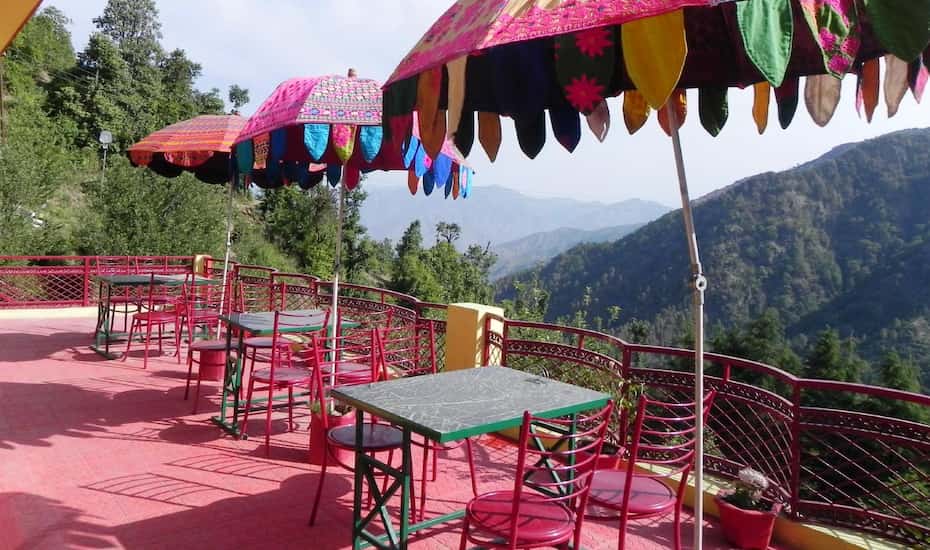
The Apple Orchard Resort in Dhanaulti is a popular eco-friendly retreat situated at an altitude of approximately 2,286 metres, offering a peaceful stay amidst lush groves of apple, apricot, and plum trees. The resort is well-regarded for its traditional Himalayan architecture and its prime location, which provides guests with uninterrupted, panoramic views of the snow-clad Himalayan peaks and the rolling green hills of the Garhwal region. Known for its farm-to-table approach, the resort’s in-house restaurant, Glass House, serves organic meals prepared with fresh produce sourced directly from its own orchards and local farms. Beyond its cozy rooms and scenic beauty, it serves as a central hub for adventure, as the famous Dhanaulti Adventure Park is located within its premises, allowing guests easy access to activities like sky walking, zip-lining, and forest trekking.
8. Camp Thangdhar

Camp Thangdhar, located in the Thangdhar village about 14 km from the main Dhanaulti market, is a premier adventure retreat situated at an elevation of 8,300 feet. Surrounded by dense forests of pine, deodar, and oak, the camp is designed specifically for nature lovers and thrill-seekers who want a rustic yet comfortable outdoor experience. It offers a variety of accommodation options, including deluxe and alpine tents equipped with basic amenities, and is known for its “Mother Nature’s lap” vibe with 180-degree views of the snow-clad Himalayan peaks. Guests can engage in numerous adrenaline-pumping activities such as rock climbing, rappelling, river crossing, and mountain biking, or enjoy a more relaxed pace with stargazing, bird watching, and evening bonfires featuring local specialties like roasted potatoes.
9. Surkanda Devi Temple
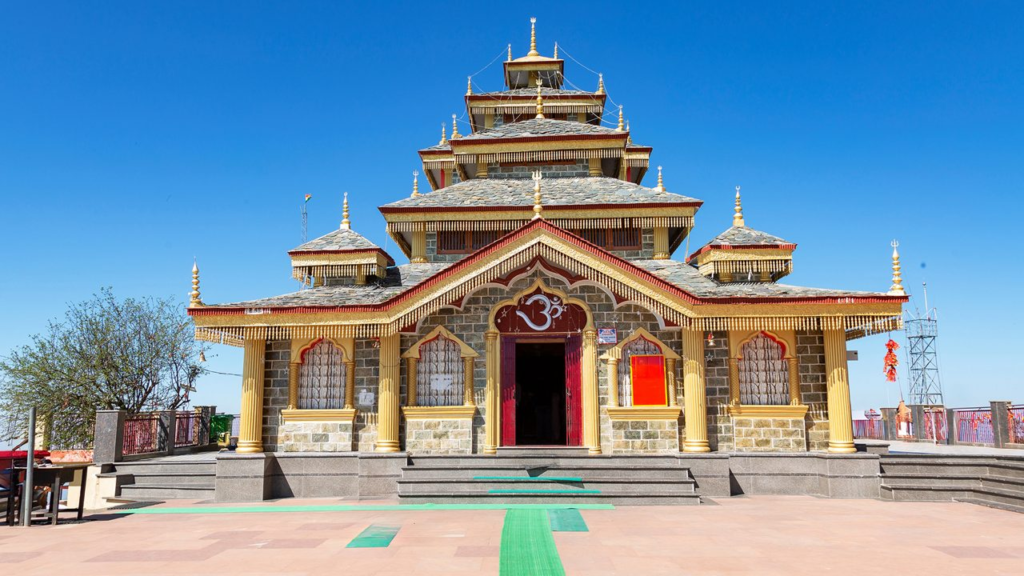
The Surkanda Devi Temple is a highly revered Hindu shrine situated atop a mountain peak near Dhanaulti and Kanatal in the Tehri Garhwal district of Uttarakhand. Perched at an altitude of approximately 2,756 metres (9,042 feet), it is recognized as one of the 51 sacred Shakti Peethas across the Indian subcontinent. According to Hindu mythology, the temple marks the spot where the head (Sirkhanda, later becoming Surkanda) of Goddess Sati fell while Lord Shiva carried her body across the universe after her self-immolation. The temple is built in a traditional Himalayan architectural style featuring a conical shikhara and a white facade, housing an idol of the Goddess adorned in silk and silver. Beyond its deep spiritual importance, the site is famous for its 360-degree panoramic views of the snow-capped Himalayan ranges, including peaks like Bandarpunch, Swargarohini, and Chaukhamba.
10. Dashavatar Temple
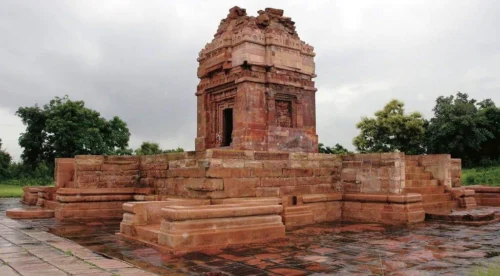
The Dashavatara Temple, located in Deogarh in the Lalitpur district of Uttar Pradesh, is a world-renowned 6th-century stone shrine and one of the earliest surviving examples of Gupta architecture. Dedicated to Lord Vishnu, it is the first North Indian temple to feature a Shikhara (mountain-like spire), marking a pivotal transition from flat-roofed structures to the grander temple designs seen today. The temple is famous for its intricate stone carvings, particularly the three large panels on its walls depicting Vishnu in various forms: Gajendra Moksha (rescuing the elephant), Nara-Narayana Tapasya (meditation), and Anantashayi Vishnu (reclining on the serpent Shesha). Its unique Panchayatana layout, where a central shrine is surrounded by four smaller subsidiary shrines, makes it a masterpiece of ancient Indian art and a critical site for understanding the evolution of Hindu temple construction.