
Dehradun, the capital of Uttarakhand, is a picturesque city nestled in the Doon Valley at the foothills of the Himalayas, flanked by the River Ganges to the east and the River Yamuna to the west. The city is renowned as ‘India’s School Capital’ and serves as a major educational hub, home to world-famous institutions such as the Forest Research Institute (FRI) and the Indian Military Academy (IMA), as well as prestigious boarding schools like ‘The Doon School.’ Beyond its educational prestige, Dehradun also serves as a vital gateway to famous hill stations like Mussoorie and spiritual centers such as Rishikesh and Haridwar. Tourists are drawn to the city’s unique natural wonders, which include the river cave known as ‘Robber’s Cave’ (Guchhu Pani), the medicinal sulfur springs of ‘Sahastradhara,’ and the ancient ‘Tapkeshwar Temple,’ situated within a natural cave. With its pleasant year-round weather, colonial-era architecture, and modern status as a thriving administrative and commercial hub, Dehradun offers a balanced lifestyle—a unique blend of small-town charm and the vibrancy of urban life.
Dehradun’s economy is a robust blend of educational institutions, tourism, and modern industries. In recent years, the city has emerged as a major hub for pharmaceuticals and IT services, with numerous factories and tech parks established in areas such as Selaqui. Agriculture also plays a significant role in the local economy, as the region is renowned for the production of high-quality Basmati rice and litchis.
Dehradun is generally regarded as one of the safest cities in India, offering a secure environment for both adventurous solo travelers and families alike. It possesses a tranquil, small-town atmosphere characterized by low crime rates, where the local culture is generally very helpful and respectful toward visitors.
Most Famous And Attractive Tourist Places In Dehradun :
1. Robber’s Cave

Robber’s Cave, locally known as Guchhupani, is a stunning 600-metre-long natural river cave formation located near Anarwala village in Dehradun. Carved out of a massive limestone base, the cave features narrow, high walls that create a dramatic gorge atmosphere. It is most famous for a unique geological phenomenon where a cold water stream suddenly disappears underground only to reappear several metres away, culminating in a small, hidden waterfall at the far end. The cave earned its English name from local folklore, which suggests that bandits used its dark, labyrinthine passages as a hideout and a place to stash their loot during the British era. Today, it is a popular recreational spot where visitors can trek through knee-deep, refreshing water while surrounded by mossy rock walls and natural cooling. The site is best visited during the summer months to escape the heat, though it is usually closed or restricted during the heavy monsoon season due to rising water levels.
2. Sahastradhara
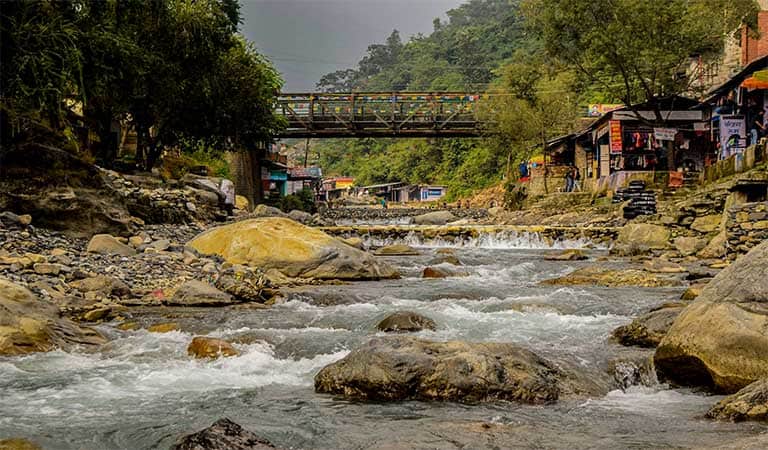
Sahastradhara, which literally translates to “thousand-fold spring,” is a magnificent natural attraction located approximately 14 km from Dehradun city along the banks of the Baldi River. The site is globally renowned for its sulphur-rich springs, where water drips from limestone stalactites to form a series of waterfalls and pools that are believed to possess exceptional medicinal and therapeutic properties. Many visitors travel here specifically to bathe in these waters, which are traditionally thought to cure skin ailments, stomach disorders, and joint pains. Beyond its healing waters, Sahastradhara offers a picturesque landscape of lush Himalayan vegetation and ancient caves, such as the Drona Cave, which houses miniature Shivalingas. For recreation, the area features a ropeway ride that provides panoramic views of the valley, a man-made amusement park called Joyland, and several local food stalls, making it a complete destination for both wellness seekers and families.
3. Mindrolling Monastery
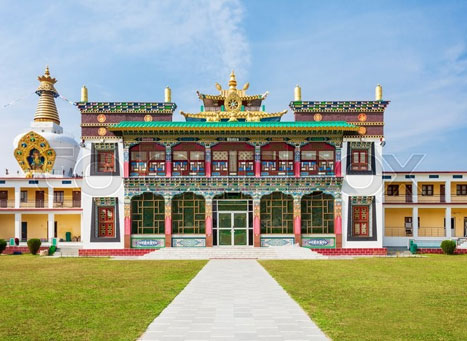
Mindrolling Monastery, also known as the Buddha Temple Complex, is one of the most prominent spiritual and architectural landmarks in Dehradun, located in the peaceful suburb of Clement Town. Re-established in India in 1965 by Khochhen Rinpoche and a group of monks who fled Tibet, it serves as a major centre for the Nyingma school of Tibetan Buddhism and is dedicated to preserving Buddhist culture and philosophy. The monastery’s most striking feature is the Great Stupa, which stands over 220 feet (60 metres) tall and is considered one of the largest in Asia; it is adorned with intricate murals, gold-painted carvings, and sacred relics. Visitors are greeted by a massive, 103-foot-tall golden statue of Lord Buddha set within beautifully manicured gardens that offer a serene environment for meditation. The complex also houses the Ngagyur Nyingma College, where hundreds of monks study ancient scriptures, making it a vibrant hub for scholarly research and traditional learning. With its vibrant Tibetan art forms, tranquil atmosphere, and an observation platform on the fourth floor providing panoramic views of the Doon Valley, Mindrolling is a spiritual retreat that attracts thousands of seekers and tourists from around the world.
4. Dehradun Zoo
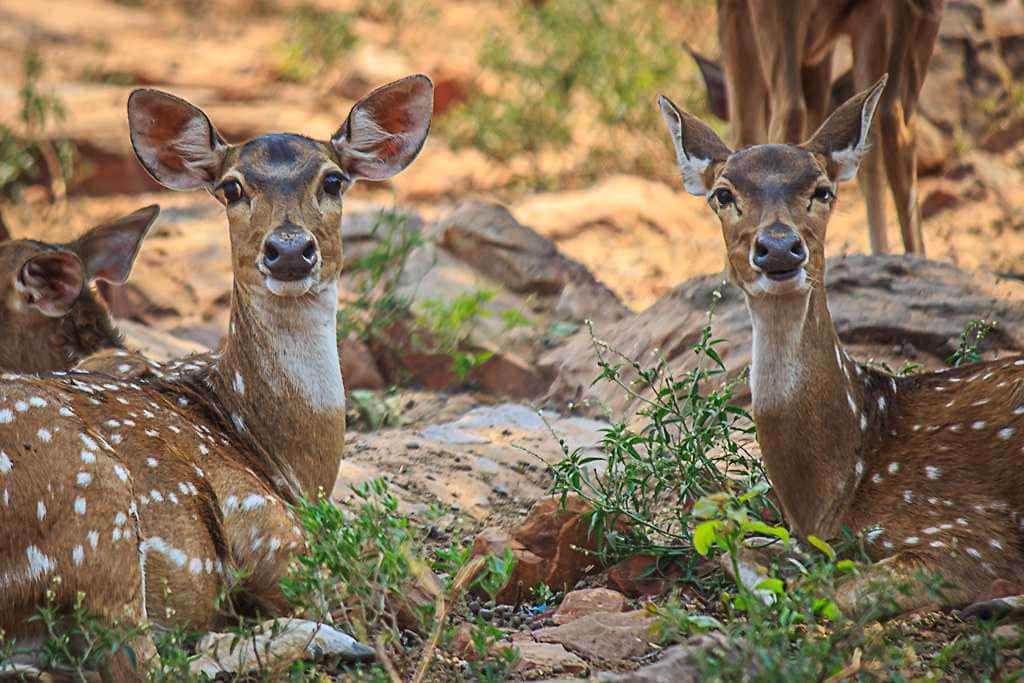
Dehradun Zoo, formerly known as Malsi Deer Park, is a popular mini-zoological park located approximately 10 km from Dehradun city center on the way to Mussoorie. Spanning over 25 hectares in the serene foothills of the Shivalik range, it serves as a major hub for wildlife conservation, education, and animal rescue. The zoo is home to a diverse array of species, including leopards, Bengal tigers, Nilgais, crocodiles, and various types of deer like the Sambar and spotted deer. One of its most distinctive features is a state-of-the-art aquarium called “Aquatic World,” which houses rare fish species such as the Alligator Gar and Silver Shark, alongside a vibrant aviary featuring exotic birds like ostriches, emus, macaws, and parakeets. Designed as a family-friendly destination, the complex includes well-maintained walking trails, a dedicated children’s play area with slides and swings, a cactus garden, and a 3D theatre for educational films. Facilities such as a food court, parking, and RO drinking water make it an ideal picnic spot, though visitors should note that it remains closed on Mondays.
5. Regional Science Centre Dehradun
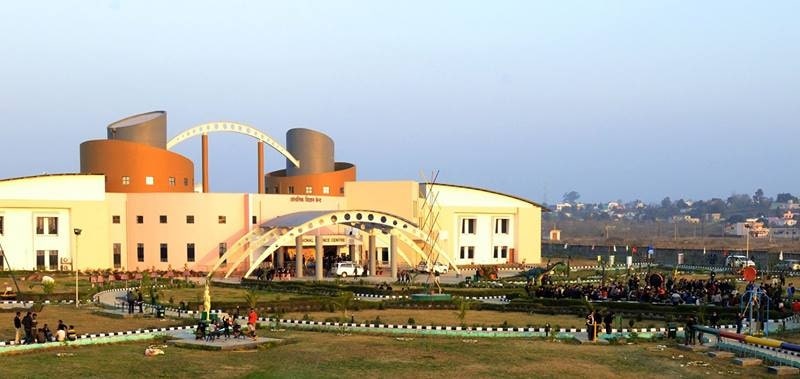
The Regional Science Centre (RSC) in Dehradun, located in the Jhajhra area, is a premier educational facility established by the Uttarakhand State Council for Science and Technology (UCOST) in collaboration with the National Council of Science Museums. Spread across a vast campus, the centre is designed to make science accessible and engaging through interactive exhibits and hands-on learning. Its standout feature is the Himalayan Gallery, which provides deep insights into the geology, flora, fauna, and cultural heritage of the Himalayas. The centre also houses a 3D Planetarium (Taramandal) and a 3D film theatre that offer immersive journeys through space and time. Outside, the Science Park contains large-scale open-air exhibits where visitors can experiment with the laws of physics and mechanics while playing. With additional sections like the ‘Frontiers of Technology’ and an ‘Innovation Hub’ for budding inventors, it serves as a vital resource for students and families to explore the wonders of modern science in an entertaining way.
6. Sahastradhara Ropeway
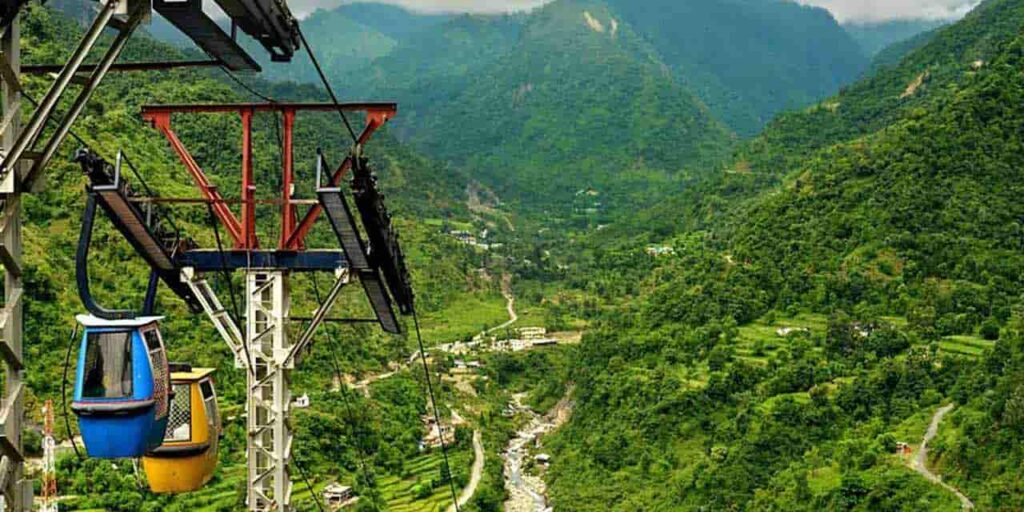
The Sahastradhara Ropeway is a major tourist highlight located within the Sahastradhara precinct, offering an aerial link between the main valley floor and a high hilltop park. This cable car ride provides a thrilling ascent, granting passengers breathtaking panoramic views of the cascading “thousand-fold” springs, the Baldi River, and the surrounding lush green mountain ranges of the Doon Valley. Upon reaching the summit, visitors enter a well-maintained park featuring beautifully landscaped gardens, seating areas, and a restaurant, making it an ideal spot for photography and relaxation away from the crowds below. The ropeway is particularly popular for its efficiency, saving tourists a steep climb while providing a bird’s-eye perspective of the region’s unique limestone formations. It operates daily, usually from 9:00 AM to 6:00 PM, and serves as a perfect vantage point to appreciate the natural beauty of Dehradun from above.
7. Fun Valley Dehradun
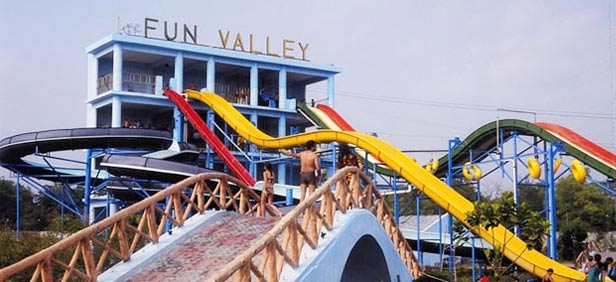
Fun Valley Dehradun, situated approximately 28 km from the city centre on the Dehradun-Haridwar Highway, is one of the largest amusement and water parks in North India. Strategically located in the “Golden Triangle” between Dehradun, Haridwar, and Rishikesh, it serves as a comprehensive entertainment hub featuring nearly 21 thrilling rides, including the Dragon Coaster, go-karting, and dodging cars. The water park is a major draw, boasting the largest wave pool in North India, alongside multiple water slides, a lazy river, and a dedicated kiddie pool. Beyond the rides, the complex includes an integrated resort with luxury cottages for overnight stays, a multi-cuisine food court, and shopping arcades, making it a popular weekend getaway for families and school groups. It typically operates from 9:00 AM to 6:00 PM, with entry fees often based on the visitor’s height.
8. Shikhar Falls
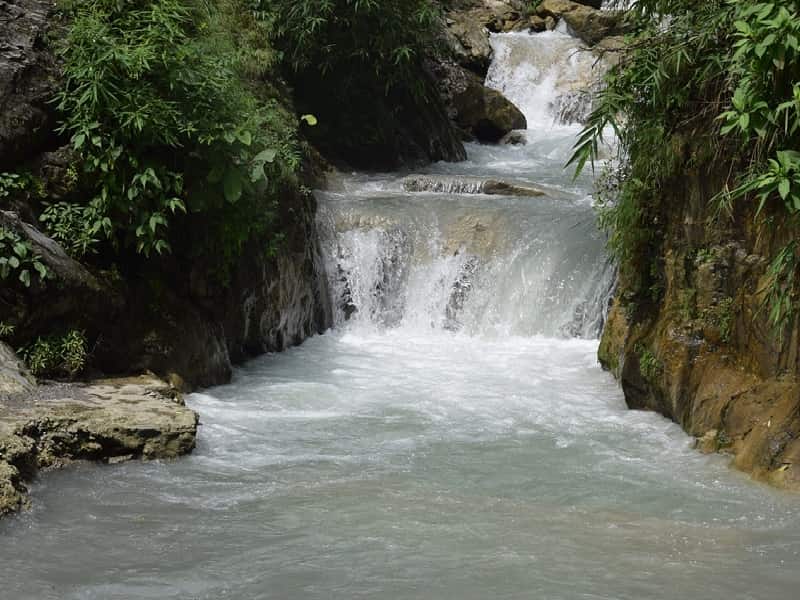
Shikhar Falls is a hidden gem and a popular trekking destination located in the Raipur area of Dehradun, approximately 13 km from the city centre. Unlike other highly commercialised spots, Shikhar Falls offers a more rugged and adventurous experience, as reaching the main waterfall requires a short but moderately steep 1-kilometre trek through a dense forest trail and across shallow rocky streams. The waterfall itself is a refreshing sight, cascading down a rocky cliff into a small natural pool where visitors often enjoy a cold dip. The surrounding area is rich in biodiversity, making it a favourite spot for birdwatchers, photography enthusiasts, and students from nearby universities. It is highly recommended to wear sturdy trekking shoes with a good grip and to visit during the daylight hours, as the trail can become slippery and difficult to navigate after sunset or during heavy rainfall.
9. Lacchiwalla
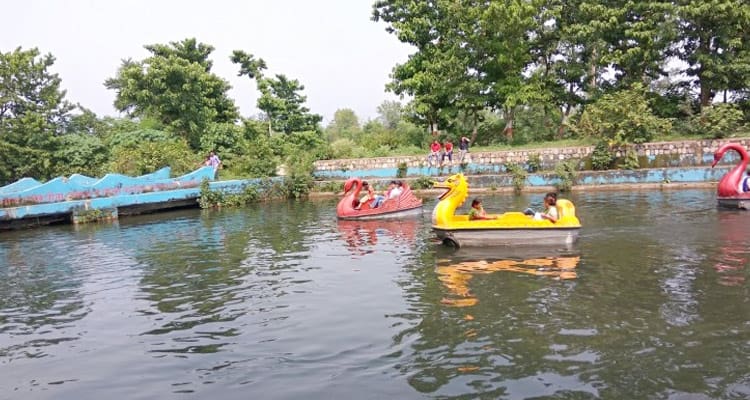
Lachhiwala Nature Park, now officially known as the Nature Park Reshamri, is one of the most popular picnic spots in Dehradun, located about 22 km from the city centre on the Dehradun-Haridwar Highway. It is renowned for its series of man-made pools fed by a diverted stream from the Song River, where the water is shallow and crystal clear, making it an ideal spot for swimming and family outings. The park is nestled within a dense forest of Sal trees, providing a lush green canopy and a significantly cooler atmosphere than the city. Managed by the forest department, the area has recently seen significant upgrades, including the addition of a musical fountain, a laser show, a children’s play area, and well-paved walking trails. Its proximity to the Jolly Grant Airport and its serene, natural setting make it a favourite weekend getaway for locals and tourists alike who seek to relax amidst nature.
10. Rajaji National Park
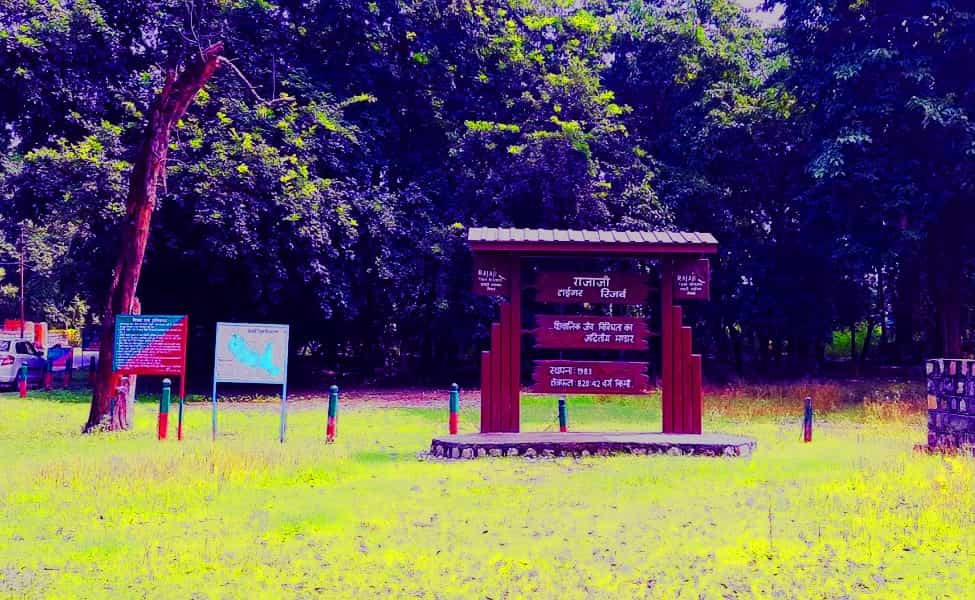
Rajaji National Park is a premier wildlife destination and tiger reserve encompassing over 820 square kilometres across the Shivalik ranges of Uttarakhand, spanning the districts of Dehradun, Haridwar, and Pauri Garhwal. Named after the famous freedom fighter C. Rajagopalachari, the park was formed by the merger of three sanctuaries—Motichur, Chilla, and Rajaji—and serves as a critical corridor for the Asian Elephant population in Northern India. The park’s diverse ecosystem, ranging from broadleaved deciduous forests to scrublands and grasslands, provides a habitat for a rich variety of fauna, including Bengal tigers, leopards, sloth bears, goral, and over 300 species of birds. Visitors can explore the wilderness through organized jeep safaris at various entry gates like Chilla and Motichur, which offer the best chances for wildlife sightings. The park is seasonally open, typically from November 15th to June 15th, and remains closed during the monsoon to protect the habitat and ensure visitor safety.
11. Har Ki Dun

Har Ki Dun, also known as the “Valley of Gods,” is a cradle-shaped hanging valley situated at an elevation of approximately 3,566 metres in the Garhwal Himalayas of Uttarakhand. Located within the Govind Pashu Vihar National Park, it is one of the most famous trekking destinations in India, offering a unique blend of dense pine forests, alpine meadows, and ancient Himalayan culture. The valley is steeped in mythology, believed to be the path taken by the Pandavas on their ascent to heaven (Swargarohini). Unlike many other treks, the trail to Har Ki Dun passes through remote, 2,000-year-old villages like Osla and Gangaad, where the inhabitants still preserve unique traditions, distinct wooden architecture, and temples dedicated to Duryodhana (or Someshwar). The trek usually starts from the village of Sankri and follows the Tons River, providing spectacular views of the Swargarohini peaks, Bandarpunch, and Black Peak. It is a paradise for birdwatchers, photographers, and nature lovers, accessible primarily during the summer (April to June) and post-monsoon (September to November) seasons.
12. Assan Barrage
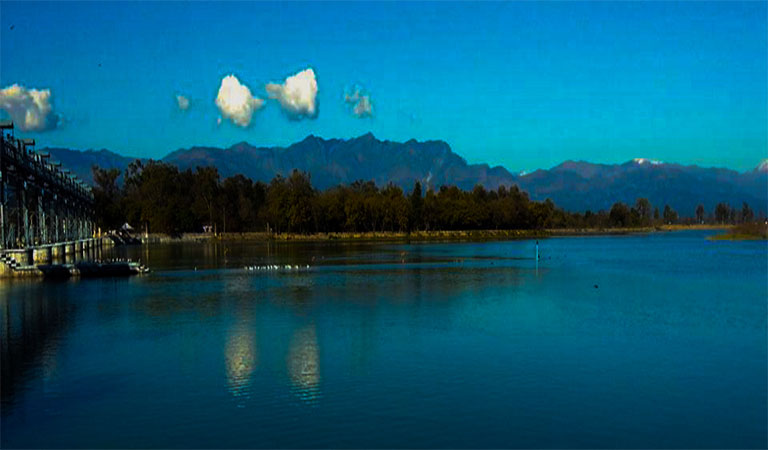
The Asan Barrage, popularly known as the Asan Conservation Reserve, is a birdwatcher’s paradise located at the confluence of the Asan River and the Yamuna Canal, about 42 km from Dehradun. Created in 1967, this 4-square-kilometre wetland became Uttarakhand’s first Ramsar Site due to its international importance for biodiversity. It is a critical wintering habitat for thousands of migratory birds that travel from Central Asia and Siberia, including rare species like the Ruddy Shelduck, Red-crested Pochard, and the endangered Pallas’s Fish Eagle. Beyond birdwatching, the barrage is a popular spot for water sports, with the Asan Barrage Water Sport Resort offering activities like rowing, paddle boating, and kayaking. The scenic backdrop of the Shivalik hills and the tranquil blue waters make it a favoured destination for nature photographers and day-trippers seeking a quiet escape from the city.
13. Kedarkantha Trek
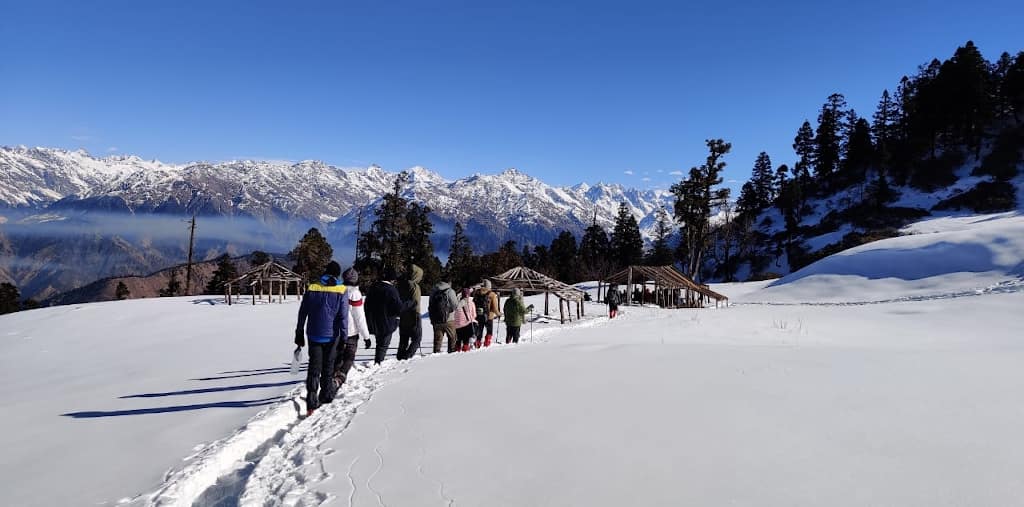
The Kedarkantha Trek is widely considered one of India’s finest winter treks, located within the Govind Pashu Vihar National Park in the Uttarkashi district. The journey to the summit, which stands at an impressive altitude of 12,500 feet (3,810 metres), typically begins from the picturesque base village of Sankri. The trek is celebrated for its stunning 360-degree views of legendary Himalayan peaks, including Swargarohini, Black Peak, and Bandarpoonch. The trail winds through dense pine forests and expansive snow-covered meadows, eventually leading to a pyramid-shaped peak marked by a small shrine dedicated to Lord Shiva. While it is accessible year-round, Kedarkantha is most famous for its winter scenery from December to April, when the landscape is transformed into a pristine white wonderland. Its moderate difficulty level makes it an ideal choice for both beginners and experienced trekkers seeking a classic Himalayan adventure with well-defined campsites like Juda Ka Talab.
14. Maldevta

Maldevta is a scenic and popular recreational destination located on the outskirts of Dehradun, approximately 18 km from the city centre in the Raipur area. Situated on the banks of the Song River, it is characterized by its shallow, crystal-clear waters and wide, rocky riverbed, making it a favourite spot for locals to relax, swim, and enjoy outdoor picnics. The area is surrounded by lush green hills and serves as a gateway to several trekking trails and remote Himalayan villages, offering a tranquil escape from urban noise. In recent years, Maldevta has evolved into an adventure hub, serving as a primary site for paragliding in Dehradun, as well as a popular route for cycling and riverside camping. The presence of the ancient Maldevta Temple adds a spiritual dimension to the location, while a variety of quaint riverside cafes and “Maggi points” have made it a trendy hangout for students and nature enthusiasts.
15. Trekking in Dehradun
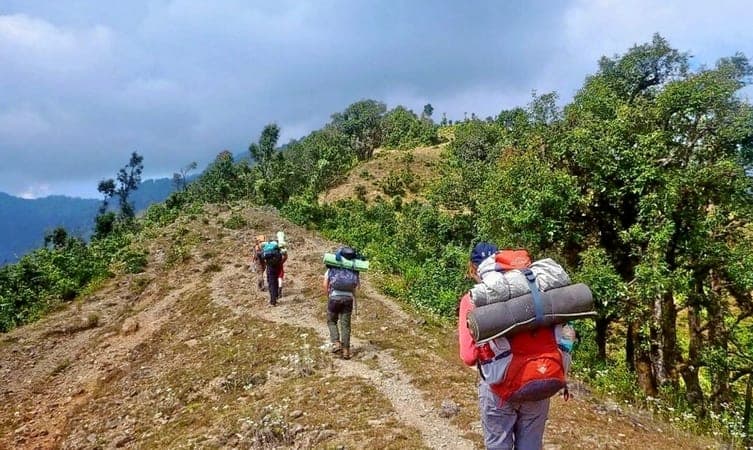
Trekking in Dehradun offers a diverse range of experiences, from easy day hikes for beginners to challenging multi-day expeditions into the higher Himalayas. The city’s unique geography at the foothills of the Shivalik and Garhwal ranges provides trails that wind through dense Sal and Pine forests, hidden waterfalls, and ancient mountain villages. Popular short treks include the climb to Shikhar Falls, the forest trail to Jharipani, and the steep ascent to Mussoorie via the historic Old Barlowganj Road. For those seeking more adventure, Dehradun serves as the primary base for legendary high-altitude treks like Kedarkantha, Har Ki Dun, and Nag Tibba, which offer breathtaking 360-degree views of snow-capped peaks like Swargarohini and Bandarpoonch. These trails are not only famous for their natural beauty but also for the opportunity to witness the traditional wooden architecture and unique culture of remote Himalayan hamlets, making Dehradun a premier hub for trekking enthusiasts across India.
16. Tiger View Jungle Camp

Tiger View Jungle Camp is an eco-tourism destination located in the remote village of Goolar Khalla within the Chakrata region, approximately 80 km from Dehradun city. As the name suggests, the camp was specifically established to facilitate the protection and viewing of the endangered Bengal Tiger in its natural habitat, though it also offers sightings of leopards, wild boars, and various deer species. Unlike traditional zoos, this camp provides an immersive wilderness experience where visitors can stay in safari tents or cottages surrounded by dense forests and the rugged Shivalik hills. The site is a favorite for nature enthusiasts and birdwatchers, offering activities such as guided jungle safaris, forest trekking, and campfire evenings. Because of its secluded location and focus on conservation, it provides a quiet, off-beat alternative to the more crowded tourist spots in the Doon Valley, allowing for a deeper connection with the flora and fauna of the region.
17. Bali Pass
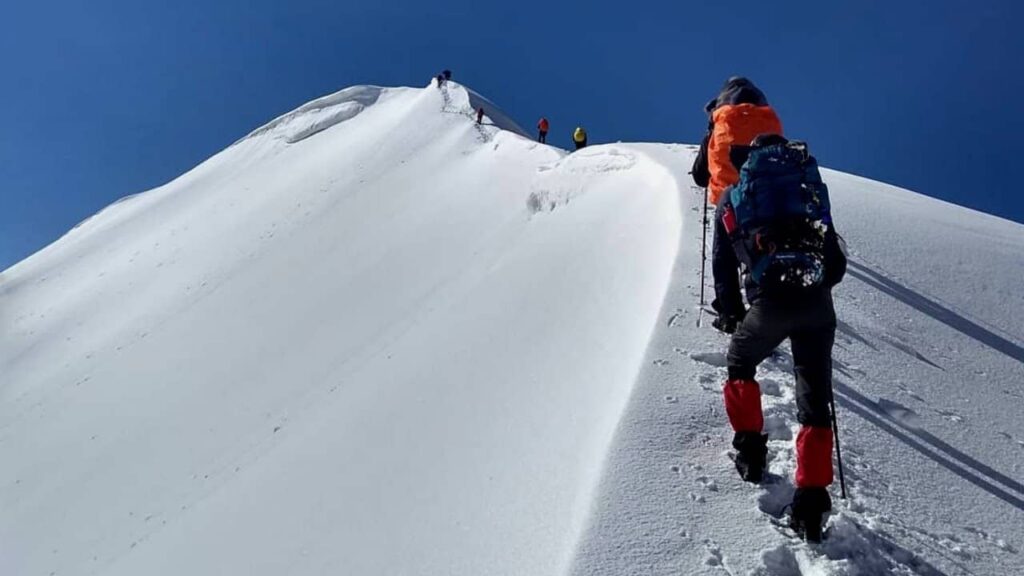
Bali Pass is a high-altitude, challenging trek in the Garhwal Himalayas that connects the Har Ki Dun Valley to Yamunotri, reaching a staggering elevation of approximately 4,950 metres (16,240 feet). This trek is considered an adventurer’s delight as it traverses through the Govind Pashu Vihar National Park, offering a dramatic transition from lush green meadows and ancient villages like Osla to a stark, snow-bound alpine landscape. The highlight of the journey is the daunting climb over the pass itself, which provides a magnificent 360-degree view of the Swargarohini, Bandarpunch, and Kalanag (Black Peak) massifs. The descent is equally thrilling, leading trekkers down steep scree and snow slopes toward the sacred ruins of Yamunotri and the serene Ruinsara Lake. Due to its technical nature, unpredictable weather, and steep gradients, Bali Pass is recommended for experienced trekkers and is typically accessible during two windows: pre-monsoon (May to June) and post-monsoon (September to October).
18. Zonal Museum

The Zonal Museum, also known as the Anthropological Museum, is a significant cultural landmark located on Haridwar Road in Dehradun, established by the Anthropological Survey of India in 1971. This museum is dedicated to documenting and displaying the rich ethnic and cultural diversity of the people inhabiting the Himalayan region, particularly the indigenous tribes of Uttarakhand. Its extensive collection includes various artifacts such as traditional costumes, ancient jewelry, wooden carvings, agricultural tools, and household items used by tribes like the Jaunsaris, Bhotias, Tharus, and Rajis. Through its meticulously curated galleries and life-sized dioramas, the museum provides visitors with deep insights into the social customs, religious beliefs, and survival techniques of these mountain communities. It serves as an essential educational resource for students and history buffs interested in the anthropological evolution of the Central Himalayas and is generally open to the public from 10:00 AM to 5:00 PM, except on Sundays and public holidays.
19. Fun ‘n’ Food Kingdom
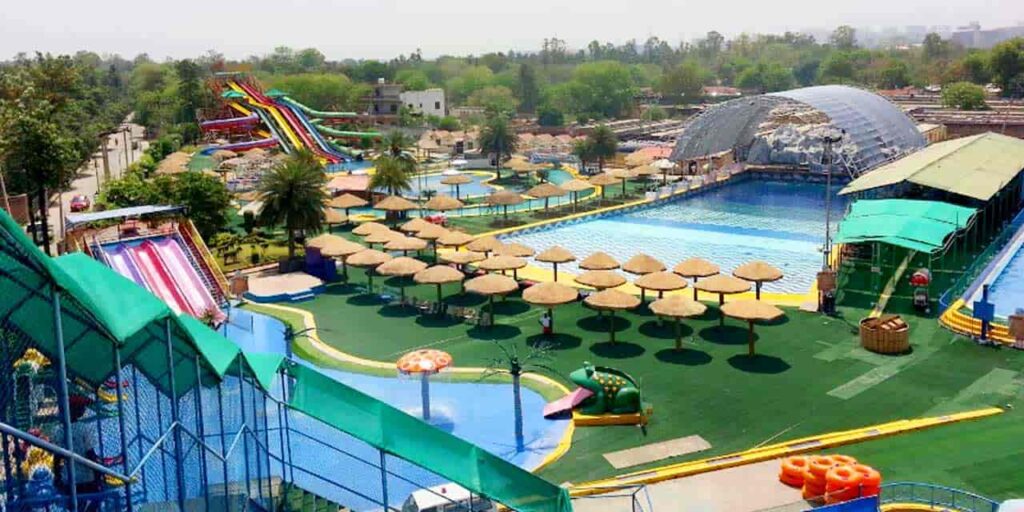
Fun ‘n’ Food Kingdom is a well-known amusement and water park located in the Prem Nagar area of Dehradun, approximately 11 km from the city centre. It is a popular destination for families and students, offering a wide variety of entertainment options including high-thrill land rides like the Columbus and Octaspin, as well as a dedicated water park section. The water park features a large wave pool, a “Rain Dance” arena with a DJ, and several winding water slides that cater to both adults and children. The park is beautifully landscaped with green lawns and includes a multi-cuisine restaurant and refreshment stalls, making it a convenient spot for a full day of recreation. It is particularly crowded during the summer months when locals head there to beat the heat in the cooling pools, and it frequently hosts school picnics and birthday parties due to its safe and fun environment.
20. Rupin Pass Trek
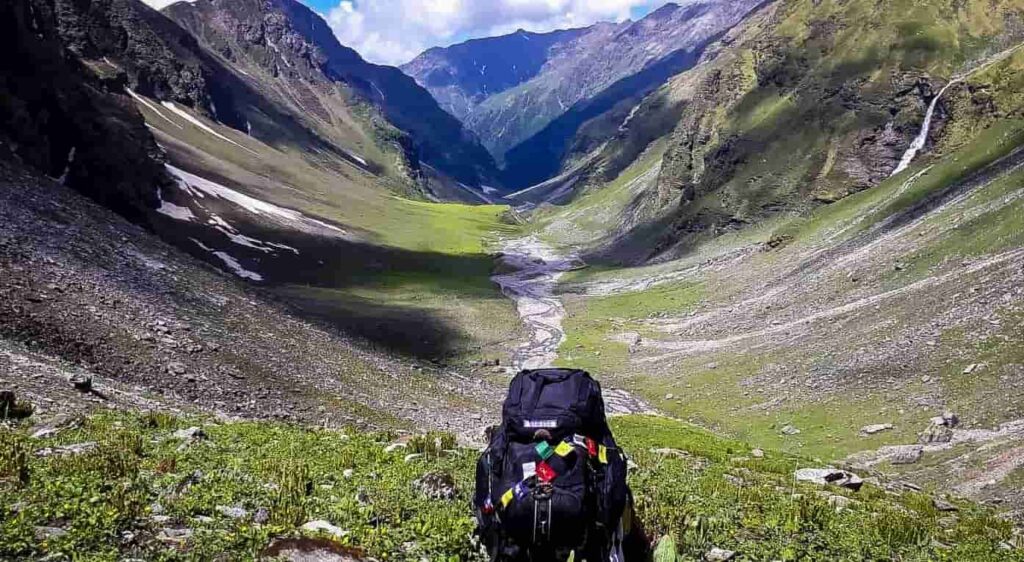
The Rupin Pass Trek is a legendary high-altitude expedition that starts from the village of Dhaula in Uttarakhand and concludes in Sangla, Himachal Pradesh, crossing a maximum elevation of 15,250 feet (4,650 metres). This trek is famous for its “surprises,” as the scenery changes dramatically every few hours—transitioning from lush green forests and traditional wooden villages to glacial meadows and eventually a steep, fan-shaped snowy gully at the pass. A major highlight of the journey is the spectacular three-stage waterfall of the Rupin River, where trekkers camp at the very base and later at the top of the falls. The trail offers a unique cultural experience as it crosses the border between two states, showcasing distinct Himalayan traditions and architecture. Due to its steep climbs, snowy terrain, and technical sections, it is rated as a moderate-to-difficult trek, best suited for those with good physical fitness and some prior trekking experience, with peak seasons in May-June and September-October.
21. Rafting in Tiuni
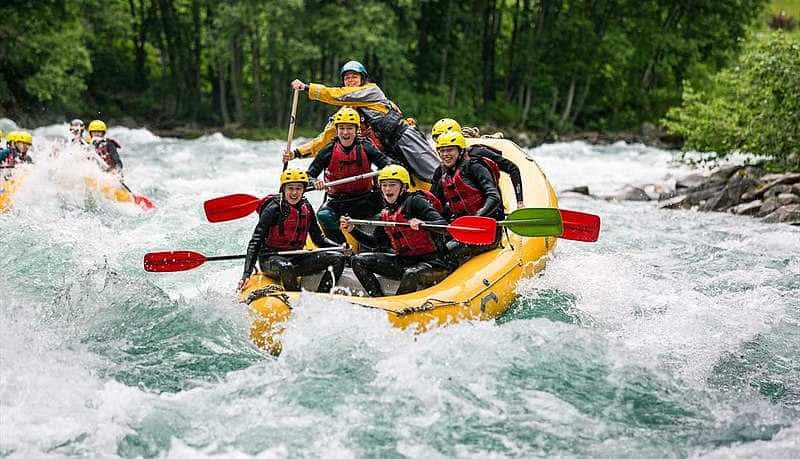
Rafting in Tiuni offers a thrilling and off-beat adventure on the Tons River, which is the largest tributary of the Yamuna and is considered one of the most challenging rivers for water sports in India. Located about 170 km from Dehradun near the border of Uttarakhand and Himachal Pradesh, Tiuni serves as a major hub for Grade III, IV, and sometimes Grade V rapids, making it a destination primarily suited for experienced rafters and adrenaline seekers. The river’s high volume and steep gradient create powerful waves and technical drops that provide a much more intense experience compared to the commercial rafting found in Rishikesh. Apart from the adrenaline rush, the rafting stretch is surrounded by pristine pine forests and ancient Himalayan villages, offering breathtaking natural beauty. The best time to experience rafting in Tiuni is during the spring and early summer months (April to June), as the river becomes too dangerous during the monsoon and too cold during peak winter.
22. Kalsi
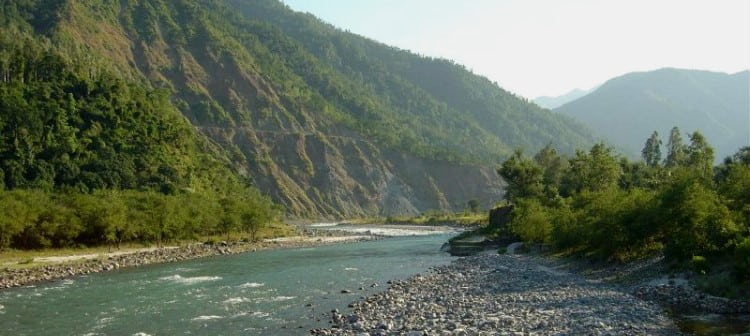
Kalsi is a site of immense historical and archaeological significance located about 43 km from Dehradun, situated at the scenic confluence of the Yamuna and Tons rivers. It is most famous for housing the Rock Edicts of Ashoka, which date back to 253 BC and represent the only Ashokan edict found in North India. These inscriptions, carved onto a massive quartz rock, are written in Pali using the Brahmi script and outline Emperor Ashoka’s policies of non-violence, humanity, and ethical governance following his conversion to Buddhism. Beyond its historical value, Kalsi serves as the gateway to the Jaunsar-Bawar tribal region, offering a tranquil environment with lush greenery and beautiful views of the river valley. The site is maintained by the Archaeological Survey of India (ASI) and is a must-visit for history enthusiasts and those looking for a peaceful retreat away from the main tourist hubs of the Doon Valley.
23. Joy Land Water & Amusement Park
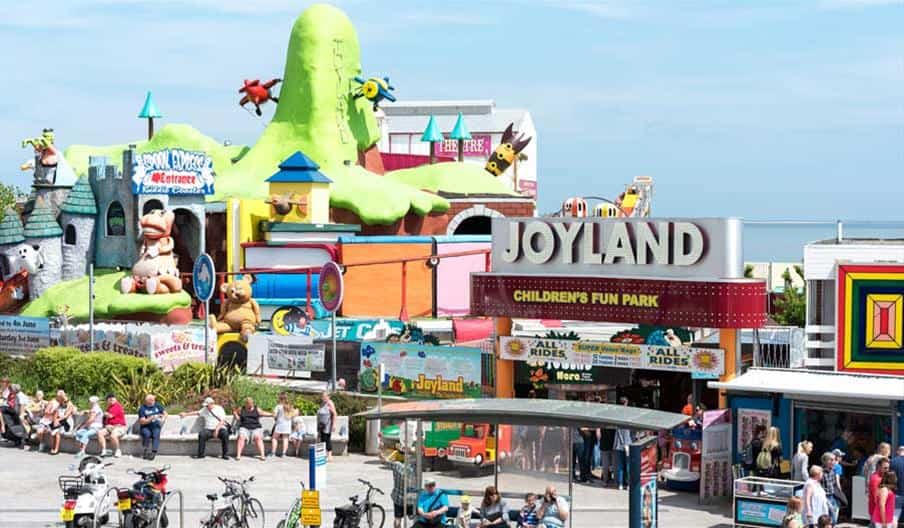
Joy Land Water & Amusement Park is a popular recreational destination located within the Sahastradhara precinct, approximately 14 km from Dehradun city. It is uniquely situated amidst the foothills of the Himalayas, allowing visitors to enjoy thrill rides and water slides against a backdrop of lush green mountains and natural waterfalls. The park features a variety of attractions, including a large wave pool, multiple water slides for different age groups, and a dedicated kids’ pool, alongside classic land rides like the Columbus, paratrooper, and a toy train. Because it is positioned right next to the famous sulphur springs of Sahastradhara, many tourists combine a visit to the natural caves with a fun-filled afternoon at the park. With its affordable entry fees and on-site food stalls serving local snacks, it has become a staple weekend spot for families and students looking for an energetic escape from the city heat.
24. Deer Park
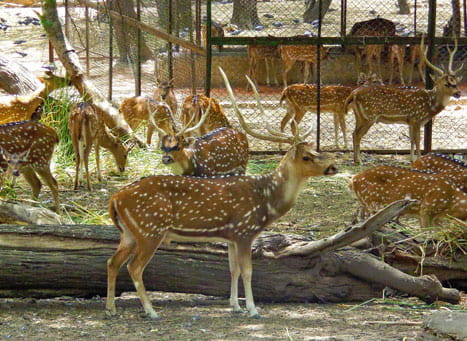
Deer Park, now officially part of the Dehradun Zoo, is one of the oldest and most beloved recreational spots in Dehradun, located about 10 km from the city centre on Mussoorie Road. Nestled at the base of the Shivalik hills, the park was originally established to provide a natural habitat for various species of deer, including the Spotted Deer (Chital), Barking Deer, and the majestic Sambar. Over the years, it has evolved into a comprehensive mini-zoological park that also houses leopards, crocodiles, and a world-class aviary featuring exotic birds like Macaws and Ostriches. The park is characterized by its lush green Sal forest cover, well-paved walking trails, and a serene atmosphere that makes it a favorite for morning walkers and families. It also features a dedicated children’s play area and a cactus garden, providing an educational and fun experience for kids to learn about wildlife conservation in a natural setting.
25. Jabarkhet Wildlife Reserve
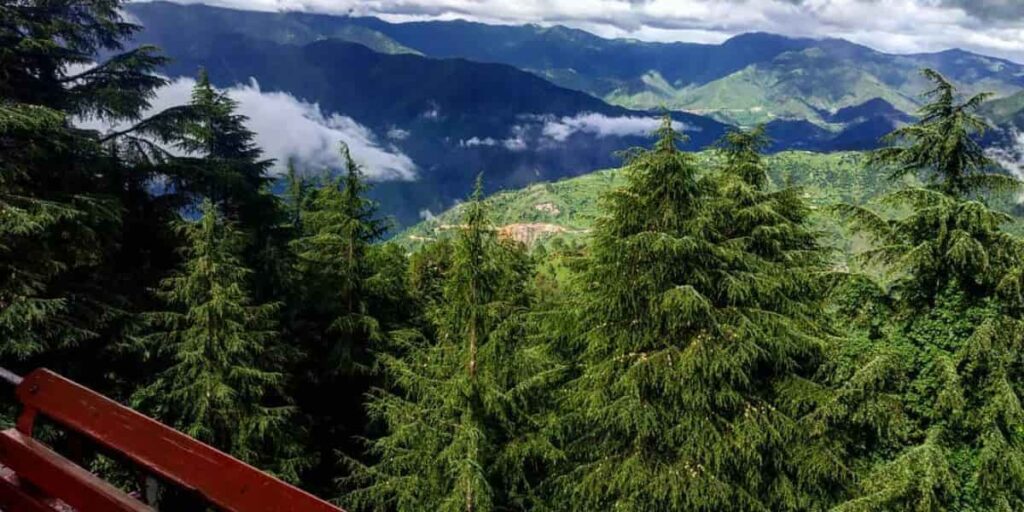
Jabarkhet Wildlife Reserve is Uttarakhand’s first privately managed wildlife sanctuary, located about 15 km from Mussoorie on the Dhanaulti road. Spanning over 100 acres of lush forest land, the reserve was established to restore and protect the local ecosystem, which had previously suffered from degradation. It is a haven for nature lovers and birdwatchers, offering a well-curated network of eight trekking trails that wind through dense forests of oak, rhododendron, and pine. The reserve is home to a variety of Himalayan wildlife, including leopards, black bears, barking deer, and over 140 species of birds. Unlike traditional national parks, Jabarkhet focuses on guided “educational walks” where experts help visitors identify rare flora, medicinal plants, and animal tracks. To maintain its tranquility and ecological balance, the reserve limits the number of daily visitors and requires an entry fee that goes directly toward conservation efforts, making it a perfect destination for those seeking a quiet, soulful connection with the wilderness.