


Mussoorie, famously known as the “Queen of the Hills,” is a picturesque hill station nestled in the Garhwal Himalayan range in the state of Uttarakhand, India. Situated at an average elevation of 2,001 meters, this destination offers a perfect getaway, boasting magnificent views of snow-capped Himalayan peaks to the north and the sprawling Doon Valley to the south. Originally established by the British in the 1820s, the town retains its charming colonial character to this day, evident in its Victorian-style architecture, historic libraries, and the bustling Mall Road.
Beyond its scenic vistas, Mussoorie is also a hub of culture and entertainment. Its popular attractions include the cascading Kempty Falls, the historic Gun Hill viewpoint, and the serene, old-world ambiance of the nearby Landour Cantonment. Landour, in particular, is the home of the renowned author Ruskin Bond, adding a literary soul to the town’s misty lanes. Whether visitors seek the vibrant atmosphere of its cafes and markets or the tranquil solitude of its oak and pine forests, Mussoorie remains one of India’s most celebrated hill tourism destinations. It is easily accessible, located just a one-hour drive from the state capital, Dehradun.
Mussoorie’s economy relies almost entirely on tourism. As a popular holiday destination, the majority of its residents earn their livelihood by operating hotels, restaurants, and shops selling local handicrafts and clothing. Another significant contributor to its economy is the education sector, as the town is home to several world-renowned boarding schools that provide year-round employment opportunities for local residents. Mussoorie is generally regarded as a safe and welcoming destination for tourists, including both solo travelers and families. Compared to many urban centers, the crime rate in this city is low, and the local community is considered friendly and helpful towards tourists.
Most Famous And Attractive Tourist Places In Mussoorie :
1. Kempty Falls
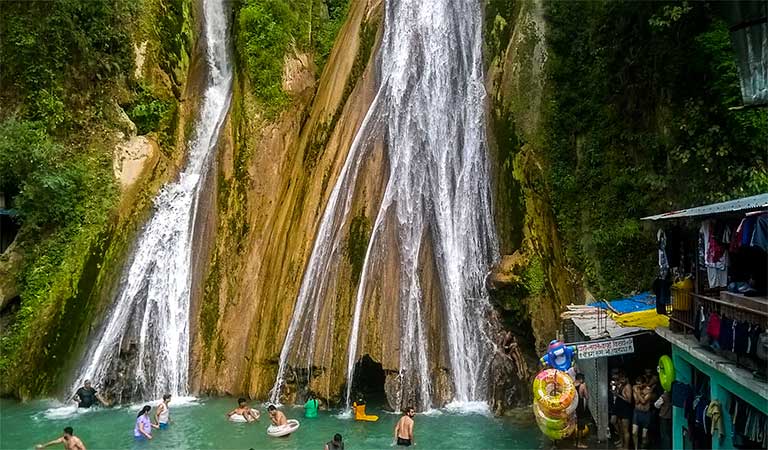
Kempty Falls is one of the most iconic and popular tourist destinations in Mussoorie, situated at an altitude of about 4,500 feet and located approximately 15 kilometres from the main town. Established as a recreational spot in the 1830s by British officer John Mekinan, the falls are famous for their milky-white water that cascades down from a height of nearly 40 feet, splitting into five distinct streams before gathering in a large natural pool at the base. The name is historically derived from the phrase “Camp-tea,” reflecting its origins as a site for lavish tea parties hosted by British officials. Today, it serves as a bustling hub for visitors who come to enjoy a refreshing dip in the cold mountain water, take a scenic ropeway ride over the valley, or dine at the many hillside cafes surrounding the falls. Surrounded by high mountain cliffs and lush greenery, it offers a vibrant atmosphere that captures the essence of a classic Himalayan getaway.
2. Camel’s Back Road
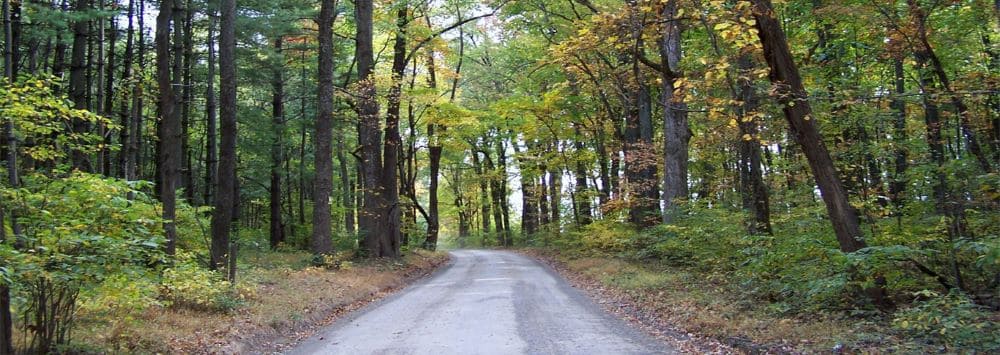
Camel’s Back Road is a scenic 3-kilometre stretch in Mussoorie, Uttarakhand, famous for its unique natural rock formation that looks like a camel’s hump when viewed from a distance. The road offers a peaceful, flat promenade that loops from Library Point to Kulri Bazaar, providing a quiet escape from the crowds of the nearby Mall Road. Originally developed during the British colonial era for leisurely walks and horse riding, it remains a popular spot for morning jogs and sunset strolls. Visitors can enjoy breathtaking views of the Doon Valley and the snow-capped Himalayan peaks, with telescopes available along the way for a closer look at mountains like Badrinath and Kedarnath. Adding to its historical charm is a 180-year-old British cemetery located along the path, making it a perfect blend of nature, history, and tranquility.
3. Landour
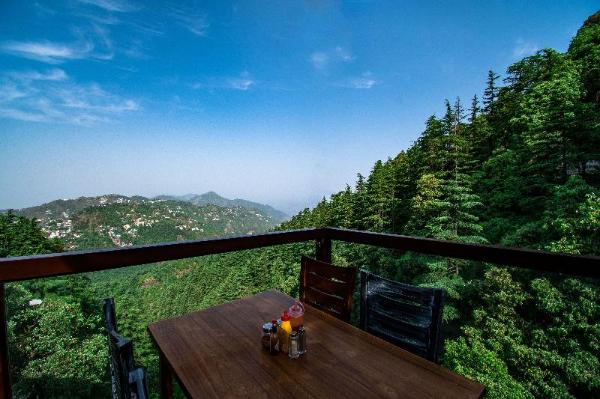
Landour is a serene, small cantonment town located approximately 7 kilometres from the main town of Mussoorie, often described as the “tiara” on the Queen of the Hills. Situated at an average altitude of 7,500 feet—about 1,000 feet higher than Mussoorie—it was established in 1827 as a convalescent station for British soldiers, and it derives its name from Llanddowror, a village in Wales. Unlike the bustling Mall Road of Mussoorie, Landour is famous for its quiet, old-world charm, preserved by the Cantonment Act of 1924, which strictly prohibits new construction and the felling of trees. It is widely known as the home of the beloved author Ruskin Bond and for historic spots like Lal Tibba (the highest point in the area), the legendary Char Dukan cafes, and Sister’s Bazaar, which is famous for its artisanal jams and local cheese. With its winding pine-scented trails, colonial-era architecture, and panoramic views of snow-capped Himalayan peaks like Swargarohini and Bandarpunch, Landour offers a tranquil retreat for travelers seeking heritage and nature away from the typical tourist crowds.
4. Dalai Hills
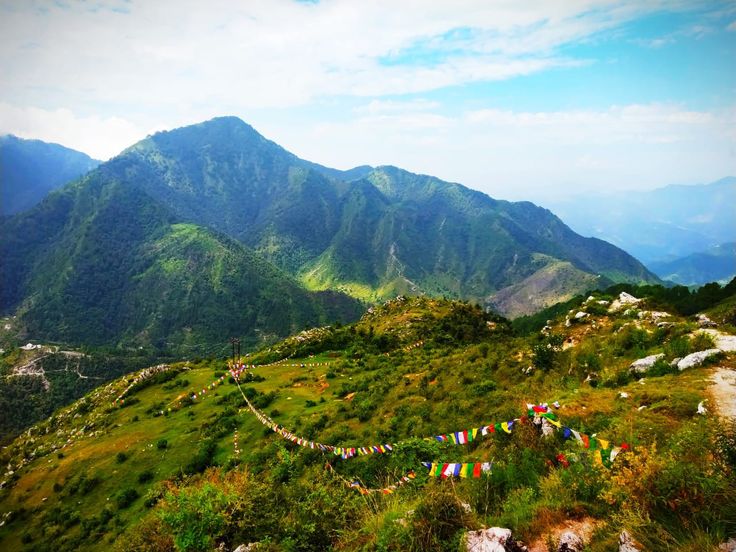
Dalai Hills is a tranquil and culturally significant hilltop located in the Happy Valley area of Mussoorie, approximately 3 kilometres from Library Chowk. It is historically renowned as the first residence of the 14th Dalai Lama and thousands of Tibetan refugees after they fled Tibet in 1959, earning the area the nickname “Little Lhasa”. The site is famous for its towering, golden statue of Lord Buddha, which was installed in 2014 to promote global peace. Visitors can reach the summit via a short but steep 400-metre trek through deodar forests from the Shedup Choephelling Buddhist Temple. Once at the top, the hill offers a breathtaking 360-degree panoramic view of the Garhwal Himalayan range and the Doon Valley, made even more vibrant by hundreds of fluttering Tibetan prayer flags. This spot is highly favored by nature lovers and photographers, especially during sunset when the mountains are bathed in golden light.
5. Gun Hill
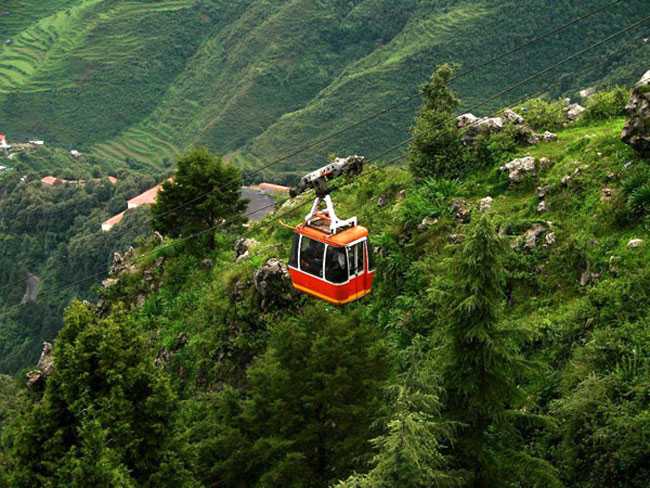
Gun Hill is the second-highest peak in Mussoorie, standing at an elevation of approximately 2,024 metres (6,640 ft), and is one of the town’s most popular tourist attractions. It holds significant historical value as it derives its name from the colonial era, when a cannon was placed atop the hill and fired every afternoon to help locals synchronise their watches. Today, it is most famous for its ropeway (cable car) ride, which whisks visitors from the Mall Road up to the summit in about five minutes, offering a thrilling aerial view of the town. Once at the top, the peak provides a magnificent 360-degree panoramic view, showcasing the snow-clad peaks of the Garhwal Himalayas—including Bandarpunch, Srikantha, and Pithwara—on one side, and the sprawling Doon Valley on the other. The hilltop itself features a small carnival-like atmosphere with game stalls, local food kiosks, and traditional dress photography shops, making it a lively spot for families to enjoy the crisp mountain air and stunning sunsets.
6. Lal Tibba
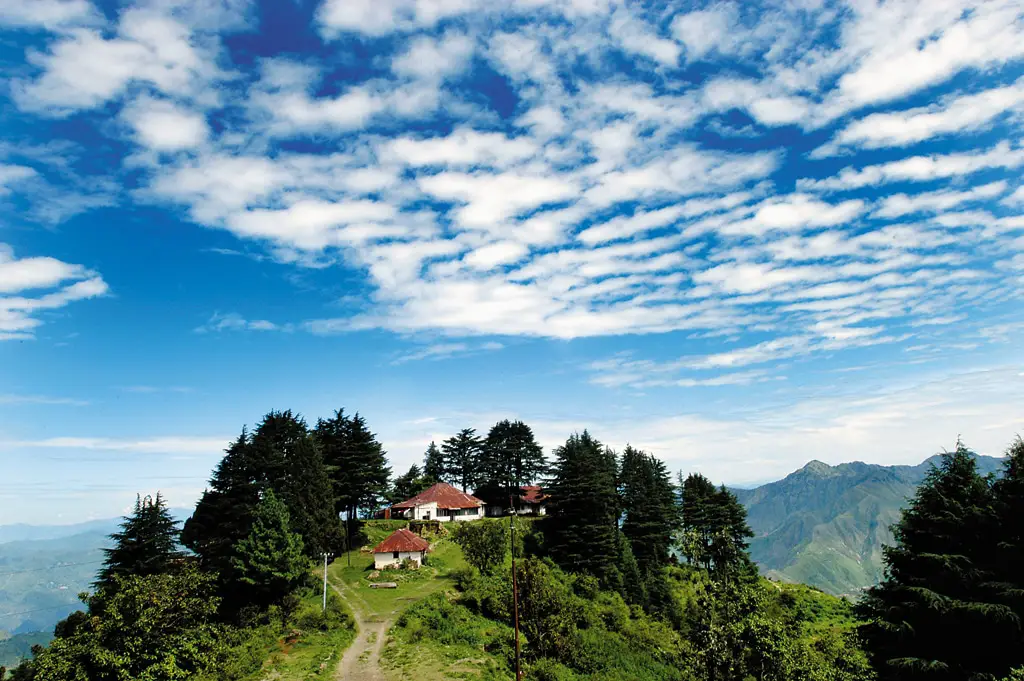
Lal Tibba, which literally translates to “Red Hill,” is the highest point in Mussoorie, perched at an altitude of approximately 2,275 metres (7,464 feet) in the serene cantonment of Landour. Its name is inspired by the stunning reddish-orange hues that paint the sky and the surrounding mountains during sunrise and sunset. The site’s primary attraction is a high-powered Japanese telescope, installed in 1967, which allows visitors to enjoy magnificent, close-up views of distant snow-capped Himalayan peaks such as Kedarnath, Badrinath, Nanda Devi, and the Bandarpunch range. Historically, the area served as a British military cantonment and a recovering station for soldiers, and it still retains its old-world charm with quiet, pine-scented walking trails and colonial-era architecture. Unlike the more commercialized parts of Mussoorie, Lal Tibba offers a tranquil escape, featuring a small rooftop cafe and viewing deck where travelers can relax with a hot beverage while soaking in the panoramic vistas of the mountains and the Tibet border.
7. Jharipani Falls

Jharipani Falls is a hidden gem located about 7 kilometres from the main town of Mussoorie, near the quiet village of Jharipani. Unlike the more crowded Kempty Falls, this waterfall offers a much more peaceful and secluded experience, making it a favourite for nature lovers and trekkers. To reach the falls, visitors must embark on a scenic 1.5-kilometre trek from the road, passing through dense forests and enjoying views of the Shivalik Range along the way. The water cascades down a rocky cliff into a small, cool pool, providing a perfect spot for a quiet picnic or a refreshing dip. The area is also home to some of Mussoorie’s famous boarding schools, like Oak Grove and St. George’s College, which add a touch of colonial history to the surrounding landscape. Because it is less commercialised, it remains a pristine location where you can truly listen to the sounds of nature and enjoy the mist of the falling water.
8. Company Garden
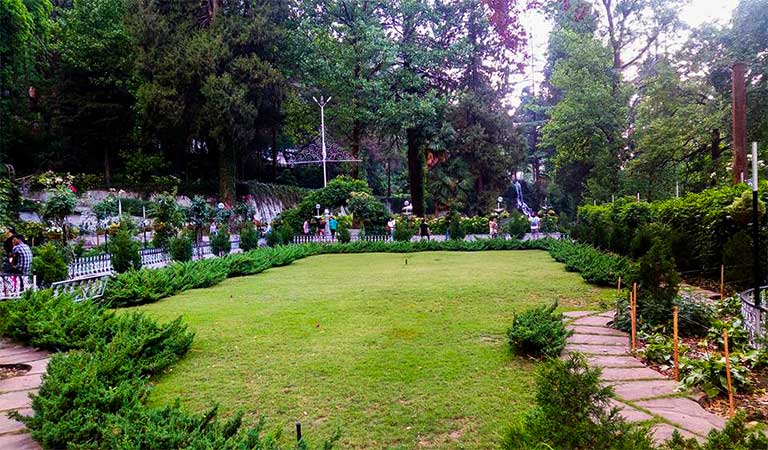
Company Garden, also known as the Municipal Garden, is a beautifully landscaped park located about 3 kilometres from Library Chowk on the Happy Valley side of Mussoorie. Originally known as Botanical Gardens, this colonial-era park was designed by the famous geologist Dr. H. Falgner and is currently maintained by the Garden Welfare Association of Mussoorie. It is a vibrant horticultural hub featuring a vast collection of exotic flowers, seasonal blooms, and lush green lawns, making it one of the most popular spots for families and photographers. The garden also houses a small artificial waterfall and a mini-lake where visitors can enjoy pedal boating. For children, there is a dedicated amusement park with various rides, while adults can explore a small nursery where plants are available for purchase. With the majestic Himalayas serving as a backdrop and a well-stocked food court serving local snacks, Company Garden offers a perfect blend of natural beauty and leisure activities.
9. Cloud’s End
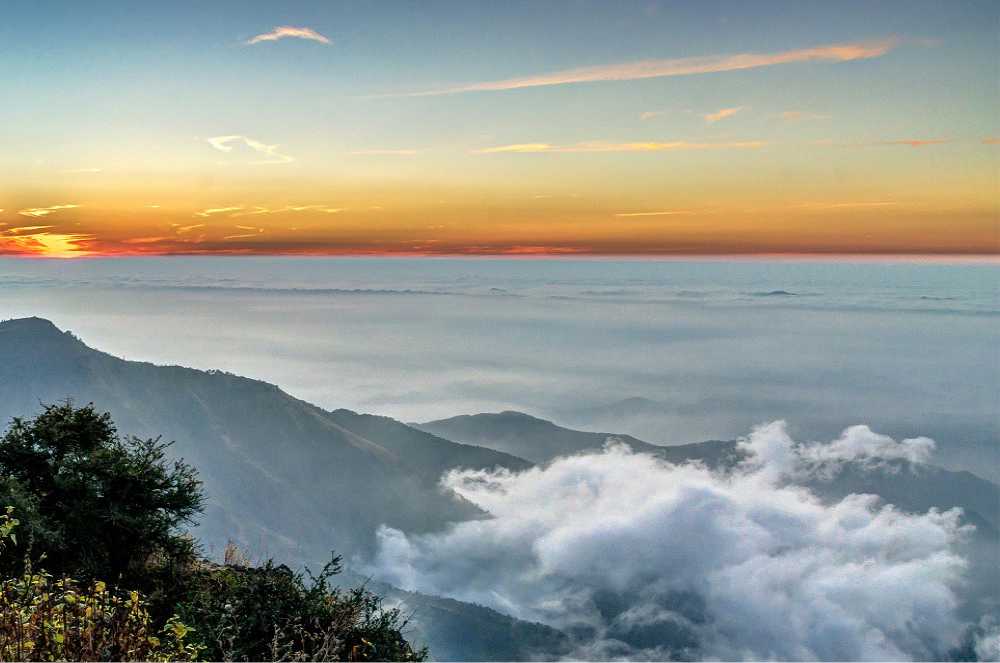
Cloud’s End is a serene and picturesque landmark that signifies the geographical conclusion of Mussoorie, situated approximately 6 kilometres west of Library Chowk. Spanning over 2,000 acres of dense oak and deodar forests, it is famous for housing a historic colonial heritage bungalow built in 1838 by a British officer, Major Edmund Swetenham, which stands as one of the oldest structures in the region. Unlike the bustling central parts of the hill station, Cloud’s End offers a tranquil atmosphere and is a gateway to the Benog Wildlife Sanctuary, making it a prime destination for trekkers and wildlife enthusiasts. A popular 2-kilometre nature trail leads from the estate to Echo Point, offering breathtaking panoramic views of the Aglar River Valley and the snow-capped Himalayan ranges. With its rich history, diverse flora and fauna, and quiet walking paths, it remains a favoured retreat for those looking to experience the raw, untouched beauty of the mountains.
10. Bhatta Falls

Bhatta Falls is a scenic and relatively less crowded natural waterfall located about 7 kilometres from Mussoorie on the Mussoorie-Dehradun road near Bhatta Village. This spot has gained popularity as a premier picnic destination because it features several natural springs and ponds where visitors can safely swim and enjoy the cool mountain water. The waterfall cascades from a height of approximately 30 feet into a circular pool, which is surrounded by lush greenery and rugged terrain. To make the falls more accessible, a ropeway (cable car) service was recently introduced, allowing tourists to bypass the steep trek down and enjoy a bird’s-eye view of the valley. The area around the falls is well-developed with small eateries, a children’s park, and even a small bungee jumping setup for adventure seekers. Its peaceful environment and the gentle sound of flowing water make it an ideal getaway for those looking to spend a relaxing afternoon in nature.
11. Dhanaulti

Dhanaulti is a serene and chilly hill station situated at an altitude of 2,286 metres, located about 24 kilometres from Mussoorie on the road to Chamba. Known for its quiet, misty atmosphere and sprawling forests of towering Deodar, Oak, and Rhododendron trees, it offers a much more peaceful and secluded alternative to the bustling crowds of Mussoorie. The main attractions here are the twin Eco Parks, ‘Amber’ and ‘Dhara,’ which feature manicured gardens and walking trails that are often covered in a blanket of snow during the winter months. Dhanaulti is also a base for visiting the famous Surkanda Devi Temple, perched on a nearby hilltop, and for exploring adventure camps that offer activities like zip-lining and sky-walking. With its crisp mountain air and unobstructed views of the high Himalayan peaks, it has become a popular destination for eco-tourism and weekend retreats for those looking to reconnect with nature.
12. Mussoorie Lake
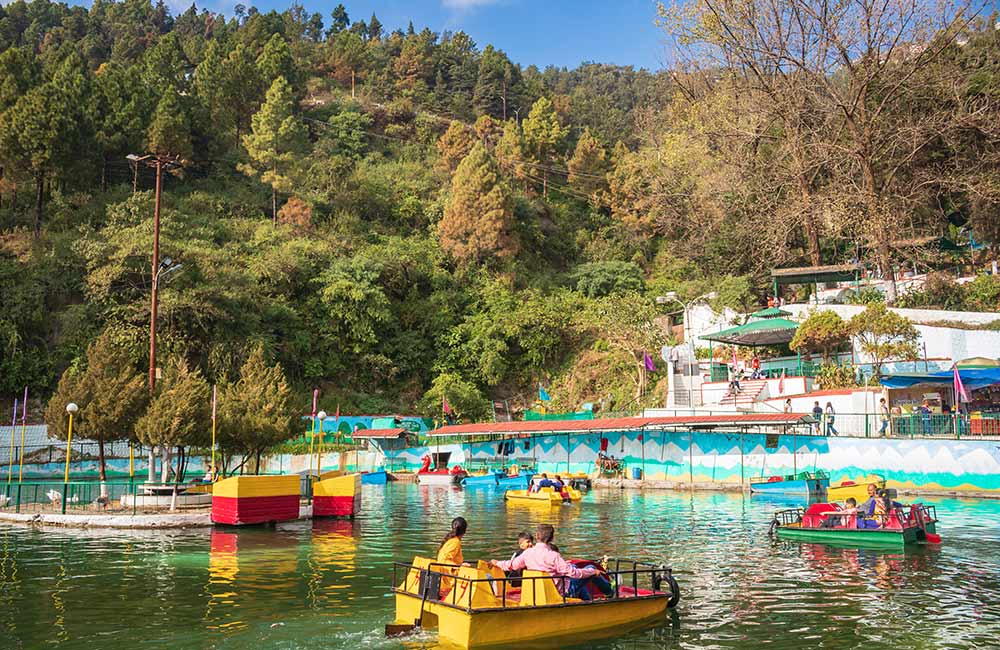
Mussoorie Lake is a popular man-made tourist attraction located about 6 kilometres before the main Mussoorie town on the Dehradun-Mussoorie road. Developed and maintained by the Mussoorie Dehradun Development Authority (MDDA), the lake was created by constructing a barrier on a natural mountain stream. It has become a favourite stop for families and couples because of its scenic location, offering beautiful views of the surrounding green hills and the Doon Valley below. The primary activity here is pedal boating, allowing visitors to enjoy the calm waters of the small lake. The area around the lake is well-developed with a variety of food stalls serving local snacks, souvenir shops, and even adventure activities like zip-lining and a haunted house for children. Especially beautiful during the monsoon and post-monsoon seasons, the lake provides a lively yet relaxing atmosphere for a quick break before reaching the main hill station.
13. Mossy Falls

Mossy Falls is a hidden natural wonder tucked away in a dense forest, located about 7 kilometres from Mussoorie on the Bala Hisar Road. Named after the thick, velvet-like moss that covers the rocky cliffs surrounding the cascading water, this multi-tiered waterfall is one of the most serene and untouched spots in the region. The falls drop from a height of approximately 145 feet, with various smaller drops along the way that create a musical and misty atmosphere. Because it requires a short trek through rugged, downhill terrain to reach, it remains much quieter and less commercialised than other waterfalls like Kempty or Bhatta. It is an ideal destination for early morning visits, offering a peaceful environment for birdwatching, photography, and nature walks under the canopy of towering oak and pine trees.
14. Benog Wildlife Sanctuary
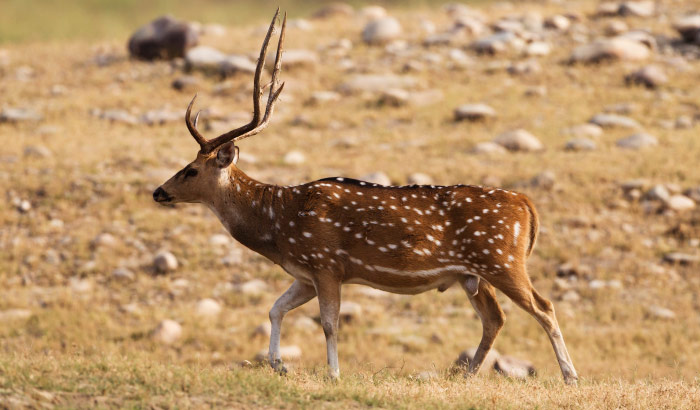
Benog Wildlife Sanctuary, a part of the famous Rajaji National Park, is a beautiful protected area located about 11 kilometres from Mussoorie’s Library Chowk. Established to protect the rare and endangered Mountain Quail, which was last spotted here, the sanctuary is a paradise for birdwatchers and nature enthusiasts. It is densely populated with old cedar (deodar) and pine trees, along with numerous medicinal plants that grow along its winding trails. The sanctuary is also home to various wild animals, including leopards, Himalayan bears, mountain goats (ghoral), and barking deer, though they are often shy and hide in the deep forest. One of the most popular activities here is the trek to Benog Tibba, the highest point in the sanctuary, which offers breathtaking views of the snow-capped Himalayan peaks and the lush Aglar River valley. With its quiet atmosphere and rich biodiversity, it serves as an ideal escape for those looking to experience the raw, wilderness side of the Mussoorie hills.
15. Library Bazaar
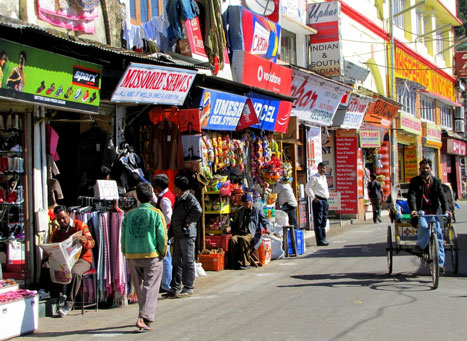
Library Bazaar, also known as Gandhi Chowk, is the vibrant western gateway to Mussoorie’s famous Mall Road and serves as one of the town’s most important landmarks. It gets its name from the iconic Mussoorie Library, a beautiful Victorian-style building established in 1843 that still stands as a testament to the town’s colonial heritage. The bazaar is a bustling hub where traditional charm meets modern convenience, featuring a wide array of shops, wooden-structured cafes, and local eateries. At the center of the square stands a large statue of Mahatma Gandhi, making it a popular meeting point for both locals and tourists. From this vantage point, visitors can enjoy stunning views of the rolling hills and the Doon Valley, especially at night when the valley lights up like a sea of stars. Whether you are looking to shop for authentic Garhwali handicrafts or simply want to soak in the old-world atmosphere of the “Queen of the Hills,” Library Bazaar is an essential stop on any Mussoorie itinerary.
16. Lake Mist

Lake Mist is a scenic and tranquil destination located approximately 5 kilometres before Kempty Falls on the Mussoorie-Kempty Road. Known for its pristine beauty and serene ambiance, the lake is fed by a small, perennial mountain stream that creates a series of charming, miniature cascades as it flows through the emerald-green landscape. The name “Lake Mist” is derived from the ethereal morning and evening mists that often settle over the water’s surface, giving the area a mystical, dreamlike quality. Unlike the more crowded tourist hubs, this spot offers a more private and relaxed experience, featuring well-maintained boating facilities and a collection of riverside restaurants and resorts. Surrounded by towering Himalayan peaks and dense vegetation, it serves as an ideal stopover for travellers seeking a quiet moment of reflection, photography, or a leisurely boat ride amidst the natural splendour of the Garhwal hills.
17. Nag Tibba Trek
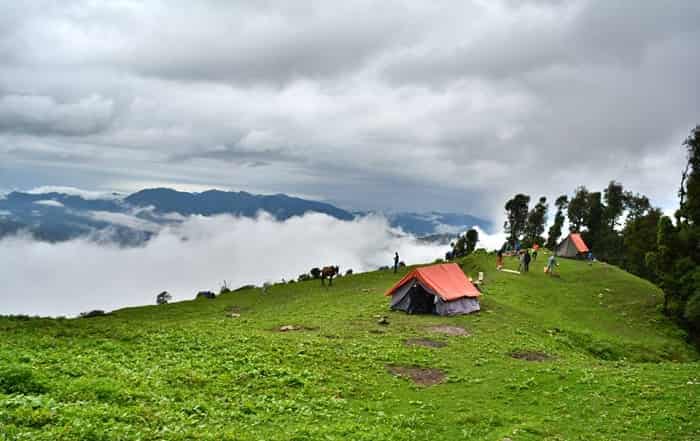
Nag Tibba, also known as the “Serpent’s Peak,” is the highest peak in the lesser Himalayan region of Uttarakhand, standing at an impressive altitude of 9,915 feet. Located near Mussoorie, it is widely considered one of the best weekend treks for beginners and families due to its moderate difficulty and accessible trail. The trek typically begins from the village of Pantwari and takes you through dense forests of oak and rhododendron, opening up into vast Himalayan meadows. At the summit, trekkers are rewarded with a spectacular 180-degree view of snow-capped giants like Swargarohini, Bandarpoonch, Kedarnath, and the Gangotri group of peaks. Along the way, you pass the sacred Nag Devta temple, which is highly revered by local villagers. Because the trail remains accessible almost year-round and often receives heavy snowfall during winter, it is a favourite destination for those looking to experience a Himalayan summit in a short amount of time.
18. Jabarkhet Nature Reserve
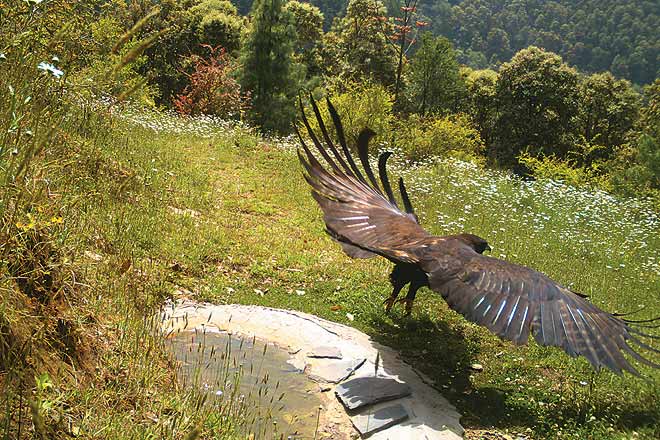
Jabarkhet Nature Reserve is Uttarakhand’s first privately managed forest, located about 15 kilometres from Mussoorie on the road to Dhanaulti. Spanning approximately 100 acres at an altitude of 7,000 feet, this reserve is a unique example of ecological restoration, where a once-degraded forest has been transformed into a thriving wilderness. It features several well-marked nature trails—such as the Rhododendron walk and the Ridge walk—that offer stunning views of the snow-clad Himalayas and the Doon Valley. The reserve is a haven for biodiversity, hosting over 140 species of birds, 300 species of wildflowers, and wildlife including leopards, Himalayan black bears, barking deer, and gorals, often captured on their internal camera traps. Unlike public parks, Jabarkhet focuses on guided eco-tours and conservation, providing a quiet, educational, and immersive experience for hikers and nature lovers who want to explore the mountains away from the typical tourist crowds.
19. Paragliding and Trekking
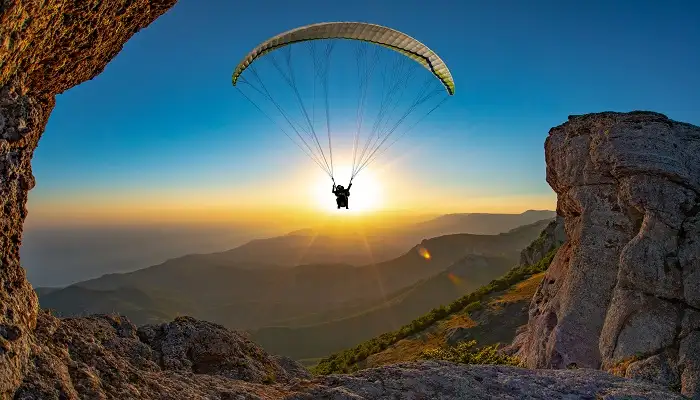
Mussoorie is a premier destination for adventure seekers, offering a thrilling combination of paragliding and trekking that showcases the raw beauty of the Garhwal Himalayas. Paragliding in Mussoorie typically takes off from high-altitude spots like Mussoorie Lake or Bhatta Falls, allowing flyers to soar like birds over the sprawling Doon Valley and lush green terraced fields. These tandem flights, guided by professional pilots, provide an unmatched adrenaline rush and a unique aerial perspective of the “Queen of the Hills.” Complementing this is the region’s vast network of trekking trails, ranging from easy nature walks like the Camel’s Back Road and Cloud’s End to more challenging expeditions like the Nag Tibba or Hathipaon treks. These trails lead adventurers through dense forests of oak and deodar, past hidden waterfalls, and up to mountain ridges that offer 360-degree views of snow-capped peaks. Together, these activities make Mussoorie not just a place for sightseeing, but a vibrant hub for outdoor exploration and high-altitude excitement.
20. Happy Valley, Mussoorie
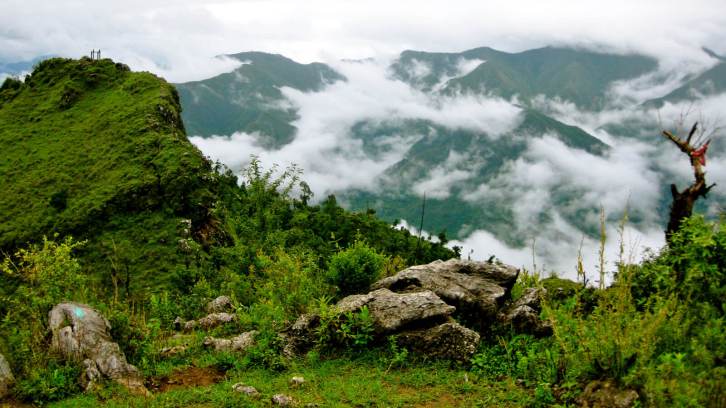
Happy Valley is a culturally rich and peaceful area located about 3 kilometres from the main town of Mussoorie, famously known as the first home of the Dalai Lama in India. After fleeing Tibet in 1959, the spiritual leader and thousands of Tibetan refugees settled here before eventually moving to Dharamshala, earning the area the name “Little Lhasa.” Today, it remains a major centre for the Tibetan community, featuring the stunning Shedup Choephelling Buddhist Temple, which was the first Tibetan monastery built in India. The valley is characterised by its serene atmosphere, colourful prayer flags, and traditional Tibetan architecture, and it houses the Central School for Tibetans, which preserves their unique language and culture. Beyond its spiritual importance, Happy Valley offers beautiful nature walks through thick oak and deodar forests, leading to the scenic Dalai Hills, making it a perfect destination for those seeking both cultural insight and mountain tranquility.
21. Mussoorie Adventure Park
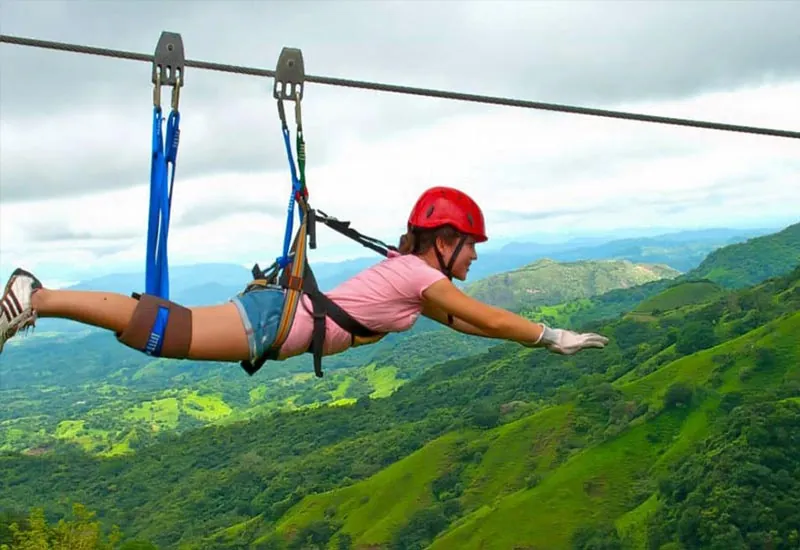
Mussoorie Adventure Park is a thrilling outdoor destination located near Library Chowk at the Snow Adventure Zone, offering a wide range of high-adrenaline activities for adventure enthusiasts. Known as one of the highest adventure parks in India, it provides a variety of heart-racing experiences such as sky-walking, zip-lining, valley crossing, and rappelling, all performed under the guidance of professional instructors with international-standard safety gear. One of its most famous attractions is the Sky Bridge, a long, swinging suspension bridge made of wire ropes and wooden planks that offers spectacular views of the surrounding valleys from a dizzying height. The park also features fun activities like ATVs, paragliding, and rock climbing, making it a perfect spot for families, corporate groups, and solo travellers looking to add a dash of excitement to their mountain holiday. Its location amidst dense forests and rugged mountain terrain ensures that every activity comes with a side of breathtaking Himalayan scenery.
22. White Water Rafting in Mussoorie
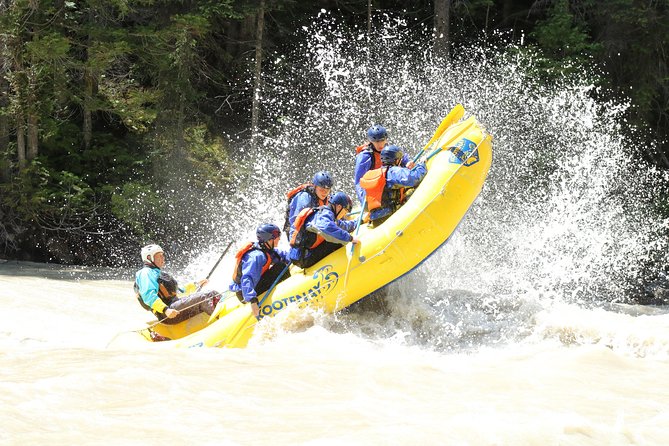
While Mussoorie itself is a hill station, White Water Rafting is a popular adventure activity conducted in the nearby rivers, specifically the Alaknanda, Dhauliganga, and Bhagirathi, which flow through the deep valleys surrounding the town. Most rafting expeditions are organized as day trips from Mussoorie, taking enthusiasts to stretches like the Yamuna River near Nainbagh, which offers thrilling Grade I to Grade III rapids. These excursions provide a perfect blend of adrenaline and natural beauty as you navigate through swirling white water, rocky gorges, and lush forest landscapes. Many professional adventure operators in Mussoorie offer complete packages that include transportation to the river site, high-quality safety gear, and expert guides to ensure a safe experience for both beginners and experienced rafters. This activity has become a must-do for visitors who want to complement the peaceful mountain views of Mussoorie with the high-energy excitement of the Himalayan rivers.
23. Rock Climbing and Rappelling in Mussoorie

Rock Climbing and Rappelling are two of the most popular adventure sports in Mussoorie, taking full advantage of the town’s natural, rugged limestone cliffs and steep mountain faces. Rock Climbing challenges enthusiasts to scale vertical rock walls using their physical strength and specialised equipment, with popular sites like Hathipaon and the Snow Adventure Zone providing various difficulty levels for both beginners and experts. Rappelling, on the other hand, involves the thrilling descent down these same cliffs using a fixed rope and harness, allowing participants to experience the rush of hanging over deep valleys. These activities are conducted under the strict supervision of certified instructors who ensure safety with high-quality helmets, carabiners, and ropes. Often combined with trekking or camping trips, these sports offer not only a great physical workout but also unparalleled views of the Garhwal Himalayas, making them a top choice for those looking to experience the literal “edge” of the mountains.
24. Sir George Everest’s House (Park Estate)
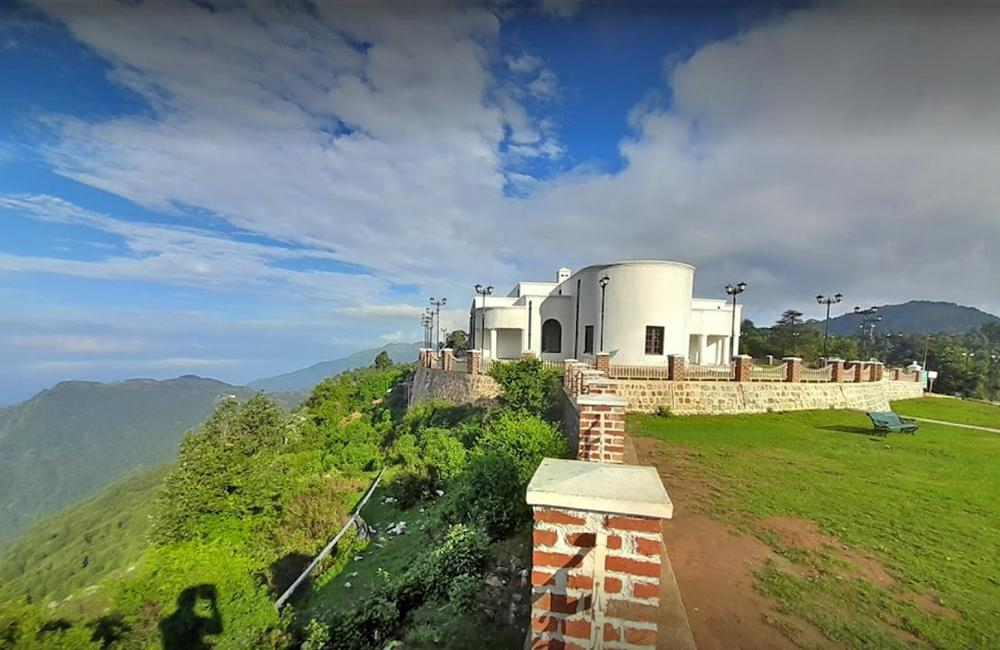
Sir George Everest’s House, also known as Park Estate, is a historic landmark located about 6 kilometres from Mussoorie, perched on a cliff at the edge of a mountain. Built in 1832, it served as the home and laboratory of Sir George Everest, the Welsh geographer and Surveyor General of India, after whom Mount Everest is named. From this strategic location, he conducted significant parts of the Great Trigonometrical Survey of India, using the clear, unobstructed views to measure the Himalayan peaks. Although the house remained in ruins for many years, it has recently been renovated into a museum that showcases his life’s work and colonial-era surveying instruments. The estate is most famous for its spectacular dual views: on one side, you can see the lush greenery of the Doon Valley, and on the other, the majestic, snow-capped peaks of the Aglar River Valley and the Himalayas. Its peaceful atmosphere, historical importance, and breathtaking sunset views make it a top destination for history buffs and nature lovers alike.
25. Soham Heritage & Art Centre
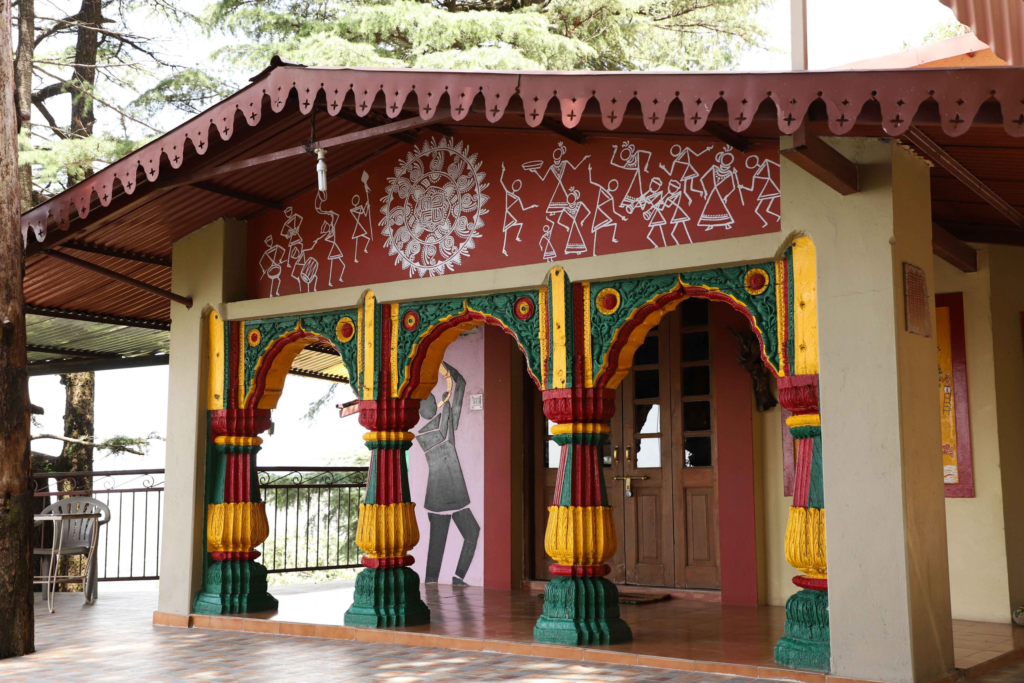
Soham Heritage & Art Centre is a beautiful private museum located near Chamunda Peeth in Mussoorie that showcases the rich culture and history of the Himalayan region. It was created by a local artist and historian to preserve the traditions of Uttarakhand through a vast collection of paintings, sculptures, scrap art, and old photographs. As you walk through the centre, you can see traditional Himalayan jewellery, household tools, and musical instruments that tell stories of how people lived in the mountains many years ago. The centre also has a lovely garden and a small shop where you can buy authentic local handicrafts. It is a very peaceful and educational place, perfect for families who want to learn about the soul of the Himalayas beyond just the scenic views.