

Arunachal Pradesh, often referred to as the “Land of the Rising Sun,” is a beautiful state located in Northeast India. It is renowned for being the place in the country where the sun’s rays first touch the earth. The state is famous for its magnificent landscapes, which include snow-capped Himalayan peaks, lush green valleys, and serene lakes. Home to 26 major tribes and over 100 sub-tribes, each community possesses its own unique language, vibrant traditional attire, and lively festivals such as Losar and Solung. With its rich wildlife, ancient monasteries like Tawang, and friendly people, it serves as an ideal destination for anyone seeking a blend of peace and adventure. Arunachal Pradesh’s economy relies primarily on nature and agriculture, providing employment to approximately 70% of the population.
As it is a hilly state, most families engage in farming—cultivating crops such as rice and ginger—and the region has now emerged as India’s largest producer of kiwis. Another major pillar of the economy is hydropower; owing to the presence of numerous fast-flowing rivers, the state is often dubbed the “Powerhouse of India” and supplies electricity to other regions. Tourism is also an increasingly significant source of revenue, as a growing number of visitors arrive to experience the state’s stunning mountains, monasteries, and wildlife.
The local tribal communities are celebrated for their exceptional hospitality, peace-loving nature, and honesty—qualities that contribute to an exceptionally low crime rate throughout the state. Unlike many bustling urban centers, here you will encounter a respectful and harmonious atmosphere where the locals go to great lengths to assist and welcome their guests.
Most Famous And Attractive Tourist Places In Arunachal Pradesh :
1. Tawang
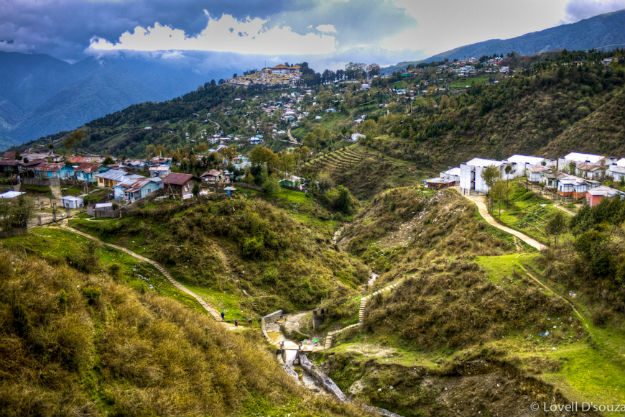
Tawang is a breathtaking mountain town in Arunachal Pradesh, nestled in the Eastern Himalayas at an altitude of about 10,000 feet. It is most famous for the Tawang Monastery, which is the largest Buddhist monastery in India and the second-largest in the world. The name “Tawang” means “Chosen by Horse,” based on a legend where a monk’s horse led him to the perfect spot to build the monastery. This peaceful town is also the birthplace of the 6th Dalai Lama, making it a very sacred place for Buddhists. Visitors love Tawang for its stunning natural beauty, including the high-altitude Sela Pass, crystal-clear lakes like Madhuri Lake, and massive waterfalls like Nuranang Falls. The local Monpa people are known for their warm hospitality, colourful festivals like Losar (New Year), and delicious food like momos and thukpa.
2. Ziro Valley
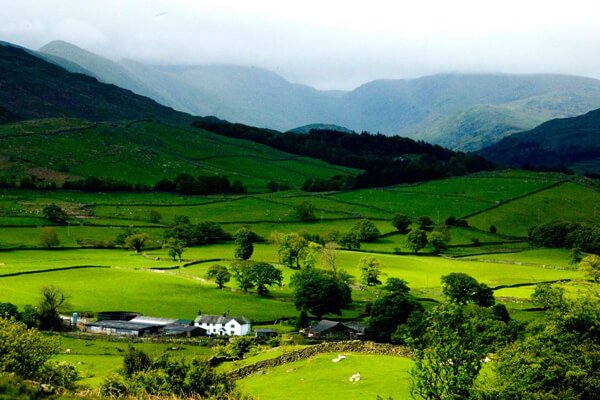
Ziro Valley is a stunningly beautiful highland in Arunachal Pradesh known for its pine-covered hills and unique terraced rice fields. It is the home of the Apatani tribe, who are famous for their sustainable farming methods and their distinct culture, including the traditional nose plugs and facial tattoos worn by elder women. The valley is so unique and well-preserved that it has been shortlisted as a UNESCO World Heritage Site. Every year, the town comes alive with the Ziro Festival of Music, which draws independent artists and music lovers from all over the world to perform in the middle of the lush green fields. The valley offers a peaceful escape for nature lovers and trekkers. You can explore the Talley Valley Wildlife Sanctuary, which is home to rare clouded leopards, or visit the Meghna Cave Temple, an ancient site dedicated to Lord Shiva. One of the most famous landmarks is the Midey—gigantic blue pine trees—and the Ziro Puto hillock, which provides a bird’s-eye view of the entire plateau. Whether you are walking through the local villages to see the traditional bamboo houses or enjoying the cool mountain breeze, Ziro is a place where time seems to slow down.
3. Namdapha National Park
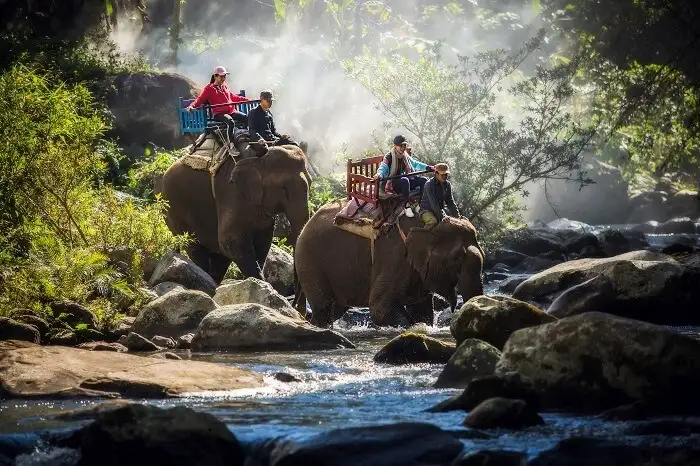
Namdapha National Park is a massive and wild paradise located in the Changlang district of Arunachal Pradesh, near the border with Myanmar. It is the fourth largest national park in India and is famous for being the only place in the world where you can find four types of big cats—the Tiger, Leopard, Clouded Leopard, and Snow Leopard—living in the same forest. The park is a true “biodiversity hotspot,” meaning it is packed with a huge variety of plants and animals, including the rare Hoolock Gibbon (the only ape found in India) and the critically endangered Namdapha flying squirrel. Because the park’s height ranges from low plains to snow-capped mountains, you can see everything from steaming tropical rainforests to cold alpine meadows all in one place.
4. Sela Pass

Sela Pass is a breathtaking high-altitude mountain pass located in Arunachal Pradesh, sitting at an elevation of about 13,700 feet. It serves as the vital gateway that connects the Tawang district to the rest of India. The pass is famous for its stunning natural beauty, especially the Sela Lake (also known as Paradise Lake), which is located right at the top. This lake is considered sacred by Tibetan Buddhists and often remains partially or fully frozen during the winter, creating a magical white landscape. Because of its height, the pass is covered in snow for most of the year, making it a favorite spot for travelers who want to experience the cold Himalayan climate and see dramatic mountain views.
The pass also has a very important historical and strategic significance. It is named after a local woman named Sela, who according to legend, helped an Indian soldier named Jaswant Singh Rawat during the 1962 war. To make travel easier and safer, the government recently opened the Sela Tunnel, which is the world’s longest bi-lane tunnel at this altitude. This tunnel allows people to bypass the dangerous, snow-blocked roads in winter, ensuring that Tawang remains accessible all year round.
5. Tezu
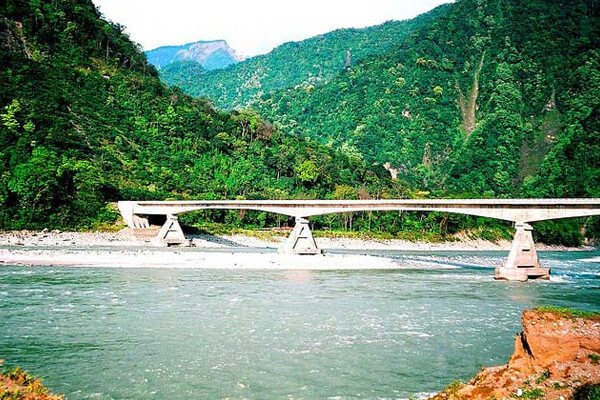
Tezu is a beautiful and serene town located in the Lohit district of Arunachal Pradesh. It is known for its stunning river views and as a major cultural hub for the Mishmi tribe, who have lived in these hills for centuries. The town is most famous for Parsuram Kund, a sacred Hindu pilgrimage site on the Lohit River. Every year in January, thousands of people visit to take a holy dip in the water during the Makar Sankranti festival, believing it washes away sins. Tezu is also home to a significant population of Tibetan settlers, and you can visit the colorful Tibetan Monastery to experience their peaceful culture and beautiful architecture.
The town is surrounded by lush green forests and fruit orchards, especially orange gardens, which make the area look vibrant and fresh. For nature lovers, the nearby Glow Lake offers a peaceful trekking spot with crystal-clear water and mountain views. Tezu is also a great place to learn about tribal life; you can visit local villages to see traditional bamboo houses and watch the Mishmi people celebrate their main festival, Tamladu, with folk dances and prayers. With the opening of the Dr. Bhupen Hazarika Setu (Dhola-Sadiya Bridge) and the Tezu Airport, reaching this hidden gem has become much easier for travelers.
6. Roing
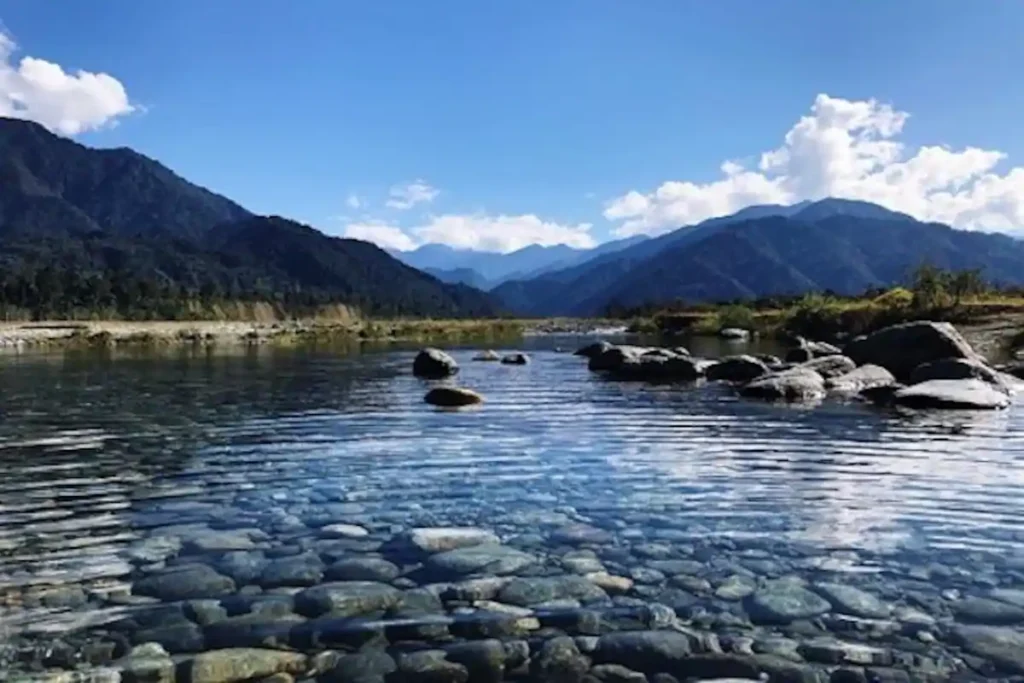
Roing is a picturesque town in the Lower Dibang Valley of Arunachal Pradesh, known for its incredible balance of ancient history and raw natural beauty. It is a place where the mountains meet the plains, creating a landscape filled with sparkling rivers, deep valleys, and lush green forests. The town is primarily inhabited by the Adi and Idu Mishmi tribes, and visitors can experience their rich culture during the Reh Festival in February. For history enthusiasts, Roing is home to the Bhismaknagar Fort, an 8th-century archaeological site made of burnt bricks that tells the story of an ancient kingdom. Nature lovers are drawn to Roing for its breathtaking spots like Mayodia Pass, which sits at 8,700 feet and is famous for being covered in thick snow during the winter. Another major attraction is the Mehao Lake, a high-altitude “clear water” lake surrounded by a wildlife sanctuary that houses rare animals like the red panda. The town also features the Sally Lake, a beautiful resort area perfect for boating and picnics. With the completion of the Dhola-Sadiya Bridge, Roing has become much easier to access, making it a favorite destination for those looking to explore the offbeat beauty of the eastern Himalayas.
7. Bomdila
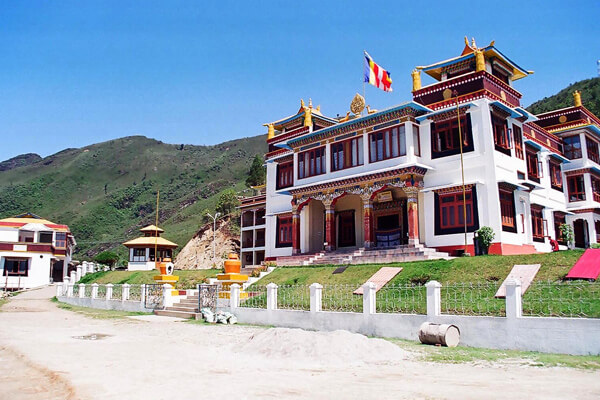
Bomdila is a picturesque town and the headquarters of the West Kameng district in Arunachal Pradesh, perched at an altitude of about 8,000 feet. It is often used as a popular stopover for travellers heading to Tawang, but it is a beautiful destination in its own right, offering spectacular views of the snow-capped Himalayan peaks, including the mighty Kangto and Gorichen ranges. The town is deeply rooted in Buddhist culture and is home to three major monasteries—the Upper, Middle, and Lower Gompas—where visitors can witness the peaceful lifestyle of the monks and admire intricate Tibetan architecture. The Bomdila Monastery (Upper Gompa) is particularly famous for its large prayer hall and beautiful murals. Beyond its spiritual side, Bomdila is known for its lush apple orchards, which are a sight to behold when the fruit is in full bloom. For nature lovers and trekkers, the town offers several scenic trails and a viewpoint that provides a bird’s-eye view of the entire valley and the winding roads below. The local markets are a great place to buy traditional Monpa crafts, hand-woven carpets, and colourful masks. With its cool, pleasant climate during the summer and snowy landscapes in the winter, Bomdila serves as a perfect mountain getaway that blends tribal heritage with serene natural beauty.
8. Dirang
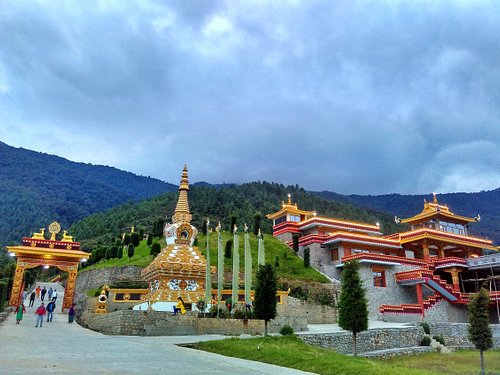
Dirang is a hidden gem in the West Kameng district of Arunachal Pradesh, located in a valley between Bomdila and Tawang. Sitting at a lower altitude than its neighbours, it enjoys a very pleasant climate, making it a perfect spot for kiwi and apple orchards. The town is famous for its Hot Water Springs, which are rich in sulphur and believed to have medicinal properties for curing skin ailments. One of the most historical parts of the town is the Dirang Dzong (a 17th-century fort), where you can see ancient stone houses that are still inhabited, showcasing unique tribal architecture that has survived for hundreds of years.
The valley is also a paradise for birdwatchers and nature lovers. You can visit the Sangti Valley, located just a few kilometres away, which is the winter home of the rare Black-necked Cranes that fly in from Tibet. Another must-visit is the National Research Centre on Yak, where you can learn about these high-altitude animals and even try local yak products. Whether you are walking through the peaceful Thupsung Dhargye Ling Monastery or exploring the sheep breeding farms, Dirang offers a calm and scenic experience of the Himalayan foothills.
9. Pasighat
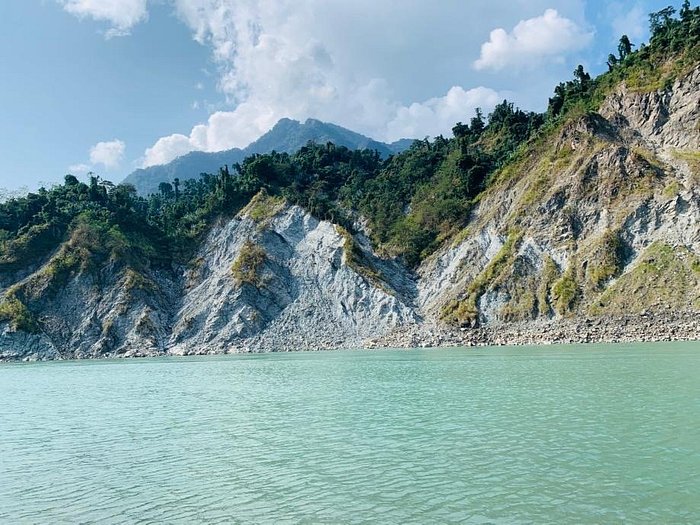
Pasighat, established in 1911, is the oldest town in Arunachal Pradesh and is often called the “Gateway to Arunachal.” It is located on the banks of the mighty Siang River (which later becomes the Brahmaputra in Assam) and serves as the headquarters of the East Siang district. The town is the heart of the Adi tribe, who are known for their vibrant festivals like Solung and their unique bamboo architecture. Pasighat is famous for its breathtaking scenery, where the river meets the lush plains, creating perfect spots for river rafting, angling, and boating.
The town offers a mix of nature and history, with the Daying Ering Wildlife Sanctuary being a major highlight; it is a riverine island park reachable only by boat and is home to migratory birds and wild buffaloes. Another popular spot is Pangin, where the blue waters of the Siyom River meet the green Siang River, creating a beautiful natural sight. With the development of the Pasighat Airport and better road connectivity, it has become a popular base for travelers looking to explore the wilder, eastern parts of the state.
10. Itanagar
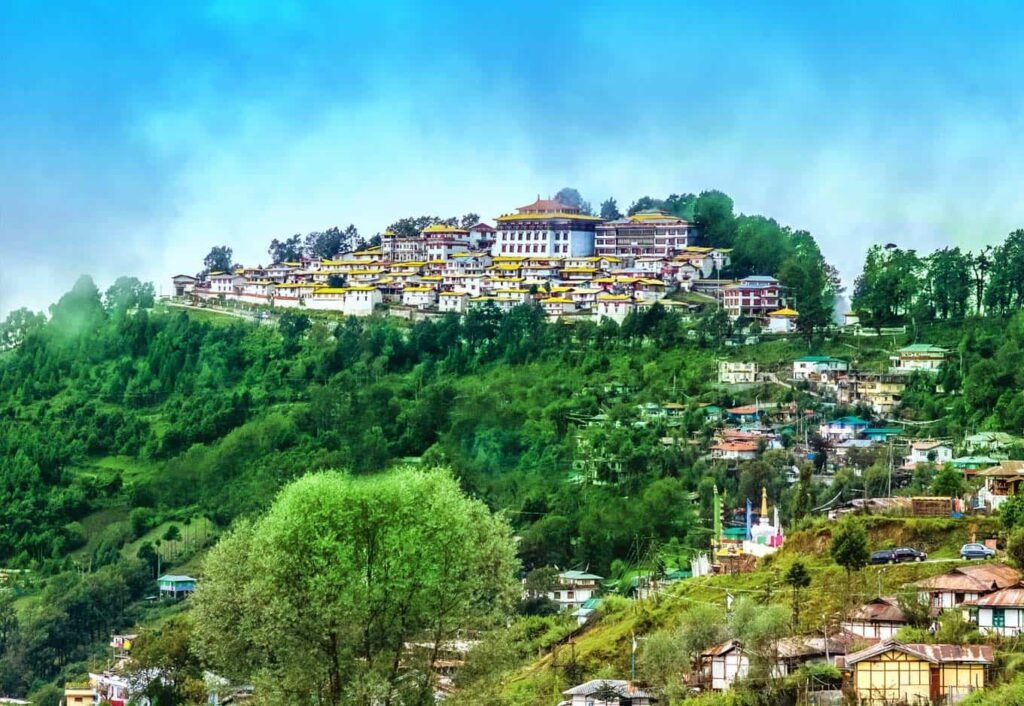
Itanagar is the capital city of Arunachal Pradesh and serves as the administrative and cultural hub of the state. Nestled at the foothills of the Himalayas, it offers a blend of modern city life and ancient tribal heritage. The city is named after the historic Ita Fort (Fort of Bricks), a 14th-century structure built with thousands of bricks that showcases the architectural skill of the early settlers. Itanagar is primarily home to the Nyishi tribe, and visitors can experience their rich traditions, unique headgear, and vibrant festivals like Nyokum, which is celebrated with great energy in February.
The city is also known for its natural beauty and peaceful landmarks. Gekar Sinyi (Ganga Lake) is a popular spot, surrounded by lush green forests and primeval ferns, perfect for boating and picnics. For those interested in history and spirituality, the Jawaharlal Nehru State Museum provides a deep dive into tribal life, while the Gompa Buddha Vihar offers a serene atmosphere with a golden statue of Buddha and panoramic views of the city. With its pleasant weather and role as a gateway to the rest of the state, Itanagar is the perfect starting point for any Arunachal adventure.
11. Nuranang Falls

Nuranang Falls, also known as Jong Falls, is one of the most spectacular waterfalls in India, located in the Tawang district of Arunachal Pradesh. Plummeting from a height of about 100 metres, the falls are fed by the snow-melt waters from the Sela Pass and eventually flow into the Tawang River. This powerful waterfall gained national fame after being featured in the Bollywood movie Koyla, leading many locals to affectionately call it the Madhuri Falls. Unlike many other famous waterfalls, Nuranang is unique because it is also used to generate electricity for the nearby villages through a small hydel power plant located at its base, which visitors can see from a distance.
The experience of visiting Nuranang is truly immersive; you can walk right up to the base of the falls, where the sheer force of the water creates a constant, refreshing mist and a thunderous roar that echoes through the lush green valley. It is located about 30 km before reaching Tawang town, making it a perfect and mandatory stop for travellers. The surrounding area is incredibly scenic, with thick forests and rocky cliffs that provide a dramatic backdrop for photography.
12. Bhalukpong
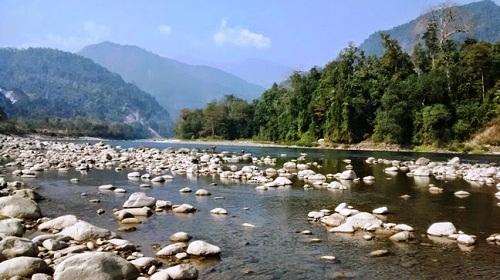
Bhalukpong is a beautiful town located on the border of Assam and Arunachal Pradesh, sitting along the banks of the sparkling Kameng River. It serves as a major entry point for travelers heading toward the popular mountain destinations of Bomdila and Tawang. The town is a paradise for adventure seekers and nature lovers, offering thrilling activities like river rafting, angling, and hiking through its dense green forests. The riverside is perfect for camping and picnics, where you can enjoy the view of the blue water against the backdrop of the Himalayan foothills.
One of the most famous attractions near Bhalukpong is the Pakhui (Pakke) Wildlife Sanctuary, which is home to tigers, elephants, and several species of the colourful Hornbill bird. If you enjoy flowers, the Tipi Orchid Research Centre is just a few kilometres away, featuring over 500 species of exotic orchids in a massive glass house. Historically, the town is also interesting as it contains the ruins of an ancient fort believed to have been built by King Bhaluka, the grandson of King Banasura. With its cool breeze and scenic landscape, Bhalukpong is the perfect place to transition from the plains of Assam to the high mountains of Arunachal.
13. Sangti
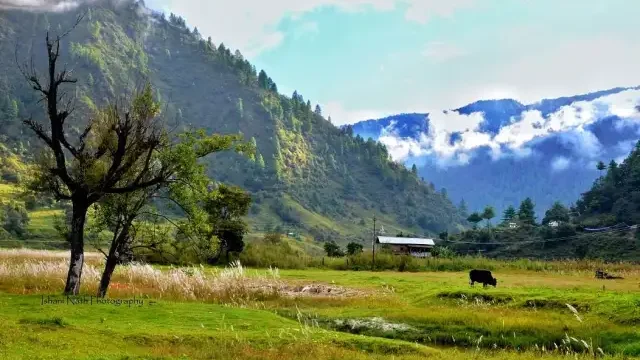
Sangti Valley is a hidden, postcard-perfect valley located about 15 km from Dirang in Arunachal Pradesh. Surrounded by the towering peaks of the Eastern Himalayas, it is often described as a “piece of heaven” due to its serene landscape of rolling green meadows, sparkling rivers, and fruit orchards. The valley is most famous as the winter home of the rare and majestic Black-necked Cranes, which migrate here from the high-altitude Tibetan Plateau between November and February. Unlike busier tourist spots, Sangti remains peaceful and untouched, making it an ideal destination for those looking to experience raw nature, riverside camping, and the simple lifestyle of the local Monpa tribe.
The valley is also a major hub for high-altitude farming; as you walk through the area, you will see vast plantations of apples, oranges, kiwis, and apricots. The Sangti River flows gently through the center of the valley, providing a perfect spot for photography or a quiet afternoon by the water. Because there are no large hotels, visitors usually stay in homestays or tents, which allows for a deep connection with the local culture and environment. Whether you are a birdwatcher, a photographer, or someone seeking solitude, Sangti Valley offers a quiet beauty that is hard to find anywhere else.
14. Bumla Pass
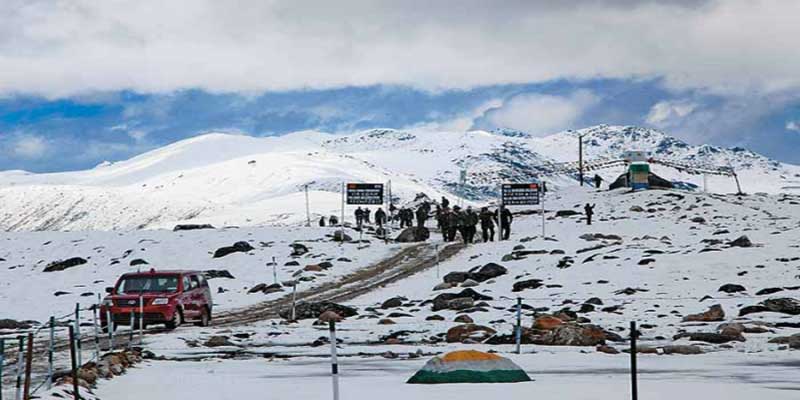
Bum La Pass is a very famous and exciting mountain pass located high up in the Himalayas of Arunachal Pradesh, about 37 km from the town of Tawang. It sits at an incredible height of 15,200 feet, which means it is covered in thick, white snow almost all year round. The pass is very important because it is the border between India and China. Historically, it is known as the path that the Dalai Lama used to enter India many years ago. When you visit, you can see the Line of Actual Control (LAC) and watch Indian soldiers guarding the border with great pride. It is a place that makes every visitor feel very patriotic while enjoying the freezing cold and stunning mountain views. Because the pass is right on the international border, the air is very thin and it can be hard to breathe, so travelers usually rest in Tawang for a day to get used to the height. To visit Bum La, you need a special permit from the government office in Tawang, and you must travel in a local SUV because the roads are very rocky and steep. Along the way, you will pass beautiful frozen lakes and high mountain peaks, making it one of the most adventurous road trips in India.
15. Anini
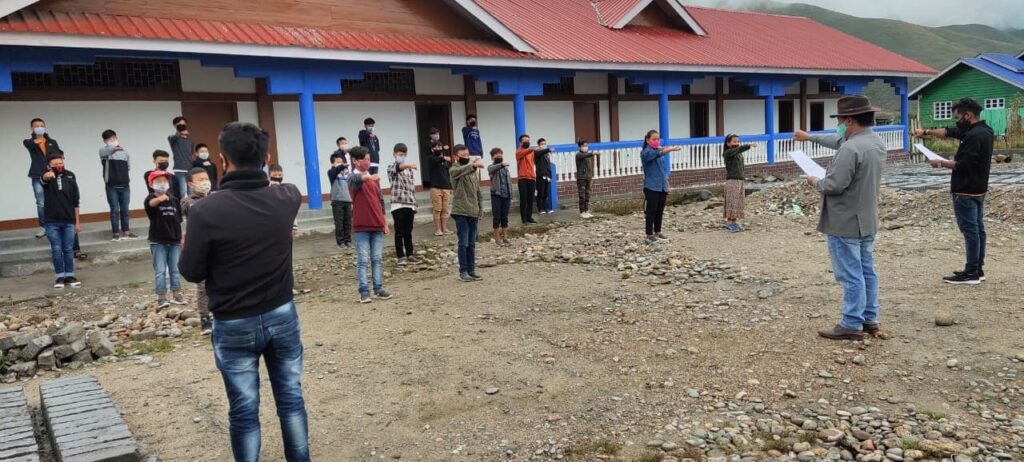
Anini is the remote and mystical headquarters of the Upper Dibang Valley district, often described as the “most untouched” destination in Arunachal Pradesh. Perched on a high plateau between two tributaries of the Dibang River, it is a land of clouds, deep emerald valleys, and pristine pine forests. It is the home of the Idu Mishmi tribe, whose unique culture and spiritual connection to nature define the region. For a long time, Anini was difficult to reach, but improved roads have now turned it into a dream destination for offbeat travellers seeking “raw” beauty. It serves as the gateway to the Dibang Wildlife Sanctuary, where rare animals like the Mishmi Takin, red pandas, and even mysterious high-altitude tigers are found.
The real charm of Anini lies in its surrounding valleys like Dri, Mathun, and Talon, which offer some of the most spectacular trekking and camping experiences in India. Places like the Seven Lakes Trek, starting from near Anini, take adventurers through alpine meadows and crystal-clear high-altitude lakes that few people have ever seen. Because there are no big crowds or luxury hotels, staying here usually means living in traditional homestays, where you can sit by a fire and learn about local folklore. With its dramatic landscapes that look like the Swiss Alps, Anini is perfect for those who want to disconnect from the modern world and explore the last frontiers of the Himalayas.
16. Pakhui Wildlife Sanctuary
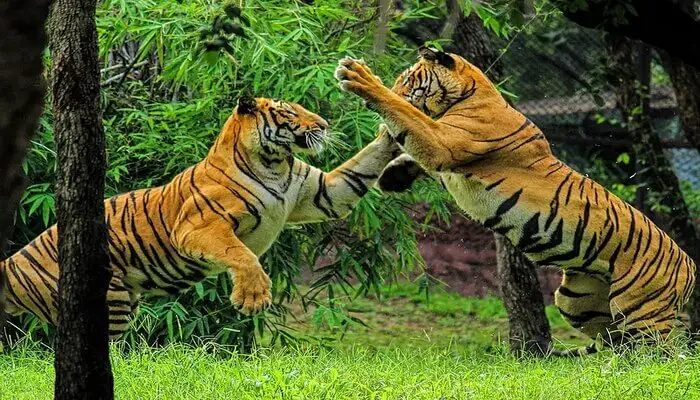
Pakhui Wildlife Sanctuary, officially known as the Pakke Tiger Reserve, is a 862 sq km protected area in the East Kameng district of Arunachal Pradesh. Located at the foothills of the Eastern Himalayas, it is bounded by the Kameng River to the west and the Pakke River to the east. The sanctuary is internationally famous for its exceptional hornbill conservation, being home to four distinct species: the Great Hornbill, Wreathed Hornbill, Oriental Pied Hornbill, and the endangered Rufous-necked Hornbill. It is also a critical habitat for large predators like Bengal tigers, leopards, and clouded leopards, as well as herds of Asian elephants. Visitors can explore the dense semi-evergreen forests through jeep safaris, birdwatching tours, and nature walks, often guided by members of the local Nyishi tribe who have transitioned from traditional hunters to dedicated forest protectors.
17. Madhuri Lake
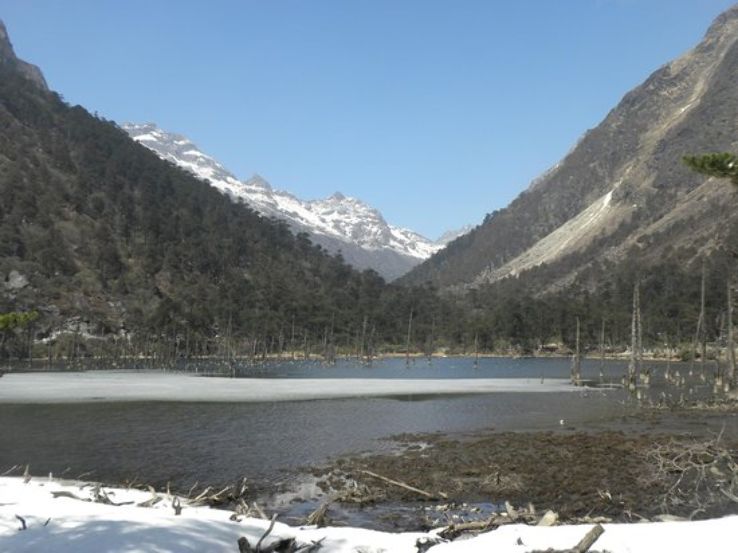
Madhuri Lake, officially known as Sangetsar Tso, is a spectacular high-altitude lake situated in the Tawang district of Arunachal Pradesh at an elevation of approximately 12,165 feet (3,708 metres). This geological marvel was created after a massive earthquake in 1950 (or 1971, according to some records) caused landslides that blocked local streams and submerged a pine forest, leaving behind a hauntingly beautiful scene of dead tree trunks rising directly from the water. Originally a grazing ground for the Shok-Tsen village, the lake was nicknamed “Madhuri Lake” after Bollywood actress Madhuri Dixit filmed a song sequence for the 1997 movie Koyla there, which transformed it into a major tourist attraction. Today, it is revered as a sacred site by both Indian and Tibetan Buddhists and is a highlight for visitors traveling towards the Bum La Pass. The area is managed by the Indian Army, which maintains a popular cafeteria on-site where travelers can enjoy hot beverages and snacks amidst the serene, often snow-capped Himalayan peaks.
18. Mechuka Valley
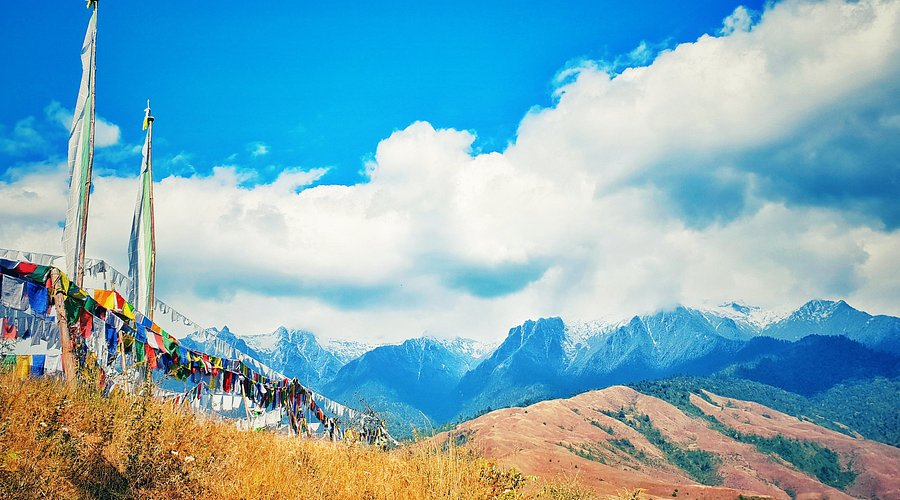
Mechuka Valley, often called the “Hidden Switzerland of Arunachal Pradesh”, is a high-altitude paradise in the Shi-Yomi district, situated at about 6,000 feet. The name Men-chu-kha translates to “medicinal water of snow”, referring to the glacial streams like the Siyom River (Yargyap Chu) that are believed to have healing properties. This remote valley remained cut off from motorable roads until 2005, which helped preserve its raw beauty and authentic culture of the Memba, Adi, and Tagin tribes. Its landscape is characterized by rolling green meadows where wild horses roam, pine-covered hills, and traditional wooden houses. Significant landmarks include the 400-year-old Samten Yongcha Monastery, which predates the famous Tawang Monastery, and a historic Gurudwara at Taposthan, where Guru Nanak Dev Ji is believed to have meditated. Visitors can explore scenic villages like Dorjeeling, cross thrilling hanging bamboo bridges, and experience vibrant festivals like Losar (Tibetan New Year) or the Mechuka Adventure Festival in November.
19. Dong Valley
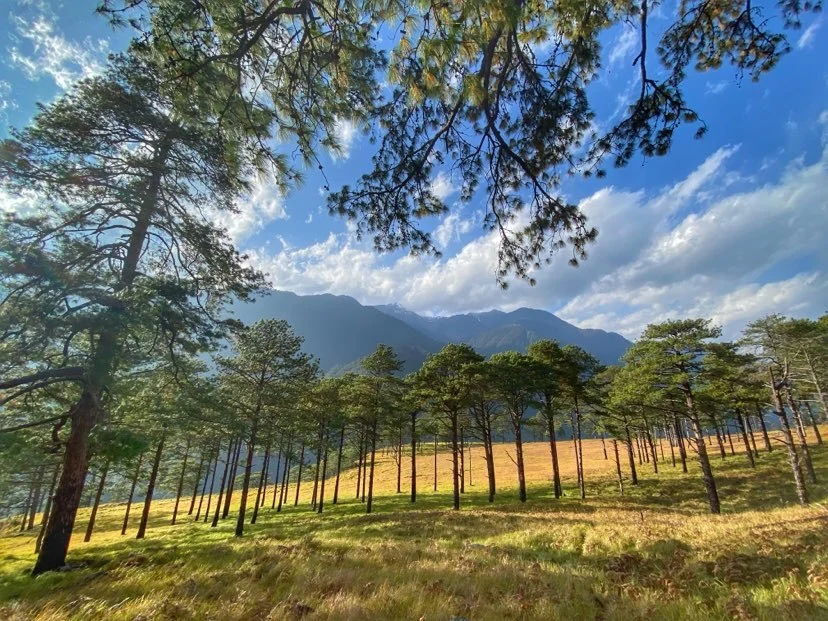
Dong Valley, located in the Anjaw district of Arunachal Pradesh, is famously known as the place that receives the first sunrise in India. Situated at an altitude of approximately 1,240 metres near the tri-junction of India, China, and Myanmar, this remote valley is one of the easternmost inhabited places in the country. To witness the dawn, travelers typically start a 3 km steep trek from Walong as early as 3:00 AM to reach the sunrise viewpoint by 4:30 AM, when the first rays of the sun paint the snow-capped Himalayan peaks in golden hues. The valley is characterized by its untouched natural beauty, featuring the confluence of the Lohit and Sati rivers, dense pine forests, and a unique culture preserved by the local Meyor and Mishmi tribes.
20. Shergaon
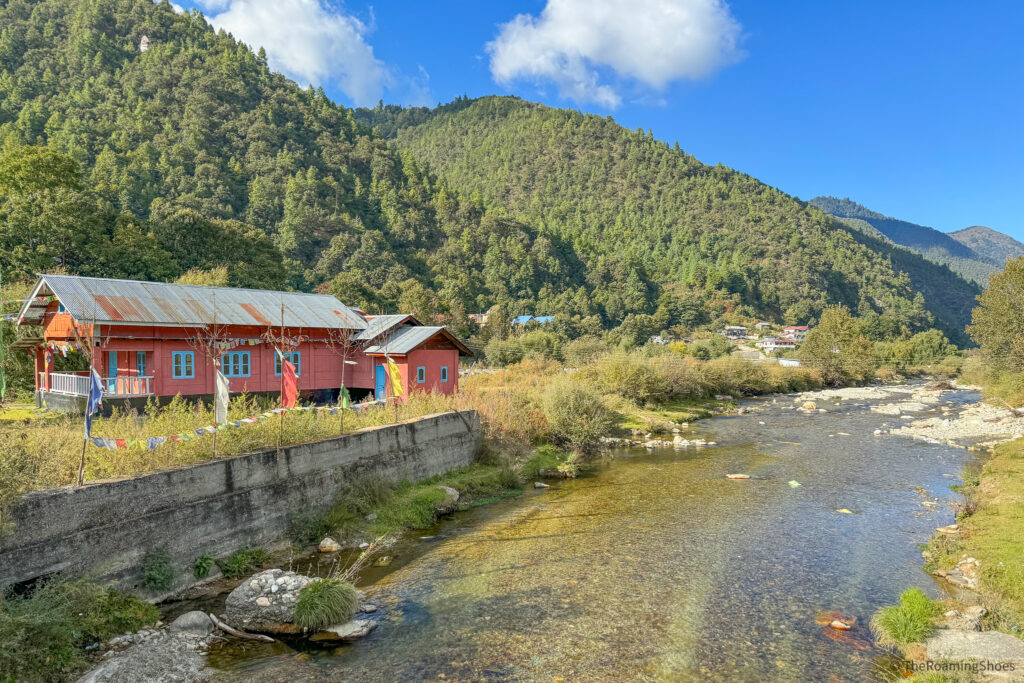
Shergaon, nestled in the West Kameng district at an altitude of about 6,000–7,000 feet, is a serene Himalayan village celebrated as one of India’s best tourism villages. It is the ancestral home of the Sherdukpen tribe, a community known for its unique blend of Mahayana Buddhism and animistic traditions. The valley is famous for its flourishing apple, kiwi, and persimmon orchards, earning it the nickname “Apple Bowl of Arunachal Pradesh”. Visitors can explore the 400-year-old Zengbu Gompa, a hilltop monastery offering meditative vibes, or visit the newer Buddha Heritage Park with its giant golden statue overlooking the valley. Nature enthusiasts often trek to the Choskorong Waterfall, a hidden silver ribbon in the forest, or use the village as a base for birdwatching in the nearby Eaglenest Wildlife Sanctuary.