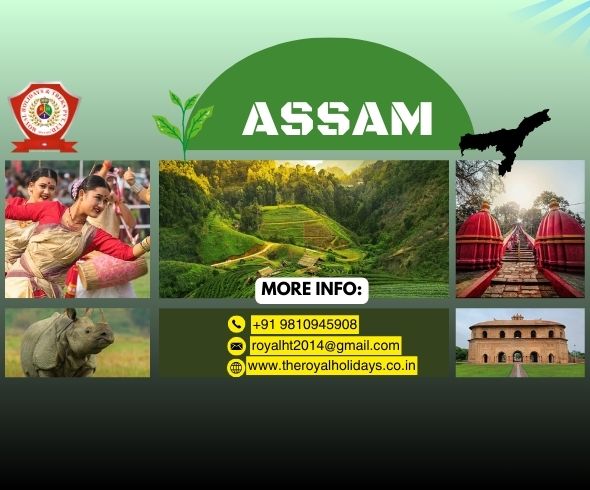
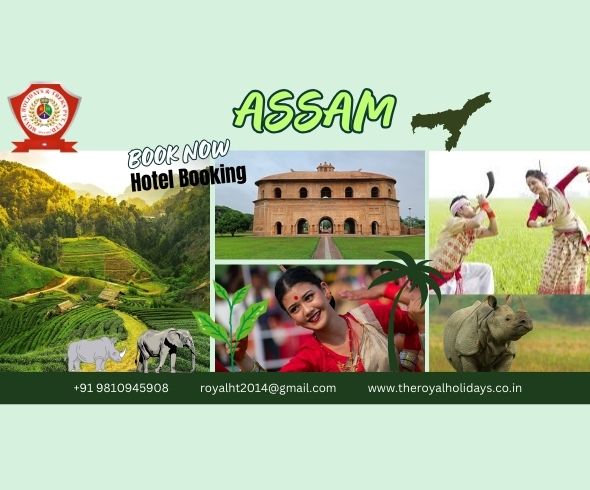
Assam is a beautiful state in Northeast India, widely regarded as the gateway to the region. It has been shaped by the mighty Brahmaputra River, which flows through its lush green plains, and is bordered by hills as well as international boundaries shared with Bhutan and Bangladesh. Assam is world-renowned for its high-quality tea gardens and the rare golden Muga silk, which is found exclusively in this region. It is a paradise for nature lovers, home to the one-horned rhinoceros found in the Kaziranga National Park—a UNESCO World Heritage Site. The people of Assam celebrate life through the vibrant Bihu festival and enjoy a unique culinary tradition featuring rice, fish, and a variety of traditional delicacies. With ancient temples such as the Kamakhya Temple and Majuli—the world’s largest river island—Assam is a land brimming with history, culture, and natural wonders.
Assam’s economy is robust and rapidly growing, anchored by its rich natural resources and traditional industries. It is considered the backbone of India’s tea industry, producing approximately 50% of the country’s tea output and about 15% of the global supply. This sector alone provides employment to millions of people and serves as a major source of export revenue. The state is also a leader in the oil and gas sector; it houses the world’s oldest operational oil refinery in Digboi, along with several other major refineries that contribute significantly to India’s energy requirements. Furthermore, agriculture remains the primary source of livelihood for nearly 70% of the population, with farmers cultivating essential crops such as rice, jute, and various fruits.
In recent years, tourism has emerged as a key growth sector, and the government aims to nearly double its contribution to the economy by promoting eco-tourism and river cruises. Overall, Assam is a very safe and welcoming destination for tourists. Although the state faced security-related challenges in the past, life here is normal today, and it has become a popular destination for both domestic and international travelers.
Most Famous And Attractive Tourist Places In Assam :
1. Kaziranga National Park
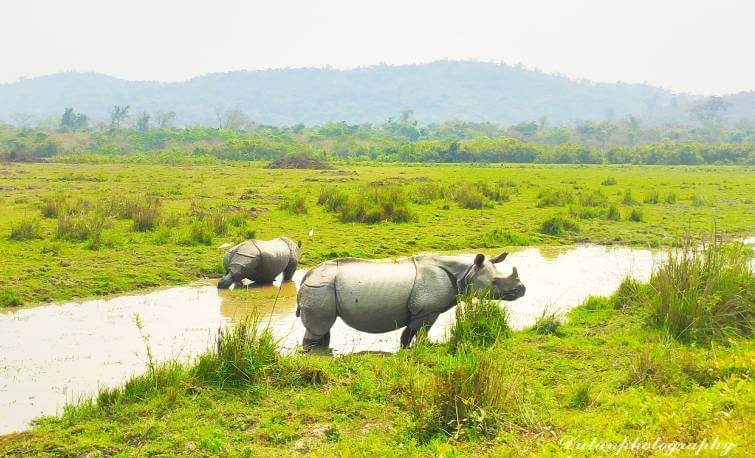
Kaziranga National Park, a UNESCO World Heritage Site since 1985, is a global icon of conservation located in the floodplains of the Brahmaputra River in Assam. Spanning over 430 square kilometres, it is most famous for housing two-thirds of the world’s population of the endangered greater one-horned rhinoceros. The park is also a designated Tiger Reserve, boasting one of the highest densities of Bengal tigers globally, and serves as a vital breeding ground for the “Big Five”: rhinos, tigers, Asian elephants, wild water buffaloes, and swamp deer. Its unique landscape is a mosaic of tall elephant grass, marshlands, and dense tropical forests, which are rejuvenated annually by the Brahmaputra floods that deposit nutrient-rich silt and maintain the wetland ecosystem. Recognized as an Important Bird Area, it hosts over 450 species of resident and migratory birds, including rare species like the Bengal florican and various storks.
2. Majuli
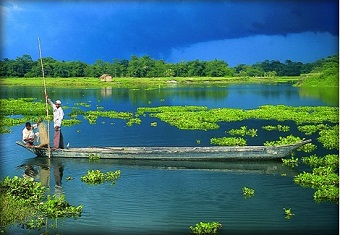
Majuli, recognized by Guinness World Records as the world’s largest river island, is a breathtaking cultural and spiritual landscape nestled in the Brahmaputra River of Assam. Spanning approximately 352 to 421 square kilometres, it was officially declared India’s first island district in 2016. Often referred to as the “Cultural Capital of Assam,” Majuli has been the cradle of the Neo-Vaishnavite movement since the 16th century, initiated by the revered saint-reformer Srimanta Sankardeva. The island is dotted with Satras (monasteries), such as Auniati and Kamalabari, which serve as centres for spiritual learning and traditional performing arts like Sattriya dance and Bhaona theatre. It is also world-renowned for its unique mask-making tradition at the Samaguri Satra, where artisans craft intricate masks from bamboo and clay—an art form that recently received a GI tag in 2024. Inhabited primarily by the Mising, Deori, and Sonowal Kachari tribes, the island offers a glimpse into a serene, rural way of life characterized by bamboo stilt houses and vibrant handloom weaving. However, this unique geo-heritage faces a critical threat from severe riverbank erosion, which has significantly reduced its landmass over the decades.
3. Guwahati
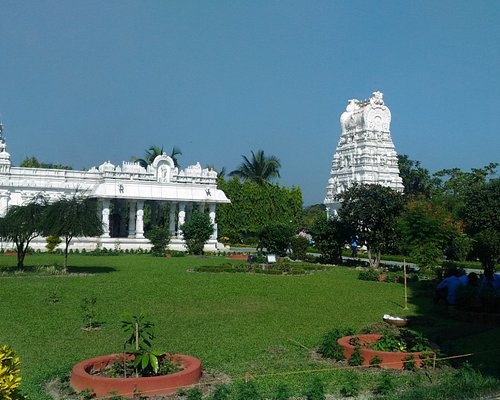
Guwahati, often hailed as the “Gateway to Northeast India,” is the largest metropolis in the region and a vibrant blend of ancient history and rapid modern development. Situated on the south bank of the mighty Brahmaputra River and flanked by the foothills of the Shillong Plateau, the city was historically known as Pragjyotishpura (the “City of Eastern Light”) and served as the capital of the ancient Kamarupa Kingdom. Today, it is famously known as the “City of Temples,” anchored by the revered Maa Kamakhya Temple atop Nilachal Hill—one of the 51 Shakti Peethas—and the Umananda Temple, which sits on the world’s smallest inhabited river island. Beyond its spiritual significance, Guwahati is a major commercial and educational hub, housing the Guwahati Tea Auction Centre (one of the world’s largest) and premier institutions like IIT Guwahati. The city offers diverse experiences, from sunset cruises and the India’s longest river ropeway across the Brahmaputra to bustling markets like Fancy Bazaar and the tranquil Deepor Beel bird sanctuary. Despite its urbanization, Guwahati remains a gateway to the region’s wilderness, with the Pobitora Wildlife Sanctuary nearby offering some of the highest densities of one-horned rhinoceroses in the world.
4. Manas National Park
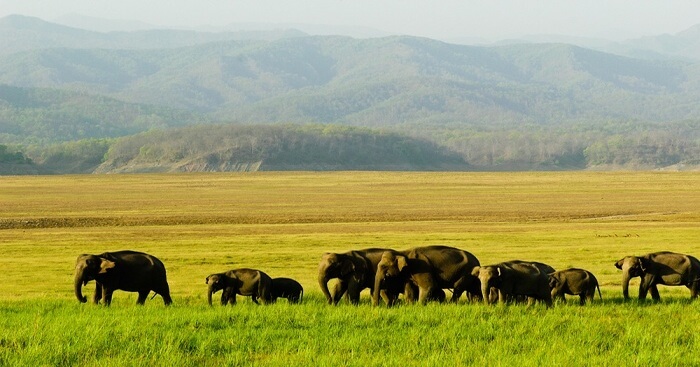
Manas National Park, a UNESCO World Heritage Site since 1985, is a sprawling biodiversity hotspot located in the Himalayan foothills of Assam. Bordering the Royal Manas National Park in Bhutan, it holds a unique distinction as a Project Tiger Reserve, an Elephant Reserve, and a Biosphere Reserve. The park is named after the Manas River, which flows through its heart and serves as a vital lifeline for its diverse ecosystems, ranging from alluvial grasslands and tropical forests to wooded hills. It is globally renowned for harboring rare and endangered endemic wildlife that are often not found elsewhere, including the pygmy hog (the world’s smallest pig), the hispid hare, and the striking golden langur. Additionally, it is a stronghold for the “Big Five” of the region: tigers, elephants, one-horned rhinoceroses , wild water buffaloes, and swamp deer. An Important Bird Area, the park hosts over 450 avian species, including the largest known population of the endangered Bengal florican. Visitors can explore its three main tourism zones—Bansbari (Central), Panbari (Western), and Bhuiapara (Eastern)—through jeep and elephant safaris, with river rafting on the Manas River offering a unique perspective of its spectacular riverine landscapes.
5. Dibrugarh
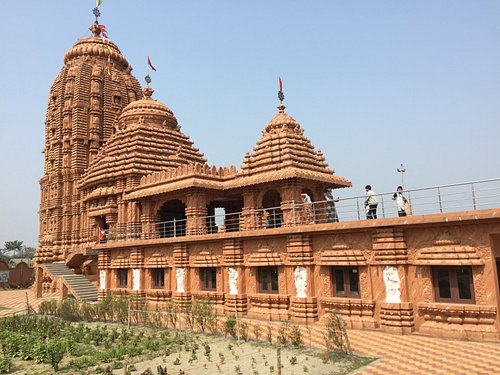
Dibrugarh, famously known as the “Tea City of India,” is a prominent industrial city and the headquarters of the Dibrugarh district in Upper Assam. Situated on the southern banks of the Brahmaputra River, it was officially designated as the second capital of Assam in March 2024. Historically, the city has been a vital hub for trade since the British era, though it faced massive geographical changes after the devastating 1950 earthquake, which altered the river’s course and submerged parts of the original town. Today, it stands as a major economic center driven by the tea, oil, and gas industries, surrounded by sprawling estates that produce world-renowned Assam tea.
Beyond its industrial importance, Dibrugarh is a critical educational and healthcare destination, housing the Assam Medical College—the first of its kind in Northeast India—and Dibrugarh University. Its strategic location makes it a gateway to eastern Assam and parts of Arunachal Pradesh, well-connected by the Mohanbari Airport and the Bogibeel Bridge, India’s longest rail-cum-road bridge. For those interested in nature and heritage, the city offers access to the Dibru-Saikhowa National Park, the Jeypore Rainforest, and several historic temples.
6. Jorhat
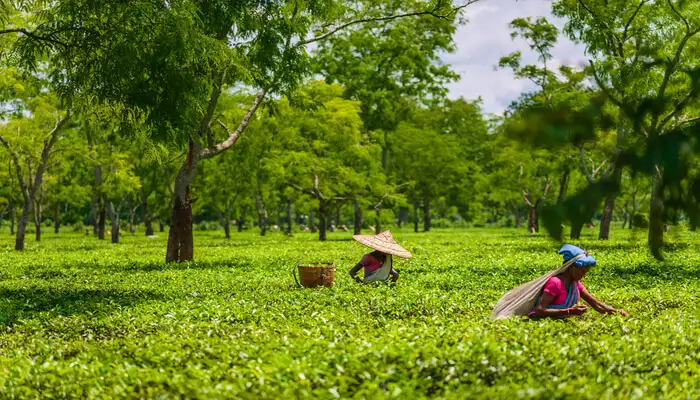
Jorhat, widely celebrated as the “Tea Capital of the World,” is a historic city in Upper Assam that served as the last capital of the Ahom Kingdom before the British era. The city’s name is derived from two medieval markets, “Macharhat” and “Chowkihat,” which existed on the banks of the Bhogdoi River. It is a premier destination for tea tourism, boasting over 135 lush tea gardens and the Tocklai Tea Research Institute, which is one of the oldest and largest tea research stations globally. Beyond its commercial importance, Jorhat is a cultural and educational hub, often referred to as the “Knowledge City of Assam” due to its high literacy rate and numerous research institutions. For nature and history enthusiasts, the city offers unique attractions like the Hoollongapar Gibbon Sanctuary, which shelters India’s only ape species (the Hoolock Gibbon), and the Raja Maidam, the final resting place of Ahom King Purandar Singha. Its strategic location also makes it the primary gateway for travelers taking the ferry to Majuli, the world’s largest river island.
7. Hajo
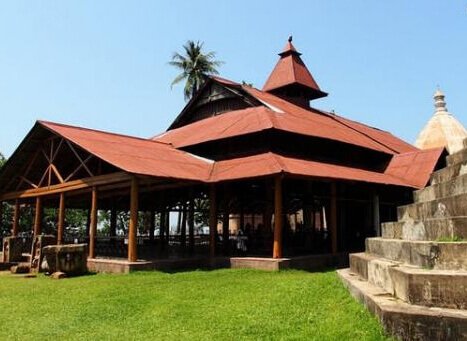
Hajo is a unique and ancient town in Assam, located about 30 km from Guwahati, that serves as a beautiful symbol of religious harmony. It is one of the rare places in India where Hindus, Buddhists, and Muslims all come to pray at their respective sacred sites within the same area. The most famous landmark is the Hayagriva Madhava Temple, a 16th-century stone temple dedicated to Lord Vishnu that is also deeply revered by Buddhists, who believe it is the place where Lord Buddha attained Nirvana. Another significant site is the Powa Mecca, a mosque built on a hilltop; it is believed that a handful of soil from the holy city of Mecca was used in its foundation, and visiting it is said to grant a person one-fourth (powa) of the blessings of a pilgrimage to Mecca itself. Hajo is also known for its traditional bell-metal industry, where local artisans have been crafting exquisite bowls and plates for generations.
8. Bogamati
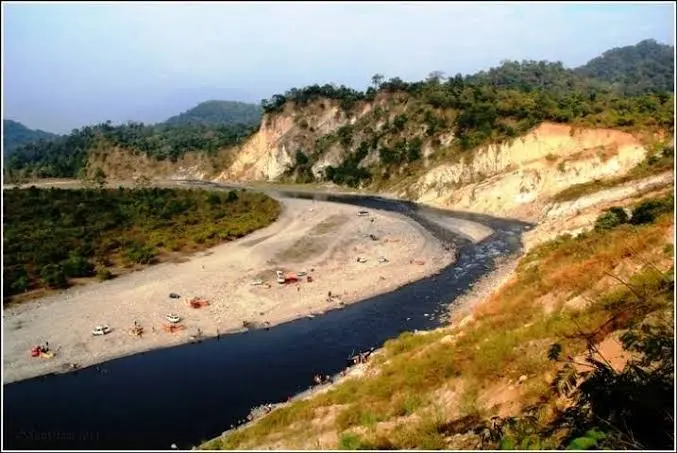
Bogamati is a beautiful and serene picnic spot located in the Baksa district of Assam, right at the mouth of the Barnadi River near the Indo-Bhutan border. The name “Bogamati” literally means “white soil” in the local language, referring to the vast stretches of white sand and stones found along the riverbanks. It has recently become very popular among nature lovers and adventure seekers for its stunning views of the Himalayan foothills and its crystal-clear water. The area is a favorite destination for outdoor activities like river rafting, trekking, and birdwatching, as the surrounding forests are home to diverse wildlife. Many visitors come here during the winter months (November to February) to enjoy day trips, cook outdoors, and soak in the peaceful landscape. A key highlight of the area is a tall statue of Lord Buddha, which stands as a symbol of peace overlooking the valley. Whether you want a thrilling rafting experience or just a quiet day in nature, Bogamati is one of the best hidden gems in Lower Assam.
9. Mayong Assam
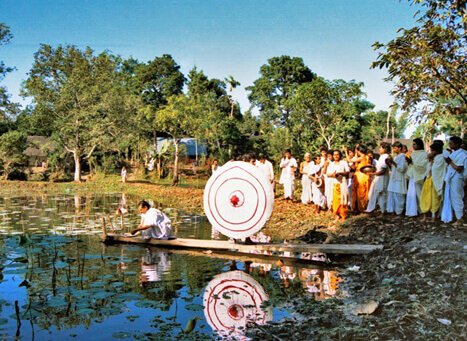
Mayong, a mystical village located on the banks of the Brahmaputra in the Morigaon district, is famously known as the “Black Magic Capital of India.” Its name is believed to be derived from the Sanskrit word Maya, meaning illusion, and the village has been a legendary center for sorcery and tantra for centuries. Steeped in folklore, local legends tell stories of ancient practitioners who could allegedly disappear into thin air, transform people into animals, or cure incurable diseases using secret healing mantras. Today, the Mayong Central Museum and Emporium preserves this unique heritage, housing ancient manuscripts on magic, Ayurveda, and stone carvings. Beyond its supernatural reputation, Mayong is a hub of natural beauty, serving as the gateway to the Pobitora Wildlife Sanctuary, which holds the world’s highest density of one-horned rhinoceroses. This blend of mysterious cultural traditions and rich wildlife makes Mayong one of the most intriguing and offbeat tourist destinations in Assam.
10. Dibru Saikhowa National Park
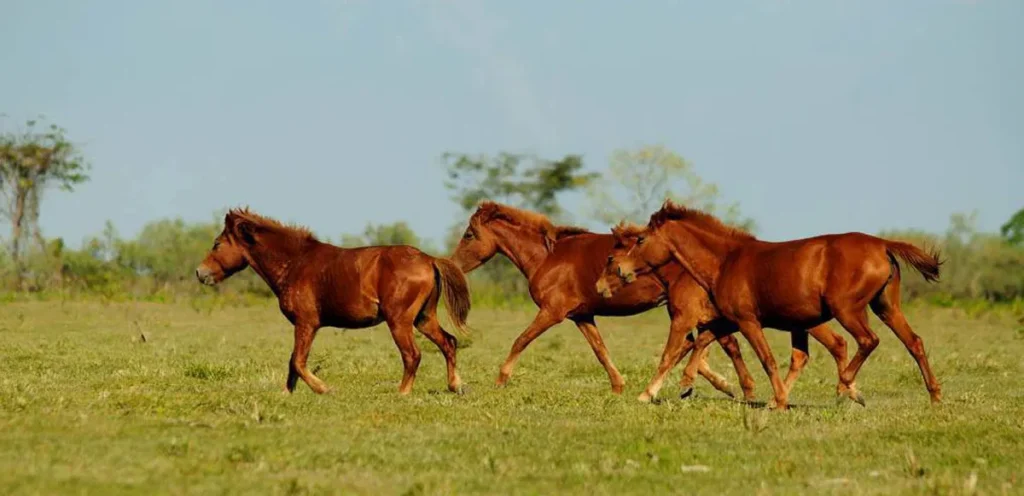
Dibru-Saikhowa National Park, located in the Tinsukia and Dibrugarh districts of Assam, is a unique riverine island park and one of the world’s 19 biodiversity hotspots. Bounded by the Brahmaputra and Lohit Rivers to the north and the Dibru River to the south, it is a mosaic of semi-evergreen forests, grasslands, and the largest Salix swamp forest in Northeast India. The park is globally famous for its population of brightly coloured feral horses—descendants of abandoned army horses from World War II—and is a primary conservation habitat for the rare white-winged wood duck. An Important Bird Area, it hosts over 500 species of birds, including the Bengal florican and migratory waterfowl. Unlike other parks, visitors explore its vibrant wilderness primarily via boat safaris or houseboats, offering chances to spot the endangered Ganges river dolphin in the surrounding waters.
11. Pobitora Wildlife Sanctuary
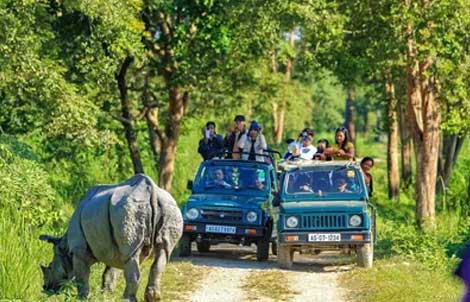
Pobitora Wildlife Sanctuary, situated in the Morigaon district of Assam, is world-renowned for holding the highest density of one-horned rhinoceroses on the planet. Often called “Mini Kaziranga” due to its similar landscape, the sanctuary covers a compact area of about 38 square kilometres, making rhino sightings almost guaranteed even during short visits. Its proximity to Guwahati—located just 30 to 40 kilometres away—makes it a popular day-trip destination for those who may not have time to travel to Kaziranga. The park is a mosaic of marshy wetlands and flat grasslands that provide an ideal habitat not only for the rhino but also for wild water buffaloes, leopards, and barking deer. Additionally, the sanctuary’s Haduk Beel (lake) is a haven for migratory birds, attracting thousands of species during the winter months. Visitors can explore the wilderness through jeep or elephant safaris, which typically operate from November to April.
12. Barpeta
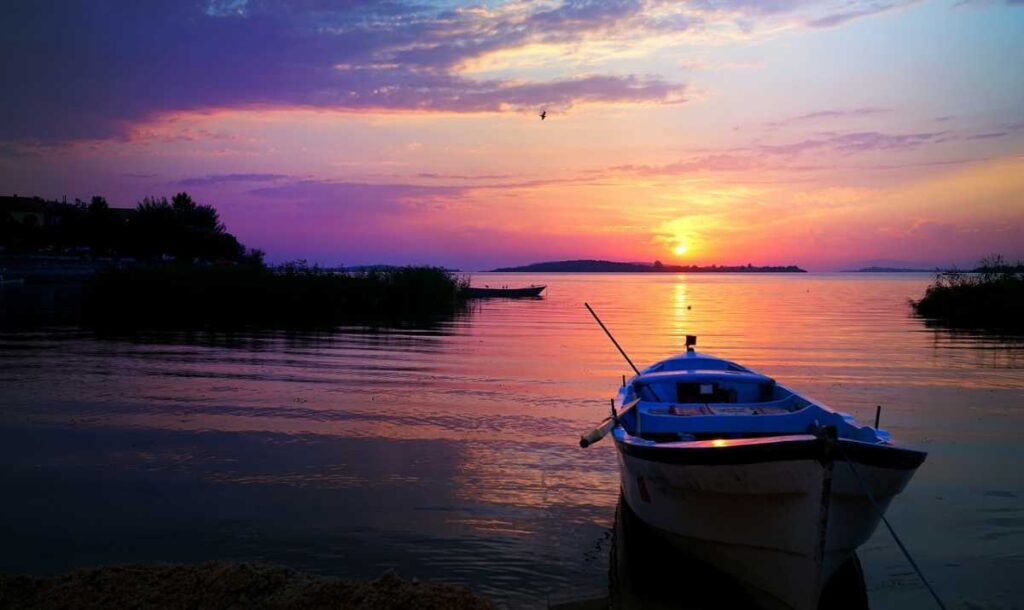
Barpeta, often called the “Satranagari” (City of Monasteries), is a major cultural and spiritual hub in Lower Assam. The town is famous for its Satras, which are traditional Vaishnavite monasteries established centuries ago by the saint-reformer Srimanta Sankardeva and his disciple Madhavdeva. The most important one is the Barpeta Satra, a beautiful complex where people gather for prayers, traditional Borgeet music, and vibrant festivals like Holi (locally known as Doul Utsav), which turns the entire town into a sea of colors and joy. Apart from its spiritual side, Barpeta is well-known for its traditional industries. Local artisans are famous for making high-quality bell-metal utensils, intricate gold-plated jewelry, and handmade firecrackers that are used all over the state. The town is also a gateway to the famous Manas National Park, making it a great stop for travelers who want to experience both the rich culture and the wild nature of Assam.
13. Umananda Island
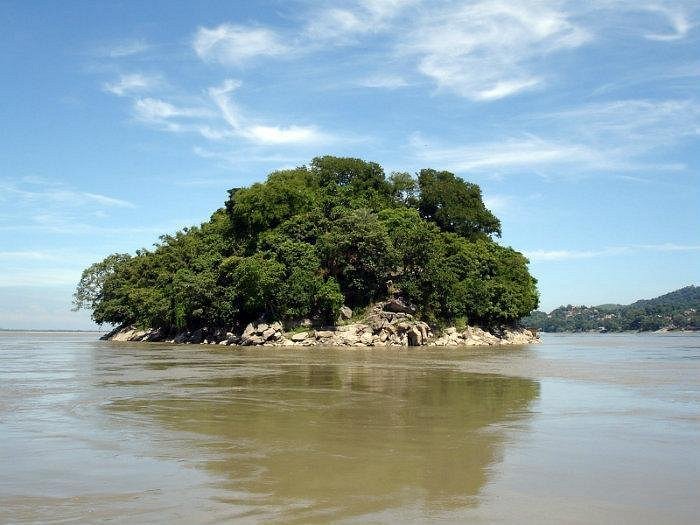
Umananda Island, famously known as the world’s smallest inhabited river island, is a small but spiritually significant landmass nestled in the middle of the mighty Brahmaputra River in Guwahati. The British named it Peacock Island because its shape reminded them of a peacock’s splaying feathers. The island’s crown jewel is the Umananda Temple, dedicated to Lord Shiva and built by the Ahom King Gadadhar Singha in 1694. According to Hindu mythology, Shiva created the island for his wife Parvati’s happiness and later burnt Kamadeva (the God of Love) to ashes here when he interrupted Shiva’s deep meditation. Apart from its religious importance, the island is a sanctuary for the rare and endangered Golden Langur, which can often be spotted among the trees by visitors. To reach the island, travelers take a scenic 10-15 minute ferry or motorboat ride from the Umananda Ghat or Sukreswar Ghat, offering stunning views of the river and the Guwahati skyline.
14. Nameri National Park
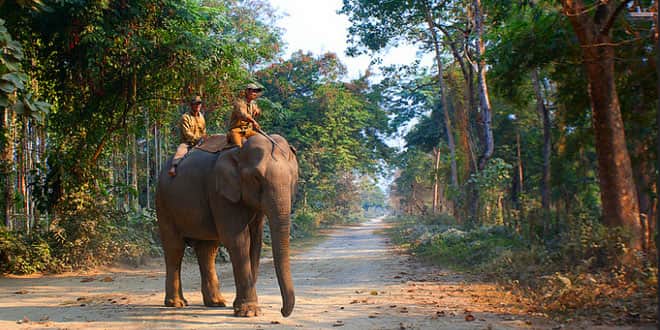
Nameri National Park, situated in the foothills of the eastern Himalayas in the Sonitpur district, is often described as one of Assam’s most scenic and untouched wilderness areas. Sharing its northern boundary with the Pakhui Wildlife Sanctuary in Arunachal Pradesh, it forms a vast, contiguous conservation area characterized by dense semi-evergreen forests, bamboo brakes, and open grasslands. The park is a paradise for birdwatchers, as it is one of the few remaining habitats for the critically endangered White-winged Wood Duck, the state bird of Assam, alongside over 300 other avian species like the Great Pied Hornbill. The Jia Bhoreli River flows through the park, making it famous for river rafting and as a historic destination for Angling (specifically for the Golden Mahseer, though “catch and release” is practiced to ensure conservation). Unlike other parks where jeep safaris dominate, Nameri is unique because it offers guided nature treks, allowing visitors to explore the forest on foot accompanied by an armed forest guard. It is also an important Elephant Reserve, providing a home to tigers, leopards, and the rare Himalayan Black Bear.
15. Tinsukia
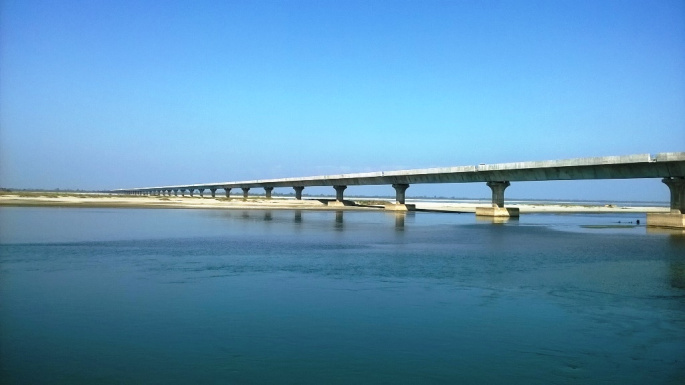
Tinsukia is a busy and important city in the far eastern corner of Assam, often called the “Business Capital” of the state because of its thriving trade in tea, oil, and timber. Historically, it was the headquarters of the Muttack Kingdom, and today it serves as the main gateway for travelers heading further into Upper Assam and the neighboring state of Arunachal Pradesh. One of its most famous nearby attractions is Digboi, where Asia’s first oil well was drilled and where you can still visit a fascinating oil museum and colonial-era bungalows.
For nature enthusiasts, Tinsukia is the starting point for exploring the Dibru-Saikhowa National Park, a beautiful river island park famous for its wild feral horses and migratory birds. The city is also known for the Dehing Patkai rainforest, which is so lush and green that it is nicknamed the “Amazon of the East.” If you enjoy history, you can visit the Railway Heritage Park, which showcases old steam engines and the story of how trains first came to this remote part of India. Whether you are there for business or a jungle adventure, Tinsukia is a lively and essential stop in Assam.
16. Sivasagar
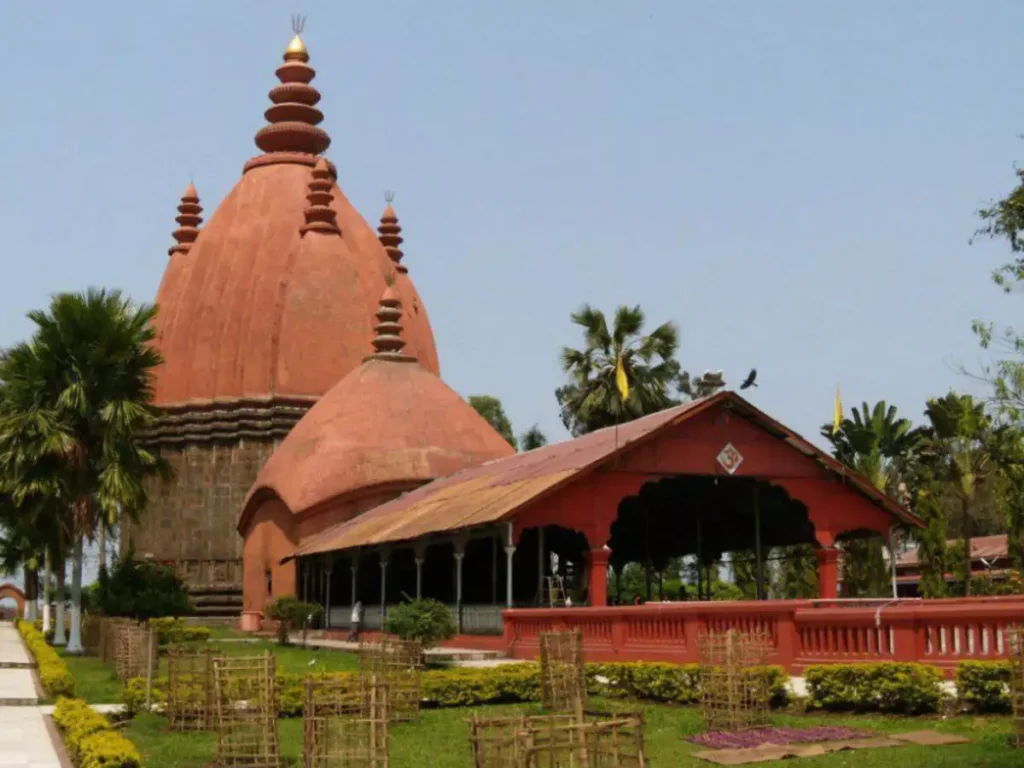
Sivasagar is a famous historical city in Upper Assam that was once the capital of the powerful Ahom Kingdom. Located around a large man-made lake called the Sivasagar Tank, the city is best known for its incredible ancient monuments. The most iconic sight is the Shivadol, which is one of the tallest Shiva temples in India. Other must-see buildings include the Rang Ghar, a unique two-story amphitheatre where kings watched sports, and the Talatal Ghar, a grand palace that even had secret underground tunnels used during wars.
Today, Sivasagar is not just a place for history lovers; it is also a very important center for India’s oil and tea industries. The city is surrounded by beautiful green tea gardens and is a major hub for the Oil and Natural Gas Corporation (ONGC). It is a peaceful yet busy town where you can see the rich heritage of the 600-year Ahom rule mixed with modern Assamese life. People visit from all over to see the royal burial mounds at Charaideo and enjoy the calm atmosphere by the many historic lakes.
17. Diphu
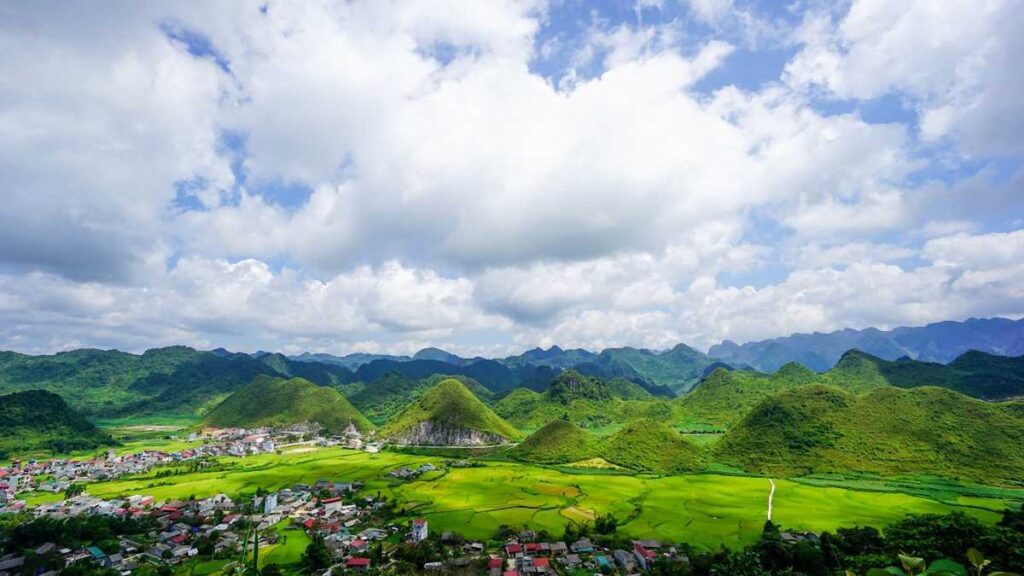
Diphu is the administrative headquarters of the Karbi Anglong district and serves as the cultural heart of the Karbi people in Assam. Nestled amidst lush, rolling hills and dense tropical forests, the town’s name is derived from the Dimasa language, where “Di” means water and “Phu” means white, historically referring to the silt-rich “white water” stream that flows through the area. It is a serene hill station known for its vibrant tribal heritage and natural beauty, featuring popular attractions like the Taralangso Cultural Centre—which hosts the famous Karbi Youth Festival—the Diphu Botanical Garden, and the scenic Arboretum. The town is a melting pot of diverse indigenous communities, including the Karbis, Dimasas, and Rengma Nagas, whose traditions are showcased in the District Museum through ancient artifacts and tribal hunting tools. Adventure seekers often use Diphu as a base for trekking in the Karbi Hills or visiting nearby nature spots like the Siloni Picnic Spot and various hidden waterfalls like Kangthilangso.
18. Silchar
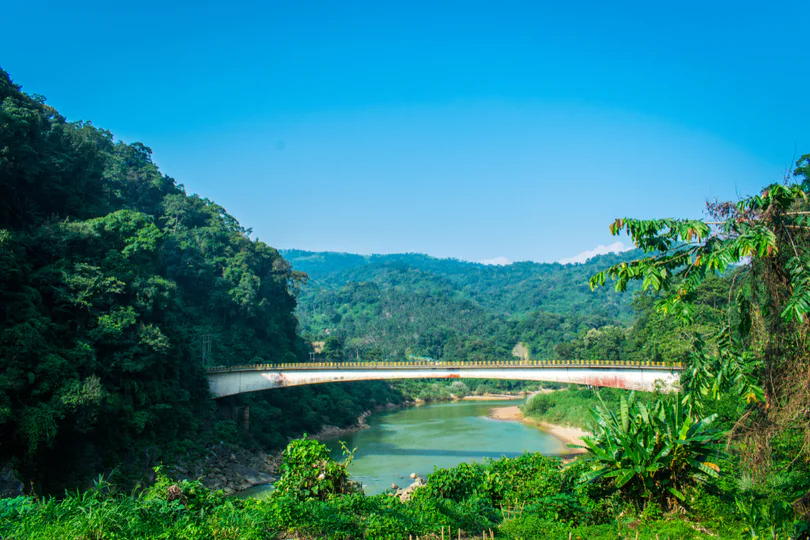
Silchar, known as the “Gateway to Barak Valley,” is the second-largest city in Assam and a very important hub for trade and education in the southern part of the state. It sits on the banks of the Barak River and is surrounded by lush green tea gardens and hills. Historically, Silchar is famous for a significant event in sports: the world’s first polo club was established here by the British in the 1850s. The city is also deeply respected for its history of language activism; the Bhasha Shahid Station (Silchar Railway Station) is named in honour of those who sacrificed their lives during the Bengali Language Movement of 1961. For travellers, Silchar offers several peaceful and historic spots to explore. One of the top attractions is Khaspur, located about 20 km away, which holds the beautiful ruins of the ancient Kachari Kingdom, including arched gateways and temples. Another popular site is the Bhuban Hill, where a famous Shiva temple sits at the top, offering a great trek and panoramic views of the valley. Because of its location, Silchar is the main transit point for people travelling to the neighbouring states of Manipur, Mizoram, and Tripura. It is a lively city where you can enjoy traditional Bengali and Assamese cultures side by side.
19. Goalpara
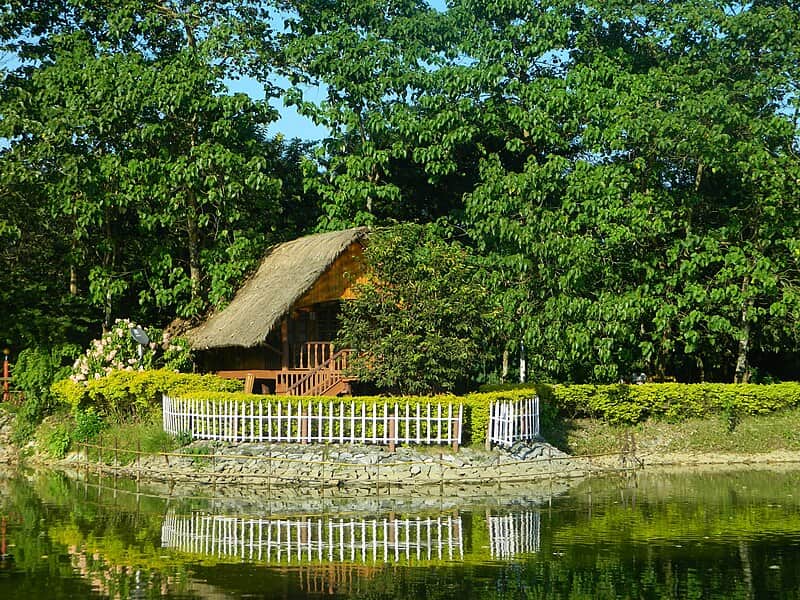
Goalpara, situated on the south bank of the Brahmaputra River in Lower Assam, is a region rich in archaeological mystery, spiritual significance, and natural beauty. Historically, it was a vital part of the ancient Kamrup Kingdom and later the Koch dynasty, serving as a cultural bridge between Assam and Bengal. The district’s most iconic landmark is Sri Surya Pahar, often described as the “Kashi of the East,” where thousands of ancient rock-cut Shiva Lingas, Buddhist stupas, and Jain deities are scattered across a hill, showcasing a unique confluence of three major religions. Another significant spiritual site is the Syamrai Satra, which preserves the Neo-Vaishnavite traditions of Srimanta Sankardeva. For nature lovers, Goalpara offers the lush Urpad Beel, a large natural wetland that attracts numerous migratory birds, and the Hulukanda Hill, which provides breathtaking panoramic views of the Brahmaputra. Today, Goalpara remains a quiet yet culturally deep destination, famous for its traditional folk music and the serene landscape of its evergreen forests and riverine plains.
20. Dispur
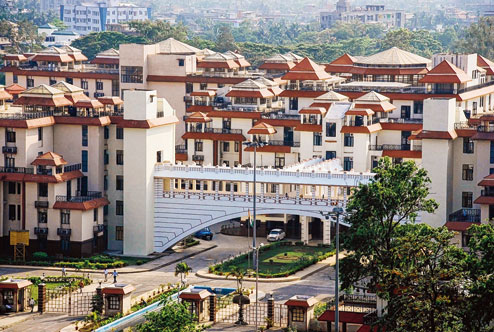
Dispur is the administrative capital of Assam, located within the heart of the Guwahati metropolitan area. It became the state capital in 1973 after the previous capital, Shillong, became part of the newly formed state of Meghalaya. As the political center of the state, it houses the Assam Secretariat, the Legislative Assembly, and the official residences of the Chief Minister and other high-ranking officials. Beyond its government buildings, Dispur is famous for the Srimanta Sankaradeva Kalakshetra, a massive cultural complex that showcases the diverse ethnic art, history, and traditions of the Northeast through museums, open-air theatres, and galleries. The area is also a major economic hub, home to the Guwahati Tea Auction Centre, one of the largest and busiest tea trading facilities in the world. For travelers, Dispur offers a blend of modern and traditional experiences; it features bustling commercial zones like Ganeshguri, filled with shopping malls and local markets, as well as serene spiritual sites like the ancient Basistha Ashram, located on the outskirts amidst natural waterfalls. Whether you are visiting for official business or to explore Assamese culture, Dispur serves as a well-connected and vibrant gateway to the rest of the state.
21. Orang National Park
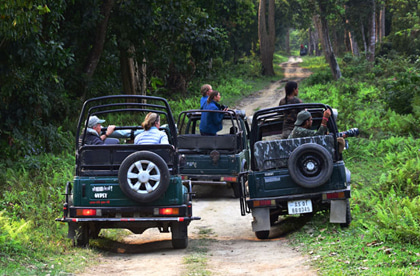
Orang National Park, often referred to as the “Mini Kaziranga,” is the oldest game reserve in Assam, located on the northern bank of the Brahmaputra River in the Darrang and Sonitpur districts. Spanning about 79 square kilometres, it shares a very similar landscape to Kaziranga, featuring alluvial grasslands, marshes, and dense forests. The park is a critical habitat for the Great Indian One-Horned Rhinoceros and serves as a vital stronghold for the Royal Bengal Tiger, boasting a high population density of the big cat. It is also the only stronghold of rhinoceros on the north bank of the Brahmaputra. Besides rhinos and tigers, the park is home to diverse wildlife such as elephant, wild pig, hog deer, and the critically endangered pygmy hog. As an Important Bird Area, it attracts numerous migratory and resident birds, including the Milky Stork and Pelican. Visitors can explore the park via jeep safaris, with the best time to visit being from November to April when the weather is dry and wildlife sightings are most frequent.
22. Karimganj
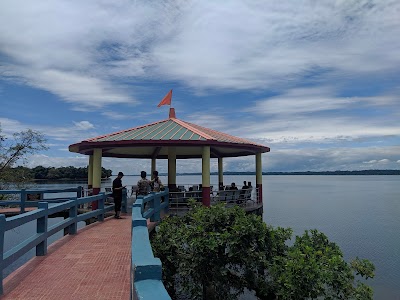
Karimganj is a significant border district in southern Assam’s Barak Valley, sharing an extensive international boundary with Bangladesh. The town is situated on the banks of the Kushiyara River, which serves as a natural border, and it is a vital trade hub for the region. Historically, it was part of the Sylhet district before the Partition of India, and today it reflects a rich blend of Sylheti and Assamese cultures. Nature lovers visit the district for the Son Beel, the largest wetland and lake in Northeast India, which is famous for its seasonal transformation—becoming a vast sheet of water in the monsoon and a fertile farm bed in the winter. The district is also known for its lush tea gardens, such as the Longai and Hattikhira estates, and religious sites like the Badarpur Fort and various ancient temples. Its strategic location makes it an essential transit point for travel and commerce between Assam and the neighbouring country of Bangladesh.
23. Bongaigaon
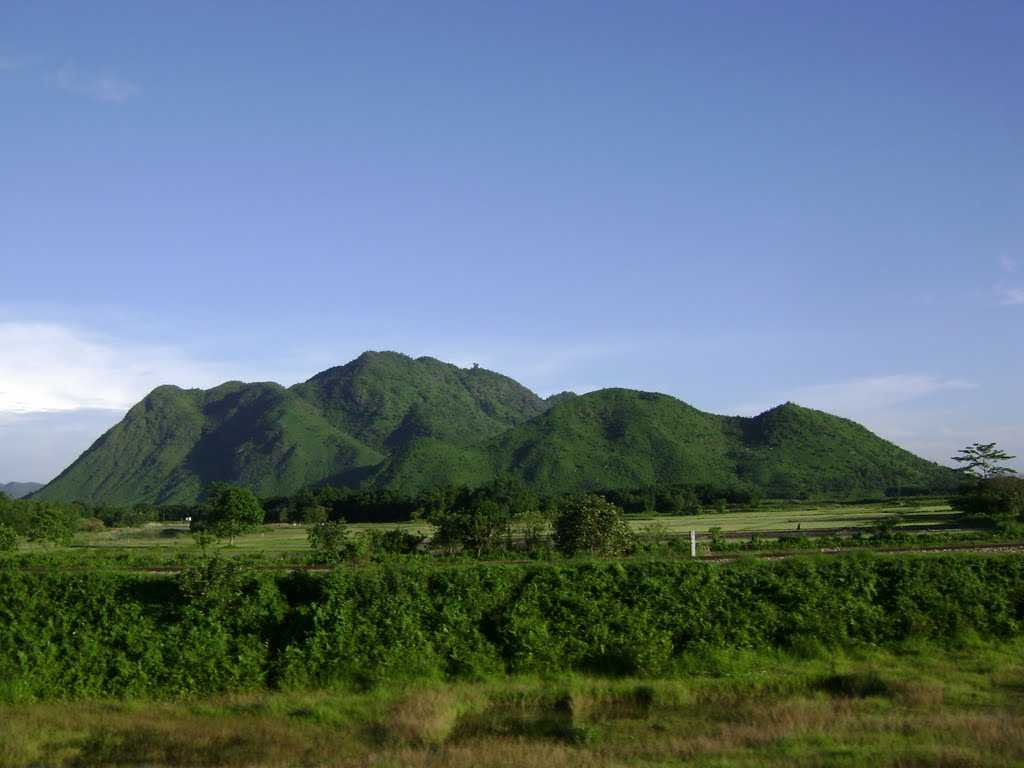
Bongaigaon is a lively city in Lower Assam that is famous for being a major industrial hub and a place with deep historical roots. It is home to the large Bongaigaon Refinery, which makes it an important center for the oil and petrochemical industry in Northeast India. Long ago, it served as the capital of the Bijni Kingdom, and you can still find traces of that royal history in the surrounding areas. For people who love nature and peace, the city has beautiful spots like Koya Kujia Bill, a large lake where you can enjoy boating and see many migratory birds. Another famous landmark is the Bagheswari Temple, which is one of the oldest and most respected temples in the region. Bongaigaon is also very close to Manas National Park, making it a great place to stay if you are planning a wildlife safari. Whether you are interested in big industries, ancient temples, or scenic parks, Bongaigaon offers a little bit of everything.
24. Hailakandi
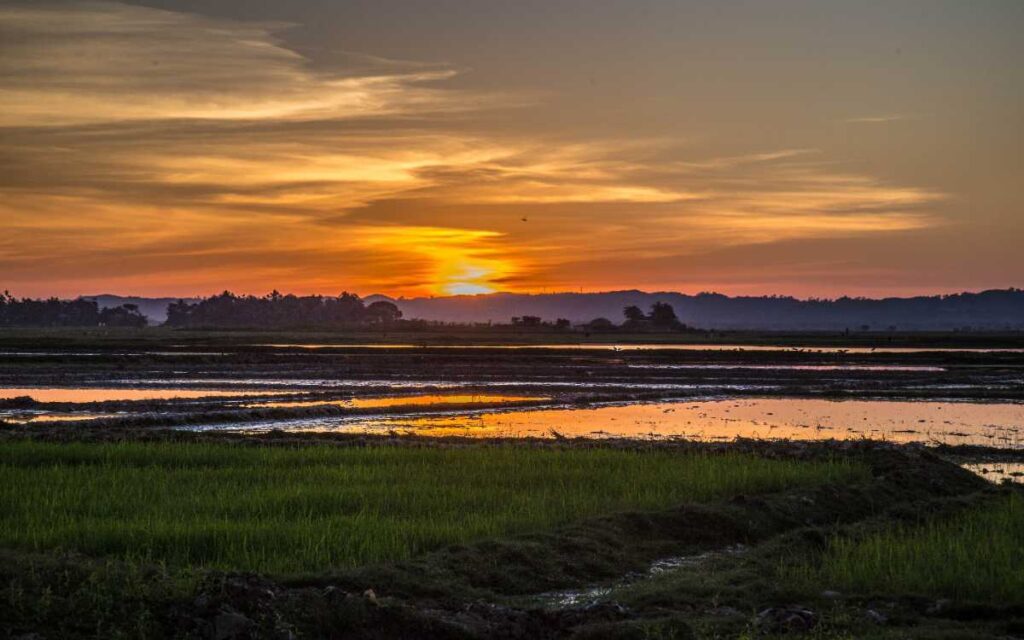
Hailakandi is a peaceful and scenic district located in the southern part of Assam, right in the heart of the Barak Valley. It is well-known for its lush green landscape, filled with many tea gardens, dense forests, and rolling hills. The district shares its borders with the states of Mizoram and Tripura, making it an important area for connecting different parts of Northeast India. The area is rich in natural beauty and is a great spot for people who love the outdoors. One of the main attractions is the Dhaleswari River, which flows through the region and provides water to the local farms and tea estates. Another popular place to visit is Siddheswar Bari, an ancient temple that holds a lot of religious importance for the local people. Hailakandi is also home to the Inner Line Reserve Forest, which is filled with diverse plants and wildlife. Life here is simple and traditional, and the town is famous for its warm hospitality and beautiful, quiet countryside.
25. Dhemaji
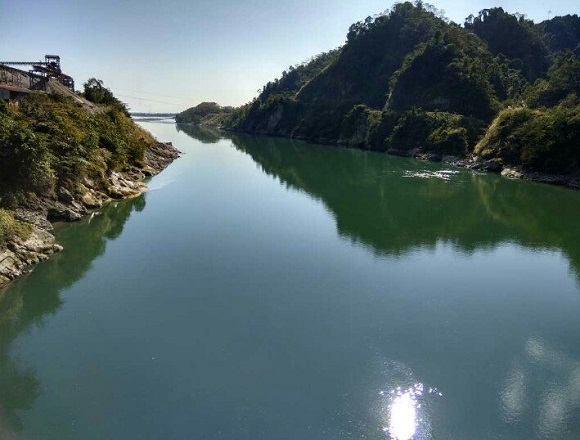
Dhemaji is a beautiful and quiet district located in the remote northeastern corner of Assam, right at the foothills of the Himalayas. Its name comes from the words “Dhe” meaning flood and “Maji” meaning play, because the area is shaped by the many rivers and streams that flow down from the mountains of Arunachal Pradesh. The district is famous for its wide-open green fields, scenic wetlands, and a very traditional way of life where people are known for their expert handloom weaving and silk production. One of the most famous places to visit in Dhemaji is Malini Than, an ancient archaeological site with stone carvings that people believe dates back to the 14th century. Another popular spot is Gerukamukh, where the Subansiri River meets the plains, offering breathtaking views and great spots for fishing and picnicking. Recently, the opening of the Bogibeel Bridge (India’s longest rail-cum-road bridge) has made it much easier for travelers to reach Dhemaji from Dibrugarh. It is a perfect destination if you want to escape the city and see the raw, natural beauty of rural Assam.
26. Darrang
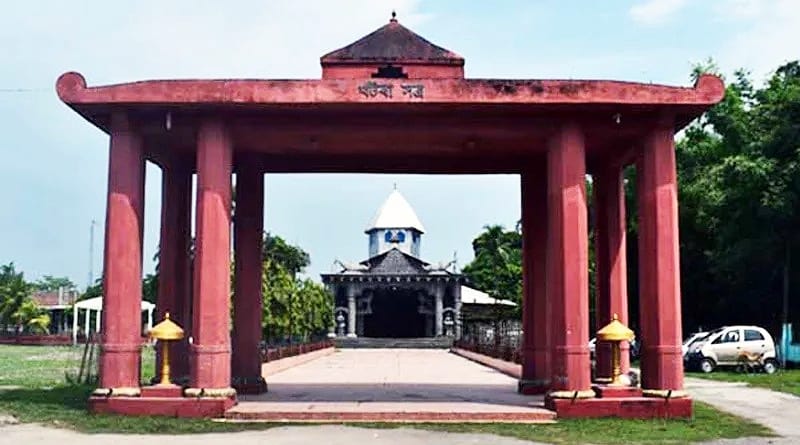
Darrang is a historic and culturally rich district in Central Assam, located on the northern bank of the mighty Brahmaputra River. It is famous for being the land of the ancient Darrang Kingdom and is known as a center for traditional folk arts, especially the Ojapali and Deodhani dances. The district is a perfect mix of history, religion, and nature. The most famous attraction in Darrang is the Orang National Park, often called “Mini Kaziranga,” where you can easily spot the one-horned rhinoceros and the Royal Bengal Tiger. For those interested in history and spirituality, the Patharughat Memorial is an important site that honours the brave farmers who stood up against British rule in 1894. Another significant place is the ancient Khatara Satra, one of the oldest Vaishnavite monasteries in Assam. With its vast green fields, historic ponds, and peaceful atmosphere, Darrang offers a wonderful glimpse into the soul of rural Assam.
27. Morigaon
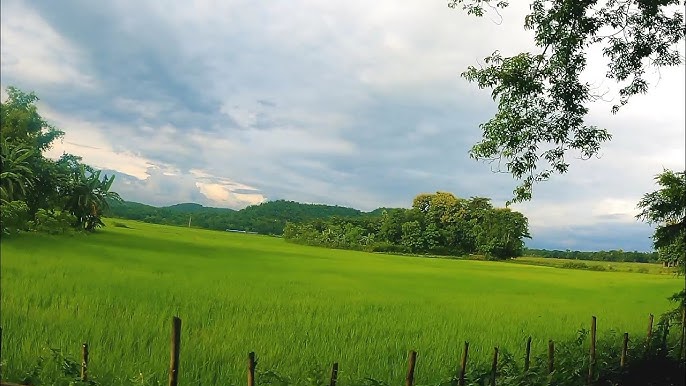
Morigaon is a fascinating district in Central Assam that is famous for its unique history and incredible wildlife. It is best known for the Pobitora Wildlife Sanctuary, which has the highest density of one-horned rhinos in the world—meaning you are almost guaranteed to see one during a visit. The district is also home to the mysterious village of Mayong, known as the “Land of Black Magic,” where local legends and ancient stories of sorcery are still shared today. Culturally, Morigaon is very special because of the Jonbeel Mela, a historic fair where people from different tribes come together to trade goods using the ancient barter system (exchanging items instead of using money). The area is mostly made up of beautiful green fields and large lakes, like Kajali Beel, which are perfect for birdwatching. Because it is located very close to Guwahati, it is a popular spot for travelers who want to see rhinos and experience traditional Assamese village life in just one day.
28. Sadiya
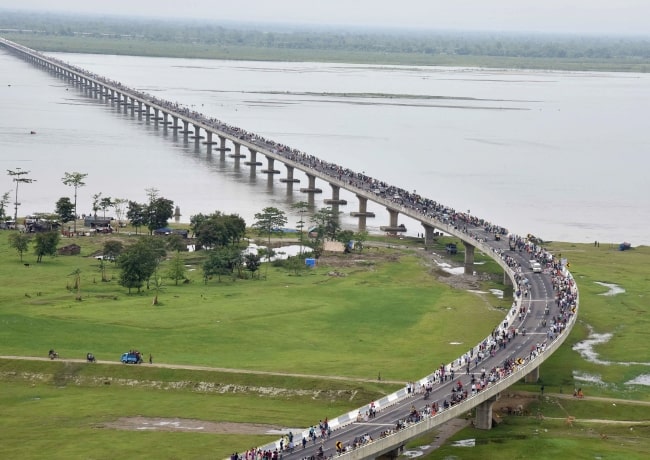
Sadiya, located in the Tinsukia district at the easternmost edge of Assam, is a historic town of immense strategic and cultural importance situated at the confluence of the Lohit, Dibang, and Dihang rivers. Historically, it was the proud capital of the Chutia Kingdom and later served as a vital frontier outpost for the Ahom Kingdom and the British. The town is famous for the Tamreswari Temple, an ancient site once known for its copper-roofed structure and deep spiritual roots. Today, Sadiya is most widely recognized for the Dr. Bhupen Hazarika Setu (also known as the Dhola-Sadiya Bridge), which is India’s longest bridge over water, spanning 9.15 kilometres and connecting Assam to Arunachal Pradesh. The region is a beautiful mix of vast riverbanks and tea gardens, and it remains the birthplace of the legendary singer Bhupen Hazarika, adding a layer of musical heritage to its rugged, riverine landscape.
29. Tezpur
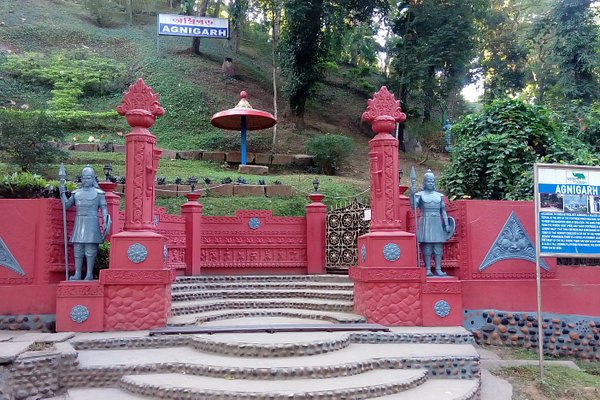
Tezpur, often hailed as the “Cultural Capital of Assam,” is a historic city nestled on the northern banks of the Brahmaputra River in the Sonitpur district. It is famously known as the “City of Eternal Romance” and the “City of Blood” (Tez meaning ‘blood’ and Pura meaning ‘town’) due to the mythological battle of Hari-Hara. According to legend, a fierce war broke out between Lord Krishna and Lord Shiva (supporting King Banasura) after Banasura imprisoned Krishna’s grandson, Aniruddha, for falling in love with his daughter, Princess Usha. The resulting bloodshed was so great it stained the entire region, giving the city its name. Today, visitors can explore this legend at Agnigarh Hill, a beautifully landscaped park with sculptures depicting the tale and a circular stairway offering panoramic views of the river and the Kolia Bhomora Setu bridge. Other significant attractions include the ancient Mahabhairab Temple, believed to house one of the world’s largest Shiva Lingas, the 9th-century sculptural ruins of Bamuni Hills, and the serene Chitralekha Udyan (Cole Park). Beyond its own heritage, Tezpur serves as a vital gateway for travellers heading to the Nameri National Park and the high-altitude landscapes of Arunachal Pradesh.
30. Sualkuchi (The Silk Village)
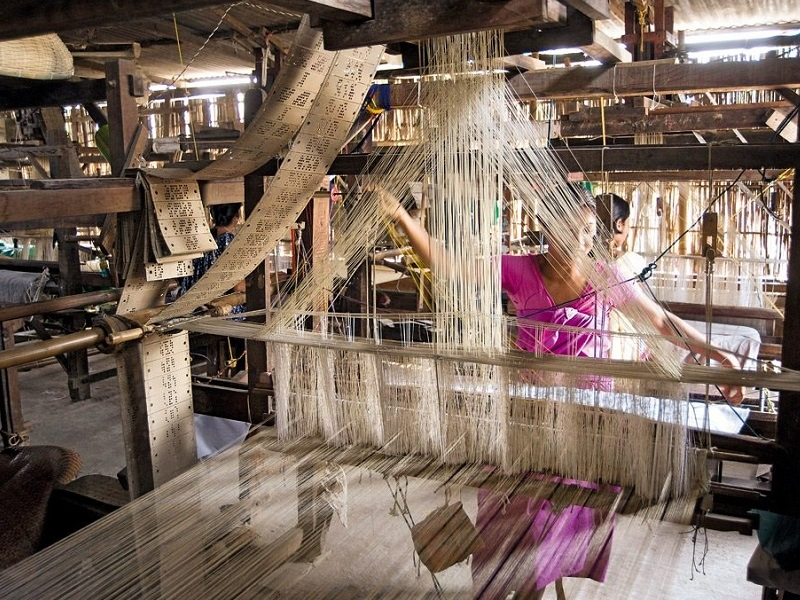
Sualkuchi, famously known as the “Manchester of the East,” is a historic weaving village located on the northern banks of the Brahmaputra River, about 35 km from Guwahati. It is the heart of Assam’s textile industry and is world-renowned for producing the exquisite Muga silk, a rare, naturally golden silk found only in this region and known for its extreme durability and luster. Unlike typical industrial towns, Sualkuchi is a unique “craft village” where the rhythmic sound of traditional handlooms echoes from almost every household.
The weavers here specialize in crafting beautiful Mekhela Chadors (the traditional Assamese attire) and sarees using three types of indigenous silk: the golden Muga, the creamy white Pat (Mulberry) silk, and the warm, textured Eri (Ahimsa) silk. A visit to Sualkuchi offers a deep dive into the entire silk-making process, from the rearing of silkworms to the intricate weaving of traditional motifs like the Miri, Kaziranga, and floral patterns. Beyond its weaving heritage, the village is culturally vibrant, hosting a famous boat race (Naokhel) during the Manasa Puja festival and serving as a center for Vaishnavite culture with its local Satras (monasteries). Walking through its narrow lanes, you can see artisans working with gold and silver threads, turning raw silk into wearable art. For travelers, it is the best place to purchase authentic, high-quality Assamese silk directly from the weavers at much better prices than in city showrooms.