

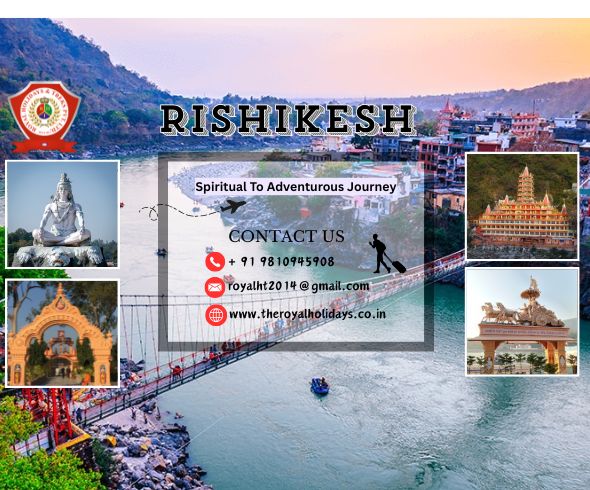
Rishikesh, often hailed as the “Yoga Capital of the World,” is a spiritually vibrant city nestled in the foothills of the Himalayas in Uttarakhand, where the sacred River Ganges descends from the mountains to reach the plains. It is a unique tourist destination that beautifully blends ancient spirituality with thrilling adventure. It draws spiritual seekers to its world-renowned ashrams—such as Parmarth Niketan and Sivananda Ashram—while beckoning adventure enthusiasts to its famous white-water rafting and bungee jumping sites. The city is defined by its iconic suspension bridges—Lakshman Jhula and Ram Jhula—and the resonant chants that echo during the evening Ganga Aarti at Triveni Ghat. Beyond its religious significance as the gateway to the Chota Char Dham pilgrimage, Rishikesh also possesses a serene and bohemian atmosphere—particularly in areas like Tapovan—which buzz with organic cafes, yoga studios, and travelers from across the globe. Whether you are visiting the historic Beatles Ashram, trekking to hidden waterfalls like Neer Garh, or simply meditating on the lush green banks of the river, Rishikesh offers a profound sense of peace and vitality that is hard to find elsewhere.
Rishikesh’s economy is primarily anchored in its dual identity as the “Yoga Capital of the World” and the “Adventure Capital of India,” fostering a robust tourism-driven economic ecosystem. The city generates substantial revenue through wellness tourism, hosting hundreds of ashrams and yoga schools that attract an international student base. These students bring valuable foreign currency into the country through teacher training courses and long-term spiritual retreats. Furthermore, the adventure sports industry is also flourishing here, providing direct employment to thousands of local guides, instructors, and campsite operators through activities such as white-water rafting, bungee jumping, and trekking. Additionally, as a sacred pilgrimage site and the gateway to the Char Dham Yatra, Rishikesh attracts massive crowds of pilgrims from across the country. Driven by this influx of visitors, a vast network of hospitality services operates here, encompassing hotels, guesthouses, and a diverse range of dining options—from traditional dhabas to organic cafes. This constant flow of travelers also boosts ancillary markets—such as handicrafts, religious artifacts, and transport services—making tourism the primary source of income for the local population.
Rishikesh is considered one of the safest and most tranquil destinations to visit in India, particularly for solo female travelers. As a holy city where alcohol and non-vegetarian food are prohibited, the atmosphere remains remarkably peaceful and respectful. Most locals are friendly and accustomed to interacting with tourists from around the globe; consequently, you can comfortably explore popular areas—such as Tapovan, Lakshman Jhula, and Ram Jhula—during the day.
Most Famous And Attractive Tourist Places In Rishikesh :
1. Swami Dayananda Ashram

Swami Dayananda Ashram, also known as Arsha Vidya Pitham, is a world-renowned centre for the traditional study of Advaita Vedanta and Sanskrit, located serenely on the banks of the Ganges in the Muni Ki Reti area of Rishikesh. Established in the 1960s by the eminent scholar Swami Dayananda Saraswati, the ashram functions as a traditional Gurukulam where the profound teachings of the Upanishads and the Bhagavad Gita are imparted with academic rigour and spiritual depth. The campus is home to the majestic Sri Gangadhareswar Temple, dedicated to Lord Shiva, and features a vast library, a lecture hall, and comfortable residential facilities for students and seekers from across the globe. For the 2026 season, the ashram continues its legacy of hosting immersive spiritual retreats and long-term courses, providing a disciplined environment for meditation and Vedic chanting. Its unique location offers direct access to the holy river, making it a premier destination for those seeking serious philosophical inquiry and inner peace away from the more commercialised parts of the town.
2. Andhra Ashram

Andhra Ashram, also known as the TTD Balaji Mandir, is a significant spiritual and cultural landmark in Rishikesh, established in 1930 by Shree Sachchidananda Saraswathi to support pilgrims from South India. Located on Laxman Jhula Road, the ashram is managed by the Tirumala Tirupati Devasthanams (TTD) and is famous for its magnificent Sri Venkateswara Swamy Temple, which houses a stunning 59-inch idol of Lord Balaji. It serves as a vital “home away from home” for Telugu-speaking devotees, offering traditional South Indian meals (Bhandara) and very affordable accommodation. The ashram is renowned for celebrating festivals like the Brahmotsavams with authentic South Indian rituals, bringing the essence of Tirupati to the Himalayan foothills. For the 2026 season, it remains a top choice for budget-conscious travellers, though rooms are typically provided on a first-come, first-served basis with mandatory Aadhaar verification.
3. Garud Chatti Waterfall
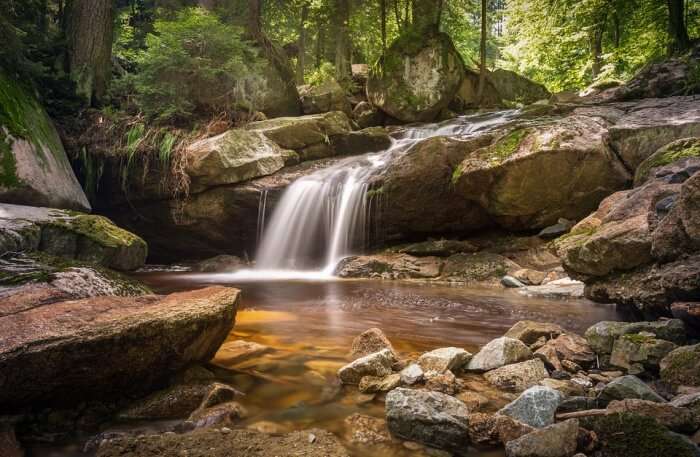
Garud Chatti Waterfall is a scenic seven-tiered cascade tucked away in the lush forests near Rishikesh, located approximately 4–5 km from Lakshman Jhula on the Neelkanth Temple Road. Named after the nearby Garud Temple, the waterfall is a popular spot for nature lovers and photography enthusiasts, particularly during the monsoon when its seven distinct flowing points are most vibrant. Reaching the falls requires a relatively easy 1.5 km trek through a shaded forest trail that starts from the road near the Garud Temple; the journey takes about 30–45 minutes and is rewarding for its serene, less-crowded atmosphere compared to other local waterfalls. Visitors can enjoy dipping their feet in the natural crystal-clear pools formed at various levels or simply relax amidst the rocky terrain and dense greenery. While the site is a peaceful retreat, it is essential to wear sturdy footwear as the rocks can be slippery, and to carry water and snacks as facilities at the falls are minimal.
4. Raghunath Temple
Raghunath Temple is one of the oldest and most culturally significant shrines in Rishikesh, dedicated to Lord Rama and his consort Goddess Sita. Situated in the heart of the city near the sacred Triveni Ghat, the temple complex is famously known for its adjacent Rishikund, a holy rectangular pond believed to have been filled by the Yamuna River upon the prayers of ancient sages. Legend says that Lord Rama bathed in this pond during his period of exile, and it is a mystical sight today as the pond’s still water always reflects the image of the temple’s tower. The architecture follows a traditional North Indian style, housing beautifully adorned idols that attract thousands of devotees for daily prayers and rituals. Its central location makes it a perfect spiritual stop for pilgrims who wish to combine their visit with the famous evening Ganga Aarti at the nearby ghat.
5. Rajaji National Park
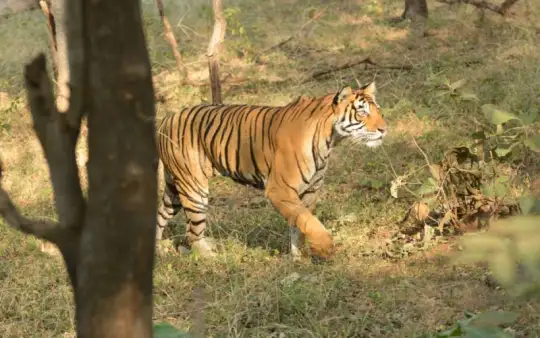
Rajaji National Park, also known as Rajaji Tiger Reserve, is a sprawling wilderness of approximately 820 square kilometres nestled in the Shivalik foothills of the Himalayas, spanning the districts of Haridwar, Dehradun, and Pauri Garhwal. Named after the legendary freedom fighter C. Rajagopalachari (Rajaji), the park was formed in 1983 by merging three sanctuaries: Rajaji, Motichur, and Chilla. It is a vital biodiversity hotspot characterized by dense Sal forests, riverine grasslands, and broad-leaved mixed forests, with the Ganges River flowing through its heart, dividing it into eastern and western sectors. For the 2026 season, the park remains a premier destination for witnessing the Asian Elephant—its flagship species—alongside a growing population of over 50 Bengal Tigers and a high density of leopards.
6. Patna Waterfall
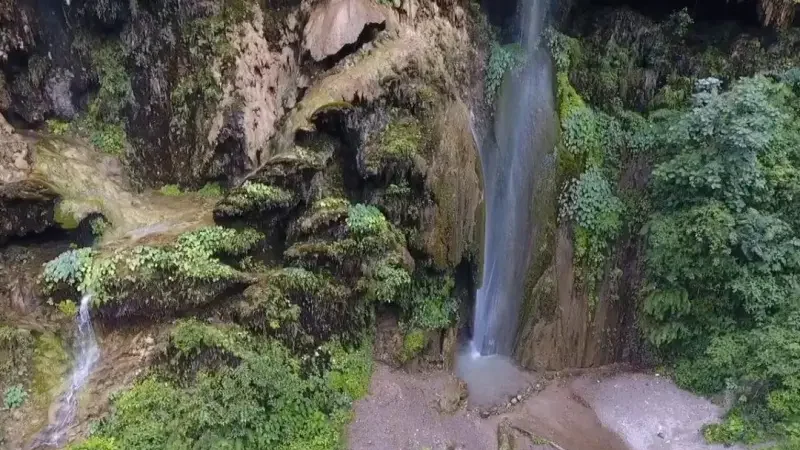
Patna Waterfall, located approximately 6.5 km from Laxman Jhula on the Neelkanth Temple Road in Rishikesh, is a tranquil offbeat destination nestled within the dense greenery of Rajaji National Park. Named after the nearby Patna village, the waterfall is uniquely famous for its limestone caves located right next to the cascade, where ancient sages and saints, including Sri Adi Shankaracharya, are said to have meditated. Reaching the falls requires a moderate to steep 1.5 km uphill trek through a forest trail that usually takes 30 to 45 minutes, offering a raw jungle experience away from the city’s crowds. While the water volume can decrease during summer, the falls come alive with a misty veil and lush surroundings during the post-monsoon season from September to November. Visitors can enjoy a refreshing natural shower at the base or relax at small local tea stalls nearby that serve snacks like Maggi and chai.
7. Rishikesh View Point
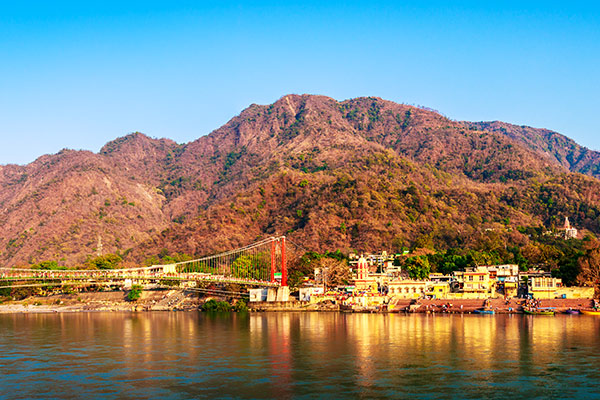
The Rishikesh View Point, primarily referring to the one perched atop Kyarki Village, offers a breathtaking bird’s-eye perspective of the entire city and the winding Ganges River. Located approximately 10–12 km from the main town, this viewpoint provides an expansive panorama of the Shivalik Himalayan foothills, capturing the spiritual aura of Rishikesh’s ghats and temples from a majestic height. It is particularly celebrated as a sunset and sunrise point, where the sky transforms into a golden and purple canvas, reflecting off the river below—making it a popular choice for photographers and couples seeking a peaceful escape from the city’s bustle. Visitors can reach the spot via a scenic drive or a moderate trek through lush forests, which are often filled with the sounds of local avian species. For a more elevated experience, the nearby Kunjapuri Devi Temple (at 1,676 metres) also serves as a premier viewpoint, offering rare sightings of snow-capped peaks like Swargarohini and Chaukhamba.
8. Bairaj Lake

Bairaj Lake, also known as Bairagi Lake, is a serene man-made reservoir located in the Virbhadra area just south of Rishikesh. It was created by the construction of the Pashulok Barrage on the Ganges River, which serves to divert water into a canal for the Chilla Power Plant downstream. Nestled in the foothills of the Himalayas and bordering Rajaji National Park, the lake is a premier destination for birdwatching, attracting various migratory and resident species to its crystal-clear waters. Its tranquil environment, away from the typical city crowds, makes it an ideal spot for meditation, sunrise photography, and leisurely walks. Visitors often enjoy the scenic drive or cycle along the lake’s edge toward Haridwar, following the Aashta Path (Marine Drive), which offers forest views on one side and the calm blue waters on the other.
9. Laxman Jhula And Ram Jhula
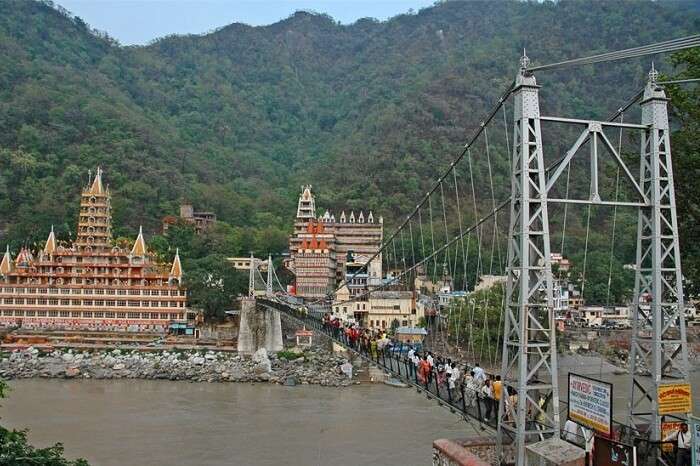
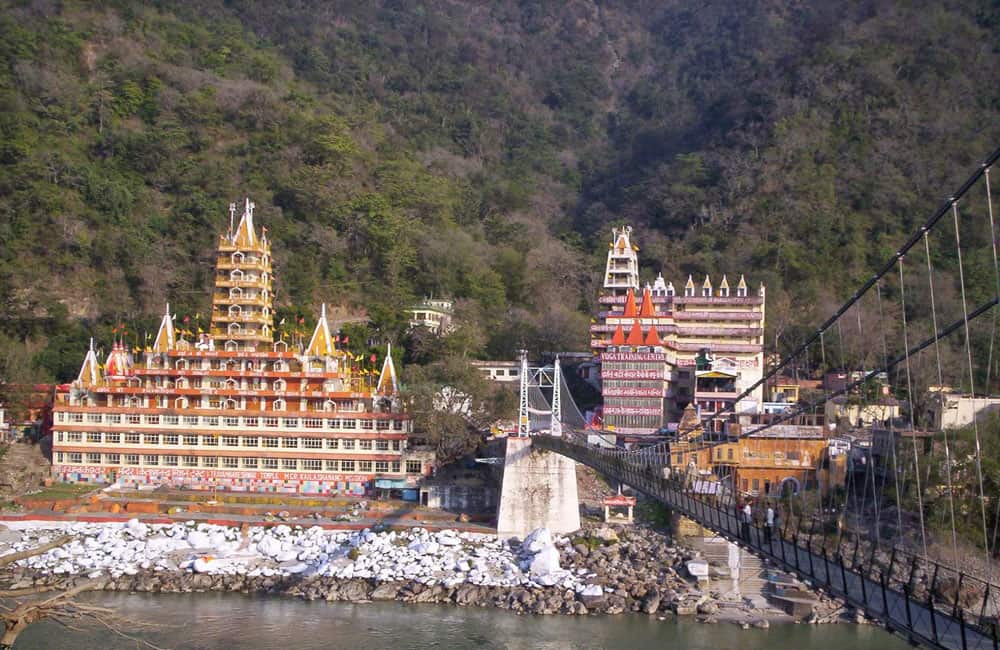
Laxman Jhula and Ram Jhula are the two most iconic suspension bridges in Rishikesh, serving as both vital transportation links and symbols of the city’s spiritual heritage. Laxman Jhula, built in 1929, is a 450-foot-long iron bridge believed to be the spot where Lord Laxman crossed the Ganges on a jute rope; it connects the Tapovan and Jonk areas and is famous for being surrounded by the thirteen-storey Trayambakeshwar Temple. Roughly 2 kilometres downstream sits Ram Jhula, a similar but slightly larger 750-foot bridge constructed in 1986 that links Sivananda Ashram to Swarg Ashram. Both bridges offer stunning views of the emerald-green Ganges and the Himalayan foothills, though they are often crowded with pedestrians, two-wheelers, and cheeky monkeys. While Ram Jhula remains a primary route for reaching the evening Ganga Aarti at Parmarth Niketan, visitors should note that Laxman Jhula is currently closed to heavy traffic for safety and structural preservation, with a new glass-floor bridge being built alongside it.
10. The Beatles Ashram
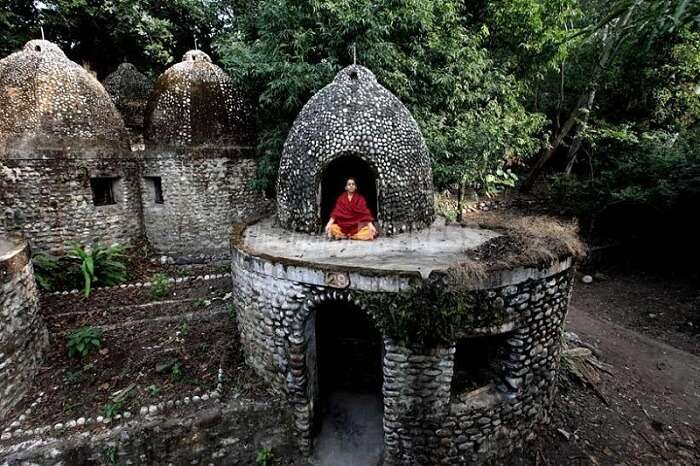
The Beatles Ashram, officially known as Chaurasi Kutia (meaning “84 huts”), is a legendary spiritual and historical site located on a cliff overlooking the Ganges within the Rajaji Tiger Reserve. It gained global fame in 1968 when the English rock band The Beatles stayed there for several weeks to study Transcendental Meditation under Maharishi Mahesh Yogi. This period was remarkably productive for the band, as they composed approximately 48 songs here, many of which formed the bulk of their iconic White Album. After being abandoned in the 1990s and left to the encroaching jungle, the site was officially reopened to the public in 2015 as an eco-friendly tourist attraction. Today, visitors can explore the unique beehive-shaped stone meditation huts, a photo gallery documenting the band’s visit, and the “Cathedral Gallery,” which is now filled with vibrant graffiti and murals created by artists from around the world.
11. Neelkanth Mahadev Temple
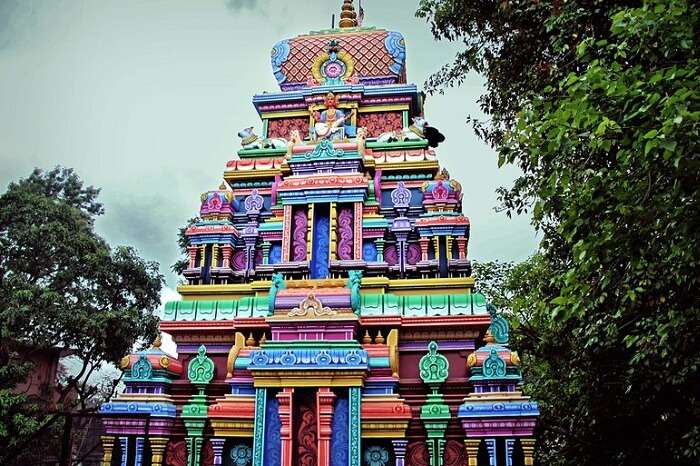
Neelkanth Mahadev Temple is one of the most revered Hindu shrines dedicated to Lord Shiva, situated at an altitude of 1,330 metres amidst the dense forests of the Pauri Garhwal district, about 32 km from Rishikesh. The temple is located at the confluence of the Pankaja and Madhumati rivers and is surrounded by three valleys: Manikoot, Brahmakoot, and Vishnukoot. According to mythology, this is the sacred spot where Lord Shiva consumed the Halahala poison that emerged during the Samudra Manthan (churning of the ocean); the poison turned his throat blue, earning him the name Neelkanth (the blue-throated one). The temple’s architecture is striking, featuring a colourful gopuram adorned with intricate sculptures depicting scenes from the churning of the ocean. It remains a major pilgrimage site, especially during the festivals of Maha Shivratri and Shravan, when thousands of devotees trek from Rishikesh to offer holy Ganges water to the Shivalingam.
12. Triveni Ghat
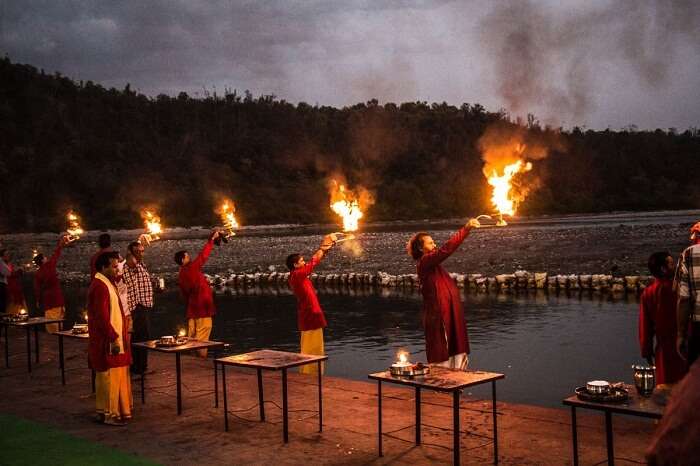
Triveni Ghat is the largest and most famous holy bathing ghat in Rishikesh, situated at the confluence of three sacred rivers: the Ganges, the Yamuna, and the Saraswati. As the spiritual heart of the city, it is believed that a dip in these waters washes away all sins and purifies the soul. The ghat is most renowned for the Maha Ganga Aarti, a daily evening ritual where priests perform rhythmic prayers with large oil lamps, accompanied by Vedic chants and the rhythmic beating of drums. During this time, hundreds of devotees float small leaf-boats (diyas) filled with flowers and lamps onto the river, creating a mesmerizing golden glow across the water. Beyond its religious significance, the area is a bustling cultural hub where visitors can observe local rituals, visit the nearby Gita Mandir, or explore the vibrant local market just a few steps away.
13. Neer Garh Waterfall
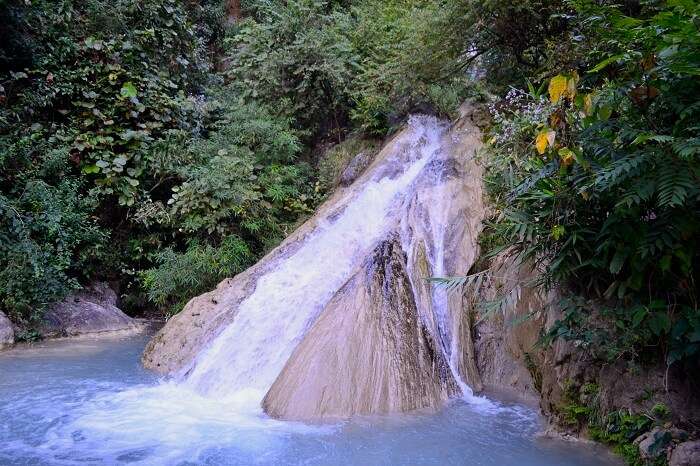
Neer Garh Waterfall, often called the “Secret Waterfall” or Neer Gaddu, is a stunning two-tiered limestone cascade located approximately 5–6 km from Laxman Jhula on the Rishikesh-Badrinath Highway. The site features multiple natural emerald-green pools that are perfect for a refreshing dip, especially after a long day of rafting or sightseeing. Reaching the main falls requires a 1.5 km moderate uphill trek through a lush forest trail that takes about 20–30 minutes; however, there is a smaller, more accessible fall just a short walk from the road for those who prefer less exertion. The area is well-equipped for a half-day trip, with small resting stops and tea stalls along the path serving Maggi, tea, and cold drinks. For the best experience, visit during the post-monsoon months (October to November) when the skies are clear and the water is pristine, or during the summer to enjoy the cooling effect of the mountain streams.
14. Kaudiyala

Kaudiyala is a picturesque village located approximately 40 km from Rishikesh on the Badrinath Highway, renowned as the ultimate hub for white-water rafting and adventure tourism in India. Situated at an elevation of 380 metres on the banks of the Ganges, it serves as the launchpad for the longest and most challenging rafting stretch in the region, spanning 35 km down to Rishikesh. This route is famous for its Grade III and IV+ rapids, including the notorious “The Wall,” a formidable rapid known for testing even the most experienced rafters. Beyond its high-adrenaline sports, Kaudiyala is a prime destination for beach camping, rock climbing, and birdwatching, offering a tranquil retreat amidst lush forests and the Himalayan foothills. Whether you are an adrenaline junkie looking to conquer the river or a nature lover seeking a peaceful riverside bonfire, Kaudiyala provides a raw, untouched experience far from the main city’s bustle.
15. Kunjapuri Devi Temple
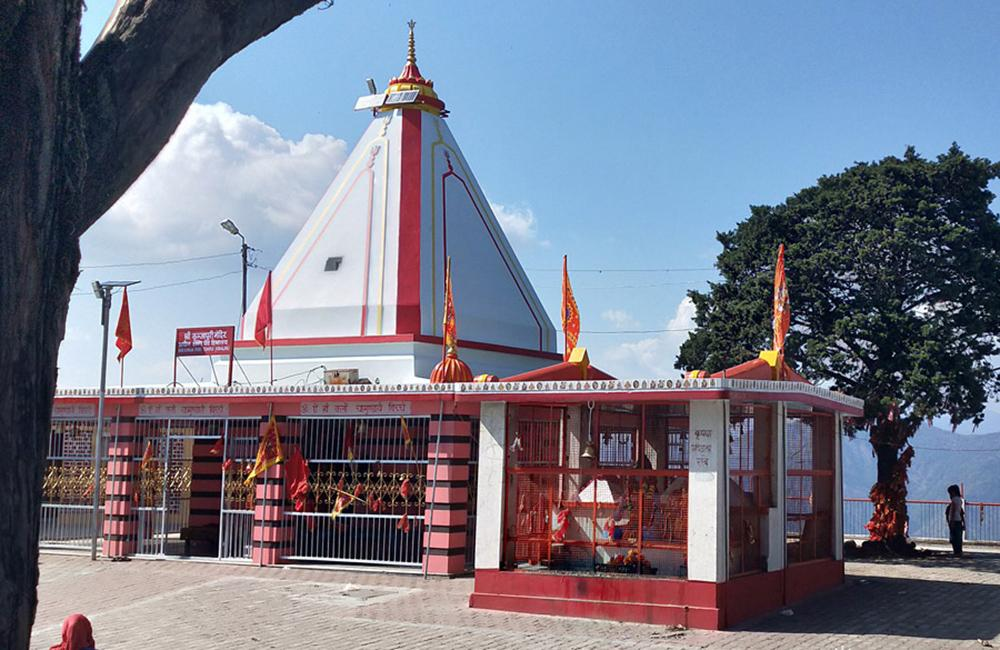
Kunjapuri Devi Temple is a revered Hindu shrine and one of the three Siddh Peeths in the Tehri Garhwal district, perched majestically at an altitude of 1,676 metres on Kunjapuri Hill. Located about 25 km from Rishikesh, the temple is dedicated to Goddess Sati and is believed to be the spot where her upper body fell during Lord Shiva’s Tandava. It is most famous for its stunning 360-degree panoramic views, offering a unique vantage point to see the snow-capped Himalayan peaks like Banderpunch, Chaukhamba, and Swargarohini to the north, and the sprawling Rishikesh valley and Ganges River to the south. Visitors typically arrive early in the morning to witness a spectacular sunrise over the mountains, often following a scenic drive or a 9 km downhill trek through local villages and forests. To reach the main sanctum from the road, one must climb a flight of about 300 steps, which is rewarded by a peaceful spiritual atmosphere and cool mountain air.