

Mount Abu is a beautiful and cool hill station situated in the Aravalli Range, renowned for being the only hill station in the desert state of Rajasthan. It is often referred to as an “oasis in the desert”; travelers adore it for its refreshing climate, lush green forests, and serene lakes. At the heart of the town lies the famous Nakki Lake, where visitors can enjoy boat rides and admire unique rock formations—such as the frog-shaped ‘Toad Rock.’ The town is also world-famous for the Dilwara Jain Temples, home to some of the most exquisite marble carvings found anywhere in the world. Whether you wish to trek to Guru Shikhar, visit the tranquil Brahma Kumaris spiritual center, or simply gaze at the sunset over the mountains—Mount Abu is an excellent destination for relaxation, offering a welcome escape from the desert heat.
Mount Abu boasts a robust economy that relies primarily on tourism, agriculture, and its spiritual centers. As Rajasthan’s sole hill station, it attracts millions of visitors annually seeking respite from the desert heat; this influx provides employment to thousands of locals working in hotels, restaurants, and as tour guides. In the surrounding rural areas, many residents earn their livelihood by cultivating fruits and vegetables—including honey and delicious mulberries, which are specialties of these hills. Finally, the local markets are always bustling with activity, as travelers browse and purchase beautiful Rajasthani handicrafts, marble figurines, and traditional attire in search of unique souvenirs.
Mount Abu is a remarkably safe and welcoming hill station for all types of travelers—including families, couples, and solo female travelers. Given its status as a popular holiday destination, the local community is exceptionally hospitable, and the crime rate remains remarkably low. Key areas such as Nakki Lake and the local markets remain well-lit and bustling with activity until late in the evening, making it very pleasant to stroll around.
Places to Visit in Mount Abu :
1.Kumbhalgarh

Kumbhalgarh is a world-famous fortress in Rajasthan, built in the 15th century by Rana Kumbha. It is most famous for its massive outer wall, which stretches for 36 kilometres, making it the second-longest continuous wall in the world after the Great Wall of China. Because of this, it is often called the “Great Wall of India.” The fort is built high in the Aravalli Hills and was so strong that it was almost never conquered in battle. Inside its huge walls, there are over 360 ancient temples, beautiful palaces like the Badal Mahal (Palace of Clouds), and it is also celebrated as the birthplace of the legendary warrior king Maharana Pratap. Today, it is a UNESCO World Heritage Site and a popular place for families to visit to see its amazing history, evening light shows, and the nearby wildlife sanctuary.
2.Pali
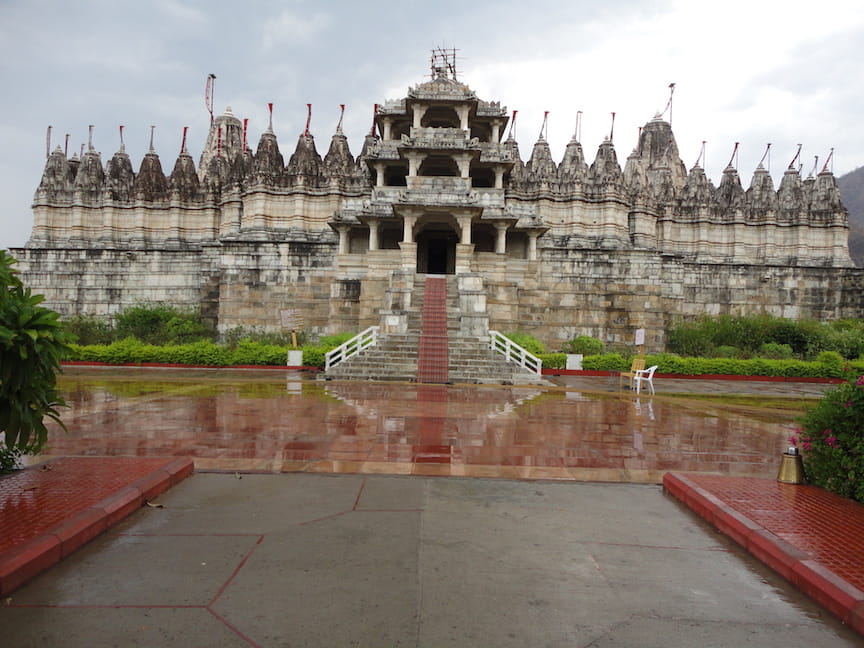
Pali is a historic and industrial district in Rajasthan, famously known as the “Textile City” due to its massive production of dyed cotton and synthetic fabrics. Strategically located between Jodhpur and Udaipur, it was historically a major trading hub for the Marwar region, and it gets its name from the Paliwal Brahmins who originally inhabited the area. The district is world-renowned for its architectural and spiritual landmarks, most notably the Ranakpur Jain Temple, which is a masterpiece of marble carving featuring 1,444 uniquely designed pillars. Pali is also a paradise for wildlife enthusiasts, especially at Jawai Bandh, one of the best places in India to spot leopards living harmoniously with the local Rabari herdsmen. From the unique Om Banna (Bullet Baba) shrine to the vast henna (mehndi) fields of Sojat, Pali offers a diverse mix of spiritual heritage, rugged desert nature, and industrial strength.
3.Jodhpur
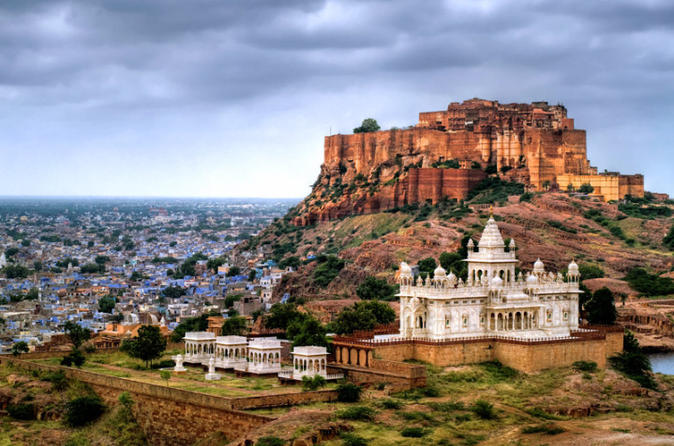
Jodhpur, popularly known as the “Blue City” and the “Sun City,” is the second-largest city in Rajasthan and a mesmerizing destination steeped in royal history. Founded in 1459 by Rao Jodha, it served as the capital of the Marwar kingdom and is famous for the towering Mehrangarh Fort, one of India’s largest and most magnificent citadels perched on a 400-foot-high hill. The city gets its “Blue City” nickname from the sapphire-hued houses in the old quarter, a tradition believed to have started with the Brahmin community to signify status and keep homes cool in the desert heat. Beyond the fort, Jodhpur is home to the opulent Umaid Bhawan Palace, one of the world’s largest private residences, and the elegant Jaswant Thada marble cenotaph. With its vibrant markets like Sardar Bazaar near the iconic Clock Tower, world-class handicrafts, and rich culinary heritage, Jodhpur offers a perfect blend of modern life and medieval charm at the edge of the Thar Desert.
4.Dilwara Jain Temples
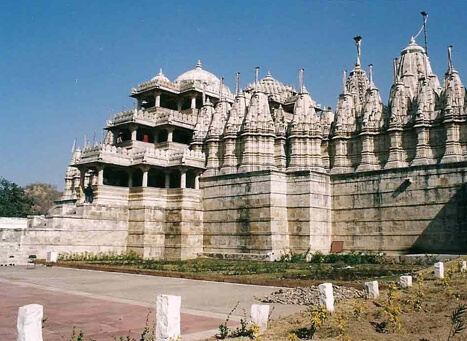
The Dilwara Jain Temples, located in Mount Abu, are a world-famous group of five Shvetambara Jain temples renowned for their unparalleled marble architecture and spiritual significance. Built between the 11th and 16th centuries under the patronage of the Chalukya Dynasty, these temples are often considered architecturally superior to the Taj Mahal due to their incredibly detailed and delicate stone carvings. From the outside, the temples appear surprisingly modest, reflecting Jain values of simplicity; however, the interiors are a “marble symphony” of minutely carved ceilings, ornate pillars, and lotus-shaped domes. The complex includes five distinct shrines: the oldest being Vimal Vasahi (dedicated to Lord Adinath) and the exquisitely detailed Luna Vasahi (dedicated to Lord Neminath), alongside the Pittalhar, Parshvanatha, and Mahavir Swami temples. Nestled amidst forested hills, this site remains one of the holiest Jain pilgrimage destinations in India, offering a serene atmosphere that perfectly blends artistic mastery with deep-rooted devotion.
5.Mount Abu Wildlife Sanctuary
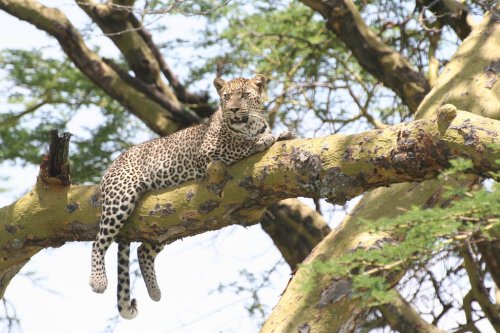
The Mount Abu Wildlife Sanctuary is a lush, biodiverse haven located in the Aravalli Range, Rajasthan’s only hill station. Spanning approximately 288 square kilometres, it is uniquely positioned on a plateau that includes Guru Shikhar, the highest peak in the state at 1,722 metres. The sanctuary is a paradise for nature lovers, boasting over 820 plant species, including rare orchids, wild roses, and dense bamboo forests. It serves as a vital habitat for a wide variety of wildlife, most notably the Indian leopard, which is the apex predator here, along with sloth bears, sambar deer, wild boars, and striped hyenas. Birdwatchers can spot more than 250 species of birds, including the rare green avadavat and the grey jungle fowl. With its scenic viewpoints, waterfalls, and igneous rock formations with large weathered cavities, the sanctuary offers an “oasis in the desert” experience and is a popular destination for ecotourism and trekking.
6.Nakki Lake
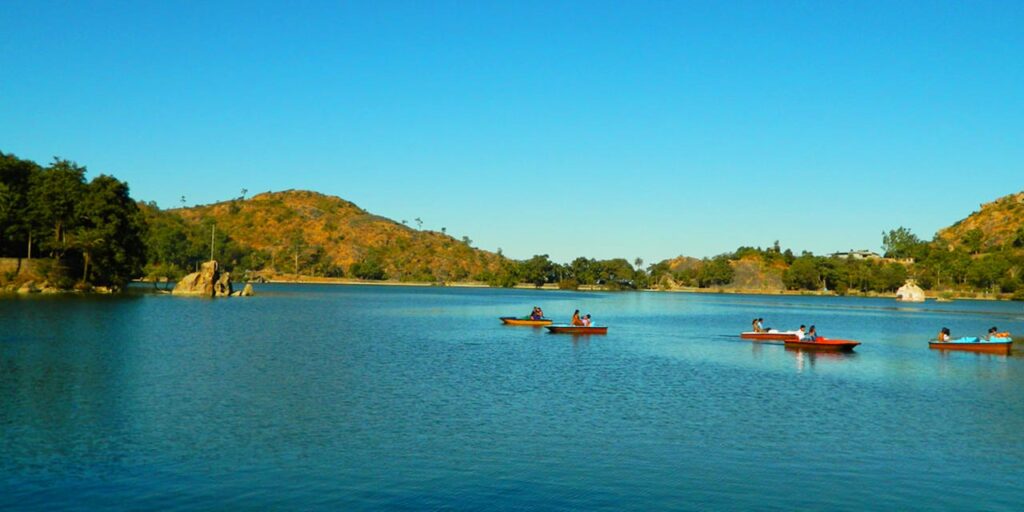
Nakki Lake is a beautiful, calm lake located in the heart of Mount Abu, and it is often called the “Love Lake of Rajasthan.” According to a famous local legend, the lake was dug out by gods using only their fingernails (Nakh) to protect themselves from a demon, which is how it got its name. It is a very special place because it is the only Indian artificial lake situated at a height of 1,200 metres above sea level. Today, it is a favorite spot for families and couples who enjoy peaceful boat rides while looking at the surrounding green hills and strange rock formations, like the famous Toad Rock that looks like a frog about to jump. The area around the lake is filled with lively markets, food stalls, and walking paths, making it the perfect place for an evening stroll to enjoy the cool mountain breeze and a beautiful sunset.
7.Guru Shikhar
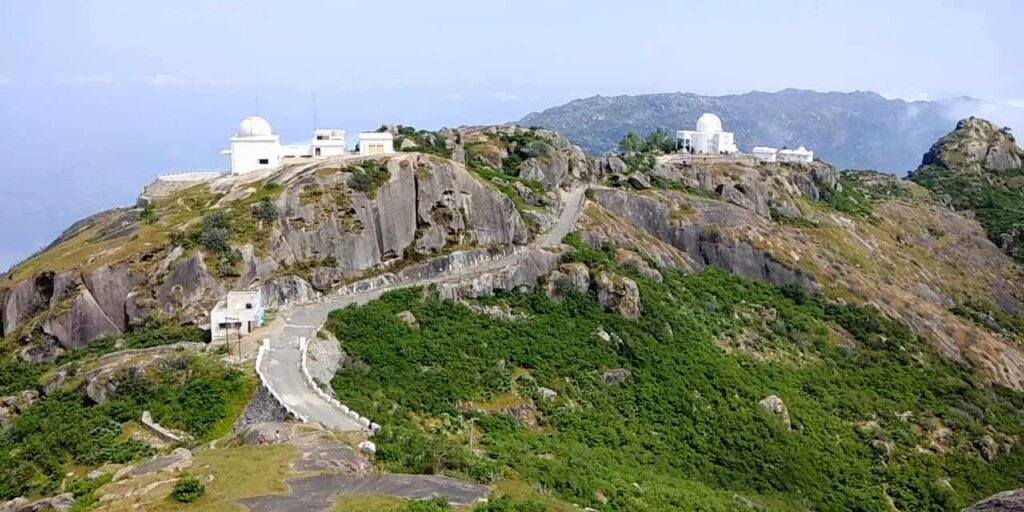
Guru Shikhar is the highest point in Rajasthan and the entire Aravalli Range, standing at a majestic height of 1,722 metres above sea level. Located about 15 kilometres from Mount Abu, it offers a breathtaking 360-degree bird’s-eye view of the lush green hills and the surrounding desert plains. The peak is named after the “Guru” Dattatreya, an incarnation of the Hindu deities Brahma, Vishnu, and Shiva; a famous temple dedicated to him sits right at the summit. Next to the temple, you can see a large brass bell that visitors often ring to announce their presence at the peak. It is also home to the Mount Abu Observatory, a world-class facility used by the Physical Research Laboratory for space studies. Whether you are a pilgrim, a nature lover, or a photography enthusiast, Guru Shikhar is a must-visit spot to experience the cool mountain air and the most spectacular sunrise and sunset views in the state.
8.Achalgarh Fort
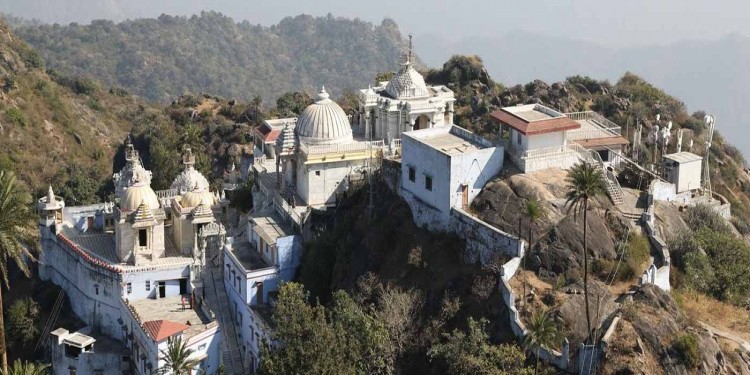
Achalgarh Fort is a historic and spiritual landmark located about 11 km north of Mount Abu, originally built by the Paramara dynasty and later renovated by Maharana Kumbha in 1452. Perched on a high peak of the Aravalli Range, the fort was strategically designed to monitor enemy movements and protect the region. Though much of the fort is now in ruins, it remains a major attraction for its majestic gateways, like Hanumanpol and Champapol, and the ancient temples found within its walls. The most famous site here is the Achaleshwar Mahadev Temple, dedicated to Lord Shiva, where devotees worship a naturally occurring lingam believed to be Shiva’s toe and admire a massive 4-ton Nandi statue made of five metals. Visitors can also explore serene Jain temples built in 1513, witness the legendary Mandakini Lake, and enjoy breathtaking panoramic views of the surrounding lush valleys.
9.Peace Park
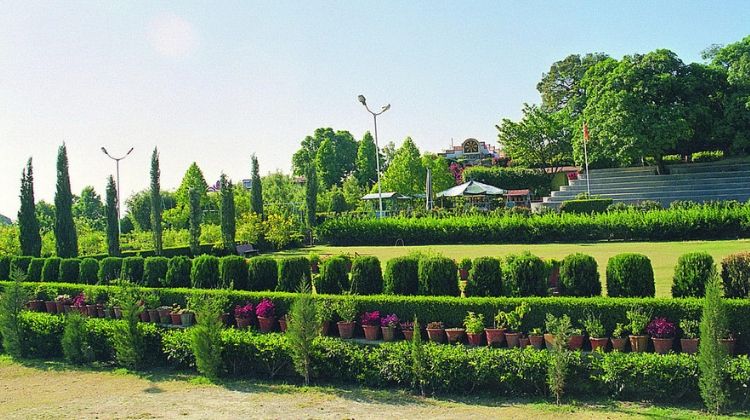
The Hiroshima Peace Memorial Park is a vast public park and memorial complex dedicated to the legacy of Hiroshima as the first city in the world to suffer a nuclear attack at the end of World War II. Located in the center of Hiroshima, Japan, in what was once the city’s bustling Nakajima commercial district, the park was built on an open field created by the atomic bomb explosion on August 6, 1945. Designed by Japanese Architect Kenzō Tange, it covers over 120,000 square meters and features numerous memorials, including the Atomic Bomb Dome (a UNESCO World Heritage site), the Hiroshima Peace Memorial Museum, and the Cenotaph for A-bomb Victims. The park serves as a profound symbol of the horrors of nuclear war, acting as both a memorial for the estimated 140,000 victims and a powerful advocate for lasting world peace. It is visited by over one million people annually and hosts the annual Peace Memorial Ceremony on August 6th to pray for the abolition of nuclear weapons.
10.Toad Rock
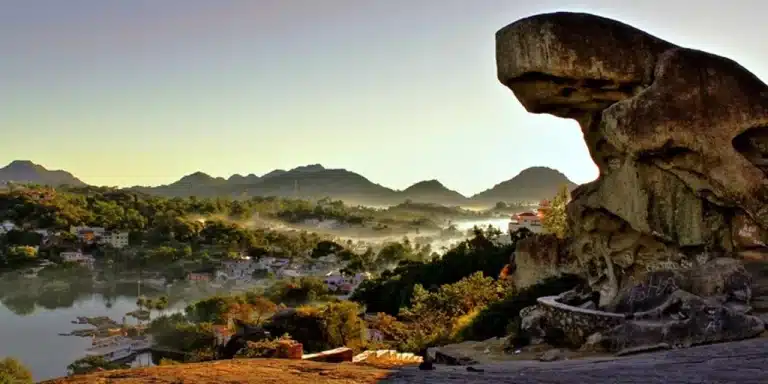
Toad Rock is an iconic natural rock formation in Mount Abu, famously known as the “mascot” of the hill station due to its striking resemblance to a giant toad about to leap into the water. Perched on a hill overlooking the southern shores of Nakki Lake, this massive igneous rock was carved over thousands of years by natural wind and water erosion. To reach the formation, visitors must undertake a short but steep trek of approximately 250 stone steps, a journey that takes about 20 minutes and passes by a small cave where the philosopher Swami Vivekananda once meditated. Once at the summit, the site offers one of the most spectacular bird’s-eye views of the lake and the surrounding lush Aravalli range. It is a favorite spot for photography and nature lovers, especially during sunrise and sunset, when the golden light accentuates the unique contours of the rock and the peaceful mountain landscape.
11.Sunset Point
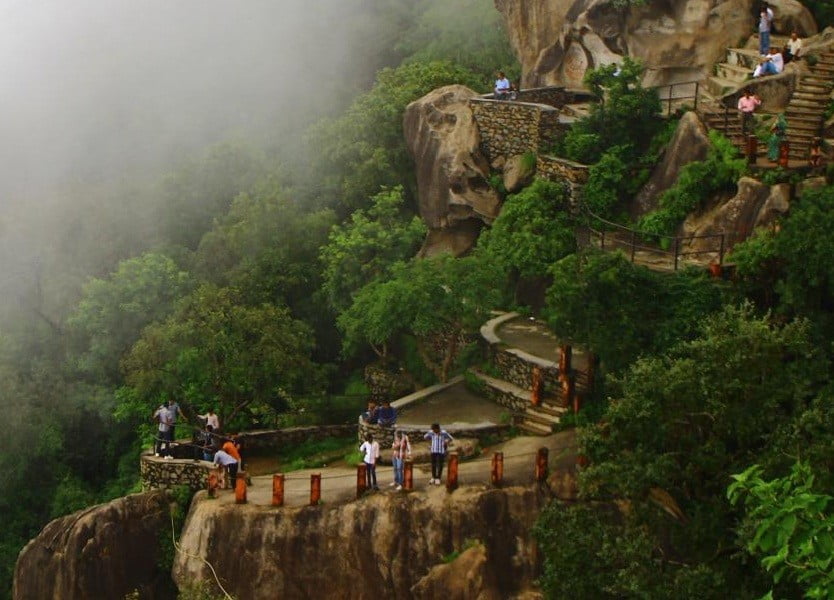
Sunset Point is one of the most popular and scenic viewpoints in Mount Abu, located southwest of the famous Nakki Lake behind the dense Aravalli Range forests. Perched at an elevation of approximately 1,220 metres, it offers an unobstructed panoramic view of the sun dipping behind the rolling hills and green valleys, painting the sky in vibrant shades of orange, pink, and purple. To reach the main viewing area, visitors typically embark on a pleasant 1-kilometre walk through forested terrain from the ticket counter, though local options like horseback riding and push carts are also available. In the evening, the area takes on a lively, carnival-like atmosphere with numerous food stalls selling local snacks like kachoris and souvenir shops offering marble statues and wooden toys. The viewpoint is equipped with railings and staircases for safe seating, making it an ideal spot for photography enthusiasts and families to witness nature’s “grand finale” in a cool, hill-station breeze.
12.Shri Raghunath Temple
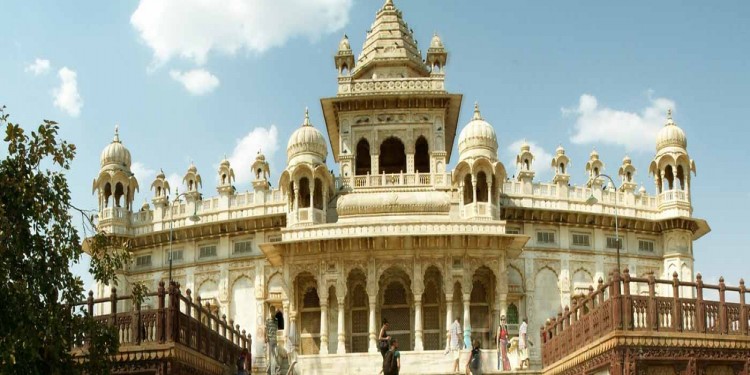
Shri Raghunath Temple is a highly revered 14th-century Hindu shrine located on the serene shores of Nakki Lake in Mount Abu. Dedicated to Raghunathji, an incarnation of Lord Vishnu, the temple is a spiritual sanctuary for Vaishnavites who believe the deity protects followers from natural calamities and liberates them from life’s troubles. Architecturally, the temple is an exquisite example of Mewar-style heritage, featuring delicate marble carvings, religious murals, and intricate wall inscriptions. Legend attributes its foundation to the famous Hindu scholar Shri Ramanand, and its central attraction is a beautifully carved idol of the Lord that draws thousands of pilgrims and tourists alike. The temple’s peaceful atmosphere, combined with its proximity to the lake, makes it a must-visit for those seeking both architectural brilliance and spiritual calm in Rajasthan’s only hill station.
13.Mount Abu Bazaar

Mount Abu Bazaar, primarily consisting of the vibrant Nakki Lake Market and Abu Bazaar, is the commercial and cultural heart of Rajasthan’s only hill station. It is a shopper’s paradise famous for its diverse collection of traditional Rajasthani and Gujarati handicrafts, ranging from intricate Kota doria sarees and hand-embroidered textiles to colorful “bandhani” fabrics. One of the unique highlights of this market is the abundance of Sandalwood and Rosewood carvings, along with beautiful marble statues and stone-crafted jewellery that reflect the region’s artistic heritage. The bazaar is also a major hub for food lovers, filled with lively stalls serving local delicacies like Dal Bati Churma, spicy Kachoris, and refreshing Mulberry Cream. As the sun sets, the market area near the lake becomes especially magical, with its glittering shops and cool mountain breeze making it the perfect place for a relaxed evening stroll, souvenir hunting, and experiencing the warm hospitality of the local hill community.
14.Trevor’s Tank
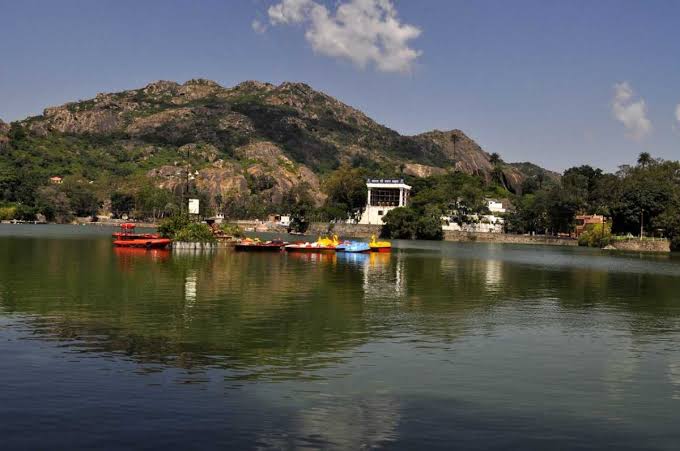
Trevor’s Tank, also known as Trevor’s Crocodile Park, is a serene man-made reservoir and wildlife sanctuary located about 5 kilometres from the main town of Mount Abu. Named after the British engineer Colonel G.H. Trevor who built it in 1897, the tank is famous as a dedicated breeding ground for crocodiles. It is a paradise for nature lovers and birdwatchers, as the surrounding dense forests are home to peacocks, pigeons, and occasionally sloth bears. Visitors can explore the area via a bumpy 2-kilometre jungle trail that leads to the lake, where multiple viewing stations allow you to safely watch crocodiles basking on the rocks. Its tranquil atmosphere, panoramic views of the lush Aravalli hills, and quiet picnic spots make it one of the best “eco-tourism” destinations for those looking to escape the busier parts of the hill station.
15.Universal Peace Hall

The Universal Peace Hall, also known as Om Shanti Bhawan, is a grand spiritual landmark in Mount Abu and the main assembly hall of the Brahma Kumaris World Spiritual University. Built in 1983, this massive ivory-coloured structure is famous for its incredible architecture, featuring a column-free main hall that can seat over 3,000 people in total silence. The hall is equipped with a high-tech translation system that can provide simultaneous interpretation in over 16 languages, reflecting its role as a global centre for meditation and world peace. Visitors are often drawn to its serene atmosphere and the beautiful gallery that explains spiritual concepts through paintings and models. It is a place dedicated to self-reflection and mental peace, open to people of all faiths who wish to experience meditation or attend spiritual discourses in the calm, cool environment of the Aravalli hills.
16.Sirohi
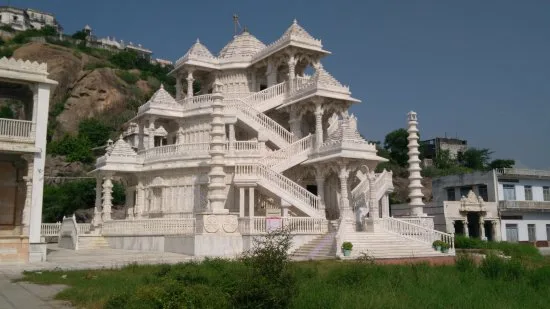
Sirohi is a historic district in southern Rajasthan, famously known as “Devnagari” (the City of Gods) due to its vast number of ancient temples and shrines. Established in 1425 by Rao Sains Mal of the Deora Chauhan clan, it served as the capital of the princely state of Sirohi and is legendary for its long tradition of manufacturing high-quality, double-edged Sirohi swords. Geographically, the district is defined by the rugged Aravalli Range and is home to Mount Abu, the only hill station in Rajasthan. Beyond its hill stations, Sirohi boasts major spiritual landmarks like the Pavapuri Jain Temple, the fort-like Sarneshwar Mahadev Temple (the clan deity of the rulers), and the ancient Mirpur Jain Temple, which is the oldest marble temple in the state. Economically, the region thrives on agriculture, mineral-based industries like cement production, and vibrant local crafts, including exquisite marble and metal work.
17.Ranakpur
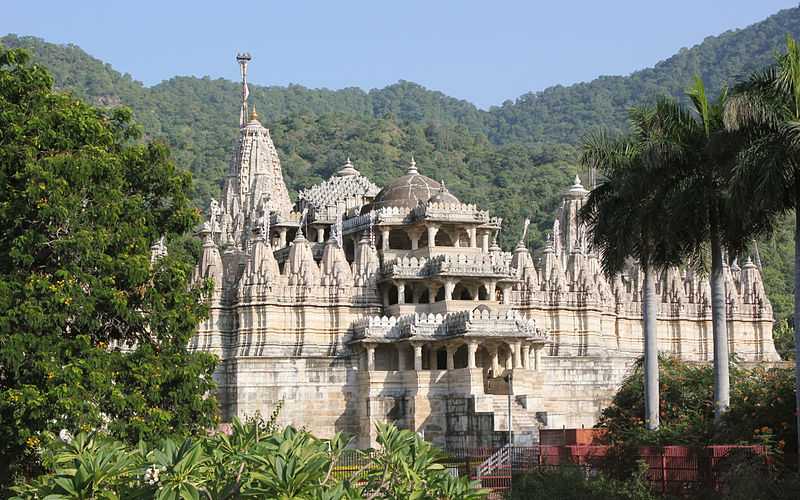
Ranakpur is a serene village in Rajasthan’s Pali district, world-renowned for its 15th-century Ranakpur Jain Temple, an architectural masterpiece dedicated to Lord Adinath. Nestled in a lush valley of the Aravalli Range, the temple is famous for its staggering 1,444 marble pillars, each intricately carved with unique designs so that no two are identical. This massive white marble structure, built by the merchant Dharna Shah under the patronage of Rana Kumbha, features 29 halls and 80 domes, all designed to allow natural light and air to flow through freely. A unique aspect of its “Chaumukha” (four-faced) design is that the main deity remains visible from every corner of the temple, unobstructed by the forest of pillars. Beyond the main shrine, the complex includes the Sun Temple and the Suparshvanatha Temple, making it one of the most sacred and beautiful pilgrimage sites in India.
18.Udaipur
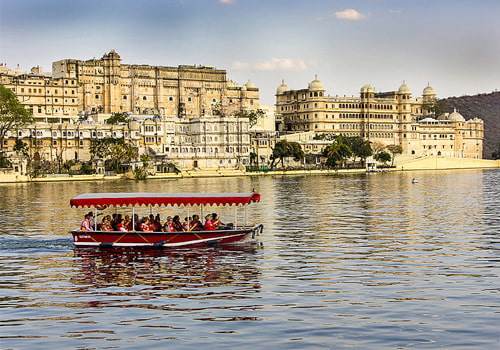
Udaipur, famously known as the “City of Lakes” and the “Venice of the East,” is one of India’s most romantic and beautiful cities, nestled in the Aravalli Hills of Rajasthan. Founded in 1559 by Maharana Udai Singh II, it served as the historic capital of the Mewar Kingdom and is celebrated for its stunning lakeside palaces and tranquil atmosphere. The city’s crown jewel is the City Palace, a massive complex of balconies, cupolas, and towers overlooking the shimmering Lake Pichola, where the iconic white-marble Lake Palace appears to float on the water. Beyond the lakes, Udaipur is home to the ancient Jagdish Temple, the lush “Garden of the Maidens” (Sahelion-ki-Bari), and the hilltop Monsoon Palace which offers panoramic sunset views. Known for its rich heritage of miniature paintings, vibrant folk dances, and traditional puppetry, Udaipur offers a perfect blend of royal history, artistic culture, and scenic natural beauty.
19. Adhar Devi Temple (Arbuda Devi Temple)
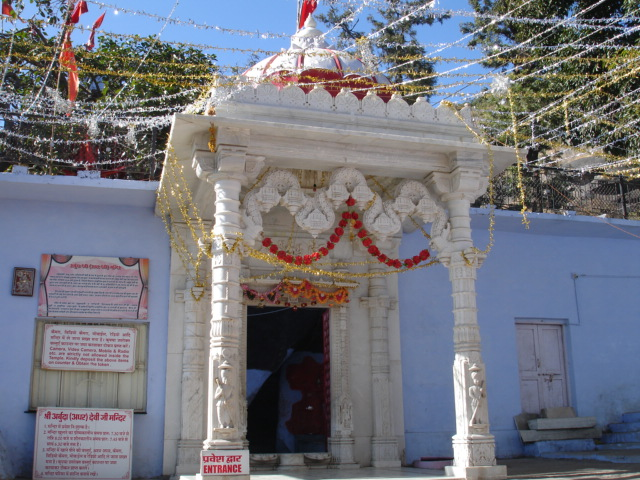
Adhar Devi Temple, also known as Arbuda Devi Temple, is a holy Hindu shrine located inside a natural cave on a high hill in Mount Abu. To reach the temple, you must climb 365 steep stone steps, which people say represent the days of the year. The temple is special because it is carved out of a massive rock, and the main idol of Goddess Durga is located deep inside a narrow cave where you often have to crawl or stoop to enter. It is called “Adhar” because legend says the adhar (lips) of Goddess Sati fell here, and some believe the image of the goddess still hangs in mid-air. After finishing the climb, visitors are rewarded with a breathtaking bird’s-eye view of the entire city and the green Aravalli hills.
20. Gaumukh Temple (Gaumukh Temple)
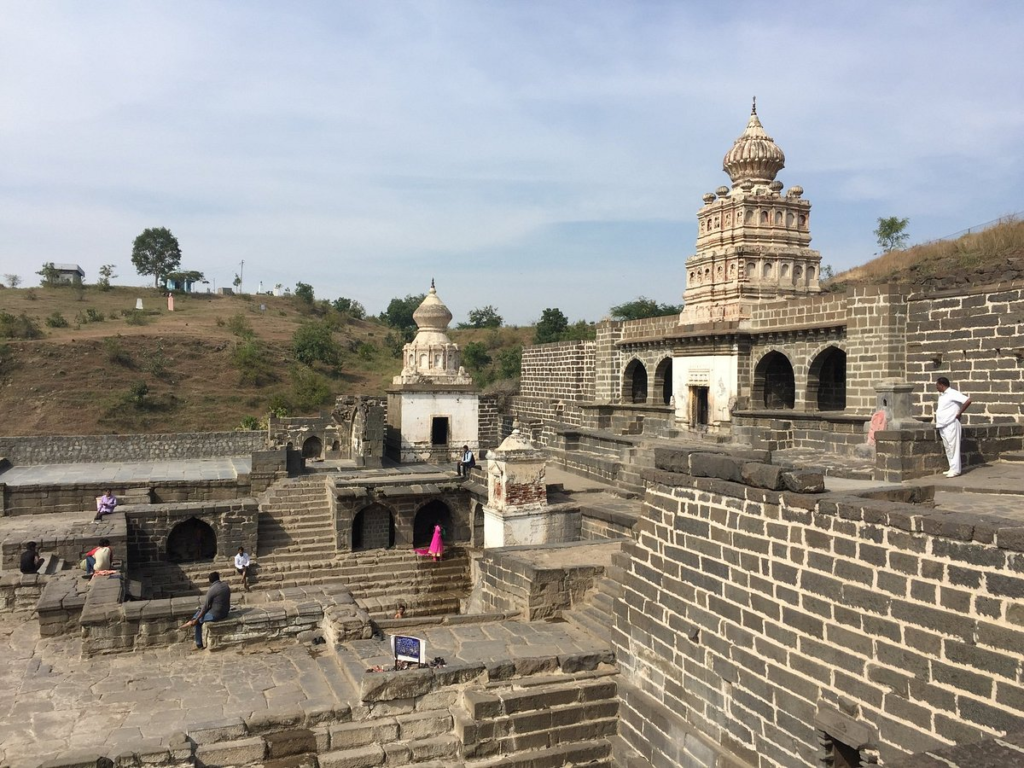
Gaumukh Temple (meaning “Mouth of the Cow”) is one of the most sacred and peaceful spots in Mount Abu, famous for its deep connection to Hindu mythology. To reach the temple, you must climb down about 700 to 800 stone steps into a lush green valley, which takes about 30 to 45 minutes. The main highlight is a natural spring that flows continuously from a marble rock shaped like a cow’s head. Devotees believe this holy water is purifying and often use it for spiritual rituals.
This site is famously known as the place where the great Sage Vashishtha performed a holy fire ritual (yagna) at the Agni Kund to create the four major Rajput clans. Near the temple, you can see ancient marble statues of Lord Rama, Lord Krishna, and Saint Vashishtha. Surrounded by thick forest, it is a perfect spot for meditation and enjoying the quiet sounds of nature, but remember that the climb back up can be quite tiring, so it is best to visit in the cool morning hours.