
Dalhousie is an exceptionally beautiful hill station situated in the Chamba district of Himachal Pradesh, India. It is nestled in the Western Himalayas at an altitude of approximately 1,970 meters (6,460 feet). It was established by the British in 1854 as a summer retreat and a sanatorium (a place for therapeutic recovery). The town is unique in that it is spread across five hills—Kathlog, Potreyn, Tehra, Bakrota, and Balun. It is renowned for its lush greenery—comprising forests of pine, deodar, and oak—and for its magnificent views of the snow-capped Dhauladhar mountain range. To this day, the town retains the deep charm of the colonial era, evident in its Victorian-style mansions and historic churches such as St. John’s and St. Francis’. Popular nearby tourist attractions include Khajjiar, often referred to as “India’s Mini Switzerland,” as well as the towering Dainkund Peak and the Kalatop Wildlife Sanctuary. History enthusiasts also visit Subhash Baoli, a natural spring where it is believed that the freedom fighter Netaji Subhash Chandra Bose spent some time in 1937 to rejuvenate himself.
Dalhousie’s economy is a multifaceted system, primarily anchored in tourism. Tourism serves as the town’s largest source of revenue, followed by a robust education sector and high-value agriculture. As a prominent hill station, tourism contributes significantly to the local GDP. Dalhousie is generally regarded as one of the safest hill stations in India—a destination where families and solo female travelers alike can visit without hesitation. The crime rate here is extremely low, and the local community is known for its hospitality and helpful nature.
Most Famous And Attractive Tourist Places In Dalhousie :
1. Panchpula
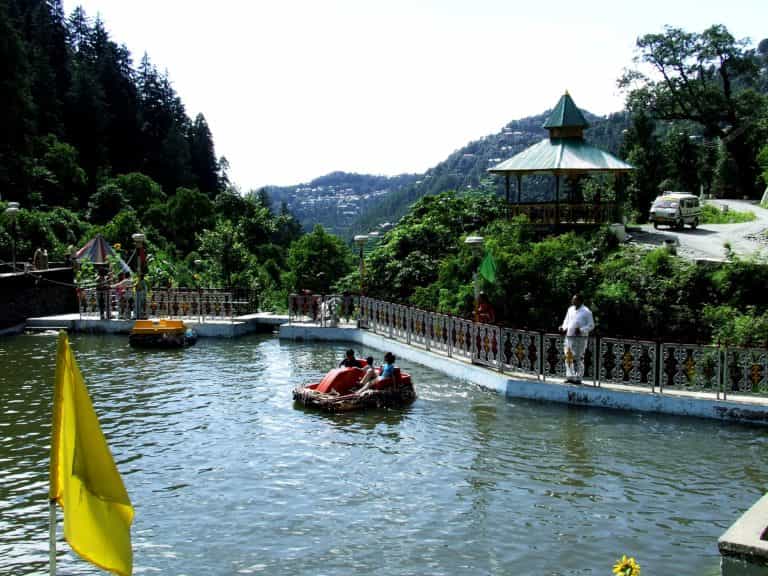
Panchpula is a famous picnic spot and scenic destination located roughly 3 km from Dalhousie in Himachal Pradesh, known primarily as the place where five mountain streams converge to form a cascading waterfall. Its name literally translates to “Five Bridges”, referring to the small bridges built over these streams, which collectively serve as the primary source of drinking water for Dalhousie and nearby villages. Beyond its natural beauty, Panchpula holds deep historical significance as it houses the Samadhi (memorial) of the great Indian revolutionary Sardar Ajit Singh, the uncle of martyr Bhagat Singh, who breathed his last here. Surrounded by dense forests of deodar and pine, the area is a hub for nature enthusiasts and adventure seekers, offering activities like ziplining, trekking, and hiking on trails that lead to locations such as the Ganji Pahari “bald hill” or the higher Dainkund Peak. Visitors often stop at the nearby Satdhara Springs on their way, as its waters are believed to possess medicinal properties that can cure skin ailments.
2. Khajjiar
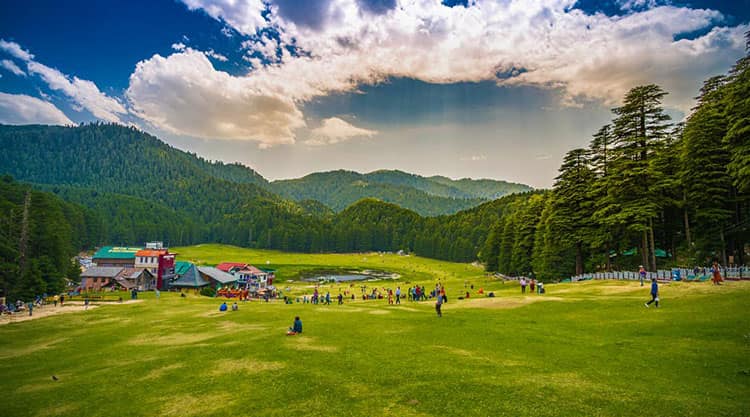
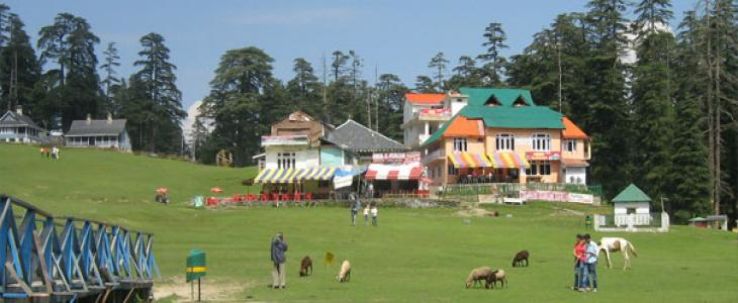
Khajjiar is a stunning high-altitude meadow in the Chamba district of Himachal Pradesh, famously known as the “Mini Switzerland of India.” Situated at an elevation of about 6,500 feet, it is uniquely positioned at the intersection of three distinct ecosystems: a central lake, vast lush pastures, and dense cedar and pine forests. The town’s centerpiece is the Khajjiar Lake, a serene water body featuring a floating island of matted grass, surrounded by a saucer-shaped glade that is perfect for picnics and adventure activities like zorbing and paragliding. Historically, the area is significant for the Khajji Nag Temple, a 12th-century shrine dedicated to the serpent god, which showcases intricate wooden carvings and a rare blend of Hindu and Mughal architecture. Part of the Kalatop Khajjiar Sanctuary, this tranquil spot offers panoramic views of the snow-capped Dhauladhar mountains and is a favorite for trekkers, families, and nature enthusiasts seeking a peaceful escape from the bustling hill stations.
3. Satdhara Falls
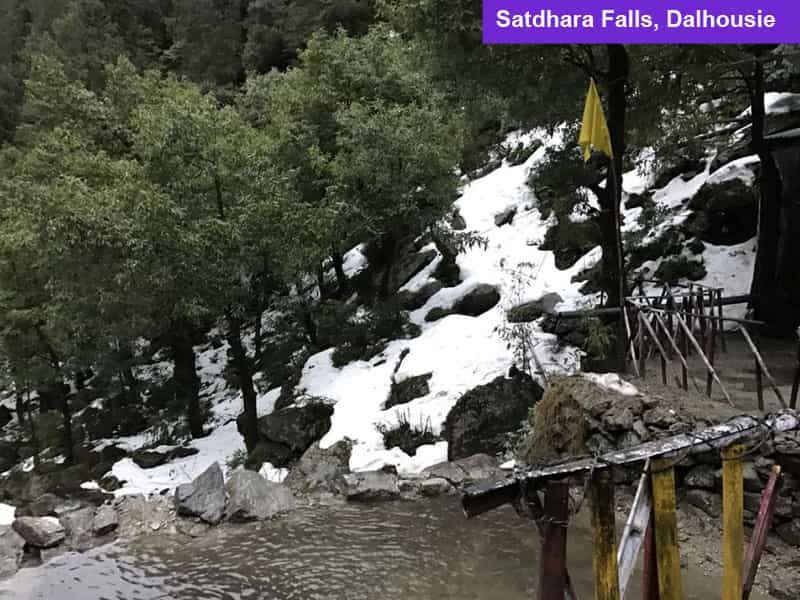
Satdhara Falls is a serene natural attraction located at an altitude of 2,036 metres on the way to Panchpula, approximately 2 km from Dalhousie. Its name is derived from the Hindi words Sat (seven) and Dhara (springs), signifying the seven sparkling springs that converge at this single point. These springs are highly regarded for their medicinal properties, as the water contains mica, a mineral known for its ability to heal skin ailments and improve overall well-being. The falls are surrounded by dense forests of deodar and pine, offering a tranquil atmosphere filled with the refreshing scent of wet earth and vegetation. It is a popular spot for nature walks and photography, providing a peaceful retreat where visitors can enjoy the sound of cascading water against the backdrop of the snow-clad Himalayas.
4. Kalatop Wildlife Sanctuary
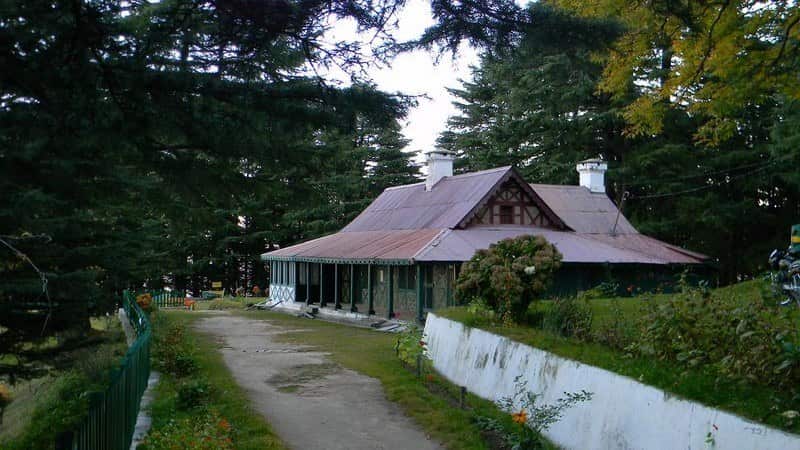
Kalatop Wildlife Sanctuary is a sprawling nature reserve located between Dalhousie and Khajjiar, covering an area of approximately 30 square kilometres at an altitude ranging from 2,000 to 2,500 metres. The name “Kalatop” translates to “Black Hat,” referring to the thick, dark canopy of deodar, oak, and blue pine forests that cover the hilltop. This sanctuary is a haven for biodiversity, famously housing the Himalayan black bear, as well as leopards, barking deer, langurs, and the Himalayan serow. It is equally a paradise for birdwatchers, as it is home to rare species like the Black-headed Jay, Grey-headed Canary-flycatcher, and the Eurasian Jay. The sanctuary features well-laid nature trails and trekking routes that offer panoramic views of the snow-clad Pir Panjal range and the Ravi River. At the heart of the forest sits a historic Forest Guest House that offers a serene stay amidst the wilderness, making it a premier destination for eco-tourism and wildlife photography in Himachal Pradesh.
5. Chamera Lake
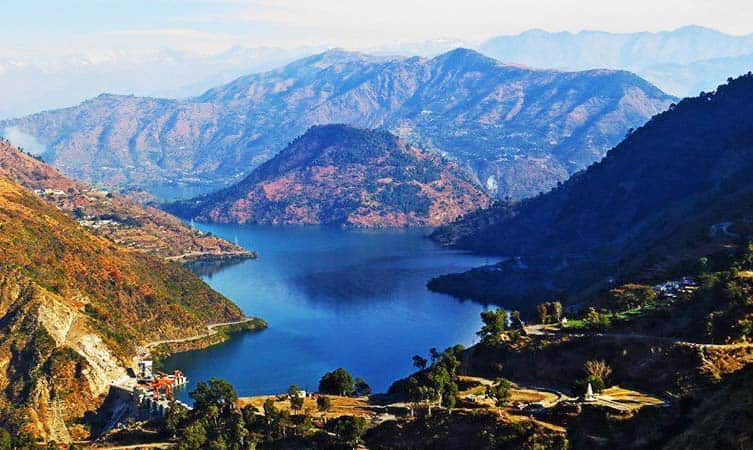
Chamera Lake is a beautiful artificial lake located about 25–30 km from Dalhousie in the Chamba district of Himachal Pradesh. It is actually a reservoir formed by the Chamera Dam on the Ravi River, which provides water for electricity and irrigation to nearby villages. The lake is famous for its emerald-blue waters and the quiet mountains that surround it, making it a perfect spot for families and couples looking for a peaceful break. Visitors love the Chamera Lake primarily for boating, with options ranging from relaxing motorboat rides to thrilling speedboats. Because there is no aquatic life in the lake, the water is calm and ideal for various water sports like kayaking and canoeing. The best time to visit is from March to June when the weather is pleasant for outdoor picnics and enjoying the scenic views.
6. Ganji Pahari Trek
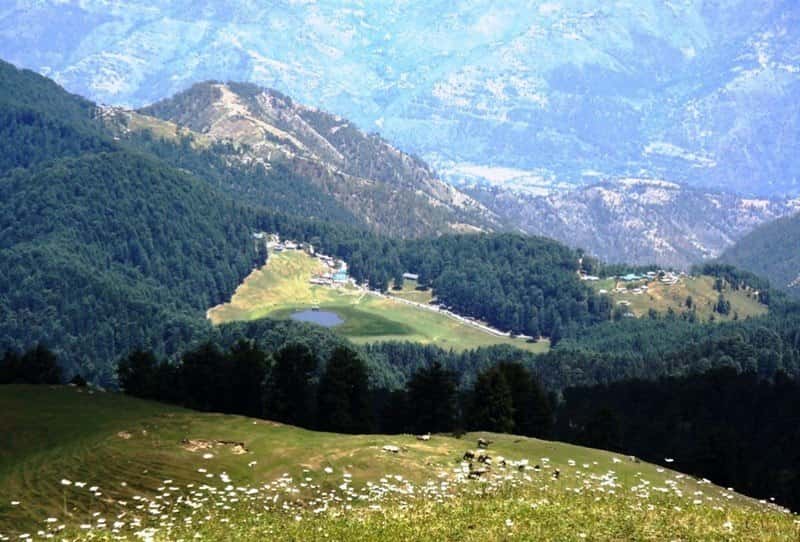
Ganji Pahari is a popular and relatively easy trekking destination located about 5 km from the main town of Dalhousie. Its name literally translates to “Bald Hill”, a title given because the summit is completely devoid of trees and vegetation, creating a striking contrast against the surrounding lush green deodar forests. The trek is approximately 1 to 2 kilometres long, starting from the Panchpula area, and typically takes about an hour to reach the top. Once at the summit, trekkers are rewarded with breathtaking 360-degree panoramic views of the snow-capped Dhauladhar mountain range and the deep valleys of the Chamba region. Because of its manageable incline, it is considered an ideal spot for beginners, families, and photography enthusiasts, especially during sunrise and sunset. In the winter months, the “bald” landscape transforms into a pristine white playground covered in thick snow, making it a favorite for local hikers and campers.
7. Dainkund Peak
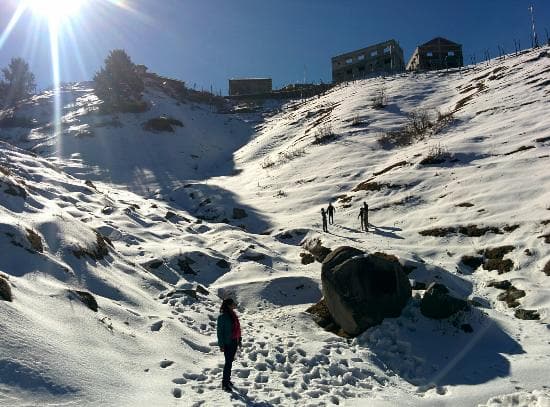
Dainkund Peak is the highest point in the Dalhousie region, sitting at an impressive altitude of approximately 2,755 metres (9,038 feet). Often called the “Singing Hill,” it earned this nickname because of the musical sound produced by the wind blowing through the dense forest of deodar and pine trees. The peak offers a spectacular 360-degree view of the lush green valleys and the majestic snow-clad Dhauladhar mountain range. A short and scenic trek leads visitors to the top, where the famous Pholani Devi Temple is located—a unique site that features only a trident (Trishul) rather than a traditional idol. The peak is also home to an Air Force station, and from certain vantage points, you can see the Ravi, Chenab, and Beas rivers snaking through the landscape on a clear day.
8. Paragliding at Khajjiar
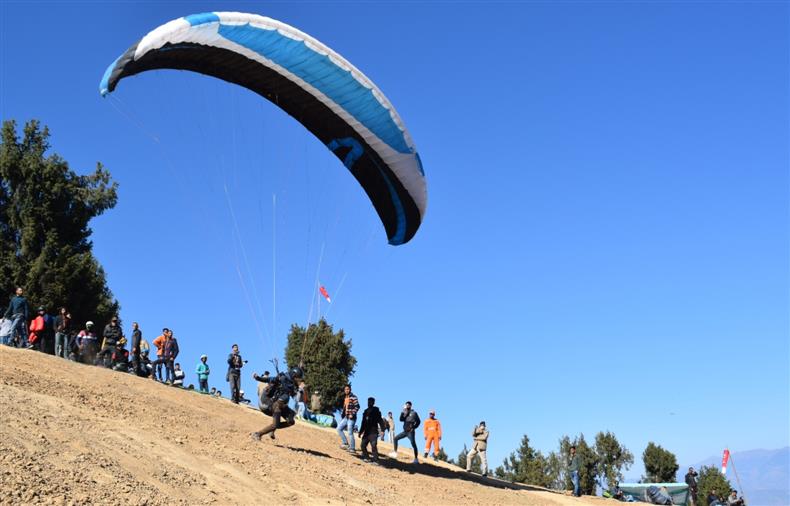
Paragliding at Khajjiar is one of the most popular adventure activities in Himachal Pradesh, offering a bird’s-eye view of the stunning “Mini Switzerland of India.” The activity typically takes place from a high-altitude takeoff point on the surrounding hills, from which gliders soar over the vast, emerald-green Khajjiar Meadow, dense cedar forests, and the central lake. Most flights are tandem, meaning a professional pilot handles the navigation while the tourist enjoys the flight, which usually lasts between 5 to 10 minutes depending on wind conditions. The experience provides a unique perspective of the snow-capped Dhauladhar mountain range and the breathtaking landscape of the Kalatop Wildlife Sanctuary. While it is available most of the year, the best time for paragliding is during the summer months from March to June and the post-monsoon season from September to November, when the skies are clear and the thermal currents are stable.
9. Subhash Baoli
Subhash Baoli is a serene and historically significant natural spring located about 1 km from Gandhi Chowk in Dalhousie. It is named after the famous Indian freedom fighter Netaji Subhash Chandra Bose, who spent several months in Dalhousie in 1937 to recover from a serious illness. Local legend says that he drank the mineral-rich water from this perennial spring every day, which significantly helped restore his health. Today, the spot is a popular tourist retreat surrounded by towering deodar trees and offering majestic views of the snow-capped Himalayan peaks. It features a well-maintained seating area where visitors can relax in the shade, breathe in the fresh mountain air, and enjoy the peaceful sound of the water. Because it is so close to the main town, it is an ideal spot for a short nature walk or a quiet afternoon of meditation and photography.
10. Sach Pass
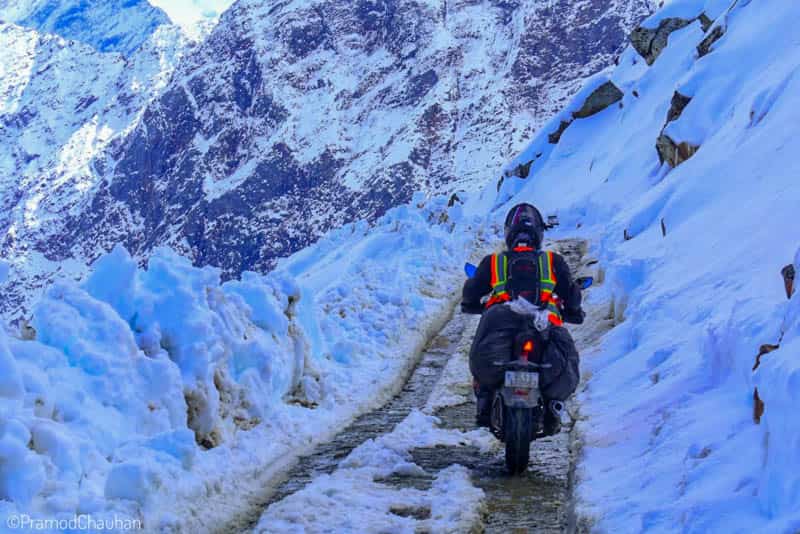
Sach Pass is a high-altitude mountain pass in the Chamba district of Himachal Pradesh, situated at a staggering elevation of 4,420 metres (14,500 feet) on the Pir Panjal Range. It serves as the shortest and most adventurous trekking and driving route connecting the Chamba Valley with the remote Pangi Valley, which remains landlocked for much of the year. Often referred to as one of the most dangerous and thrilling passes in the world, the road is characterized by narrow, unpaved paths, steep inclines, and massive walls of ice that can reach up to 40 feet in height even in mid-summer. The pass is only open for a short window, typically from late June to October, as it remains buried under heavy snow for the rest of the year. For adventure seekers and bikers, Sach Pass is a ultimate destination, offering raw, rugged landscapes, freezing temperatures, and breathtaking views of the “Hanging Glaciers” and the snow-capped Himalayan peaks.
11. Rock Garden, Dalhousie
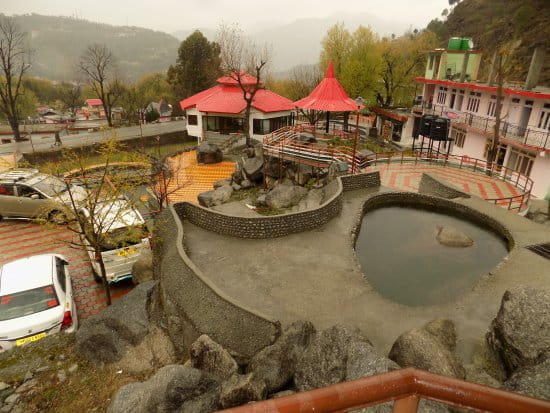
The Rock Garden in Dalhousie is a tranquil and picturesque attraction located in Devi Dehra, about 12 km from the main town center on the way to Chamera Lake. Unlike the more famous man-made Rock Garden in Chandigarh, this spot is a more natural retreat created by the diversion of hill streams. It features artistically arranged boulders, lush green landscapes, and a natural waterfall that is most impressive during the monsoon season. Visitors often use the site as a peaceful picnic spot to relax away from the hustle of the city, enjoying the cool mountain air and scenic backdrops of the snow-clad Himalayas. The garden also offers light recreational activities such as zip-lining, nature walks, and swings for children, making it a family-friendly stopover.
12. Chamba
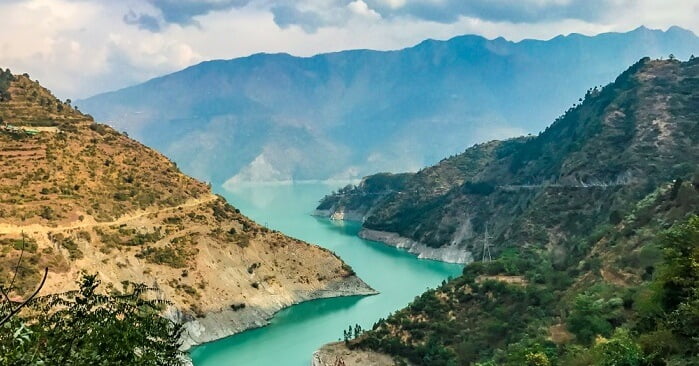
Chamba is an ancient, historic town and the headquarters of the Chamba district in Himachal Pradesh, situated at the confluence of the Ravi and Sal rivers at an elevation of 996 metres. Founded in 920 AD by Raja Sahil Varman and named after his daughter Champavati, the town is globally renowned for its well-preserved Himalayan heritage, stunning temple architecture, and vibrant local arts. The heart of the town is the Chaugan, a vast grassy promenade that serves as a hub for cultural festivals, most notably the Minjar Mela, which celebrates the harvest and local traditions. Chamba is home to the majestic Laxmi Narayan Temple complex, which features six ancient stone temples built in the Shikhara style. Beyond its architecture, the town is famous for its unique handicrafts, such as the intricate Chamba Rumal (hand-embroidered handkerchiefs) and high-quality leather Chamba chappals, both of which have received Geographical Indication (GI) status.
13. Trekking in Dalhousie
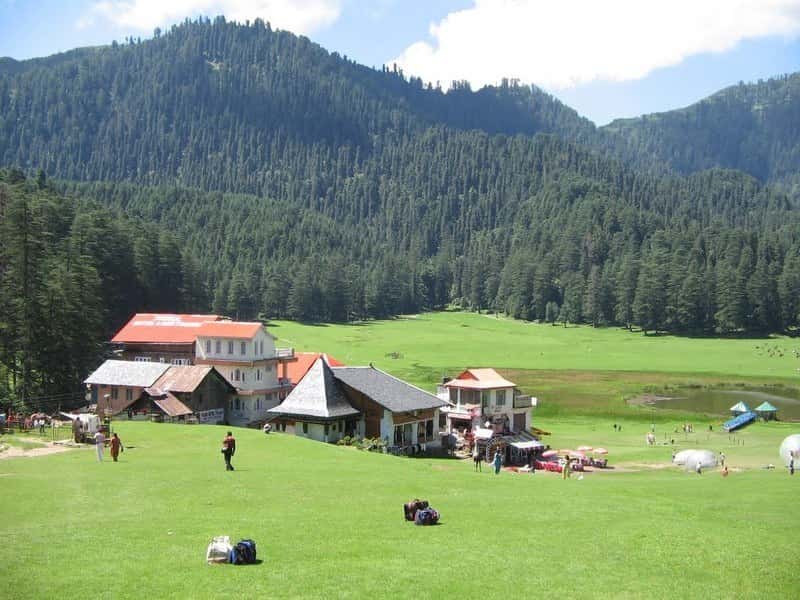
Trekking in Dalhousie is a premier activity for nature lovers, offering a range of trails that cater to everyone from casual walkers to seasoned adventurers. Most treks in this region wind through thick forests of deodar, oak, and pine, providing cool, shaded paths even during the summer months. Popular beginner-friendly routes include the short hike to Ganji Pahari (the “Bald Hill”), which offers 360-degree views, and the scenic forest walk through the Kalatop Wildlife Sanctuary. For those seeking a greater challenge, the climb to Dainkund Peak—the highest point in Dalhousie—provides breathtaking vistas of the snow-capped Dhauladhar range and the Ravi River. More experienced trekkers often use Dalhousie as a base for high-altitude expeditions toward the Sach Pass or the remote Pangi Valley. Whether you are looking for a peaceful stroll to a hidden waterfall like Panchpula or a rugged mountain climb, the trekking trails here are famous for their well-maintained paths, crisp Himalayan air, and stunning photography spots.
14. Dainkund to Jot Trek
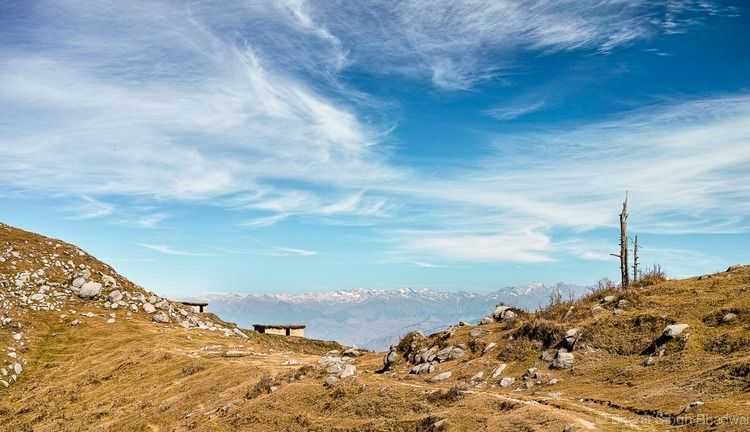
The Dainkund to Jot Trek is a spectacular high-altitude ridge walk in Himachal Pradesh that connects the highest point in Dalhousie, Dainkund Peak (2,755m), to the scenic Jot Pass (2,880m). Spanning approximately 8 to 12 kilometres, this trek is famous for being a “ridge trek,” meaning you walk along the crest of the mountains with deep, lush valleys dropping away on both sides. The trail offers a surreal experience as it transitions from thick forests of deodar and oak into open alpine meadows, providing continuous, unobstructed views of the snow-mantled Pir Panjal and Dhauladhar ranges. Most trekkers begin at the Dainkund Air Force barrier, pass the Pholani Devi Temple, and follow the winding path toward Jot. The route is relatively moderate in difficulty, making it accessible to those with basic fitness, and it is a paradise for photographers who want to capture the vastness of the Chamba Valley and the distant peaks of Jammu and Kashmir.
15. Bakrota Hills
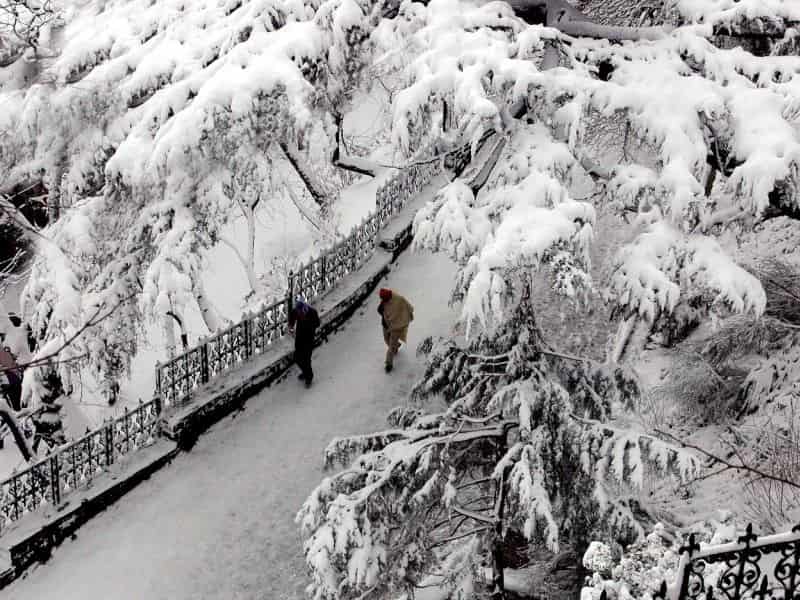
Bakrota Hills is one of the most scenic and upscale areas in Dalhousie, situated at an elevation of about 2,085 metres. It is best known for the “Bakrota Round,” a popular 5-kilometre walking circuit that loops around the hill, offering breathtaking views of the snow-clad Himalayas through a thick canopy of deodar, oak, and pine trees. This area is favored by those seeking peace and rejuvenation, as it is much quieter than the bustling town center at Gandhi Chowk. Historically, Bakrota Hills has been a retreat for many dignitaries and artists, most notably Rabindranath Tagore, who spent time here and was inspired by its serene beauty. The hills are dotted with elegant colonial-style bungalows and estates, and during the winter months, the entire area transforms into a white wonderland, making it a top spot for tourists to experience pristine snowfall.
16. Rock Climbing in Dalhousie
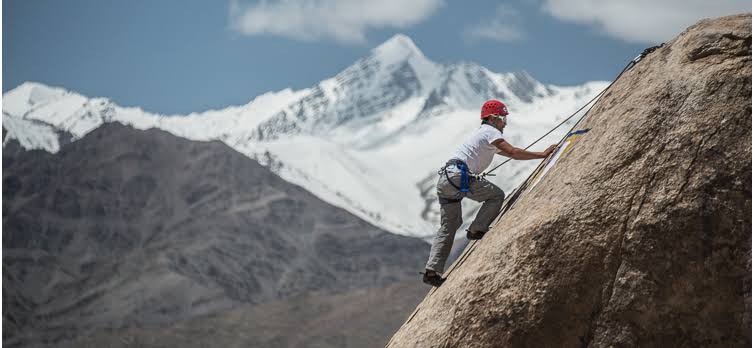
Rock climbing in Dalhousie is a thrilling outdoor activity that takes advantage of the region’s rugged Himalayan terrain and natural granite cliff faces. Most climbing sessions are concentrated around the Panchpula and Dainkund areas, where local adventure operators have identified safe yet challenging rock formations for both beginners and experienced climbers. The activity is usually conducted under the supervision of certified instructors who provide essential safety gear like harnesses, helmets, and high-quality ropes. Climbing in Dalhousie offers a unique “natural” feel compared to indoor walls, as you navigate real cracks and ledges while enjoying views of the surrounding pine forests. Because the rock surfaces can become slippery during the rains, this activity is best enjoyed during the summer months (March to June) or the post-monsoon season (September to November) when the weather is dry and the grip is firm.
17. Garam Sadak
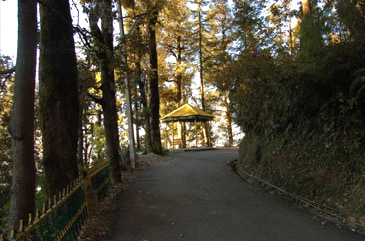
Garam Sadak is one of the most famous and unique walking trails in Dalhousie, connecting the two main hubs of the town, Gandhi Chowk and Subhash Chowk. The name literally translates to “Hot Road,” a nickname it earned because the road receives direct and abundant sunlight throughout the day due to its south-facing orientation. This makes it a favorite spot for tourists and locals alike, especially during the chilly winter months, as the road remains significantly warmer than its counterpart, the Thandi Sadak (Cold Road), which stays in the shade. The path is a level, vehicle-free pedestrian zone lined with towering deodar trees and offers stunning panoramic views of the valleys below. It is also famous for its vibrant Tibetan rock paintings, which feature colorful Buddhist deities and mantras carved directly onto the stone walls along the hillside.
18. st. john’s church
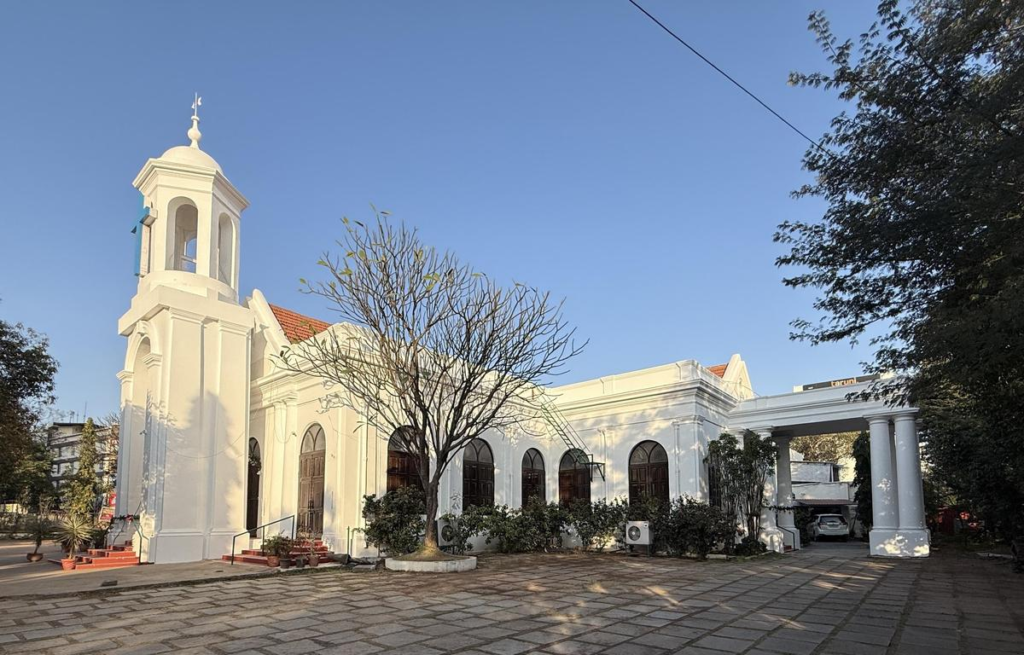
St. John’s Church is the oldest and most iconic church in Dalhousie, standing as a beautiful testament to the town’s British colonial heritage since its construction in 1863. Located near Gandhi Chowk, the church is built in the classic Victorian style using dressed stone and wood, mirroring the architecture of typical English village churches. It holds significant historical value as it was the first religious structure established after the founding of the hill station and served as a place of worship for British soldiers and officials. Inside, the church is renowned for its stunning stained-glass windows depicting various biblical scenes and its collection of rare historical books and photographs that capture the early days of Dalhousie. Surrounded by a lush canopy of pine and deodar trees, the church offers a deeply peaceful and spiritual atmosphere, making it a favorite spot for both pilgrims and architecture enthusiasts.
19. Gandhi Chowk Dalhousie
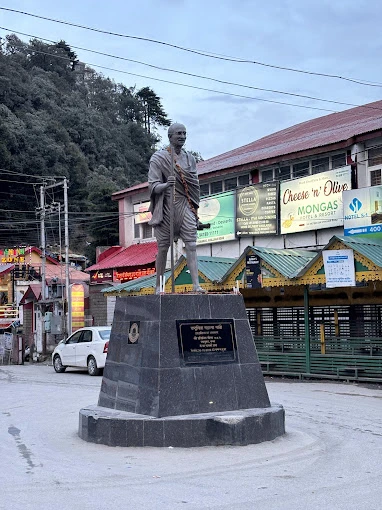
Gandhi Chowk, also known as GPO, is the vibrant central hub and the most popular commercial heart of Dalhousie. As the town’s primary intersection, it serves as the main meeting point where several key roads, including the famous Garam Sadak, converge. This bustling area is a paradise for shoppers and food lovers, featuring the famous Tibetan Market, where you can find authentic woollen shawls, colourful carpets, and traditional handicrafts. The chowk is lined with a variety of restaurants and cafes serving everything from local Himachali dishes to international cuisine, making it the go-to spot for evening strolls and social gatherings. Beyond shopping, it provides essential tourist facilities, including the main taxi stand, post office, and easy walking access to historic landmarks like St. John’s Church. Whether you want to soak in the local atmosphere, hunt for souvenirs, or simply enjoy a hot plate of momos, Gandhi Chowk is the essential starting point for any Dalhousie exploration.
20. Moti Tiba
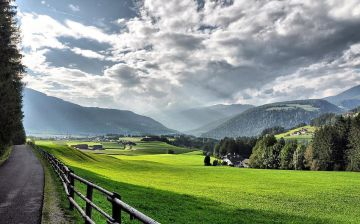
Moti Tibba is a beautiful, ridge-like hill that rises above the main town of Dalhousie, offering a peaceful escape from the busy markets of Gandhi Chowk. Often described as a “green lung” for the town, it is a popular destination for nature walks and gentle hiking, as the entire hill is densely forested with pine, deodar, and oak trees. The trail around Moti Tibba is mostly level and easy to navigate, making it a favorite for elderly visitors and families who want to enjoy the crisp mountain air and the scent of the forest without a strenuous climb. From various vantage points along the ridge, you can catch stunning glimpses of the snow-mantled Dhauladhar mountain range and the deep, terraced valleys of the Chamba region. Historically, it was a preferred retreat for British officials seeking solitude, and today it remains a sanctuary for birdwatchers and photography enthusiasts looking to capture the perfect Himalayan sunrise or sunset.