

Ajmer, often referred to as the “Heart of Rajasthan,” is a historical and spiritual city nestled amidst the Aravalli Mountains. It is renowned globally for the Ajmer Sharif Dargah—a Sufi shrine dedicated to Saint Moinuddin Chishti—which attracts millions of devotees from all faiths every year. The city was founded in the 7th century as “Ajay Meru” (the Invincible Hill) and served as a major center of power during the reign of the Chauhan dynasty, before subsequently coming under the dominion of the Mughals and, later, the British. Beyond its religious significance, Ajmer boasts several magnificent attractions, such as the 12th-century Ana Sagar Lake (adorned with marble pavilions), the ancient Taragarh Fort, and the intricately carved ‘Adhai Din Ka Jhonpra’ mosque. To this day, it remains a vital hub for education and culture. A unique feature of Ajmer is its proximity—situated just 14 kilometers away—to the holy city of Pushkar, making it a prime destination for those wishing to experience Rajasthan’s royal history and profound spiritual heritage.
Ajmer’s economy is robust and dynamic, as it serves as a world-renowned hub for both faith and commerce. A significant portion of the city’s revenue is generated by the millions of devotees who visit the Ajmer Sharif Dargah annually; this influx creates thousands of employment opportunities across various sectors, including hotels, restaurants, and local marketplaces such as the Dargah Bazaar. In addition to tourism, Ajmer is also an industrial hub, home to large-scale manufacturing units producing machine tools, textiles, and pharmaceuticals.
Ajmer is a remarkably safe and welcoming city for tourists, characterized by a continuous flow of millions of visitors arriving from across the globe throughout the year. Given its status as a major religious center, the local administration and police maintain strict vigilance over key areas—such as the Ajmer Sharif Dargah and Ana Sagar Lake—to ensure the safety and security of all visitors. The locals here are generally helpful and accustomed to interacting with tourists, making it a comfortable place for both families and solo travelers.
Places to Visit in Ajmer :
1.Dargah Shariff
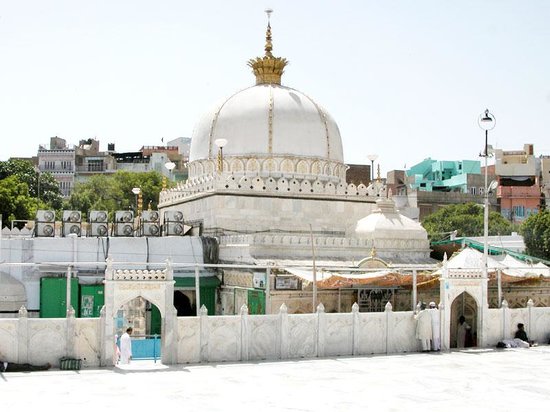
Dargah Shariff, also known as Ajmer Sharif, is one of the most sacred Sufi shrines in the world, dedicated to the Persian saint Khwaja Moinuddin Chishti. Located at the foot of the Taragarh Hill, this 13th-century shrine is a symbol of peace and harmony, attracting millions of devotees from all religions who come to seek blessings and offer “chaddars” (floral sheets). The complex is a masterpiece of Indo-Islamic architecture, featuring grand silver doors, a marble courtyard, and the famous Akbari Mosque built by Emperor Akbar. A unique tradition here is the cooking of sweet rice in two massive cauldrons, known as Degs, which are then distributed to the poor as blessed food. The atmosphere inside is deeply spiritual, often filled with the soul-stirring sounds of Qawwali (devotional music) that has been performed by traditional singers for generations.
2.Birla City Water Park

Birla City Water Park is one of the largest and most popular recreational spots in Rajasthan, located on the outskirts of Ajmer. It serves as a perfect escape from the desert heat, featuring a wide variety of attractions including a massive wave pool, several high-speed water slides, and a dedicated play area for children. The park is designed like a lush green resort with a large swimming pool, a “rain dance” floor with music, and waterfalls that provide a fun-filled environment for families and groups of friends. Beyond the water activities, it offers amenities like a multi-cuisine restaurant, locker facilities, and changing rooms, making it a convenient destination for a full day of relaxation and entertainment.
3.Rangji Temple
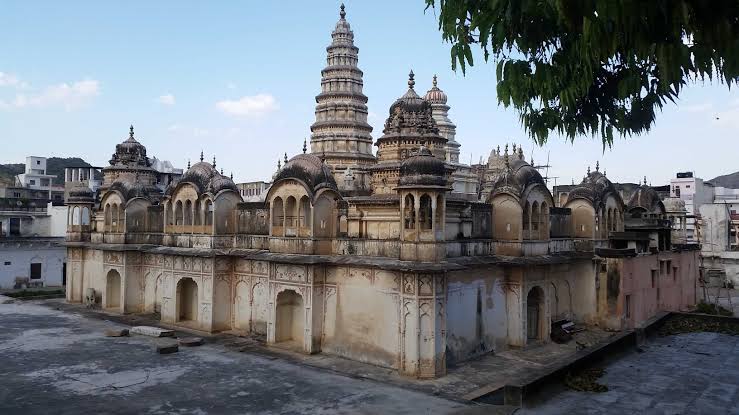
The Rangji Temple is a unique and magnificent architectural landmark in Pushkar (near Ajmer), dedicated to Lord Rangji, an incarnation of Lord Vishnu. Built in 1823 by Seth Puran Mal Ganeriwal, the temple is famous for its rare architectural style that blends South Indian (Dravidian), Rajput, and Mughal designs. The most striking feature is its towering “Gopuram”—a high gateway typical of South Indian temples—which is intricately carved with figures of gods and goddesses. Inside, the temple follows strict traditional rituals and is one of the few places in North India where you can experience the authentic spiritual atmosphere of a South Indian shrine. Its golden pillars and serene courtyard make it a must-visit for those interested in both religious devotion and historical art.
4.Savitri Temple
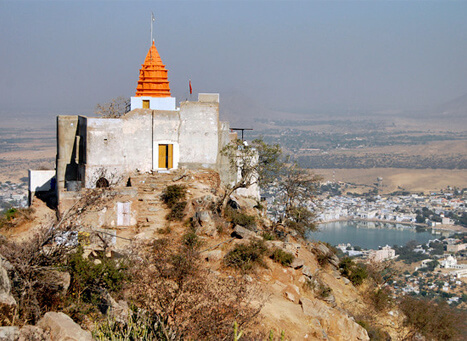
The Savitri Temple is a prominent Hindu shrine located atop the Savitri Hill (also known as Ratnagiri Hill) in Pushkar, dedicated to Goddess Savitri, the first wife of Lord Brahma. According to local legend, the goddess retreated to this hill after a dispute with her husband, and the temple offers a peaceful, spiritual retreat with stunning panoramic views of the entire Pushkar city and the surrounding Thar Desert. The trek to the temple involves climbing approximately 650 to 900 steps, but for those who prefer an easier journey, a ropeway (cable car) service is available that takes visitors to the top in just a few minutes. It is particularly popular at sunrise and sunset, when the golden light transforms the landscape into a photographer’s paradise, making the steep climb well worth the effort.
5.Baradari

The Baradari in Ajmer refers to a series of five elegant white marble pavilions located on the banks of the Ana Sagar Lake. Built in 1637 AD by the Mughal Emperor Shah Jahan, these structures were designed as royal pleasure shelters where the emperor and his court could relax and enjoy the cool lake breeze. The name “Baradari” literally means a building with twelve doors, designed to allow free flow of air from all directions. These pavilions are a stunning example of Mughal architecture, featuring polished marble, graceful arches, and intricate carvings that look particularly beautiful during sunset. Surrounded by the Daulat Bagh gardens, the Baradari remains a popular spot for locals and tourists to walk, enjoy the scenic views of the water, and admire the royal history of Ajmer.
6.Buland Darwaza
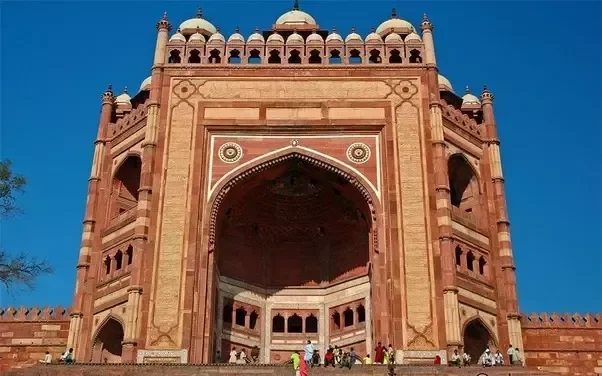
The Buland Darwaza in Ajmer is a massive and magnificent gateway that serves as the main entrance to the Ajmer Sharif Dargah complex. Built by Sultan Mahmood Khilji in the 15th century, this “Great Gate” stands as a towering symbol of Indo-Islamic architecture, reaching a height of about 75 feet. It is distinct from the more famous Buland Darwaza in Fatehpur Sikri, but it is equally revered for its historical and spiritual importance, as it has welcomed millions of pilgrims for centuries. The gate is beautifully adorned with intricate carvings and traditional patterns, and during the annual Urs festival, it is the site where the ceremonial flag is hoisted to mark the beginning of the celebrations. Passing through this grand structure is a powerful experience, signaling the transition from the bustling markets of Ajmer into the peaceful, spiritual sanctuary of the saint’s shrine.
7.Maharana Pratap Smarak
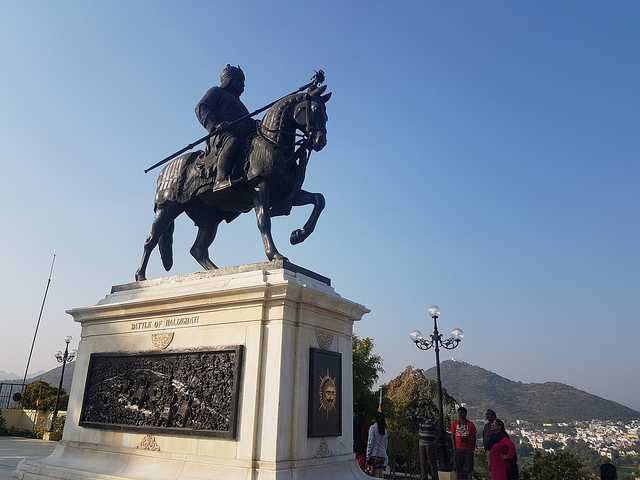
The Maharana Pratap Smarak in Ajmer is a grand memorial dedicated to the legendary Rajput warrior king, Maharana Pratap of Mewar. Located atop a hill near the Pushkar Road, the monument features a magnificent life-sized bronze statue of the king sitting on his loyal horse, Chetak, symbolizing the spirit of bravery and patriotism. The site was built to honor his lifelong struggle and resistance against the Mughal Empire to protect the independence of his kingdom. Surrounded by well-maintained gardens, the memorial offers a peaceful atmosphere and spectacular panoramic views of the city of Ajmer and the surrounding Aravalli hills. It is a popular spot for both history lovers and families who come to admire the heroic legacy of Rajasthan and enjoy the scenic beauty of the high vantage point.
8.Gateways of Taragarh Fort
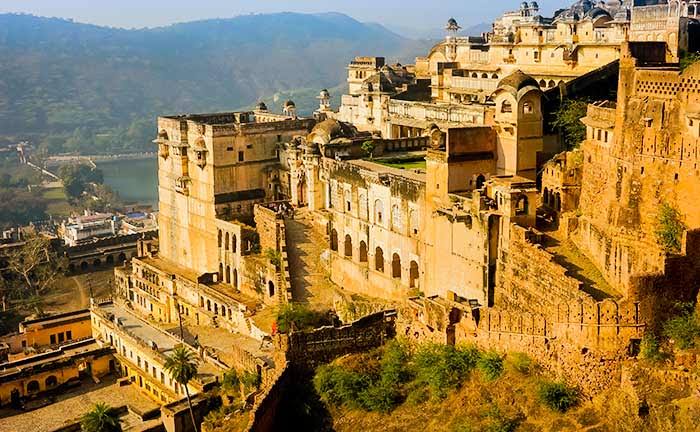
The gateways of Taragarh Fort, also known as the “Star Fort,” are massive and imposing structures that highlight the military genius of the Chauhan dynasty. To reach the summit of the hill, visitors must pass through a series of three monumental gates: the Lakshmi Pol, the Phuta Darwaza, and the Gagudi ki Phatak. These gates were built with heavy stones and designed to be incredibly strong to prevent enemy elephants and armies from breaking into the citadel. Each gateway features traditional Rajput architectural styles with arched openings and guard rooms where soldiers once stood watch. As you walk through these ancient entrances, you can still see the battle scars and the weathered stone that tell stories of centuries of warfare. Today, they serve as dramatic viewpoints that offer breathtaking, bird’s-eye views of the city of Ajmer as you climb higher toward the fort’s ruins.
9.Ajmer Government Museum
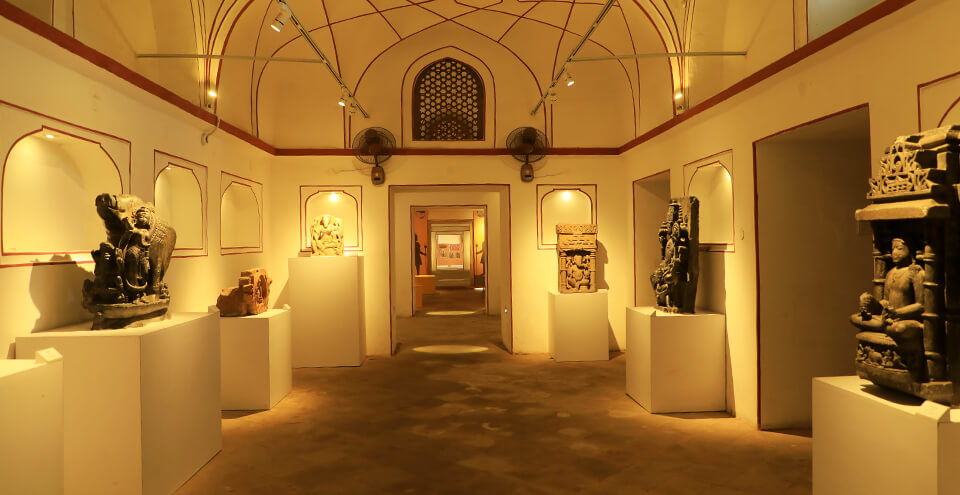
The Ajmer Government Museum, also known as the Akbar’s Palace, is a historic treasure located in the heart of the city and was originally built by Emperor Akbar in 1570. This majestic fort-turned-museum served as the royal residence for Mughal emperors and is famously the place where Sir Thomas Roe met Emperor Jahangir to discuss trade for the East India Company. Today, it houses an impressive collection of 8th-century sculptures, ancient inscriptions, and rare Rajput and Mughal armour. Inside its thick sandstone walls, you can explore galleries filled with delicate miniature paintings and prehistoric artifacts found in the Pushkar and Ajmer regions. The museum is a must-visit for history lovers, offering a deep look into the military and artistic heritage of Rajasthan within a beautifully preserved palace setting.
10.Sai Baba Temple
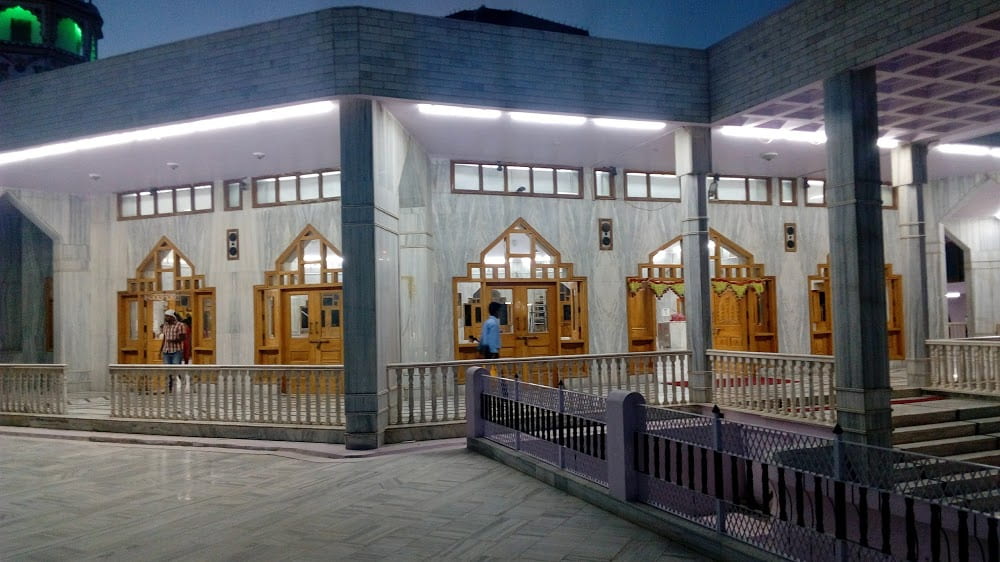
The Sai Baba Temple in Ajmer is a beautiful and serene place of worship located in the Ajay Nagar area, spread across more than five bighas of land. Built by Mr. Suresh K. Lal, this temple is famous for its stunning architecture made entirely of pure white marble, which gives it a peaceful and grand appearance. The main attraction is the lifelike white marble idol of Shirdi Sai Baba, which draws thousands of devotees from all over the country who come to offer prayers and seek blessings. The temple complex is well-maintained with clean surroundings and a quiet atmosphere, making it a perfect spot for meditation and spiritual reflection away from the busy city crowds. It is especially busy on Thursdays, which is considered a special day for Sai Baba, with many people participating in the morning and evening Aarti ceremonies.
11.Mayo College
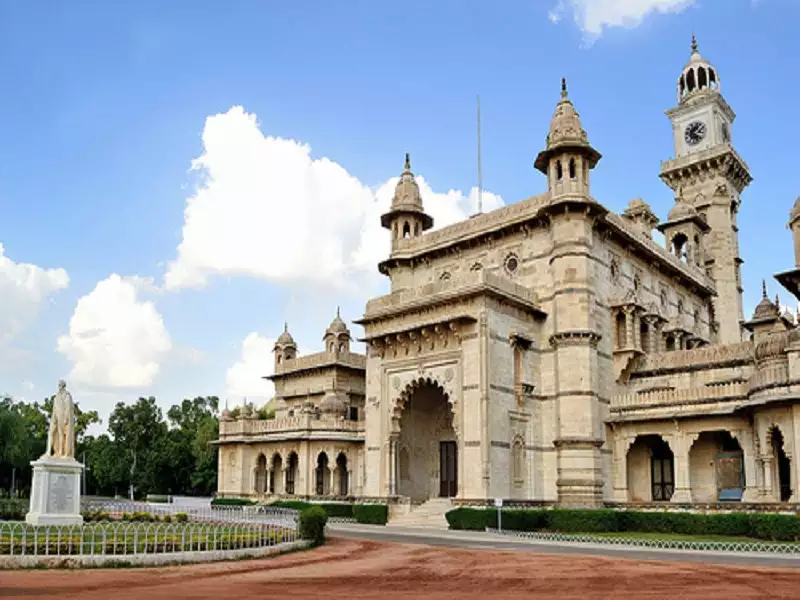
Mayo College is one of India’s oldest and most prestigious independent boarding schools, often referred to as the “Eton of the East.” Founded in 1875 by Richard Bourke, the 6th Earl of Mayo, it was originally established to provide a British-style education to the princes and nobles of the Rajputana states. The campus is famous for its stunning Indo-Saracenic architecture, particularly the main building made of white marble, which features grand domes and intricate carvings. Within its sprawling 400-acre grounds, the college also houses the Danmal Mathur Museum, which is considered one of the best school museums in the world, displaying rare royal memorabilia, armoury, and natural history exhibits. Today, it remains a symbol of elite education and heritage, blending traditional royal values with modern academic excellence.
12.Foy Sagar Lake
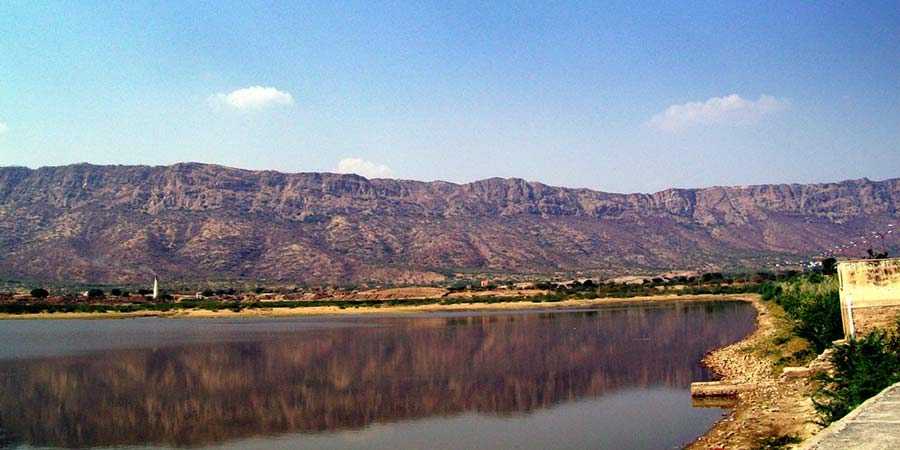
Foy Sagar Lake is a beautiful artificial lake located on the outskirts of Ajmer, built in 1892 by an English engineer named Mr. Foy. It was originally created as a famine relief project to provide water to the city during a severe drought and has since become one of the most scenic spots in the region. Unlike the busy Ana Sagar Lake, Foy Sagar offers a more peaceful and quiet environment, surrounded by the green peaks of the Aravalli Mountains. It is a favorite location for nature lovers and photographers, especially during sunrise and sunset, when the water reflects the changing colors of the sky. Because of its flat and open surroundings, the lake also provides a panoramic view of the mountains, making it a popular spot for picnics and evening strolls for both locals and tourists.
13.Prithviraj Smarak

The Prithviraj Smarak is a majestic historical monument in Ajmer dedicated to the fearless Rajput king, Prithviraj Chauhan III, who was the last Hindu ruler to sit on the throne of Delhi. Located on a hilltop along the road to Taragarh Fort, the memorial features a grand life-sized bronze statue of the king seated on his horse, holding a bow and arrow, symbolizing his mastery of archery and his legendary bravery. The site is not only a tribute to his heroism in battles like the First Battle of Tarain but also offers one of the most spectacular panoramic views of the city of Ajmer and the Ana Sagar Lake below. Surrounded by beautiful gardens and stone-carved walls that tell the stories of his life, it is a popular spot for visitors to enjoy the cool breeze, watch the sunset, and learn about the “Lion of Delhi’s” rich legacy.
14.Nareli Jain Temple
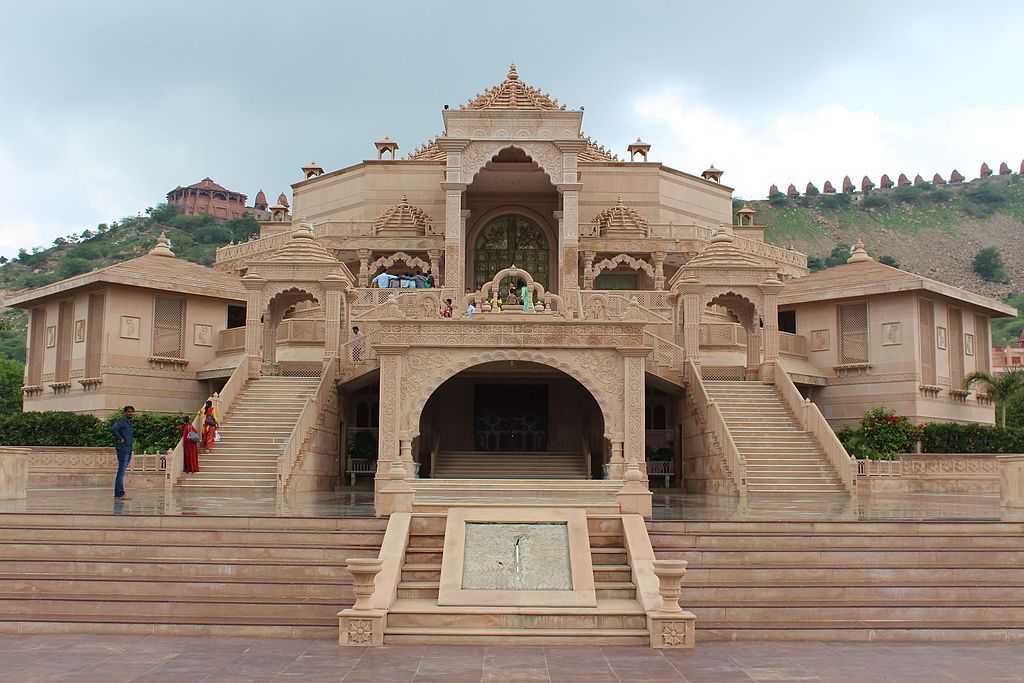
The Nareli Jain Temple, also known as Shri Gyanoday Digambar Jain Temple, is a magnificent modern architectural marvel located about 7 kilometres from Ajmer on the Jaipur-Ajmer Highway. Built primarily from gleaming white marble, this temple complex is famous for its unique blend of traditional Jain architecture and contemporary design, featuring a main temple surrounded by 24 smaller miniature temples (Chauvishi) perched on the hillside, each dedicated to one of the Jain Tirthankaras. The site is spread across a vast, beautifully landscaped area and requires a climb up several stone steps, offering visitors a peaceful spiritual environment along with breathtaking panoramic views of the surrounding Aravalli mountains and the highway below. Since its completion in the early 2000s, it has become a major pilgrimage and tourist destination, especially popular for its stunning “miniature city” appearance and its serene, quiet atmosphere away from the city’s hustle.
15.Durga Bag Gardens
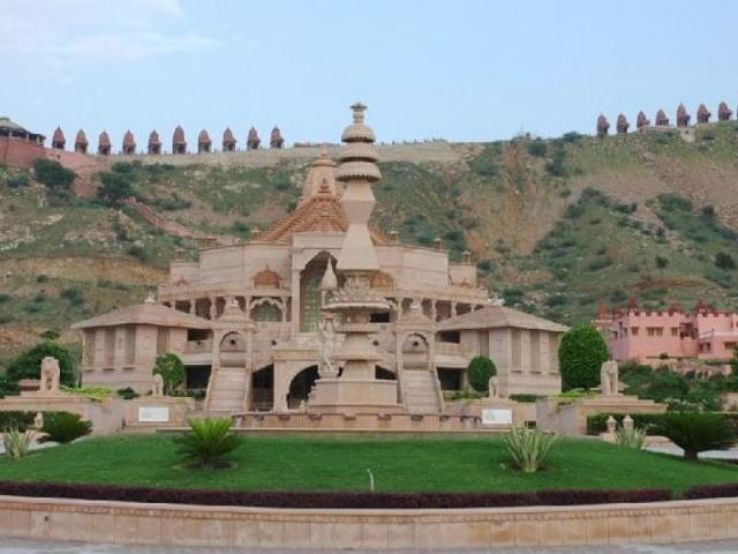
Durga Bagh Gardens (often referred to as Daulat Bagh) is a historic and picturesque garden located on the banks of the Ana Sagar Lake in Ajmer, Rajasthan. Built by Emperor Jahangir in 1637, this garden is a classic example of Mughal landscape architecture, featuring lush green lawns, flowering shrubs, and a peaceful atmosphere. It is most famous for its five “Baradaris” (marble pavilions) constructed by Emperor Shah Jahan, which provide a stunning view of the lake and are considered architectural masterpieces. Today, the garden serves as a popular recreational spot for both locals and tourists, offering a serene escape with its well-maintained pathways and the cool breeze from the adjacent lake.
16.Victoria Jubilee Clock Tower
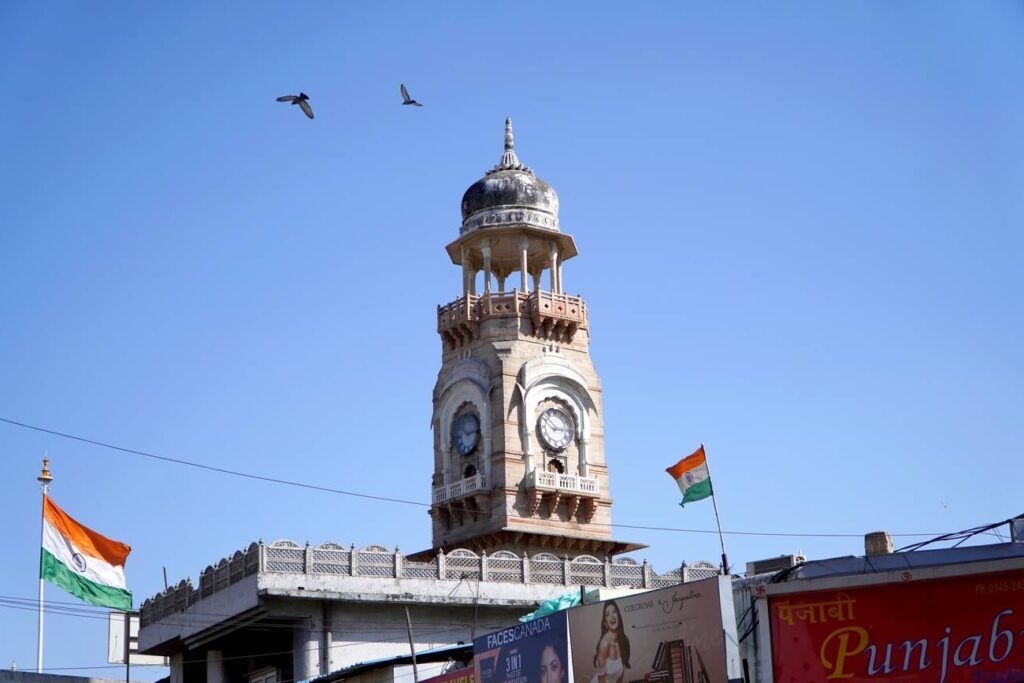
The Victoria Jubilee Clock Tower is a prominent historical landmark located directly opposite the Ajmer Railway Station, built in 1887 to commemorate the Golden Jubilee of Queen Victoria. This impressive structure is a fine example of Indo-Saracenic architecture, blending British style with local Rajasthani influences through its use of red and yellow sandstone. Standing tall in a busy part of the city, the tower features four large clock faces and was originally designed to provide the time to both commuters and the general public during the British era. Often compared to a miniature version of “Big Ben,” the tower remains a symbol of the city’s colonial history and serves as a vital orientation point for travelers. Today, though surrounded by the hustle and bustle of modern markets, its grand arches and weathered stone still capture the old-world charm of Ajmer.
17.Nasiyan Jain Temple
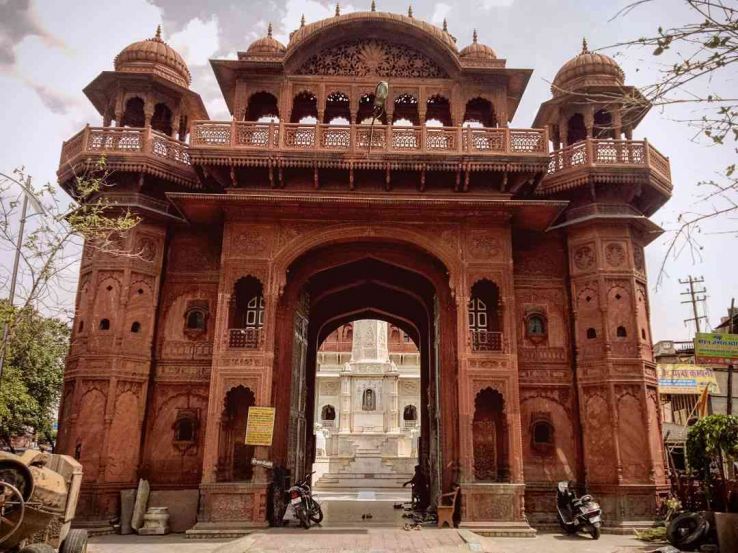
Nasiyan Jain Temple, popularly known as Soniji Ki Nasiyan or the “Red Temple,” is a world-renowned Digambar Jain architectural marvel located in the heart of Ajmer on Prithviraj Marg. Dedicated to Lord Rishabhdev (Adinath), the first Jain Tirthankara, the temple is uniquely divided into two sections: a serene red sandstone worship area and the spectacular Swarna Nagari (City of Gold) museum hall. The Swarna Nagari is a two-storied gallery featuring a massive three-dimensional replica of the sacred city of Ayodhya, crafted with over 1,000 kilograms of gold and silver-plated wooden figures. These intricate models depict the “Panch Kalyanak,” or the five stages of a Tirthankara’s life, and took over 25 years to complete. Beyond its spiritual importance, the temple is a masterpiece of craftsmanship, adorned with Belgium stained glass and mineral color paintings, making it one of the richest and most artistic Jain shrines in Rajasthan.
18.Akbar’s Palace & Museum
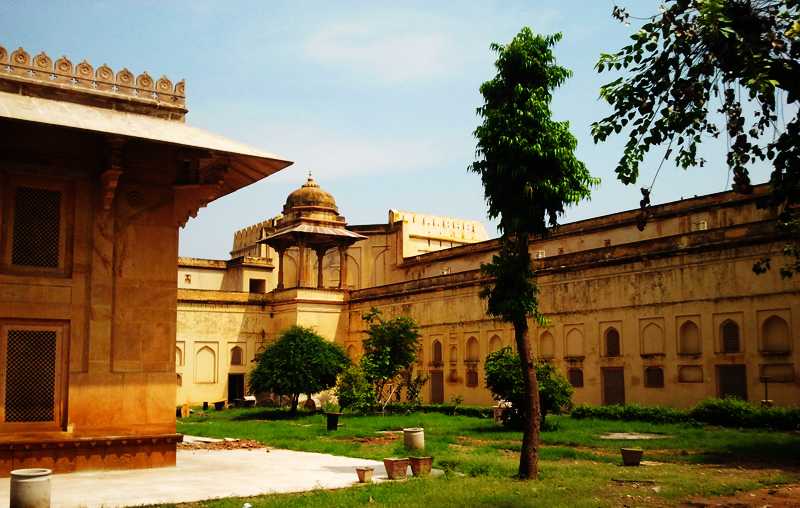
Akbar’s Palace & Museum is a grand 16th-century fortress located in the heart of Ajmer, originally built by Emperor Akbar in 1570 to serve as his royal residence during visits to the city. This massive sandstone structure is historically significant as the site where Sir Thomas Roe, the ambassador of King James I, met Emperor Jahangir in 1616 to receive permission for the East India Company to trade in India. Surrounded by two layers of thick defensive walls, the palace was later converted into a Government Museum during British rule. Today, it houses a magnificent collection of 8th-century stone sculptures, ancient inscriptions, and a rich armoury featuring Rajput and Mughal weapons. The museum’s galleries also display delicate miniature paintings and prehistoric artifacts found in the region, making it a must-visit for history lovers who want to see the blend of military strength and artistic beauty from the Mughal era.
19.Adhai-Din Ka Jhonpra
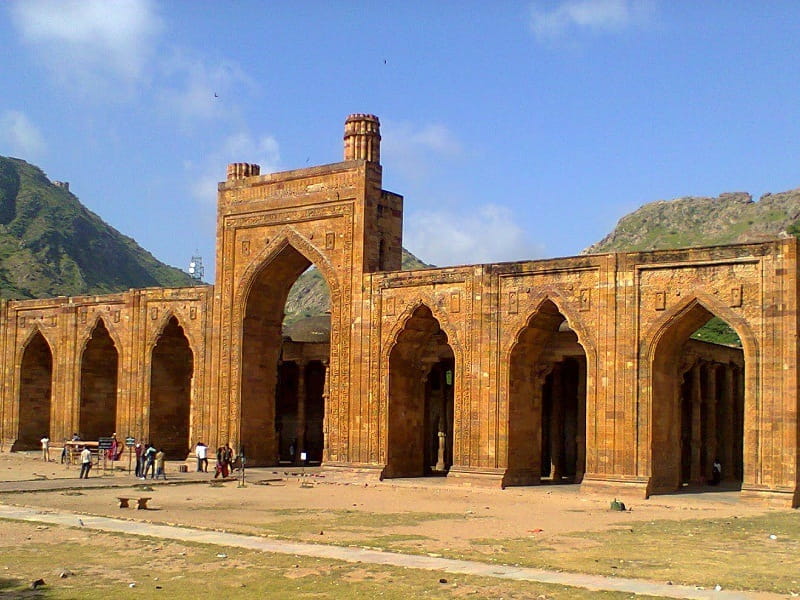
Adhai-Din Ka Jhonpra is one of the oldest mosques in India and a stunning example of early Indo-Islamic architecture, located at the foot of the Taragarh Hill in Ajmer. Originally built as a Sanskrit college in the 12th century, it was converted into a mosque in 1192 AD by Qutb-ud-din-Aibak on the orders of Muhammad Ghori. The name literally means “Shed of Two-and-a-Half Days,” which according to local legend refers to the incredibly short time it took to complete the conversion, though some believe it refers to a two-and-a-half-day fair once held there. The structure is famous for its magnificent screen of seven arches adorned with intricate Arabic calligraphy and its interior filled with over 100 beautifully carved pillars taken from ancient Hindu and Jain temples. This blend of styles makes it a unique historical site, showcasing a fascinating mix of delicate Indian stone carvings and grand Islamic design.
20.Ana Sagar Lake
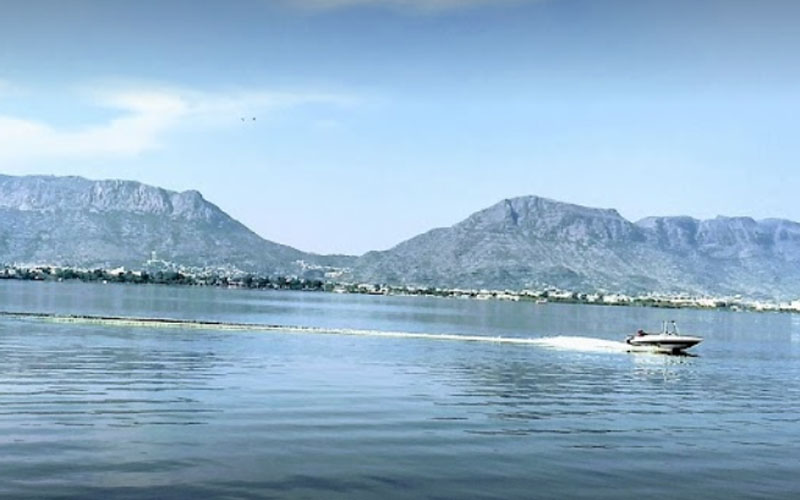
Ana Sagar Lake is a breathtaking artificial lake in the heart of Ajmer, built in the 12th century by Anaji Chauhan, the grandfather of the legendary King Prithviraj Chauhan. Spread over 13 kilometres, it is the city’s most scenic landmark and a vital part of its history. In the 17th century, the Mughal Emperor Shah Jahan enhanced its beauty by adding the Baradari, a series of five elegant white marble pavilions, while Emperor Jahangir developed the lush Daulat Bagh gardens alongside it. Today, the lake is a favorite spot for locals and tourists to enjoy peaceful boat rides, evening strolls, and stunning sunsets against the backdrop of the Aravalli hills. An island in the center of the lake is also accessible by boat, making it a perfect destination for photography and relaxation amidst the city’s spiritual bustle.