
Manali is a remarkably beautiful destination located in India. It is a popular high-altitude hill station and resort town, nestled along the banks of the Beas River in the Kullu Valley of Himachal Pradesh, India. Manali stands as a premier Himalayan hill station in Himachal Pradesh, renowned for its magnificent snow-capped mountains, thrilling adventure activities—such as skiing and paragliding in the Solang Valley—and its captivating scenic vistas. It is a favored destination for tourists seeking adventure, serene landscapes, the vibrant café culture of ‘Old Manali,’ and the opportunity to visit ancient temples like the Hidimba Devi Temple.
Manali is generally considered a safe and welcoming destination for tourists, including solo female travelers and families. While the town is safe in terms of crime, visitors should remain vigilant regarding natural hazards such as heavy snowfall, icy road conditions, and landslides during the monsoon season. Historically, the majority of international tourists visiting Manali in Himachal Pradesh have hailed from Israel; they often visit as part of an extended ‘backpacking’ journey across India. Other significant sources of international tourism include the United Kingdom, Australia, and various European nations.
Manali’s economy relies heavily on tourism, fruit cultivation (particularly apples), and sustainable development initiatives that support the livelihoods of the local population. Budget tourism—traveling on a modest budget—plays a vital role in bolstering the local economy, as visitors opt to stay in homestays, utilize public transportation, and purchase local handicrafts.
Most Famous And Attractive Tourist Places In Manali :
1. Hampta Pass
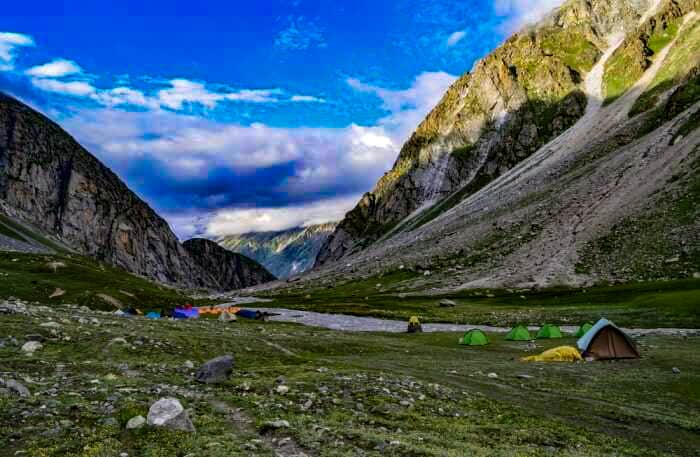
The Hampta Pass Trek is a legendary “crossover” journey in Himachal Pradesh that connects the lush, green Kullu Valley to the stark, high-altitude desert of Lahaul. Standing at an altitude of approximately 14,107 feet (4,270 meters), it is famous for its dramatic scenery changes that occur in just a few kilometers; you start your 4 to 5-day adventure in dense forests of oak and maple near Manali, move through alpine meadows blooming with wildflowers, and eventually cross a snow-filled pass to witness a completely barren, rugged landscape on the other side. While the trek is rated as moderate due to its rapid altitude gain and steep summit day, it remains a top choice for fit beginners because the technical difficulty is low and it offers high rewards, including icy river crossings and a visit to the breathtaking, crescent-shaped Chandratal Lake.
2. Deo Tibba
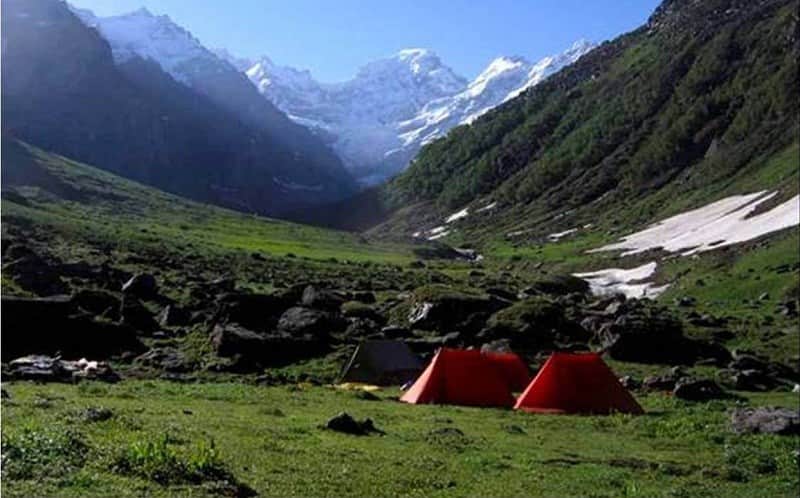
Deo Tibba is a prominent, dome-shaped mountain peak in the Pir Panjal Range of Himachal Pradesh, standing at an elevation of 6,001 metres (19,688 ft). Located southeast of Manali above Jagatsukh village, the peak is often referred to as the “Hill of the Gods,” as local Hindu mythology considers its unique snow dome to be a traditional meeting place for deities. While the summit is a serious mountaineering expedition requiring technical skills—including the use of fixed ropes, ice axes, and crampons to navigate glaciers and 60-70 degree ice gullies—it is also the namesake of a popular “moderate” trek. This trek leads to the Deo Tibba Base Camp (approximately 4,480 metres), offering adventurers a stunning landscape of lush coniferous forests, vast alpine meadows like Seri, and the emerald-blue Chota Chandratal Lake.
3. Beas Kund Trek
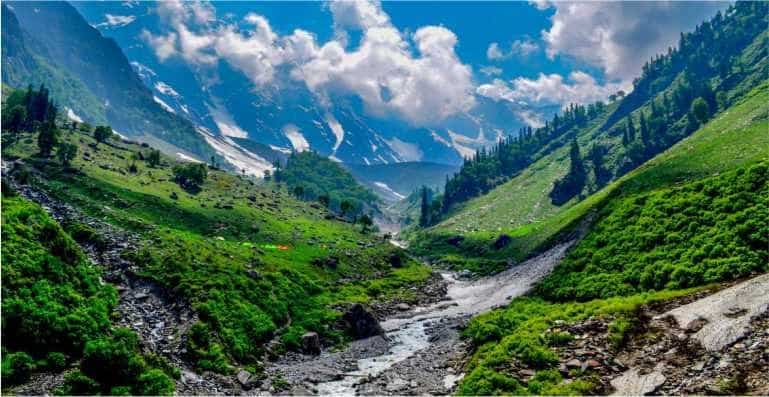
The Beas Kund Trek is a renowned, beginner-friendly crossover journey in Himachal Pradesh that leads to the sacred high-altitude glacial lake considered the source of the Beas River. Reaching an altitude of approximately 12,772 feet (3,893 metres), the trek is celebrated for providing close-up, base-to-summit views of massive peaks like Hanuman Tibba, Friendship Peak, and Shitidhar in just 3 to 4 days. The trail typically begins at Solang Valley or Dhundi near Manali, winding through ancient deodar forests and sprawling alpine meadows such as Bakarthach and Dhundhi, where trekkers often spot grazing herds and vibrant wildflowers. While rated as easy to moderate, the final ascent involves navigating rocky moraines and boulders, rewarding hikers with the sight of a shimmering turquoise lake set against a dramatic amphitheatre of glaciers and snow-clad mountains.
4. Bijli Mahadev Trek
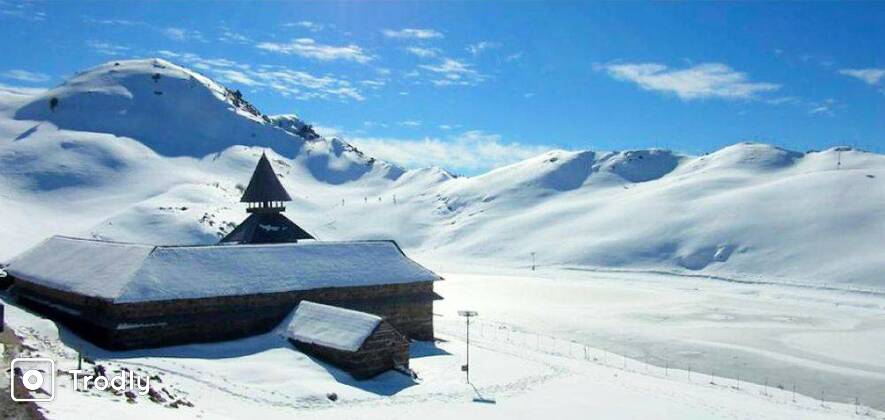
The Bijli Mahadev Trek is a short, beginner-friendly journey near Kullu that leads to an ancient temple dedicated to Lord Shiva, located at an altitude of approximately 2,460 metres (8,071 ft). The trek is famous for its “Lightning Temple,” where local legend says a 60-foot staff attracts divine lightning every 12 years, shattering the Shiva Lingam, which the priests then painstakingly reassemble using butter and sattu. Starting from Chansari Village, the trail is a scenic 3 km uphill walk through dense deodar and pine forests that takes about 1.5 to 2 hours to complete. Once at the top, you are rewarded with a stunning 360-degree panoramic view of the Kullu and Parvati Valleys, as well as the snow-capped peaks of the Pir Panjal and Dhauladhar ranges.
5. Patalsu Peak
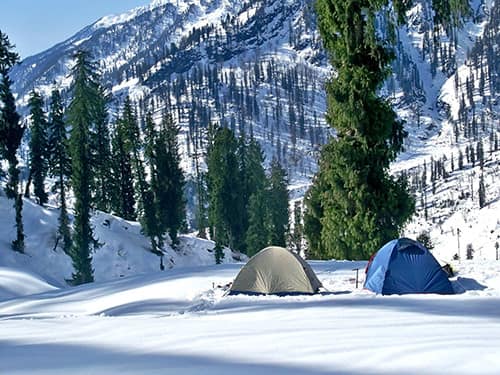
Patalsu Peak is one of the most popular “beginner-friendly” summits near Manali, standing at an impressive altitude of 4,220 metres (13,845 ft). Starting from Solang Valley, this trek is a favorite for those who want the thrill of reaching a high Himalayan peak without needing technical mountaineering skills. The trail begins with a steep climb through dense forests of oak and pine, eventually opening up into the beautiful alpine meadows of Shagadugh, where trekkers usually set up camp. The final push to the summit involves walking across grassy ridges and rocky slopes, rewarding you with a stunning 360-degree view of the Beas River valley and the snow-capped giants of the Pir Panjal range, such as Hanuman Tibba and Friendship Peak.
6. Prashar Lake Trek
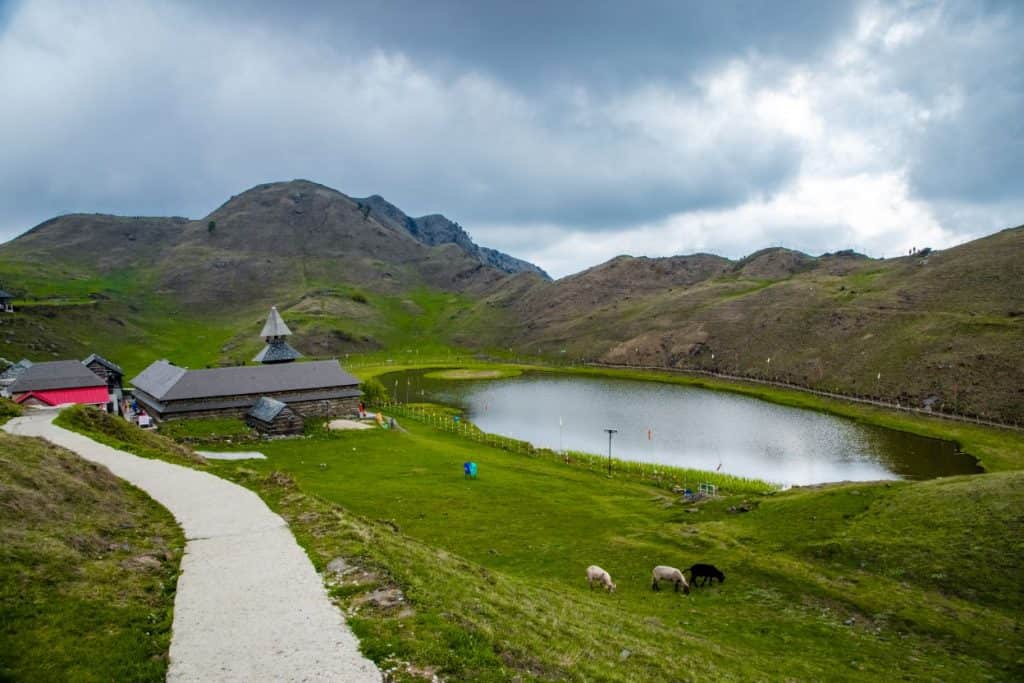
The Prashar Lake Trek is a renowned trekking destination in the Mandi district of Himachal Pradesh, situated at an altitude of 2,730 metres (8,956 ft). This trek is famous for its stunning blue-water lake that contains a mysterious floating island, which slowly changes its position throughout the year. The trail typically starts from Baggi Village and covers about 7 to 9 kilometres, leading you through a mix of dense oak, pine, and rhododendron forests that eventually open into vast, rolling alpine meadows. Next to the lake stands a magnificent three-storied pagoda-style temple dedicated to the Sage Prashar, which is said to have been constructed in the 14th century from the wood of a single deodar tree. While the trek is rated as easy to moderate, it offers a massive reward with 180-degree panoramic views of the Dhauladhar, Pir Panjal, and Kinnaur mountain ranges.
7. Bara Bhangal Trek
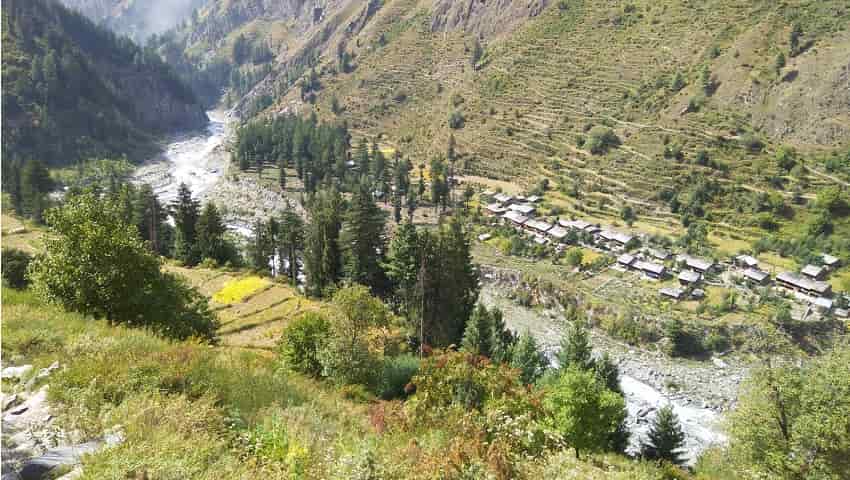
The Bara Bhangal Trek, often called the Shepherd’s Trail, is one of the most remote and challenging high-altitude expeditions in Himachal Pradesh. Spanning approximately 11 to 13 days, this crossover trek connects the lush Kullu Valley to the scenic Kangra Valley by traversing two massive mountain passes: Kalihani Pass (4,800m) and Thamsar Pass (4,875m). The heart of the journey is the isolated village of Bara Bhangal, a hidden settlement with no motorable roads that remains cut off from civilization for most of the year. While the trail offers breathtaking 360-degree views of the Pir Panjal and Dhauladhar ranges, it is physically strenuous and best suited for experienced trekkers due to its steep ascents, glacial traverses, and unpredictable weather.
8. Kasol
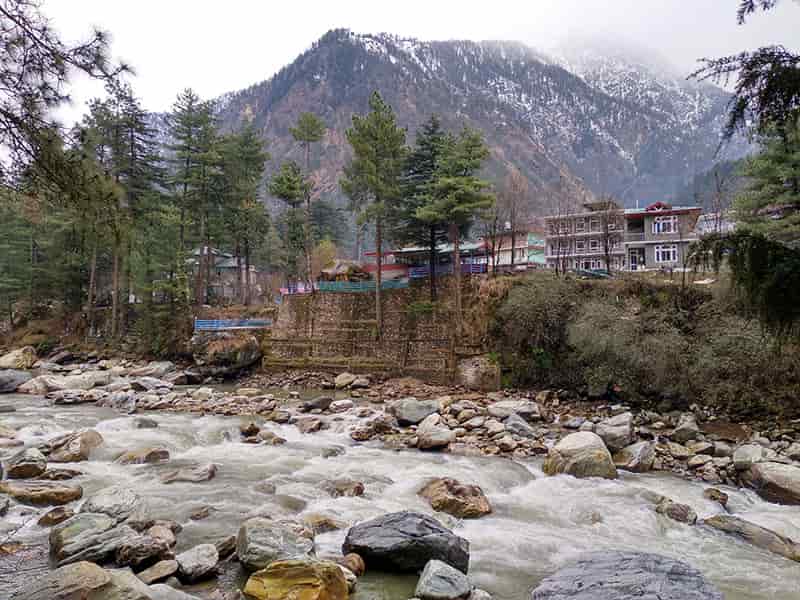
Kasol is a charming, vibrant village in the Parvati Valley of Himachal Pradesh, often called the “Little Israel of India” due to its large number of Israeli travellers and Hebrew-signposted cafes. Situated on the banks of the sparkling Parvati River between Bhuntar and Manikaran, it sits at an altitude of about 1,580 metres (5,180 ft). Kasol is world-famous as a hub for backpackers and nature lovers, offering a unique blend of laid-back hippie culture, incredible Israeli cuisine (like shakshuka and hummus), and stunning evergreen forests. While the village itself is a great place to relax in riverside cafes, it also serves as the main base for famous treks like Kheerganga, Chalal, and the mysterious village of Malana.
9. Shimla
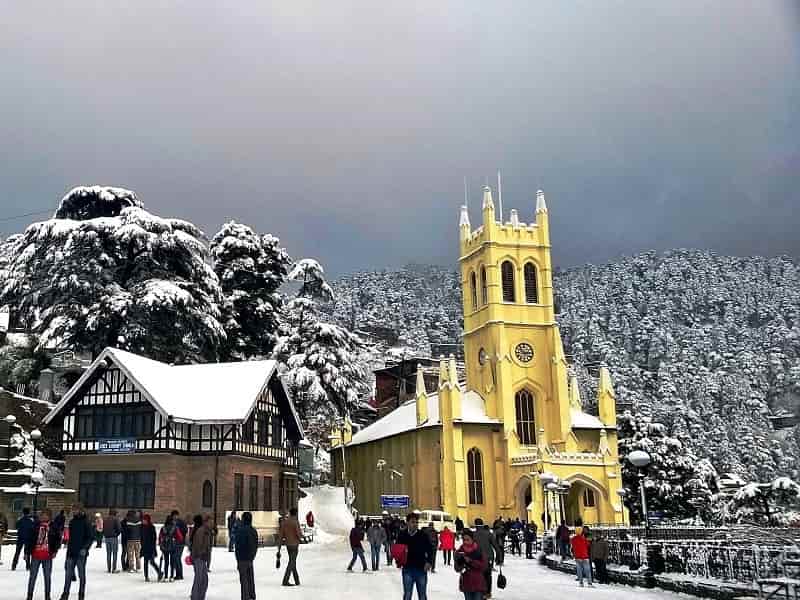
Shimla, the capital of Himachal Pradesh and the former summer capital of British India, is one of India’s most famous hill stations, situated at an altitude of approximately 2,276 metres (7,467 ft). Known as the “Queen of Hills,” the city is celebrated for its well-preserved Colonial-era architecture, including the majestic Viceregal Lodge and Christ Church, one of the oldest churches in North India. The heart of the city is the pedestrian-only Mall Road and the Ridge, which offer panoramic views of the snow-capped Himalayan ranges and act as the center for cultural festivals and shopping.
Beyond its heritage, Shimla is a hub for the Kalka-Shimla Toy Train, a UNESCO World Heritage site that offers a breathtaking slow-paced journey through tunnels and over bridges. Surrounded by dense forests of oak, deodar, and pine, the town also serves as a gateway to nearby adventure spots like Kufri for skiing and Mashobra for nature retreats, making it a year-round destination for families, honeymooners, and history enthusiasts.
10.The Great Himalayan National Park
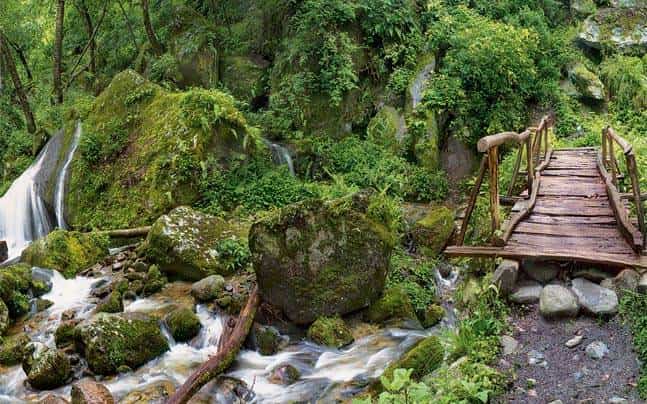
The Great Himalayan National Park (GHNP), a UNESCO World Heritage Site located in the Kullu region of Himachal Pradesh, is one of India’s most significant conservation areas for high-altitude biodiversity. Spanning over 1,171 square kilometers, the park is unique because it protects a vast range of ecosystems, from lush subtropical forests and alpine meadows (thaches) to permanent glaciers and snow-capped peaks reaching altitudes of 6,000 meters. It is a sanctuary for several endangered species, most notably the elusive Snow Leopard, the Himalayan Brown Bear, and the Western Tragopan, a rare and vibrant pheasant that serves as a symbol of the region’s rich wildlife. Unlike many other parks, GHNP is strictly protected, with no motorable roads inside, meaning visitors must explore its pristine wilderness through multi-day treks starting from the Tirthan or Sainj valleys.
11. Malana
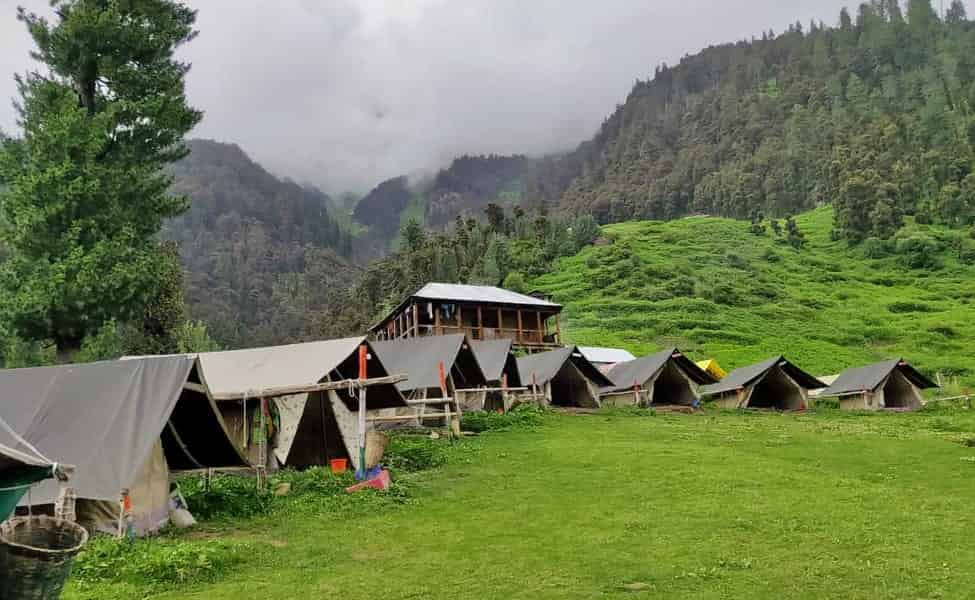
Malana is an ancient and isolated village nestled in the Parvati Valley of Himachal Pradesh, famous for its unique culture and status as one of the oldest democracies in the world. The villagers consider themselves a superior race—often claiming to be descendants of Alexander the Great’s soldiers—and follow a strict social structure governed by their local deity, Jamlu Rishi. This belief system has led to a famous “no-touching” rule, where outsiders are forbidden from touching the villagers, their walls, or their sacred temples; doing so can result in a heavy fine to cover the cost of a “purification” ritual. While it is globally renowned for “Malana Cream,” a premium hand-rubbed hashish, the village is also a place of rugged natural beauty accessible only by a steep trek. Life here is governed by its own independent council rather than the Indian legal system, and visitors are expected to be highly respectful of these deep-rooted traditions, often visiting only during the day as overnight stays within the village are now restricted.
12. Manikaran
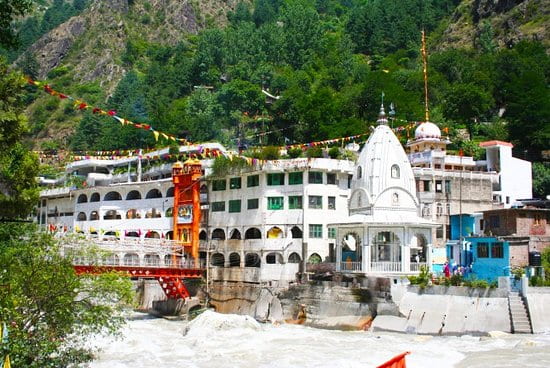
Manikaran is a sacred pilgrimage town in Himachal Pradesh’s Parvati Valley, situated at an altitude of 1,760 metres on the banks of the roaring Parvati River. It is uniquely significant to both Hindus and Sikhs, housing the revered Gurudwara Shri Manikaran Sahib and ancient temples dedicated to Lord Shiva and Rama. The town is globally famous for its natural geothermal hot springs, which are so hot that pilgrims actually cook rice and pulses for the langar by dipping them directly into the boiling water in muslin bags. Hindu mythology links the site to Goddess Parvati, who lost her earring (Mani) here, causing Lord Shiva to create the springs while retrieving it, while Sikh tradition honours the visit of Guru Nanak Dev Ji in the 16th century. Visitors can take a holy dip in separate indoor bathing pools, which are believed to have therapeutic properties for curing skin ailments and joint pain due to their high sulphur content.
13. Bhuntar
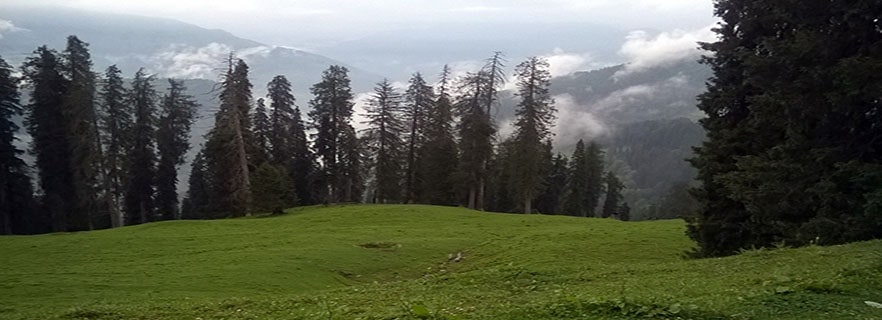
Bhuntar is a peaceful town in Himachal Pradesh’s Kullu district that acts as the primary gateway to the Kullu and Parvati Valleys. It is best known for housing the Kullu-Manali Airport, making it the first stop for many travellers flying into the region before they head to more famous spots like Manali, Kasol, or Manikaran. The town is beautifully situated at the confluence of the Beas and Parvati Rivers, offering a serene atmosphere with lush greenery and mountain views away from heavy tourist crowds. Historically and religiously significant, Bhuntar is home to the 8th-century Basheshwar Mahadev Temple, an architectural marvel famous for its intricate stone carvings. While often used as a transit hub, it is also a great place for outdoor activities like river rafting on the Beas, camping, and exploring local markets for authentic Himachali crafts and food.
14. Parvati Valley
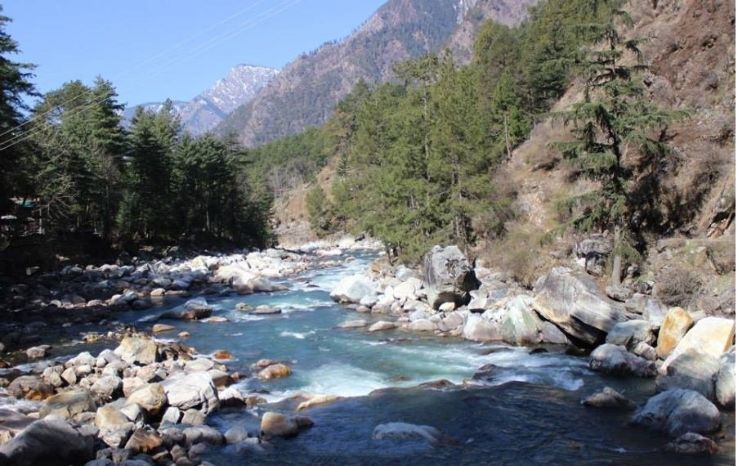
Parvati Valley is one of the most beautiful and popular travel destinations in Himachal Pradesh, stretching from the confluence of the Beas and Parvati Rivers in Bhuntar up toward the high mountains. It is famous for its stunning landscape of dense pine forests, snow-capped peaks, and the turquoise-blue Parvati River that flows through the heart of the valley. The region is a mix of spiritual sites like the hot springs of Manikaran and trendy, laid-back villages like Kasol, which is often called “Mini Israel” due to its popularity with international backpackers. Adventure lovers come here for world-class trekking routes, such as the hike to the natural hot water springs of Kheerganga or the ancient, mysterious village of Malana. Whether you are looking for a peaceful mountain retreat, a spiritual journey, or a challenging trek, Parvati Valley offers a unique “hippie” vibe and raw natural beauty that makes it feel like a different world.
15. Gulaba
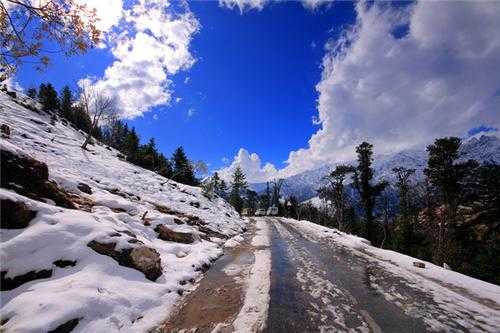
Gulaba is a breathtaking mountain village and popular tourist spot located approximately 20 kilometres from Manali on the road to Rohtang Pass. Named after Raja Gulab Singh of Kashmir, this scenic destination is famous for its lush green meadows, dense pine forests, and stunning panoramic views of the snow-capped Himalayan peaks. It serves as a primary hub for winter sports and snow activities, such as skiing, paragliding, and zorbing, especially during the months when Rohtang Pass is inaccessible due to heavy snow. Because of its incredible natural beauty and peaceful atmosphere, it has also become a favoured location for Bollywood film shoots and a top choice for overnight camping and stargazing. For many travellers, Gulaba offers a quieter, more serene experience compared to the busy streets of Manali, making it an essential stop for nature lovers and adventure seekers alike.
16. Kheerganga
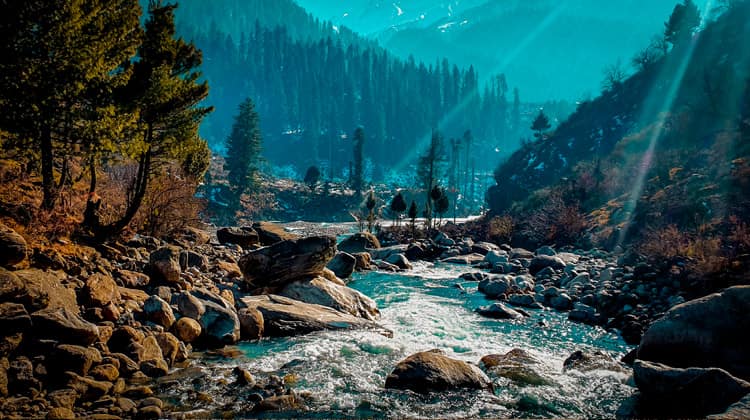
Kheerganga is a magical mountain meadow located at the far end of the Parvati Valley, famous for its natural hot water springs and stunning Himalayan views. According to local legend, Lord Shiva’s son, Kartikeya, meditated here for thousands of years, and the “milky” white appearance of the river nearby gives the place its name (as “Kheer” refers to a milky sweet dish). To reach this paradise, you must go on a 9 to 12-kilometre trek starting from the village of Barshaini, which takes about 5 to 6 hours through beautiful forests and past rushing waterfalls. Once you reach the top, the highlight is soaking in the warm, healing waters of the Parvati Kund while surrounded by snow-capped peaks. It is a favourite spot for backpackers and nature lovers who usually camp overnight in tents to experience the peaceful atmosphere and the bright, starry night sky.
17.Kothi
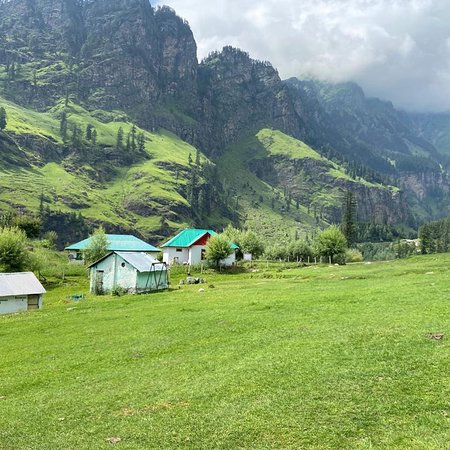
Kothi is a charming and peaceful village located about 12 kilometres from Manali, sitting at the foothills of the Rohtang Pass. It is famous for its stunning natural beauty, offering a magnificent view of snow-covered peaks and the Beas River flowing through a very deep and narrow gorge. In the past, it served as a popular camping ground for travellers and porters heading toward the high mountain passes, but today it is a favourite spot for poets, painters, and nature lovers seeking quiet inspiration. The village provides a much more serene and quiet atmosphere compared to the busy crowds of Manali, making it an ideal place for overnight camping or simply enjoying a picnic. Because of its scenic backdrop, Kothi has also been featured in many Bollywood movies and serves as a great base for those looking to explore the nearby mountains and glaciers.
18. Naggar Village
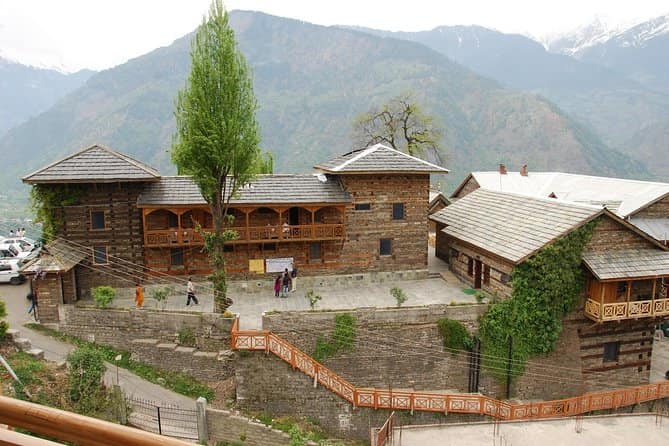
Naggar Village is a historic and scenic settlement located about 20 kilometres from Manali, perched high on a hill overlooking the beautiful Kullu Valley. For centuries, it served as the ancient capital of the Kullu Kingdom, and that royal history is still visible today in the magnificent Naggar Castle, a stunning palace built of wood and stone that has survived massive earthquakes. The village is also world-famous for the Roerich Art Gallery, the former home of the Russian painter Nicholas Roerich, which displays his incredible paintings of the Himalayas. Visitors love Naggar for its quiet, old-world charm, traditional Himachali architecture, and ancient temples like the Gauri Shankar Temple. It is a perfect spot for travellers who want to escape the crowded streets of Manali to enjoy peaceful walks, local wood-fired pizzas, and spectacular views of the Beas River below.
19. Jibhi
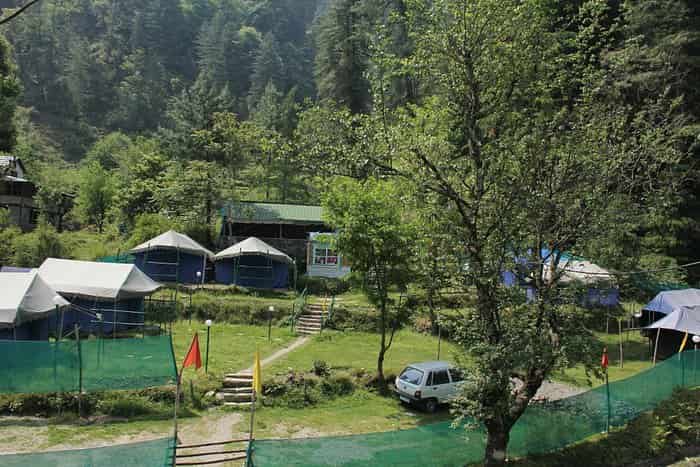
Jibhi is a peaceful and “offbeat” little hamlet tucked away in the Tirthan Valley of Himachal Pradesh, often called a “hidden gem” because it is much quieter than Manali. It is famous for its beautiful traditional wooden houses, lush green pine forests, and sparkling freshwater streams that run right through the village. One of the main attractions here is the Jibhi Waterfall, a short and easy walk hidden inside a dense forest, as well as the nearby Jalori Pass, which offers breathtaking 360-degree views of the Himalayas. Many travellers come to Jibhi to live in cozy treehouses or homestays, enjoy trout fishing, or trek to the ancient Serolsar Lake and the historic Chehni Kothi watchtower. It is the perfect destination for people who want to slow down, breathe fresh mountain air, and experience the simple, untouched beauty of Himalayan village life.
20.Tosh
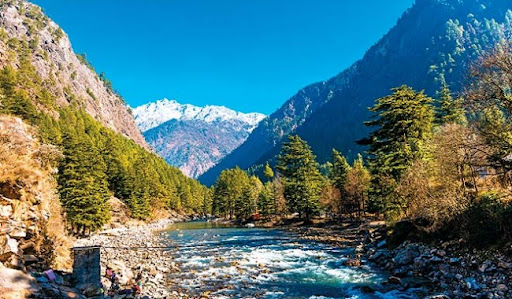
Tosh is a stunning village located at the far end of the Parvati Valley, perched at an altitude of about 2,400 metres. It is famous for its colorful wooden houses, steep narrow lanes, and its unique location surrounded by massive snow-capped mountains on all sides. Often described as a “hippie’s paradise,” Tosh has a very laid-back and peaceful vibe, making it a favorite for backpackers who want to escape the more crowded areas of Kasol. The village is the starting point for several popular treks, including the trail to Kheerganga and the Animal Pass. Visitors love to spend their time sitting in cozy cafes that offer 360-degree views of the peaks, exploring the local temple dedicated to Jamlu Rishi, and enjoying the fresh mountain air. Because the village is located at the very end of the road, it feels like a quiet corner of the world where time moves slowly and nature is at its most raw and beautiful.
21.Tirthan Valley
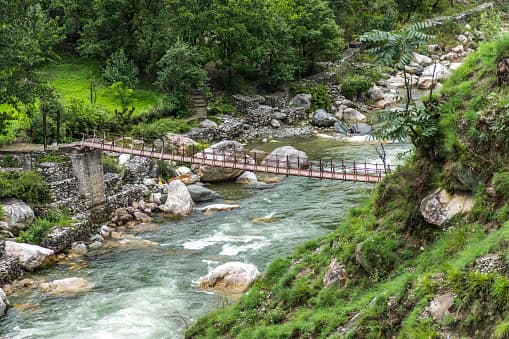
Tirthan Valley is a breathtaking and untouched paradise in Himachal Pradesh, named after the crystal-clear Tirthan River that flows through it. It is famously known as the gateway to the Great Himalayan National Park, a UNESCO World Heritage site, making it a dream destination for nature lovers and trekkers. Unlike busy tourist spots, the valley is incredibly peaceful and is one of the best places in India for trout fishing and riverside camping. Visitors love exploring its hidden waterfalls, walking through dense pine forests, and visiting traditional wooden villages like Jibhi and Gushaini. Whether you want to trek to the high-altitude Serolsar Lake, explore ancient forts like Chehni Kothi, or simply sit by the river and listen to the water, Tirthan Valley offers a calm and “offbeat” experience far away from the city crowds.
22. Jogini Falls
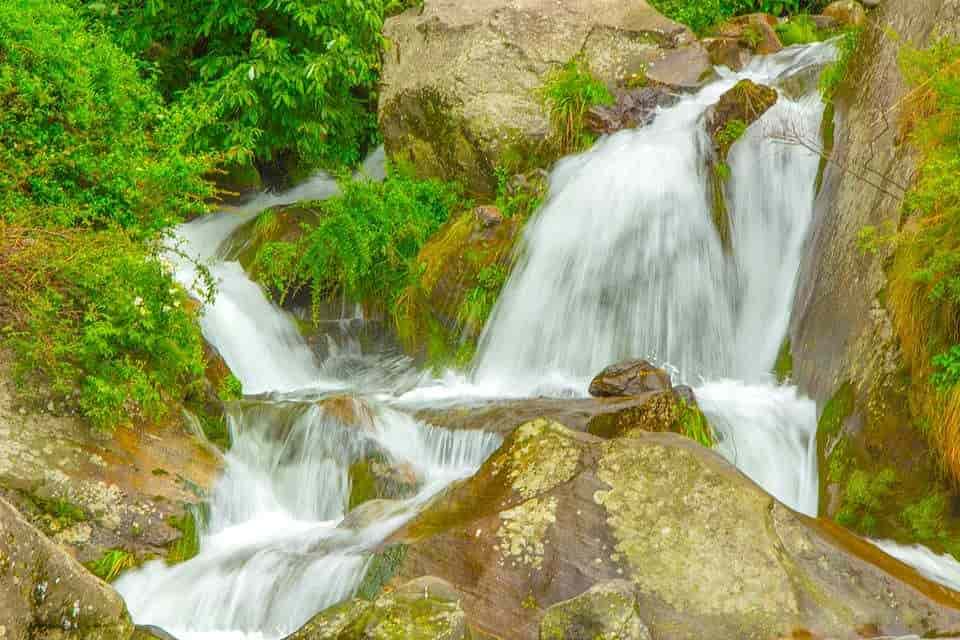
Jogini Falls is a beautiful and sacred waterfall located about 3 kilometres from the main town of Manali, near the Vashisht Temple. To reach the falls, you enjoy a gentle and scenic trek through apple orchards, tall pine trees, and small mountain streams, which usually takes about 45 to 60 minutes. The water cascades down from a height of about 150 feet into the Beas River valley, creating a refreshing misty pool at the bottom where visitors love to relax. Named after the local deity Jogini, the site is considered spiritually significant, and you will find a small temple at the base. Because it is tucked away from the main roads, it offers a peaceful atmosphere that is perfect for nature photography, picnics, and travelers looking for a quick and easy adventure with spectacular views.
23. Kufri
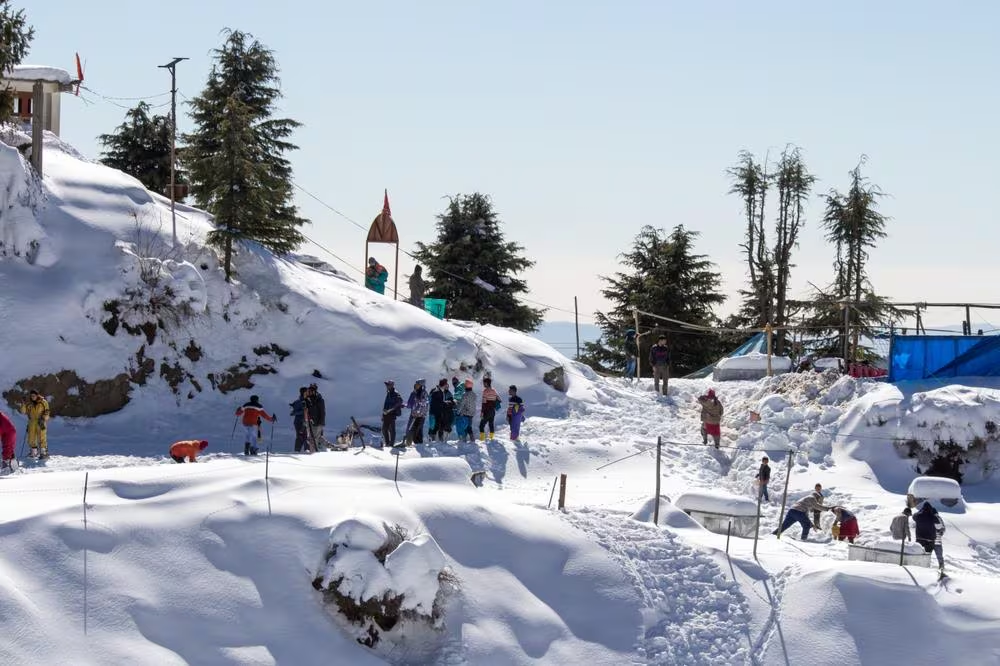
Kufri is a small and beautiful hill station located about 20 kilometres from Shimla, famously known as the “Winter Sports Capital” of Himachal Pradesh. It is a paradise for adventure lovers, especially during the winter months when the entire landscape is covered in thick white snow, making it perfect for skiing, tobogganing, and go-karting on one of the world’s highest tracks. One of the most popular things to do in Kufri is taking a fun pony or horse ride up to Mahasu Peak, the highest point in the area, where you can get a clear view of the mighty Himalayan ranges. The town is also home to the Himalayan Nature Park, where you can see rare mountain animals like the Snow Leopard, Brown Bear, and Hangul. Because of its high altitude and cool weather, Kufri is a favourite getaway for families and couples looking to experience snow and enjoy panoramic mountain views away from the main city of Shimla.
24. Naldehra
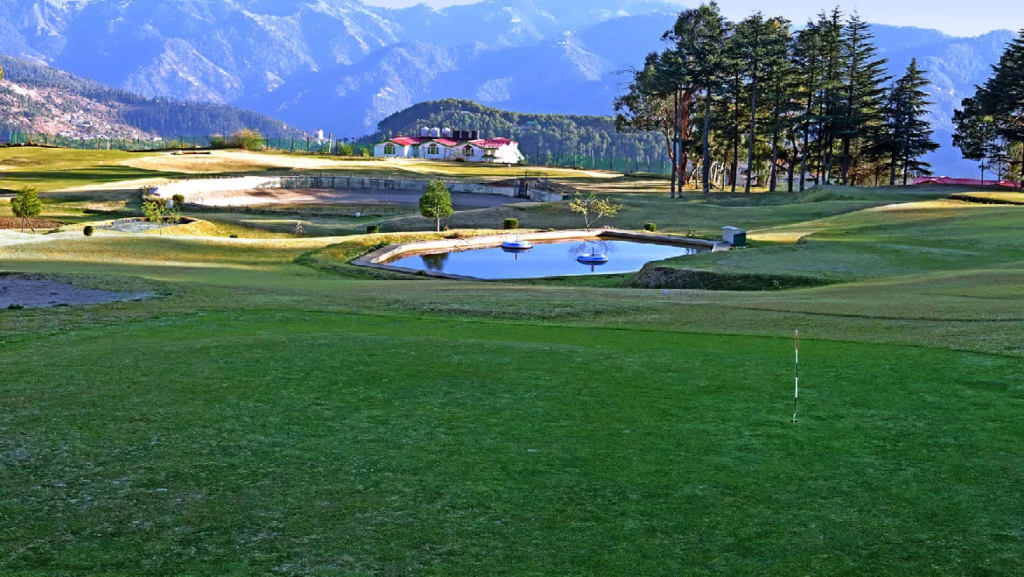
Naldehra is a serene and picturesque hill station located about 22 kilometres from Shimla, world-famous for housing one of the oldest and highest 18-hole golf courses in India. The town was discovered by the British Viceroy Lord Curzon, who was so captivated by its beauty that he named his daughter after it. The golf course is unique because it is built on a massive, naturally sloping glade surrounded by thick forests of towering Deodar trees. Visitors love to take a peaceful pony ride or a nature walk through these dense woods to reach the various viewpoints that offer breathtaking views of the Sutlej River and the surrounding mountain ranges. Unlike the busy Mall Road of Shimla, Naldehra offers a very calm and quiet environment, making it a perfect spot for picnics, horse riding, and those looking to enjoy the untouched beauty of the Himalayas in a relaxed setting.
25. Viceregal Lodge
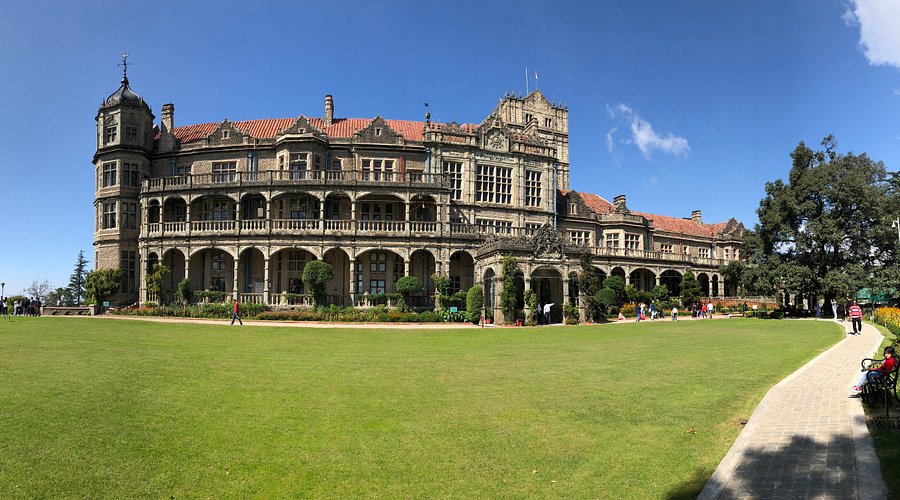
The Viceregal Lodge, also known as Rashtrapati Niwas, is a magnificent historical landmark located on Observatory Hill in Shimla. Built in 1888 during the British Raj, it served as the summer residence of the Viceroy of India, making it the center of British power for many decades. The building is famous for its stunning Jacobethan architecture, featuring grey sandstone, intricate woodwork, and vast, beautifully manicured gardens. Inside, the lodge is filled with historical significance; many important decisions leading to India’s independence and the Partition were discussed within its walls. Today, it houses the Indian Institute of Advanced Study, where scholars conduct research, but visitors can still take guided tours of the grand entrance hall and a few historic rooms. Walking through its corridors feels like stepping back in time, offering a deep look into India’s colonial past and its journey toward freedom.