


Saputara is Gujarat’s only hill station, situated atop a plateau in the Sahyadri mountain range (Western Ghats) at an altitude of 1,000 meters. Located in the tribal district of Dang, its name literally translates to “the abode of serpents,” and it remains a deeply spiritual site for the local indigenous tribes, who worship an idol of a snake on the banks of the Sarpganga River. Unlike the bustling hill stations of North India, Saputara offers a more tranquil and “mist-laden” experience, characterized by lush green forests, cascading waterfalls such as Gira Falls, and a cool climate that remains pleasant throughout the year. The town is centered around the man-made Saputara Lake, which offers boating facilities and is flanked by parks such as the Lake Garden and the Step Garden. Visitors can enjoy panoramic vistas from Sunset Point or take the Saputara Ropeway to catch an aerial view of the valley. Rich in tribal culture, the town also features an Artist Village and a Tribal Museum, where the ancient traditions of the Dangi people—such as Warli painting and bamboo craftsmanship—are preserved and kept alive. Whether trekking to the 17th-century Hatgadh Fort or exploring the dense Vansda National Park, Saputara offers a perfect blend of adventure, nature, and indigenous heritage.
Saputara’s economy is primarily driven by its status as Gujarat’s premier hill station, making the tourism and hospitality sectors the main pillars of its financial foundation. The town generates substantial revenue through a well-developed eco-tourism infrastructure—comprising luxury resorts, government-run hotels, and various recreational activities such as the Saputara Ropeway and boating—which collectively attract hundreds of thousands of visitors annually. Saputara is considered one of India’s safest hill stations, making it an ideal destination for solo travelers, families, and women. Since it is a small and well-planned town, most major attractions are located within walking distance or just a short drive away, and the atmosphere remains peaceful and family-friendly, even during the peak tourist season.
Most Famous And Attractive Tourist Places In Saputara :
1. Hatgad Fort

Hatgad Fort is a majestic trekking destination located about 6 kilometres from Saputara, situated on the border of Gujarat and Maharashtra in the Sahyadri mountain range. Built by the Maratha ruler Chhatrapati Shivaji Maharaj in the 17th century, the fort served as a strategic military watchtower to monitor the trade routes and movements in the surrounding Surgana and Khandesh regions. Perched at an elevation of approximately 3,600 feet, the fort is accessible via a moderately challenging trek through rocky terrain and ancient stone steps. Once at the summit, visitors can explore historical remnants such as a large stone gateway, old water cisterns (rock-cut reservoirs), and a small shrine dedicated to Lord Hanuman. The fort is most famous for its panoramic 360-degree views, offering a stunning bird’s-eye perspective of the Saputara hill station and the shimmering Tilaiya Dam reservoir below.
2. Shabari Dham

Shabari Dham is a significant spiritual and mythological landmark located on the Subir-Ahwa road in the Dang district of Gujarat. Situated atop a hill known as Chamakh Dungar, this temple is believed to be the exact spot where the tribal devotee Shabari met Lord Ram during his search for Sita, as described in the epic Ramayana. According to local lore, this is where she offered him the “sweet berries” after tasting them herself to ensure they were fit for him. The temple was built in 2004 and is unique for its architecture, featuring three main sanctums and stones inscribed with verses from the Ramayana. The surrounding area is incredibly scenic, offering a peaceful atmosphere amidst the dense forests of the Dangs, making it a key destination for both pilgrims and nature lovers.
3. Nageshwar Mahadev Temple
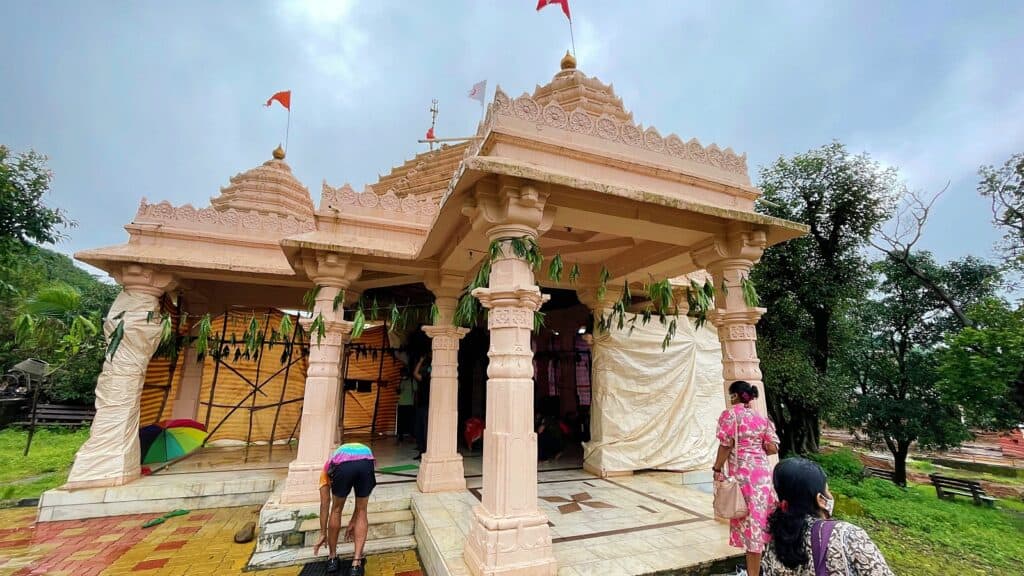
The Nageshwar Mahadev Temple is a serene and spiritually significant shrine located on the banks of the Saputara Lake, dedicated to Lord Shiva. Set against the backdrop of the lush Sahyadri hills, the temple is known for its clean, peaceful atmosphere and traditional architecture. It serves as a central place of worship for both local residents and tourists visiting the hill station. The temple is especially famous for its beautifully crafted idol of Lord Shiva and its peaceful sanctum, which offers a quiet space for meditation and prayer. During the festival of Maha Shivratri, the temple comes alive with hundreds of devotees who gather to perform special rituals and offer prayers, making it a vibrant cultural hub in the heart of Saputara.
4. Townview Point

Townview Point, also known as Echo Point, is a popular vantage spot in Saputara that offers a spectacular bird’s-eye view of the entire hill station and its surrounding valley. Situated at a high elevation, it provides a panoramic perspective of the town’s layout, the shimmering Saputara Lake, and the undulating green folds of the Sahyadri mountain range. As the name suggests, it is famous for its natural echo phenomenon, where visitors often enjoy shouting into the valley to hear their voices bounce back from the distant hills. At night, the viewpoint transforms into a magical spot as the town below lights up, creating a glittering “diamond carpet” effect that is highly popular for photography.
5. Gira Falls
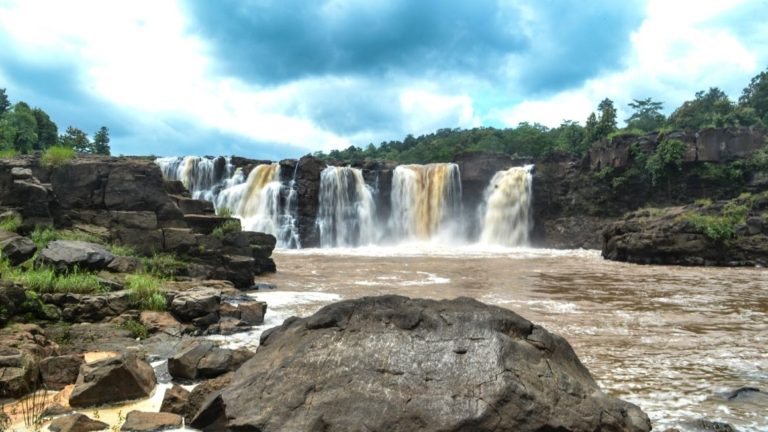
Gira Falls is a breathtaking seasonal waterfall located near Waghai in the Dang district, approximately 49 km from Saputara. Formed by the Gira River dropping over a 30-metre (approx. 100-foot) cliff into the Ambica River, it is often described as the “Niagara of Gujarat” due to its sheer power and width during the peak rainy season. The waterfall is a massive natural spectacle where the water crashes into a deep pool below, creating a misty spray that cools the surrounding area. It is surrounded by the lush, dense forests of the Purna Wildlife Sanctuary, making it a perfect spot for nature lovers and photographers. The site is well-developed for tourists, featuring paved walkways and several stalls where local tribal artisans sell handmade bamboo crafts and traditional food.
6. Vansda National Park
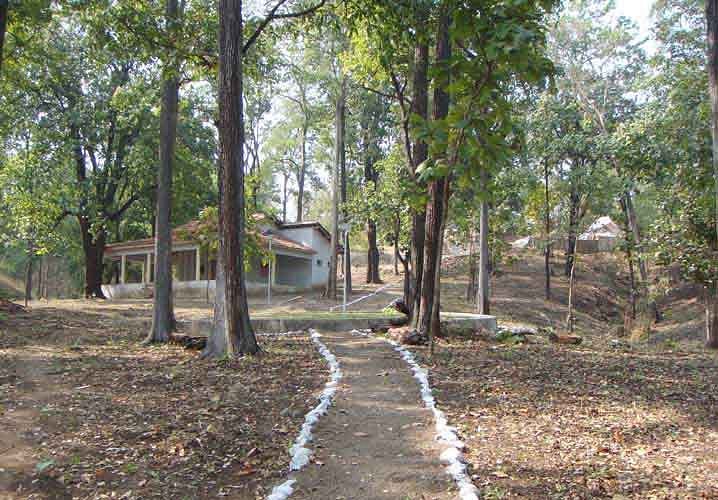
Vansda National Park, located in the Navsari district near the banks of the Ambica River, is a dense and sprawling forest reserve that was once the private hunting grounds of the Maharaja of Vansda. Covering an area of about 24 square kilometres, it represents the southern-most extension of the Western Ghats in Gujarat and is known for its incredibly thick canopy—so dense that parts of the forest remain dark even during a bright afternoon. The park is a haven for biodiversity, housing animals like leopards, hyenas, wild boars, sambar deer, and the rare four-horned antelope. It is also an “ornithologist’s paradise,” home to over 115 species of birds, including the Great Indian Hornbill and the Malabar Trogon. Because the forest is largely undisturbed and features towering teak and bamboo trees draped in orchids and creepers, it offers a truly wild and “jungle-like” experience compared to more manicured parks.
7. Artist Village
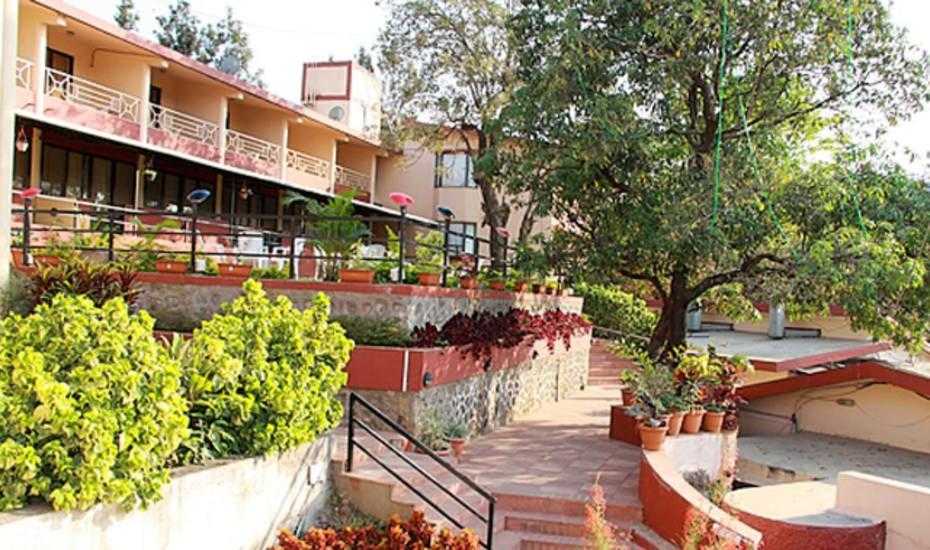
The Artist Village, also known as Gandharvapur, is a vibrant cultural hub located near the Saputara Lake that serves as a living museum of the local Dangi tribal heritage. It is a unique community space where tribal artisans and craftsmen live and work, creating traditional bamboo crafts, Warli paintings, and ornaments made from roots and dried fruits. The village is designed to be interactive, allowing tourists to not only watch the intricate process of tribal art but also participate in workshops to learn pottery or painting directly from the masters. Managed by the government and local cooperatives, it aims to preserve the vanishing traditions of the Dangs while providing a sustainable livelihood for the artisans. The entire village is decorated with colorful murals and rustic structures, making it one of the most culturally immersive and “Instagrammable” spots in Saputara.
8. Purna Wildlife Sanctuary

Purna Wildlife Sanctuary is a sprawling, dense forest reserve in the Dang district of Gujarat, covering an area of approximately 160 square kilometres. It forms a part of the northern-most extension of the Western Ghats and is celebrated for having the highest bird biodiversity in the state, with over 139 species recorded, including the Grey Jungle Fowl and the Common Grey Hornbill. The sanctuary’s landscape is dominated by lush teak and bamboo forests, interspersed with small tribal villages and crisscrossed by the Purna River, which serves as a lifeline for the local ecosystem. Unlike more commercialised parks, Purna offers a raw and “off-the-beaten-path” experience, where visitors can spot leopards, rhesus macaques, mongooses, and a vibrant array of butterflies amidst a canopy so thick it often blocks out the sun. It is a vital conservation zone that protects rare medicinal plants and orchids, making it a sanctuary not just for animals, but for the entire biological heritage of South Gujarat.
9. Saputara Museum

The Saputara Tribal Museum, also known as the Saputara Museum, is a small yet significant cultural institution located in the heart of the hill station, dedicated to preserving the rich heritage of the Dang district’s tribal communities. It serves as an educational gateway for visitors to understand the lifestyles, traditions, and artistic expressions of the four major local tribes: the Bhils, Kunbis, Warli, and Gamits. The museum houses a fascinating collection of tribal artifacts, including traditional musical instruments like the tadpu and pavri, grass ornaments, hunting tools, and unique clay masks used in ritual dances. One of its most captivating displays is the collection of stone funerary memorials and woodcarvings that provide deep insight into the spiritual beliefs and ancestral worship practices of the Dangi people.
10. Lake Garden
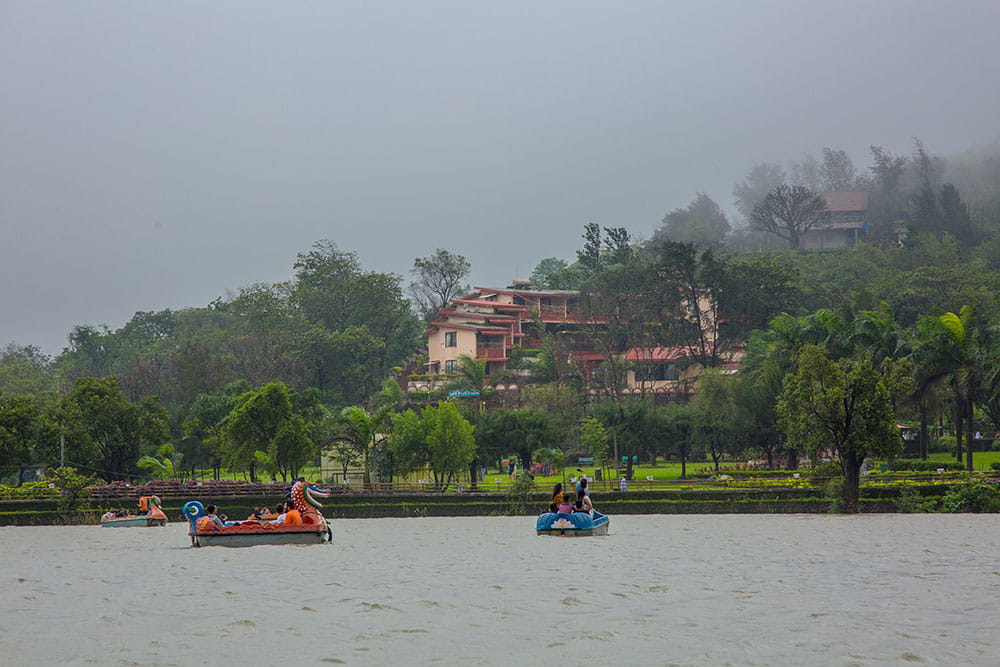
Lake Garden, also known as Saputara Lake Garden, is a beautifully landscaped park located on the eastern bank of the shimmering Saputara Lake. Developed as a primary recreational space for tourists, the garden features manicured lawns, a wide variety of tropical plants, and vibrant flower beds that stay in bloom throughout the year. It serves as an ideal spot for a relaxed evening stroll or a family picnic, providing a peaceful contrast to the busier market areas of the hill station. The garden is particularly popular for its well-paved walking trails and dedicated children’s play area, which is equipped with various swings and slides. Its prime location allows visitors to enjoy the cool mountain breeze while taking in panoramic views of the lake and the surrounding Sahyadri hills, especially during sunset when the water and garden are bathed in a golden glow.