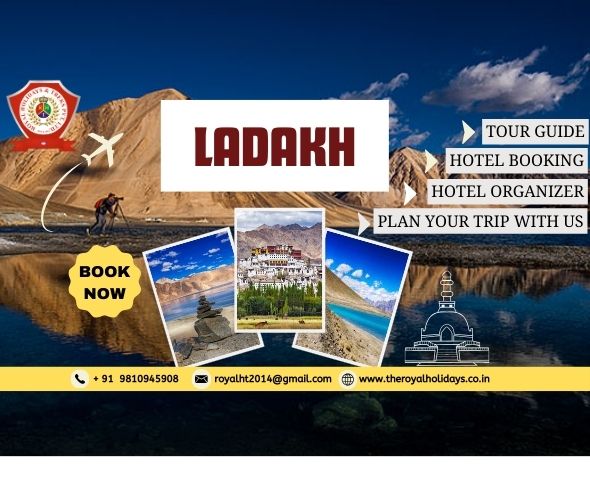
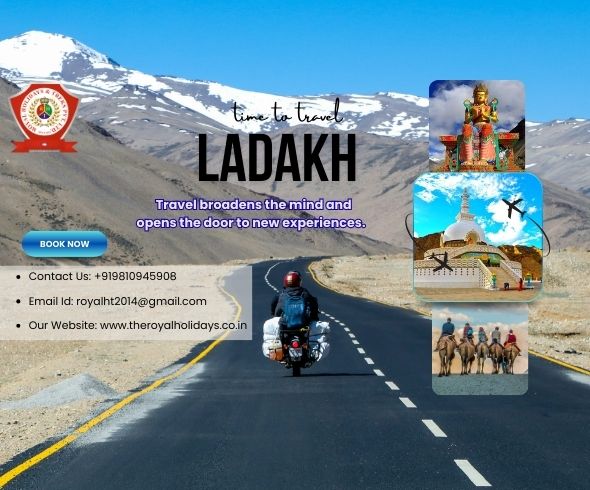
Ladakh, often referred to as the “Land of High Passes,” is a breathtakingly beautiful Union Territory in Northern India, nestled between the Karakoram and Himalayan mountain ranges. Renowned for its magnificent “cold desert” topography, the region features rugged mountains, deep-blue lakes such as Pangong Tso, and high-altitude plateaus. Historically a pivotal stop along the Silk Road trade route, Ladakh is deeply steeped in Tibetan Buddhist culture. This heritage is vividly reflected in its numerous whitewashed monasteries (Gompas)—such as Hemis and Thiksey—which are perched atop rocky slopes. The region is divided into two main districts: Leh, known for its historic palaces and bustling markets; and Kargil, which serves as the gateway to the lush Suru Valley and Zanskar. Beyond its spiritual allure, Ladakh is also a premier destination for adventure enthusiasts. It offers some of the world’s finest trekking opportunities, the thrill of motorcycling across the globe’s highest motorable passes—such as Umling La—and the chance to spot rare wildlife, including the elusive snow leopard.
Ladakh’s economy represents a unique blend of traditional subsistence practices and a modern service-based infrastructure, relying heavily on tourism, agriculture, and substantial support from the Central Government. Historically dependent on trans-Himalayan trade, the region now derives approximately 50% of its GDP from tourism. Through tourism, thousands of locals find employment in sectors ranging from hospitality and transportation to guiding services. In addition to tourism, Ladakh is globally renowned for its Pashmina wool, produced by the nomadic Changpa herders. Furthermore, the region exports valuable agricultural produce, such as apricots and sea buckthorn. Ladakh is generally a very safe place to visit, particularly in terms of personal safety and crime. It is considered one of the safest regions in India, especially for couples and solo female travelers. The local culture here places great emphasis on respecting guests, and the crime rate is also very low.
Best Places To Visit In Ladakh :
1. Tso Moriri Lake
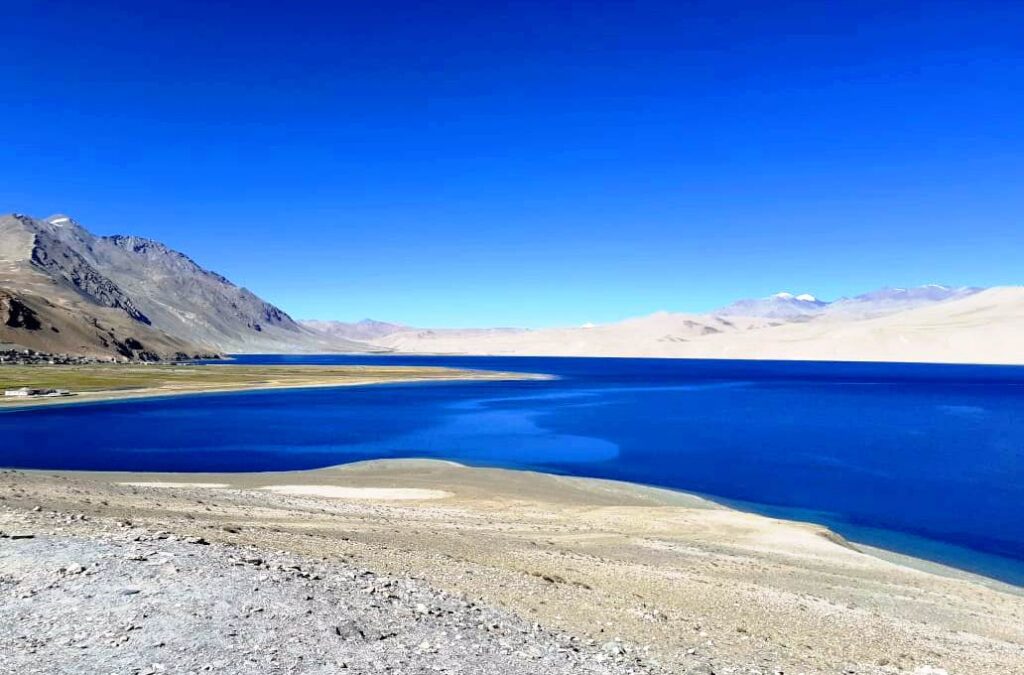
Tso Moriri, often referred to as the “Mountain Lake,” is a breathtaking high-altitude body of water situated at an elevation of approximately 4,522 meters (14,836 ft) in the Changthang Plateau of Ladakh, India. Spanning about 19 km in length and up to 3 km in width, it holds the distinction of being the largest high-altitude lake entirely within Indian territory and is recognized as a Ramsar Wetland site of international importance. The lake is fed by springs and snow-melt from the surrounding mountains, creating a striking contrast between its deep, sapphire-blue waters and the barren, snow-capped peaks of the Himalayas that hem it in. Because it is located in a protected reserve, the area remains remarkably pristine and peaceful compared to other tourist hubs. It serves as a vital breeding ground for rare wildlife, including the Bar-headed goose, the Great Crested Grebe, and the Tibetan Wild Ass (Kiang). The only permanent settlement nearby is the ancient Korzok village, where the Korzok Monastery sits overlooking the water, adding a spiritual dimension to the rugged, ethereal landscape.
2. Tiger Hill
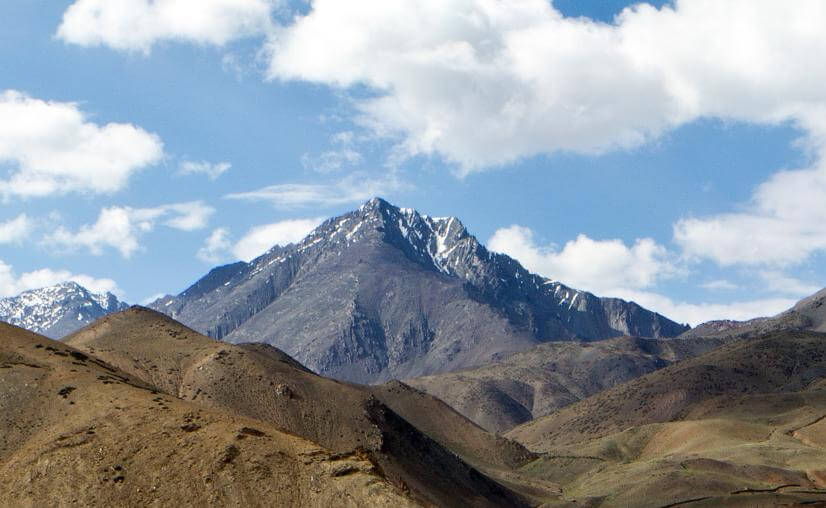
Tiger Hill, situated at an altitude of 2,590 metres (8,500 ft) near Darjeeling, West Bengal, is globally acclaimed for providing one of the most spectacular sunrise views in the Himalayas. As the first rays of the sun hit the horizon, they illuminate the snow-capped twin peaks of Mount Kanchenjunga—the world’s third-highest mountain—in a mesmerizing palette of orange and gold. On clear mornings, lucky spectators can also spot the distant triangular peak of Mount Everest, along with other giants like Makalu and Lhotse. The hill is roughly 11–13 km from Darjeeling town and serves as the highest point in the region, offering a 360-degree panorama that includes the winding Teesta and Mechi rivers to the south and even Tibet’s Chumal Rhi mountain on exceptionally clear days. Visitors typically depart from Darjeeling by jeep around 3:30 AM to reach the summit in time for the dawn spectacle, often enjoying hot coffee from local vendors while waiting in the sub-zero temperatures.
3. Zorawar Fort
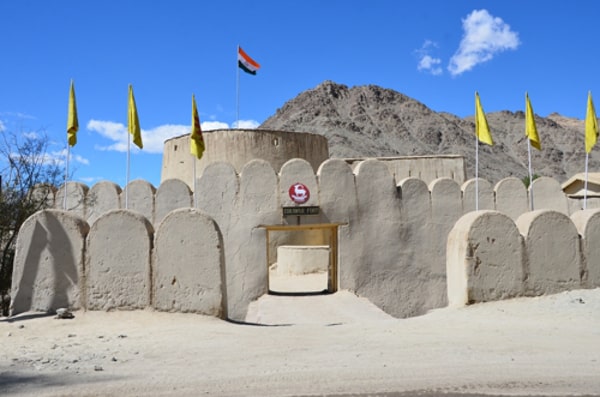
Zorawar Fort, also known as Riasi Fort, is a historic military stronghold located in Leh, Ladakh, built in 1836 by General Zorawar Singh Kahluria. Often referred to as the “Napoleon of India,” General Zorawar Singh constructed this fort to serve as a strategic base for Dogra soldiers and to secure control over the trans-Himalayan trade routes. The structure itself is a testament to 19th-century mountain architecture, built using local materials like sun-dried mud bricks, stone, and wood. Beyond its military utility, the fort once housed the immense wealth and treasures of the Dogra dynasty. Today, it is maintained by the Indian Army and serves as a major tourist attraction, featuring a museum with dedicated galleries like the War Room, History Room, and Artefacts Room that display old coins, stamps, weapons, and manuscripts. The premises also house a unique cultural blend with a Hindu temple dedicated to Goddesses Kali and Durga standing alongside a mosque, both built by the General himself.
4. Rohtang Pass
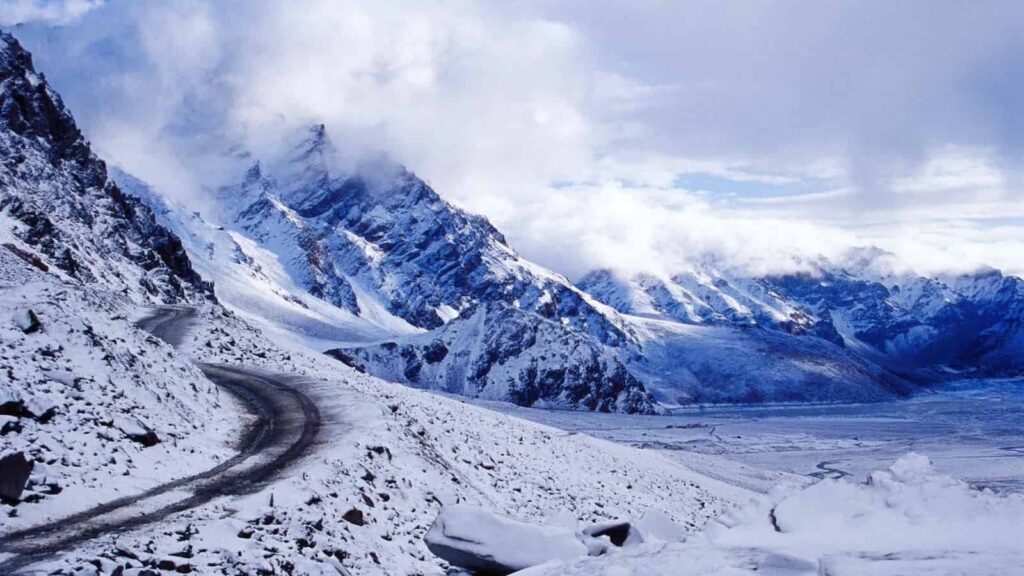
Rohtang Pass, located at a staggering altitude of 3,978 metres (13,050 ft), is a high mountain pass on the eastern Pir Panjal Range that serves as a vital gateway between the lush Kullu Valley and the arid high-altitude regions of Lahaul and Spiti in Himachal Pradesh. The name “Rohtang” literally translates to “pile of corpses” in the local Bhoti language, a historical reference to the many travellers who lost their lives attempting to cross its treacherous, weather-beaten terrain in ancient times. Today, it is one of India’s most iconic tourist destinations, famous for its year-round snow and breathtaking panoramic views of the Himalayas. Visitors flock here to enjoy adventure sports such as skiing, snowboarding, and snow scooter rides, even in the peak of summer. The pass also holds strategic importance as a crucial link on the Manali-Leh Highway, though its seasonal closure from November to May due to heavy snowfall led to the construction of the Atal Tunnel, an engineering marvel that now provides all-weather connectivity beneath the pass.
5. Changthang Wildlife Sanctuary
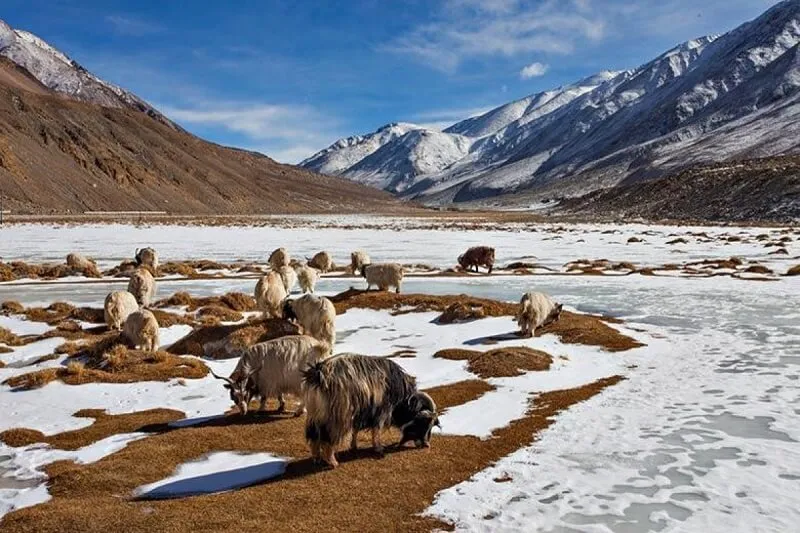
Changthang Wildlife Sanctuary, established in 1987, is a vast high-altitude reserve located on the Changthang plateau in the Leh district of Ladakh, ranging in elevation from 4,000 to over 5,500 metres (14,000 to 19,000 ft). This “Cold Desert” sanctuary covers roughly 1,600 sq. km and is world-renowned for encompassing three iconic high-altitude lakes: Pangong Tso, Tso Moriri (one of the highest in the world), and the salt-crusted Tso Kar. The sanctuary provides a critical habitat for rare and endangered species like the Snow Leopard, the Tibetan wild ass known as Kiang, and is the only known breeding ground in India for the majestic Black-necked Crane. It is also home to the Changpa nomads, who have coexisted with this harsh environment for centuries, herding the famous Pashmina goats whose ultra-fine wool is used to create world-class cashmere shawls.
6. Sankar Gompa
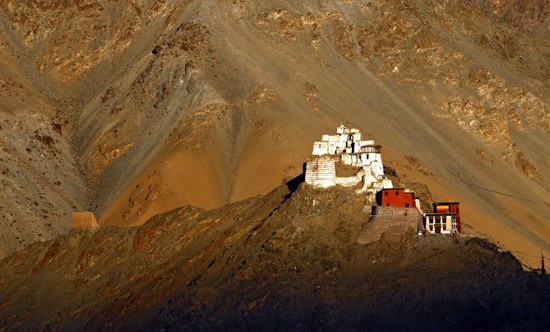
Sankar Gompa (or Sankar Monastery) is a small but very important Buddhist monastery located just a short, 15-minute walk from the main market of Leh. It belongs to the Yellow Hat (Gelugpa) sect of Buddhism and serves as the official home of the Kushok Bakula, the most senior lama of Ladakh. Unlike many other monasteries that sit high on mountain peaks, this one is situated on flat land, making it very easy to reach for visitors. The monastery is famous for its beautiful architecture and a stunning statue of Avalokitesvara (the God of Compassion), which features 1,000 arms and 1,000 heads. Inside, you can see colorful wall paintings, traditional butter lamps, and ancient scrolls that represent the rich spiritual heritage of the region.
7. Lamayuru Town
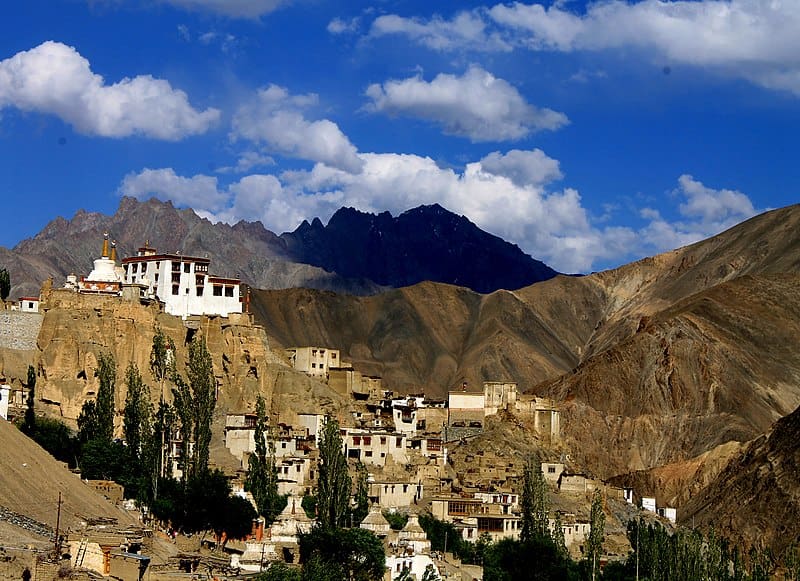
Lamayuru is a tiny, ancient town in Ladakh located on the highway between Leh and Kargil, famous for its unique landscape that looks exactly like the surface of the moon. This unusual geological formation, often called “Moonland,” consists of yellowish-grey soil that has been carved into strange, crater-like shapes by centuries of erosion. The town is built around the Lamayuru Monastery, which is one of the oldest and largest in Ladakh, perched dramatically on a high rock overlooking the valley. Legend says the area was once a deep lake that was drained by a Buddhist saint to build the monastery. Today, people visit Lamayuru to walk through its quiet, winding streets, explore the ancient meditation caves, and photograph the surreal, “out-of-this-world” scenery.
8. Tso Kar
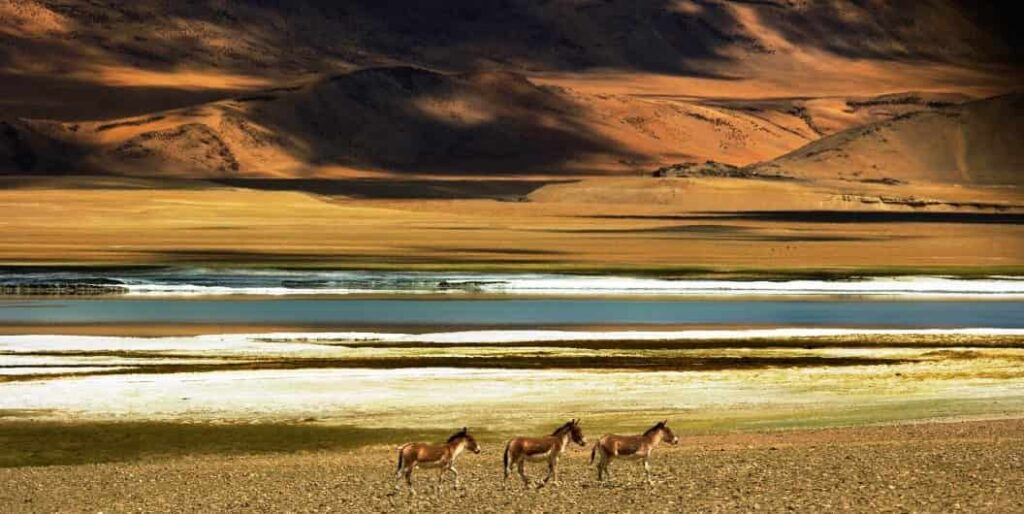
Tso Kar, popularly known as the “White Lake,” is a high-altitude salt lake located in the Rupshu Plateau of southern Ladakh at an elevation of approximately 4,530 metres. It earned its name from the thick, white crust of salt and alkali that forms along its edges as the water evaporates, creating a striking contrast against the surrounding bronze hills. This lake is actually part of a twin lake system, connected to the freshwater Startsapuk Tso at its southwest end. Unlike the more famous Pangong Lake, Tso Kar is a sanctuary for wildlife and birdwatchers; it serves as a critical breeding ground for the endangered Black-necked Crane and is a common place to spot the Kiang (Tibetan wild ass), Tibetan gazelles, and marmots. In 2020, the Tso Kar Wetland Complex was recognised as a Ramsar site, highlighting its international importance for conservation. Due to its remote location and extreme altitude, it offers a serene, “off-the-beaten-path” experience for travellers seeking silence and untouched natural beauty.
9. Chemrey Monastery
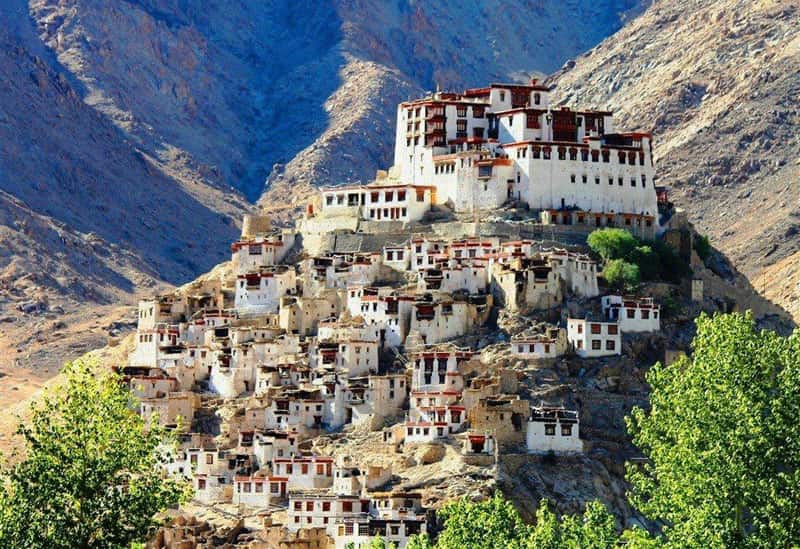
Chemrey Monastery is a striking 17th-century Buddhist monastery located about 40 kilometres east of Leh, famously perched atop a steep, rocky hill that makes it resemble a majestic fortress. Founded in 1664 by Lama Potsang Raspa as a memorial to King Sengge Namgyal, it belongs to the Drugpa (Red Hat) sect of Tibetan Buddhism. The monastery is most renowned for its massive, one-storey high statue of Padmasambhava (Guru Rinpoche) and its incredible library, which contains an invaluable collection of 29 volumes of scriptures written with letters made of pure silver and gold. Architecturally, the complex is a maze of dark, atmospheric prayer halls and steep wooden stairs, offering stunning 360-degree views of the lush green fields of the Chemrey village below. It is also home to the Chemrey Angchok festival, held annually in the ninth month of the Tibetan calendar, featuring sacred cham (masked) dances performed by the resident monks.
10. Stok Palace
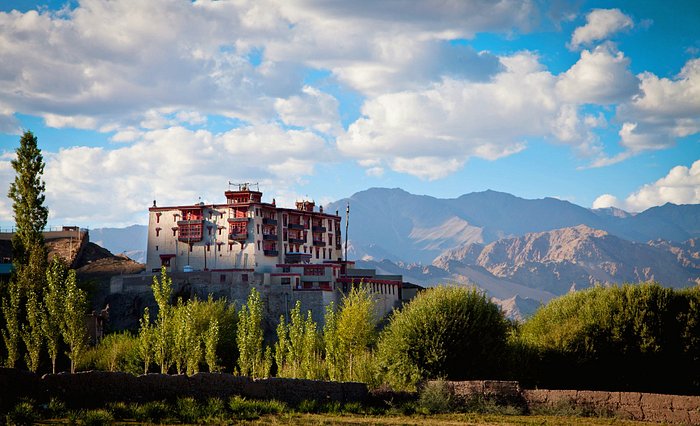
Stok Palace, built in 1820 by King Tsespal Namgyal, is the current official residence of the royal family of Ladakh. Located about 15 kilometres from Leh, it was constructed after the royal family was forced to retreat from Leh Palace following the Dogra invasions. The palace is a beautiful example of traditional Ladakhi architecture, blending fortress-like stone walls with ornate wooden balconies. Today, a significant portion of the palace has been converted into a museum, which houses a priceless collection of royal heirlooms, including the Queen’s ancient turquoise-and-gold headgear (the Perak), 16th-century Thangkas (religious scrolls), and the King’s ceremonial weapons. Unlike many other historical sites, Stok Palace feels alive because the descendants of the Namgyal dynasty still live there, maintaining its regal atmosphere and lush gardens.
11. Namgyal Tsemo Gompa
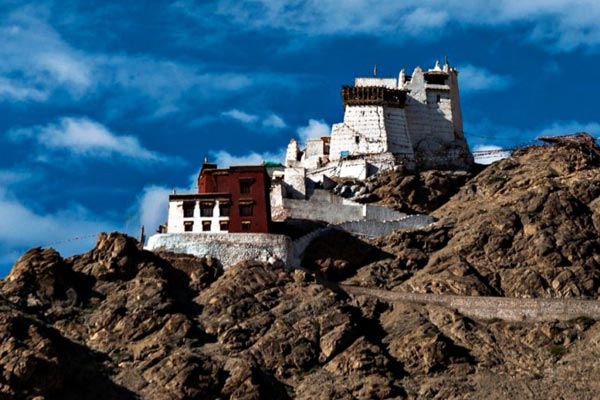
Namgyal Tsemo Gompa is a striking monastery and fort complex perched atop a jagged mountain peak directly above the Leh Palace, offering the most iconic bird’s-eye view of Leh town and the surrounding Indus Valley. Founded in 1430 by King Tashi Namgyal, it was built as a “victory peak” to celebrate the unification of Ladakh and to serve as a spiritual protector for the royal capital. The monastery is best known for its towering, three-story-high golden statue of Maitreya Buddha (the Future Buddha), which is beautifully preserved alongside ancient wall paintings and statues of protector deities. Its red-painted walls and fluttering prayer flags make it visible from almost anywhere in Leh, but it is especially famous during sunset when the entire structure glows against the Himalayan sky.
12. Phugtal Monastery
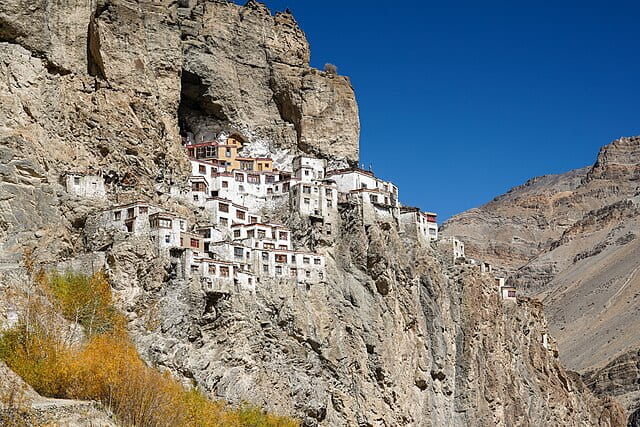
Phugtal Monastery (or Phuktal) is one of the most isolated and spectacular monasteries in the world, located in the remote Zanskar region of Ladakh. Built into the mouth of a massive natural cave on a sheer cliff face, it looks like a giant honeycomb clinging to the rock. Founded in the early 15th century by Jangsem Sherap Zangpo, the monastery’s name literally means “the cave of leisure” or “the cave of liberation.” It is unique because it remains one of the few Buddhist monasteries that can only be reached on foot, requiring a trek of one to two days through rugged mountain trails and over narrow suspension bridges crossing the turquoise Lungnak River. The monastery houses a community of around 70 monks, a library, and ancient prayer halls, with a sacred spring flowing deep inside the cave that is believed to have healing properties.
13. Likir Monastery
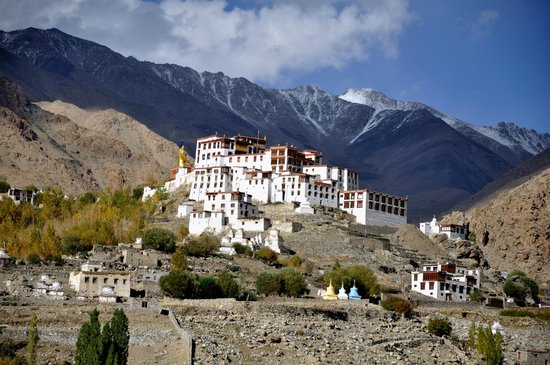
Likir Monastery, situated about 52 kilometres west of Leh, is one of Ladakh’s oldest and most visually impressive monasteries, belonging to the Gelugpa (Yellow Hat) sect. Originally founded in the 11th century and later rebuilt in the 18th century after a fire, its name “Likir” means “The Encircled Snake,” referring to the local belief that two serpent spirits (Nagas) once guarded the site. The monastery is most famous for its magnificent 23-metre (75-foot) tall gilded statue of Maitreya Buddha (the Future Buddha), which stands majestically in the open air and can be seen from miles away. Inside the complex, visitors can explore rich assembly halls filled with old thangkas, intricately carved woodwork, and a fascinating museum that displays royal gifts, ancient armour, and traditional Ladakhi artefacts.
14. Phyang Gompa
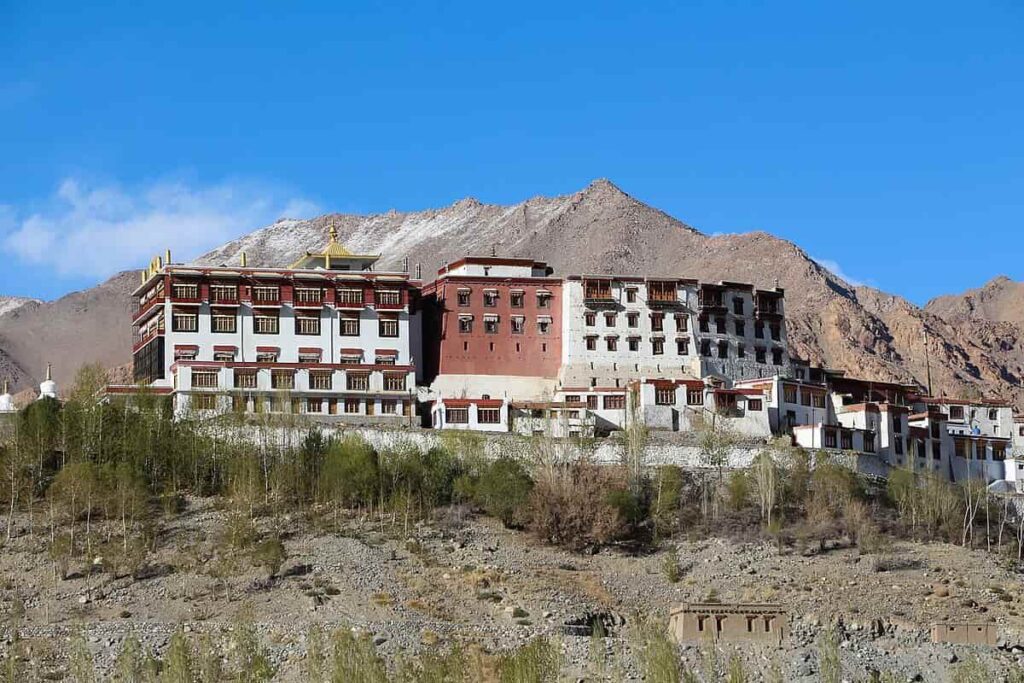
Phyang Gompa, located about 15 kilometres west of Leh, is a significant monastery belonging to the Drikung Kagyu (Red Hat) sect of Tibetan Buddhism. Established in the 16th century by King Tashi Namgyal, it is uniquely situated on a hillock that resembles a throne, overlooking a lush green village. The monastery is famous for its vast collection of ancient treasures, including a 900-year-old museum that houses an incredible array of Kashmiri bronze statues, Chinese silks, and Mongolian weapons. One of its most distinctive features is its massive Thangka (religious scroll), which is so large it is only unrolled and displayed to the public once every few years during the spectacular Phyang Tsedup festival. This festival is a major highlight, where monks perform sacred cham (masked) dances to celebrate the victory of good over evil.
15. Stakna Monastery
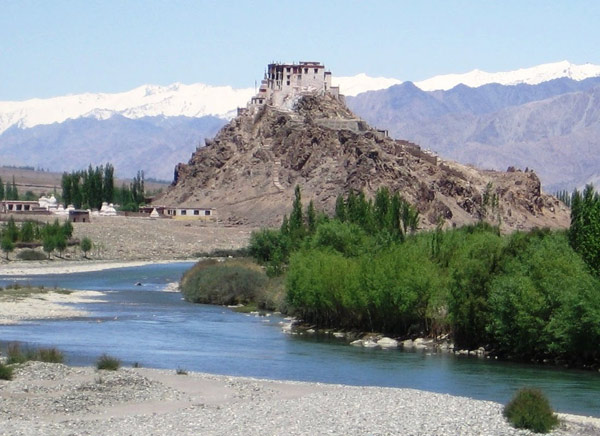
Stakna Monastery, located about 25 kilometres from Leh, is a beautiful and serene Buddhist monastery belonging to the Drugpa (Red Hat) sect. Its name “Stakna” literally translates to “Tiger’s Nose,” which refers to the shape of the high rocky hill on which the monastery is built. Founded in the late 16th century by a Bhutanese scholar and saint, Chosje Jamyang Palkar, it is one of the few monasteries in Ladakh that shows a strong Bhutanese influence in its art and architecture. The monastery is particularly famous for its stunning location on the banks of the Indus River, offering a peaceful atmosphere and a 360-degree view of the surrounding valley, including the famous Thiksey and Hemis monasteries in the distance.