

About France
France, officially known as the ‘French Republic,’ is the largest country in Western Europe. Due to its distinctive six-sided shape, it is also referred to as ‘L’Hexagone’ (The Hexagon). Its capital, Paris, is a global hub for art, fashion, and history. It is home to numerous famous historical landmarks, such as the Eiffel Tower and the Louvre Museum—the latter being the most visited museum in the world. The country boasts a deep and diverse history, spanning from the ancient Celts and Romans to the momentous French Revolution of 1789. This revolution abolished the monarchy, established a republic, and enshrined the nation’s enduring motto: ‘Liberty, Equality, Fraternity’ (Liberté, égalité, fraternité). Geographically, the country exhibits immense diversity—ranging from the sun-drenched Mediterranean beaches of the French Riviera to the towering, snow-capped peaks of the Alps. It is within these very Alps that Mont Blanc—the highest peak in Western Europe—is situated.
France stands out as one of the finest destinations for tourists, offering something special for everyone. Traveling around the country is remarkably easy thanks to its high-speed train network, which can transport you from the city to the coast in just a few hours. The nation is renowned for its magnificent cuisine, featuring delights such as fresh croissants, a wide variety of cheeses, and world-class dining experiences. Whether you wish to admire famous masterpieces at the Louvre, relax on the sun-kissed beaches of the French Riviera, or take in the breathtaking snowy landscapes of the Alps—France offers a high-quality experience that is both incredibly comfortable and exceptionally welcoming to visitors.
France’s economy is a highly developed and diversified ‘social market economy.’ It is the world’s seventh-largest economy and the second-largest within the European Union (EU). This economy is dominated by the service sector, which contributes approximately 80% to the country’s GDP through key areas such as tourism, finance, and retail trade. France also possesses a very robust industrial base; it leads the world in sectors such as aerospace (Airbus), luxury goods (LVMH), and pharmaceuticals (Sanofi). Notably, it is the European Union’s foremost agricultural power, single-handedly producing nearly one-third of the total agricultural output generated across the entire Union. Furthermore, it relies on nuclear energy to meet over 70% of its electricity requirements, providing it with a stable and low-carbon source of power. France is a safe country to visit; every year, millions of tourists visit the country without encountering any issues.
Most Famous And Attractive Tourist Places In France :
1. Paris

As the world’s best place to visit, it’s no surprise that the electrifying City of Light tops this list. France’s capital city is a year-round tourist destination with iconic attractions like the Louvre and the Eiffel Tower and incredible architecture (think: the dazzling Basilique du Sacré-Coeur). Paris also offers unparalleled dining and shopping scenes, plus more museums than you could hope to visit in one trip. Keep in mind, Paris is often flooded with tourists and room rates can be pricey. If you’re looking for a deal, travel in winter or early spring.
2. Eiffel Tower
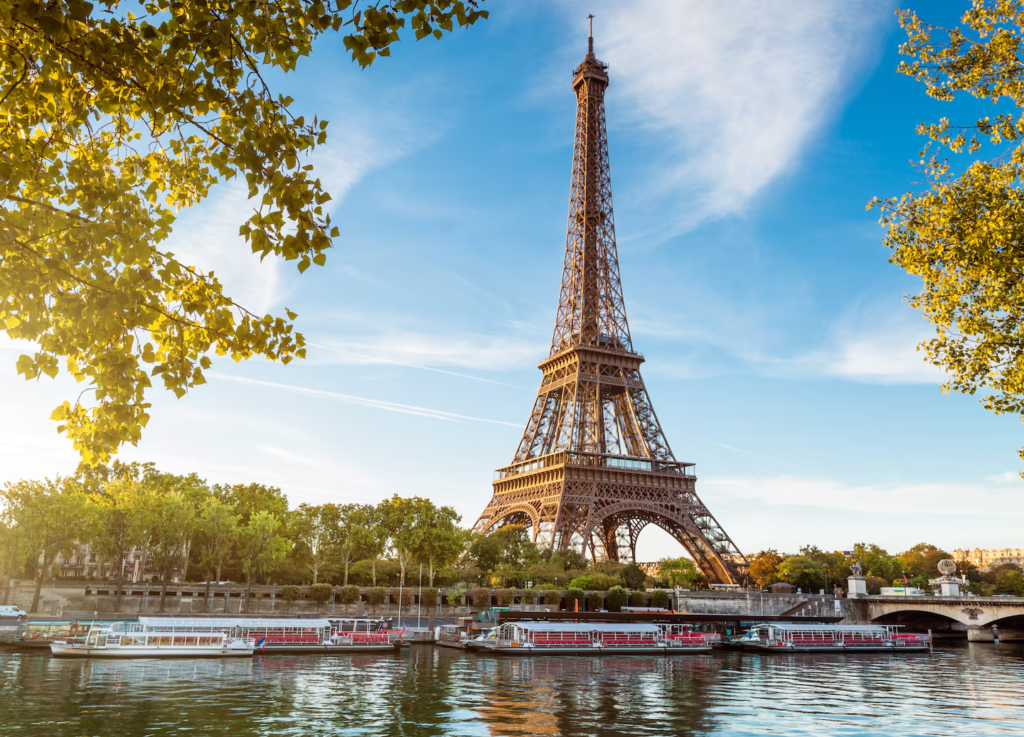
The Eiffel Tower is perhaps the most recognized architectural silhouette in the world, standing as a triumphant symbol of French engineering and ingenuity. Designed by Gustave Eiffel for the 1889 World’s Fair to celebrate the centennial of the French Revolution, it was originally criticized by many Parisians as an eyesore but has since become the heart of the city’s identity. Standing at 330 metres tall, the wrought-iron lattice tower offers three levels for visitors, providing breathtaking panoramic views of the Paris skyline. At night, the tower is transformed into a sparkling beacon, with thousands of golden lights and a rhythmic shimmer every hour, making it the ultimate destination for romantic proposals and a “must-see” for anyone visiting France for the first time.
3. Louvre Museum
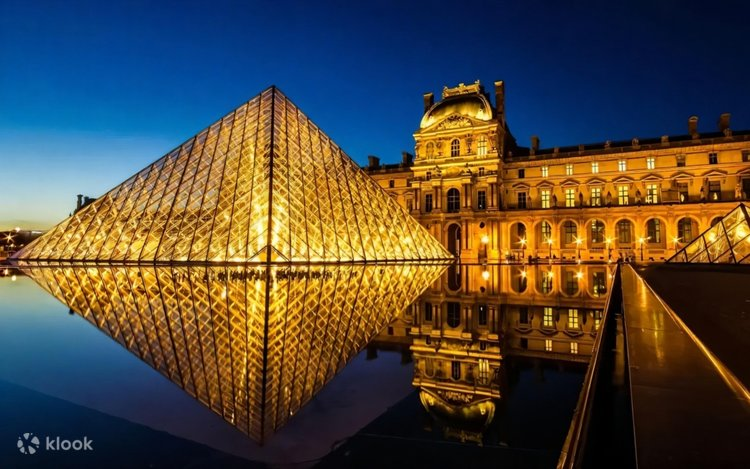
The Louvre Museum is the world’s largest and most visited art museum, housed in a magnificent former royal palace that spans eight centuries of French history. Its entrance is marked by the famous glass Pyramid, a modern contrast to the classical stone wings that hold over 35,000 works of art, including the enigmatic Mona Lisa, the Venus de Milo, and the Winged Victory of Samothrace. The museum’s collection is so vast that it covers everything from ancient Egyptian antiquities and Near Eastern civilizations to Islamic art and European paintings. Navigating its endless galleries is a journey through the evolution of human creativity, making it a cultural pilgrimage site that requires multiple visits to truly appreciate its depth and grandeur.
4. Nice
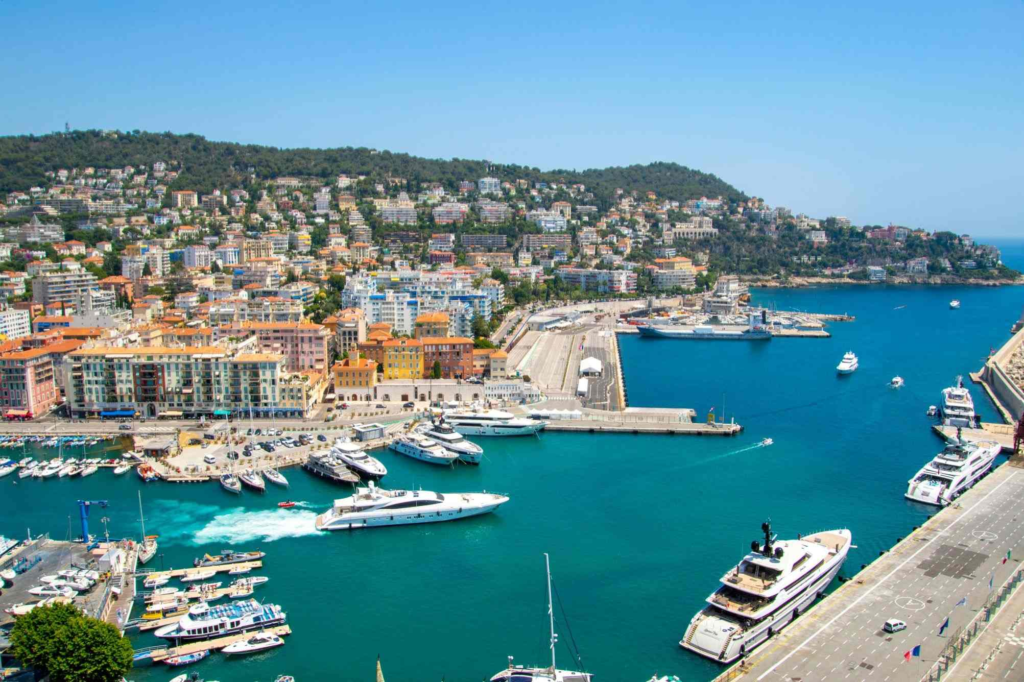
Nice is the glamorous capital of the French Riviera (Côte d’Azur), perfectly positioned on the pebbly shores of the Baie des Anges and framed by the foothills of the Alps. It is famous for the Promenade des Anglais, a long, sun-drenched walkway where locals and tourists alike walk, cycle, and enjoy the Mediterranean breeze. The city blends a sophisticated French atmosphere with distinct Italian influences, especially in the colorful Old Town (Vieux Nice) with its narrow streets and bustling flower markets. With its vibrant art scene—including museums dedicated to Matisse and Chagall—and its proximity to turquoise waters, Nice serves as the perfect base for exploring the luxury and natural beauty of the southern French coast.
5. Palace of Versailles
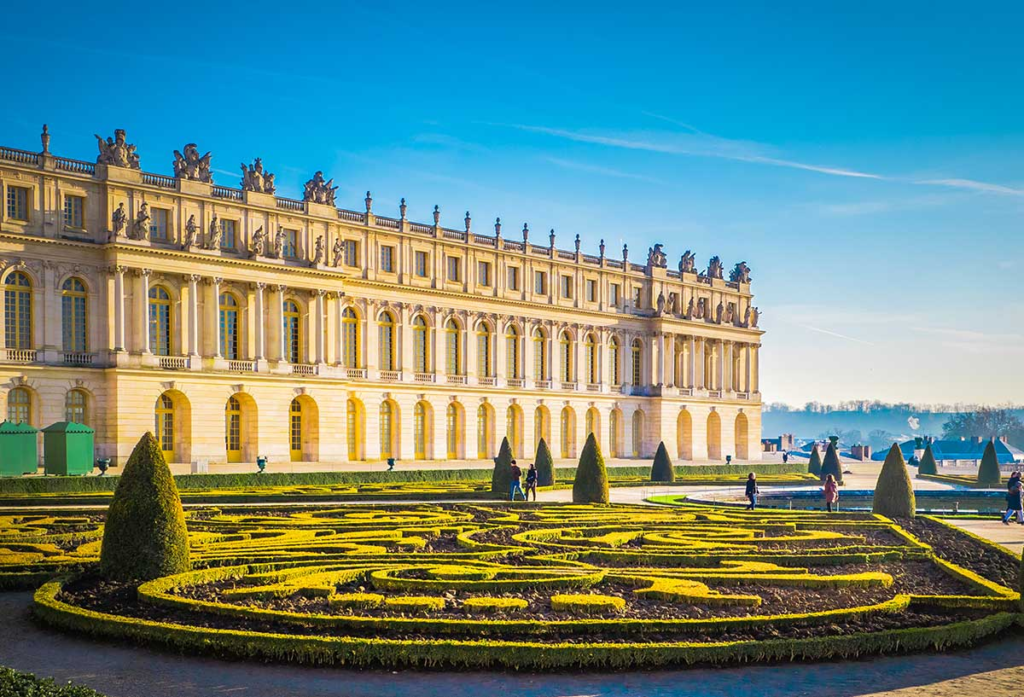
The Palace of Versailles is the ultimate monument to French absolute monarchy and the sheer opulence of King Louis XIV, the “Sun King.” Originally a simple hunting lodge, it was transformed into a sprawling complex of over 2,300 rooms, including the legendary Hall of Mirrors, where the Treaty of Versailles was signed to end World War I. The palace is equally famous for its massive, meticulously manicured gardens, which feature elaborate fountains, grand canals, and geometric flower beds that took decades to complete. A visit to Versailles offers a staggering look at the wealth and power of the French crown before the Revolution, from the King’s Grand Apartment to the more intimate retreat of Marie Antoinette at the Petit Trianon.
6. Disneyland
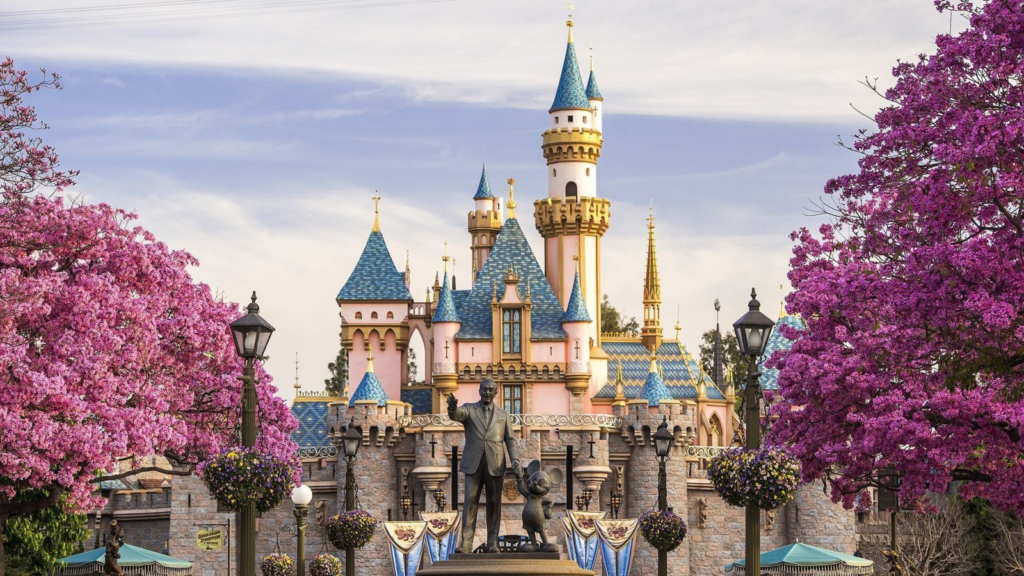
Disneyland Paris is Europe’s premier theme park destination, located in Marne-la-Vallée, just a short train ride from the center of Paris. The resort consists of two main parks: Disneyland Park, which features the iconic Sleeping Beauty Castle and classic lands like Fantasyland and Adventureland, and Walt Disney Studios Park, which focuses on the magic of filmmaking and Pixar stories. It is a place where fairy tales come to life through spectacular parades, high-speed thrill rides like Space Mountain, and immersive meet-and-greets with beloved characters. For families and Disney enthusiasts, it offers a uniquely European twist on the “Happiest Place on Earth,” complete with world-class dining, themed hotels, and dazzling nighttime fireworks displays.
7. Arc De Triomphe
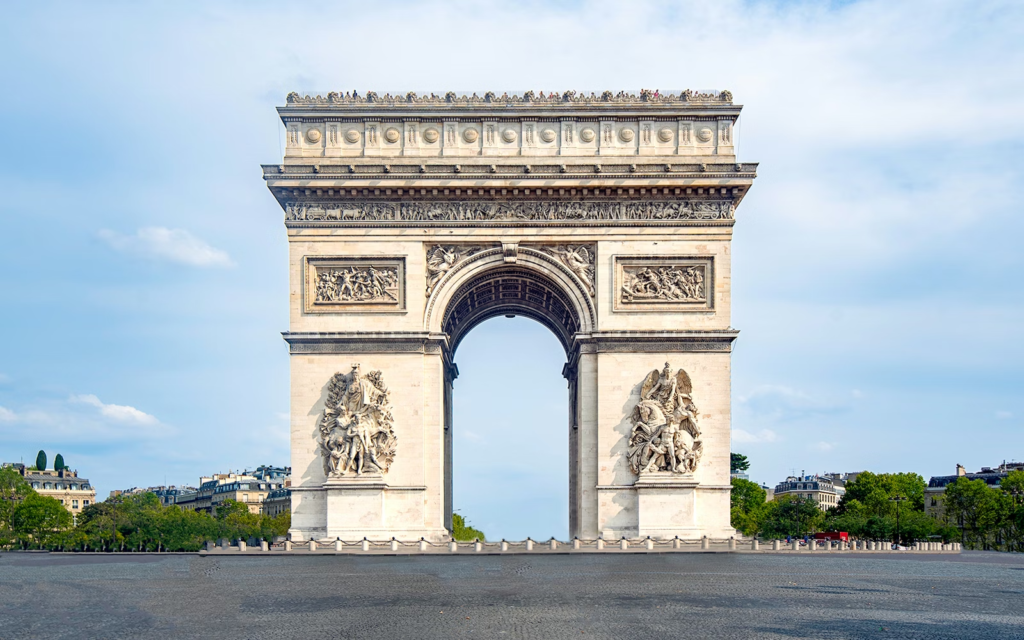
The Arc de Triomphe is a massive triumphal arch standing at the center of the Place Charles de Gaulle, where twelve grand avenues—including the Champs-Élysées—converge in a star-shaped pattern. Commissioned by Napoleon Bonaparte after his victory at Austerlitz in 1805, the monument honors those who fought and died for France in the French Revolutionary and Napoleonic Wars. Beneath its intricate vault lies the Tomb of the Unknown Soldier from World War I, where an eternal flame is rekindled every evening. Visitors can climb to the top of the arch for one of the best views in Paris, looking down the perfectly straight line of the “Historical Axis” that connects the Louvre to the modern skyscrapers of La Défense.
8. Notre Dame Cathedral
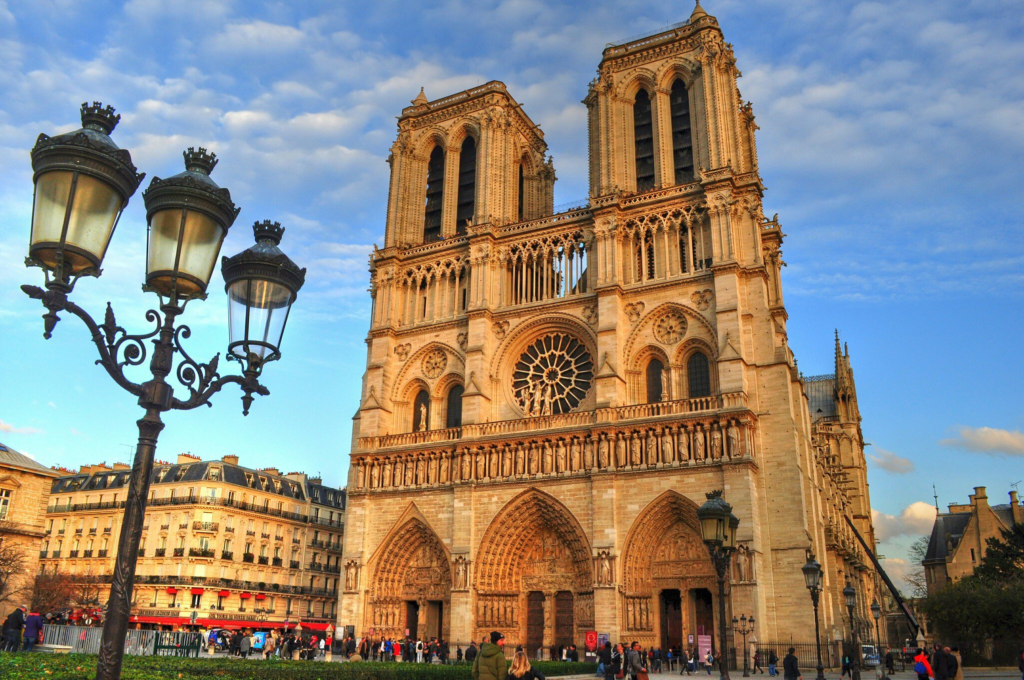
Notre-Dame de Paris is a masterpiece of French Gothic architecture located on the Île de la Cité, the historic cradle of the city. Known for its innovative use of flying buttresses, its dramatic gargoyles, and its magnificent rose windows, the cathedral has been a spiritual and cultural heart of France for over 850 years. It gained worldwide literary fame through Victor Hugo’s The Hunchback of Notre-Dame, which helped spur its restoration in the 19th century. Although it suffered a devastating fire in 2019, the cathedral is undergoing an extraordinary restoration to return it to its former glory, continuing to stand as a resilient symbol of French heritage and Gothic artistic achievement.
9. Normandy
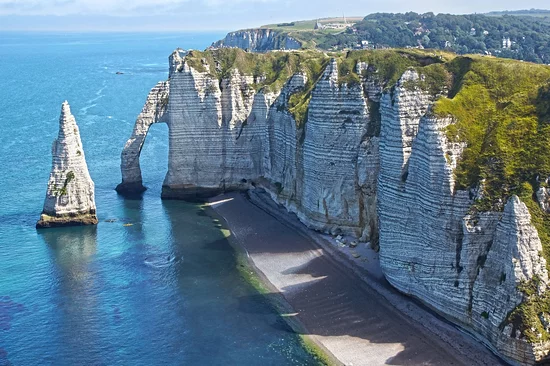
Normandy is a region in northwestern France known for its dramatic coastline, rolling green countryside, and profound historical significance. It is most famously the site of the D-Day Landings during World War II, with the beaches of Omaha and Utah and the somber American Cemetery at Colleville-sur-Mer serving as powerful memorials to the Allied forces. Beyond its wartime history, Normandy is home to the stunning Mont Saint-Michel, a medieval abbey perched on a rocky island that is cut off from the mainland by high tides. The region is also a culinary paradise, world-renowned for its creamy Camembert cheese, sparkling apple cider, and Calvados brandy, making it a destination that feeds both the soul and the palate.
10. Museum of Fine Arts of Lyon
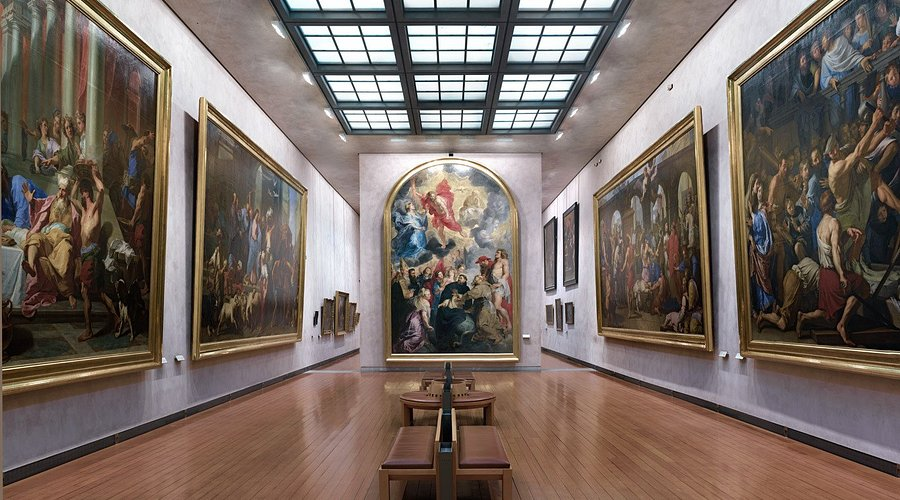
The Museum of Fine Arts of Lyon (Musée des Beaux-Arts) is housed in a magnificent 17th-century former Benedictine abbey and is often considered the most important art museum in France after the Louvre. Its collection is impressively diverse, spanning from ancient Egyptian artifacts to modern masterpieces by artists like Picasso, Matisse, and Monet. One of the museum’s most enchanting features is its quiet, cloistered courtyard garden, filled with statues and lush greenery, providing a peaceful escape in the heart of the city. The museum’s beautifully restored galleries showcase an incredible range of paintings, sculptures, and decorative arts, making it a cornerstone of Lyon’s rich cultural and intellectual identity.
11. The Loire Valley
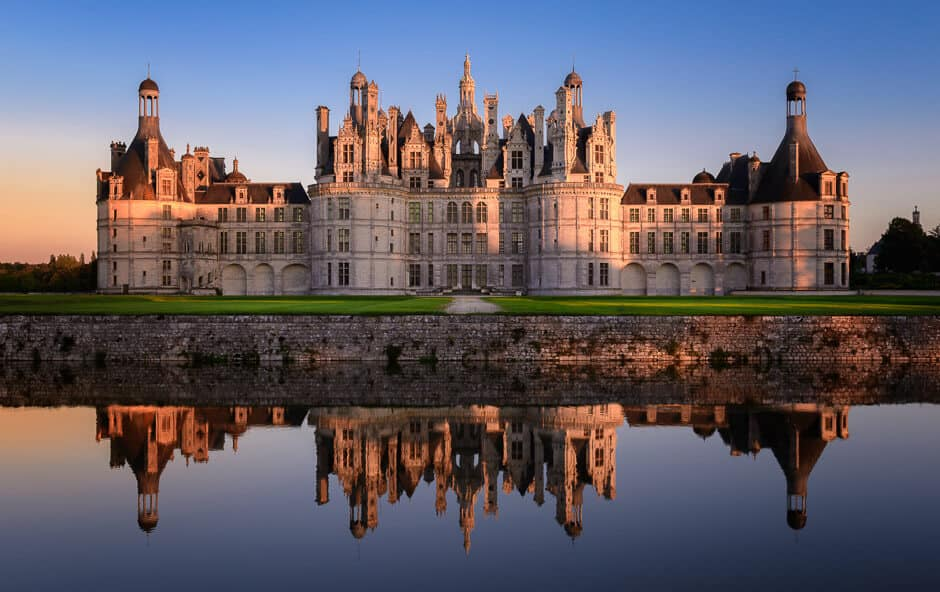
The Loire Valley, often called the “Garden of France,” is a UNESCO World Heritage region famous for its stunning collection of over 300 châteaux and its lush, vineyard-covered landscapes. Once the playground of French kings and nobility, the valley features architectural marvels like the massive, turreted Château de Chambord and the elegant Château de Chenonceau, which spans the River Cher. The region is also the heart of French wine production, known for its crisp Sancerre and sparkling Vouvray. Traveling through the Loire Valley feels like entering a living storybook, where medieval fortresses and Renaissance palaces sit nestled among sleepy villages and gently flowing rivers.
12. Marseille
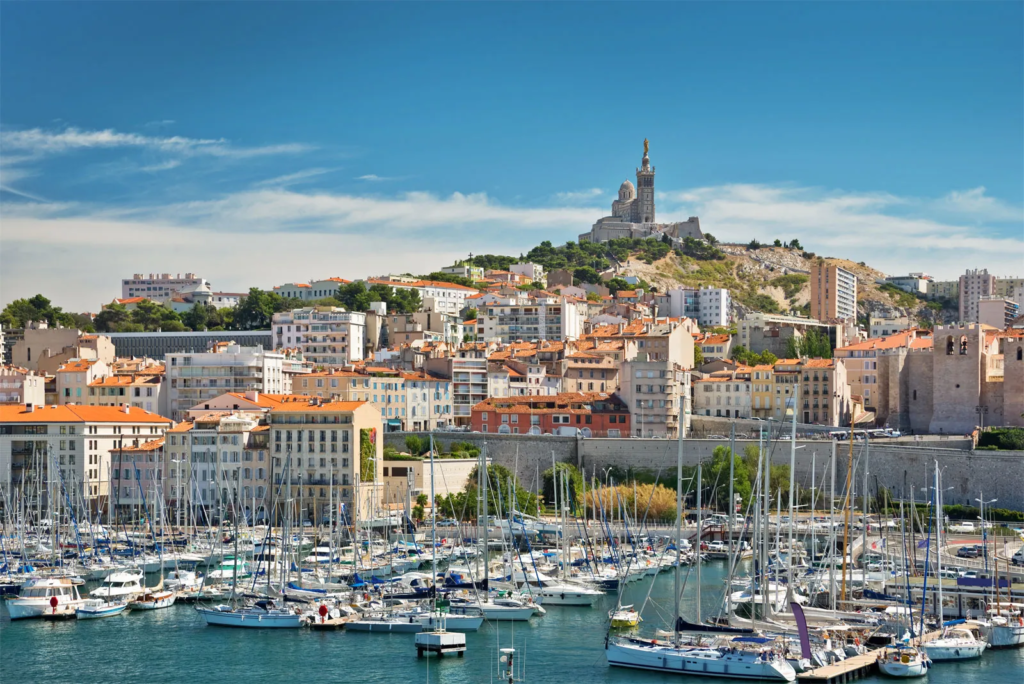
Marseille is France’s oldest city and its largest commercial port, offering a gritty, vibrant, and sun-soaked Mediterranean atmosphere that is distinct from anywhere else in the country. The heart of the city is the Vieux-Port (Old Port), where fishermen have sold their catch for over 2,600 years and where you can now find modern landmarks like the MuCEM museum. Overlooking the city is the stunning Basilique Notre-Dame de la Garde, which provides 360-degree views of the sprawling urban landscape and the nearby Frioul Islands. Marseille is also the gateway to the Calanques National Park, a series of dramatic limestone cliffs and hidden turquoise inlets that offer some of the most beautiful hiking and swimming spots in France.
13. Lyon
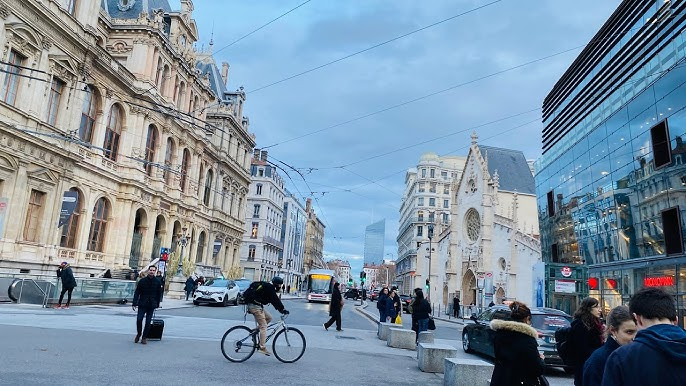
Lyon is the undisputed gastronomic capital of France, located at the confluence of the Rhône and Saône rivers. The city is a fascinating architectural tapestry, from the ancient Roman theaters on Fourvière Hill to the narrow “traboules” (hidden passageways) of the Renaissance-era Vieux Lyon. Food lovers flock to the city’s traditional “bouchons” to sample local specialties like quenelles and Lyon sausage, or to the Les Halles de Lyon Paul Bocuse food market. Beyond its food, Lyon is a center for the silk industry and cinema history, and it comes alive every December with the spectacular Festival of Lights (Fête des Lumières), when the city’s buildings are transformed by dazzling light projections.
14. Bordeaux
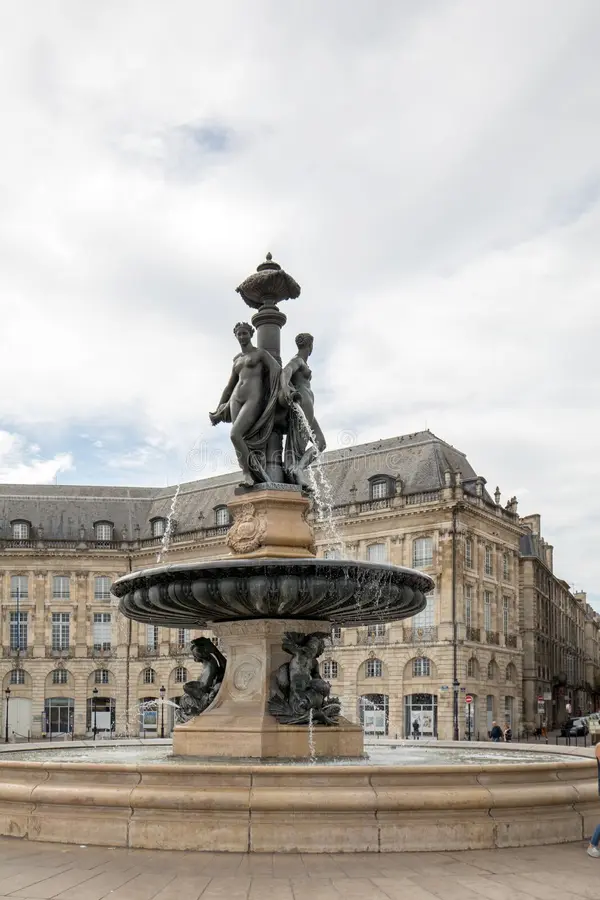
Bordeaux is a world-class city synonymous with the finest wines on the planet, but it is also an architectural gem with more protected historic buildings than any French city except Paris. The city’s “Golden Triangle” features stunning 18th-century neo-classical architecture, including the Grand Théâtre and the Place de la Bourse with its mesmerizing “Water Mirror” (Miroir d’eau). For wine enthusiasts, the ultra-modern Cité du Vin museum offers an immersive journey through the history of global viticulture. Surrounded by legendary wine regions like Saint-Émilion and Médoc, Bordeaux is a sophisticated destination that blends a high-speed modern lifestyle with deep-rooted traditions of elegance and craftsmanship.
15. Strasbourg
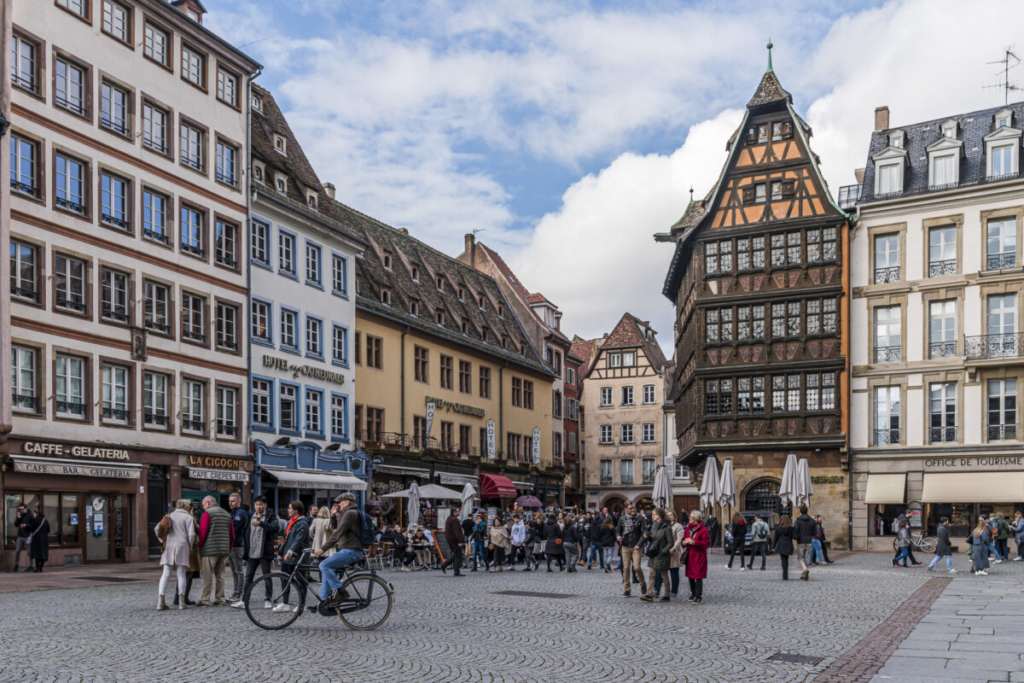
Strasbourg is the capital of the Grand Est region and the formal seat of the European Parliament, uniquely blending French and German cultures due to its history of changing hands between the two nations. This “Franco-German” identity is most visible in its architecture, particularly in the picturesque “Petite France” district with its half-timbered houses and winding canals. The city is dominated by the awe-inspiring Strasbourg Cathedral, a pink sandstone Gothic masterpiece with a single spire and a famous astronomical clock. Strasbourg is also known as the “Capital of Christmas,” hosting one of the oldest and most atmospheric Christmas markets in Europe, filling the air with the scent of mulled wine and gingerbread.
16. Rocamadour
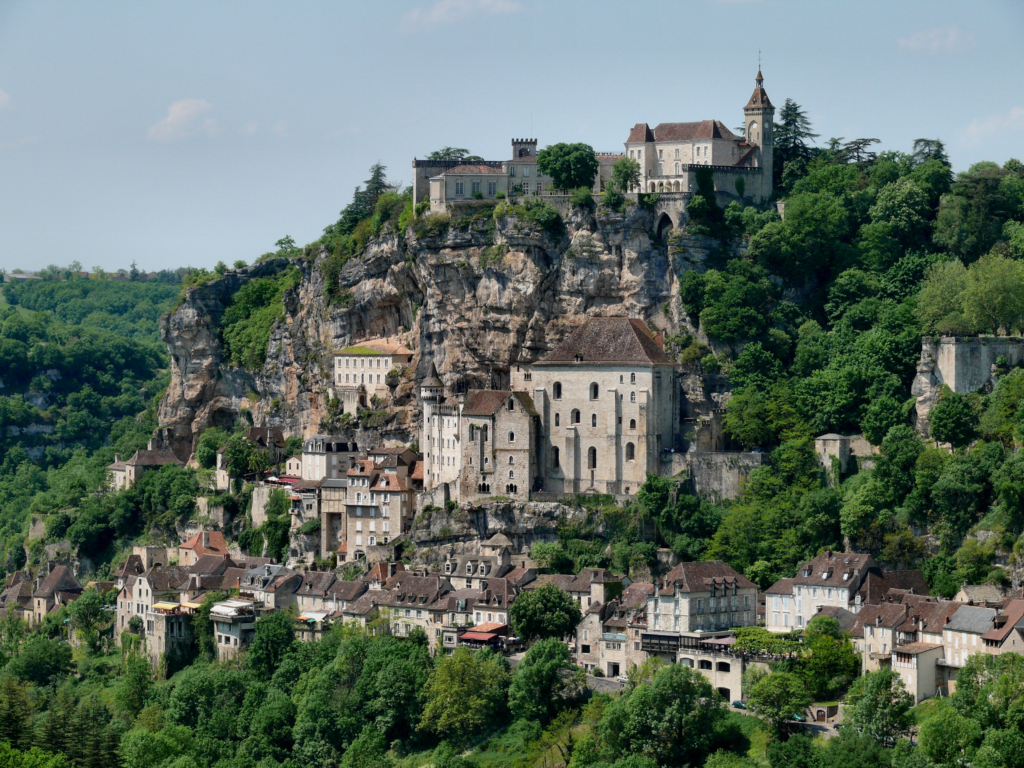
Rocamadour is a breathtaking medieval village that appears to cling to the side of a sheer limestone cliff overlooking the Alzou Canyon in southwestern France. For centuries, it has been one of the most important pilgrimage sites in Christendom, famous for the Sanctuary of the Blessed Virgin Mary and its “Black Madonna” statue. Visitors must climb the 216 steps of the Grand Degré (traditionally on their knees) to reach the monastic complex and the seven chapels built into the rock. The sight of the village’s vertical layers of stone houses and towers illuminated at night is one of the most iconic and spiritual images of rural France, offering a profound sense of history and devotion.
17. Cannes
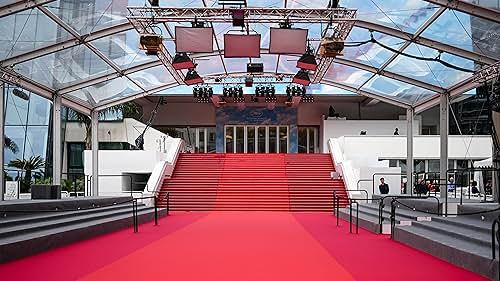
Cannes is the sparkling jewel of the French Riviera, synonymous with high-end luxury, super-yachts, and the world-famous Cannes Film Festival. The city’s main artery is the Boulevard de la Croisette, a palm-lined promenade bordered by sandy beaches on one side and designer boutiques and legendary hotels like the Carlton on the other. While the city is famous for its red-carpet glamour, it also offers a quieter charm in the historic Suquet hill district, which provides stunning views of the bay. Just offshore lie the Lérins Islands, a peaceful retreat where visitors can explore a fortified monastery and enjoy the pine-scented Mediterranean air away from the paparazzi.
18. Corsica
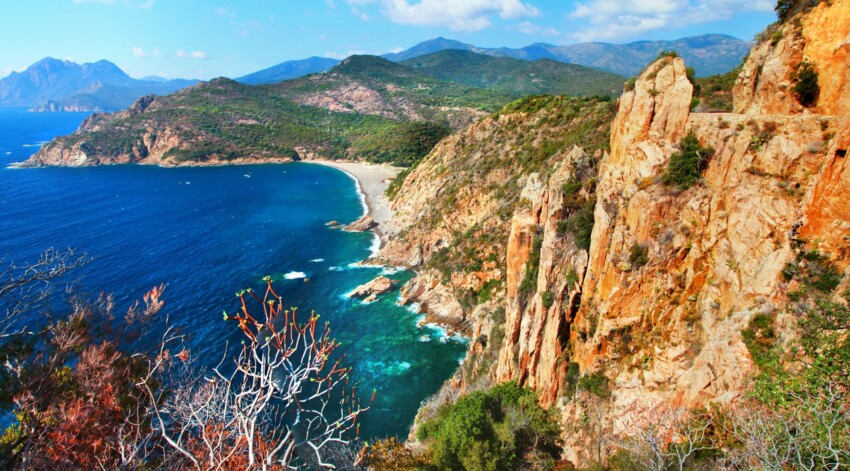
Corsica, known as the “Isle of Beauty,” is a rugged, mountainous Mediterranean island that offers a wilder and more untamed experience than mainland France. It is famous for its dramatic landscapes, ranging from the sheer red cliffs of the Calanches de Piana to the white sand beaches of Porto-Vecchio and the high-altitude hiking trails of the GR20. The island has a fierce sense of independent identity and a unique culture that blends French and Italian traditions, which is reflected in its polyphonic music and hearty mountain cuisine. Whether you are exploring the cliffside town of Bonifacio or the birthplace of Napoleon in Ajaccio, Corsica provides a stunning mix of coastal luxury and raw, natural wilderness.
19. Colmar
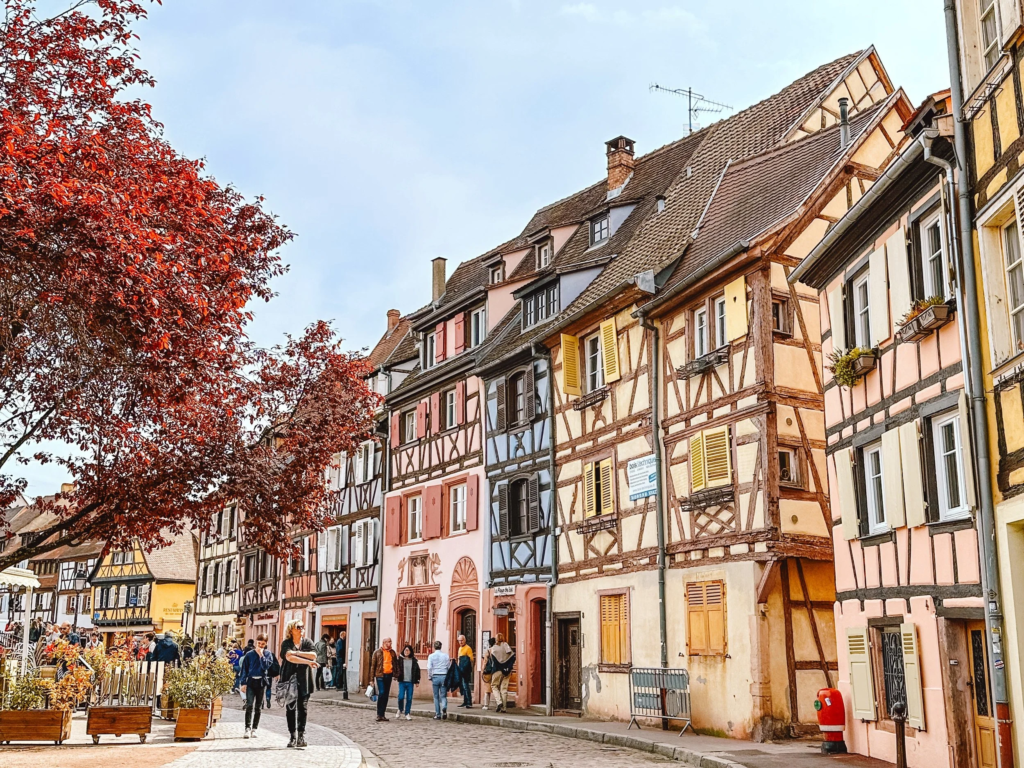
Colmar is often described as the most beautiful town in the Alsace region, looking like a scene straight out of a Disney movie with its brightly painted half-timbered houses and flower-lined canals. The district known as “Little Venice” (La Petite Venise) is the town’s most picturesque area, where visitors can take boat rides through the heart of the historic center. Colmar is also a major cultural hub, housing the Unterlinden Museum and its famous Isenheim Altarpiece. As a key stop on the Alsace Wine Route, it serves as an excellent base for tasting some of the world’s best Rieslings and Gewürztraminers, all while surrounded by a fairytale atmosphere that feels perfectly preserved in time.
20. Saint-Tropez
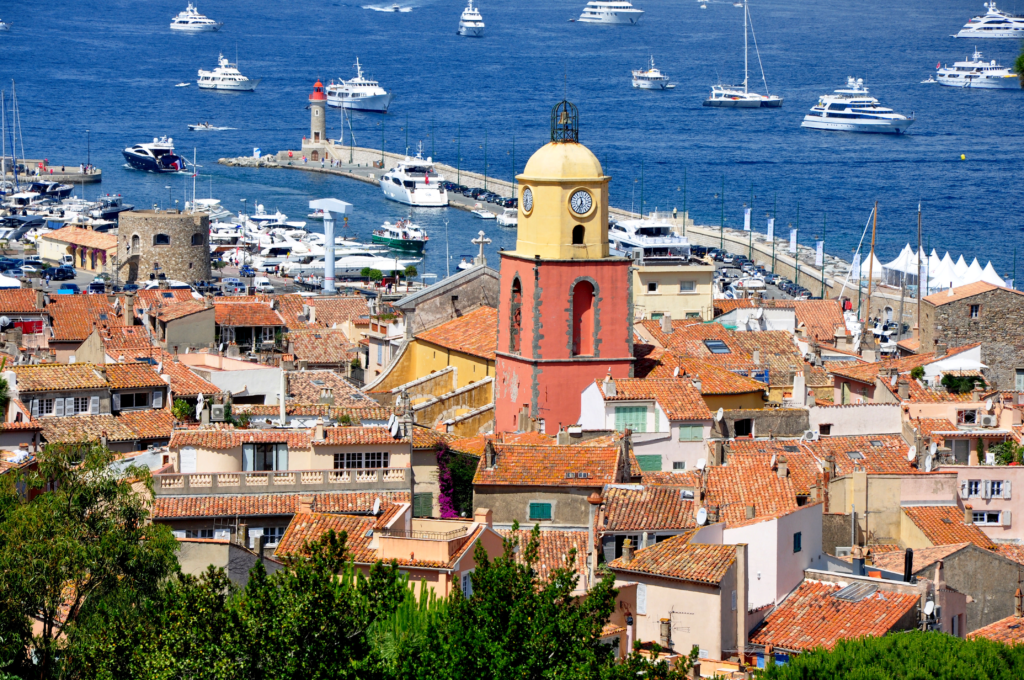
Saint-Tropez was a quiet fishing village until the 1950s, when it was transformed into a global playground for the “jet set” by icons like Brigitte Bardot. Today, it remains one of the most exclusive destinations in the world, famous for its massive yachts docked in the harbor, its legendary beach clubs on Pampelonne Beach, and its vibrant nightlife. Despite its flashy reputation, the village retains a surprising amount of traditional charm in its narrow, pastel-colored streets and its central square, the Place des Lices, where locals still play pétanque under the shade of plane trees. It is a place where old-world Mediterranean beauty meets the peak of modern luxury and celebrity culture.